Creative Burnout in Design
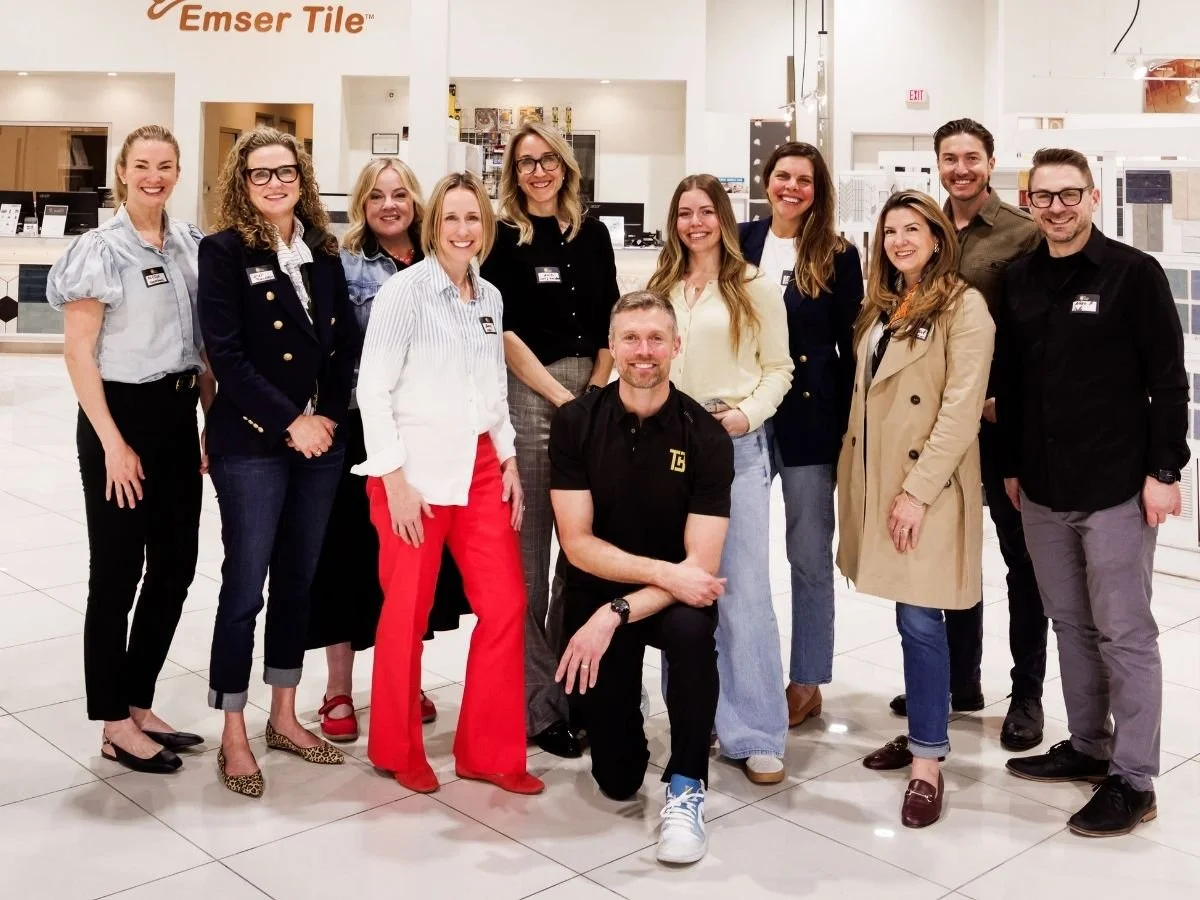
Table of Contents
There’s a certain kind of conversation that only happens when you get the right people in the room.
Not a presentation or a networking event where everyone’s half-listening and scanning for the next handshake.
But a room where people are honest about what’s working, what’s not, and what it really feels like to run a creative business right now.
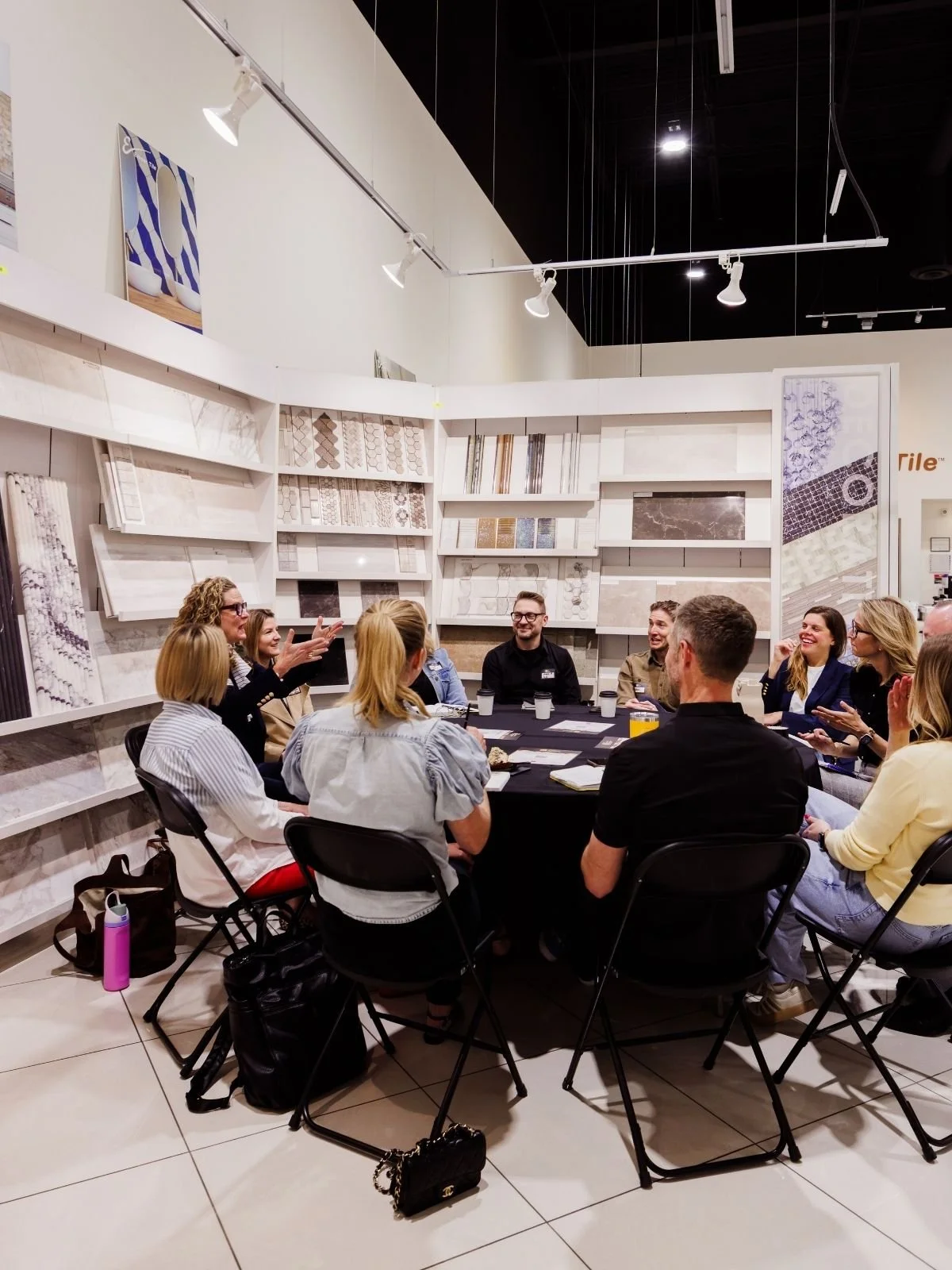
That’s what this last Minneapolis Designer Collective felt like.
And if I had to sum it up in one sentence, it’d be this: Most designers aren’t struggling with talent, they’re struggling with energy.
Creative Energy Is Not Unlimited (Even If We Pretend It Is)
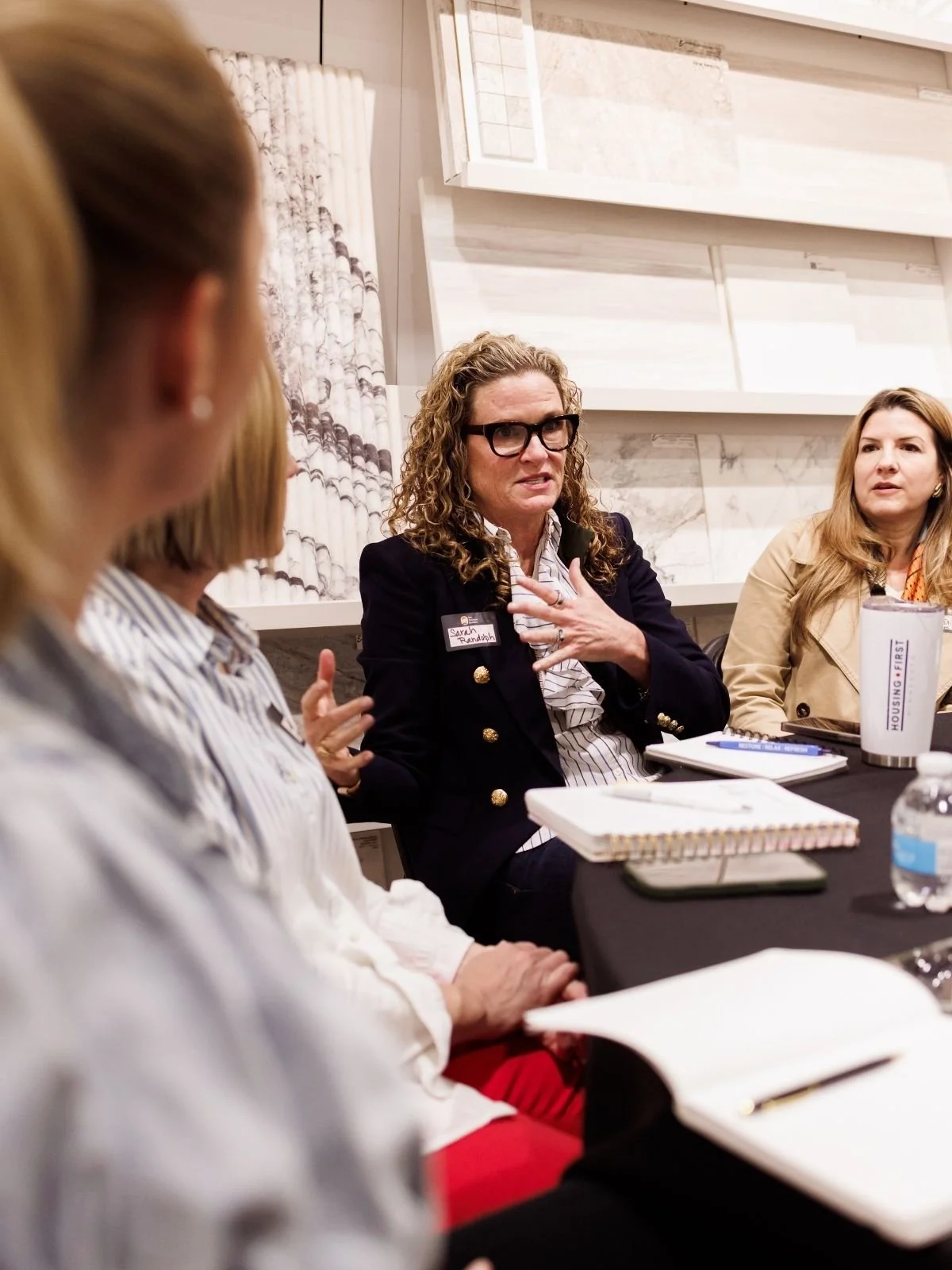
One of the strongest threads throughout the day was just how easy it is to burn out creatively.
Not because people don’t love what they do, but because everything around the creative work environment slowly drains the ability to do it well.
It’s not just client projects. It’s:
Emails
Invoices
Meal planning
Kids
Constant decision-making
Being “on” all the time
Running a business on top of doing the work
And before long, the creative part (the reason most people got into this in the first place) starts to feel like the hardest part to access.
What was interesting wasn’t just the problem of mental exhaustion. It was how different people in the design industry recharge.
Some need time outside. Some need to travel. Some need physical activity. Some need space to think without pressure. Some just need to step away from the business long enough to actually work on it.
There wasn’t one answer, but there was a shared realization. If you don’t actively protect your creative energy, the business will take all of it.
Boundaries Make Good Work Possible
We spent a lot of time talking about revisions in the design process. And not in a technical sense, but in the emotional and operational reality of them. The endless second-guessing. The revisiting decisions that were already made. The temptation to “just tweak one more thing.” And underneath all of it… perfectionism.
The group got honest about how often projects get overworked because the designer couldn’t let it go. But here’s the shift that kept coming up: Boundaries aren’t about caring less. They’re about protecting the process so you can care better.
That looks like limiting options instead of overwhelming clients, defining revision rounds clearly, actually charging for additional changes, and not reopening decisions once they’re approved.
Because the reality is, more options don’t lead to better outcomes.They usually lead to more confusion. And when designers hold the line, the creative flow tends to move faster, feel better, and end stronger.
Trust Changes Everything
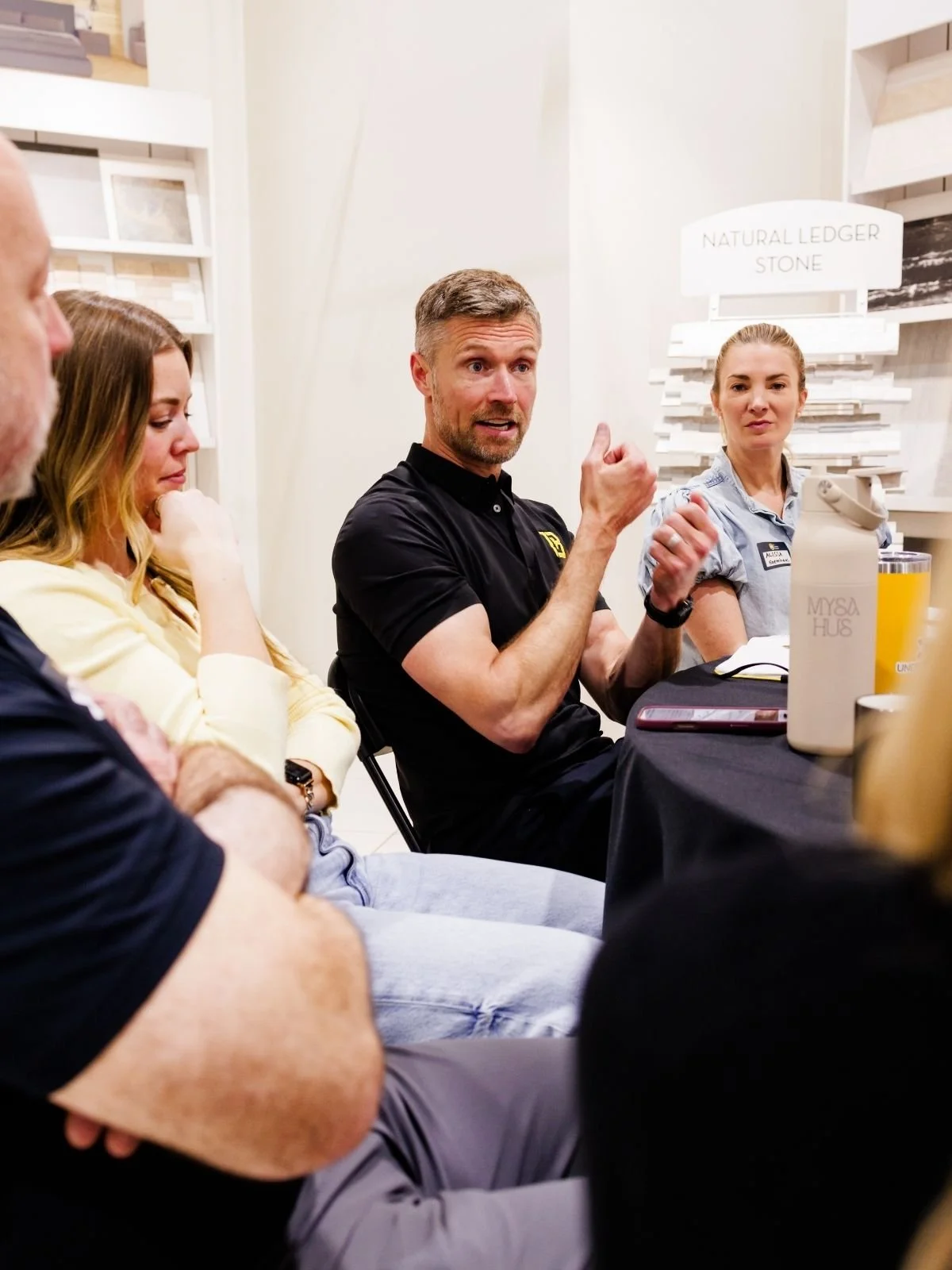
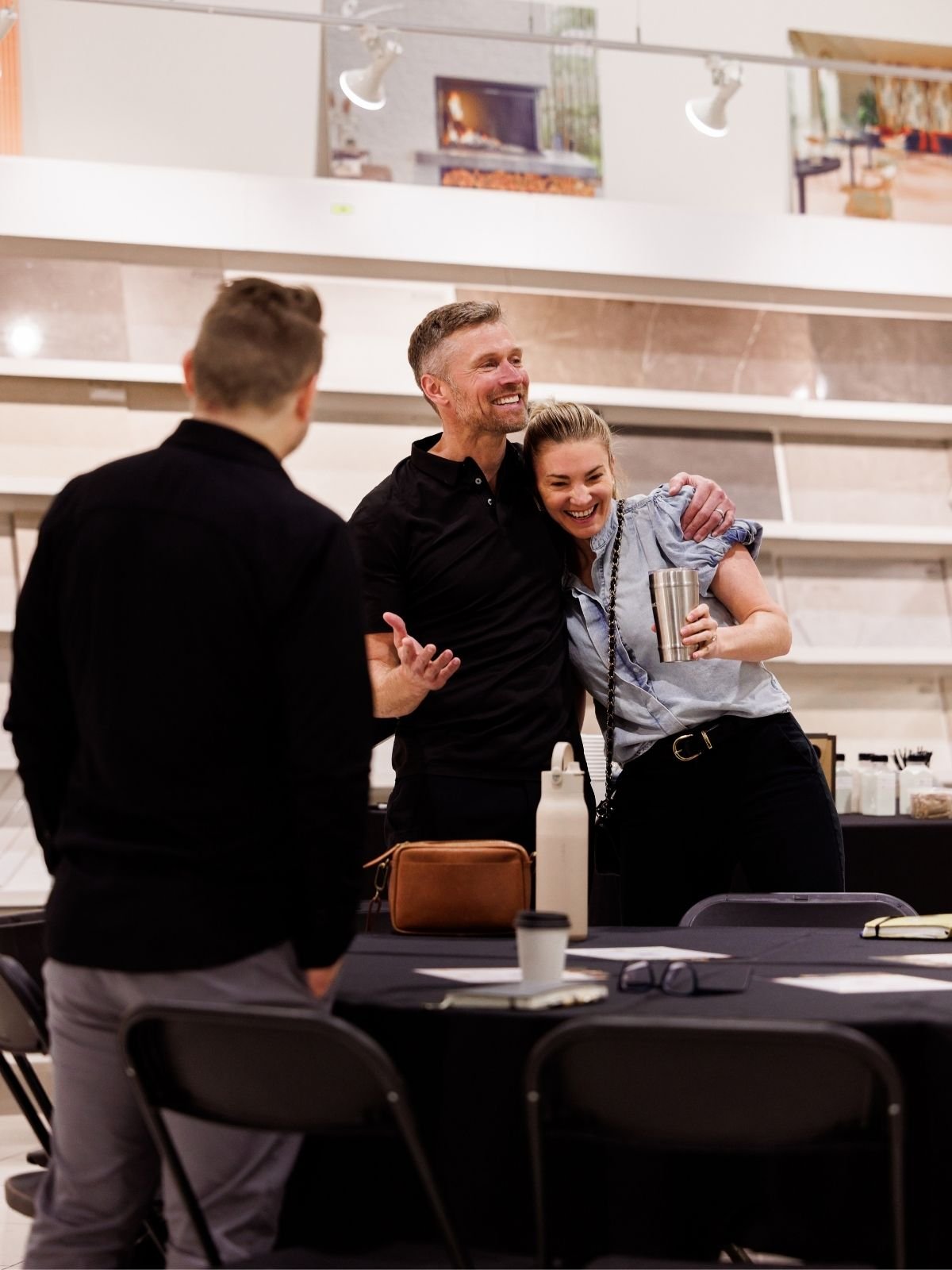
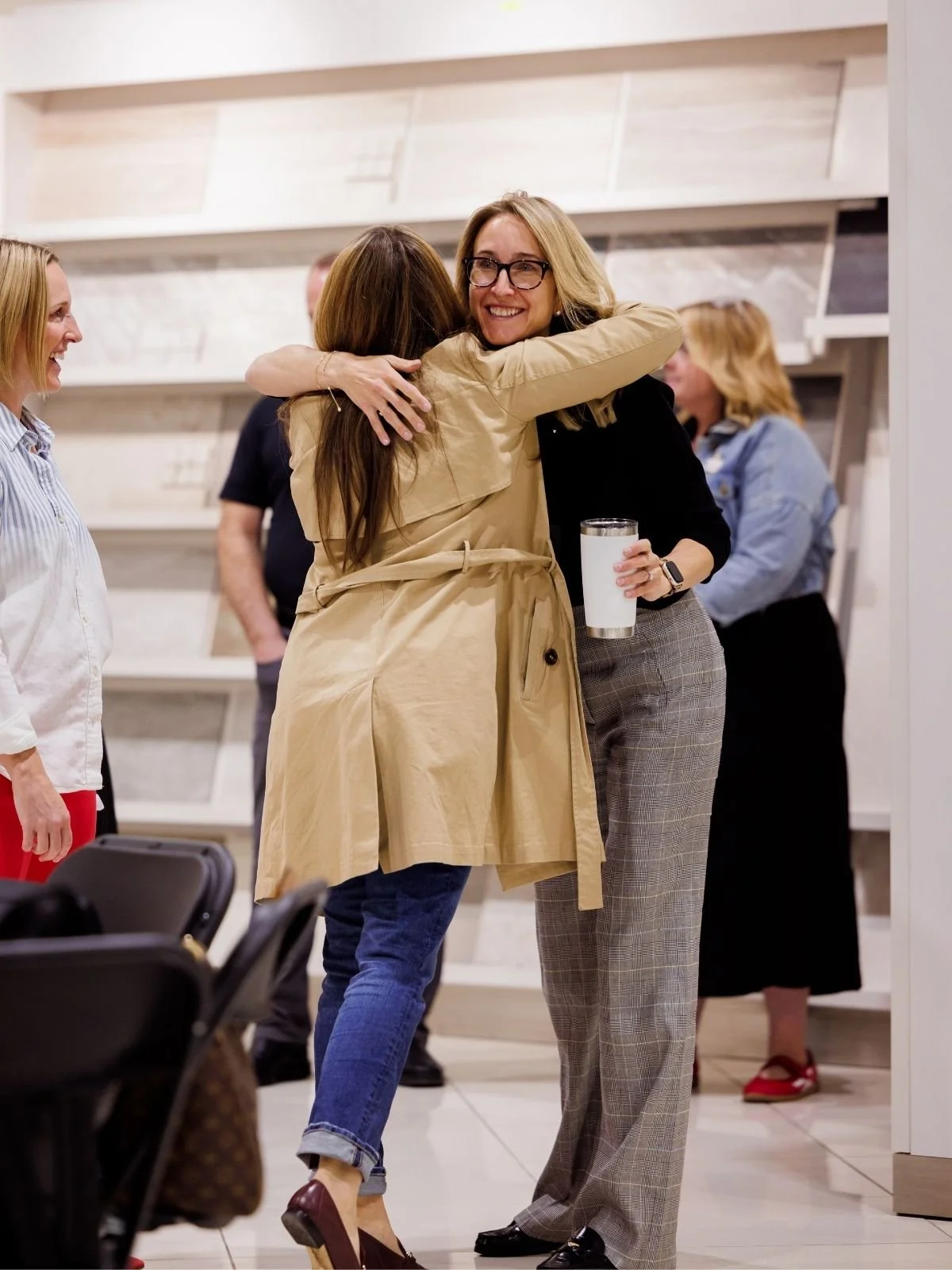
Another conversation that kept resurfacing was the difference between high-trust clients and high-control clients in the interior design business.
Higher-end clients tend to trust the process more and be able to focus on the outcome rather than the individual steps. Where tighter budgets often come with more pressure, client control, and second-guessing.
Neither is right or wrong. But they create very different project experiences.
One insight that stuck with me came from a conversation referencing Julia Miller of Yond Interiors: “You’re not hiring us for your opinion. You’re hiring us for our opinion.”
Because when trust is present, designers can actually do the work they’re hired to do. And when it’s not, the project often becomes more about managing emotions than creating something great.
AI Is Here And Everyone’s Figuring It Out in Real Time
AI came up more than I expected. Not in a “this will change everything overnight” kind of way but in a practical, curious way.
Design professionals are experimenting using tools for structuring ideas, brainstorming concepts, visual exploration, client communication, and workflow support.
There’s excitement and hesitation both, but the general tone was positive with designers looking for ways to support creativity, not replace it.
Curious about AI? Here’s how I’m using it!
The Work Is More Personal Than We Talk About
Toward the end of the conversation, things shifted. Less about systems. More about meaning and emotional impact.
Because behind a lot of these projects are real life moments: Divorce. Loss. Starting over. Growing families. Big transitions. And design ends up sitting right in the middle of it, helping people move forward.
That part of the work doesn’t always show up in photos, but it’s often the most important part.
“Networking” Isn’t the Point Anymore
At one point, someone said “The word networking needs a rebrand.”
And that might’ve been one of the most accurate takeaways of the day. Because what people are craving isn’t more events, it’s better ones. Smaller groups. More honesty. Longer conversations.
People want to be in rooms where they can actually talk about what’s going on, not just what’s going well. And that’s what the Collective is trying to create. Because in this industry, who you’re around matters more than most people admit.
When the people in the room leave just a little more clear, a little more supported, and a little more grounded in how they want to move forward, that's a success.
Interested in joining us? Reach out today!
Thank you to our Sponsors: Pella, Emser Tile, Walk Your Plans MN, Harnish