Table of Contents
If you've been in the construction industry long enough, you've probably made a hiring decision you wish you could take back. Maybe you were overwhelmed with work and needed someone immediately. Maybe a candidate looked great on paper but turned out to be a poor fit. Or maybe you knew an employee wasn't working out but kept hoping things would get better.
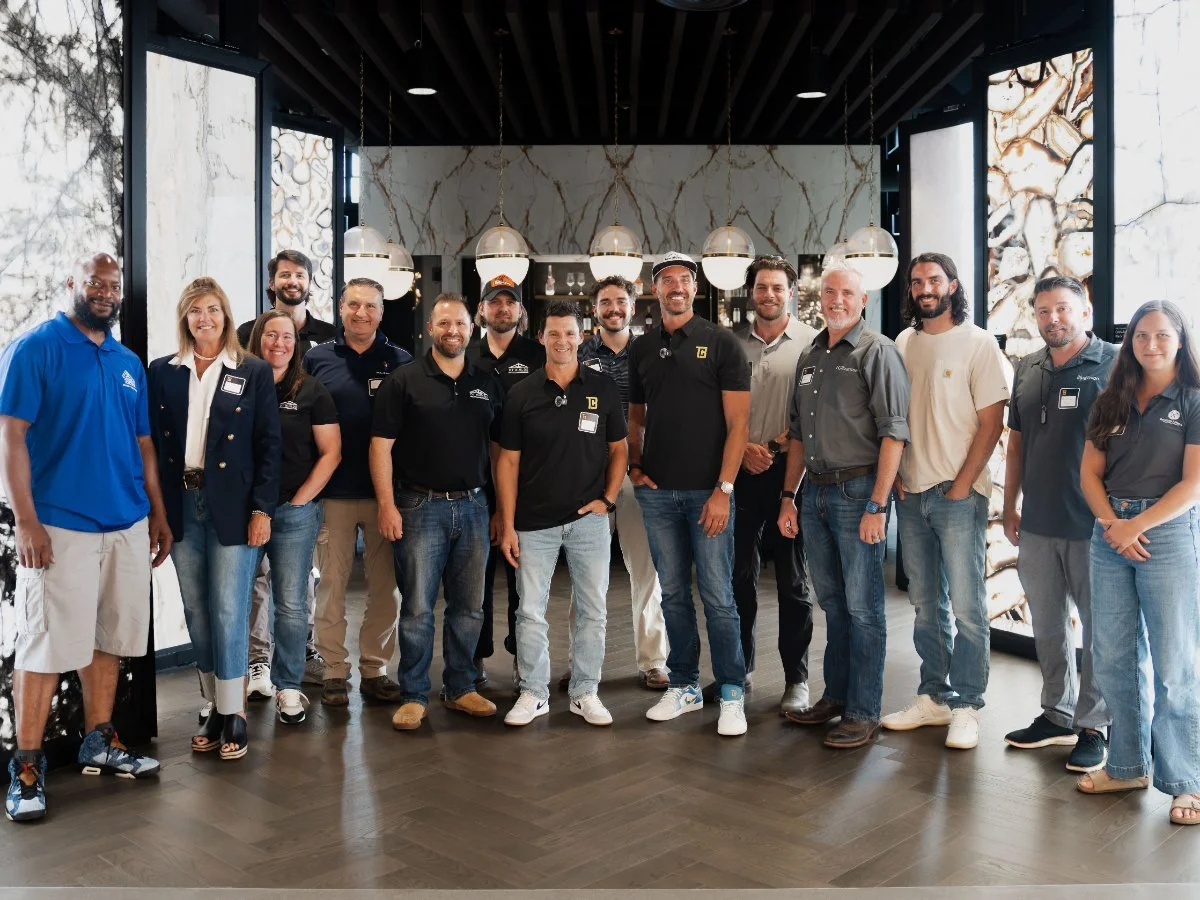
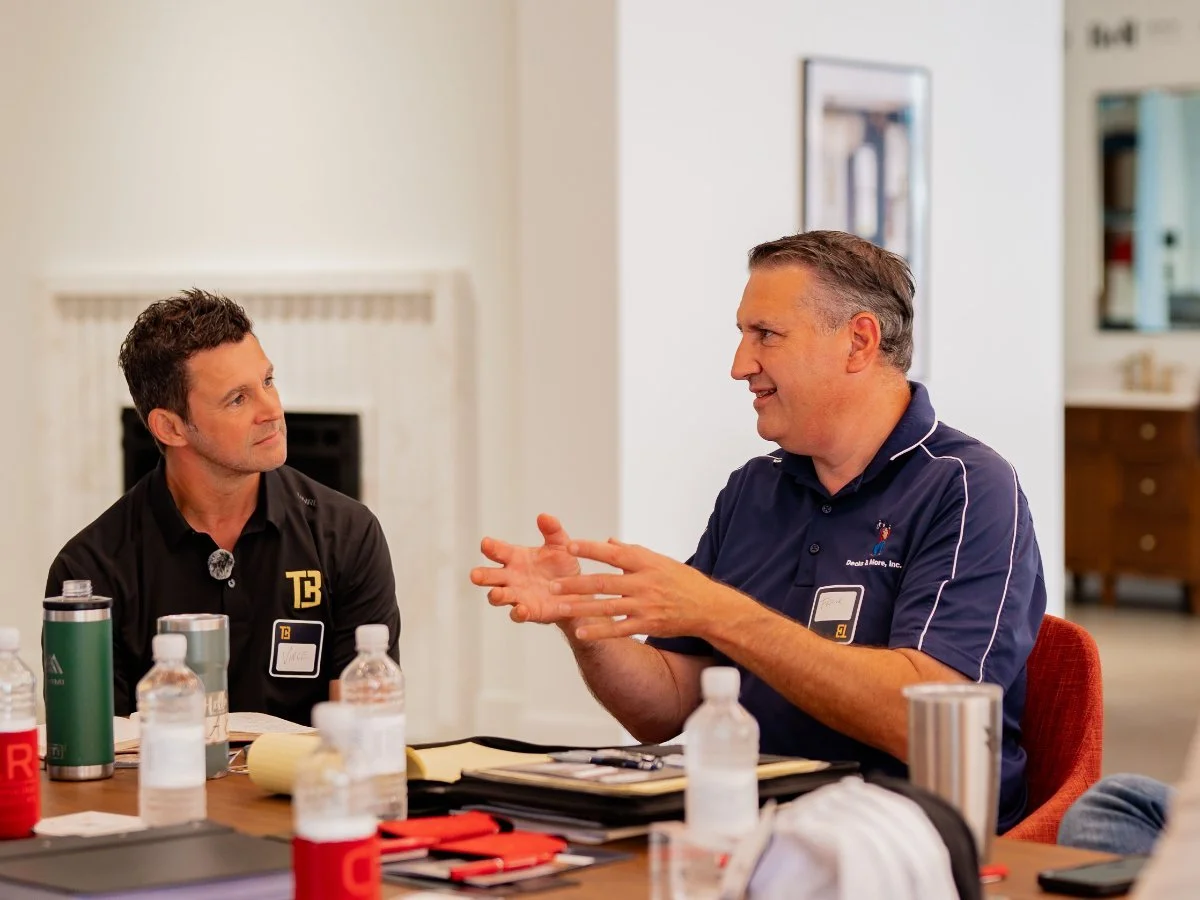
Sound familiar? These were some of the conversations we had at the August 26 Atlanta Curious Collective, where builders, remodelers, designers, and trade partners came together to talk about team management, hiring, and firing.
The Atlanta Collective brings together approximately 16 business owners from across the residential construction industry. Brad Robinson of Bradford Built and I facilitate the meetings, splitting everyone into two smaller groups so there's room for honest, personal conversations.
And when it comes to managing people, those conversations are incredibly valuable.Because one of the biggest challenges of running a construction business is that you're often making difficult decisions on your own.
Why Do Construction Business Owners Struggle With Hiring?
One of the biggest themes from our conversation was that many business owners wait too long to hire. We get so caught up in the daily work that we don't recognize how overwhelmed we've become until projects are falling behind, clients need attention, and we're personally handling tasks someone else should probably be doing.
Then suddenly, hiring becomes an emergency, and that's where things start to go wrong. When you're desperate for help, it's easy to prioritize someone's availability over whether they're actually the right fit for your company. You might overlook concerns about their experience, personality, or work ethic because you just need another person on the jobsite. But a rushed hiring decision can create months of additional challenges for your team and your clients.
One phrase really summed up the conversation: We hire too fast and fire too slow. It's something almost every small business owner can relate to.
How Can Builders Make Better Hiring Decisions?
One of the best ideas discussed was to stop waiting until you desperately need someone before looking for great people. Instead, start building relationships with potential employees before a position opens up.
Several Collective members shared that some of their best hires happened when they weren't actively searching. They met someone exceptional, recognized their potential, and made the decision to bring them into the company. Then they worked on creating the growth needed to support that person.
It's a different mindset than hiring someone simply because you have too much work. Rather than asking, "Who can help me get through this week?" you're asking, "Who can help us build the company we want to become?" That creates room to evaluate candidates more thoughtfully, considering their character, capabilities, strengths, and fit within your company culture.
And while this discussion focused primarily on employees, the same principle is helpful when thinking about how to hire subcontractors. Building relationships with reliable trade partners before you urgently need them gives you more opportunities to understand their communication, workmanship, reliability, and approach to collaboration.
Whether you're bringing someone onto your payroll or adding a trade partner to your network, strong relationships are much easier to build when you're not making decisions out of desperation.

When Is It Time to Let an Employee Go?
This is where the conversation got particularly interesting. One business owner brought a real situation to the group involving a project manager who had started doing outside work in the same industry. Initially, it seemed pretty harmless. The employee was taking on occasional weekend projects for friends, and the company didn't have a written policy addressing outside employment. But over time, those projects became larger.
The owner started questioning whether the employee could realistically complete all that work outside normal business hours. Meanwhile, the project manager's performance at their primary job was declining. So what do you do? Fire them for moonlighting? Ignore it and hope things improve? This is exactly the kind of situation where having a trusted group of peers can make a difference.
Rather than jumping straight to termination, the Collective helped the owner separate two issues. The first was the outside work, which hadn't been clearly prohibited. The second was the employee's declining performance, which could be evaluated and addressed directly. That changed the conversation.
Why Clear Expectations Matter More Than Assumptions
The group helped the owner develop a practical plan. First, conduct a formal performance review identifying the specific areas where the employee was falling short. Then establish measurable expectations for improvement over the next 30 days.
The conversation would also clarify that outside work couldn't interfere with the employee's responsibilities, availability, or performance. If improvement didn't happen, the next step would be a formal performance improvement plan, followed by termination if the required expectations still weren't met.
The situation hadn't been fully resolved by the end of the meeting, but the owner left with a much clearer path forward, and the rest of us walked away with something to think about, too. How many of our own companies have clearly defined policies around outside work? What happens when an employee takes on side projects that compete with the business? What if those projects begin affecting their performance? If expectations aren't established early, it becomes much harder to enforce them after a problem develops. That's why employee handbooks, clear policies, and documented performance expectations are so important.
How Do You Keep Good Construction Employees?
Of course, hiring the right people is only half the challenge. You also have to create an environment where they want to stay. We didn't spend enough time discussing compensation to come to a definitive conclusion about pay versus culture. Obviously, fair compensation matters. But much of our conversation focused on the everyday ways business owners can show their employees they're valued. And one interesting takeaway was that team-building activities don't need to happen on evenings or weekends.
In fact, many employees appreciate it more when those activities happen during normal working hours. Some Collective members shared that they take their teams to lunch once a month simply to spend time together and say thank you. Others occasionally plan activities like Topgolf or bowling on a Friday afternoon. The key is planning ahead, making sure jobsites and responsibilities are covered, and giving employees an opportunity to enjoy themselves without sacrificing personal or family time.
Construction can be demanding. And while a free lunch won't fix an unhealthy company culture, consistent efforts to show appreciation can go a long way. Sometimes the most meaningful thing you can give your team is a little of their time back.
Why Is Employee Onboarding So Important in Construction?
Another big takeaway was that hiring the right person doesn't automatically mean they'll succeed. You have to give them the tools and training to do their job well. And this is an area where small construction companies often struggle.
We're busy, so we spend a week or two introducing a new employee to the team, showing them the project management software, and walking them through a few jobsites. Then we hand them the keys and expect them to figure it out. But how can someone meet expectations they don't fully understand?
A strong onboarding process should explain the company's culture, policies, responsibilities, and performance standards. More importantly, it should define what winning looks like. What does success look like in the first 30, 60, or 90 days? What tasks need to be completed before moving to the next stage of a project? How is performance measured? What does someone need to accomplish to earn a bonus or take on additional responsibility? Employees need clarity, not constantly moving goalposts.
And training can't stop at describing the final result. You have to teach the steps and systems that lead to that result. Whether someone is managing a project, preparing estimates, or working in the field, they need to understand the process before being held accountable for the outcome.
What Makes the Curious Collective Different?
One of my favorite things about the Atlanta Curious Collective is the range of people in the room. We have builders, designers, remodelers, and specialty contractors who all approach their businesses a little differently.
But when it comes to managing people, the challenges are often surprisingly similar. Someone might be struggling with an employee who's technically talented but damaging the company culture. Another owner may have already experienced that exact situation and can share what worked, what didn't, and what they'd do differently. That's the beauty of these conversations.
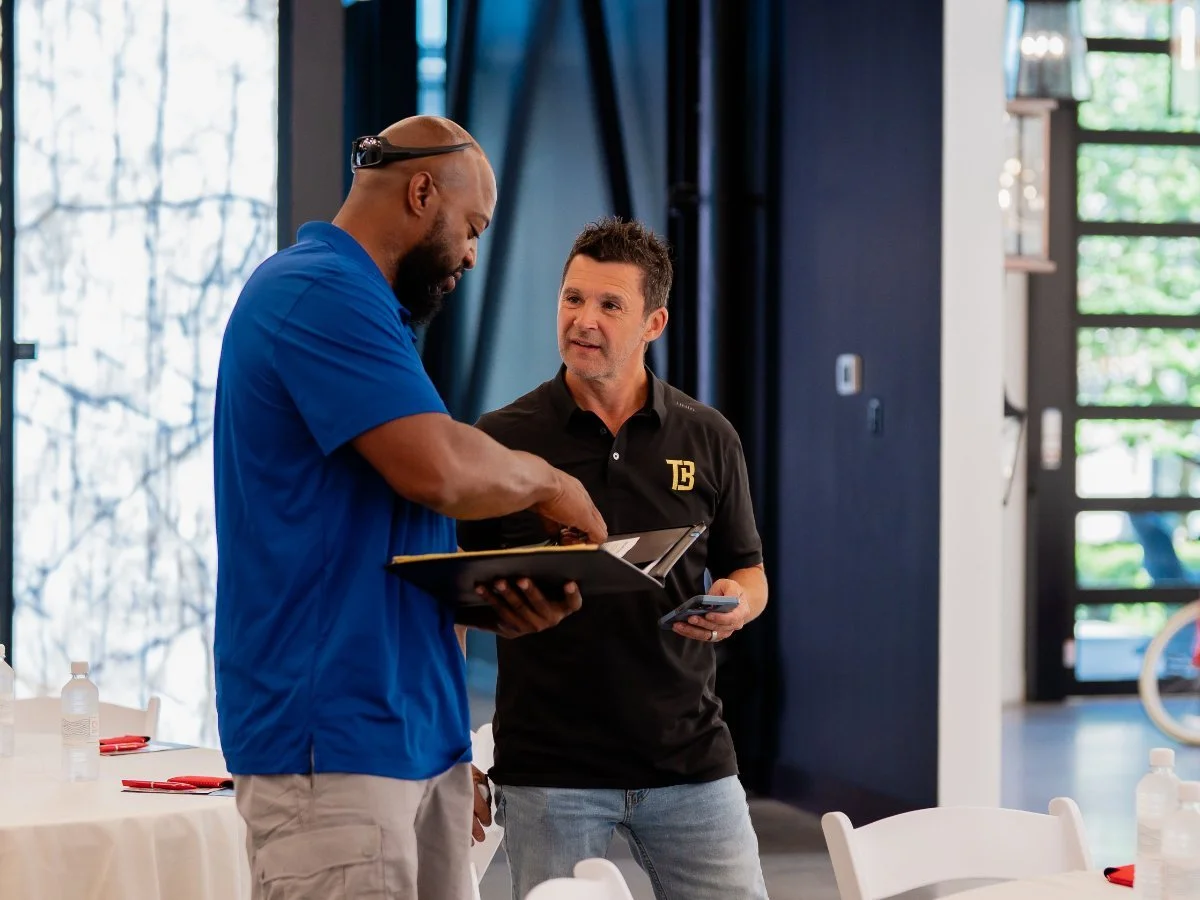
Brad and I help facilitate, ask questions, and keep things moving, but we're learning right alongside everyone else. The goal isn't to tell people what decisions to make. It's to give them a place to work through difficult situations with other business owners who understand the realities of running a company. And sometimes, hearing another perspective is exactly what you need to see a problem more clearly.
The Biggest Takeaway: Stop Hiring From Behind
If there was one lesson that kept coming up throughout the conversation, it was the importance of being proactive. Don't wait until you're overwhelmed to start looking for your next great employee. Don't wait until a performance problem becomes unbearable to address it. And don't wait until someone is struggling in their role to realize they never received the training or expectations they needed.
Building a strong team requires planning, communication, and a willingness to make difficult decisions before they become emergencies. It also requires recognizing that you can't do everything yourself.
As business owners, it's tempting to jump in and take over when someone isn't doing a task exactly how we would. Sometimes that feels faster. But if we never give people the opportunity to learn, develop, and take ownership, we're limiting both their growth and our own. And ultimately, that's what the Atlanta Curious Collective is all about.
We're bringing people together to share what they've learned, challenge each other's thinking, and help one another build stronger businesses. Want to be part of conversations like these? Explore The Curious Builder and learn more about the Curious Collectives bringing builders, designers, and trade partners together.