Personal Finance Tips I Wish I Took Seriously Sooner

We talk a lot in the Curious Builder world about buying back your time. Most people think that’s about delegation or systems.
It is, at face value. But underneath all of that? It’s about financial discipline.
If you don’t understand your numbers, personally and professionally, you’re building stress, not freedom.
Today, I want to share some personal finance tips for entrepreneurs, specifically builders and tradespeople that I’ve learned over the years (sometimes the hard way).
My Financial Journey: From Vision to Discipline
My tendency to be a visionary started early. When I was younger, my dad and I would sit down once or twice a year and write out big life goals: places we wanted to go, things we wanted to accomplish. Now, I’ve actually forecasted out 50 years of financial goals and milestones. Every couple of years, I adjust them. It’s not something I look at daily, but having a financial plan and thinking long-term changes how you operate.
But the real shift came more recently. With help from my controller, Joel, I started tracking something called cash burn: how many months could the business survive if deposits stopped?
We update that monthly based on spending and deposits to understand our financial future. That one habit has brought massive peace of mind. It affects hiring decisions, equipment purchases, even personal investments.
If you’re an entrepreneur and you don’t know your runway, you’re flying blind.

Financial Tools I Wish I Used Better Earlier
I’ve always contributed to Roth IRAs and 529 plans. But I misunderstood some of the best tools available to us.
1. The HSA (Health Savings Account)
I used to treat my HSA like a checking account. Contribute, spend it that year, repeat.
Then at a conference, someone explained it differently.
It’s triple tax-advantaged:
Goes in tax-free
Grows tax-free
Comes out tax-free (for medical expenses)
Now, I pay medical expenses out of pocket, save the receipts, and let the HSA grow as an investment vehicle. It’s one of the most powerful wealth-building tools available, and most entrepreneurs underutilize it.
2. Self-Directed Retirement Accounts
Another big unlock was self-directed retirement accounts.
Instead of parking your 401(k) in mutual funds and hoping for the best, you can partner with people you trust and invest in real estate, land, private deals, or spec homes. You can’t self-deal, but you can collaborate.
As a builder, this is interesting to me. Why not invest in the kind of projects you understand deeply? I’m leaning more into partnerships and joint ventures because they combine financial upside with shared experience.
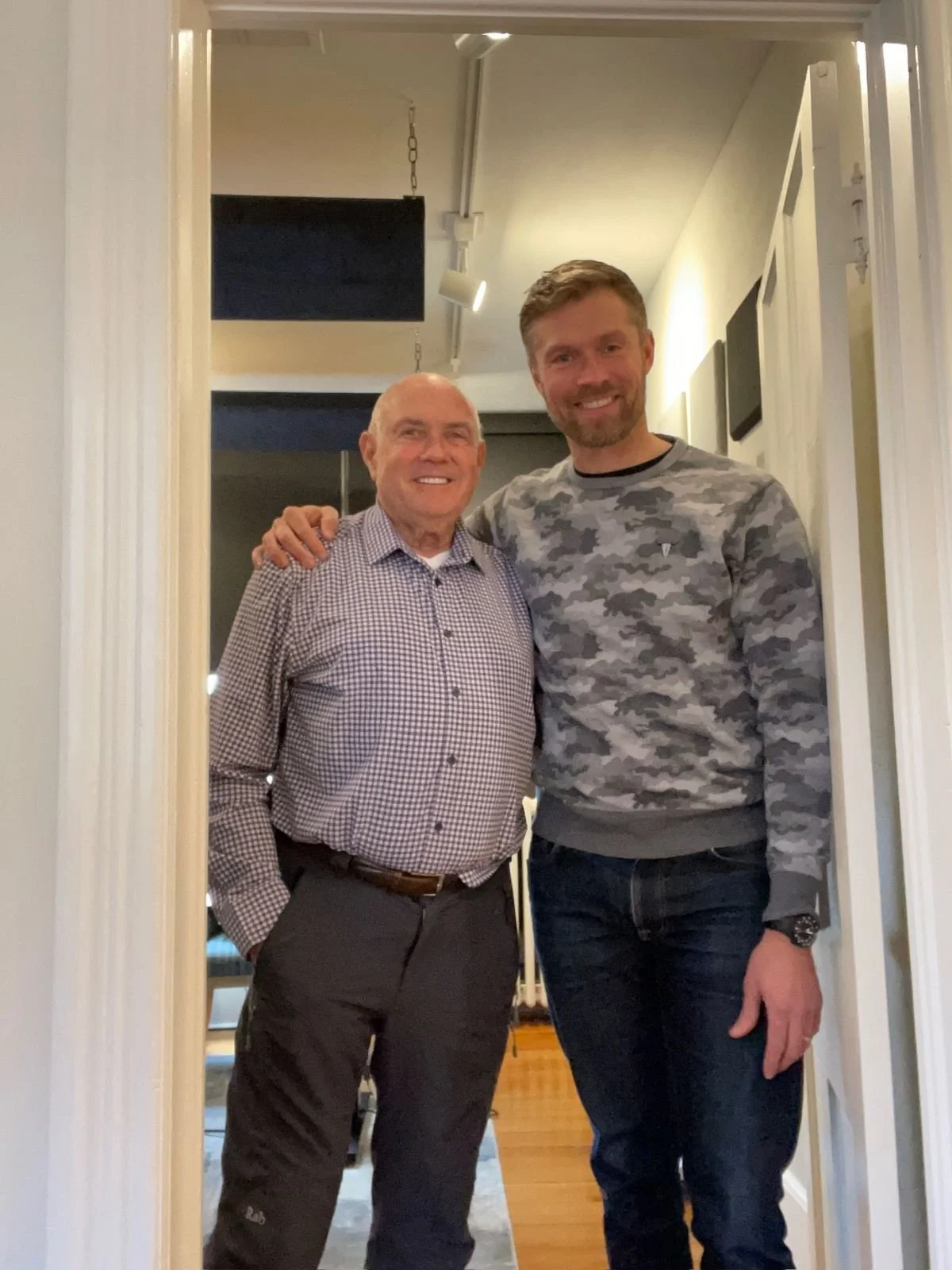
Investing Doesn’t Have to Be Traditional
I’ve learned that your investment portfolio isn’t just stocks and bonds. It’s relationships.
Some of the most enjoyable and profitable experiences I’ve had were joint ventures with trusted partners. It’s less lonely. You learn faster. And you spread risk.
For entrepreneurs, partnerships are underrated.
Advice for Younger Builders and Tradespeople
If I could give one piece of financial advice to a younger builder: Find a mentor.
Many of my past clients were decades ahead of me financially. If I’d been more intentional, I would’ve carved out time to learn from them regularly.
Older entrepreneurs often want to pass on knowledge and financial literacy. When you’re young, you think you have to figure it out yourself. You don’t.
Also: learn the difference between markup and margin early. I thought they were the same for 18 years. They’re not, and that misunderstanding cost me millions.
Systems That Changed My Business
Early on, I ran the business with hustle and instinct.
Now we run it with systems.
We have:
An in-house controller
A bookkeeper
QuickBooks for the basics
Quarterly CPA strategy meetings (not just tax prep—strategy)
One of the biggest game-changers has been Adaptive Insights.
Adaptive has helped us stay on top of billing and real-time project tracking. It’s saved us over $150,000 just by tightening systems and visibility. And again, cash burn tracking is non-negotiable.
That level of clarity was missing in my early years.

Cost Everything.
Here’s something no one tells you when you start a construction business: you can’t “plus” what you don’t cost.
Builders absorb insurance, gas, software, project management hours,and admin time. If it’s not tracked, it doesn’t get billed properly.
Now that we cost everything accurately we’re more profitable, clients are happier and we build better homes.
It feels like a cheat code, but it’s just discipline.
Separating Business and Family
This is where financial health ties directly to lifestyle.
Every year at Christmas, we shut the company down for two weeks. We take the week of July 4th off. Quarterly family vacations are non-negotiable.
I’m home by 5:00. We eat dinner as a family at 5:30. I don’t check email from Friday afternoon until Sunday morning. These boundaries make me sharper. More efficient. Better at decision-making.
If you’re an entrepreneur and you don’t build margin into your life, the money won’t matter.

Never Stop Learning
One of the biggest catalysts for me was the Contractor Coalition Summit.
It felt like someone pulled back the curtain on how the business side of our industry really works.
Beyond that:

I read more
I listen to podcasts
I host my own
Interviewing over 100 guests a year forces me to constantly absorb new strategies.
Learning never stops and financial education matters.
Learn more about the Contractor Coalition Summit here!
Final Thoughts for Entrepreneurs
If I had to summarize my personal finance tips for entrepreneurs:
Think 50 years out.
Track cash burn monthly.
Max out tools like Roths, 529s, and HSAs.
Explore self-directed investing.
Understand markup vs. margin early.
Cost everything.
Meet quarterly for strategy—not just taxes.
Protect your time like it’s an asset.
Money doesn’t buy freedom, but clarity does.
And when you combine clarity with discipline, you don’t just build a profitable business. You buy back your time. And that’s the real win.