Business Lessons from The Psychology of Money
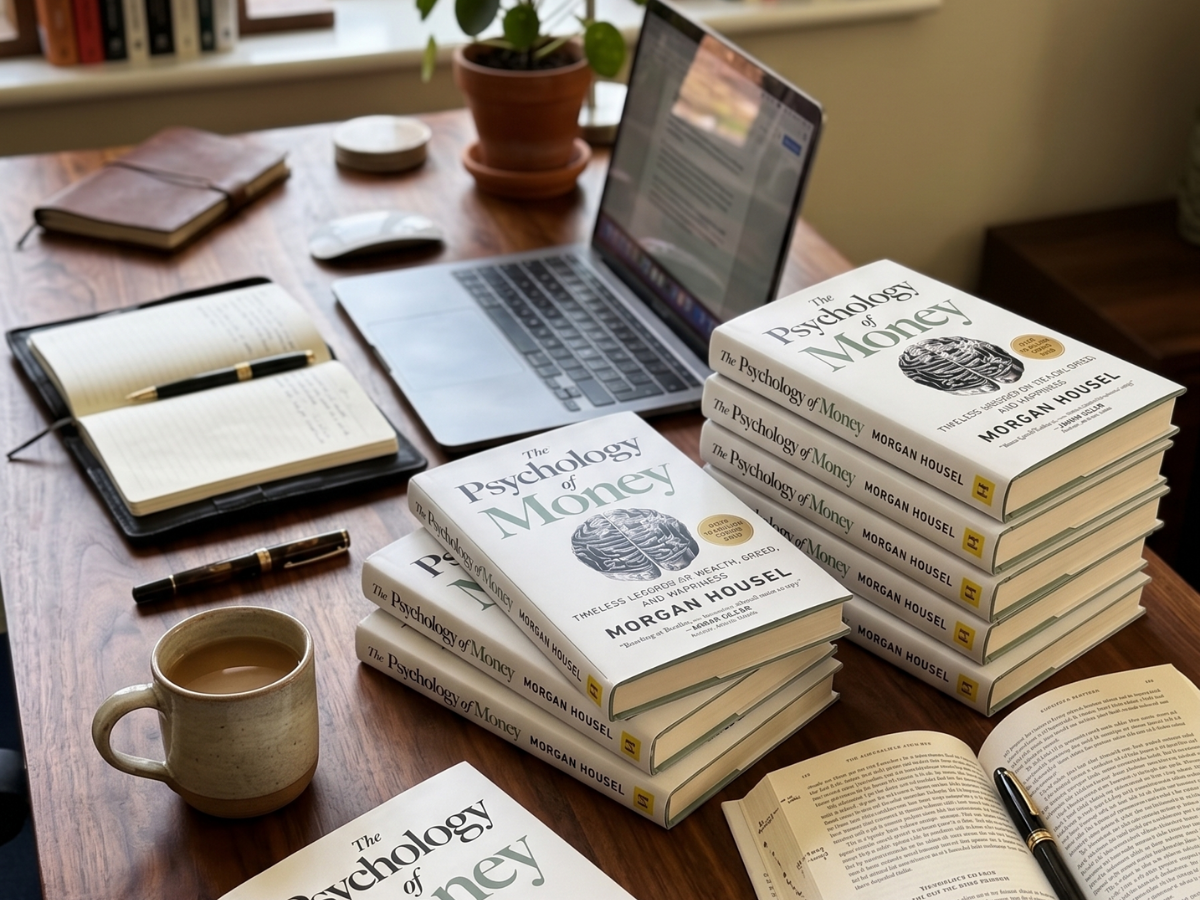
Table of Contents
Every quarter for the Smile Tour, we pick a book to serve as the backdrop for conversations on The Curious Builder podcast. I love the format because it gives us a common language. Instead of asking the same interview questions over and over, we get to explore how different people wrestle with the same ideas.
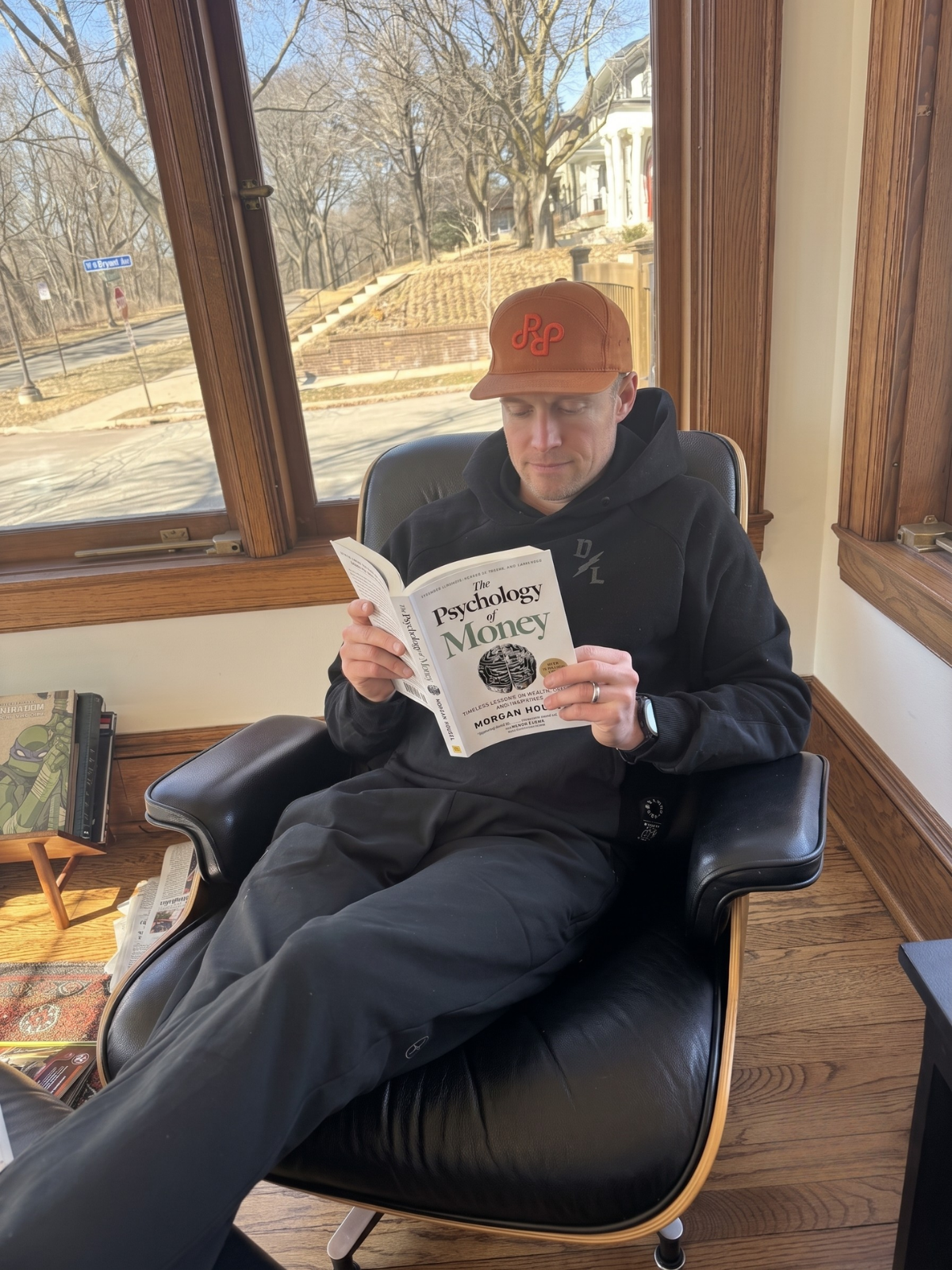
Our Q2 book was The Psychology of Money by Morgan Housel. I've bought more copies of this book than any other I've ever read. At one point I bought fifteen copies, then I went back and bought five more because I kept giving them away. Lately, one of my favorite hobbies is writing a note inside a book that impacted me and handing it to someone I think will appreciate it.
That's how much this book has meant to me. If you're expecting a book about investing strategies or financial formulas, this isn't it. It's really a book about human behavior. And I think that's exactly why it's so valuable for builders and business owners.

Money Is More About Behavior Than Intelligence
One of the biggest ideas in the book is that financial success has less to do with how smart you are and more to do with how consistently you behave.
Some of the earliest business lessons I ever learned came from my dad, and they weren't complicated. He'd say, "If you make one hundred dollars and spend ninety-nine, you're going to make it. If you spend one hundred and one, you're going broke." That's it. Simple enough that my six-year-old could understand it.
As business owners, we sometimes convince ourselves that success comes from finding increasingly complicated answers. More often, it comes from consistently doing the simple things well.
In our business, we've built systems that help us understand exactly where we stand financially. Between our work-in-progress reports and cash flow tracking, we can see well in advance where we're headed. That's not because we're financial geniuses. It's because we've built the habit of paying attention.
The Power of "Enough"
The chapter that probably challenged me the most was Housel's discussion of "enough." He shares the story of author Joseph Heller attending a party with a hedge fund manager who had made millions in a single month. The implication was obvious. Shouldn't Heller feel behind? Instead, Heller famously replied, "I have something he'll never have." Enough.
As entrepreneurs, it's incredibly easy to move the goalposts. I'll be happy when… I'll slow down after… Just one more project. Just one more milestone. I've caught myself doing exactly that. Sometimes we even convince ourselves we've earned more simply because something went well. Whenever I hear myself using words like deserve or need, it's usually a pretty good reminder to check my ego.
The Value of Leaving Yourself Room to Breathe
One chapter brought me right back to 2008. At the time, I had just finished my first major remodel that I built as a spec home. Then the market crashed. Looking back, I realize how much luck and timing played a role, but that experience made me more cautious for years afterward.
It also taught me one of the book's biggest lessons: leave yourself room for error. One of the decisions that helped us survive was finding a tenant who prepaid an entire year's rent up front. Instead of spending that money, I immediately prepaid a year's worth of mortgage payments.
That decision bought me time and breathing room. The book talks about maintaining a margin of safety because you never know when life is going to surprise you. I've lived that lesson firsthand.
Success Isn't Always the Best Teacher
One quote from the book that continues to stick with me comes from Bill Gates: "Success is a lousy teacher." That's uncomfortable to hear. When things go well, we naturally assume every decision we made was brilliant. Sometimes that's true, but a lot of the time we just got lucky.
The opposite is true, too. You can make thoughtful, disciplined decisions and still experience setbacks. Business isn't always fair. Construction certainly isn't. Recognizing the difference keeps us humble.
What This Means for Builders
If you're in the building industry, you're surrounded by visible success and it's all too easy to start measuring yourself against everyone else. One of my biggest takeaways from The Psychology of Money is that real wealth often looks surprisingly ordinary.
The people who build lasting businesses usually aren't trying to impress anyone. They're building margin, making disciplined decisions, and thinking decades ahead instead of months ahead. That mindset creates freedom.

One Final Thought
If there's one lesson I hope builders take away from this book, it's that no matter how much money you make, you'll never build lasting wealth if your lifestyle grows just as quickly as your income. Live a little below your means. Leave yourself margin.
Don't confuse possessions with success. The respect we're really looking for doesn't come from the truck we drive or the house we live in. It comes from how we treat people. That's true in business, and it's true in life.
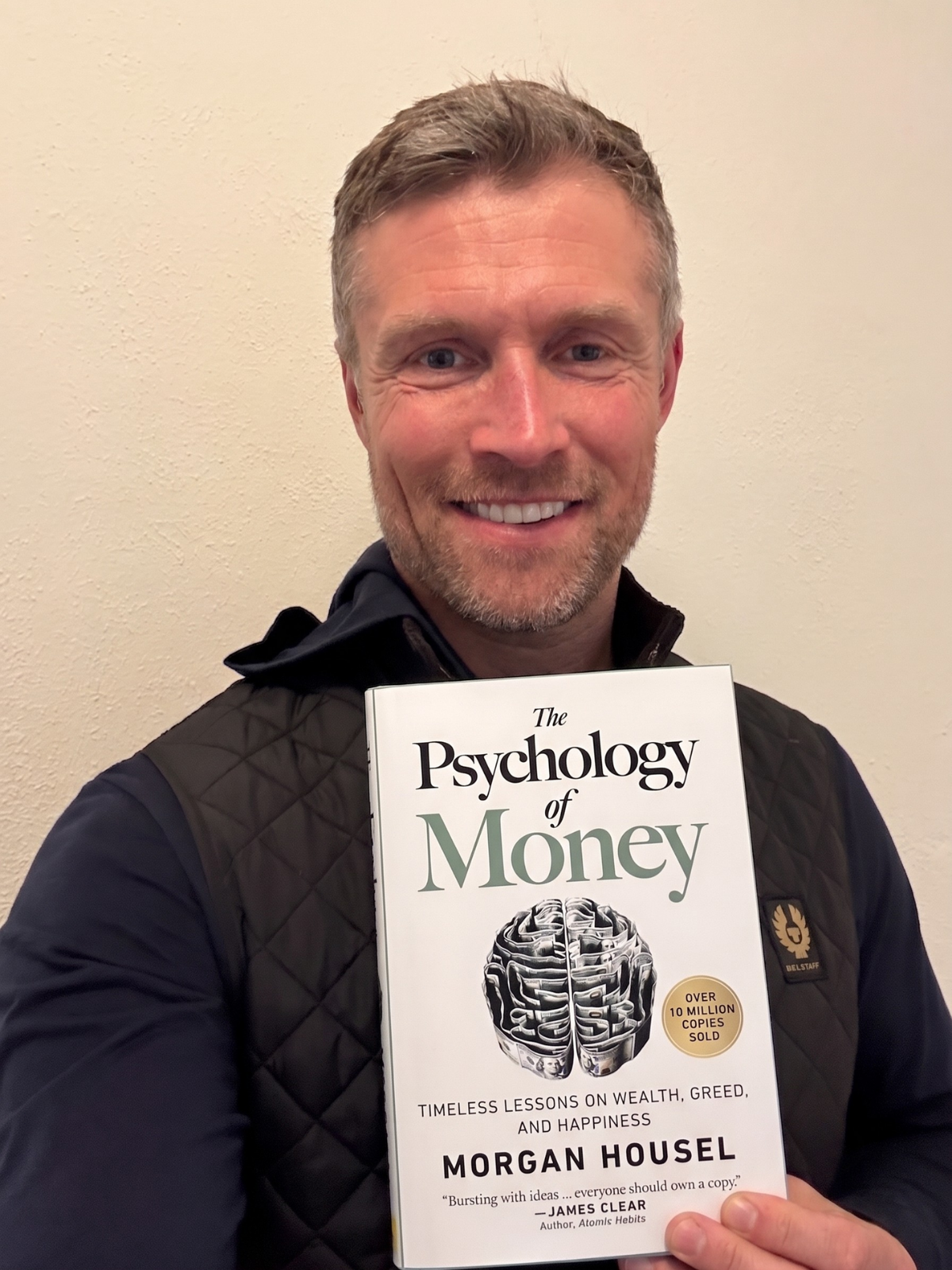
One last recommendation: read the physical book. Mine sits in my office covered in highlights, notes, and dog-eared pages. Every year I pull it back off the shelf, and every year something different jumps out at me. The words haven't changed, but hopefully, I have. If you've been looking for one business book to read this year, I'd start here.