What It Means to be a Wellness Home Builder
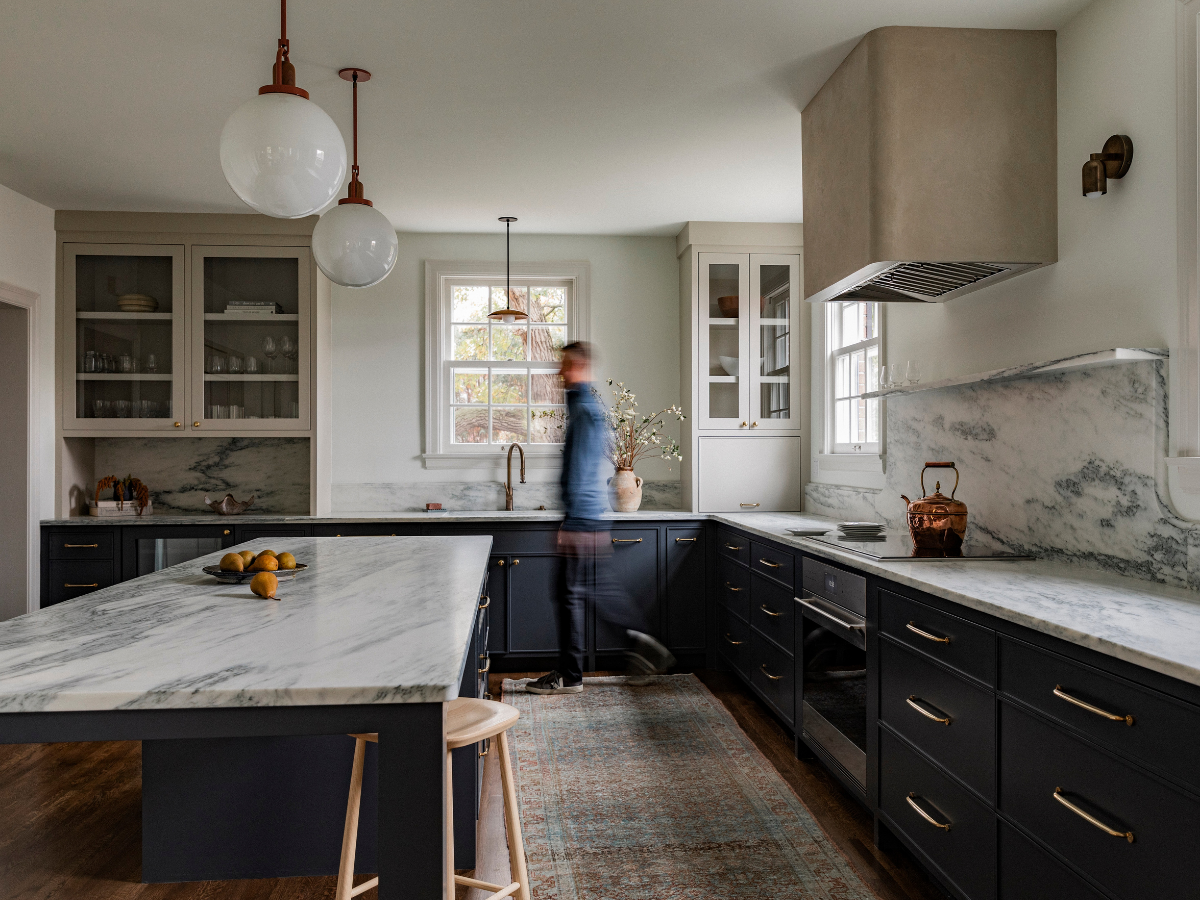
Wellness is a word that’s getting thrown around a lot right now in building. And like most buzz words, it risks losing meaning if we’re not careful. Because if wellness just becomes saunas, cold plunges, and a way to market your business, it’s going to fade just as fast as it showed up. But if you zoom out a bit, there’s an underlying philosophy here that actually has staying power. And that’s where things get interesting.
Table of Contents
What Does “Wellness” Actually Mean in a Home?
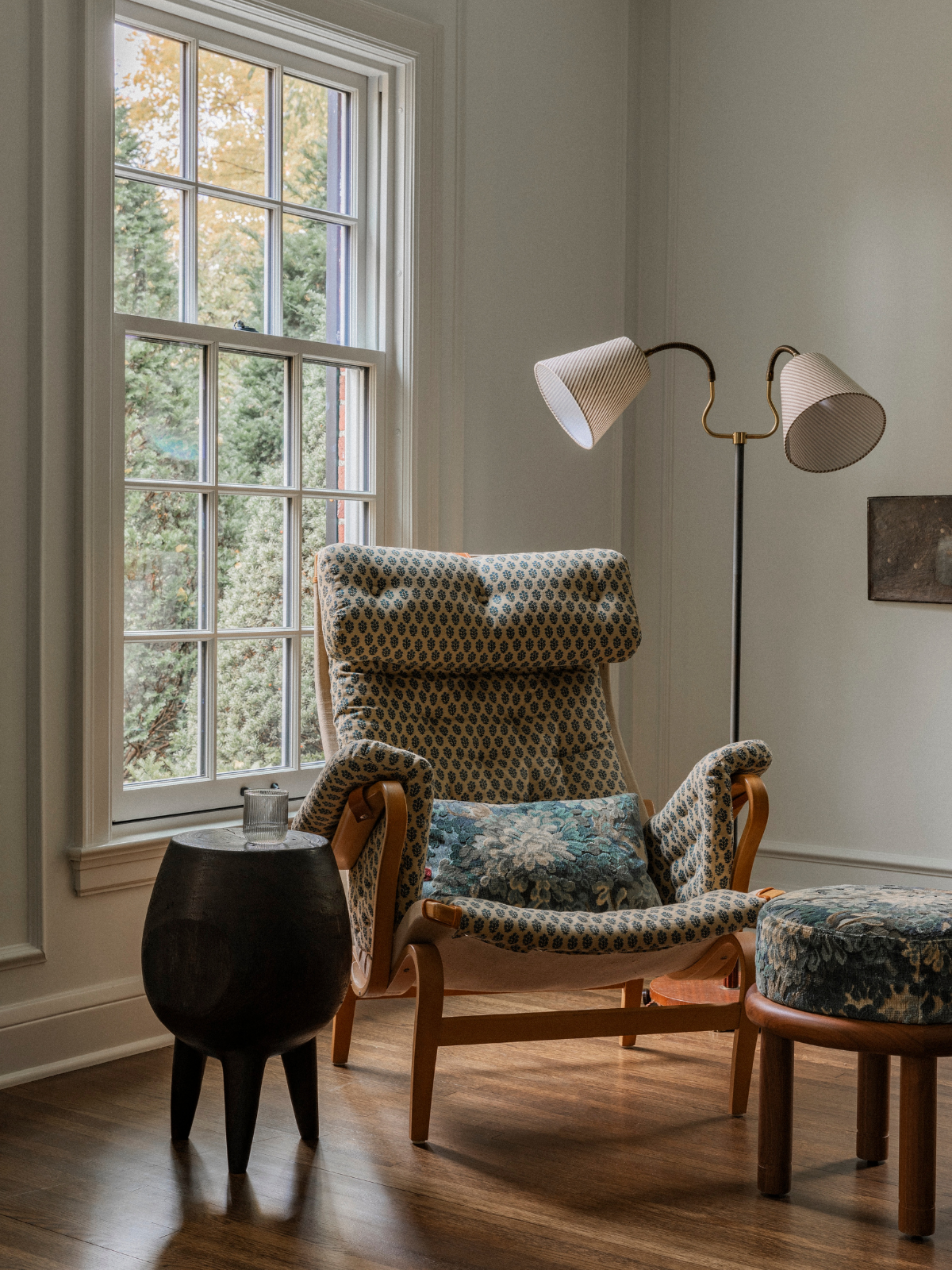
When I think about custom home wellness, I’m thinking about being extremely intentional about what goes into the home and how that impacts the people living in it every single day.
That includes the materials we choose, the air people breathe, the water they drink, the light they wake up to, the noise (or lack of it) they experience. It’s the full ecosystem of the home.
In our Mysa Hus project, we started asking better questions about materials:
What’s off-gassing here?
What chemicals are being introduced?
Are there more natural material alternatives?
In response, we leaned into things like wood and natural stone instead of synthetic-heavy materials, linseed oil finishes instead of polyurethane, rockwool insulation because it’s stone-based, doesn’t mold, and holds up long-term, and being way more cautious with spray foam. And then we layered in systems like whole-home water filtration and re-mineralization, upgraded HVAC systems, and UV light in key areas to reduce bacteria.
None of this is flashy. But all of it matters. That’s wellness.
And what’s interesting is when you start leading with this mindset, people notice. Brands notice. Clients notice. Partners start showing up.
The Moment It Clicked
Wellness didn’t start as a strategy, but as we were trying to discover what Mysa Hus was going to be built on, we kept circling an idea.
We had the home design language. We had the feel. But something was missing: a filter for decision-making. And wellness became that filter.
It aligned with how I already live and my own goals, and once that clicked, everything else started to fall into place.
Learn more about my lifestyle goals here!
The Business Case
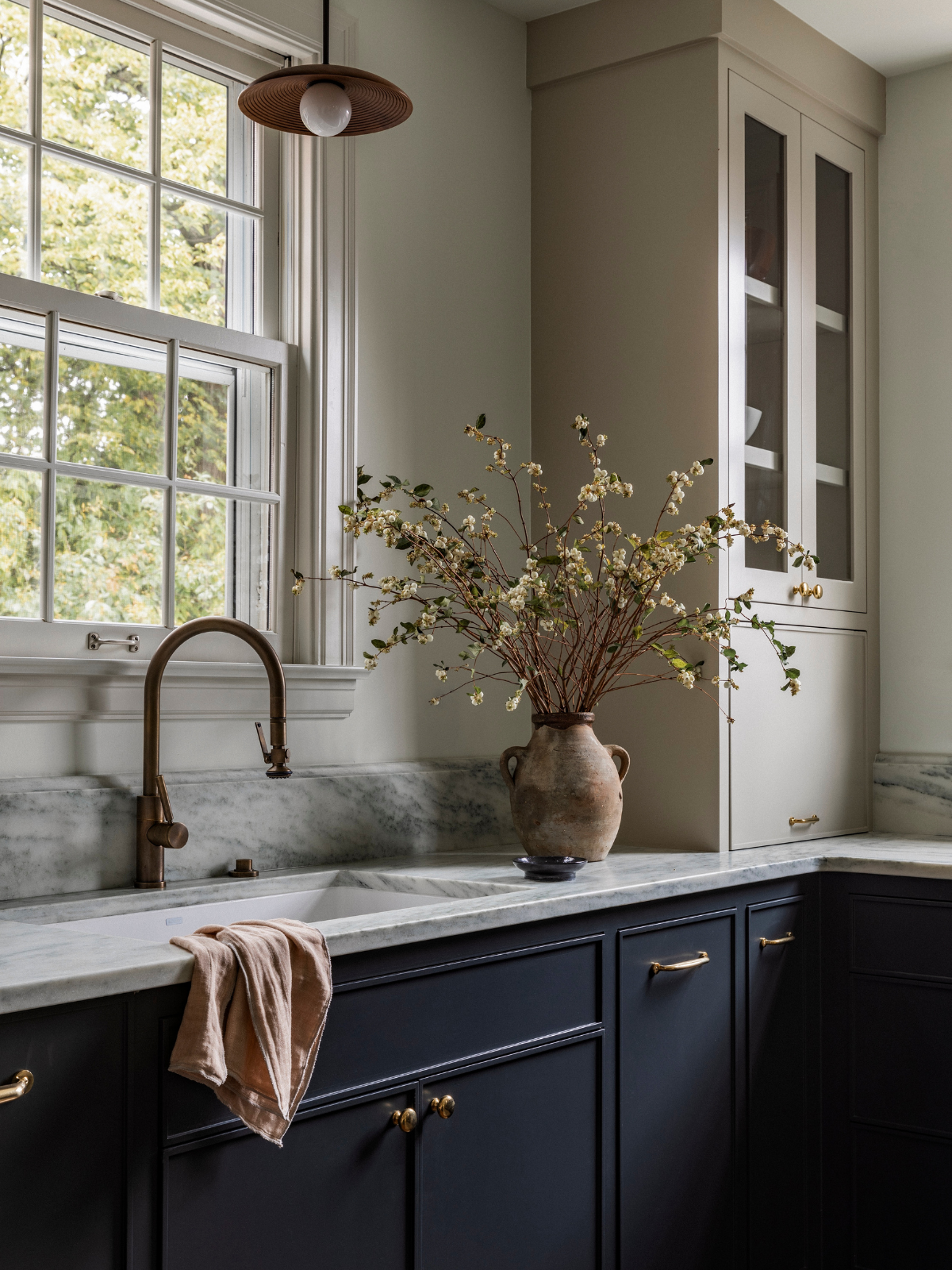
If you’re a builder, building a healthy home has to make sense from a business standpoint too.
Here’s what I’ve seen:
When you lean into wellness as a philosophy (not a feature) you create clarity. And clarity attracts the right clients.
Higher trust
More alignment
Better conversations
Less friction in decision-making
You also stand out.
And interestingly, it opens doors to partnerships. When you’re values-driven, other values-driven companies want to work with you.
But the biggest shift is that you stop chasing random features and start building a brand that actually means something.
The Problem With Chasing Features
If you’ve been in this industry long enough, you’ve seen it: “Smart homes”, “Green building”, “Luxury upgrades”. Each one had its moment.
But the issue isn’t the features, it’s the lack of a unifying philosophy behind them. Because without that, you’re just stacking trends. Thats where wellness is different.
It’s not something people are going to stop caring about because at the end of the day, if you give someone the choice between feeling better in their home or feeling worse, the answer is obvious.
And I’ve had people reach out who are dealing with homes that are making them sick. Air quality issues. Mold. Poor material choices.
That’s where wellness becomes more than a selling point.
Wellness Home Builder Signals
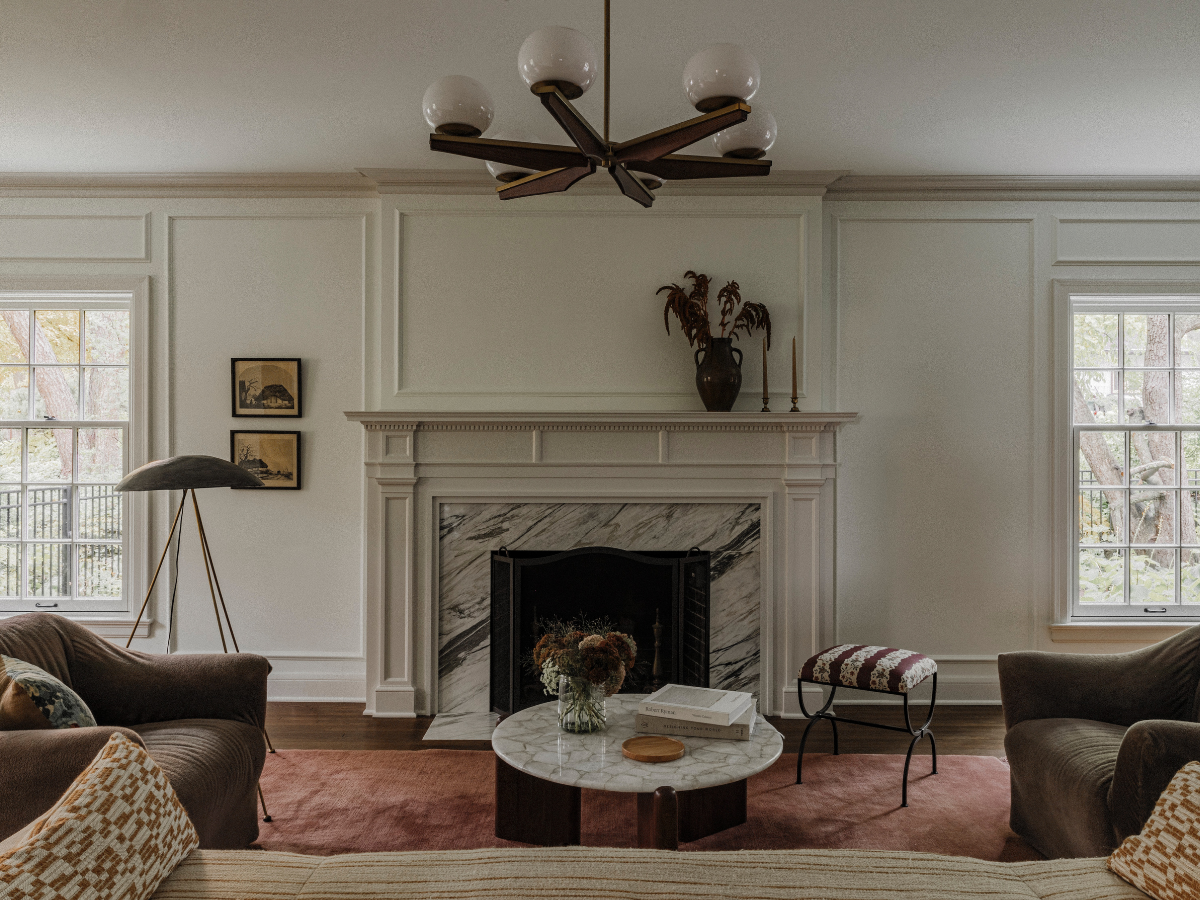
The best part about building with wellness in mind is that clients don’t always know why a home feels better, they just know it does.
Here are a few of the biggest signals when building healthier homes:
1. Light
Natural light is one of the most powerful tools we have, and one of the hardest to fix later. Window placement, orientation, and just… more windows.
Then layering in artificial circadian lighting that feels warm and indirect, not harsh and clinical.
2. Air Purification
Better air filters. Cleaner circulation. UV systems that quietly reduce bacteria.
You don’t see it, but you definitely feel it.
3. Water
This one’s simple. You’re drinking it. Cooking with it. Showering in it.
So why wouldn’t we think more deeply about it?
4. Temperature Comfort
Triple-pane windows. Radiant floor heat.
Bare feet on warm tile in the morning changes your experience of a home more than most people realize.
5. Quiet
This is the underrated one.
Insulation in interior walls
Sound control under flooring
Better windows
A quiet home just feels different. And that’s wellness too.
How to Talk About Wellness (Without Sounding Like a Gimmick)
If you want to lose credibility fast, just start throwing the word “wellness” around without context.
Instead, ask better questions: “How do you want to feel in your home?” Because wellness isn’t one-size-fits-all.
For some people, it’s off-grid living, quiet evenings, less tech, and space to reset. For others, it’s a place to move their body, light-filled environments, and separation between work and rest.
In Mysa Hus, one of the most impactful decisions was creating a detached wellness studio. It separates noise, creates intention, and becomes a space people actually want to use.
Compare that to the typical basement home gym… Same function, but a completely different experience.
The Soul of the Home
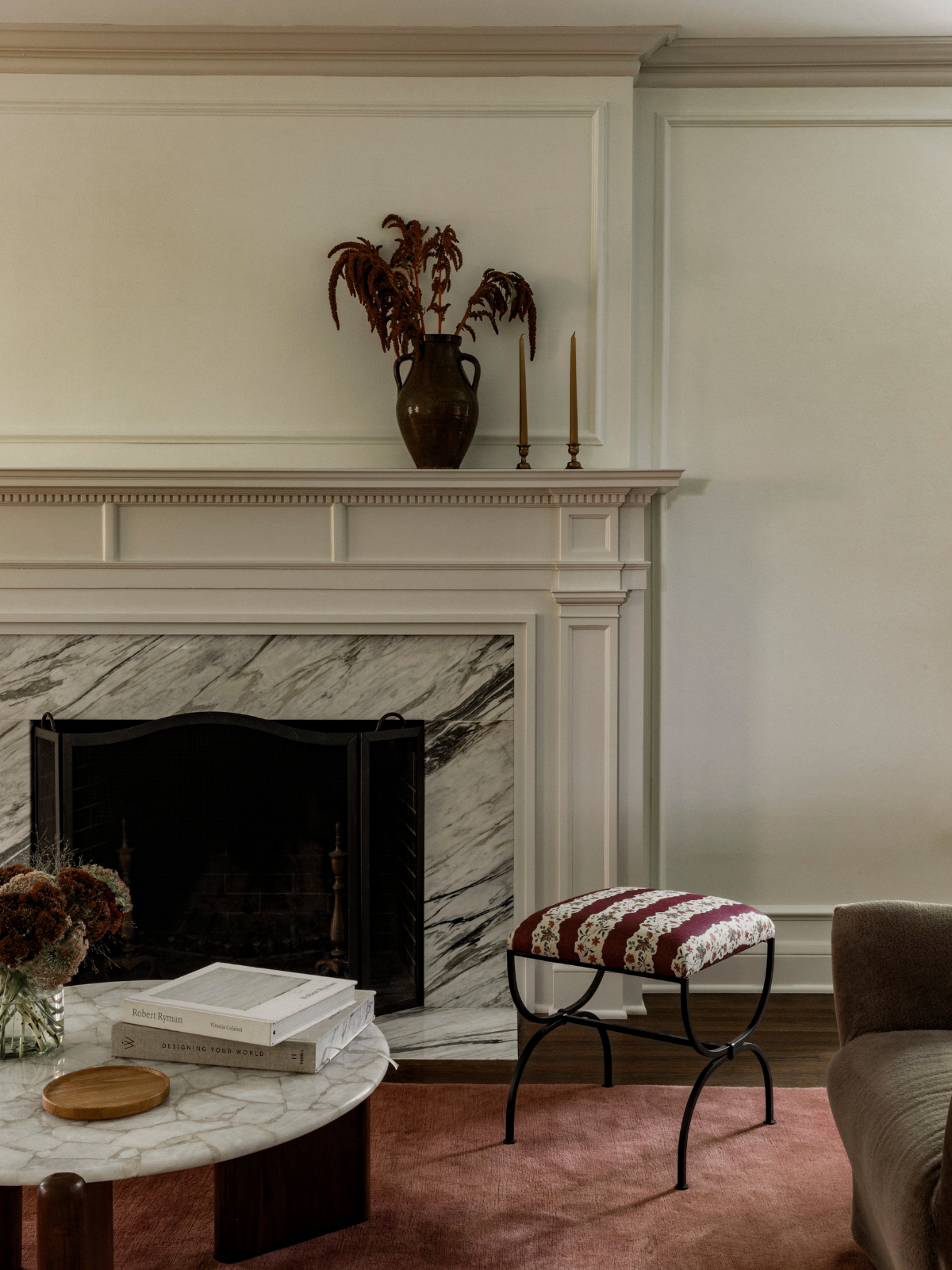
This might sound a little out there, but stick with me. Homes have a feel. You can walk into two houses with the same square footage, same finishes, same layout, and one just feels better.
A lot of that comes down to care. The thought behind the details matters. So does the intention in the materials and the respect for the people building it. We make it a point to care for our people, because when they feel valued they do better work. And that shows up in the final product.
That’s part of wellness too.
Where Do You Start?
You don’t need to overhaul everything overnight.
Start here:
Talk to your trade partners—ask what they’re seeing, what products they trust
Get curious about materials and systems
Pay attention to environments that make you feel better
Study builders and projects that resonate with you
And most importantly, stop thinking about wellness as something you add and start thinking about it as how you decide.
When you build from that place, you don’t just create better homes, you create homes people actually feel better living in.
And that’s a pretty strong place to build from.