Arizona Collective: Understanding Builder Financing
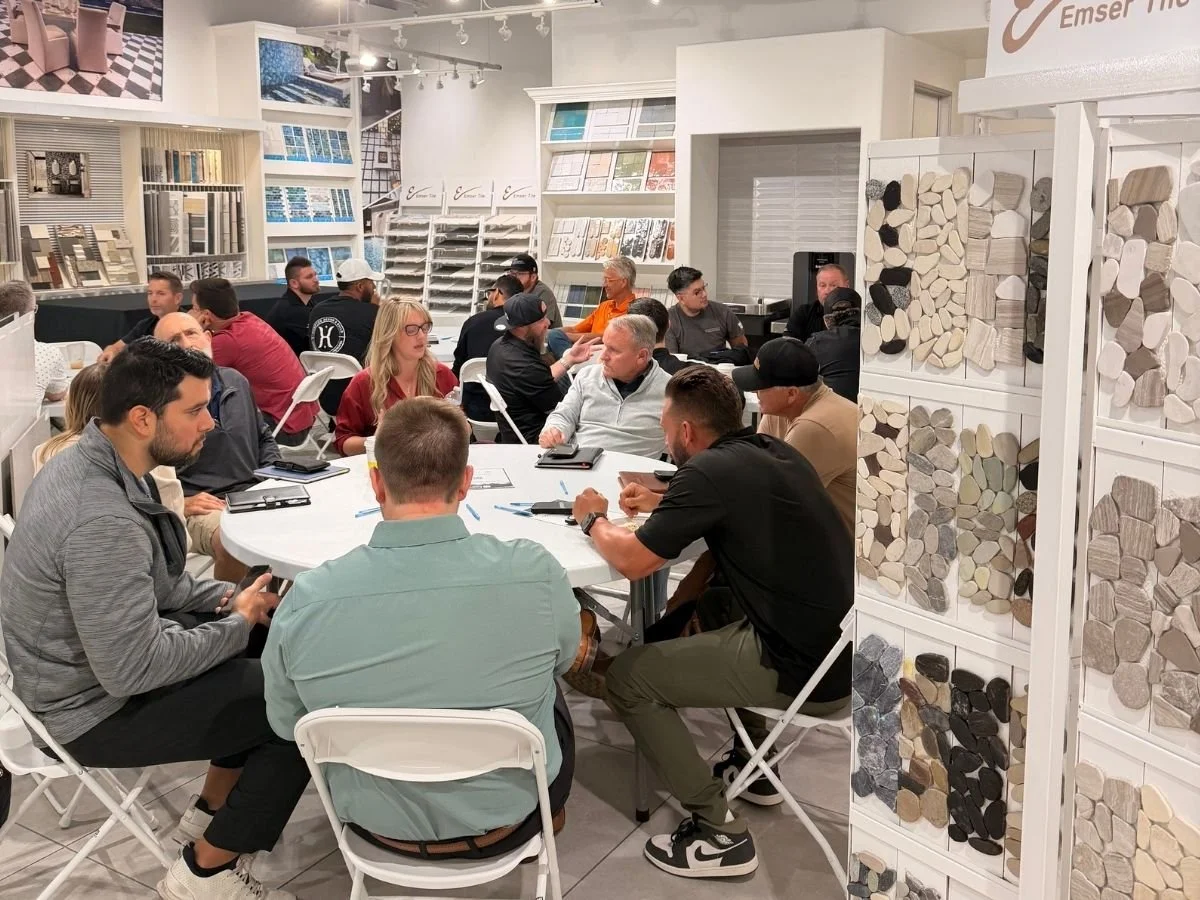
Table of Contents
Our recent Curious Builder Collective gathering in Arizona, hosted by Brad Levitt, focused on a critical aspects for every builder: builder financing, investors, risk management, and the challenges of expanding a construction business in today's competitive market.
As is customary at our collectives, attendees engaged in candid discussions about topics that are often avoided in the industry like bad deals, financial pressures, investor expectations, profitability, subcontractor failures, and the essentials of safeguarding a business over time. These open conversations are the backbone of the Collective's success.
More Than Networking
In the construction industry, there are plenty of events where you can network by exchanging business cards or engaging in superficial project discussions. The Curious Builder Collective does more.
Our gatherings include a diverse mix of experienced builders, new business owners, first-time attendees, industry partners, and individuals eager to learn. Most people’s major take away is how rare such honest conversations in construction really are. Builders often carry similar burdens, challenges, and questions, but few environments provide the safety to discuss them openly. This event did just that.
Builder Financing in Construction
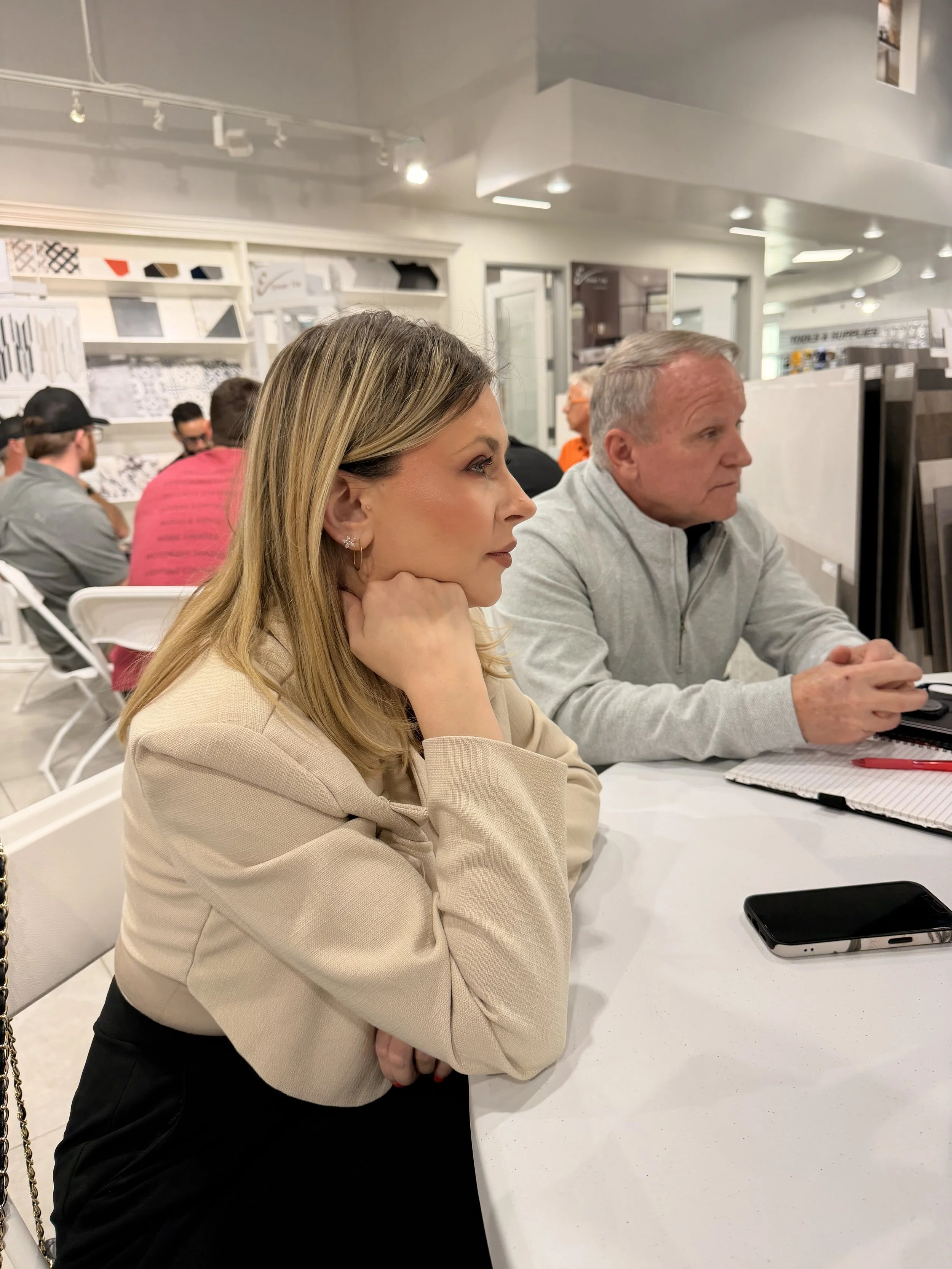
The discussion around builder financing and investors was lively, given that many builders present had firsthand experience. Some attendees had successfully partnered with investors, while others shared hard-earned lessons. Many were in the midst of negotiating complex deals, and some were assessing the viability of external capital for their businesses.
We openly discussed successful speculative builds and deals that failed, terms we wished we had negotiated differently and times we overextended ourselves. The main takeaway at every stage was that growth without adequate protection poses significant risks.
Subcontractors
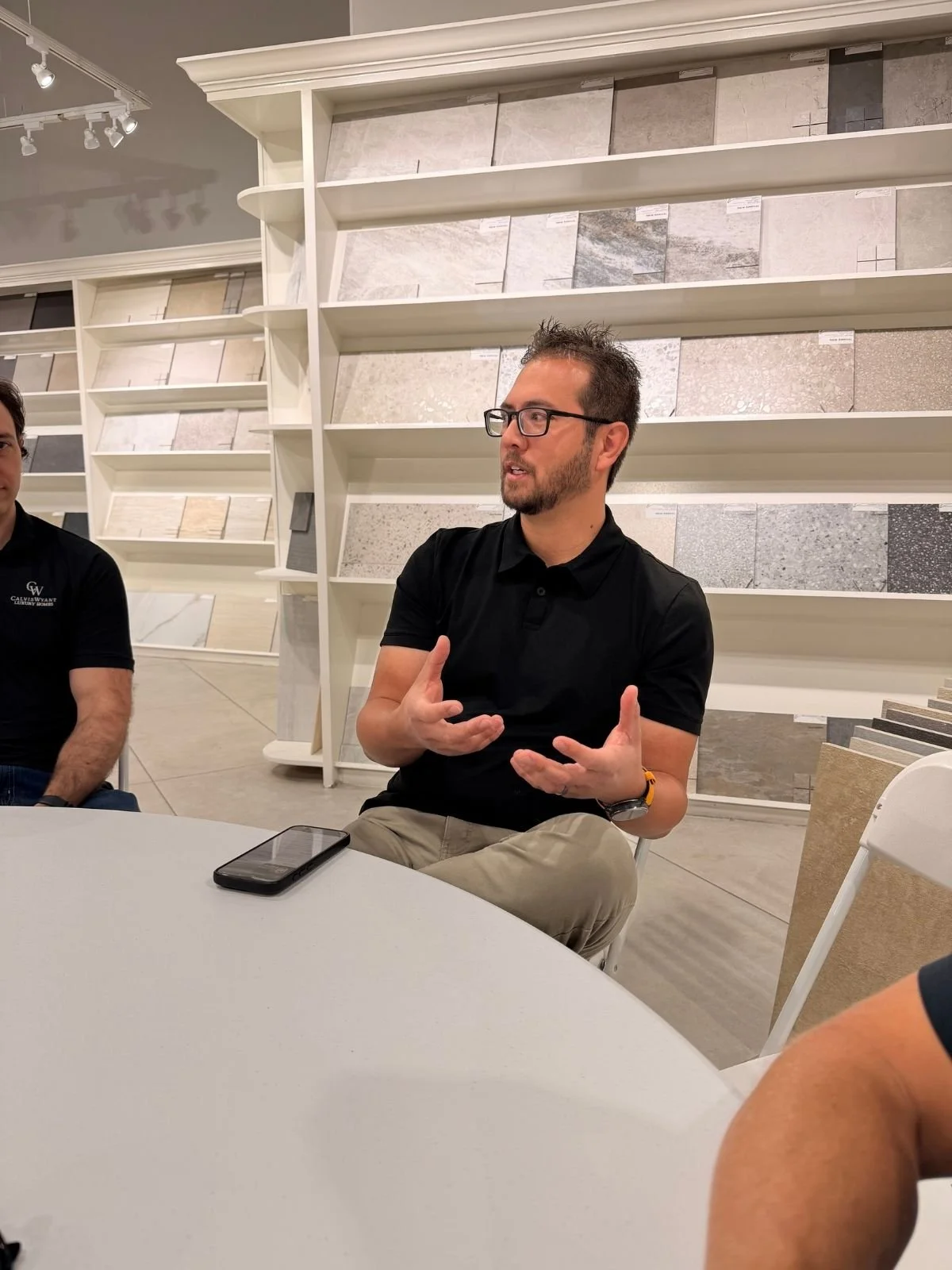
Interestingly, one of the night's key discussions didn't focus on investors but on subcontractors. Builders shared experiences of paying large deposits to subcontractors, only for those companies to vanish or fail before work completion. Often, there was little to no recourse.
This led to a pivotal mindset shift: If builders must personally guarantee obligations to investors and lenders, why shouldn't subcontractors be held to similar accountability when substantial deposits are involved? These types of conversations can prevent costly mistakes and show the value of collaborative learning environments.
Why Builders Need Collaborative Spaces
The construction industry can be isolating. Builders frequently face high-pressure decisions without many opportunities to discuss them honestly with peers who understand the stakes.
Currently, the market compels builders to adopt new approaches. Margins are slimmer, projects more complex, and clients more cautious. Many businesses strive to grow while safeguarding existing assets. These types of discussions help builders ask better questions, and learn from others' experiences.
We met in Texas too! Read all about it here.
Building the Arizona Construction Community
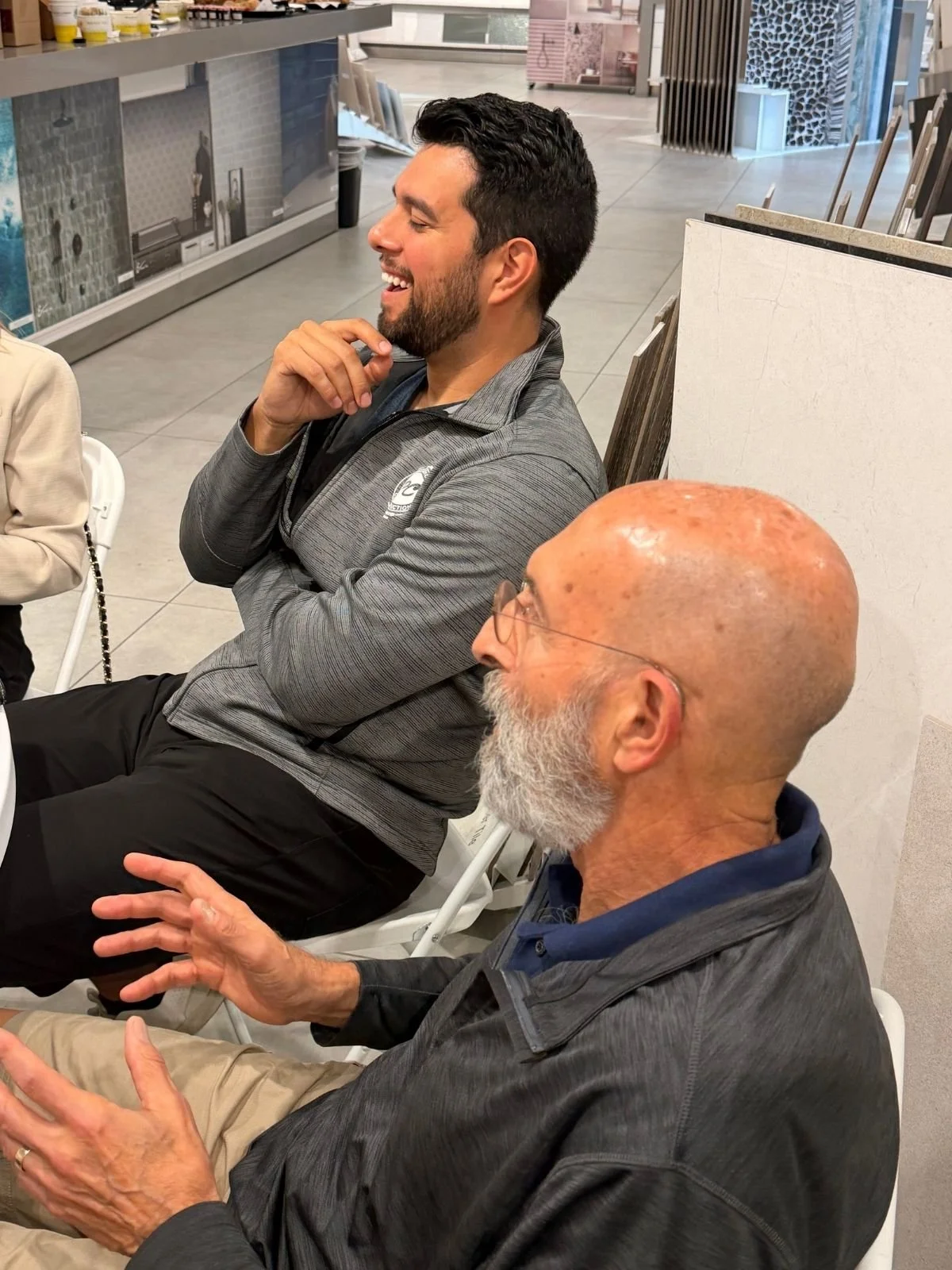
The growth of the Arizona Collective this season has been remarkable. Each event attracts new participants: builders brought in by friends, industry partners seeking deeper connections, and sponsors meeting professionals they otherwise wouldn't encounter.
This event, hosted by Sub-Zero and Wolf, showed that intentionally building community benefits everyone involved: builders, sponsors, and the entire industry. Ultimately, the construction industry grows through relationships, shared knowledge, and honest conversations, and at the end of the day that’s exactly what the collective does.
Thank you to our Sponsors: Pella, Emser Tile, Home Builders Financial Partners, Cherry Talent Group, Harnish