How to Buy Back Your Time (And Why Every Builder Needs To)

Table of Contents
I spent the first quarter of this year driving down the West Coast for what became the Smile Tour. I sat down with builders, designers, entrepreneurs, and operators asking one central question: How do you build a business that gives you more life instead of consuming all of it?
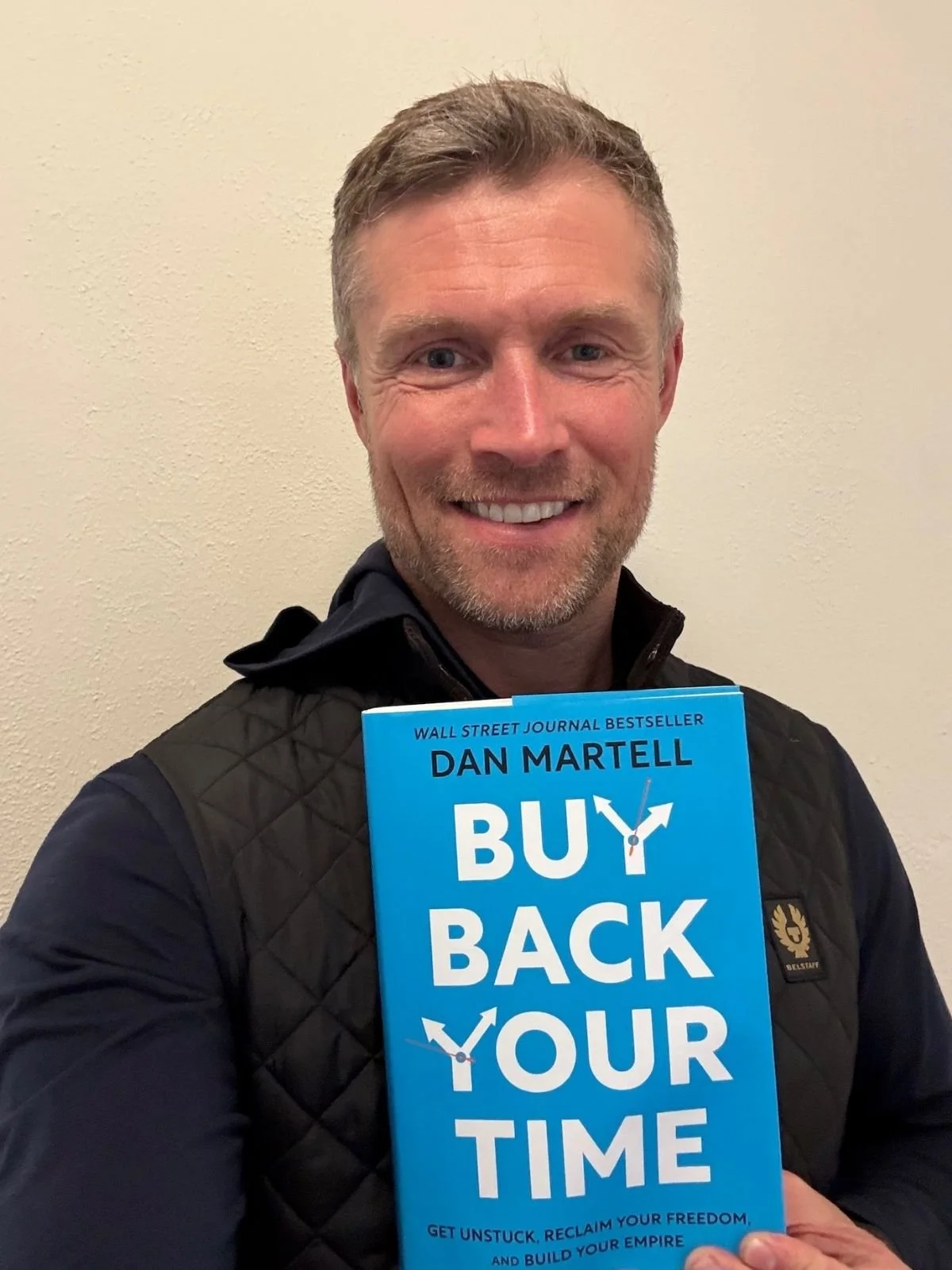
That question led me to Dan Martell’s book Buy Back Your Time. And the timing couldn’t have been more relevant for me personally. If I’m being real, I think a lot of us in construction accidentally build ourselves very expensive jobs.
We call it entrepreneurship, leadership, or ownership, but underneath all the branding and growth and opportunity, the real question is can your business function without you? That’s the uncomfortable one. And that’s why this book became the anchor for the Smile Tour conversations.

The Question That Stuck With Me
A while back at Contractor Coalition, Brad Levitt asked me something simple and direct: “Do you have a job or do you have a business?” I remember laughing a little when he asked it, but internally it hit harder than I wanted to admit.
Because if I’m honest, I think most builders live in the tension between those two things. We become the estimator, the salesperson, the project manager, the therapist, the firefighter, the visionary, and even the bottleneck.
And for a while, it works. Until one day you realize the business only moves at the speed your nervous system can tolerate. That’s not freedom. That’s dependency. This book gave language to something I’d already been wrestling with for years.
The Trap Builders Fall Into
Most of us started because we were good at the work, not because we were good at building systems. That’s an important distinction.
Builders are problem solvers by nature. We pride ourselves on being able to carry a lot. But eventually the business becomes built entirely around your ability to keep carrying more. That works… until it doesn’t.
One of the biggest ideas in the book is that time isn’t something you “manage.” It’s something you intentionally buy back. The goal is to spend more time operating in your highest and best value, and that line came up repeatedly throughout the Smile Tour.
Learn more about the Smile Tour here!
The Stacy Eakman Conversation
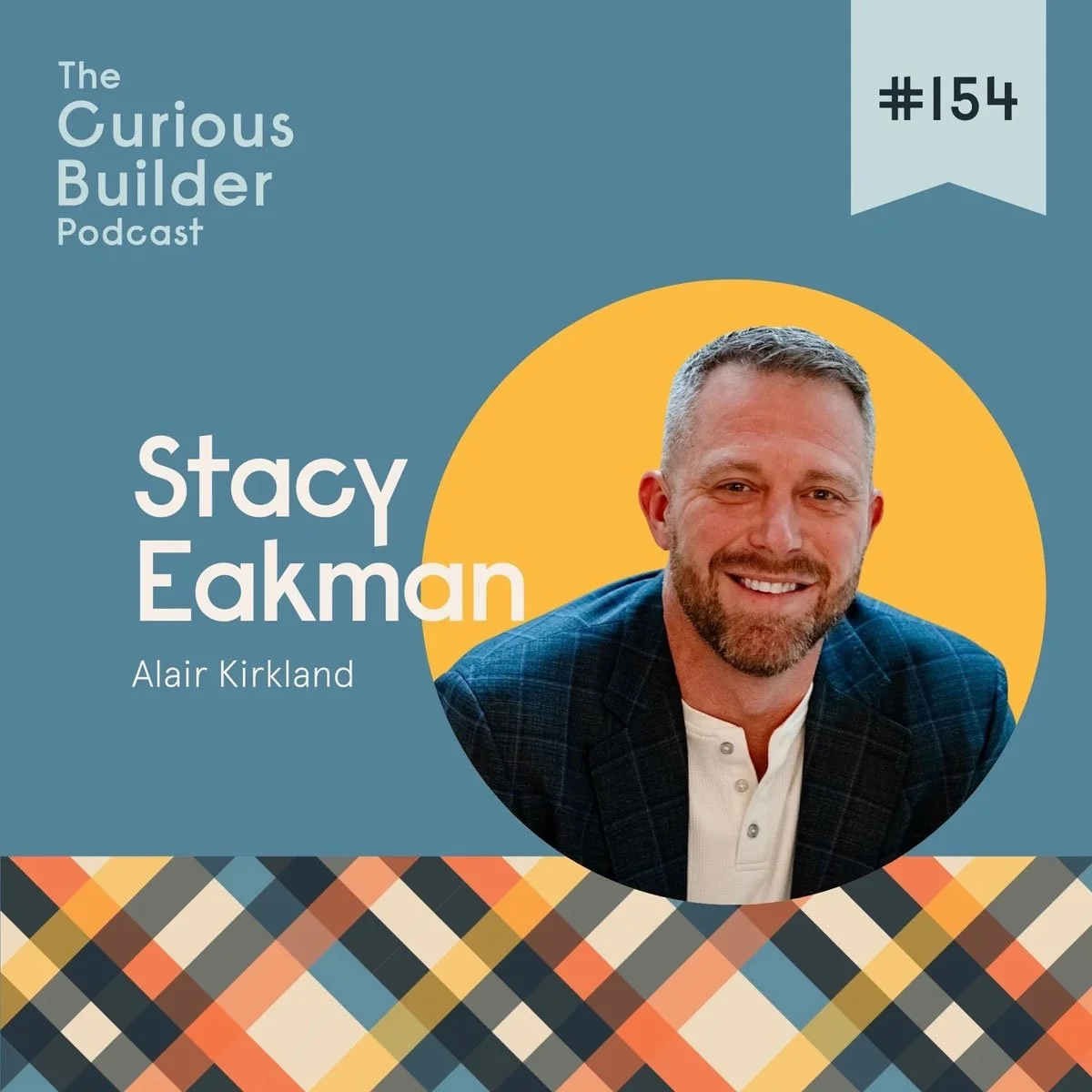
One of my favorite conversations from the tour was with Stacy Eakman. Stacy talked about being able to spend six to eight weeks in Mexico with his phone essentially off while the business continued operating successfully.
Now, some people hear that and think it’s about vacation, but it’s not. It’s about trust, systems, team, leadership, and process. It’s proof that the business isn’t entirely dependent on the owner’s constant presence to survive.
That conversation challenged me in a good way. Because I’ve openly said this before that until you can replace yourself, you don’t really have a business yet.
Right now, my company could continue for quite a while without me because of the team we’ve built. Existing projects would finish. Operations would continue. But could it thrive long term without me? That’s a different question. And I think every owner should wrestle with that honestly.
Buying Back Time Isn’t Laziness

This is where I think some builders misunderstand the conversation. Buying back your time is not about avoiding work. I still work hard and push myself daily. The difference is I’m becoming more intentional about where my energy belongs.
That might mean delegating faster or hiring before it feels comfortable. Sometimes it means saying no to misaligned clients or building systems earlier.
One of the best lines from the Smile Tour came from a completely different conversation with Vince Longo. He said: “You make all your money on the buy side.” Meaning the moment you choose whether or not to work with a client.
That one stuck with me hard. Because every wrong client doesn’t just cost money. They cost time. And time is the one thing you never actually get back.
Delegation Is A Skill Most Builders Avoid
Another conversation that really stayed with me was with Julia Miller. She said “I delegate really well. I have no problem being like, hey, you’re way better than me at this.” That sounds obvious. But for builders, delegation can feel uncomfortable because so much of our identity is tied to competence.
We built our reputation by being the one who could solve the problem, so handing things off can feel risky. But eventually you realize that if everything depends on you forever, the business can never really grow past you. And neither can your life.
Boundaries Create Freedom

This book also connected deeply with something I’ve been talking about for the last couple years: Boundaries create freedom.
That phrase keeps resurfacing because I keep finding new layers to it. Buying back your time requires boundaries. Boundaries around your schedule. Boundaries around clients. Boundaries around your phone. Boundaries around what deserves your attention.
The Long Game
One of the quotes that came up during the Smile Tour was this Bill Gates line: “People grossly overestimate what they can do in one year, but grossly underestimate what they can do in ten.”
That feels incredibly true in business, and especially in construction. Most meaningful businesses are built through years of failure, refinement, and growth. You slowly stop chasing every opportunity, and learn what actually matters.
You buy back pieces of your life one decision at a time, and eventually you realize success means building something healthy enough that it doesn’t require you to carry all of it alone. That’s the journey I’m still on. And that’s why this book felt worth centering an entire tour around.