Episode 151 - Designing With Heart: Julia Miller on Interior Design, Imposter Syndrome, & the Power of Peer Praise
#151 | Julia Miller | Yond Interiors | Interior Design, Imposter Syndrome, & the Power of Peer Praise
Interior designer Julia Miller is back in the hot seat—and this time, we’re diving into Brunel, her brand-new custom furniture line built on intention, style, and quarter-inch precision. We unpack what it’s really like to get featured in Architectural Digest, why peer compliments hit different, and how designing homes is more like writing love letters than anything else. Also: a friendly PSA to never flip your designer’s marble coffee table upside down. (Sorry again, Julia.)
Listen to the full episode:


About Julia Miller
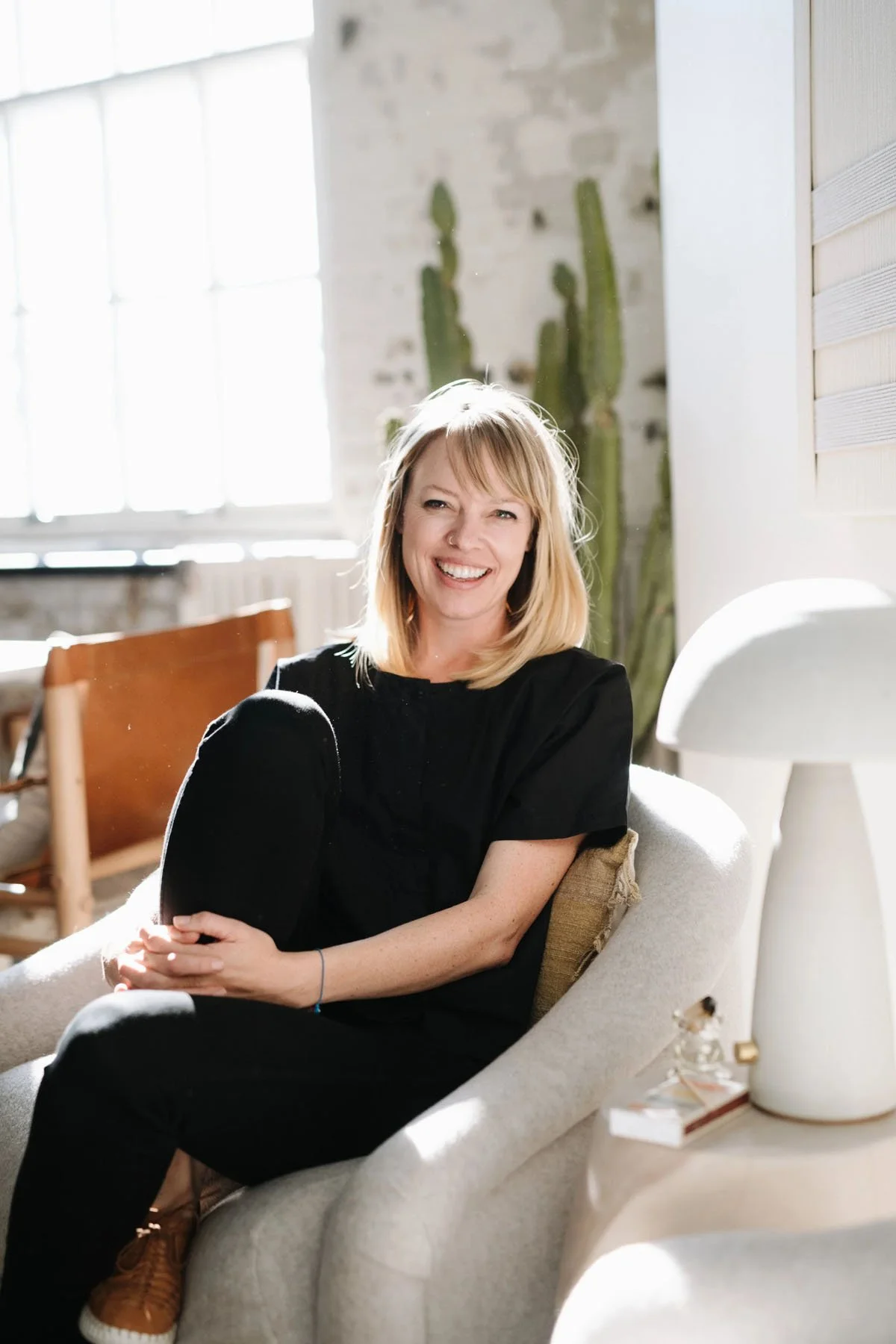
Julia Miller is the founder and creative director of Yond Interiors, a nationally recognized interior design studio rooted in authenticity, craftsmanship, and the belief that homes shape how we live, connect, and heal. With features in Architectural Digest, The Wall Street Journal, House Beautiful, Domino, and more,
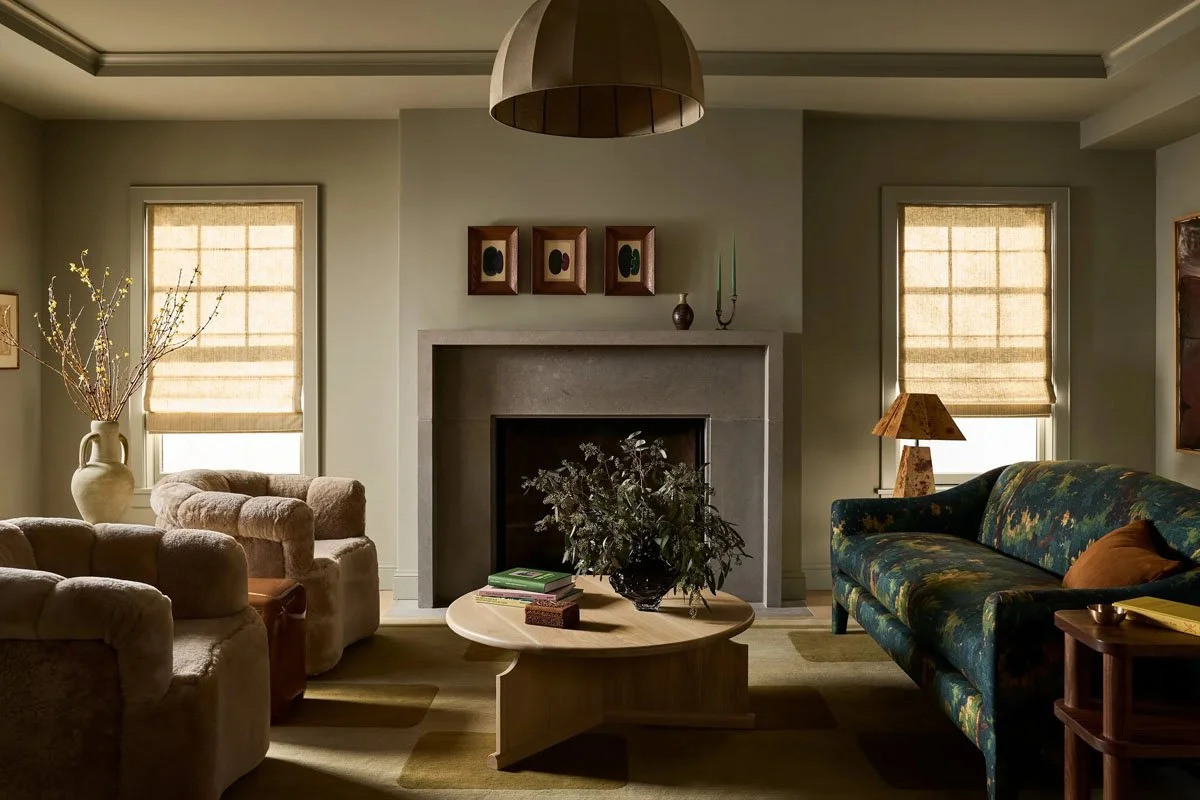
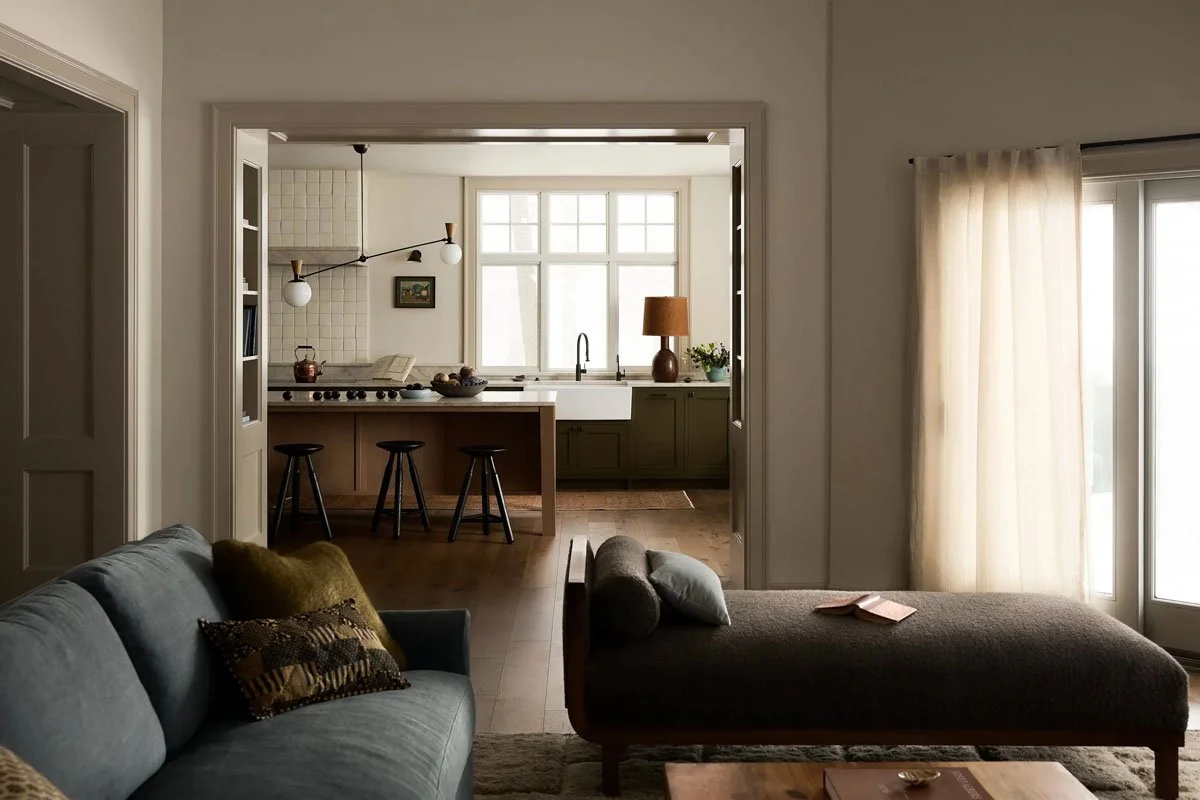
Julia’s work is known for its layered textures, reverence for history, and emotionally resonant spaces that feel both grounded and elevated. Yond Interiors has also been named one of House Beautiful’s Next Wave Designers and The Experts Top 40 Interior Designers.
Resources:
Visit the Yond Interiors Website
-
Mark D. Williams 00:00
We're just weeks away from the International builder show down in Orlando, and like we do at every international builder show the Monday night, we do a meet up of contractor coalition alumni. So if you're interested in attending, we've got a great event from about six o'clock to nine o'clock. Stop by anytime you're gonna see builders from all over the country. Got Brad Levitt, Morgan, Molitor, Tyler, Grace myself and Nick Schiffer, as well as all of our sponsors over the years. If you've never been to the contractor coalition summit before, but you've heard us talk about it, it's a great place to come meet everyone, see what it's all about. So you can register for our May event in Colorado, or our November event in Charlotte, or just come and meet and greet and see if you like the vibe. All the details are a contractor coalition summit.com
Mark D. Williams 00:41
under the Monday night meetup at K biz, we hope to see you there.
Julia Miller 00:48
There's all of this standardization, which is how retail functions, because you have to be able to scale it and pump it out right. And there are certain dimensions that generally work. But I will say, once you start getting into the design world, if you hire a designer, we do things to the quarter of the inch, sometimes in furniture, because those dimensions matter greatly to us in terms of how the room comes together. Today.
Mark D. Williams 01:18
On the gearspirit podcast, we had Julia Miller in and repeat guest. Three years ago we had her in. You have to go back and listen to that episode. It's episode 25 today, you're going to want to buckle up buttercup, because we cover a lot of topics. We talk about Brunel, a new custom furniture line that Julia and her business partner have developed. We talk a lot about the expert her Ian cottage, and anything you could want to know about owning and operating very highly successful interior design firm. Without further ado, here is Julia Miller. Welcome to curious billboard Podcast. I'm Mark Williams, your host. Today, we have a two time guest. We got Julia Miller from Ian interiors back in studio, fellow Minneapolis native. What's up? Julia? Hi. That's quite the introduction. I don't know. I'm gonna say I'm kind of excited to hear it too.
Mark D. Williams 02:06
I'm back. You're back. If you want to know Julia's whole story, go back to Episode 25 we did the deep dive on beyond interiors, from social worker to world renowned interior designer. That's my Yeah, by Well, it's a good stretch. Our second highest download of all time, and we are now going to break it. Ladies and gentlemen, you're listening to this. Go back and listen to the old one, because I think we can make the old one go. You're only like 300 behind the number one. So if we want to make Julia number one twice, go back listen to episode 25 boost that one up to number one all time, because she's a baller. I didn't realize I had 2026 goals, but this is one of them, and then this episode is obviously just going off the rails. Well, let's do a quick catch up. What have you been up to? What was your highs and lows of 25 oh my gosh, so so many 25 for me, was an awesome year, was it? Yeah, I felt like things clicked. We had some projects wrapped that we had been waiting on for a long time. We got a couple articles in AD finally.
Julia Miller 03:06
So all in all, it was great. Also, Mark, you're taking a photo right now. No taking a video.
Julia Miller 03:10
People want to see behind the scenes. That's true. They do. Okay. So high definitely was projects wrapping and some really great press that I feel like, although I don't try to rely on press for external validation, it does feel real good. So we had that. And then we also launched Brunel, which is my third child, so it's a shop and a collaborative kind of experiment between myself and our senior designer, Samantha. So we co own it. And yeah, it's custom furniture, lots of ceramics and things from Minneapolis made people. That's just heartwarming. I want to dive deep into that. And that's, I mean, that's the main reason I think I bumped into you when we were around the Christmas time after coffee, and I was like, wait, you were telling me about for now. I'm like, okay, you've got to come on the podcast we did. Let's go back a second about Architectural Digest. First of all, congratulations. That's Thank you super, super big deal. Thank you. Walk me through. Because I think the only thing I can relate to is like when we won Builder of the Year, like in 2019 like every year, something you strive for, you want to do, you get it, and there's kind of like this let down, like you think, like your doors are just going to open and people are going to flood your office, and you have made it, and it was just crickets. What is it like when you win a huge national award from a let's talk about the glow of like, the achievement, like how good it feels, how you pursue but let's talk about, like the business side of it, like, what have you gotten? How long ago did it happen? Well, we had so they're just articles, so it's not like a full on award, but so we had a article published, I think, at the beginning of the of 2025 or maybe the spring of 2025 but we also had another, another article, like the December of 2024 I think, or, yeah, so it was kind of like back to back. They were pretty quick. And I think for me, press at least, maybe similar to your experiences. I.
Julia Miller 05:00
It just is kind of like a dud of a moment in some ways, just because press, to me, is a way to establish yourself professionally, and I don't look to it for any validation, because we work for our clients, and I want them to have the best no matter what, and I don't care if ad thinks it's great or not, to be honest, when we're designing, we're designing for our clients. And so
Julia Miller 05:25
you know that process of what press we could get doesn't really enter my mind until we're starting to shoot it and I'm starting to see, you know, like what it looks like styled, and like what the vibes are, and all that kind of stuff. So I guess from a press perspective, I agree. I don't think it's smart to rely on press for business. I don't think that it converts for nearly anybody in our industry, at least, I don't know of anybody who's like, oh yeah, just get published and keep getting projects. I mean, it helps with it helps to me. You know, with the sense of, you're an expert in the field, you have some credibility, and so I think that's what builds better business eventually. But I don't, I mean, I can't say that we haven't had projects directly come to us from press, or, yeah, from press, like we have had some really great projects, one in Aspen, come from some of the press we some of the ad press we had. There is a link there, but it's pretty weak. I mean, I mean, I was thinking of an analogy, because that's how I think, and I think we joked about this last time too, is like, I speak in analogies, and you're like, I can verify. But I was thinking about, like, you don't have a kid, so other people say, Oh, you have a beautiful child, but like, you have a beautiful child, and you're like, it is validating when someone else likes your child too. Yeah, it is similar to that, because, like, you do the work for the client, and then someone's like, you're that's amazing. You're like, thank you. I put my heart and soul into this, yeah, and you appreciate it, but you don't depend on it. Oh, yeah, you can't. I think it. I think the rule is you cannot depend on press, really, for anything, both that you're going to get press, even if it's a great project, and that the press is going to get you what you think or it should give you. But yeah, I think for me, it's more that I didn't come from interior design. I didn't go to school for this. I didn't have any academic background in interior design. So I think that all along, there's always been this fear that, like, maybe I'm not good enough. You know, that imposter syndrome, but also that deep seated wonder of is what you're doing, aside from your clients experience like, is what you're doing, resonating with people? Is it interesting? Are people excited by it? And, you know, I have to stop myself from asking that question too broadly, because our clients are our number one reason why we do this. And if they're happy, you know, I'm happy, but I think that when you're in a creative world and your work is out, there is a very vulnerable experience. And so to have people like Architectural Digest, or house beautiful, or even just anybody that I admire, you know, another designer compliment our work, it gives you a different feeling, I guess. But you can't you. It's also an emotional roller coaster, because that external validation can't be counted on, and it really shouldn't be the motivator to do anything in this industry, because your clients feelings and emotions and how they experience their space should always be number one.
Mark D. Williams 08:16
You know, it's interesting, something I was thinking about when you were explaining that was like, a compliment from a peer is different than a compliment from a client. Yes, and the clients pay the bills, because most of us don't work for our peers, right? Explain how you feel like, when someone you respect sends you a DM and is like, congratulations, or like, then you're like, oh, they noticed me. Or like,
Julia Miller 08:40
yeah, exactly. I mean, I got an email this week from someone that I admire, and they just had said, Oh, your name came up, and conversation I was having with this other designer who I also know of definitely don't know, and they he just said, you know, I just thought it was important to let you know that we really like what you're doing. And that was it just, like a nice, a really nice email. And I think that, like, we don't, we in this industry don't do that enough, that idea that like expressing how you truly feel about someone's work that's not like a
Julia Miller 09:15
really positive Instagram comment, that maybe you don't mean wholeheartedly, like, I think, I don't know, maybe it's also, you know, indicative of our society now, but like that truly just telling someone that you appreciate what they've done, just because you appreciate it, I think, is like, not something we are very practiced in. So I think it's important. And I think it does, like you said, it kind of gives you those fuzzies of like, oh. And I think, I think for me, it's, like, important. I realized, because those people know the sea in which we swim, and I think as much as like my husband or even my best friends, they don't understand the minutia of what it took to distill down.
Julia Miller 10:00
On someone's personal preferences, mixed with budget mixed with timeline, into something that is really meaningful and cool. And so when another person compliments that, that sees you and understands that because they're doing the same thing, it validates that a different part of the of the process, I guess,
Mark D. Williams 10:20
I think that's beautifully said. I think so many things come to mind. One is like, people meet you at different points in your career. Yeah, people meet you at different points of like, your life. Like, you know, you and I both have young families. And like, as you grow and, you know, I try to be a good dad, you try a good model. Like, we're navigating, you're juggling all these different things right on top of it. And, like, I was just thinking out loud, like, I can't wait till we do our next project together, because how much we've actually changed totally. And we only did our project ended, but two years ago was the remodel that we did something like that. And so, like, and already, like, there's so many things that have happened that, like you, when you walked into that you my whole team is different. Like, yeah, Mike is the only person that is still the same. And like, but you're like, who are you? And Joel's like, I'm the money man, and like, Angie's like, I'm the project coordinator. And you're like, I'm like, nice to meet you. We haven't ever Yeah, and so I think that's really fun when you get to rework with people, and there's like, shared experiences and things like that. But back to the earlier comment about getting these, like, a letter or getting a thought or getting a special moment. It just reminds me, because you and I are both runners. Like, can you imagine, that, like, mile 24 of a marathon, if you're out on a street where no one is yet, let's do miles 18, because everyone's 1820. Sucks. But like, what if someone was just like, you're at an aid station, someone came up to me and be like, Hey, you got this? Like, sometimes it doesn't have to be a lot, or just be, like, a pat on the back, or just, like, just going, keep going,
Julia Miller 11:39
but an honest gesture, yes. And I think the other thing I want to say is we were thinking about this too, is when we're creating for when we're creating a project. So when I'm looking at materials and I'm like, evaluating floor plans, I am 100% in the mind of my client, right? I'm not thinking externally about this project, really at all. It's like I'm trying to do the best work I possibly can for that person. And so I think when you start to move it into like press or putting it on your website, it moves into like this other world where people, other people who don't know that relationship can suddenly judge it as well. And I think that's a very vulnerable experience to put your work out there. So I think that validation that like, Oh, this is cool, is meaningful, because you didn't create it for them. You created it for someone else in a completely, kind of a vacuum of an experience, and that was created specific for someone and then for someone else to appreciate something that wasn't made for them. I don't know it's just a very, I don't know it's kind of, yeah, a cool process, I guess, to some degree. Because when I'm creating for someone, I'm not thinking about Architectural Digest. I'm thinking like this fabric. You're gonna love this because you live by the sea, and this is very reminiscent of this, or you like soft things, and this is the softest fabric I've ever found.
Mark D. Williams 12:59
You told me a story that you designed for a man once that brought you, like, four rocks, yeah, totally. And I was listening to the episode yesterday, as I mentioned, when I was when we were working out, or when I was working out, and I was like, I that stuck with me, yeah, what a cool it makes me like, right now, I kind of want to write it down as, like, I would like the next client that I work with to pick, yeah, say, like, pick four physical things that you feel represent you or what you like. And I'd probably even share that story to give them, like an idea, because I just think it's really, maybe some people think it's Woo, but like, I just think it really, it makes them stop and think a
Julia Miller 13:30
little bit right? And your job as a designer is to extract that level of information from somebody. It's your job is to understand their family structure, what they like, what they don't like, but also like, what makes them feel the way they want to feel in their house, you know? And that is a mining experience for me, at least it's a it's done over time, and you find a lot of things that way, but also too, like, it doesn't require tons of information sometimes to figure out where we need to go with the project. And that was a great example where the client was like, I don't use the internet, basically.
Mark D. Williams 14:06
So here's some rocks, which would be so
Julia Miller 14:08
cool, which was perfect. And honestly, I love that, because that's all it took to create something cool. Yeah.
Mark D. Williams 14:14
One last thing on the a deep thing, is, if you were, did you seek out that publication or they reached out to you? Yeah? No, we pitch it. So that was my question. Because, like, I was talking to Nick Schifrin in Boston a couple weeks ago, and we were on Misa, who was Melissa, and I are talking about, like, how, like, this is outside my realm, like, I've never thought about this, right? Designers, you guys think more nationwide than I do, and I think I've, I've been limited a little bit because my before the curious builder, I just thought, hey, I'm a little builder in Minnesota,
Julia Miller 14:40
and I still am a little building, right? And even region, more regional
Mark D. Williams 14:43
than that, yeah, Minneapolis, yeah, good point. Yeah. I mean, I'm like, a 50 mile radius, right?
Julia Miller 14:46
Yeah, your trades aren't, you know, driving, yeah, California, okay,
Mark D. Williams 14:50
I never thought, like, architectural New York. Like, why would I never, I would never, like, why would they be interested in this, right? And so, like, part of it was a, like, lift your head up and look up. And I
Julia Miller 14:58
still am, like, why? Right? Oh, they're interested. Did they know I live in just Minneapolis? I'm kind of not really big deal, you know? Like, I still even have that. But, yeah, yeah, so
Mark D. Williams 15:07
did you So walk us through a little bit, because I think a lot of people are interested, those that know No, but the majority of people don't know how this works, yeah, walk us through, like, what does a pitch look like? How do you do that? The sequence of like, like, the right people, is it sometimes? Is it the right photographer and their relationships. Like, how did you go about it?
Julia Miller 15:22
Yeah, so we have a PR person. So a PR person for us is an essential component, just because PR relies on relationships as well, just as the whole world does. But what we do is I will put together all the photos, and then I write like a project narrative, and I put together all the pieces of the story that were meaningful to us or might be interesting to someone else, whether it's, you know, an architectural thing because the house is cool, or a way that we arrived on a floor plan that's unconventional, or whatever the like kind of thing is about the project, and there's a little bit of Information, although, like, our clients really prefer a lot of anonymity. So like, I'm not really interested in making my clients get interviewed all the time if they don't want to do that, but I am interested in telling the story of the project, telling the story of their house and their what I feel like is appropriate for their family and that kind of stuff. So when we use pretty much exclusively one photographer, and that is something that also is like a could be another podcast. But what I've found is not only the synergy between us when we're working together, but also this idea that our work is communicated in a way that people recognize and can like pinpoint, right? So I think when most people see one of our projects now, they not only recognize the content of the photograph, but they recognize the style of the photograph. And I think especially being still feeling like I'm starting I'm still establishing myself and still figuring all this out. Having a brand that feels recognizable is something I value.
Mark D. Williams 16:58
I mentioned this last time, when people go to your Instagram or your website, you know, Ian interiors, and we'll have it all in the show notes, but like, it has such a deliberate feel, and yeah, and vibe, and like, you want to touch it, yeah, right, you want to just jump in. You do, yeah? Like, you have a very distinctive Yeah. So I think you were one of the first people that really helped me understand watching you interview with our client, that they ended up choosing you, watching you go through your process. And I, what I love in my chair is my job is to make, you know, matchmake, right? Yeah, totally. So in my position, a lot of people come to me first, and so I've assembled the team. So in this case, you know, my wife said, Hey, you should really have Julia. So thanks, mile and so anyway. So anyways, watching you kind of go through that is like, I'm like, your biggest cheer there. I'm like, This is amazing. Like, remember we talked about the time when you sadly didn't get it, the ombre rug? Oh, yeah, I think I was like a kid in a candy store. I'm like, please. I was like, could I buy this rug? I want this rug. It was like, but I think that's what I love watching talented designers or just passionate people, yeah, that that showcase new things. I mean, we've already talked about things I wasn't aware of even before we sat down. Like, this is amazing, and I think I'm so excited and passionate about what other people are passionate about, because you don't know what's going to elicit a reaction in the other person Exactly.
Julia Miller 18:14
And our job is to, I mean, I always tell clients that, like, I don't want to settle, you know, like, our goal is for this to be spectacular every single time, and not every that doesn't mean every item is like their favorite thing. I mean, that would be great, but I want them to be like, Oh, my word. I didn't know, you know, like, I had no idea we could do this, or I had no idea that this was possible, or that this color was a thing I was interested in, you know, so all of our projects, and I tell potential clients this too, that like we are a reflection of our clients every time, and our clients and their houses combined, they make a client together, but we are interested in what they're interested In, and we're interested in making it something spectacular. Every time we take on a project, and where that goes is really unpredictable. And when a client comes to a potential client comes to us and they're like, Well, I don't know. I haven't seen exactly what what I was thinking for my house, and I'm like, but that's because we haven't had you, you know, like, we haven't had your house, we haven't had your city. We haven't had who you are as a client yet, but my hope is that every project we work on, the client sees themselves in ways they never expected, or they notice that detail that maybe they didn't understand why we had to do it, but now they're like, oh my god, this is this? This This makes the room, or whatever it is, but it's all those little moments, because to me, at the end of the day, it's like, not in a weird way, but like, it's a caretaking opportunity. I was former social worker. I think there's part of my heart that still wants people to feel really cared for and noticed.
Mark D. Williams 19:57
It's funny, a couple things came out. One is like. Think about, and maybe I don't know, are we the same age or similar? I can't remember. Yeah, I'm 45 way older than you. Did you write letters to people or that? Did you do that? Oh, wait, you mean like, as a child, yeah, like a child or teenager, like, I remember writing letters? Oh, yeah, okay, that was exactly okay. You're not good and you're older. Know what a pen pal is okay? Well, you're very young. This episode
Mark D. Williams 20:30
is brought to you by Pella windows and doors. I've used Pella for 21 years as the exclusive window company on every one of my builds. When people ask me who I trust for windows and doors, it's Pella every time. Their craftsmanship, their innovation, the top tier service, make them a no brainer for any custom home builder or designer who demand the best, whether you're designing something bold or building something with timeless elegance, Pella has you covered. They're also the only window company that has a lifetime warranty on all of their windows. I've gotten to know all their people at Pella corporate, as well as locally. Here at Pella Northland, I'm proud to call them our partners and our friends. Visit pella.com to learn more and connect with your local reps. Today for more information, you can also listen to episode one, where I interview the Pella Northland founders, as well as episode 109 where we talk all about their latest innovation with the study set window. But anyway, my point in saying this is I heard something really recently that when you were sharing a story a few minutes ago that really resonated with me. I wanted to share to the audience and to you. And one is like, if you were so you're talking about your clients, think about it like when you wrote a letter to a pen pal or a sweetheart back in the day or your husband or your grandma or whoever like, it's a letter that's very personal between you and them, yeah. But if someone like, if your daughter today got that letter and read it like they would be able to get they would understand a little bit about you, right? Yeah. But that letter wasn't written for your daughter or anyone who read it, but they could still get a lot of value out of it. I wonder if that's not a little bit how you design a home for, let's say whoever, Nate Nikki, I'll just pick a name of someone we worked with. But, and let's say someone in San Francisco or California or Minnesota or whatever, looks at the work we did and like that speaks to them. Yeah, it wasn't for them, but it speaks to them in the reason this came up, it actually came up in church, was the pastor was talking about, like, Revelations is a very difficult book. And he was just saying, like, hey, this book was written to the seven churches in, like, Asia Minor, yeah, and like, we're reading it 2000 years later. And like, it doesn't mean we can't get something out of it, but just keep in mind, like, who the letter was written to, right? And I want to bring that up because I think it's, I think sometimes builders and designers sometimes get too much credit, and sometimes we don't get enough credit. They, when people are on the outside looking in, they just don't know the full story, because the remodel was not for them. The new home was not for them. And I hope they inspired. I hope they get something from it. But if they feel like offended or whatever, what if the client said, No, the reason it has to be this way? Like, let's say it was really blocked because you love color. Let's just say someone, there's a room that wasn't but what if that person got migraines from colors like the client, who's someone who's looking at this on the outside doesn't know those details, you and I do, and I just, I just think, having some compassion, but also that's why, when you're on the inside,
Julia Miller 23:11
right, appreciate that's why the appreciation from the peers means something different than it does from someone else or A client, or even someone that loves us because they they see that. They see the minutia of it all and how it all came to be so specific. And I think too for us, we don't, we try not to duplicate nearly anything we do, and that is intentional. I mean, of course, if a client is like, I love this light fixture. I saw it. I had to have it. That's fine, but I'm not interested in duplicating or even making our work copy paste in such a way that if you looked at a project, you couldn't tell projects apart, just because, for me, the joy is also in the newness, and that's representative of kind of my life and businesses and ventures I've been trying. But also I think it's how we maintain personal, you know, a personal experience too, because not everybody likes the same thing, and not every house accommodates the same esthetic. So for me, it's like, you know, when we're talking about new clients, I'm always educating them that, like, this is a personal experience. So yes, we can take all this inspiration we find on the internet, and we can find tons of things you like, but at the end of the day, what we are creating is something you haven't seen before and is something really specific to you. And sometimes it's just for fun, because it's a second house, and it's not this deep, emotional role thing. And sometimes it is, sometimes it's your kids room. But at the end of the day, it's not this copy paste experience for us, it's we don't source from the same vendors. We don't. Yeah, so the diversity for me is not only what makes it fun, but also what makes it special.
Mark D. Williams 24:47
We talked just because you and I will continue to talk about this four other things. Let's talk about Bruno, because I really want to talk about, like, tell the audience what it is, okay. Why did you start. It, yeah, and it's only three months in, so it's very, very new. Like, what do we what do we want this to be? And I've got more
Julia Miller 25:07
questions about so similar. I think that the earlier conversation, while maybe tangential at times, is important for Brunel. So Brunel is a e commerce, product driven website at this point, so it's custom furniture. And then we've also layered in like smalls, what we call smalls, like vases and quilts and, you know, things that are kind of add to cart options that are a large in collaboration with other Minneapolis based makers. So Brunel is kind of a extension of Samantha, who is our lead designer, and she's been with me since the beginning, basically, and my creative efforts towards pretty much getting to market the items we had already been designing for our projects, and just were kind of either selling those designs to a company we worked with in California. So there was a couple of, you know, designs they bought from us, and then they remake and sell themselves. But it just kind of came down to one day we pretty much make, I would say, 50% of the product that goes into our projects ourselves. So we're either designing it ourselves from scratch, or we're working with someone that we know to design something that they have the expertise in designing. So we are not typically buying a sofa that's already been made. We often make our own sofas. We make our own coffee tables. Often we make our own case pieces. We make our own beds. These days, we're doing it at all. Mark a lot, because the cost to have a middle person is a lot for our clients. So if I'm buying someone else's work, you know there's a cost in there. And so by short circuiting some of that, taking out some of that middle person, we're able to really give our clients a better value, and we're able to do cool stuff. And so it's a win win on every side. So we're able to give our clients much more competitive pricing for what is, in the end, I think, a higher quality good and we're the creative process is also really great for us. You know, I just sent a client for custom headboard ideas today, and I was like, Hey, we could do any of these shapes, you know? We just kind of drummed them up. What do you think, you know. And so we were already doing that for all of our projects. We were creating coffee tables, we're creating Ottomans, we're creating all of these things. And so we just looked at each other, well, my team looked at me, and they were like, hey, Julia, we don't want to sell our stuff anymore. We don't want someone else to sell our stuff. And it's like, white labeled or whatever. So nobody ever got credit for it. And, you know, it was not a glorious experience to sell our work. But it was like, I was like, Well, this is easy, you know, just whatever. We make it, we sell it. But they were like, we don't do this anymore. We put too much time into all this. And so Samantha was just like, No, we're not doing it. We're going to make our own business. And she's like, and I want to be 5050, on it like, this is important to me, and we work with local people that we love. And so it was just kind of this moment of us being like, All right, we're gonna do it. We already do this. So it's
Mark D. Williams 28:10
just a manifestation of things. Will you create? So who is the end user? Would it be? Other designers, other builders, like, what have you experienced so far? Who did you think your buyers would be? And who have you found out so far? Who are they sure?
Julia Miller 28:25
So we intentionally segmented kind of our product offerings in two different categories. The first one is highly custom furniture, so that furniture that's available to the end homeowner, so not someone in the trade is also customizable in terms of, like, finish and fabric and stuff like that. And that price point to entry is not small just because it is custom furniture still, and it's like high quality stuff, it's like solid wood stuff, and it's customizable. So we know that, like, there are savvy homeowners out there that don't want to shop at West Elm that want something that's heirloom quality, but there really aren't a lot of to the homeowner, like places to shop these days that have interesting things that you could put your own paint color on. So part of it was there.
Mark D. Williams 29:14
And what's the difference between like antiquing and sort of re bringing back to life an old piece? Like, would that be the strongest competition, or not necessarily,
Julia Miller 29:22
probably like any retail site like, I don't know if you've heard of Lawson fanning or Nikki keyhoe, some of those are vendors we shop pretty regularly ourselves, and they offer like suites of custom furniture that's higher quality, higher end value than West Elm Lulu and Georgia, even room And board to some extent, so our competition is more retail stores that you would find anywhere in the United States. Understand, but I'm also on the expert, which we can talk about as well. But through that experience, I realized, like people have a desire for these sorts of products, and I have a hard time referring them to the right. Places all the time,
Mark D. Williams 30:01
because it's not where you it's not always what you buy. It's like, this is what I do, but if you can't tell them to do what you do, because it's not available, right?
Julia Miller 30:09
Follower, and they come to me for a nightstand idea, and I'm like, I gotta shop on these kind of websites, because you got to buy it. And there's just not a lot out there for design minded people who value furniture. So, you know, obviously our pieces are more expensive, so there's, like, a category of people that are interested in that. So it's both filling what I saw was a need, both just in my own work, but also in this deep desire for what we are creating locally in Minneapolis to be consumed by other people that are also interested in this. So I think there's, like, a savvy homeowner kind of category that being said, I think was going to pay my bills is a is our designer clientele, because they are the ones that will shop us over and over again to other people, and they will change the paint color, they will and within our trade program, you can change a dimension. You can change not only the fabric. So we provide some stock fabrics for like the homeowner to purchase. You know, we design our fabrics, but if you're designer and you want to give us your own fabric for the sofa, great, we'll put that on that. So they have lots of flexibility there. And then they also have the flexibility for dimensional changes, which I think is the biggest advantage of being able to offer the perfect fit for your your house.
Mark D. Williams 31:28
I mean, it's funny. You say I would imagine, I mean, you what percentage of your work is remodel versus new home. Now it's largely remodel. The reason I bring it up is we had Amanda Bernie on, yeah, no friend of yours, and with curio rugs, and she one of her big things that she talked about was the size of rugs. And her frustration for with me as a builder is that a lot of times, and she didn't say this, but like, you know, a lot of builders, that's why I believe in building the team super early, yeah, including designers, but even designers, she said, Well, come in that space will be done. They've picked out furniture, and then the rug doesn't fit. And they're like, I can't I have to custom fit the rug. But like, the idea that you can modify, within reason, a rug, which is not ideal, but if you could, you can do it, yeah, but the fact that you can also modify furniture, oh yeah, is imagine, because a lot of people, you know, most builders, stereotypically, most men, are thinking, structural, how does it work? Blah, blah, blah. And then designers come in, like, how am I going to furnish this space? Like, how am I going to orientate so that someone actually wants to sit down right here.
Julia Miller 32:21
And also, too, like, you need a nightstand that's 23 inches, not 24 What are you gonna do about that? You know, like there's all of this standardization, which is how retail functions, because you have to be able to scale it and pump it out right. And there are certain dimensions that generally work. But I will say, once you start getting into the design world, if you hire a designer, though, we do things to the quarter of the inch, sometimes in furniture, because those dimensions matter greatly to us in terms of how the room comes together, and also to our client specifications as well. They have a coffee table book they want to put on there, and the coffee table book is humongous, and we got to make sure the coffee table can serve that.
Mark D. Williams 33:02
And you know this, I mean, we're in right now. Our office is, I think it was at 1893 Yes, like, these old spaces are kind of quirky. They're fun. It's what I live in, a 1919 home. Like, I like old homes for whatever reason, I think there's just something organic, and, yeah, it's totally feels different. And you can do wonderful things with new homes. There's a lot of advantages there too. But my point is, is that when you have quirky things, you know, you have to get you have to get quirky with it. You got to be able to navigate.
Julia Miller 33:29
And I think for us too, you know, similar to our earlier discussion, we want to offer things to our clients that are heavily specific to them and fit in their house as well with the furniture arrangements they prefer. And I will say, while a great sofa comes in a 76 I need a 78 or 79 or an 82 or whatever, because that is how the space is going to work, you know. Or that's because this is a family of four, and they need the extra butt, and so they need 12 more inches, or whatever it is, you know what I mean? So, like, that kind of dimensionality is not only for to make it look good, but it's also for function too. And you know, we're all about space utilization. Space planning is one of the first things we do and try to show the client, okay, this is what's possible with what you have.
Mark D. Williams 34:17
I have no question. It looks amazing. You can build it. It's custom. All those wonderful things that fits. How do you know if it's comfortable? I mean, I know men usually probably, is that what the first thing that
Julia Miller 34:27
worst question? No, everybody asks it, and I ask it too, and it's so reasonable, and part of it is experience. So like the chair I'm sitting in right hits me mid back. And so I know that, and
Mark D. Williams 34:39
I know you know that after an hour and a half, you're not gonna record. I know that the seat, after about an hour and a half, I'm like, That's honestly right, but I
Julia Miller 34:46
can look at a chair and I can see, okay, it's gonna sit like this, because it's built like this. So part of it is that, but part of it is that mining experience I talked about earlier with clients, which is what is comfortable to you. We have some clients that you know. Have extreme preferences around heights of arm, heights for sofas or back, heights for sofas or cushion fill. And some of it is related to personality. Some of them are like, I want a tight back sofa with no cushions, because I am OCD about wrinkles, and I don't want to tighten anything and I won't fluff anything. And so it's like, okay, this is the best sofa for you, because this is how you live,
Mark D. Williams 35:22
personality driven Exactly. It'd be funny. You know how people think that they I'm not a car buff, but you know how like people can, like, associate, like people that look like cars, or like people that look like their dogs? I bet you could do people that look like their furniture. Is that a thing? I don't know.
Julia Miller 35:35
This is. This is a new terrain brewery, but you just start to know people, and you start to and also too. I mean, we custom manufacture a lot of our sofas, so we do frame checks. So we build the frames ourselves. Well, I don't build the frames, but, yeah, they build the frame. We have someone literally sit on it, send us photos. We look at the cushion dynamics and how the cushion is going to sit, and we adjust it, you know, sometimes literally half an inch, sometimes quarter of an inch, sometimes six inches. Wow. You know, we had a chair once that we drew in CAD and it looked good, but when they did the sit photo, like the arm was way too short. Like it was just like, you couldn't sit with your arm. It was like this, there's no, there's literally no runway for your arm. So we literally had to add like, eight inches to the arm, just because it was like, this is how this works. So it's a lot, it's a lot more work to do it this way, but the end result is so much better, and I think it's so much more personal to our clients, and honestly, so strikingly, so much more affordable to some degree too. I mean, that's a
Mark D. Williams 36:39
really interesting point when you're really, you know, if you're really, you know, if you're getting rid of the sales side of it, in the in the middle man, and the caring and lodging, all that stuff, that shrinks that cost, so you can, now it can all go to custom, yeah, and uniqueness, yeah, those
Julia Miller 36:51
wonderful things. And also, too, we do volume with our custom manufacturers, so, you know, we're great clients for them. So we get great pricing, and we can, if I'm like, Hey, I got this project. Budget is a little tight. What can I do to get this look or what, what changes do I need to make to this sofa frame that I'm thinking of to make it within their budget? And how can I cut down yards of fabric, or whatever I need to do. So there's just so much more you can do to retain the essence of a project if you control so much more of the production,
Mark D. Williams 37:27
that's amazing. I agree with you. What have you? So, your three so this has been in your How long was this in Samantha? And it's you, kind of, you gave us the backstory. How long did it take to create the company, and where are you at right now? Like, give us like, you've sold some stuff. Like, where you how do you inventory it? Do you go ahead and make it ahead of time and hold it? Like, that's, that's a hard thing. Yeah.
Julia Miller 37:48
So basically, Samantha and I worked on Brunel about a full year prior to the launch. So that was both prototyping pieces that we wanted in our collection, as well as collaborating with local people whose product we would sell. So we sold some like Ashley Brazil, she's a local ceramicist. We sold some of her, you know, work that was created for Brunel. So you can't just buy it anywhere, but she made a collection for Brunel. So just ideating on that and, you know, just kind of figuring all of the business stuff out, and Shopify. But we use Shopify, so that manages some of our inventory. We're trying now to get a little more complex, so we're looking at additional software like airtable and things like that for inventory management. But the benefit of the way that we have structured our business is number one, like we only had to make one basically in order to sell it. So we had to photograph it. You know, we had to make quantity of one, and that's what we did. So we made one of all of the pieces in our custom collection. And so we just have to sell those pieces as made as you know, ready to ship pieces. But that also is then the gateway for us to market our Made to Order collection. So you can buy this credenza as it is, because we had to make it for the shoot and make it for production, but you could also customize this. So on our website, you'll see there are made to order pieces, and there are ready to ship pieces, and they're often they're the same frames and stuff like that. But that's how we chose to do it. So we minimized how much inventory we did. So all of our pieces are technically all of our custom pieces are technically made to order. That being said, we do have stock of a few things like some Ottomans and things like that that we made ahead of time knowing that, like, there those items are things that panic designers come to for immediately that they're like, I need an ottoman for a shoot, or I need an ottoman,
Mark D. Williams 39:37
which is great, and you've got ready to go, yeah. Sometimes it seems like those things, they can kind of keep the meter rolling too.
Julia Miller 39:44
Oh, totally Yeah. And we did that intentionally. We segmented, I think I didn't get to this, but we segmented it in custom furniture, which is like a big investment. You probably think about that for months. And if a designer is working with you and they're expecting something, you know, we get inquiries for orders all the time, or quotes, we'll fulfill. Those but we might not see an order for six months, and we know that because that's how we work. It takes me time to get to know how much this costs and what the lead time is, and if my client likes it, and all these other sorts of things. So We by no means expected our custom furniture to roll quickly, but we do hope that it is the bread and butter for the rest of the business while it supports some of these higher and, you know, time intensive things like smalls, like vases and quilts and, you know, lamps and all the stuff that is more Add to Cart, but doesn't necessarily give you the financial return. Like Samantha and I are very clear that, like, we can't sustain a business on smalls as much as we would love to, because it's like the fun part. In some ways, our bread and butter has to be this custom furniture. And we, just as we create for clients, we'll add to the collection. We'll add, you know, pieces that we're excited about just add every twice a year is kind of our cadence. So spring and fall, we'll have new collections that's amazing.
Mark D. Williams 40:56
I mean, so excited for you. Thank you. Do you keep it the pieces in your in the basement.
Julia Miller 41:01
Oh, we have a warehouse. Yeah, we have a warehouse. Yeah. And then we ship out of that warehouse too. So it's a, it's a bigger operation, but yeah, we have, we have a pillow pile. So if you want a pillow, pillow pile, you got a big pillow pile. And we have some of the smalls at our office too, but no, the big furniture and stuff like, and that all goes, you know, ships via freight and gets crated. And there's a whole process behind all that.
Mark D. Williams 41:23
I was gonna say, like, can I come see it? You could come to my basement. You could see, well, I've been to the basement to haul stuff, when we haul stuff into our but you could come to my work base. Oh, the work. Yeah. Well, I know I've been to that basement too. Oh yeah, I've been to both basements. There's only two. Is there more than two? Probably. I just remember Mike and I trying to haul something big and heavy down the stair. And the ceiling is very short, and I'm very tall, and it was very problematic. It was really heavy. And I would be remiss if I didn't share how gracious you are as a person for so for the I don't think I share this in the pockets. Don't ask your designers to do what I'm about to tell you, save them. Save yourself a lot of money and heartache. You know where this is going. I do. So Julie, we needed for a tour home that we had. We I bought some stuff out of my home. Julia was kind enough to give me some her pieces. We had to make this look great. There was some last minute cuts. And we just, we, this is our brand, our name. We had to make it work. And Julie's like, I have this amazing marble table. I think you're at your office or out of town. And so Mike, was it? Mike, I think so? Yeah, I wasn't there, so my project manager and I went over to and I to be clear, this is my living room coffee table. Yeah, I know nothing about furniture, to be very clear, like i That's why I have designers. I don't need to know this. I know building. You know, we go in there. Your husband let us in. So we grab this table. We can't get out the door, so we flip it sideways. No problem, sideways. We get out, and rather than, everyone's gonna cringe at this next moment, rather than flipping it right side up the way it would normally sit, we flipped it, flipped it upside down, and the table snapped in half. And I have a photo of it. I'll see if I can find it, and I'll post it when this episode goes live. Yeah. And I think I even sent you a video, and you did, and there was dirt. So we I look at it was, like, those scenes that, like, you can't believe just happened, happened. And so it's in the it's in your front yard, grass snapped in two. And I look at Mike, I'm like, I don't really swear. And I'm just like, oh no. So like, I pick it up and it, like, hinge back together, but it had a row of dirt and grass, yeah, like, right down the middle, yeah. And I thought it was hilarious at that point in time, because I'm like, Well, I broke it. I'm like, I already my mind. I'm like, Well, I guess I'm buying her a new table. By the way, I had no idea how expensive these tables are. Anyway, Julia, you were a champ. You were just like, I'm sure that side you were way more fuming. Because, no,
Julia Miller 43:34
honestly, I was like, Ooh, this is an opportunity to get something different. This is a good choice. Thanks, Maya, thanks for doing this.
Mark D. Williams 43:40
So anyway, long story short, when you folded it back together and you cleaned out the grass, it actually you could tell. And then I had no idea there's marble restores. We had rock.
Julia Miller 43:48
It looks great. You can't even, can't even tell. I was blown away.
Mark D. Williams 43:51
I've told that story several times, but it's true, anything can be fixed. Now the whole world knows that I snapped Julia's table in half.
Julia Miller 43:59
Don't give him a stick with your furniture. No, but you can't you. You did the right thing. You fixed it. It looks great. I didn't get a new table out of it, so I'm a little salty about that, but work on it. Next one, yeah, break something else in mind. I'm ready.
Mark D. Williams 44:11
Aspirations like, break my I like, Okay, anything else you'd like to add? Brunell, before we move on to our next topic?
Julia Miller 44:18
No, I'd say just shop us at shop. Brunel.com,
Mark D. Williams 44:21
boom. I know I am. You know what I'm gonna do? I wrote down I'm gonna talk to Melissa at Oh, and ask her if we can get a Brunel and MISA who's, oh, you should just to have I just want it whether come call me. I know you're listening to this. I mean, I Oh, we're up for the table. Come on, Mal, come on. Although we do have some of their brand deals where it comes. I don't know. Be conscious not Yeah,
Julia Miller 44:40
I don't need to be in competition, but we got to have
Mark D. Williams 44:43
something for you. Do come on, yeah, what's more Misa than what is the other way? What is the Where did the name come from?
Julia Miller 44:50
Oh my gosh. Okay, here's the deal, guys, if you start a new brand, you have a lot to think about. And turns out, like having things. Is that our social handles that are available, websites that are available, trademarks that aren't already trademarked, it's some pickings out there, folks, it's not easy. And so we had a name originally that we were kind of excited about, and we pitched it to our lawyer just to do all the requisite checking. And she came back and was just like, Guys, this is a frickin landmine. You can't do this. Make sure what it is. It was gonna be tulip, Ian, okay? And she was just like, there's just too much. You can't do this. Like, it's just, it's riddled with, you know, lawsuits, basically, because the word tulip was in it, and so it like, could expand beyond, well, beyond what we were thinking.
Mark D. Williams 45:37
So she was like, oh, because you want to protect it. Well, we
Julia Miller 45:39
just didn't want someone to come after us or have to rebrand, you know, I mean, you know, it's so much. And so honestly, Samantha and I got to a coffee shop and we were like, well, we spent all our money on the person who's going to help us with this name. We can't afford to ask for help anymore, and so we jet GPT it. So we literally, like, we had all of these like, like words that we wanted to communicate what the brand was. And so we just were like, chat, GBT, give me 15 names that sound like this, that are, you know, not trademarked, or that sound like could be anything, or, you know, and we had all of these requirements. And we just were like, give me 10 more. Give me 15 more. And we both had, you know, our list. We were doing this, you know, together and independently, and we both came with, like, 10 names that we were like, Okay, I don't hate these. I don't know, maybe they could work. And Brunell was on there. And we both were kind of like, Great, let's do it. And we literally committed within five seconds, and then kept going.
Mark D. Williams 46:39
Does it have a etymology or anything behind it? No. I mean, it
Julia Miller 46:43
does and it doesn't. I mean, no, it doesn't. No, it was not derived from that. It was derived from a word we liked that would have super cool. The kind of branding and stuff was important to us. And so when we brought it to our brand partner, she was like, Oh yeah, the B, A, B is a great thing to work with. And we were, like, done, done.
Mark D. Williams 47:02
That's amazing. I mean, I can relate, because when we went through the whole Misa, who's, oh yeah, brand research, you gotta be careful. And I wanted to, I want to tell a story. So the story was super. I just love storytelling. Well, I love that's actually, in itself, is a great story. Yeah, thank you for sharing. Yeah, totally.
Julia Miller 47:18
All right, let's so not all great. I you know, not everything has this amazing origin story. Sometimes you're literally in the dark of the night, you know, doing some Googling, totally.
Mark D. Williams 47:26
I've done it many times. And, like, the hardest part is, like, when you find something you're in love with, yeah, and it's taken right?
Julia Miller 47:32
You. And you have to be cognizant of that, because it is pretty there's a lot of people who would like to come after you if you use the wrong name, so
Mark D. Williams 47:39
just be careful. Let's talk about the Ian cottage. So three years ago you were in the middle, you just bought it. It's up in Schroeder, south of lutzen, in Minnesota. For those aren't from Minnesota, and it's this gorgeous little cottage. And I think you were just finishing our were you doing the remodel same time we're doing our remodel together? Because I felt like it was very similar, yeah, probably Yeah. And it was just this beautiful little cottage on the shores. It's your you Airbnb it, you VRBO, it, you use it as a family, yeah. How's it gone? Where's it at?
Julia Miller 48:08
Sure. So the cottage is, I feel like just another extension of what I'm interested in, in the moment kind of thing. So I, if you haven't figured out from like Brunel and the expert of the cottage and Ian, and you know, where we're getting one more thing. We call it diversification. Yeah, exactly. I just like new stuff. So the cottage is just an extension of that. So I love the North Shore. If you listen to the first episode, I'm sure I talk about it a lot, but basically, I love being outside, and I love everything the North Shore represents. And so, you know, it was an opportunity to mix business and pleasure a little bit with having a property in a location that I deeply love and would benefit from, and also similar to what I talked about earlier in the show, just this idea that I want people to experience, and this is maybe self centered in some ways, to experience what I think is beautiful or Special or gives them something they don't get in their everyday life, you know? And so I didn't skimp on finishes, and it was really this exercise for me and creating a space that not only I was proud of, but also that I felt like someone would feel restored at. And so, you know, we did waterworks plumbing, and we've got lime wash and plaster, and
Mark D. Williams 49:22
you lime wash all the walls. No, we have
Julia Miller 49:25
either, like a V groove or a paneling or a wallpaper or a lime wash mixed all in together. So yeah, so it was really, like this kind of creative outlet, I feel like, at the time, you know, I was looking for something where I could just kind of do whatever I wanted creatively. And I'm a big believer in letting the landscape and the setting of a property speak to you if if available. And the cottage, to me, was the perfect example of listening to what was happening elsewhere to inform design decisions. So while I was the client, obviously, and my husband. And the client, to me, was really the lake, it was really the property, and it was really fun to create a project. So it's going great. I mean, we do advertise on air, being No, we advertise on VRBO. I think I don't actually know if our if we're active on there, we pretty much self book. We only self book. So all of our bookings are direct through our website, Ian cottage.com and a lot of it is repeat customers at this point. But I think with all of my businesses, and I think this is important to acknowledge, I am like a passion person, finances and all of that. You know, it has to make financial sense, and you've got to be smart about it, but I'm just such, like a, I don't know, let's just figure it out, kind of person, and the cottage is successful, and it's doing great. But I think it's important to note that I didn't go into it as like a rental business, so to speak. I went to it into it as creating something that I would be happy to exist in the world for a long time. I didn't want to turn and burn something that wasn't good quality or people wouldn't like, but I don't know, for me, it's like, I always think it'll just work out how it works out. So I'm not motivated to make gazillion dollars here, and I'm not interested in, you know, like increasing my portfolio in that way, despite the fact I have a lot of businesses, you know, I'm interested in seeing what happens. And I think Samantha and I going back to Brunel a little bit, feel that way too, that Brunel is its own thing now. And you know, we're going to give it what we can give it, and we put our hearts into it, but where it goes is really up to Brunel in some ways, you know, like we're the directors, but we have a vision for what it could be, but we're not here to be like, these are our metrics. And, you know, I'm just not that kind of business person, I think.
Mark D. Williams 51:46
And there's a place for everyone. Of course, I love what I care. What I love about you is that your passion, and I imagine the people listening in, the people that are your friends and your peers in the industry, that's what they love about you, because your passion is forward, and you're like, even if this doesn't make sense, I'm still gonna do it 110% the way I want to do it. Yeah, it's kind of a beautiful thing, because you were able to do both. And could it have been more profitable if you cut down the cost? I'm sure it could have been, but it wouldn't have been you. You wouldn't have been as excited about it and all the other things that now I have a more practical question, How often do you and your family go use it? Because the reason I'm asking is, like, I very much want to do something like that. Yeah, promise I bought land that you can't be RBO, so for our property is, I mean, that's not why I bought it, but I was thinking, like, you know what? We're not gonna be up there all that much. Ian, it's by Crosby, great. But we're on like, this one tiny little section of the lake that you cannot I'm like, Oh, for goodness sakes, of course it would happen to me anyway. Where I say this, how often you're using as a family? Yeah, and one, one last question before we move on to the next topic is, what would you do different if you did another Airbnb to make it more profitable?
Julia Miller 52:54
Okay, yeah. So our family uses it at least once a season, and we use it for a couple weeks, like week long times throughout the year, just depends on holiday schedules and summer schedules and stuff. But we try to get up there for at least a week or two in the summer, and then we try to do a winter trip. And then we're big skiers too, so we'll ski a weekend or whatever here and there. And then I do, like, a long retreat every year by myself for a week up there. And I have, like, this whole routine that I do. So, yeah, we use it. I would say it's a four hour drive, and I have young kids still, so it's not the most attainable cabin you could have, but it is a place that we use a lot and extend to friends and
Mark D. Williams 53:37
family and stuff too. Two questions your routine about this week. So everyone's going to know what that's all about. Like, is that, like your planning? Is that self discovery? Is that reading books? Is that just like taking down the mind, like, what is that?
Julia Miller 53:50
It's a lot of hiking. So I do a 15 mile hike. I have a 50 mile hike that I do every day. No, I do. I do a long 15 miler one day, and then I aim to hike 10 every other day that I'm there. So I do five in the morning, five at night. So my routine is, I wake up early, I'll do an early five, and then I'll work. So for me, you know, I because I have such a great team and such a capable team, I am lucky to be in the position now where I can, kind of like, see all the things happening in my world from a top view. I don't often get the minutia anymore, and that week for me, has been thinking deep, more deeply, about a lot of things. I'm the type, I'm like, a, I'm like, an arms wide kind of person. So I'm always like, Oh, I'll, I'll do all of this. But it spreads things thin sometimes, both personally and professionally, and so I really use that time to think critically. I do it over mea, because my kid, my husband, takes my kids to a farm with his family, and I'm not interested in hunting, so it works out great, you know, like it gives me the opportunity to think critically at the end of the year, kind of about, like, what I'm doing. I, you know, I tend to say yes, as any anybody might imagine, to pretty a lot of things, and I like to live that way. But I think sometimes what doesn't come naturally to me is that ability to be like, is this what I want to be doing? And I think as you get older, I don't know for you, but for me, when I hit my 40s, I was like, okay, turns out, you don't do this forever. Even though it feels like I have endless energy now and I can do a lot, it also is like, is this the direction I want to be going? Is this what is good for me and for my family? Or is this not, you know, do I need to pivot? Is this the time to really think about that? And so I'm an Exercise person, so hiking or running or whatever it is, for me is that mental break that I don't get every day. So it's so, it's all of that. So I work deeply. I try to, I try to, like, take on projects of, like, deep matter, or even, like, I'll ask my team, like, can I design something like, start to finish, you know, or like, we have a problem we need to solve, and I'm like, I'm gonna do it. I got it. I'm gonna find the freaking wallpaper. So sometimes it's those kinds of things, but it's more global than that. For me, it's more like, Hey, you got your hands in a lot of cookie jars. Are you eating all those cookies? What's going on here? You know, kind of evaluating.
Mark D. Williams 56:18
Well, I love the I mean, I love the physical aspect, because I get all my great ideas when I'm, oh yeah, exercising or running or in the mountains or in the woods. I mean, it's what's we won't talk about it all right now, but like cures, builder, boot camp, yeah, sauna camp, and all these retreats that people like, what are you doing? Why are you doing? They're all manifestations of the things that give me energy and clarity and purpose. And I made a thing last year where I felt we had a cab in Montana for 25 years up by a glacier, oh, Park. And I know they sold it, oops, sorry. They sold it 10 years ago, because Ashley was in Alaska. I was here in the like, why would we have a cab in the middle anyway? And now whitefish has gone bananas. What used to be able to buy for 150 is like a million dollar lot in downtown whitefish. Anyway. Where I was going with this is, where was I going with this? Oh, just time away getting, getting. What are you investing in? And I think that's what your 40 sort of start to teach you, is like, Are you, are you investing in, like, things that have a return, that feed you? Yeah, I think your passion for Ian cottage, your passion for Brunel, yeah, those are the things that it's a fuel source that comes back to you, and like, we stop wasting our energy on things that don't return energy to us, right?
Julia Miller 57:27
And I think when you're naturally a person that is excited by newness, which I have learned is me, you have to do that, because it otherwise you are cutting someone else short. And I think that you know, like your team isn't getting what they need from you because you're too busy, or your kids are like, Hey, Mom, you're always working, or, you know, you're you're not exercising, or you're not meeting other goals, or you're not having a hobby, or, you know, whatever it is, I think that, like, at some point you're like, oh, this stacks up, and I want to be happy and proud about the way that I'm doing this. And for me, that's meant I delegate really well. And, like, I bring people in all the time. I, you know, I have no problem being like, Hey, you're way better than me at this. Can you do these marketing emails? Can you, you know? So I never want to also assume, I think, as people listen to this, that like, Oh, I'm doing this all, you know. Like, I think that as a woman and as an entrepreneur and a business person and a creative it's really easy to look at whatever I'm doing and be like, Oh, my God, how. And I think that it's important to recognize it's not only me. Okay, like I have a team at yand, you know, Samantha and I tag team Bernal. We've hired freelancers to help with stuff that I can't do. Yawn, cottage is run entirely by my husband, you know, like, I'm on the expert, but I have limited availability. Like, you know, it's all very intentional, but you do have to evaluate the depths of what you're doing as well at some point, which doesn't come easy to me. I'm always like, it's fine.
Mark D. Williams 58:55
I feel like I'm listening to, like, the advice that I need, looking in the mirror right now, this is very similar, what two things. Let's talk briefly about the expert, because you've referred to it like four or five times, and some people may not know what it is. Give us the brief rundown of what it is, but I have more deeper questions about why you do it, and what you've learned about yourself and what you gain from it.
Julia Miller 59:15
So the expert is basically a virtual 55 minute, although they have a couple of different time options available for mostly interior designers across the country. So it's, it's run by a designer that lives in LA, and it's like, kind of an invite only situation. So it's like they've curated the list of designers and people they want to have on the platform, or whatever. And so then you as a expert, get to offer consultations, basically. So it's basically these people that come to you who are interested in your work, or like your work, or have a question specific for you about their house, and you just answer it in that time. So they can upload, like documents or drawings or questions or Pinterest boards or whatever, ahead of the ahead of the meeting that you review, and then. It's just like a zoom call, and you're just like, I'm just available to them for whatever it is. So I had one yesterday for 25 minutes. It was a shorter one, and it's a client I had seen many times, and she just wanted to know, does she need an extra 12 feet on her or 12 inches on her house to accommodate a banquet? Can I get the seat depth I want out of this? And I'm like, Okay, well, here, let's draw, you know, no, you can't. You need the 12 inches if you want this, you're either a dining bench or you're a sofa. So you, you know, you want the sofa, or whatever. So sometimes it's quick questions like that. But then I had another call before that, and it was a couple that has a great house in Vermont, and they're just like, it's boring. We don't like it. We bought everything all at one time from West Elm, and we're in our 50s, and we hate it.
Mark D. Williams 1:00:44
What can we do? You're like, that means you have come to your sessions,
Julia Miller 1:00:48
yeah, but they're like, we've got money, we don't have kids, but we don't even know where to start. Like, you know, if you don't work in this industry, where do you find stuff? How do you know what is what you should do and what you shouldn't do? Should you do your fireplace? Should you a mill work package? Should you replace your floors like it's overwhelming?
Mark D. Williams 1:01:05
How often are you getting then fully engaged, like that client seems like, then you would modify them into an actual client beyond or how often does that happen?
Julia Miller 1:01:13
I could Yeah, it happens. It happens with some frequency. I would say, I think that the expert is great for clients that want to do it themselves, or have budget limitations where they can't hire a contractor. Because, like, Sure, I could tell you, you need paneling here, but, like, I'm not installing that. Send you to hire a contractor, and the contractor has a cost, and, you know, all these sorts of things. So for a lot of the clients, again, it's that design minded client who knows enough, but they don't know. They want a gut check either that what they're thinking is right, or they want resources to accomplish their goals, because they can't find them on their own. So it's a both and situation. And for me, I find that clients who you know are on that platform are looking to do the project most often themselves, if possible. So if they're not looking for that, then, yeah, they would be a good project. Or we, I've had expert clients transition to full service clients just because they demoed their house already and they don't have any selections. And I was like, you know, I got an hour for you every other week, and that is not going to accomplish this goal. So it's part of it is just that reality testing with some people that like, Hey, you are, unfortunately, not educated, and your team didn't educate you on this process. But like, if you're expecting this outcome, which is these magazines you've showed me, this is a whole different ball of wax. You know, this isn't just picking a tile because you're stuck. This is, you know, you need full on help figuring out, like, you know if this floor plan is going to work, and additionally, you need all your selections. So when I have those clients come, I'm much more I don't try to sell myself on the expert, because that's not what it's for. People know that I do that, but I do try to educate clients that come to me in those fire pants situations to be like, I think you would be better served whether it's from me or another designer, but I can't, I can't design all of these bathrooms in two hours. Yeah, every other week, you know? So part of it is that, too, where they're like, Oh, you're right. This is crazy.
Mark D. Williams 1:03:12
How often are you getting, let's call that retail. How often are you getting other designers that want to pick your mind? I'm running, yeah,
Julia Miller 1:03:19
so we're starting the studio table, and what is the studio table? Studio table is just going to start off as kind of a Master Class series for designers, especially emerging or new designers, on at least Ian's process. So I'm not really interested in coaching. I'm not really interested in, like, workshops or anything like that. But I do get, I have gotten a lot of interior designers on the expert just literally with their pants on fire, being like, how do you do this? How do you find these things? But also, how do you Bill? How do you structure your team? How do you, you know, communicate to a potential client? What you do? How do you do a presentation, all these questions that like, you don't learn. I mean, I didn't go to school, so I don't know, but they don't learn in school either. Yeah, you're not this is on the job training, and when you get a big client like that, you know, you got to figure it out, and you got to do it quickly. So the studio table is going to start with four workshop, four master class sessions. And it's going to be based on our process, the four parts of our process. So you can attend the live zoom, or you can buy the class, or the, yeah, whatever the recording after the process, after it's recorded, and, you know, use it as you wish. But basically, I don't, I'm not interested in, like, telling everybody how to run their business. I'm interested in telling people how we run our business, because that's my expertise, and I think that there's a big enough need for people to have that kind of bite sized information without having to pay for an hour meeting with me when I could give much more information over a course, you know, a 90 minute course, or something like that.
Mark D. Williams 1:04:55
So and will that be through Ian directly? Yeah, yeah. I mean, it's. Interesting, because you're right. I mean, it's, it's why, like, my wife turned upside down three years ago with the contractor coalition summit like Brad Levitt, yeah, totally. And, you know now the curious collectives here locally in Minnesota, the podcast, all this stuff is, there's such a huge hunger for Yeah, and just peer to peer. Now, I am more interested in that where you're like, hey, this is how I do it. I like to get people in the room for in everyone Yeah, you're such a good facilitator. I just like getting people together because I don't feel like I have any of the answers. But I know a lot of people that know a lot of people that know a lot of things.
Julia Miller 1:05:29
Yeah, and that's one of the best parts about you, is you're, you're that connector sort of person.
Mark D. Williams 1:05:33
Yeah, I love getting people together. You're right. It's my I love I imagine if I was an old grandpa, nothing would make me happier than just a bunch of grandkids around playing a game together. So until I'm a grandpa, I guess, I guess you get to do with us. I guess I get to do it. Let's The last thing I may just mentioned, Brad Levitt. You guys sent me, actually, I think it was, I can't remember. I know I got a picture from Rick and Amy Handel and Brad Levitt out in Oregon and then in Utah. Sorry. And then I got was, how did we make the connection? Was that coffee? Because you were out there too? Yes, tell us what this mysterious event was. It was like this, I think it's like a meeting of it's like everyone is like, you know, you were there, like, Rick and Amy, are there? Like, what's happening? I didn't get the invite. No, it gets invite only. I'm like, wow,
Julia Miller 1:06:16
it's just, it was just a networking meeting and really a marketing opportunity for a flooring company that just collected all of the people that have purchased their product. And kind of was both networking. I mean, that was definitely, you know, part of the goal, but also education, just about industry, and so they had panels and all that kind of stuff as well. So it was really just an opportunity for them to bring together their customers, which is pretty genius, curated, right? Yeah, the curated home event, yeah. You know, from a marketing perspective, it was Bravo. But also too, from just being able to meet other people who are equally interested in creating stuff that's spectacular and special and detailed. For me, it was like invaluable just to be in a room with people I admire greatly. And had, you know, again, felt a little like a small fish in a really big pond, but, yeah, so that was that event. So, yeah, so I hadn't met Brad before, but I think I don't know, I was maybe in an elevator with him, and I the internet exists, so I've seen this man many times on the internet. I was like, Oh, I think you know Mark, and I know Mark and, you know, and you're going, it's like a speed dating thing, because I don't know anybody at this event, so you're just kind of looking for conversation and, you know. And I was like, Okay, I think I could talk to this
Mark D. Williams 1:07:30
guy well, and it's fun. The handles too.
Julia Miller 1:07:33
I was like, Okay, I know you, yeah, kind of, but we've never worked together, so you guys definitely should work together. They're amazing. Totally, no, I Yeah. So Rick and Amy, if you're listening to this right
Mark D. Williams 1:07:43
down the street, let's figure it out, like 400 meters away. Yeah, so they were just on a couple months ago. I think that's you know, you mentioned. I find now with, I don't know if this, if you found this to be true in like, big events, like, between all the interaction between social media and videos, events for us, international builder show for you, high point and all these other point things, West Point, high point, whatever. But like, do you find that sometimes you get discombobulated, like, I'll meet people, and I'm like, I know you, but I can't remember if we've actually ever met in person before. Do you ever have that kind of moment?
Julia Miller 1:08:16
No, I had. I because, truthfully, I think that I have, not intentionally, but I have, like, tried to just kind of like, Silo myself in some ways, just because I felt like I just need to focus on my business, like I did not have the bandwidth to engage, like, widely. I have great design friends, like all over the country who are interior designers and locally. Hello, you know who you are, and those are my people, but I had like, Rick and Amy. How had I never met them before? You know, that kind of stuff. So I feel like now that I'm like, in this phase of my career where I'm like, I can look around, I can pick my head up now, and I can see some things. So no, I haven't had that only because I feel like I've been like, in the weeds for a really long time. And one of my goals this year is like, yeah, I should meet more people, not because. And again, I'm of the belief that business comes to me. If it comes to me, if it's right for us, it's right for us, you know, I'm not as interested in, like, networking for business sake, similar to press. It's kind of like, yeah, if I'm the right fit for you, that's great. But, like, I don't want to convince somebody, you know, like, I don't want to sell myself to you. I want that to be something that is right for the client and right for the situation. And networking helps with that, because you get to know people. But I never want it to be like, Oh, here we are trying to each sell ourselves, you know,
Mark D. Williams 1:09:36
I think part of that comes with confidence. And, yeah, totally like, I think, you know I mean, and, hey, I love sales. Like, I'd be happy to tell you why I'm great for you. But that being said, like, as you get older, you realize, like, what like the things that you're attracted to is likely the things that you would want them to be attracted to for the same reason. And I look at like, LinkedIn, and you know, you get like, 500 messages where it's these auto responses, like, this is, like, it's just a huge turn off. Like. I'm not gonna engage with a single one of those people. But then every once in a while, you'll get the message that was like, Hey, I've just wanted you to know I've been following your work for a long time, and I just want to say, keep it up. Yeah. Like, back to your pot. About, that's an authentic, real I'm like, Okay, I'll message them back and be exactly. That was a very nice thing, unless for them to hit back up with. Well, by the way, I was wondering, like, if you also want a sucker, I
Julia Miller 1:10:20
got a I got a studio. Yeah, totally. And that's just it is, like, I want the relationships, I think, similar to you in that way, and I want it to feel natural and organic and all that kind of stuff. But at the same point, I just haven't had the time for that. But I think 2026 I'm like, I'm ready to party.
Mark D. Williams 1:10:37
So let's end with there two things. What are you most excited for in 26 and what are you training for? Any races? I know you like to run. I do. And your brother in law, I know, I know
Julia Miller 1:10:46
he's had a foot injury. Get your foot figured out. Um, no, he had, like, I don't know. He's got, I don't know, some something, yeah, something going on that. Yeah, he needs, he needs to get it figured out. He's working on it. But no, I'm not training for any races yet, but I'll figure I'll do one, I'll do probably one marathon at least this year. I don't know where yet, and then what I'm excited for, so the studio table I'm excited for, but I think I'm excited because I feel like this is the year where, like, things are pretty settled, like Ian does humming. You know, we know how to run a project. We've got a lot of things figured out. You know, we've got such a great network of people to work with. Like, I'm not scrambling to figure out how to, you know, make a cushion anymore. So like, I feel like so many things right now are just like that in their homes, so to speak, which feels really, really good. And so I think this year. Honestly, what I'm excited for is to like, see what's happening, what's out there, both from an appreciation perspective, like, Finally, go to some tours, and finally, you know, see what's happening with other people, but also to, like, just noticing what else is out in the world and what other people are doing. I think, is kind of what I'm excited for 2026 so we have great projects coming up, which I'm super stoked about. Hopefully they'll hit press, but, you know, so you can see them, because we hold them back for a long time. But honestly, I'm just really excited for something I'm not sure is gonna I don't know what's gonna happen yet. Yeah, yeah. I think so much of the last five years for me has been like, I gotta do all of this stuff to make my dream happen. And I feel like my dream is right here, like it's not perfect and nothing. I mean, I have my fair share of terrible emails and things that don't go well, but I also feel like, yeah, the time is really in front of me right now. I have created a business I'm proud of. We have the right amount of clients, and at this point, I'm really looking forward to appreciating, I think, what comes my way, but also what other people are also making.
Mark D. Williams 1:12:56
I love it. Thanks for coming in the studio today. Thank you. Happy Happy New Year. Thanks to the audience. Remember episode 25 go get the backstory. We got to make that number one. And then this episode, we got to make number one by the end of this year. Thanks again for tuning the curious builder podcast. We'll have all of Julia's contact info and websites and her 18 businesses in the show notes. But until next time, thanks for coming in. Thank you. Thanks for tuning in. The curious builder podcast. If you like this episode, do us a favor. Share it with three other business owners. The best way that we can spread what we're doing is by word of mouth, and with your help, we can continue to help other curious builders expand their business. Please share it with your friends. Like and review online, and thanks again for tuning in.
This episode is sponsored by: