Episode 150 - How Your Trash Could Be Your Biggest Moneymaker with Sustainability Expert Devry Boughner Vorwerk
#150 | Devry Boughner Vorwerk | Stewardverse Strategies | How Your Trash Could Be Your Biggest Moneymaker
In this episode of The Curious Builder, Mark Williams sits down with sustainability pro Devry Boughner Vorwerk to talk all things waste, stewardship, and how even small businesses can turn their “trash into treasure.” Devry Boughner Vorwerk shares awesome stories from her global adventures—think negotiating at the World Bank and helping companies go green—and gives tons of down-to-earth advice for making any business more efficient, sustainable, and even profitable. It’s a super approachable chat full of real-world examples, fresh ideas, and lots of encouragement for anyone who wants to do good and do well at the same time.
Listen to the full episode:


About Devry Boughner Vorwerk
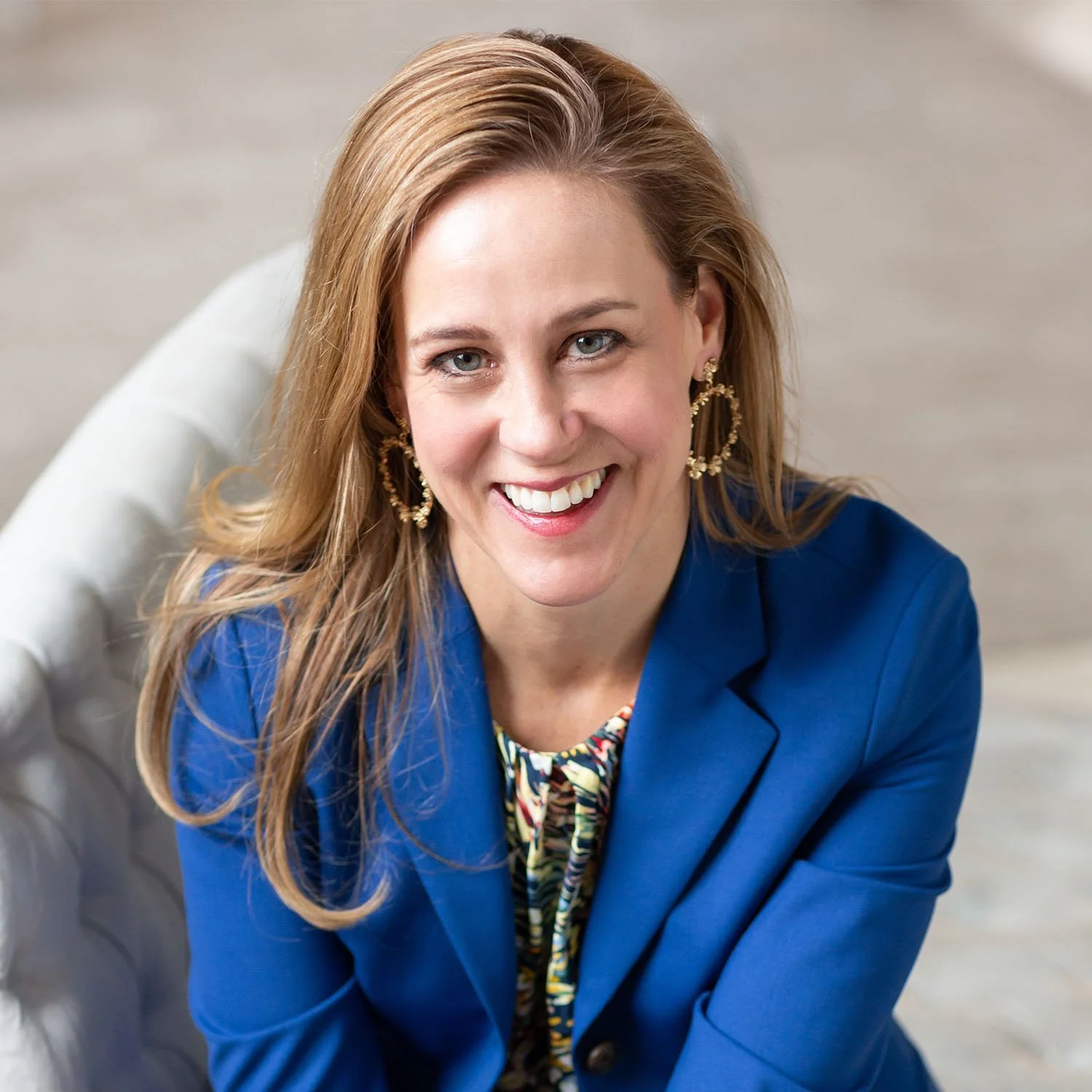
Hi, I’m Devry. I support people, policies and relationships that create pathways for all humans to flourish and reach their highest potential. A true ambassador, I have navigated local, national and global markets to attain mutual benefit, and specialize in business-related sustainability practices.
I am a thought leader, sustainability entrepreneur, corporate advisor across sustainability, food + agriculture, and a global business leader. I lead people and businesses with courage, candor, confidence, and credibility.
Resources:
-
Devry Boughner Vorwerk 00:04
I'll tell you, it's the builders who are going to take the time to to back up and say, What does my waste look like? Waste is easy. People just throw it away, and it's someone else's problem. Well, actually, you know this one one man's or one woman's trash is another woman's treasure. You're sitting on treasure, and more and more you're sitting on not just treasure potential penalties. Today,
Mark D. Williams 00:32
on the curious builder podcast, we have an amazing guest. We're going to hear all kinds of things about sustainability, but really more about stewardship and how you can be a leader in your own company, in your environment, and even as small as your family. If you think some of these topics are too big for you, think again you can make a difference in a small way by just focusing on, even in your own home, what you can change to have really a big social impact and also a huge leadership impact. I think, understanding how you want your story to be told to your end user and also make money along the way. Without further ado, here is DeVry boofner for work. Welcome to curse builder Podcast. I'm Mark Williams, your host. Today in studio, we've got DeVry boofner For work just down the street, like 200 meters, yeah, right around the corner. This is amazing. You were, I think you were saying you were looking at your phone on the way. Did I use my Google
Devry Boughner Vorwerk 01:22
Maps to get here? Which goes to show you should lift your head up when you're in community sometimes, and, you know, make sure you know your neighbors
Mark D. Williams 01:28
around you. Do you remember the old Hudson map books like to get around? No, you didn't know. So, like most sales people know what this is, before GPS and everything on your phone, they used to print out these, like, big, thick books, yeah, with, like, your streets. Because remember when you were a kid, you'd be like, I didn't know that was Yeah, it'd be like, was, yeah. It'd be like, Hey, take 494 like, you'd have to give very specific directions to get anywhere, or you'd have to call ahead, yeah, for sure. Yeah. Anyway, now
Devry Boughner Vorwerk 01:52
we'd say, where I grew up in California. We'd say, take the 390 or 494 we always played the in front
Mark D. Williams 01:57
of everybody. Oh, there you go. I wanted to have you on the podcast. We met maybe, what, six eight months ago, we had an article in our local Minnetonka magazine, and somebody on your team, or was it, you know, somebody on my team? Yep. So I said, so we're doing our Misa who's project, yeah, which is the whole home is based on wellness. And, you know, this really cool concept, actually, just did an episode, an episode or two ago for an hour and a half. So if anyone hasn't listened to that episode, this episode will make a lot more sense. I'm not going to repeat it all right now, but for you, I will a little bit. But basically, that whole reason why we created the brand, what it's all about, is very much in line with what you do. So why don't you tell the audience a little bit about you have a very unique career, and, my goodness, have you, you're like, Queen of the United Nations. You've been all around the world. Your job title reads like, you know, I don't know Poet Laureate or, like, a Rhodes Scholar, you have quite the background.
Devry Boughner Vorwerk 02:46
Okay, there's so, there's a lot there. And, yeah, so just to back up, my teammate did see you in the magazine and said, We need to be working with these folks because we're on Main Street, the main street of Excelsior, Water Street, and our whole goal mark is to be on main streets across the United States and make sustainability accessible available to companies of all sizes, especially small and mid size enterprises. So that's our strategy. Target. You're my target. Target in the sense of, Well, we don't know yet. Is it a partner? Is it, you know, like, are you going to sell your services to us, or are we going to sell to you? The point is that we're building networks of of clients and partners that are focused on building out sustainable businesses. So when you say you've seen my resume, and you're like, I have I actually have no idea who I'm talking to half the time. I don't I don't know either. But really, where I landed in Excelsior was I had been in a global career. I started out actually as an agricultural economist. Grew up in the Salinas Valley of California, fell in love with agriculture, got into the Future Farmers of America, and said My career is going to be dedicated to the food system. And had a couple degrees in that, and actually wanted to be a professor in agricultural economics, because I'm a systems thinker, and I wanted to fix the food system. And then I got through my master's and decided, actually, I want to get out. I got to get out. I've had enough. And I went to Washington, DC, and started the World Bank, working with some developing country negotiators on implementing the global trade round in agriculture. So you're thinking, how are you in sustainability. So you went
Mark D. Williams 04:21
from fixing the system, somehow you must have realized that, excuse me, money had to be involved. So then you went to the World Bank and basically loaning monies to countries or institutions like, walk me through that.
Devry Boughner Vorwerk 04:31
Well, yeah, I mean, essentially the World Bank, the International Monetary Fund, there's a whole system set up to to lend money, but also implement the right public policy around the world. And I happen to be an expert in international trade, international food trade, commodity trade, resources trade, all of that. And these governments the last global trade round, you're going to say, how are you in sustainability? But I trust me, this all makes sense. How I ended up on Water Street the last global trade. Round where the world was able to to agree on the terms of trade was the Uruguay Round in the early 90s, and I had this expertise. I wanted to get out and help governments implement the right public policies and set the rules of trade. And so I did that for a while, and then the US government scooped me up, and I was the trade analyst at the International Trade Commission, and worked with the US Trade Representative, went over there to negotiate deals between countries and and then came back and was chief economist at the International Trade Commission.
Mark D. Williams 05:31
So just to put this in relative terms, because you could probably speak in detail on any one of these things for an hour each, but like for broad perspective, so like, we're in Minnesota, soybeans are a huge export of Minnesota, yeah, obviously the tariffs that have affected basically worldwide trade that are being impacted specifically Minnesota, just because I'm used to soybean stuff here locally. So how would you be involved with that? Yeah, just to give it a Minnesota example, yeah, the Minnesota example, and actually, like, with China, so, like, specifically, yeah, this is real. Actually, I'll
Devry Boughner Vorwerk 05:59
give you a real example. I told you, I just landed from DC. Yeah, I have a client that has a sustainable technology right over the St Croix River in Hudson, Wisconsin, who's been trying to get this technology into South Korea for 18 years. And it makes production in meat plants more sustainable. I mean, it reduces water, it reduces energy. I mean, cuts out food, waste at the plant level, and it increases shelf life of meat products, so it cuts out food waste at the retail level. I mean, just there. So it's invented in Wisconsin, in Wisconsin, and I was just in DC, working going by the US Trade Representative. I took them up to the hill. We went over Department of Commerce. And we're talking about how for 18 years, we've been trying to get this technology, and we met with the South Korean embassy. So, so it's taking a real, tangible example of, there's innovation, sustainable innovation, that could and should be exported, and we're facing a
Mark D. Williams 06:54
trade barrier. I mean, that's just wild. So at face value, it seems so simple, right? Yeah, there's this technology. It exists. It's been working. It works great. Now I'm just curious about this, like, what is the barrier like? Why, for 18 years Has it not been able to get to South Korea? Is it from the US side or the South Korea side or
Devry Boughner Vorwerk 07:11
South Korean side? And also, this is what hooked me on food, moving food across borders and international trade. It's not that simple. Countries protect all around the world, and given everything that's happening right now as well, we've got tons of protection. So if anyone who follows me, they'll see my little videos and quips. I do these little educational from time to time on Instagram. In fact, I dressed up as a reciprocal tariff for Halloween. It's funny, and it all comes together, because what ends up happening is we're one global system, and this does relate to building and builders, right? So we move food across borders. We moved wood products across borders, materials, capital, technology. And imagine just how complicated that really is. The Minnesota soybean farmers that used as an example they want to export their products. Let's just say to China, well, China wants to export products this way. It's never, I'll trade soybeans to you, and you trade your soybeans back. It's I want to trade soybeans to you. And then what can we trade?
Mark D. Williams 08:15
I mean, really? So it's funny, all the trading games, like Settlers of Catan, right? Most people know that game. Have you played Settlers? Katan, no, I don't play those. So settlers a guitar. Ian, it's a very well known board game that basically, like, I'm trading wheat for roads to build roads. It's like Civilization building. So I should know this game, it literally is what you're doing. It's really, I'm gonna get it to you for you. But you're not a game player. Oh, I didn't know I'm not a video game player. No, no, it's a board game. It wasn't like Board Game of the Year. Like, it's like that. It's also like risk. Can I please give it to you for your Christmas present?
Devry Boughner Vorwerk 08:46
I'll take it, all right, as long as we play it together. All right, I'm in. It's like risk when Kramer and George or No, who is it? Kramer and who's the other guy that we're playing risk on Seinfeld. I never saw it. Oh, God, I see that one. All right, yeah. So it's between risk and Catan
Mark D. Williams 09:01
is perfect. Oh, anyway, so back to the Catan. So you're trading. So basically, Minnesota wants to trade soybeans to China. China wants whatever they want, something from our Medtronic or whatever. So it's basically you're buggering.
Devry Boughner Vorwerk 09:13
That's what we do in this world. Understood, yes. And so how Now am I running a sustainability business sitting on Water Street, given I have this expertise in Food and Agriculture and Trade and and really it was I being, being working for the US government and having to sit across the table from all kinds of different countries. I learned a lot about incentives and also that we're not here alone, where we can't be completely self sufficient, right? We want to be able to export things raise money for our GDP, and folks want to come this way. I learned a lot about commodity trade. I learned a lot about resources. I learned a lot about energy trade. And in the end, I ended up overseeing 70 countries where I was helping the company I was working for at the time, car. Ill get their license to operate in in all of these countries. And inevitably, what ended up happening was the, you know, the NGO and activists and community members stepped in and said, you don't just get to export soybeans out of Brazil. Our forest is being deforested. So it like kind of threw me into the middle of deforestation. It threw me into the middle of things like worst forms of child labor with cocoa coming out of West Africa, or labor coming labor issues coming out of shrimp out of Thailand. I mean, you name an issue, and I can tell you exactly what's behind it. Was it?
Mark D. Williams 10:35
I mean, I'm just looking at this more as a fan right now. I'm just like, right now. I'm just like, This is amazing. This is so much bigger than what I get to do. And I'm like,
Devry Boughner Vorwerk 10:41
really excited. No, it's not. I want to really localize, no, and
Mark D. Williams 10:44
you will. But I'm like, I just find people exciting. Like, you're like, I just want to have you over for dinner and just like, listen for a while, because this is amazing, which is, I guess, why I have a podcast, so I can do this for fun and share the stories. But I have to imagine, and you're making it sound exciting. It sounds really exciting, super exciting. I mean, it sounds like you probably never had a boring day in your life. Like this sounds like, I'm sure you were frustrated. I'm sure it was. I can't imagine the political two steps you would have to do. Like, I could just not do that,
Devry Boughner Vorwerk 11:08
no, but you do do that because builders do that, because you have to get permits, you have to meet regulation. No. So this is I can localize this for you. I was sent to China to live in China for a while. I was sent to India. When I was in China. I was helping our business figure out, how do we build the largest integrated poultry processing plant in chuzo, China, right? And that was very local. We sat with local officials, and we and this is what I do for our this is what I do. I'll just tell you. We map all the risks, and we say, Okay, well, what are the environmental risks, right? What kind of biodiversity do you think you're going to upend? Are there homes where people, you know, people are going to be impacted by, you know, the manufacturing and and so what why I ended up coming to sustainability is the word, and I'll define it in a second, was I realized business can't get its license to operate by just thinking about its own financial performance. Really, businesses have to back up and map all the environmental risks that they're going to create, all the social risks. And are there any sort of governance risks, like some of these places in the world, their corruption was a very difficult thing to deal with, and so, So Ian, you say
Mark D. Williams 12:14
that just, yeah, somebody, and just protect their identity. I'll change, for sure, won't say the names, but, like, they basically, how do I do this to not get them in trouble? No, they'll be fine anyway. They import tequila out of out of Mexico. Yeah, they have to pay the cartel. They have a budget line item to pay them in cash, because if they don't, they will ruin their operation. Then, like, things will go bad. I mean, that's corruption. That is corruption and but honestly, sorry if that's illegal corruption, but it's no different than, like, we have to pay permits for things to happen. I'm not and now we get services in return. But like, I could see, like, my first thought when the stereo shirt was actually just shared it last night at dinner, actually someone shared the story. Like, I get like, hey, if there's protection, there might be service. And like, it sounds bad because we we probably say, hey, cartels. I think most people would probably assume that that's negative. But, like, I don't know what services I mean, what if it's, like, great service, like, what if that's a, you know, they're just trying to operate a business. I don't know. The business in me is like, okay, they're operating a business like they're trying to do something. I I get why it's a slippery slope, but
Devry Boughner Vorwerk 13:14
there are bad actors out there. And so that's what we would do, is we'd sit down and help your friends. So send whoever this is my way, and we would map out, how do you go through this in a way that keeps you above board, manages the risk, like, you know, all of these things and so. So what became very clear to me, because I had to deal a lot with issues around environment, social issues, especially, was that, you know, doing business in today's environment is not just you can't do it in a vacuum. And what happened? Doing this across 70 countries, I started to look and say, hey, the big guys got this figured out. People like me came in and over a 15 year period, helped large global players figure out how to map the risk. But then those players turned to small and mid sized businesses who are in their supply chain, and they'll say, well, now sign my supplier code of conduct, invest in these things, ensure and so the reporting into the big guys just got to be too much. And I, and I said, what we're going to do is we're going to focus on Main Street, small and midsize enterprises, and we're going to make this accessible so that, so that people don't reject the notion of being a good environmental steward in their business. We can show them by just mapping risks ahead of time and looking at opportunities for innovation. And you know, maybe we can create new revenue streams out of this. We'll build their brand like you're doing. Let's use this as a way to help the small, mid sized businesses, because it's the large players who will go out and we will not green wash. I've had companies come and say, you just need to communicate. For us. So we'll say, Okay, fine, let's sit down and talk. Sorry. We can't communicate something you're not backing that you're not doing. And so we have a whole process called the Integrated sustainability framework, which I trademarked when I first founded the company six and a half years ago, which is, we help companies anticipate the. Risks. Build what they need internally. We can communicate that and then show them how to lead. And it's just a full process. You You're not sustainable, one and done. It really has to become integrated into the to your business. It's a
Mark D. Williams 15:13
little bit for analogy, just because I love wellness and health, but it's a little bit the difference between a diet and lifestyle changes. Like a diet is a short term period of time to do something, but a lifestyle change is something that you adopt into your lifestyle, and it's kind of permanent change. Essentially, what you're doing is, like, if you want to be sustainable, this can't be a short term thing. You essentially have to ask yourself, as a company is like, what does sustainable mean to you? Here's the metrics which that you would help us. I'm just like, fascinated. Like, I can't wait to come down and do a case study. Like, I don't know what I don't know. Here's all the things I do. You tell me, what do I do with this?
Devry Boughner Vorwerk 15:44
Yeah, I know you. I love it. Can I steal that? Now when I because it is, the reason I called it integrated, is often what companies will say is, oh, I got to go do nice things, like, I'll do a nice little environmental project in the community. I'll go do something, and it's off on the side. And what we do is we help companies put it right in the middle of their business. So if they're going to look at their PNL, their profit and loss statement, say, Oh, we did well, because, you know, our profit is up, we give them a combined dashboard. We'll say, what are all those financial metrics that you look at to determine you're being successful this quarter? And then we would put how much water is being used? What have you done around biodiversity? How much, what's your what's going on with waste? Like, are you reducing your waste? We can calculate their environmental footprint. Like, what is, how much CO two is being emitted? How, how much you know methane is being emitted, or other toxic chemicals or emissions are being emitted. And we'll, we'll also look at, okay, some, some of the other factors around waste reduction, right? So we're putting that all in one place, and then it becomes, oh my gosh. Gee Devery, thank you very much. What you've actually done for us, showed us how to be efficient. We'll go in and measure energy, we'll take bills from the last 510, years, and we'll look at energy use, and you'd be surprised at how many small companies or mid sized companies aren't doing that, and when we start to go, we did it for a client out in the Central Valley of California, across 18 locations. And my sister is on my team out there. She's like, I'm the dumpster diver. Like, all go into the dumpsters and see what they're throwing in in terms of waste. We do the energy assessment. We do the water assessment, she'll even look. My sister will even look on the wayside at Okay, so what's your trash pickup? Like arrangement with your hauler? Are they coming in and then looking in your trash bin? And then they're they're going out, they're haul they're hauling air. You're not managing like you're paying trucks to go down the road. You actually, that day, didn't throw anything out. So they're coming back, you're paying them. They're hauling air. So we'll, we'll create efficiency. We'll show them the data, and all of a sudden they'll go, oh, we want to change this with the with the trash hauler. Oh, we want to reduce our energy in this way or and so it becomes a conversation around efficiencies. And then that, then they'll say, Oh, I guess we are sustainable. That's it. That's what we do. We're
Mark D. Williams 18:08
happy to announce that on March 20, Sonic camp will be coming back to Minnesota, out on Lake independence. We're going to do a half day event, and we're going to start out with a one hour podcast. We've got Alex Larson, who's an iron woman. She's also a professional nutritionalist coached. We've got Ryan Rivard. He's completed multiple Iron Man's the Leadville 100 he's also climbed Mount Everest, and he talks a lot about addiction and leads a lot of similar like groups. So I'm really excited to hear Ryan's point of view. And then we also have Alex neist. He's from Minnesota. He invented hostage tape. It's actually the number one brand for stop snoring. It's a big part of wellness is how you sleep. After that, we're going to have a two hour session of sauna and cold plunge at people's own desires. We're gonna have different temperature saunas. We're also gonna have different theme saunas. And then my friend Chris hewsett from Legacy chocolates in St Paul, he's one of our sponsors. He's gonna have drinking chocolate. It's Himalayan drinking chocolate. It's like nothing you've ever had. So your body's gonna be super starved for nutrients. And then we're gonna end the evening, which is always everyone's favorite part. The fumo Collective is an incredible wood fire grill, lamb on the bone, chicken. It's got tabbouleh baba ganoush, very Mediterranean, Blue Zone type of cuisine. The food is amazing. So hope you can join us again. That's March 20. That'll be sauna camp. All the details can be found on curious builder podcast.com I have to imagine, like production companies where trading something, especially with like, multiple locations. Let's just take somebody like myself, like a like a builder, yeah, obviously there's tons of waste in construction, right? I mean tons. I mean literally tons, because you weigh by the ton. But like, you know, like a 20 or 30 yard dumpster, right? Yeah, you know, we have a line item in our strong construction statement. It's probably, on average, four to $5,000 for the dumpster use, right? And so dem com is probably the one that we use the most around here. Low. Locally, you know. And obviously, depending on what phase we're at, you know, it's, it's a scrap two by fours and whatnot. Now, I believe, depending on your dumpster service they do, they can take it back, they can sort it. I'm not sure what their practices are, yeah. But so like, how would you analyze a small custom home builder? What would be the process?
Devry Boughner Vorwerk 20:16
Please give me a handful of custom home builders who want to work with us, and we'll do I think we can make that happen. So and actually, you and I share, they just built that big building. They remember they knocked down the city hall here in the back. Yeah, and we were watching it, and I was just like, painful. It was painful because I could see the the commingled waste, right? I could see it, and it was because no one's trained
Mark D. Williams 20:38
us, no one's told us any different. So they don't, you don't know what you don't you don't know what you
Devry Boughner Vorwerk 20:42
don't know. You don't know what you don't know. And so I'm seeing it and going, gee, planning ahead of time, planning ahead of time on how you're going to manage your waste and what goes into like, what dumpster, dumpster? It just it takes proper planning to know, okay, what kinds of waste are we going to create? How are we going to dump it on, what days, etc. But in the end, that can actually be revenue generation. Go down to Republic Services. I took my team down there to go to the recycling center, because I like to take people to go see trash. If you haven't gone to see how trash is sorted or or gone to the dump, this is the first place it starts as you start to go, Oh my god. So when you throw things in your recycle bin here, within eight hours, it's out of the recycle of the Republic center, and it's out into the economy. So in the state of Minnesota, we have rules and regulations that when you, when you dump things and and Republic, for example, is one of those, those only 12% to 15% can be diverted to a landfill. So they're having to figure out, out of everything they're bringing in, how are they compiling stuff? They make money off of it, compiling cardboard, or compiling other, other waste streams and so, so there's money to be made for builders, for planning ahead. And I'm going to tell you, there's
Speaker 1 21:54
market for all this stuff. So like, give me an example.
Devry Boughner Vorwerk 21:58
So I mean reclaimed wood or that, like, so if you're just dumping, maybe waste. And so
Mark D. Williams 22:04
let's just, let's say there's different phases of a construction so we just finished sheet rock at Misa, who's Okay, so the dumpster is full of scrap sheet rock, yeah. Like, what would I do with that?
Devry Boughner Vorwerk 22:13
So you would figure out, Is there a secondary market for that? Or you would work with your waste hauler. Because what happens is, the waste hauler will say, I've got 500 people sending me, you know, some sort of sheetrock. Maybe they've figured out a secondary market for that, and they do. They take in and they they are trading in pallets. This is the one thing I had an intern two summers ago. Work with businesses across and we partnered with the chamber here in Excelsior. We get big presentation on waste. We did interviews of all the small businesses, and we trying to find common problems pallets. For example, every single business here is throwing out there trying to figure out how to deal with their own pallets. There's not a plan among all of us on how can we actually bring all these pallets together? Republic, for example, takes those pallets and sells them. They make money off of it, right? And I was thinking, what if we all worked together as businesses? Figured out one plan, took all those pallets, sold them ourselves, and then took that money and gave a scholarship to one of the high school students. Here. It's that easy, right? It just takes planning. The challenge is mark that, if I come in and I start seeing this stuff and people say, oh, there's Devery. She's the sustainability company. We can't talk to her. She's, you know, she's green. Well, yeah, I'm talking about making green, making money from this. But what happens is, it's a big headache to people. So I've tried to petition some of the restaurants around here. Bring me in. Let me talk to you about your food waste. Did you know that over in Shakopee now there's a scent, there's a facility that's taking food waste and turning it into energy, right? Well, well, we manage our waste with the hauler. No, no, no, no. Are you actually looking at your waste as a revenue stream? Because you can bring us in and we can help you with that.
Mark D. Williams 23:52
I mean, I mean, especially, yeah, I would say, yes. I mean, how could you not? I mean, because, again, you don't know what you don't know. You're obviously extremely credible, and I'm looking at you and be like, Yeah, okay, let's, let's set this down. And I think most people are either intimidated by the amount everyone, if you're an entrepreneur, everyone else you are too. I mean, there's just so many things to deal with, right? So it's like the barrier to entry. It's a little bit like explaining the story, like you need a story or a sales pitch. I don't love that sales pitch, but how quick can your story sort of set the hook so that people can give you the time to really understand it, because all of us are fighting, you know, whether you have ADHD or not, like all of us are trying to, like, how much time do we give whatever it is, like you and I get, I get calls all the time. Yeah, people don't work with you, which is fine. I don't want, I mean, it's not that's good. I'm glad people call and want to work with us. But you know, you have to find out really quickly. Is this a value statement? Is this something that I see? Something that I see value in, either from an education standpoint, or is it something that can be an asset or, in this case, a revenue stream? It's a Yeah, and that's that part, I think, is really, I mean, how cool to be to come up with some slogans that are like, you know, I can make you money with your trash, like, the thing that 100% I mean, it's just that. Simple, yeah,
Devry Boughner Vorwerk 25:00
and if you take the time, I'll tell you, if the it's the builders who are going to take the time to to back up and say, Okay, what's my what does my waste look like? Waste is easy. You people just throw it away and it's someone else's problem. Well, actually, you know this one one man's or one woman's trash is another woman's treasure. You're sitting on treasure. And more and more you're sitting on, not just treasure potential penalties, because so So take, for example, in the state of California, and I always use this because I handled global government relations and community engagement, etc. I always use California the European Commission, and, you know, a few other sort of Bellwether places around the world as examples. So in the state of California, they have something called extended producer responsibility. It's here already. In the state of Minnesota, like I say, I order something, and it comes on a pallet, and then I don't know what to do. I gave you the pallet example. Well, how do I get rid of that pallet? It cost me whose responsibility is it? Is the person who sent me the pallet, or is it mine? And so more and more builders are going to be facing extended producer responsibility, right? So, so getting really, really clear on, can I make treasure out of this? Can I create a revenue stream, or is this actually going to cost me? Is really important, and that's that's the compelling part. That's what brings us in the boardrooms and gets the CEOs. I've had so many skeptical CEOs hear me on stage speaking on this and they'll say, come talk to us, because I'm anti sustainability. I'm anti ESG, and it's because it's made been made political. I'm and so they'll say, but you're the first person who's made sense, because you're talking to me in terms of managing risk, lowering my regulatory compliance costs creating revenue. And so when I go in and sit with them, they will, if they've have had people, it's like, confession, like, I don't know if I'm really in on this whole climate change or, you know, but just talk to me. And by the end, they're saying, You know what? ESG, sustainability, it's our number one priority. There's green in green, right? And so the certain way we approach this is, it's been about managing costs. But I really want folks to know, why would you be a passenger in your business? Get in the driver's seat and innovate around it, right? Innovate around it well.
Mark D. Williams 27:16
And I think just efficiency. I mean, there's so many different things that you've said that sort of triggered with me. So for instance, credit my project coordinator, Angie downstairs, I saw an email this morning where, like, for instance, the architect had drawn a wall at, I think, what was it like, seven and a half feet, and she just said, Could we make it eight so that the the framers don't have to cut each stud six inches? And then he had a reason. But my point is, is she was trying to save us money, but what she did is two things, want to save us money, but two, made it more efficient. Three, sped it up. And like anyway, it all does take time, and it is probably the biggest hurdle, but once we understand that time is like no nothing else. It's it's an investment in understanding your business, and you're really just asking people take a minute to look at all these different things that you can do to be smoother. And it's a little bit sometimes there's this adage that, was it slow as, how is this go? It's an adage I forgot smooth as fast and fast as smooth, or basically, like, slow down to get faster. And like, if you slow down, I know I love the holidays, because we always we take two weeks off. And during those two weeks off, I get so much, so many ideas. It's just crazy because we shut up on the company, and I have a lot of time to just think about the company, think about the vision, think about what we want to do. And I think the biggest issue that all entrepreneurs have, and probably just people in general, might, I know for sure this is true for me, is to just stop and just think a little bit, yeah, and plan. Because I, you know, I've been many times in the podcast, I've said, don't let the best thing be enemy of the like, good enough, right? Like, go ahead, move forward. It doesn't have to be perfect. But, like, make some progress. Like, 1% but that being said is, like, you would never build a house without a plan. And so, like, why do we build businesses without kind of more intentional thought of like, what we're going to do. So I understand I'm saying it's a catch 22 because I'm saying one thing, don't plan another time plan. But if you plan to nauseam, you'll never get anything done. If you don't plan anything at some point, you have to stop and say, You know what? Where can I get better at this? Because every plan I've ever built on, let's say a home in this case, and it's an analogy to a business. Is there always, there are always things you can improve on a plan. Some of the best architects I've ever met are like, we actually stop at some point, and then we wait until there's an issue, and then at that point we'll do construction administration rule, we'll figure out what the issue is that the trimmer has on this coping detail, or the plumber has with whatever. But if we drew every single thing, we would never stop drawing. But again, it's that collaboration?
Devry Boughner Vorwerk 29:41
Yeah, and we make it easy. We have tools, right? We've built tools so we have something the core of what we do. If we sit down with someone to say, here's a materiality assessment, which are, what are the material risks that you're creating for your business? And if, if waste is one of those, or in some instances, oh my gosh, well, I don't. Want to go toward the whole data center thing, but I'm really quite interested and excited to figure out how these data centers are going to become green data centers and actually support communities, right? Because it is one thing we say. I'll back up. I want to define sustainability for you. It's not what folks might think sustainability. The way we define it is our business is creating, not only are they taking credit for the positive externalities that they create for society, but also the negative ones. And what we say is, you have to stare in the mirror of truth. You don't just get to say we're doing positive things here, like we're building really great homes and making people happy without also looking at some of the negative externalities, the footprint you're creating. And so we create a balanced materiality matrix that says these are positive things, but you don't before you launch a product, a service, a technology into society, it's to be a good steward of not only your business, but also people in nature, you need to back up and also take account for the negative consequences that you're creating. And so we have these simple tools. So we would sit down with somebody like you, or other builders, or all the fabulous folks that are listening to your podcast, and if we just used a simple tool from the start, then that, then we would think about, well, where do we have the greatest consequences that we need to manage for you don't manage for every material issue, right then you pick the big ones that are actually going to be detrimental to the financial outcome of your business. And also, what we call it, it's like a shared issue stack, the shared stack between your business and society. So you can't solve for everything, but you also can't bury your head in the sand like an ostrich.
Mark D. Williams 31:41
I think one of the, yeah, I think one of the, what resonates with me is one of the things that would be really beneficial, especially it would be like, obviously, production home builders and semi production home and developers. Because, you know, you're doing 50 homes, 100 homes, 1000 homes, 10, I mean, you can obviously move the needle in a much bigger way than, you know, I built four homes a year. Now, I'm not saying that. I shouldn't. I'm not giving myself an excuse, but I think that it'd be a that it'd be a barrier to entry that a lot of custom home builders, they think, Well, every single I think this would make you build a better business, because if every single home is different, if every single client is different, every single architect and designer that you work with is different, what's the one commonality? If it's your business, it's you. And so if you can create a process where those fit into you. You now have made yourself more attracted to your end client, your architect partners. We're like, obviously, develop. Let's pick Ian R or polti. Are these big national companies like, you know they could come into development. They should definitely work with. I mean, think of, think of how much money I could save them. Oh, my word. Have you ever approached a large construction? No, but I have a dream to find. To find one, yeah, well, I mean, you could start mid level here in Minnesota. Well, and here's the thing, I do want to say, it starts at home. So, and you say four homes versus not? Let's not, let's not think in those terms, because what you have built is you've backed up and you've created the philosophy around your business and the homes that you're building. And that's really whether you're small or large. That's where it starts. And then these tools can apply, like I've applied this across, like we started a global multinational, but I know it works locally at for small and midsize businesses as well. And I want to give you an example, because when we moved here, we moved over to we moved over to Shorewood, and we had to renovate, renovate a part of our, a big part of our house, the kitchen, the whole downstairs. And I asked the builder at the time,
Devry Boughner Vorwerk 33:31
would you work with me? Because we're redoing the kitchen. I focus on sustainability. I'm in the food space, you know, is, do you have any ideas on how Ian manage my food waste, like I've researched, I know there's several technologies out there. Can we talk about this? And you know, it becomes an irritant to a builder, because they're like, Oh, gee, you're asking for one more thing. Actually, what I gave that builder, which was ignored, is a gift. And any builder who hears this today? This is a gift I'm giving, because when we think about the big societal challenges that we're having to deal with, food waste is one of them. Why wouldn't it start at home? So we've had in our kitchen, we've had the garbage disposals, we've got the trash like, Okay, so are we going to live that way for the next 20 years, or are we actually going to back up and acknowledge that there's a different way to manage our food waste? And so some people will take the big bucket and go outside and use the big rolling thing. And I've actually purchased a few different food waste like during covid, I purchased the food cycler. I got in touch with those folks. I have a couple models of those. There's mill out there. There's others. Why aren't builders going, woo hoo, we're going to build the kitchen of the future today, because the technology is there. So put a plug behind my garbage can and put a space for me to put that mill instead of the standard plastic garbage can. Boom. Guess what you've solved for your for the person you're building the home for what? You're cutting down how much stuff goes in the garbage can. You're actually saving them on garbage services. You know, much food waste goes into the garbage can every week. So the second you put things in, like something to manage food waste, or you start to think through, how do I lower, how do I lower my clients energy bills, right? And then you start to put a dashboard together as a builder, and you go, Look, you're going to choose between this guy or gal or me. Let me show you what I'm doing. I'm not only building you a home and creating that kind of more health and wellness. I'm building you a system that's going to save you money on your trash bills. It's going to reduce your energy bill. We're going to use less water. That's a selling point. So the builders that start embracing this and thinking of this as, like, oh my gosh, innovation at what cost, not at cost, because I'm going to beat my competitor, because my brand is going to be better, and people are going to want
Mark D. Williams 35:53
those what I like about this is, you've you having this, you know, worldwide experience, yeah, that can really go into any business and look at here's because I assume you do, like, walk us through, because I think your business is really interesting. And, you know, I have an idea for you, actually, to use me as a beta tester. How when you walk into a company, like, walk us through the like, when you work with any new company, walk us through those first couple steps. Like, how do you dive into their company? How do you figure stuff out?
Devry Boughner Vorwerk 36:19
Yeah, so, and this is a learning like this has been real learning for me. I don't market myself anymore. I won't go on a site visit and not charge somebody for my time, because, as you've said, like there's just so many people who want to work with you, and I know when we walk in a room, we're already going to add value by the questions we ask, by the, you know, the thoughtful responses we give. So we've created something called a discovery visit, where we will go and say, sure you want to, you want to meet with us. Here's the proposal. We're going to come learn about your business, whether it was a client out in California producing eggs, or a propane supplier produces the small cylinders and also large trucks that go out to residential customers out in the Sierra foothills or, you know, all across Central Valley, California. What we'll do is we'll say, have us out for a day and a half. Walk us through your your plant, your manufacturing plant. Let me talk to your your leadership team. We do a lot of that ahead of time, too. And I'll give them a survey ahead of time, and I'll ask all the right questions. And then our what we say at the end is, or also, while we're there, we'll give you a presentation on, you know, how to think through an integrated system, and we'll have done research on their customers and on the marketplace. So what consumers are asking for? So in this day and a half, we get a good sense, and I'll tell you, I'll walk through the plant. There's not been many people who have been through as many plants as folks like me. I've been and meat plants and feed plants and fertilizer plants and cocoa plant. I mean, you name it, you know, copper crushing, which is coconut. I mean seaweed production. I mean I've seen so it's like I walk through, you know, that song by cake. I want a girl with a short skirt and a long jacket, Donna, Nana. Nana. That's my I dedicate that to myself. It's like she's going through, you know, the factories, and so I'll, we'll see things, and then we'll, we'll go away, and we'll analyze it a little and send a report. And inevitably, they hire us, because we, in our short period there, will see things like safety violations, like, okay, that's an that's a people issue. I'll see PLAs single use plastic that could actually be a compostable cap. So you don't actually have to pay the State of California for plastic waste, right? And and so we'll see things. And so we'll have already saved the money. So if I walked through, you know, a few sites where homes are being built is, I'm going to see things. And maybe those people who are actually in the business see it too, but they just don't want to. They just ignore it, right? Because it's business as usual. We surface those things and say, what would it look like if you change this practice? And let's put $1 value to that, and then let's also think about which customer is going to choose you because it's part of your customer value proposition. They actually want you to do that. So I have a really cool client who makes molecules from sugar cane, okay, and that, I'll give you an example out in out in Ian Reville, they during covid. For the vaccines, a lot of the vaccines had to be have this molecule. They had to have squalene, okay? And the only way that it could be sourced is from Shark livers. So over 3 million sharks were killed or could be killed as a result of making vaccines. Whereas the innovator, our client, can make the same molecule from a sugar cane and scale it. And guess what? That same molecule goes in. I don't know if you have daughters, I do. They all care about face. Face. I mean, they're all buying stuff at the you know, there's only nine so hopefully, no, no, she'll hit it. No, my daughter and squalene is in all the things my daughter wants to buy, etc. And now. Now all of a sudden, you can tell a mom like me, no sharks were killed in the you know. So what happens is we, we trace it from we don't just look at the customer or the client who's approached us and say, Okay, we'll just fix your business. We give them line of sight to what the marketplace is looking for and help them understand how they don't just sell a product. They sell the products, product, product. When
Mark D. Williams 40:28
it comes to quality, craftsmanship and performance, Pella sets the standard whether you're building custom homes or designing a timeless space. Pella offers innovative window and door solutions that blend beauty and efficiency with showrooms and experts around the country, Pella makes it easy to find the perfect fit for your next project and their team to support it. Build with confidence. Build with Pella. Visit pella.com to explore products and connect with your local rep. Today. For more information, you can listen to episode one or listen to episode 109 where we bring on Pella owners and founders at Pella Northland, as well as their innovative team behind the study set innovation, when I first started out designing Misa, who's I hadn't come to market with a spec home in 16 years, I wanted a story that was different. I wanted a philosophy that would dictate our decision making, because we didn't have a client and went on a lifelong wellness journey, just because I love, you know, health and wellness and fitness and fitness and all those things, but the idea that I could incorporate that into a home is really exciting. And what I hear, what I hear, for me, this is the way I hear it is just, I'm thinking about, okay, when I have you do an analysis on our company, and how can I weave that into the story of what we are? Because in my 21 years of building, I have actually never had a client that was willing to pay for geothermal or solar or triple pane windows. And so when I was thinking about those things, because I was thinking, You know what, this is an opportunity for me to invest and do some new things to track different clientele. But for whatever reason, in Minnesota, my clientele haven't wanted that. And so I was warring with this idea of, like, do I do something that I would like to do, but my clients have been, haven't been willing to pay for and part of it was changing the narrative. I have triple pane windows at Misa house, yeah, but what finally got me there? It wasn't about the energy efficiency that's a happy byproduct. I came at it from the standpoint that you feel more comfortable in a home that's warmer, you feel it's quieter. And so quiet, to me is wellness. Like, I love this concept of like, if you're in the mountains or you're at a cabin and it's quiet, it's serene, like there's something about peace and quiet, hence why they're probably associated together so often. And to me, triple pain Windows got me there. So I think part of it is, is everyone has to sort of internalize, you know, these different things that could you on your way to, let's say sustainability. Do you find, for me was wellness, and so I just think there's different ways that we all connect to certain things.
Devry Boughner Vorwerk 42:54
I think the reason we connected with you and reached out to you is we saw it. You are building the home of today and the future, because it's where, it's where people want to go, right? They so when you say, okay, are they going to pay for this or geothermal versus others? I mean, we can. We can back up and have that conversation and do the analysis. Because it's not like, it's not like people are thinking about their energy bill over time, and really the cost of energy is going to keep keep rising. And what we figured, we actually surveyed 26,000 of our client propane clients, customers out in the Central Valley California, and a huge percentage of those are considering switching to different energy, you know, because of cost and and also because of environmental concerns. So, so what you have established is that is, you're on the cutting edge, the tip of the spear, where, where home consumers are going. The constraint right now is, oh, but in this moment of time, can I afford it? So, you know, those kinds of things, but where you're headed? I actually gave a sermon on Sunday at my church over here in Tonka Bay, called rewilding God's love about getting out in the wilderness. And what you're talking about is the quiet and having the space to to be and open your heart and be exposed to, you know, to nature. And you know, have time to actually use your brain in a way that allows you to, you know, whatever it is, connect to yourself more deeply, to to the universe. You will be successful, because there's a market for that, where I also see an opportunity broadly for builders is to not just be thinking about it's market segmentation. It's like the first class plane ticket, the folks can pay more here, where there's a big opportunity too, is comfort and economy going sustainable in those places and spaces? Because people really do expect it to be table stakes that their homes are going to they're not, you know, they're not going to be in a home with toxic chemicals. Or they're, you know, health and well. Wellness matters, no matter what stratification of of the economy you land in.
Mark D. Williams 45:05
Well, that's funny. You say that, because when I was first going down this it took me about four or five months into the MISA who's journey before I unlocked wellness that once I did that everything gelled. It was like the glue that that kind of bonded every single thing together. And because you're right. Whether you're a billionaire, a millionaire or you have no money and you're asking for it, health and wellness matters to you, like what you drink. I'm sort of fascinated. This summer, I trained for ultra marathon, and Minnesota was really we have all the Canadian fighters. So, you know, there'd a lot of days where breathing really stunk, and it didn't stop me from running. I have a buddy of mine, notoriously Tony, who listens to the podcast a lot. He just is, like, non factor, we're running. Because I'd ask him, like, are we running today? He's like, why are you even asking me this? Of course, we're running. I know you're giving the Grinch, but the point was, is, like, if you don't feel like running or you feel sick, then sure, but don't let you know his big things. Don't let other people tell you what you should or shouldn't do, like you can navigate. Your own health, but like, where I'm going with this is, like, I'm amazed. So it unlocks something for me that I'm amazed at what our bodies can handle, like, toxic wise, it's amazing. And I've never really, I've been in this industry for 21 years, and I've never really thought to go deep on what we breathe, like, what we drink. Like, I was gonna have a gift for you that I'm gonna have you open on air here in a minute. But like, you know what we drink, like purified water, vitamins, your food, like food and diet is something we're very aware of, whether what we do with it is varying depending on what it means to you. But like breathing, I think covid really taught us a lot about breathing. Everyone's walking around and 95 masks. I had a builder or a client that I worked with that wore two of them, and he was very susceptible to respiratory disease. He goes, if I get covid, I will die. No questions asked, I'm dead. And so my point is, it brought a lot of hyper awareness to me. Like, what do we breathe? And like, our lungs are fascinating. And so I got me thinking a little bit about, like a home, like they literally say like a home. It's called off gassing. There are things in your home. Spray foam is one of the number one. But honestly, anything with chemicals in it takes a period of time, and hopefully we've always just trusted companies to do this very there's no testing that I'm aware of that people do, for sure, not state mandated or anything like that. Like, people walk in and smells like a new house, well, what if you walk in and it's like, what if it's really just like, poison? I don't know. And like, no one really asks those questions. And now I'm, like, kind of interested in that. I'm not saying that I've done all that. I'm just more interested to start asking those questions.
Devry Boughner Vorwerk 47:28
Yeah, and I think you've landed on exactly the right spot wellness. That's it. That's it going forward. That's it. And you see this too in in everything you're seeing it in sort of the MaHA movement. I've done a lot of Maha, make America healthy again, like, people want to feel good again, right? And so what you've landed on is, like, a holistic approach to the person. You're not just building homes, you're building wellness centers, right? And going forward, that's it. People want to feel good, and that's why, when you're talking about the wildfires, or, you know, our world is like, is in crisis, right? And so to the extent that we can start focusing in on what we call the steward verse, which, by the way, is, is our leadership model being good stewards, not only financial stewards of your business, but stewards of people and nature, to the extent that you can focus on that in your business. It means you are focused on the wellness that and steward the etymology of it. Why I landed on it is, it's steeguard. And I'll get you our sustainable t shirt. Okay, I'm in from another local supplier. I'll tell you about them in a minute. But steequad means safekeeper of the whole house. Oh, I like that. Yes. Steward the etymology The Old English is steeguard. And I have a shirt that says Stig weared and on the back, oh, I want that, yeah. And then verse is to turn toward so our, our whole model is safe, keeper of the whole house, okay? And turning toward that. And I'll let you all in on this, because we're waiting for our doing business as, but we're changing the name of our company as of you know, in 2026 instead of debrie, BV, sustainable strategies, it's steward versus strategies. And why? After six and a half years, I'm taking my name off the company. At the beginning, it was, where'd she go? She left corporate. Everyone knows it's your brand. It's your integrity. Now it's now, it's something so much bigger that what our goal when we work with clients is that they adopt the steward versus a core corporate value, which means they put people and nature at the center, not just things like agility and courage, which these are all really important things and integrity. But if you walk through the door as a business leader every single day and you say, I am focused on my impact on people and nature. You can be wildly profitable. The profit will fall, but you're going to design your business around those two critical stakeholders.
Mark D. Williams 49:50
I love that. I think too. There's a great verse in the Bible. It says, with the people perish where there is no vision. I think one thing that this understanding what we're steward of. And I think people can decide what they want to be a steward of, but I'm in it very much in alignment with what you're saying. I love the idea of just bringing awareness to the thing that's important to you and and really, I was doing some market research on wellness in general. It's a $1.8 trillion industry in the United States. It's going to double in the next nine years. Double. That's a lot of money. And so there's a lot of for those out there that might not be as passionate about it for whatever reason. There still is the financial side of it, but it can be both. And, you know, and there's no reason, like, kind of, like, when someone says you can't make money doing something you love, I disagree. You absolutely can make something. You can make money in the place of also doing something really good.
Devry Boughner Vorwerk 50:42
You really Ian, and I'm pulling out my notebook, yeah, which, by the way, says love on the front of it. I get these at the dollar store. I just wanted to show you something how aligned we are, okay? Because, and I want to offer an invitation to you and all your your listeners. We are launching a Leadership Institute. I've been wanting to do this for a long time, and I committed to this about 18 months ago on Earth Day, April 22 we've rented out the Hennepin theater. We're launching the steward versus Leadership Institute, and we're holding a steward versus business summit. So I really want you to come, okay, okay, and as part of the business summit, we're launching this institute on the side. And here I'm going to just show you, because I am such a visual person, I draw things. Okay? So leadership is the key element. And I've identified, right now six, six of the six of the bigger challenges for business. Okay, these aren't all of them, but six of the bigger macro trends that we're focused on. It's got AI and quantum is the first one. What's my second one? Health and wellness, right? The third one is local and global commerce. And then we have ethics, right? And this is also institutional ethics. And then women in the economy, and the last one is youth,
Speaker 2 51:47
you know? So those are some pretty, yeah, powerful. But these are,
Devry Boughner Vorwerk 51:50
if you look at this, these are all things that local businesses are dealing with. This isn't just a global set of trends every single small business is going to be dealing with. How do we operate with an AI and quantum health and wellness, right? Our we can't, you can't sell products and services to sick people who can't. So it's like, so you're, you're exactly right. That's why I'm, I got my yoga certification at lifetime, life, power yoga, right? So it's like, I'm, you know, we're all trying to figure out, how do we? How do we deal with this? But these are the big issues and and the one thing leading through here is steward versus leadership. Like, how do I? How do I steward my fam, myself, my family, my community, my business, right? My state, my nation, my globe, yep.
Mark D. Williams 52:38
I mean, well, I love this. My favorite quote the last two years has been boundaries create freedom. And what it means to me is when you put boundaries in your life, you have more freedom because of it. I look at that list, and I think regard that could apply to your household, as parents with your kids, that could apply to a business, that could apply to honestly, to anything, because those are all things from us, from a society that you need to be involved with and that we have to face with, right? I just had a conversation with a past client of mine, so I'm hand dropping off all my holiday gifts before, well before the holidays, and I've got 60 boxes that I'm giving people. And we had, we have young kids, and they're, there's kids are about eight years older than ours, and we were just talking about phones, and so your top one was AI and like, yes, it impacts all of us. But also, like, just from a social media standpoint, every parent grapples with, like, when, how and when do you allow this to happen? You and I grew up in age where this didn't exist. And so we can kind of look back nostalgic. Like, I remember my parents just, you know, shutting the door, and my mom saying, like, you can come back in three hours, go play in three hours, go play in the woods for a while. 100% like, that was, that was and it was great. I had amazing time. I made up. I had all kinds of vivid imaginations, it's like. So anyway, we kind of diverted all over. But whatever wellness is to you, and I think the biggest thing is just stop and think about it. Yeah, because you can create what you want, both in your business and both personally. So yeah, well, there's a lot more I want to talk to you about, but we're going to definitely exceed definitely exceed our hour. There was something I wanted to ask you about. Tell me about the human verse. I didn't totally understand that that's a business model that
Devry Boughner Vorwerk 54:09
you've created, so so we had to rename it the steward verse. Okay, so what happened was I created it a couple years, a few years ago, as at the World Economic Forum, I'm a young global leader, and it was a my it was my answer to the metaverse. And every all the tech companies are dumping so much money, and I have been increasingly frustrated that there's been a misallocation of capital, like going to all these these other places and spaces, and not dealing with all the human issues like rising food insecurity and obesity and all these so I, I created that, and we went with that for a couple years, and then I got a cease and desist letter somebody else. Oh, really. So I was like, Look, I'm small, and this is a big thing for small businesses. Like it really made me back up and say some it was like an obscure Australian accounting. HR for and I did, and my team was bummed. I'm like, You know what? Our clients, we may care about that like they don't care. So it led me down a road to really think, what is it that we're leaving our clients with this consulting model, the integrated sustainability framework? What we're really doing is we're asking the leaders that we work with our client to be good stewards, financial stewards of their business, and a people in nature. So, so we change it. You're big on brand, I'm big on brand. I led global brand and brands all around the world, Steward versus our brand, if you really wanted to know and and so we had to pivot. So that's why it's steward versus Okay, so sorry. And so that's why we're renaming the company stewardverse strategies. And it just wasn't deep enough, the human verse thing. In the end, I'm like, good. That was a gift. Great, right? In business you, you know, something like that comes at you. I'm not going to fight for like, no, no, this is a gift. Let me go through a discernment process on what we're really doing when we work with these clients. I heard
Mark D. Williams 55:59
that really funny thing, and it was in a disagreement setting, and I was expressing my opinion, and they go, your feedback is a gift, thank you. And I burst out laughing. I said, I'm gonna remember that the next time I have a conversation with my wife, and I'm gonna see how it goes. If she critiques me, I'm like, your feedback is a gift. I said, it's so funny, but I mean, it is true. You know, in the way, I would say it was a little bit more patronizing, but like, it is at a sincere value. It's like I had a client one time. Because, again, I always think of Bible verses, but one is one I use a lot, which is faithful. Are the wounds of a friend, and it takes way more effort to give you meaningful feedback and correction. It's a real, truly a mark of a friend and someone who cares deeply about someone or business or whatever. As long as there's like, love and hope and generosity in the way that you share it, I think it's easy to go pick on someone, but that, and then then walk out the door. If you're not there to help also reform it and help the person or the company in this analogy, then you're just a mean person.
Devry Boughner Vorwerk 57:00
Yeah, it was kind of mean. But I mean, anyway, at this point, I've been had so many bumps and bruises, like it's like, no problem. Yeah, all right, let me just, let me just keep let me just forge ahead, right? Like that's not, I'm not going to spend my energy over here when I'm driving really big change over here, right?
Mark D. Williams 57:17
Yeah. We'll end with your your holiday gift. So if you open up your bag here, Lark makes this. And there's a company I work with, actually, I should introduce you to. His name is Jonathan Kramer. He has a company called visium. We're putting that MISA who's so there are UV lights that go above the toilets, and they kill fecal bacteria, poop. Oh, and so we're putting in every single bag. Are you really at at Misa house? And then these are large, so he had one of these. And I'm like, what is that? It's the first self cleaning. Look at this. Look at the ring. First self cleaning water bottle. Oh, we have to highlight these guys on our newsletter. I've tried to get them as a sponsor. I couldn't quite get through to them. We'll see. Maybe this episode will get us there. But so the So anyway, the blue light cleans it, and inside is a charcoal filter on top
Devry Boughner Vorwerk 57:58
of it. See, this is the kind of innovation I'm talking about, right?
Mark D. Williams 58:01
And then here's what's here. Here's, I mean, I don't do this. It actually connects to your phone, so, like, it would tell you to drink. Some people have a problem drinking enough water, so it would track it for you. I just, like, because I just had Chris fry tag on, she's a health influencer. Since I listened to her, I listened to you, what? Then I was like, wow, she's a power woman. Man, yeah, she is, yeah, but she's been doing this. Well, you've heard the list, but since, like, the 70s or 80s, like the jean Simmon era is basically but she talked about water bottles, they always have, like, the black rings on them, because no one cleans their water bottles. Well, you don't have to do it anymore.
Devry Boughner Vorwerk 58:31
It cleans it for you. Okay, that's brilliant. I'm getting Thank you very much for this. Yeah, there's a lot more stuff I want to I want to highlight them and invite him to the steward versus Summit, because we're starting a little store on our site in 2026 a steward versus store. So maybe we can use these and profile these somehow, brand them and and then I'll introduce you to the storm Creek folks with the shirts that we're making. So the goal is like, bring us all together, right? So yeah, we we have no problem on our store, for our digital storefront, highlighting stuff like this.
Mark D. Williams 59:02
So people just need resources. They just needed where to go. It's like, I mean, I think that's what's kind of cool about that's kind of, I guess, the root core, right, brand ambassadorship, regardless of what you're branding, right? Ian salt, you know, let's say, yeah, be like, Mike, right? The one that comes at, you know, Air Jordan, right? Like, if you were, you know, probably one most successful ad campaigns of all time, right? Yeah. People want to jump and play great basketball, so they get Air Jordan. Basketball, so they get Air Jordans. But you know, what do you do, right? I mean, what's wild about him is, like, he's been retired for what, 20 years, and he's still making, essentially, I don't know, billions, but millions of dollars a year, based on his brand. But I love pointing people, regardless of what they are, to things that we're passionate about, because your Your vibe attracts your tribe, yeah. And if people are following, you know you, I mean, think of your extensive network through all your time in DC, at Cargill and just around the world. You know, your connections, yeah.
Devry Boughner Vorwerk 59:49
And I forgot to tell you one thing Did you know During covid, I went on the executive team of GrubHub, a global food delivery company. Here's an example. Just really quickly, day one, I get 10. 1000 emails in my inbox from an activist group who says, Would you please stop? Would you please just change on your app? People need to opt into to plastic where, instead of opt out. So this is a good example. And I was like, Well, I don't understand 10,000 emails. And I go to the engineers who are designing the app, and they're like, oh, we can't change it. It's like, people, if people have to opt into silverware, and then that doesn't show up. Actually, we changed it. It just goes to show like, how be. And we saved millions of pounds of plastic. Because how many of us have a drawer that has plastic, you know? So all I'm saying is, you're right. Your vibe attracts your tribe. And for some reason, on day one, somebody knew that I was going into a mobile food delivery company, and bam,
Mark D. Williams 1:00:47
you would love my sister. My sister was a hydrologist. She was, she did her master's in Mali, Africa about water education, yeah. And she for her wedding. She did all corn husks silverware, because it was all biodegradable, right? Like, there are other options. And even, like, I started with a marketing campaign, so I gave you one of my it's in the bag. Well, you're holding the tote bag. That's our Misa, who's tote bag. But every time I go to the grocery store, they always want to wrap everything up in plastic, and I'm just like, No, I always bring my own bag. That's our Misa, who's tile that's really exciting, that's hand painted artists up in Duluth. It's called Delft tile. So, yeah, it's from the Netherlands. Is the style. But anyway, we're putting that me. So that's like a coaster you have on your desk for two Oh, yeah, okay, conversation, but oh, just the bags. Like we could do such simple policy things, and some people get so bent out of shape about it. But I'm like, come on, people, can we not, like, every single time at the grocery store, I'm out of my favorite this is totally dad joke. You know, I'll get to the I'll get to the checkout line, and I'll have, like, two apples, some sushis and whatever, what I'll put on the table. And they're like, would you, would you like a bag? I'm like, I got it here without a bag. I can get it home without a bag.
Devry Boughner Vorwerk 1:01:53
You know, those polyethylene retail carrier bags, like they've been banned. There's been banned all over. You don't need them. But not Minnesota. They're not, not not yet, State of California, but I know, but actually, that I would be totally a fan of this should be something that unites everyone across all aisles. Yeah, from far right to far left. It doesn't matter. Like getting rid of polyethylene retail carrier bags is one of the best things you could do. Agreed? Yeah, it's a simple thing too. It's really simple. So thanks for the opportunity. You're welcome. I can't wait
Mark D. Williams 1:02:20
to talk more. That's all for the curious. Builder podcast. Builder podcast. Thanks for tuning in the curious builder podcast. If you like this episode, do us a favor. Share it with three other business owners. The best way that we can spread what we're doing is by word of mouth, and with your help, we can continue to help other curious builders expand their business. Please share it with your friends like and review online and thanks again for tuning in.
This episode is sponsored by: