Learning from Entrepreneurs who Failed: Our Losers Are Winners Series

Table of Contents
If I’m being honest, this whole series probably shouldn’t even be called Losers Are Winners.
If I were naming it today I’d probably call it “The Story and the Scar.” Because that’s really what this is about. It’s not the entrepreneurial journey highlight reel and big wins. It’s the stuff that leaves a mark, and what you learn from it.
The Stories That Stick
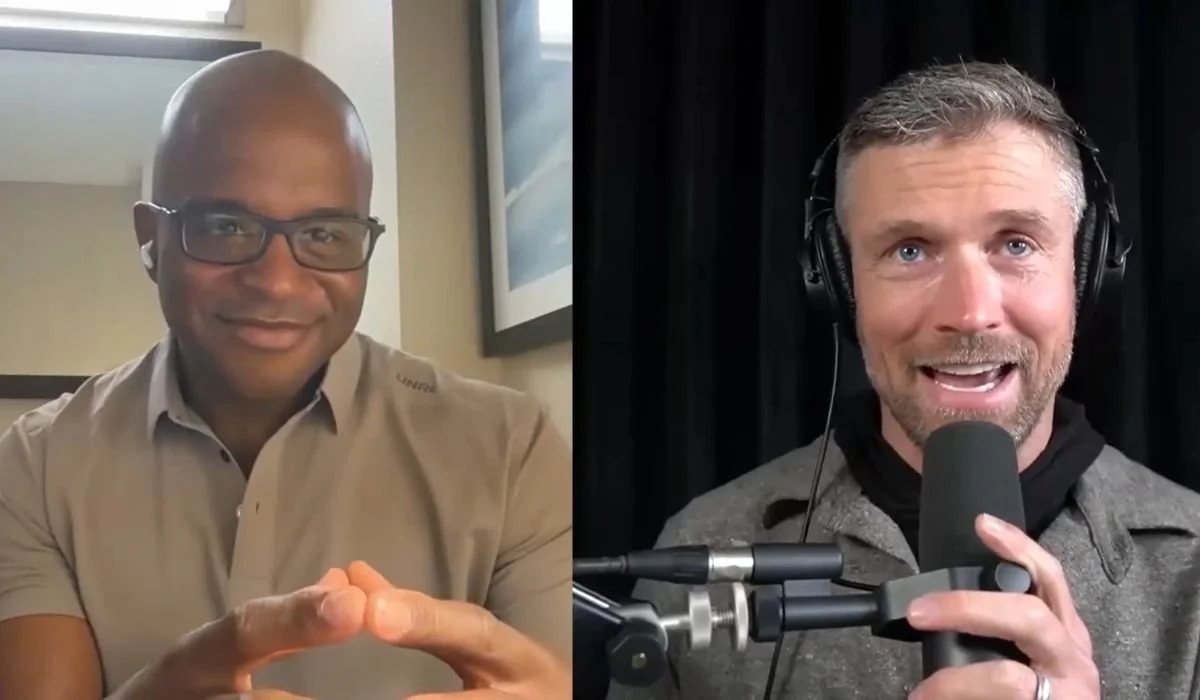
When I think about this next round of conversations, a few stand out right away as some of my favorite case studies. One is Sterling Hawkins: Seven marathons. Seven continents. Seven days. On paper, it sounds impressive. But when you actually hear what it took to get through that, it’s a different story. Here’s a guy who, physically, isn’t built like a typical endurance runner. And yet he’s pushing through injury after injury, asking himself over and over: “Should I quit?” That’s the part that sticks. The moments where stopping would have made total sense.
Grit, Failure, and Getting Better
Another one that comes to mind is the conversation with Mike Weaver. We talked a lot about grit. About getting better. And I think those conversations always land because they’re familiar.
Everyone listening has been there in some way. Everyone’s taken a hit and had to figure out what to do next. It’s not groundbreaking. It’s just real. And sometimes that’s exactly what people need to hear.
The Expensive Lessons
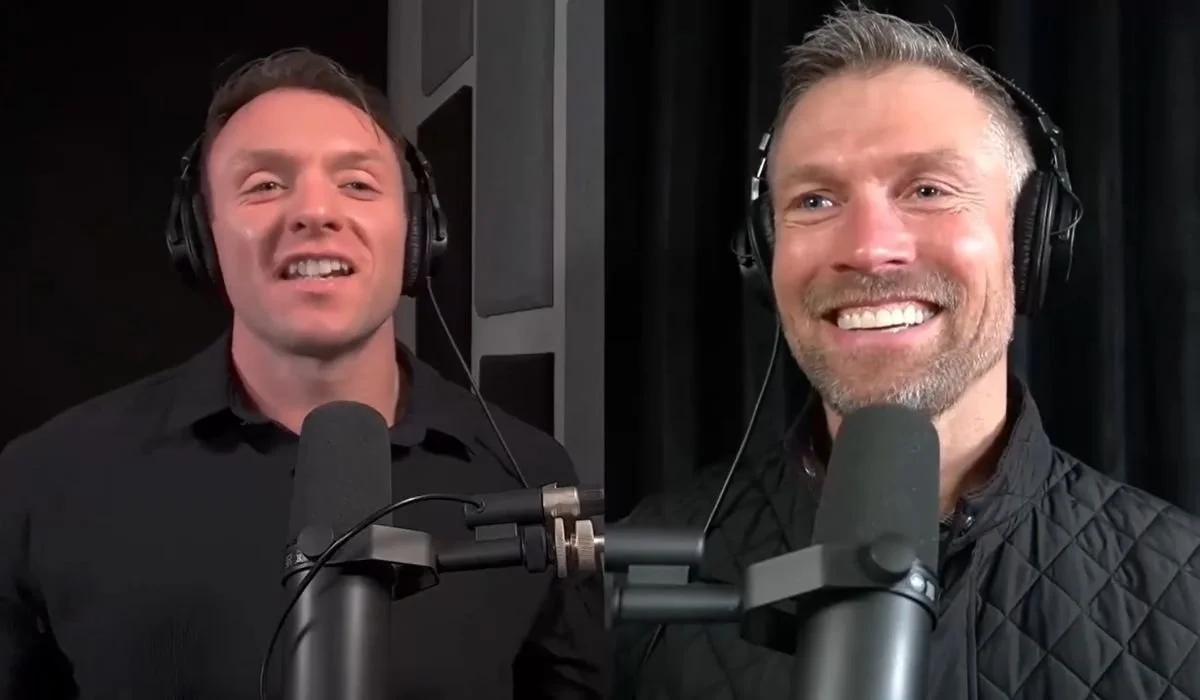
Then there are the ones that hit a little closer to home. I’ve said this before, and I’ll say it again: The difference between markup and margin cost me millions of dollars. As in real money, real time, and real lessons learned the hard way. Same thing with taking the low bid. You’d think after 20+ years, I’d have that one figured out. But nope.
I shared a recent story about taking a low framer bid and once again, it came back to bite me. Delays, issues, more cost on the back end, the whole thing. It’s funny how some lessons don’t just show up once. They show up until you actually learn them.
Want to learn more about the series? This blog had the info!
The Jobs That Test You
Nick Schiffer had a great one too, what he called the “job from Hades.” If you’ve been in this industry long enough, you know exactly what that means. The kind of project where nothing goes where it’s supposed to but everyone swears they did it right and you’re constantly chasing problems that shouldn’t exist. Those jobs test you both technically and mentally.

Why These Conversations Matter
Here’s the thing I’ve noticed doing this series: It’s way easier for people to talk about their losses than their wins. We also run a series called Inside the Big Wins, and it’s great, but it’s different. When people talk about their wins, there’s often a layer of polish.
But when they talk about losses, honesty comes in. That’s where the real stories live. And more importantly, that’s where the learning happens.
What We Actually Learn From Losing
If you really think about it, most of the lessons that shape you don’t come from when things go right. They come from the project that went sideways or the decision you wish you could take back. Those are the moments that stick. Those are the scars. And over time, those scars become your playbook.


The Real Win
At the end of the day, the goal isn’t to avoid every mistake.That’s not realistic. The goal is to learn faster, share more openly, and maybe help someone else avoid the same pitfalls. Because if we can do that then the losses aren’t really losses, they’re just part of the process. Part of the story. And part of the scar.