#190 | Josh Sprague | Seven Clay | The $186K Mistake
What do ultra running, scaling a business, and getting smacked in the face with a two-by-four have in common? Apparently, a lot. Josh Sprague of Seven Clay joins Mark to talk endurance sports, million-dollar inventory headaches, and the $186,000 Google Ads hack that turned a vacation into a 100-day battle with Google. It's a conversation about staying relentless when business gets ugly, knowing when to push, and why your bank balance is not the same thing as your profit.
Listen to the full episode:


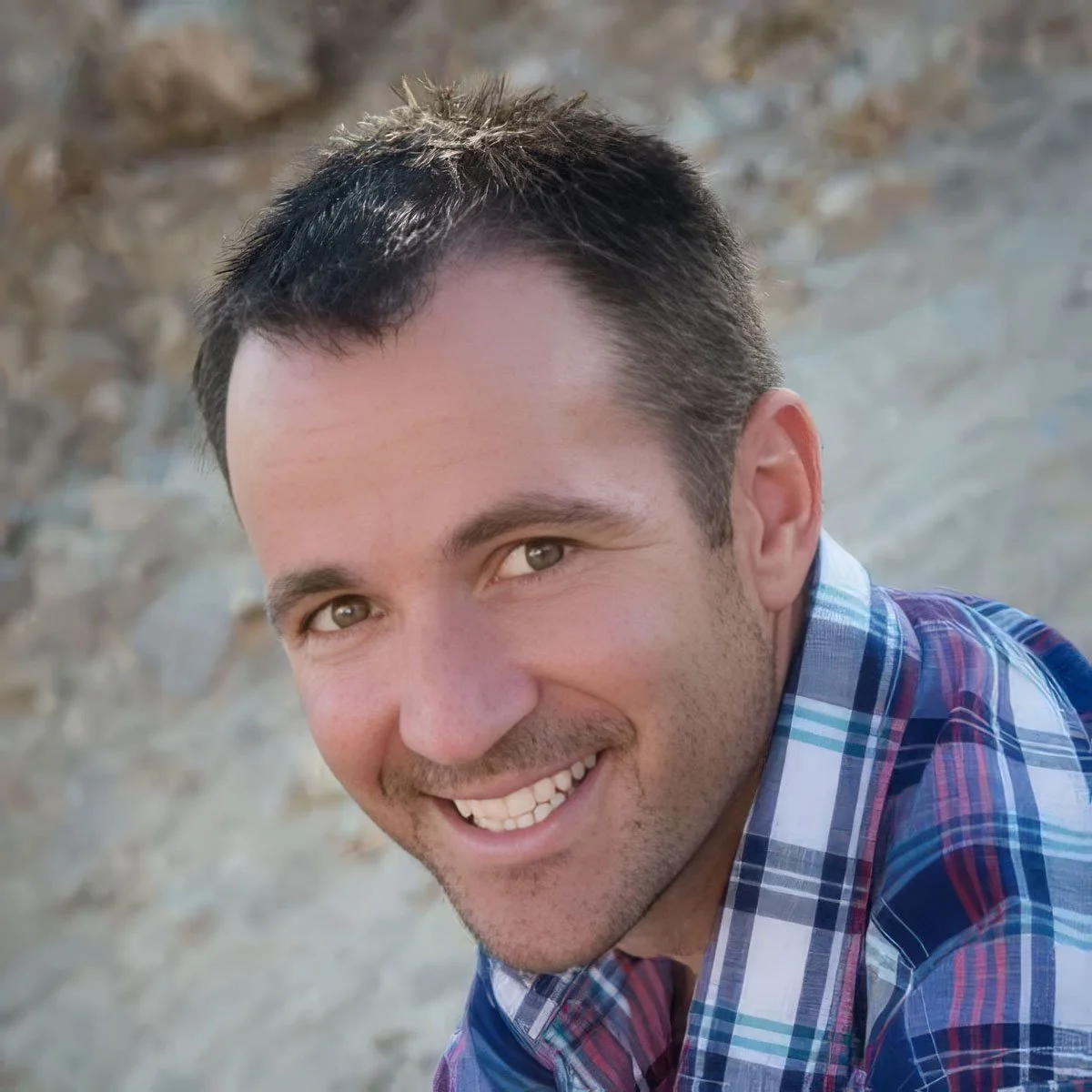
About Josh Sprague
Three companies. Hundreds of race miles. Two kids who keep him humble. Josh Sprague builds consumer brands from the ground up — product development, supply chain, brand strategy, and all the unglamorous work in between.
Orange Mud started in Josh’s California garage because the hydration pack he needed didn't exist, so he built it. Fourteen years later it's a full line of gear trusted by runners, hikers, and cyclists worldwide — and one of Entrepreneur Magazine's Top 5 Emerging Brands.
Seven Clay is Josh’s premium custom apparel company for brands that care how they show up. Embroidery, screen printing, DTF, laser etching — they outfit companies with merchandise people actually want to wear.
Anvil & Acre is his fractional CMO firm for manufacturers and service businesses that are great at what they do but need a real marketing engine behind them. They build lead-to-conversion systems without the full-time overhead.
Outside the office Josh is an endurance athlete with 500+ races under his belt, a soccer dad logging more sideline miles than he'd like to admit, and a self-described hack chef who takes sourcing ingredients a little too seriously.
Josh believes the same things that make a good athlete make a good business: discipline, consistency, and a willingness to be uncomfortable. That's not a tagline — it's just what the work has taught him.
Resources:
-
Mark D. Williams 00:00
This episode is brought to you by All Inc. For the last decade plus, we've been working with All Inc for all of our appliance needs. If you're local here in Minnesota, please check out allinc.com and tell them the Curious Builder sent you.
Josh Sprague 00:15
For anybody who's listening that works at Google, your tech team is incompetent. No offense, or offense taken. Actually, I hope you do take offense because they're terrible. I was on a hunt in South Texas on vacation in spring break, March 18th, and I woke up 6:30 in the morning. I get an email saying you've been removed from your Google Ads account, and I'm like, well, that's not good.
Mark D. Williams 00:41
Today in the Cursed Builder Podcast, we had Josh Sprague in from Seven Clay down in Austin, Texas. And buckle up, this one is going to be a wild ride of energy. We talk a ton in the beginning about endurance racing and how basically extreme sports and ultra athletes basically how it affects your mindset and how it applies to business. Later on in the episode, we get a lot into fraud, and Josh has a lot of experience with basically fraudsters, how he's combated them, how he likes to mess around with them sometimes now, and then also a little bit about how do you,
Mark D. Williams 01:11
you know, how do you set up inventory overseas? And we talk a lot about his growth period during COVID, some of the major issues they had. This is going to be a wild ride of lots of great topics. Without further ado, here's Josh Sprague.
Mark D. Williams 01:25
Welcome to the Curious Builder Podcast. I'm Mark Williams, your host. I've got Josh Sprague down in Austin with Seven Clay and five other companies he hasn't started yet. A fellow ultra athlete that's going to make me seem like I'm in grade school. Josh reached out to me. What you reached out to me probably four or five months ago when we finally got it on the schedule. Wow!
Josh Sprague 01:42
Yeah, it's been a while.
Mark D. Williams 01:44
It's been a while, but I I couldn't. You know, your company is a little outside the norm for us. You guys do a lot of product, you know, between running vests and apparel and things like that, which is fine. I love bringing business owners, but when I read your bio, I was like, I can't not have you on, especially in third quarter with our book Relentless, and I, you know, it's if whatever you're into, when you find someone else that's sort of into what you're into, you're like, okay, I I don't care what the topic is. Yeah, we got to talk.
Josh Sprague 02:11
Yeah, makes it a lot more fun. That's for dang sure.
Mark D. Williams 02:13
It sure does. Why don't you give the audience a quick intro of you know who you are, kind of what you do, and I think we're probably going to geek out a lot about. I guess what I'd like to get out of this episode for me, and I'd love to hear your point of view. Just so sometimes now I I kind of frame it up my ADHD brain for the audience, so they know I'm not all over the place, which is always what happens. But really, it's like I have gotten so much value out of endurance sports and athletic goals. Whether I achieve them or not, for me personally is not the goal. It's the idea that it helps coalesce a common vision for what I'm supposed to do for that year, what or that decade, or what. I think it relates very well to business, and so I'd love to get kind of your mindset. Like, how has adventure racing and ultra racing and just your athletic background helped you in business? And like, how does it shape shape your vision in a way that entrepreneurs can use for their business? That's that's kind of the topics of what I want to talk about. But just so the audience kind of knows where we're going to go with this one, why don't we come back to basically you and kind of the origin of your company and kind of your journey?
Josh Sprague 03:17
Yeah, sure. So yeah, I I my name is Josh Sprague from Austin, Texas. Grew up a Kansas country boy, but now live on the edge of town in the major metropolis down here. But and we love Texas. But yeah, I've had Orange Mud. I started it 14 years ago in January of 2012. I wanted basically a different hydration. I wanted something that was simple, easy to carry, allowed me to go off and do stupid things and enjoy it more. You know, it's it's something that you know for anybody who runs a lot. I think maybe everyone always enjoys it. I will not say that I always enjoy running. You know, I I run a lot, but I don't always enjoy it. So I I wanted something to make it less painful. And really, the hydration pack was always a critical piece to that. So, by designing one that made me happier, I could go further and not be distracted by it. Therefore, I could potentially actually be trained for whatever it was I was tackling. Which just seems like you know we are always notoriously undertrained whatever we do. But yeah, I've had that in 14 years, and then seven years ago, I started Seven Clay. As of this week, and that's a custom apparel brand. I started it because I hated the competition, and I simply wanted to hurt them. And they were just doing a terrible job for me for Orange Mud, and so I went home, spent 58,000 bucks, told my wife, "Hey, I bought a machine. We're going to hurt people and put them out of business, and yeah, seven years later we have, and we've done really well. That's
Mark D. Williams 04:45
the best reason ever. It is. I got a lot of hate,
Josh Sprague 04:49
man. I just got a lot. You got to channel it. Yeah, yeah. But yeah, aside from that, I just do all sorts of endurance sports. I've done everything: gravel, mountain. Adventure, try pavement dirt. My focus is dirt. I love dirt. That's my. That's where I want to be every day. I'll still go out here and pound pavement in my neighborhood just to bang out a short run when I'm. I just need a short run, but if I can, it's always dirt. Always.
Mark D. Williams 05:16
It's funny. I had someone who I was never very fast, which is kind of what led me into the ultra. Yeah, I'm a really good eater, and they're like, and they're like, what sport is are you going? Like, turns out ultra racing. If you are a really good eater, like, turns out you can do really well. You just got. I'm like, dude, it's my superpower. I could easily have a Chipotle burrito at mile 50 100. I don't care. I could always eat. And they're like, dude, you should try ultra running. Anyway, now the kids they're so young getting into it. They're so fast. I mean, it used to be the normal progression was once your speed left in your 20s and 30s, you got into ultra sports, whatever it was. You know, in your 40s and 50s, and there's some ballers in their 50s and 60s, like just crushers, man. And now they're in their 20s, and you're like, crap! Now they're fast and they're good. Like, dang it. Yeah,
Josh Sprague 06:01
but you know, all all sports, and it's the funny thing about you know, I'm I'm 49 and I've been racing. I mean, I've been racing since high school, but but actively in endurance sports since about 22, and so I've been doing this a long time. And in like in the sport of adventure racing, when we started, it was fun, and that's all it was like. Can we get to the finish line? And then we did. We're like, we're amazing. And then I'll never forget the day that my teammates, you know, were kind of all pissy at the finish line of a race that we did. And and and I was always the lead navigator and captain of the team. And and so ultimately, the speed at which we got to the finish line all depended on me and my navigation. And I remember they were they were upset that we got second place, and I was like, "Y'all realize that we have jobs? We just beat like a 99 teams out of 100, and they were butthurt that we got second place because I made a navigation error." I'm like, "I'm one of the best guys in navigation in the sport. If y'all think you can do a better job? Go ahead, but it's when I realized that that sport it wasn't being fun anymore. It switched from play to it's all about winning. And don't get me wrong, I like to win too. But there's also a time you got to just appreciate getting there. And we saw that sport just get faster and faster and faster and faster. And then the pros came in and money came in and everything changed. Trail Ultra for sure, same thing. It had this progression. It was all grassroots. Hey man, we're here. I can't believe we just did this. To oh I've done this 30 times. Now I'm just you know banging this out and trying to PR and and then all of a sudden you see these guys that are young are killing it. Gravel racing, same thing. I mean I've been doing this all these different disciplines. Gravel was like hodgepodge. No one even heard of it when I started back in 2002, I think, and or one when I started my first gravel race, where we were racing mountain bikes and gravel racing at the time. And then now the professional field is the highlight. I shouldn't say it's the highlight. It's what everybody focuses on, and where I hear people saying like, "Oh man, you see such and such is coming," I'm like, I don't care. I'm out for fun. I hope everybody that's in my group we're out having a good time. We're gonna push, but we're having a good time. So yeah, it's it happens to every sport. But like you said, if you're good at eating and drinking, then you know you can finish. That's funny. That's that's more my strong suit anymore.
Mark D. Williams 08:23
Well, and I I think that it dawned on me the other day why I think there's a temperament aspect to it. I think there's just I I don't know what it is about it. Like I I like to joke that I actually don't like running. Yeah, I said they're like, why do you do ultras? I'm like, I think I enjoy the pursuit of something that's really hard and challenging. I think, and I really love the guys I run with. I mean, ultimately, you're talking about life and business and marriage therapy and how you raise your kids. And like, it's like instead of reading the paper, I'm running for an hour every morning at 5:30 a.m. in the dark with a headlamp. And you're like, "What are you doing?" You know, I actually don't even know how to live any other way. And it's like my wife. My wife keeps saying, like, she's like, I think you need more sleep. I'm like, I go to bed at 815. I don't know anyone my age that goes to bed that early, and and yeah, look at you. But like, you know, I'm up at 430. I mean, like, you know how it is. You got to kind of do, and like, you know, some of the, and there's always different levels of insanity. Like, there's a guy that all the guys I run with, I'm like, the, I'm at, I just turned 46 last week. Everyone else is 55 or 60. We have a couple Olympians from the 1980 Lake Placid. Now they're in their 70s, but still ballers. I mean, if I'm 76 years old and still running, I'm like, dude, you guys are legends. You guys are awesome. And it's it. I think you got to do it because it fills you. When you stop, I think there's that great quote that comparison is the theft of joy, and I think it also applies to business. If you're, I think it's okay to look at your peers. I think our peers push us in business and in in athletics. Obviously, that being said, like it is not sustainable to do it for decades on end. Business, anything, honestly, in life, unless you're doing it for you. And so, I, what are some things that you've learned? From racing and from endurance sports that you have translated into your business, and how has it helped you?
Josh Sprague 10:07
Yeah, you get hit in the face like daily in racing, or minute by a minute sometime. And in business, there's definitely one thing I feel like I I often have some sort of two by four on some sort of hinge and it's spring, and it's often about to hit me in the face. I'm constantly, well, hey, where's the two by four at today? But yeah, you know that the the adversity is is it's an uphill battle in business, and that's really how a race starts. The race starts going uphill, even if it's not technically uphill. There's a lot of challenge between you and the finish line in a race, and that's that's really all you're doing is chipping away at it. I think it's why in a race, once you hit the 50% point mentally, for me, it doesn't matter how big the race is. The 50% point is always the hard part. Like a two-hour race is hard for the first hour. A 24-hour race is hard for the first 12 hours. It doesn't matter the distance. Like psychologically, I'm fascinated how many times that I I'm doing a race. I'm like, God, this is only 100 miles today, and why is this so hard that you know I'm I'm 50 miles in or 30 miles in, but then at 50 it's not bad. But if you're doing a 50 mile race, all of a sudden 25 is really hard. But after 25 isn't that bad. It's really weird the psychology of these things. But but that's business too. Is you wake up every day knowing there's going to be challenges today, and I'm just going to push until it gets easier, and then I'll do it again tomorrow.
Mark D. Williams 11:32
Yeah, I mean, I think sometimes you have these little platitudes, or I love quotes, and but you're right. I understand now because sometimes you want to say to cop out this little quote like like I have all these things like tomorrow's a new day like um you know or just like one more mile one more minute one more bend and we you and I know this this is how we treat running and how you get to you know you if you're thinking about mile 99 at mile 23 you are effed like you better be you better be worried about mile 24 buddy not and you are 100% right because I remember when I ran my first 50 miler, I got to the halfway part and I was like, I switch shoes and psychologically, I'm like, oh, yeah, I've got one more pair of shoes to go. Like, oh, I feel, and it's like you do these little psychological tricks. And I remember reading a book about it. You know, like let's say as the miles drag on, you obviously usually get slower and slower, but somehow those last mile or two, like unless you're just completely dehabilitated, which could be, but like people will run like two minutes faster, like out of the like, and it's like psychologically, like it's a little bit. Sorry, this is where my mind is going. It's like when you know you're running, you have to go to the bathroom and you see the porta potty, and like somehow your body is like geolocating that toilet, and you know, the moment that door opens, I'm sure construction workers can relate to this too. But if that door is locked, you now have to yeah. The
Josh Sprague 12:49
door is coming down. The
Mark D. Williams 12:51
door is coming down. But but why? The psychological effect on your body is yeah so fascinating to me that you could be at 99 mile, and you know maybe there's people cheering. Maybe it's the middle of the dark. Who cares? It's like your body's relief at knowing the end is coming and how you can accelerate. Like where did that energy come from? It's all somehow up in your head, and I think that's true in business. When you, but it's also I think it's dangerous in a in a business setting because, as you know, Mount Everest, more people die on the way down than the way up. They give all their energy to the top, and they've kept nothing in reserve for you know for back. And that's a very serious endeavor. You are not at mile 99 atop of Everest. You're at mile 50. You got a long ways to go. What's your thought on sort of like the energy adrenaline push you have in those last miles, both in business and in in a race, but also keeping. How do you regulate what is sort of reserved mentally for a race, but also in life? I mean, if you if if you completely max out, you know, you're not doing your family or business any good either because now you're just like spent.
Josh Sprague 13:57
Yeah, yeah. You know, I I've always finished like racing. It's funny, you know. I I have two sides to it. There's in adventure racing, for example. You know, you're racing with a team, and my friend Jack, he was always a faster run, as is still always a faster runner than me. And I can't tell how many times we've been going to the finish line. He's like, "Dude, we got to push. We're almost there." I'm like, "I'm push. I'm giving it everything I got. You're just faster, you know. I mean, there's that. You just got to roll my pace or drag me. But I, I definitely have always wondered. You know, you cross that finish line, people like, Josh, you still look great. Are you even tired? I'm like, I'm tired. And then I think, God, maybe I should have tried harder. But then I think I didn't have anything more to give. You know, I think some people I see them cross the finish line. They can't breathe. Like watching my kid run cross country, I see some of these kids cross the finish line, throwing up and everything. And I admire them because I'm like, they gave it everything, and I have no doubt they didn't have anything left. I've never been one to be doing that. I cross the finish line. I may be breathing hard, but I'm not throwing up. I don't know. Maybe. Just not fast enough, and I guess my my lungs can keep up, and my legs just only go so fast. But but yeah, I would say you know on the on the business side, probably the best analogy is is that I use Claude a lot daily in numerous things, and half the time I'm just trying to get to the root of the problem, and once I get to the root of the problem, then I go through solutions. And Claude kind of can go. I love Claude, but it can go kind of crazy. Sometimes I feel like in the middle of the day, it's like the middle of the race, and you're just kind of lost, and you're spinning a bunch of words more than rules, and and creating order. And then towards the end of it, you finally get the problem defined. Claude's finally understanding what I'm doing and what I want to achieve, and then I try to roll it out, and I get 98, 95% there, and I'm like, you know what, the day is done. I'll leave that for now. And sometimes you just have to do that, right? Sometimes you couldn't give it 100%, and that's okay. Sometimes you just have to realize, like, I can be chasing 100% for days, or I can get 95% today and get this pretty damn good, and then we can close this gap tomorrow when we're fresh and look at the problem again. And I, I think that's where racing is kind of like that, right? You can't. Sure, we always give it as the maximum we can for that day, but you have to save something for the next day. I'm not saying you don't leave it all out there, but leaving it all out there isn't just leaving it all. Like you're coming back non-broken, right? I want to be healthy to run another day. I want to. If I'm injured, I'm going to back it off a little bit, and I'm going to and I'm going to make sure that I can continue to push. You know, as the future comes out. So I, I think that's where maybe it's as opposed to like, yeah, the Goggins approach is like, you die, you know, then then it's fine. Otherwise, you should have pushed harder.
Mark D. Williams 16:54
We're happy to announce our latest sponsor, Real Wood Floors. What made them to be an ideal partner is the fact that they align so well with our high-end custom homes. They're located in 25 cities across the country. They're probably pretty close to you. And what really drew me to them is the fact that they're vertically integrated. So many times when you're dealing with wood floor, you know, procuring it from different companies, having it go through middlemen, you're either short material, it's the wrong material, and so we are looking forward to leveling up that and buying direct. The other thing that I really love is their floor made perfect match. I can't tell you how many times I've had a beautiful wood floor, but the vents don't match, or I love the wood floor but it doesn't match my treads and risers. Knowing that they can perfectly match that is something I'm really excited about. Go check them out at realwoodfloors.com and sign up for an RW Pro account. Tell them you heard about them from the Curious Builder. When it comes to quality, craftsmanship, and performance, Pella sets the standard. Whether you're building custom homes or designing a timeless space, Pella offers innovative window and door solutions that blend beauty and efficiency. With showrooms and experts around the country, Pella makes it easy to find the perfect fit for your next project and their team to support it. Build with confidence. Build with Pella. Visit Pella.com to explore products and connect with your local rep today. For more information, you can listen to episode one or listen to episode 109, where we bring on Pella owners and founders at Pella Northland, as well as their innovative team behind the SteadySet innovation, I have never met athlete of any kind or entrepreneur, honestly, that is good at rest days. Never met one. Let me know when you meet one. And my wife is constantly telling me you need to work on a rest day. Your body, I totally agree with her. I just don't like doing it, and I like today is actually rest day for me. I'm tapering for a marathon. I hate the way I feel. I'm getting more energy. Like I get that. Like you'd think that would be great, but like I'm so used to the you know ring in the towel dry of energy that like I it makes me uncomfortable. I don't like it anyway. Where am I going with this? Oh, from a business point of view, I think one of the reasons why I've gravitated towards solo sports is like I like to test myself to see what I'm capable of, and and morally from an internal standpoint, I know there's a billion people that are faster than me. That's not even about that. It's like you make these little games for yourself, and that's everyone has their own little mental tricks. But I'm actually interested because you know you were doing a team approach, adventure racing, and I've done one with my brother-in-law, which that was an interesting outcome. But I'll bring that up later. You can only you mentioned your buddy Jack. He was faster than you, but you were the navigator. I think the team approach is much more akin to most businesses. Just and actually marriage, like just because you're capable of doing something doesn't mean your spouse is, or just because you're capable at running yourself into a wall doesn't mean your team is as well. How what how have you been able to regulate your own drive? Even if you are capable of going quote faster, if your team can't go with you, it doesn't. You actually could. Blow up your team. Any lessons that you sort of learned in your? Were you doing like eco challenges, or what kind of adventure challenges were you doing? I
Josh Sprague 20:07
started when eco challenge had just gone away, and I started venture racing in '03, I think. And I did Primal Quest is what I've done, which is what replaced Eco Challenge. But yeah, I'm doing 1224 hour, and multi-day races all over Arizona, Nevada, California, Utah, and Texas, but yeah, as far as the the team approach in adventure racing, you're only as fast as your weakest link. So there's a lot of times in racing where, like, we used to keep retractable dog leashes zip tied to our seat posts, and we would hook it onto our slower teammates and pull. Like I've always been a really strong cyclist, so you know I'd often be a tower and I would be pulling people. But like I've had my friend Jack, that's always been a powerful runner, and whether it's me or somebody else on the team, we'll carry a bungee cord with two carabiners on it. We'll clip pack to pack, and when we're hammering, you know, we'll clip onto him as a pack mule, and he'll freaking tow us along. And so you know, I think yeah, there's there's a lot of pieces of that tie into business because I know that that for better for worse, I'm the guy moving forward, and and it's something that when I was earlier in my career, I didn't always appreciate. I didn't really care. Is probably the better way to say it. You know, it's like get out of my way. I'm gonna get it done, and that's how I built the other companies that I worked for over the years. And it's not that I didn't have a team approach, but I definitely was more out for. I wasn't looking out for me, but I was looking out for everybody. But I would take it upon myself to solve the problem, time and time and time again. And you know, I can't say it was wrong because a lot of things that happened would have never happened otherwise. You know, we were on time lapse. It's either we do this or we fail. I'm like, okay, fine. I'll just work for the next 30 hours straight. That's okay. That's not my job. But whatever. It's it was painful and a learning experience over the years. But now I've hit approach a different approach where, and for many years now, I try to take a step back and I stay in my lane as much as I can, and I appreciate that just because other people may not move at my pace, I need to let them move at their pace so they can feel successful, and and I don't make them feel bad or whatever just because I think I could do it faster or different. Because ultimately, a lot of the people that are doing the jobs that yes, I may be able to do the one job faster. I don't have the focus to stick with the job that they're doing every single day, and I would be ultimately be slower. I could do one job faster, but if I do that job every day, I'd be slower. And so I, I you start to see that, but it takes a while sometimes to appreciate that I'm not an operator. You know, I am the executioner and the visionary guy. I'm the guy pushing, and especially with like with my operator people at my shop, they're great at it. But if I I would fail if it wasn't for them. So yeah, I think you learn how to systematize and look at the bigger picture of are we accomplishing the goal and are we accomplishing it in the way that achieves the level of customer satisfaction that I expect, and if that's the case, then I need to stay out of their way, and everybody wins.
Mark D. Williams 23:09
You know, it's something that came. We did this home here for the last two years. I've talked a lot about it on the podcast called Misahu. So basically, we didn't have a we don't we're not usually a spec home builder. So we created a whole brand and a whole philosophy around this one house. And anyway, there's a verse in the Bible that describes it really well. It just says that the people perish where there is no vision, which means the opposite is true. Like if you have a vision, if you have a common goal, and I think it's up to the creators and the innovators and the leaders to sort of establish the goal and let everyone else kind of come come along, right? I mean, that's the vision, or that's the bar. You know, I think you know, like Michael Jordan. Obviously, he was not going to. He was famous for intimidating his own teammates, but eventually, you know, there's that famous time where Steve Kerr punched him, and from that point on, Jordan respected him because he. Sometimes you want to push people. Not, I don't. At least I know for myself I don't do it on purpose but when people show you that they're trustworthy man guess what you give them way more trust and when they don't man it stinks as an owner because you take it back you don't want it the only the thing that we all want to do as entrepreneurs is like give up I don't say give up control easily but like we want other people to like lighten the burden like we know at certain point in our life, we can't do this all by ourselves. We need help. We need executors. And so it's like, but I do think it's up to us to sort of push that vision. And I think you need both sides of it. I think you need someone to put a high bar in that we all try to attain it. And I think that's wonderful. And that, but we also need people who want to come along for the ride. And if you make it so high that no one wants to even try. Well, man, what have you done?
Josh Sprague 24:44
Yep. Yeah. I mean, if you haven't if you haven't read the book Traction or the book Who Not How, I always would advise any business owner to do it because you know my my cousin she's she's always been you know a wizard in business and. And just exceptional, and and at growing her business and working on her business, and and anytime she'd ask me over the years, you know, are you working in your business or on it? I'm like, I'm definitely working on it. But then I didn't even really realize what that meant until just a few years ago. And again, I've been in either owning a business or running businesses for 30 years, I guess now, yeah, probably 30 years. So it took me a long freaking time to realize it, and I don't think a lot of people really grasp what it is to work on it. And when I when I read Traction and Who Not How, I was reading them both at the same not at same time, and and it really hit me because I I realized I was way too important and I had way too many roles. And then a lot of it was simply I just didn't appreciate that there is there's two people in a business essentially two types. It's the visionary and the operator. And you know, once I thought about that, I'm like, yeah, I'm not a good operations guy. I'm not. I'm not good. I'm good at going in and solving a problem, getting things going. Let's get the systems going, whatever. But then from there, I'm like, okay, peace out. I'm on to something else. That's not a good operator. That's a good visionary. And I think that's where a lot of us in the ownership side we get confused with that because we can build it doesn't mean we can sustain it. And like I, I had a guy, this guy Gary, I hired to work for me a long time ago, and and my a company I didn't own, a company I ran, in manufacturing. I hired him as a project manager, and and and he was just awesome, good dude, mountain biker. We used to ride every week together, and and before too long, you know, I had 170 people under me, and it got a point where I, as a younger guy, I liked the power of that. That was cool. I liked the title of it, you know, running the business, and and you know, felt kind of big shot. And then I realized, like, well, I'm kind of sucking at the operations side, and end up putting Gary over basically almost everybody. You know, I kept the sales side because again, I was I've always been on the visionary side, but I didn't understand it at the time. But what I did understand is I saw how Gary had meetings every day with everybody. He was nicer than I was, you know. I was I wasn't mean, but I was matter of fact. And I'm like, we're getting it done, and you're going to figure it out. And Gary's like, all right, guys, we're gonna get it done, but let's figure it out together. And I just saw how well he executed everybody, and I was jealous that I wasn't him. But again, I I didn't understand the why I wasn't him until just a few years ago, and I realized, oh yeah, that's not me. He's an operator, you know. It's there's, I think until you understand that, you probably always have a little bit harder time in getting your team organized.
Mark D. Williams 27:42
You know, it's funny you say that because I I feel I think that's what one thing that's kind of unique about business is I have a friend of mine, Mike Weaver, who talks about compressing time, and I the number of years you've been in business while they somewhat matter, it is not indicative of how far you've grown or how far you've gone. Like I've been in business for 22 years, but I would say I'm a light years better builder today and an operator in the last five years than I was in the full 15 years combined. And part of that is just you know maturing and surrounding yourself with good people and seeing good modeling. But there's other builders that are only in business for eight years that are like on par with. It's not envy; it's more just like appreciation, like wow, I'm so impressed that they were able to do what they've done in a a third the time that it took me, you know, to get there. And you're like, kudos to you. How cool is that? And I think you know, it's it's um not to get all woo woo, but I I think sometimes there's this this thought process that you have to you have to do what has always been done. I fully reject that. In fact, I don't know any entrepreneur that does it because they're like almost every entrepreneur I've ever met is a little bit had the same spirit of you. Is like I love the idea that although you have a little bit more spit and vinegar than some, where you're just like screw these apparel companies. I'm going to put you out of business because you guys suck. You won't return my phone calls. But most innovation happens because you know what is it? Necessity is the mother of invention. You, I would love to know like the origin of your pack. Like there would have been packs out there that just weren't good enough that fit your needs. You are like, man, what if you did this? And like, but here is the biggest difference: a lot of people talk about it. Entrepreneurs do it, and there is no clear linear path. It's creation. Like you know what I think you said you you spent 500 grand you know to get in a to basically be like screw you I'm gonna make this and you know you tell me a little bit about the idea that you were trying to stay American made but you kept getting 30% increases and you're like finally it forced you to go overseas which was both a success and a filly in your eyes I'd love to hear a little bit more about that story.
Josh Sprague 29:42
Sure, yeah. So so once we started, yeah, the whole premise. I mean, I I came from custom manufacturing when I started this business, and and I spent 15 years my first career in custom manufacturing. So I wanted an all USA made or most, and so I I thought it would just be great. To be local, and I thought it'd be a cool story, but I, I, you know, I quickly learned no one really cared. It sounds cool. It's good marketing. Most people don't really care. It's just the truth, and I would fight to the death that or argue that that that position to anybody because I've learned it the hard way. And yeah, I spent a lot of money into the American economy, and I'm proud of it, but once we got these price increases where we'd almost gone up 100, I think it was like 88 was average Cogs increase over three years, and it just hurt so much that I knew we were going to fail. So it's like, okay, well, I can either fail or I can go overseas. And and at the time, our volume was picking up a ton, and U.S. the U.S. market was having a hard time keeping up anyway. So we went overseas. We go over there, and I don't like China, so I went to Vietnam. So I wanted I wanted quality consistent. That was the key for me. That was the reason why I kept it in America because I wanted quality, and and I had just had too many experiences with China over the years, being inconsistent. Maybe one job good, one job bad. I didn't want that. I wanted to constantly deliver the same result. So Vietnam is known for relentless pursuit of quality, and man, I tell you, the quality it went up. The margins finally gave us room to scale the business. We were losing out on a lot of international exports because, and that's some till to this day, some of my proudest sales are exports to distributors around the world. I love growing an American footprint abroad. That's something really I don't know, man. I don't know why, but to me, I just feel real special about. So it allowed me to have the margin to be able to do that because they have to cover all the expenses of duties and tariffs and shipping and brokerage fees and all the junk to be able to build a brand. And so, so yeah, going overseas it was it was scarier because like when I started, it would be like, oh, we're going to build more of these, and here's $10,000, and then oh, we need more, and now it's going to be a $20,000 purchase order because we're growing, and then oh, now it's going to be a 30,000, and then overseas, like my first purchase order was $159,000, and that was scary because that's a lot of money, and you know I I relate everything to to expenses of life, right? I mean, can you afford to quit your job today and go work at a bar, or like let's say you got fired today, can you go work at a bar to pay your bills, and I like to think of things like that. And like with buying stuff, it was no big deal. It was just checking account, just spending the money. But once them bills started getting into six figures, every time I cut these six figure or ultimately end up getting up to seven figure POs, that that got to be scary because it was an incredible amount of money, and I'm like, this needs to be successful because if it doesn't, Josh doesn't have more money to pay for that same purchase order again. So yeah, the scaling abroad is different because obviously volume is one thing because foreign entities generally want bigger builds, and they won't tolerate smaller builds. So you don't really have a choice. You have to go on hope that you did a good job with your designs because if you're going to buy 1,500 of a given model, well, you better hope you can sell 1,500 of those models. If otherwise, you're going to be burning them in anger. But but yeah, it was it was an incredible road going abroad. It was very scary.
Josh Sprague 33:16
I got lucky to I knock on wood that to this day, I've hardly ever had quality issues at all. What we have had were, you know, something I screwed up on, and I maybe I didn't specify, and and we had to modify at my shop. But fortunately, we have tons of equipment, so it's not a big deal. But otherwise, you know, our our learning learning experience abroad has been fairly painless. You know, like the the tariffs that happened last year that was like that was a big catch. That was a big catch me off guard moment. That's to a consumer, you may not always directly appreciate that. But you know, when you've got $100,000 sitting on the water coming to you, and all of a sudden you're going to write a check for $30,000 just for the tariff of it, or if you're a friend of mine, a friend of mine owns a bag company here locally to me, and she was killing it. And she had I forget what she told me three or 400,000 on the water, and when the tariffs rolled out, and and all hers was made in China, but that was when they had the the kind of pissing match going back and forth, and the tariffs were at 200%, and she's like, "Josh, I can't do that." I'm like, "I don't know what to say here." I mean, I felt terrible for her, and you know, again, I, I don't even necessarily disagree with some of the tariff stuff. It's just there was it was a wild one to hit us on, and those are the type of things with foreign trade that is really scary, is because there are wild cards shipping during COVID. I paid 100 and 100 and was it 160,000 in shipping for four containers where that would have normally been about 32,000, and that was just do you want it or not? Pretty simple.
Mark D. Williams 34:57
So how do you cover that? I mean, how do you see your. I mean, those are some pretty dramatic things. But I mean, in building, which is my career, I mean, we saw some huge things. I mean, luckily, I was in a cost plus model during COVID. I know a lot of builders that were on a fixed bid model that got just crushed because they didn't have any escalation clauses. For me, we actually made more money because the price of everything went through the roof, and it just was wild times for everybody. And timing was a big part of it too, right? You know, Windows used to be eight weeks, and they were like 28 weeks. You are like, oh my word, that kind of time has gone now, thank goodness. But you know, now you have obviously this tariff stuff. How did you, you know, like your friend, like three, 400 grand? I mean, what do you do? How did she even see her way through that kind of stuff,
Josh Sprague 35:41
from I just talked to her a few weeks ago, and she's still recovering from it. And you know, loans and painfulness. I I had to during that time my factory in Vietnam shut down. They were the last ones to shut down. China shut down early, but Vietnam had a very much delayed effect to COVID, and they shut down late. And I end up having multiple purchase orders in 2020. Was it 2022? I think now multiple ones that were supposed to be arriving July, August, September, October for holiday sales, new product releases that didn't come in in time. And because they shut down in late June, and they're like, "Hey, sorry, Josh, we're not going to be able to get your latest releases out. We're not going to get your replanned for the holidays out, so that means not only did I miss out on holiday sales because we were really short on inventory, we missed out on new product launches, which impacted us in 22. And then they came back in February. They're like, "Hey, Josh, good news! We just finished everything." And I was like, "Like, what do you mean exactly by everything?" And she was like, "Yeah, everything. You know, your order's ready. I'm like all orders, and she's like, yeah. I'm like, that's not. How much is that? And and she's like, yeah, $1.38 million. I'm like, oh yeah, yeah, yeah. Let me figure out where I buried that in the yard. And so, you know, I and then again on top of that, I had to to pay 160,000 in shipping or whatever it was at the time, and everything was running really slow, so we didn't even get most of that inventory until August that year. So we we lost basically an entire year of sales, not all of it, but an incredible amount of it we lost, and and it hurt me on every level. And so with that, I didn't just raise prices or anything. We did finally raise prices because we never had in the history of our business, and we raised prices a little, but definitely not enough to cover everything. And this was when you also here we lost momentum, which impacts so many things in ecom, like Amazon. A lot of people may not know this about Amazon, but if you sell out of something, Amazon will hate you and they'll penalize you for it. The Amazon is all about relative strength, and once you maintain relative strength and you maintain inventory, they're going to continue to serve your ads organically. Otherwise, you're going to have to pay for it. And so, for me, I ran out of stock of all my top items, so Amazon punished me. And since we were out of a lot of top items, we had to switch PPC spend to things that were non-standards and that we had harder time and unproven time with ad spend. So all of a sudden, my ad spend went up. So we got hit on every freaking level, which is awesome. Like I said, it's just another day getting hit in the face with a two by four. So how did we recover? We just you know grinned and beared it and scared us to death. We did have to borrow money to help pay for those you know expenses. I didn't have that much money just sitting there, and things just they worked out eventually. But it was wild to get there,
Mark D. Williams 38:28
isn't it? Isn't it interesting that you look at this? Why we have on Thursdays we have a series called Losers or Winners, where I have owners come on and they only share their losses. And I look at you know relating a little bit to I did a sweat test yesterday on a treadmill because I wanted to see what my salinity rate was and if it's changed over the last couple years. Well, anyway, long story short, a couple years ago, or no, I guess last year I was at mile. Like this is more for you than the audience; they probably don't care about my sweat rate. But I'm a I'm a high volume sweater and a high salt sweater, so I have the double whammy, which is not great. Yeah, because it's hard to carry that much water when you're running in the back country of a desert. Sure. And so, well, anyway, long story short, I decided genius move. You can see where this is going to go. I wanted to go light between aid stations, so I decided not to fill my one and a half liter water bladder in the back. I just ran with two 500 liters on the front, but they were full of sodium. I got so sick from sodium overdose because for whatever reason, and I happened to be running at like mile 30. There was a coach actually, and I was telling her how sick I felt, and I was in great shape. I just felt terrible, and she's like, "You, you have way too much sodium." And she's like, "You need to just dump it all out." She gave me one of her waters. That's the other thing about racing community; they're so supportive of each other because you're you know you're all out there together suffering and she's like you need to drink only water so you clear your system anyway the only reason I'm bringing up this dumb story is that failure now the next time I run 100 I will never make that mistake again and like you sort of need those painful things like you learn way more from the scar from the painful story like I'm curious about. Your story. What things in your business have you done? There will always be uncertainty, unfortunately. And really, you and I get paid to deal with uncertainty. And some stuff we just sometimes we we go out of business. That just that's a fact of life. Sure. And it's not. I remember the first person that kind of gave me permission to fail was my dad in 2008. We ended up not failing, but he told me like Mark, what's the worst thing that can happen to you? I'm like, I don't know, I go bankrupt, and he goes, and what's wrong with that? I'm like, well, that's losing. He's like, and what does that mean? And he's like, he's like, you're gonna love this. I was 28 at the time. He goes, you'll move home. I wasn't married or kids at the time. He goes, you'll move home. You'll sleep in the basement. Your mom will make you huckleberry pancakes, and you'll come up in the morning. We'll have. I'm like, dang, that's losing. Sounds pretty great. Yeah, like that sounds amazing. Yeah. But where I'm trying to go with this is is during those difficult lessons that you learned, what have you changed in your business so that you're better for it going forward? Because I feel like if it doesn't break you, it does make you better.
Josh Sprague 40:58
Something that I'll that I'll always admit to that I hate I hate running. I like growing the business. I like scaling the business. I like optimizing the business. I don't like running from the P and L and the balance sheet. I get bored of that. And I think there's a lot of business owners that struggle with that. And as a result, you don't have the best cash flow projections, or you don't do them at all. And I didn't, and there was so many times where, like when you're growing every year, we grew 20% year after year for ever, and until that one year, 2022, I think it was 10 years straight when we just didn't have inventory, and then it set a negative cycle for a while. But the cool part of growth, there's a blessing and a curse. Yes, you're selling more stuff. In theory, you're making more profits, but that's theory. But then you need to be able to budget for those increases because all of a sudden, when you're not running from a P and L, you're running from your checking account, which is what a lot of business owners do. You're like, well, I got cash. What's the big deal? You know, I can do this. But then all of a sudden, you're like, ooh, gosh, this purchase order now is 400,000, as opposed to normally last time it was only 310, but because of the increase in sales, you need more cash, and because those if those forecast sales are projected to continue increasing, then you need to not just factor for current state, you have to factor for future state. Factor for future future state takes cash and takes more cash, and so it was those projections that each year I felt like I was learning over and over again, and I kept thinking like I got it now. And then the next year I'm like, nope, I didn't get that right. And then the next year, nope, I didn't get that right again. I'm like, dang it, and so now I I feel like I've got a lot better hold on that. I'm way more cash focused, where you know we we save a lot more, and we you know we put it back in a interest bearing account, even for our business, so we can at least make 3.8% on that cash while while it grows. And as much as you'd like to touch it, you just know, like, hey, we're not. It's not profit. That's inventory. That's and I think it's easy in an inventory based business like ours. It's easy to look at that money and think, "Wow, I got 400,000 in my bank account. That's awesome." No, it's actually all for inventory, and not only that, we need another 50 on top of that. You know, and and that's that's something that that those lessons I'm finally pretty good at. A big shipment left about 50 or 60 days ago from Vietnam, and I was very happy that I had that money, and it had been set in my account since I placed that order last June. And it was awesome to be able to be like, "Yeah, cool, here it is, done." It wasn't like, "Ah, let me move money around." The money was there, and it was waiting. All I had to do was transfer it to our checking account and pay. It's a big one.
Mark D. Williams 43:43
This episode of the Curious Builders brought to you by Olivit and Vine Socials. If you're a builder, a designer, or an architect looking to grow your brand without dancing on TikTok or spending your whole life on social media, listen up. Olivin Vine Socials specializes in Pinterest marketing, blogging, and email strategy for luxury home brands that help you turn your beautiful work into a strategic SEO-driven content that drives real traffic and connects you with your ideal clients without burning you out. Ready to grow smarter and not harder? Visit OlivenVineSocials.com and tell them the Curious Builder set you. Just so you know, I've been working with Alyssa over at Olive and Vine for three years. She helped us launch the podcast. She's helped us grow our brand at Mark Williams Custom Homes. I could not do what I've done without her help. One of the reasons why I try to make this podcast both entertaining, so people still stay listening to it, because if you can educate and entertain, that's a pretty potent combination. Sure. But where I was going with it is, you know, a couple years ago, I have a very talented controller, and you know this is shocking and it's embarrassing, honestly. That took me. I'm in business for 22 years. It took me like year 17 or 18, where I you would never drive across the country without having a gas gage on your car, and yet most entrepreneurs have no idea when they're going to run out of cash. They just don't even because. To your point, you're either always growing, or you're just you know, hey, I got you look in your bank account and you've got money. It's a terrible way to run a business, and yet everyone, if they're honest, has done it at some point in their career. And I'm guessing even still, sometimes we don't learn the lesson, and sometimes the lesson can be really painful. But anyway, we do a cash flow projection, and it's funny because numbers don't lie. I mean, you can kind of make them lie, I guess, depending on who's doing the reporting. But like, I just I love kind of like when is my cash going to run out? You know, between overhead. Not I. It's like what is your runway? And you have a really at least in our business as a home builder. Like if I'm going to build your house, you know, early on I would finance your build, which is stupid. And there's too many builders that do that. But once you figure out your numbers, like you know, you are paying me to build your house. I I'm not building your house for free. That's dumb. I don't know what that's indentured servitude. That's stupid. And so, like the the whole point of it is is having it sounds so basic, and it kind of is. But honestly, if you don't know what you're gonna if you how you're gonna pay your bills into the future, like you need to get serious real quick. Back to the racing thing. I mean, if you know you're traveling 100 miles with no nutrition plan or no hydration plan, I gotta tell you, you can probably make it three hours, maybe five. By the time you get to hours sick, you're gonna be in a world of pain. I just think that life keeps up serving us some humble pie, and here's the thing: you can do everything right, and you still might have to tap out. That's the that I think that is the sobering thing that is really difficult sometimes. Oh yeah, sometimes time and chance just happens to us. Like yeah, you know, in your both racing career or you know business, has there been any times where like you know, you're just like this was a fail. We got to go back to the drawing board.
Mark D. Williams 46:43
Like I'm guessing you didn't get your you know your your your upholstery and you know what was not working for you right right away. It's kind of like Thomas Edison. You know, he said I didn't find how to make a light bulb glow. I found 100,000 ways it didn't work. You know, it was the one that made it that worked. And it's like you know, I'm guessing through your innovation, you know, you found a lot of ways to fail before you figured out the matrix of oh yeah worked,
Josh Sprague 47:06
dude. So many times, yeah, it's not always enjoyable. Yeah, I mean, when we had the when we had the on the tail end of COVID, when we had that big inventory snafu, whatever you want to call it, at the same time, even on the Seven Clay side, Seven Clay fortunately was thriving out of the gate, and you know I again I didn't intend for it to be the business that it is. I literally started it for you know for my own company, and then it just took off really fast. And the trajectory there was was fantastic, and we were extremely small at the time. Like three years in, we were really see because we started this in 19. Yeah, so three years in, at the point when Orange Mud was failing due to all this inventory issue and COVID, and I should preface that by saying we had a record year ever leading in 2021, and then 2022 we started the year up 56%. We finished the year down. As of June, we were up 56%. By the end of the year, we were down 38% as a result of running out of inventory. To put that in perspective, and those numbers I'll never forget because it was the first year I'd ever not grown. But I also knew that I did have some false growth due to COVID because everybody all of a sudden decided exercise was cool before they went back to alcohol, but but then but Seven Clay fortunately was really thriving, and I've always believed in a very nimble team. I don't ever want to have to lay somebody off, and we never have with Orange Butter Seven Clay, and and so we were growing very cautiously and maximizing the output of our team, which also meant like sometimes I work 20 hours a day. Actually, at that time, it did mean I worked 20 hours a day, but but it it did allow us to have extra profits, and those profits helped to pay for the offset of what Orange Mud was struggling through. But then the funny part was later that year. Well, as we rolled into waiting for that inventory to come in and trying to reset the bandwidth of everything. At that same time, we just had a good set of shitty customers that screwed us on some things. We had a guy scam us for a good chunk of cash. We just had a bunch of things where both businesses were at a a point where I'm like, man, we're running tight. And you hit a point where you're like, all right, how much money am I going to put into this, and is it worth it? Am I done? Because you you get that in business. I mean, there's I've been doing this, like I said, for between the three companies, 14 years, seven years, and a year and a half. And you get tired of getting the beat down. You know, this year alone, I I beat off fraud around this place like once a quarter of something significant, something meaning like at least 50 grand. There's always some money being stolen by some bad guy somewhere, and it's just amazing. Or you're chipping away at something, and when both businesses were, I remember both of our bank accounts were like 10 or 20 grand in them, and which when you're got the flow and cash flow and people and everything like we do. That's really nothing. It's pennies. It's like having $5 in your home in your personal checking account, and so you know it's something that that I just remember tell my wife. I'm like, God, I'm kind of, I'm kind of tired. I just need a break. But you know, I had a pity party for like 24 hours, and then the next day I was like, all right, I'm gonna get my shit together. That's what I'm gonna do. And I'm sure it was. It probably started with a bike ride. Normally, any time I have a problem, I go on a bike ride, a long one, and on dirt.
Josh Sprague 50:28
And and next thing you know, we just build a plant and we just started chipping away at it on each one. You know, like okay, we're gonna we're gonna work on cash flow projections. We're gonna work on. We're not advertising to. I won't call out these major cities, but like with Seven Clay, we quit advertising in the cities where the bad guys were because they were just exhausting. It was a customer base was exhausting.
Mark D. Williams 50:50
So we just so two things before, and we won't have enough time. We only got 10 minutes left to go down this, but like the fraud stuff. I mean, I just had a guy on for a Thursday episode a couple weeks ago that he does financial fraud, and he does. We're just talking about the prevalence of AI. You mentioned how much you like Claude, but man, I mean, I see this every day. I think of the vulnerable adults, like you know, people in their 60s and 70s. Like, I mean, even I'm having a hard time understanding like which ones are which. And now it's like I don't know about you, but I'm getting all these invites, like calendar invites now. Yeah, you know, and so hate those
Josh Sprague 51:22
guys, man. Twice today, I report them all to spam immediately. So I love it. Oh God, they tick me off. But it takes so much time. Is that a podcast I'm on? Because a lot of people do a terrible job with their calendar invites. You know, and where I I lecture people, but I do kind of tell people bluntly, I'm like, hey, your podcast invite came from some crackhead's Gmail address. Like I don't know who this person is. Make sure you put in there like what this is about. Well, and on
Mark D. Williams 51:48
half the time when we're meeting with people, especially as owners, like it might be a legitimate meeting. But even like for you, I'm literally having a podcast. But like someone on your team or someone reached out to me months before, and I, you know, as you grow, you have other people on your team that help it out. So a lot of times, I don't run my schedule anymore. It's actually been amazing not to run my own. Finally, after 22 years, it's like so liberating not to be a slave. I mean, I still am, but now someone else has the keys, and so now it's like you look at the calendar, like yeah, totally, yeah. And I'm, you know what? Just give me three meals a day. Let me sleep. It's fine. It's fine. But it's like you don't know who you're interviewing or what you know. I have the notes set out, and then it's like, oh, okay, Josh Sprague. Like, okay, like, oh yeah, I remember he had the ultra guy. Like, yours is unique because we have that commonality. But like, otherwise, it's like you depend on your team. But like, to your point, like, I could also, if there's not enough detail in it, like, who is this person? I've had my assistant now, who I'm just training in, be like, can you? There's a meeting. She's like, I don't know who it is either, and so it's like it's becoming so prevalent anywhere. I wanted to go with this is like you had mentioned like certain cities or you know 50,000 here, 50,000 there. Like, how what are you seeing in your business around fraud, and how are you preventing it or going about
Josh Sprague 52:54
it? Well, this year, this year was one of the biggest that I've ever had, and so I had somebody hack my Google Ads account, blew $186,000 in like a week, so that was awesome. And then it took over 100 days to get to the bottom of it. And for anybody who's listening that works at Google, your tech team is incompetent. No offense, or offense taken. Actually, I hope you do take offense because they're terrible, and I hate them. But man, there's nothing more humbling than waking up. I was on a hunt in South Texas on vacation in spring break, March 18th, and I woke up 6:30 in the morning. I get an email saying you've been removed from your Google Ads account, and I'm like, well, that's not good. From a Gmail address of all things, this is where Google is again absolutely stupid. You know, here you remove the business owner that's paid all the bills and owned this account for 1213 years, and and you allow somebody with a Gmail address to come in and remove you, and then they they blew all kinds of money and opened a line of credit on my account, which is great. I didn't even know they did that, and so, but like that was $186,000. It took me over 100 days to get my account back, over 50 cases with Google. I'm talking action hours of at least 100, probably 200 of my time, and I raised war. I mean, I messaged the COO, CEO, CFO, CMO, all the public eyes of Google. They of course never responded, but I didn't care. It doesn't mean I'm not going to give up because I'm freaking relentless and I will fight to the death. That is, you don't piss in my Kool Aid and and not and not get me fiery, man. So I waged war against Google, and I still am. I mean, they they have me on all kinds of ad groups now. I mean, I was on a call with them consulting yesterday, where they're picking my brain, and I take every opportunity to remind them of their weaknesses of the back end. I'm like, you're Google. You should have more security than God. But ultimately, with what I've learned, is I put two factor authentication into everything. And yeah, the threat of AI. I can't believe we haven't seen more big AI hacks yet. That blows me away because when with the hacks that I've seen over the years, where I've had teams. Organization like organizations attack us to hack our accounts, and the level of depth of fraud is phenomenal. It's actually beautiful to watch some of them. You're like, God, that's good job stealing that $62,000. That was impressive, actually. How they did it doesn't mean I'm happy about it, but you know, I was even happier. I got the money back, and that when, but when I froze an international bank account, but it's it's something that the the level of fraud is so rampant that it's it's everywhere in business, and it's it's honestly it's deep even in the consumer side, and most people don't know it. They don't know, or they don't know the threat. And like I'll give one one tip that everybody, business and people that aren't business owners don't give out your don't write a check to anybody. We had a deposit only account this year. I woke up and we were $33,000 overdrawn. It's it has a zero balance. It's a deposit only. It literally is called Seven Clay deposit only account. And I texted my banker. I'm like, Yo, Brandon, I don't know what this deal is, but this is your problem, not mine. Like I want that money back because a, I not liable. You set this up for me, dude. This is a deposit only account. How did somebody take money out that isn't me? And I don't know where it went, but I don't really care. And and he's like, sorry about that. Take care of it. And he forgot to activate that feature. So anyway, I didn't realize how dangerous an account and routing number is because we have people that want to pay us via ACH all the time. That's why I set up this account because I didn't want them to have contact with my main account. I didn't think you could just pull the money.
Josh Sprague 56:31
I expected you could put money in, but I just thought like when I talked to him that day, I'm like, dude, how did somebody pull this money? He's like, ah, these bad guys, they can do anything. I'm like just from a account and routing information. I don't think most people realize how dangerous your checkbook is, and that that changed everything for me. I don't care. We had we're working with the army on a project right now, and they wanted a blank check, and I'm like for ACH. I'm like no, I didn't give it to them. I was like I'm sorry, I'm not going to give it to you. I'll give you our deposit-only account, but I am not giving. I don't care that you're the army. I would love to work with you, and I I'll do whatever I need. But you're not getting information from that account. And of course, they understood when I took a very firm stance on it, and they just said, "Okay, we'll work around it." But it's God, it's scary. So yeah, it's it's fraud is insane, but man, don't give out your accounting or routing information and anything checking wise or anything account wise. I mean,
Mark D. Williams 57:28
we so and I won't go into it because it's more your podcast than mine. But I had a we have a $6 million spec home right now. We'll do a longer blog about this. We haven't really publicly talked about it, but we it was the old-fashioned con artists, like face to face. Like, I mean, these guys, honestly, to your point about like the 62 grand, you are like, well done. Like that was really good. Like these guys, in hindsight, like I am sort of mad, but also kind of not mad because I am like, these guys deserve an Academy Award. Like, was a husband and wife? They were so because usually I am not, you know, a liar, so it's like I don't really know how they think. But I've I've heard like if you're gonna lie, make it very simple so you can remember it. Sure. And their their web of lies was so complicated, so detailed, so much woven into like Minnesota lore and all kinds of crazy stuff. They're allegedly from Wyoming. Their private airplane, all this other. We'll do a whole episode on it. But long story short, do you know what check kiting is? No, I'd never heard this before. So you get a contract. So you you you um you know let's just say you buy a house for whatever dollar. Let's just pick a number that's called 2 million, and then you and then the down payment would be let's say 200,000 for earnest money, and then instead of let's say on the let's say instead of wiring the money, you say oh I can't wire at my bank. I'll tell you what I'll FedEx you a check. So they FedEx you it's a bad check, but you but you don't know that it goes to the title company and it's pending right and so it's like seven days they cancel the contract that day after it it sort of like gets cashed if you will but it hasn't cleared and then they demand that the title company wire them money back from their escrow account. And if you've ever seen that, you know it says pending, but it shows up in your account like available funds, but it's not really available shadow money. So if someone is dumb enough, when I say dumb enough, I mean I could see someone doing this, but like they wire the money back. Now the wire money is real, and then when that check bounces, it it bounces all the way back to the title company. Now they're out in this fictitious example, 200 grand. That's called check kiting, and so I'd never heard of it. And so someone because I was explaining like no one can steal my house. It's down the street three miles. It's like, but like so I'm like, what do the what do these con artists even have to gain? And so that was one scenario. Another one is they tie you up, and then let's say you want to buy the house. Well, it takes me about 90 days to get them off that signed contract, so they're fine with signing full price contracts. Letting you as a built as a as a spec home builder, like yes, we sold it. But like now, if you want to buy it, they're going to hold me hostage, saying like if you want. Sell it to Josh. You got to pay me 20 grand. You're like, now it's just go old fashioned blackmail. Yeah, but anyway, this the world is just getting crazy, man. Anyway,
Josh Sprague 1:00:09
no, the the level of fraud out there, man, it's crazy. And and I'll tell you another one that'll be really relevant to your audience is that I had this guy John. He owns a gym back in in I think it's Philadelphia, and it's called Cocoa Fit. So if you anybody listening from the area, don't go that guy. This guy, look him up. He's a career con artist, but he got us for $19,000 on the Seven Clay side. He also got us for like nine, I think, on the Orange Mud side. And like you said, I spent a lot of time on the phone with the guy. This guy, I'm like, man, he seems like a good guy. He seems super nice, you know. He's he's a ball buster, but yet, you know, okay, you know. But I mean, usually the fraud guys, I actually like to mess with them because like we we get him and the and they'll be like, hey, I need 5000 shirts. I'm like, cool, it'll be $27 each. Like, no problem, I'll go ahead and pay that. No one in the right mind would ever pay that much for sure. Like that many shirts would be like $6, $8, whatever. And and so I like to mess with them. So I'd be like, it's $27 each. And they're like, no problem. Where can I send the check? I'm like, oh yeah. And I'm like, you guys are idiots. Well, this guy would actually argue with me because again, the Connaught guy normally does it, but this guy did because again, he was well trained. He'd been arraigned 181 times as of a few years ago, so but yeah, so when he got me, you know, we made the turn, and even my wife and my sister, and this was true pain to everything, wasn't just the money. It's that they both are like, I get bad vibes from that guy, and I'm like, you're wrong. I talk to him; he's nice, and I was wrong. But so it was a double hit on my losses. But when I ultimately turned him into collections. My collections guy, we won in collections, but then he had no assets because he's a total loser, and and he's been sued by everyone. So we lost in in the judgment to actually pay us or whatever because he had nothing nothing to pay. I asked my my my collection agent about it, and I said, "Man, what what's your thoughts on this guy?" And he's like, "Well, he's like, I talk to him. He's like, honestly, you know, he's a sharp guy, and he reminds me exactly of a guy that that conned another customer a while back. And he said, I I ask him. I said, Well, how? What's your strategy? And he's like, I'll tell you. It's not a secret. I get I hit up all these people. I get people to give me terms. I take it. I take as much as I can. Then I don't pay them. He's like, yeah, but when they sue you, he's like, what? Most people aren't going to sue me. Let's say 20% of the people sue me, and then of the 20% of the people that do sue me, they're going to go to court, and they're probably not going to get anything, or they're going to be happy to get a reduced amount back because they're going to be happy to get anything at that point. And he's like, so I could you know get terms from $100,000 from 10 people, eight of them are probably never going to come after me. Two of them are. Of the two, I'll probably end up paying 20 grand, or they're not going to get money from me anyway because of some loophole my lawyer's going to find. So why would I ever make a payment to anybody? And when he explained it like that, I was like, "That's a good point. It's just morals. I don't think most people realize this world is ran way more on morals. As much as sometimes we feel like it's not, there's way more on morals than you would ever imagine.
Mark D. Williams 1:03:08
It's so funny you say that. I 100% agree with you. It's both encouraging and discouraging at the same time because you think that the world is amoral, but then you realize that most contracts are only as good as the person across from you shaking your hand, and you know we build. You build in a volume state. We build in a in a high cost state, right? Like, yeah. And at the end of the day, trust, honestly, on all things, is the most important thing any of us can really convey. It takes, you know, what do they say? It takes a second to lose it and a lifetime to gain it. Yeah. And and um, you know, I totally believe in second chances. It's not that, but when you hear stories like this guy, you know I am I am very ill-equipped to handle full-on fraudsters, because I am as a as an optimist, as a person that had amazing parents. I just don't I just don't think like that. Isn't there an old adage like send a crook to catch a cook? Like remember Frank Miguel Jr., the movie with Leonardo DiCaprio, like you know, he he basically helped prevent so much fraud because he was so good at it. But I do think that the average person is actually just not equipped to deal with this kind of stuff because our brain doesn't work that way, and I'm glad that it doesn't, honestly. But yeah, it also makes us really bad at because I'm like you this fraudster thing. Of course, there's an ego component. Like of oh man, this guy wants to pay full price. Like yeah, maybe orange flakes. We're like, but you also like this is the unicorn. After 22 years, I'm finally due a break. That's what you tell yourself. Yeah, it's like actually this is so you'll we'll end it on this because you and I are going to talk forever. But I had this one time where my buddy Tony's a way better runner than I am, and anyway, we're out running one day, and I had taken a a zone test the day before on a treadmill just to know what my zones were, and I I don't know what I can't remember now. It was a couple years ago, but anyway, I was I thought it was way faster than I really was. Well, anyway, long story short, we're running, and like you know when you push into zone. And you feel that euphoric. You're using you're using pure sugar, but you like kind of hit like a weird Zen state. You can't sustain it for very long, but you feel pretty in the flow at the moment. So anyway, we're at mile five out of seven, and I'm feeling like I'm and I'm good. I look down at my heart rate monitor, and I'm like 20 beats lower than normal. Like I should have been at like 170, and it was reading. You know where this is going. I was reading 145, and I'm like, I have unlocked the God code. I am an amazing athlete. My whole life I've sucked, but today I finally. Well, anyway, the egg breaks. Well, guess what? I forgot my heart rate monitor, and my watch was giving me improper. But the point was, it actually goes back to what we talked about earlier. Your mind is so freaking powerful. I had somehow convinced myself. I had metaphors metamorphosized into like, you know, an Olympic athlete in one night because the watch was wrong. And anyway, I hit a wall hard. Like I basically had to walk it in at from five to seven because I had just completely burned out. But I guess my point is, is our ego tells us what we want to hear, so we're really susceptible. I've often said, all entrepreneurs, nobody can sell an entrepreneur like the guy in the mirror, because that guy can sell you anything. And we really need people on our team to help us be like, "Hey, Josh, hey, Mark, that's like your wife or your sister." I think it was that said, like, "This is definitely. I don't feel good about this person."
Josh Sprague 1:06:20
Yep. No, they do. They're the first to tell me. Like I, I would say it's probably 50 50% of the time when they're like, "This, you know, this isn't gonna go well." I'm like, "No, I'm pretty sure this will." But I that one loss with that one guy, well, the two losses to the same guy, that one like put a chink in my armor where I'm a little more cautious now when they warn me. Like I told you, shouldn't give terms to that guy. Get bad vibes. I'm like, nah. I mean,
Mark D. Williams 1:06:47
did you ever read the book Blink by Malcolm Gladwell?
Josh Sprague 1:06:50
Yeah, it's fan fantastic.
Mark D. Williams 1:06:52
Just the fact that they're, you know, your wife's blink. I mean, intuition is a powerful thing. It's
Josh Sprague 1:06:57
crazy, and yeah,
Mark D. Williams 1:06:59
we come up with all these reasons why we shouldn't believe it, but really, it's usually almost always right. It's kind of wild.
Josh Sprague 1:07:04
Yeah, I would say yeah, 90% of the time it's right, and and that's where man, my intuition's always been pretty good. Like I'm still blown away with how that guy got me. Yeah, those things hurt, but they build character, and and and then you know it's funny, and you like your own mind, you try to defend it. You're like, well, you know, did we make a little higher margin on anything in there to where we didn't actually lose the $18,000? And I think, God, no, I went low on a lot of it because we were even making stuff for this guy's Toys for Tots because he was he was on the board of directors of Toys for Toys for Tots. Turns out he's defrauded charities. I need to reach out. I always meant to reach out to him, but yeah, yeah, it's awesome.
Mark D. Williams 1:07:42
We had the same deal. Our fraudster, so funny. They follow a very similar playbook. I wonder if they have a podcast for fraudsters. Oh, can't do. It's
Josh Sprague 1:07:51
all yeah. It's all in the freaking dark web. Well, it's
Mark D. Williams 1:07:53
all kind of similar. Like my guy was like playing to my humanity. They're like, we're actually buying this house as a gift for our niece who has Lyme's disease and has been sick her whole life. I'm like, wow, you are the nicest people ever. Like, yep,
Josh Sprague 1:08:06
yep. Oh boy, it is. But yeah, it's it's just basic human needs, right? We're gonna push and we're gonna act like we're tough, but we're friends, and then yeah, but we're good people also because of charity. So yeah, they round out the hierarchy of needs, and then you decide they're good people. I should do this, but yeah, yeah. The fraud part is is one of the most frustrating parts of business.
Mark D. Williams 1:08:31
Usually, I've been I've actually done a poor job of this. The last four or five guests, usually, what we start each interview with a question from the previous guest. I actually have not been asking this, so you we're going to reinstitute this because I'm looking at our notes here. What would be a what would be a question that the next person I interview? It'll I'll start their interview with this question. Doesn't matter who they are, what it is. What would be a question you would ask this entrepreneur? Could be anything. Sure.
Josh Sprague 1:08:57
Why are you? Why did you start your business, and the the answer cannot be for anything related to business. Meaning, I started this business so I could spend more time with my family, or something like that. That would be the root of the question.
Mark D. Williams 1:09:14
It can't be. I didn't. I started this business like I put out every other person in this town out of business. Yeah, yeah, yeah. It can't be.
Josh Sprague 1:09:21
It can be out of history because you hate that you can't go fishing as much as you want to. You know, I'm like the dang largemouth bass have ticked me off one too many times. So I decided I'm gonna start my own business so I can go bass fishing every Tuesday. Dude, you're a hoot.
Mark D. Williams 1:09:32
I would have loved to have been on your team in your in your eco challenge days because I can only imagine be like screw mile 75, mile 76 fast. Oh, dude,
Josh Sprague 1:09:41
I I still I'm back at it, you know, and and I tell you what, yeah, my teammates, I think they've got a kick out of me because I'm I'm always in a good mood. Actually, I
Mark D. Williams 1:09:48
meant to, I was going to tell you this story is so I did this adventure sniper challenge with my brother. He was really into guns. He built us some rifles, and we did this. I was in Douglas, Wyoming. It was a 36 hour race. Now the. Whatever, and my brother and I are pretty different people, to put it mildly. But I was into ultra sports; he was into shooting. So we thought, hey, this is something we can do together. So anyway, it's it's 2o'clock in the morning. We're on mission two, so you plot all your you know your longitude and latitude, and you're figuring out these stamp points that you know. And anyway, I'll cut to the chase, it's 2o'clock in the morning. We're we have our headlamps on. We have the red lights on because we didn't want to see. We didn't want the other teams to see our white lights because we didn't want to give them a geographical way to kind of track where we were going. Because we were, I think, in like third or fourth place. We were doing pretty good, and we're arguing. We cannot figure out where we are in the map. We don't know where we're going. You know, electrolytes are low, food is low. We're tired. We're getting mad at each other. We start arguing, and finally, cooler heads break. We're like, okay, let's stop. We don't know where we are on the map for whatever reason. We don't know where we're going, which is a problem. Like we are pretty much just foo barred. Like we're on the side of a hill. That's about all we can tell you. So we're like, screw it. We're gonna start over, and we're gonna go back to our base thing, and we're gonna use we're gonna replot the whole thing, even though we've already done this. So we turn on our white lights, and the whole map lights up with our waypoints. We had done mission two with a red Sharpie marker, and our red lights can't see red, so we couldn't so we couldn't see any of our waypoints, and we laugh. That's awesome. And we laugh so hard because we were so mad at each other. And his name was Marcus, and my name is Mark. And I'm like Marcus. Like I'm really good at navigating. Like this is what I do. Like we're totally getting on our ego thing, just fighting. You know, you know how this goes at 2o'clock in the morning with no sleep, and then we just burst out laughing. Was just simply the color of the light. And even to this day, we'll still sometimes make a joke: red light or white light. Yeah, exactly. But anyway, just kind of a funny racing story.
Josh Sprague 1:11:48
Yeah, I've had many of them situations. Sometimes, like sometimes when you're lost like that in the middle of the night, we just stop taking a nap. Let's take a nap. Let's lay down and see what happens. It pretty much always it
Mark D. Williams 1:11:59
pretty much always goes better.
Josh Sprague 1:12:01
Yeah, yeah. But I've never had that one. But I could. I'm glad you said that because I'll I'll keep an eye out for that. Well, because red lights every once in a while.
Mark D. Williams 1:12:07
Well, because sometimes you keep the different color markers for different. I don't know how you do your mapping, but like I do. Yeah, the red on the red on red. I mean, that one is that one's legit. Yeah, that's. Or you could play. Tell you what, you could play a prank on your team. You could do something in red only for you, or you could write a funny message, right? And then you know have it reveal like almost like the blacklight. Anyway,
Josh Sprague 1:12:26
draw like a butt on the map or something.
Mark D. Williams 1:12:30
Dude, that's so funny. Well, if I'm in Austin, we have a curious collective actually down there of other builders. But if I'm ever down there, I'll look you up. Yeah, a few people in Austin, but I've actually never been. My wife grew up there till she was 11, so she's always telling me about how cool Austin is, but I've never been.
Josh Sprague 1:12:44
Yeah, or if you ever want to do an adventure race, I I've been getting back into it and doing. Yeah, I kind of I kind of
Mark D. Williams 1:12:50
do this thing where I did 20 years of hockey, 10 years of tennis. I'm on four three years of ultra running. I got a few races I want to click off. I think I just my ADHD just keeps shortening up the sport. Like my joke is like after I do that I'll go back to triathlons and then I'll go then I'll maybe do like you know extreme pickleball or then maybe I'll pick like what I just need something that's different than everybody motorcycles
Josh Sprague 1:13:10
there's always motorcycles that's been my latest ad I I didn't think I'd do it but I bought one last year and I tell you what it's pretty awesome is it but I only do it on dirt I only ride on dirt I I agree with you on the dirt.
Mark D. Williams 1:13:21
I mean, I've I don't like I'm doing actually a road marathon, first one in 13 years in a couple weeks. But I love dirt. You don't. You're not sore. You could run all day long. You know how like you always see. I don't. Do you ever see the Nike commercial? It was my favorite Nike commercial. Whether they everyone's like they can't hardly walk and they're walking downstairs, and then Nike goes, hey! Congratulations to everyone who ran the Chicago Marathon. I was like, oh, that is a genius marketing for anyone that's run. But like trail running, you don't. I don't know. It's the variable ground or whatever. I've never understood the appeal of gravel riding. I like to road bikes. I like speed and I like mountain biking. But I don't get. I really don't get gravel biking. It's
Josh Sprague 1:13:58
adventure, and you look around. You see the birds, you see the animals, you see the prairie. You get to think more. We're mountain biking. You're always focused at 10 feet ahead. You know, trail running, you're focused more at your feet. You know, and five feet ahead. Okay. But on a gravel bike, you look around and you take in the outdoors, and that's that's ultimately why we're doing this, right? Most of us aren't out there just trying to be a tip of the spear. We're just a tip of our own spear, trying to enjoy things, and so for me, that's why I love gravel. I like to just go out and and just ride, just go check things out. I'm like, oh wow, I never, I you know, I drove past this 100 times, didn't know that windmill was right there. It's
Mark D. Williams 1:14:31
it's it slows you meters tall. I like that. I I think that's who it slows you down enough that you can actually take it in. I buy that as someone who has actually, you and I are gonna never stop talking. I'm gonna have to literally stop talking. But yesterday, they I did a. Have you ever done a metabolic test where they just test how what your base metabolic rate is?
Josh Sprague 1:14:48
No, I don't think I have.
Mark D. Williams 1:14:50
So I was sitting on the table with the the VO2 max on, just because they're you you had to fast, so somehow your breath can tell like carbs and I don't know. But anyway, they. Said you have to sit still for, and I have full blown ADHD. And I'm like, you have to sit still for 20 minutes. So I brought a book, and they're like, no, you can't read a book. I'm like, well, can I talk to anyone? They're like, no, you can't talk to anyone. I'm like, mother effort. Like, and sitting here, I'm like, I would rather run for an hour, two hours, than sit still. I got to tell you, it was really hard. I could not sitting still for 20 minutes to literally do nothing. I'm looking around the room. There's nothing interesting, and I fell asleep three times because I'm really good at falling asleep. And they said, and they said I couldn't fall asleep. And this is at the morning. This is like at 8:30am. And so I like I would you know you're doing the the head nod thing, and I was like waking myself. I'm like can't sleep, can't sleep. I'm like, wow, this is so telling. I literally can't do nothing. Like it's physically hard for me to do. 20
Josh Sprague 1:15:42
minutes, yeah. Well, you know these phones, man, they ruin us. You know, I mean, for those of us that are on go, and then and then you pair that with these phones, where I don't go to the bathroom without my phone. I'm like, if I'm going to be in the bathroom for yeah, that's what you catch up on stuff. Yeah, I'm going to look at the world events, check the weather. Even though I already saw it this morning, it's not going to change. You know, you just. I hate. I tell you what I do. One thing that that you would appreciate is that I go out in the backyard every morning at sunrise, and I watch the sunrise every day, and I do push-ups. I study the wildlife. I have a creek behind me and a pond over here on the other side of me, and and and I just I make notes about nature, and I leave my phone inside. I do have a journal out there, so I do write things down. But it's different because otherwise, I feel
Mark D. Williams 1:16:30
there's days I'll take my phone out there, and I'm like I'm sitting outside, and I'm literally staring at my phone. Like, why am I doing this? So I bring my my journal out there, and I'll make notes. Like, do the research of the life cycle of the dragonfly because I'm fascinated about these little guys, and then and then I'll go inside with all my questions. I'm like, wow, dragonflies live underwater and they breathe through their butthole for the first three years of life. That's fascinating. Yeah. Then all of a sudden, I'm like, I got to make more notes about the dragonflies tomorrow. So I go down a lot of really crazy rabbit holes, but I leave my phone inside for that reason. That is so amazing. That's so fun. That's so relatable. It's and next week I actually I head up to the Boundary Waters, which is a canoe area up on the Canadian border, and we have a we've had it for a long time where there's no phones, and if you if you bring your phone, you're kicked off the trip for the for the next year. And as a business owner and as someone with our brain pattern, which is remarkably similar, I'm guessing. I just love this. The dragonfly thing is killing me, and so, but it's that quiet. It takes me a day or two before I stop. You know how that you start patting your leg, and you get in tune. And it's funny. I think we're going to see more and more. I mean, you already see wellness events are springing up everywhere. And as in the luxury home building space, you know, we're trying to do it into our home building, but we do something called the Curious Builder Bootcamp, where I don't know. I want to fight the stereotype that builders are fat, hairy, flannel-wearing alcoholics. And so, like the goal was like we do. We're going to Moab, Utah, this year in May. Last year we went to Costa Rica, and the year before we went to Ian. In the we do two a day workouts, no phones, no alcohol, and it's so funny. Half the owners, half the owners will ask me covertly if they can keep their phone in their tent. Yeah, no, I kid you not. It's like kids asking if they can keep if they can keep a Twinkie at like you know at like summer kids camp. Yeah, like no, you can't have a Twinkie. You got to eat what everyone else is eating. Sloppy Joe's is on the menu. Yeah, and so it's like it is funny how our society, including myself, which is I did it for me, and so now I just try to share the event with other people because we become so dependent on those devices. And it's even like the adventure races, right? You can't have GPS. You know, you've got to use a compass, and you've got to use some of these other maps and whatever else. Or they should give you. Can you imagine if they give everyone a sextant and like you need to give it? No one would know what I know. I know. I don't know what to do with it. Like, no, I wouldn't do it. Yeah,
Josh Sprague 1:18:44
I'm pretty good with the compass, but I'd be lost with that. I'm like, I don't know. I need my phone to Google it. Oh,
Mark D. Williams 1:18:49
dude! It was awesome to have you on. Thank you so much for coming on. Likewise. And I hope the audience is still with us. If they still are, they certainly enjoyed the randomness of this episode. So thanks for tuning in. We'll have Josh's stuff in the show notes. If you guys are interested in hydration packs, we'll have that as well as any apparel. Yeah, pretty rocks out. I'm gonna have to make an order and do some Curious Builder swag. So we'll talk to you soon. At least you won't know it's fraud this time. Be like, okay, I know, I know who the Curious Builder is. Yeah,
Josh Sprague 1:19:15
yeah. Like that sounds suspicious, but I look. Or is this
Mark D. Williams 1:19:18
like the world's best con? Actually, that's a great idea. I have it on the podcast that know me, and then I yeah okay now I yeah yeah yeah perfect. And
Josh Sprague 1:19:27
you can't leave comments on on on a podcast and a lot of platforms. So you know yeah it's it's a safe spot.
Mark D. Williams 1:19:33
Oh yeah, perfect. I'm gonna get you for sure. Hmm. Thanks for tuning in to the Curious Builder podcast. If you like this episode, do us a favor: share it with three other business owners. The best way that we can spread what we're doing is by word of mouth, and with your help, we can continue to help other curious builders expand their business. Please share it with your friends, like and review online. And thanks again for tuning in.
This episode is sponsored by: