How Can You Be a Good Podcast Guest?
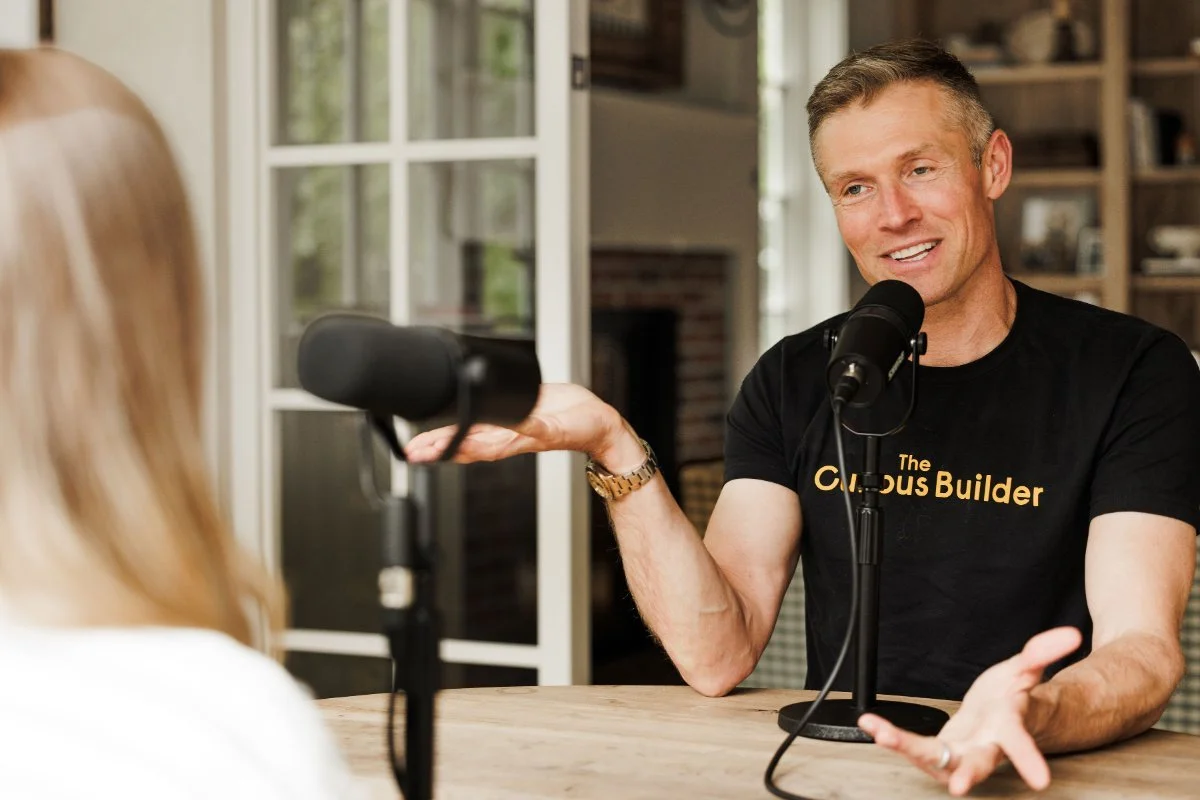
On The Curious Builder, we’ve noticed a pattern.The episodes people talk about months later usually aren't the ones with the biggest names or the most polished presentations. They're the ones where someone forgot they were being interviewed and simply had an honest conversation. If you're preparing to join us, or to be a guest on any podcast, here are a few unwritten rules I've learned after hundreds of conversations.
Table of Contents
Show Up Ready to Have a Conversation
The biggest difference between a good guest and a great one has nothing to do with experience. I've interviewed people who have built incredible companies but struggled to connect because they were too focused on saying the "right" thing. I've also sat down with people who admitted they were still figuring things out, and those ended up becoming some of the most meaningful episodes we've ever recorded.
People can tell when you're reading from a script. They can also tell when you're speaking from experience. I'd take authenticity over perfection every single time.
The Best Interviews Stop Feeling Like Interviews
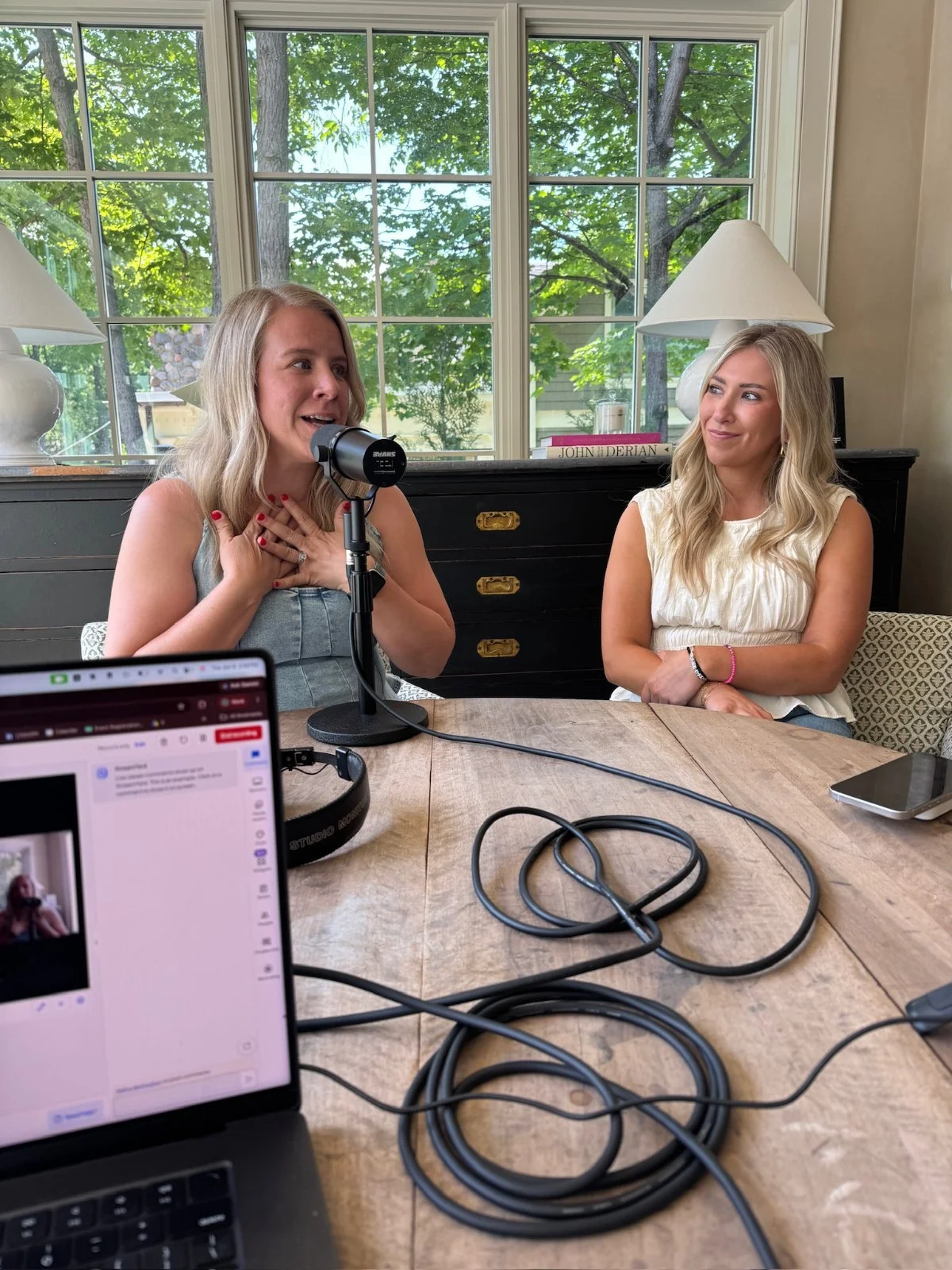
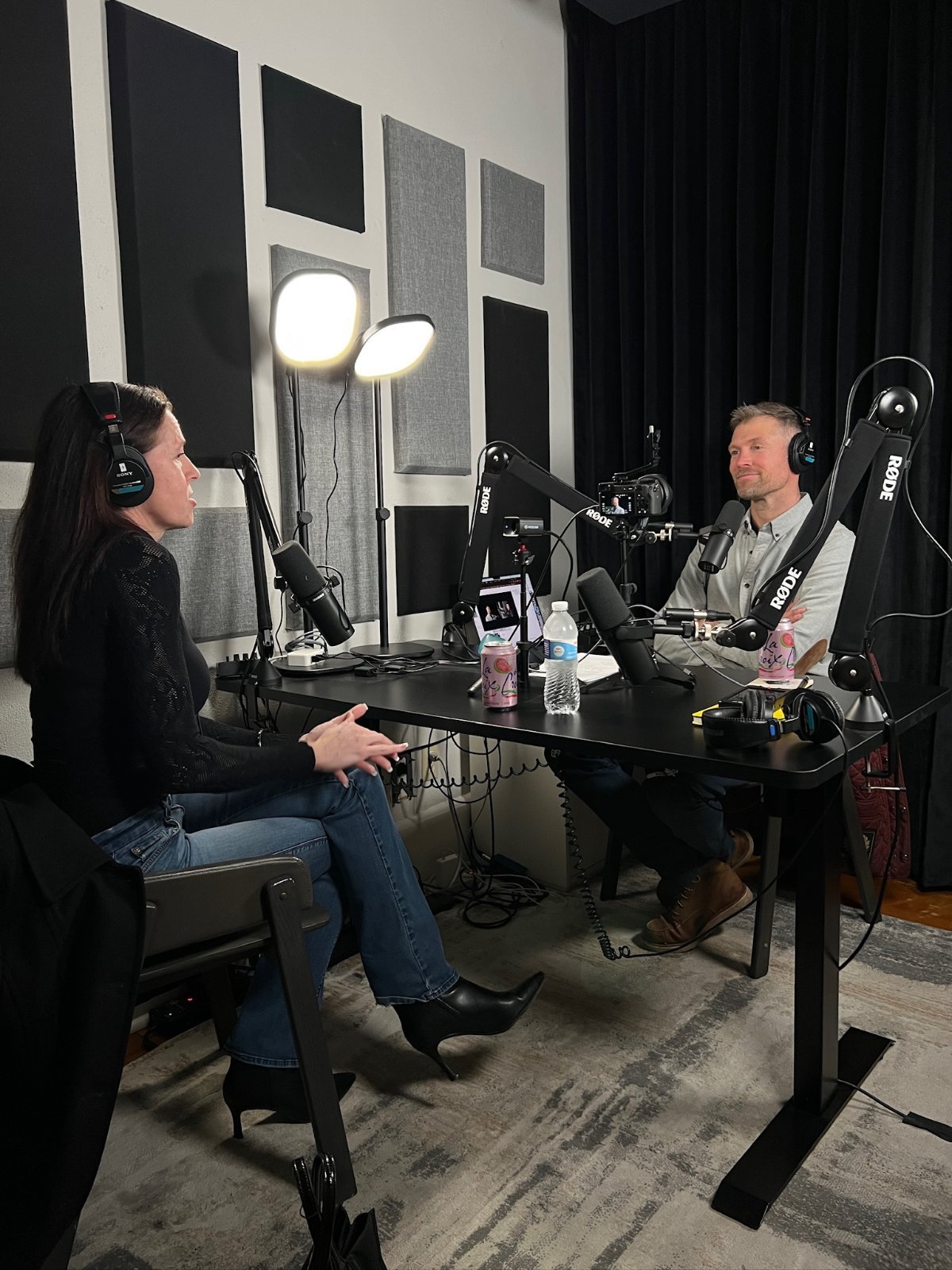
Somewhere in my favorite episodes, there's always a moment when both of us forget the microphones are sitting on the table. That's when the conversation changes. Instead of surface-level answers, we start telling stories. We pause to think. Sometimes we even change our minds while we're talking through an idea. Nobody's trying to protect an image or prove they're the smartest person in the room. We're just exploring something together. Those are the conversations I started this podcast to have.
You Don't Have to Perform
One of the first things I tell guests is simple: You don't have to perform. Most people who come on The Curious Builder aren't professional speakers. They're builders, architects, designers, tradespeople, and entrepreneurs. Their job isn't to entertain people. It's to solve problems. My job is to make it feel like we're grabbing coffee, not standing on a stage.
Stay Curious
One thing that's always mattered to me is asking better questions, not positioning people as experts who have every answer. I'm much more interested in hearing how someone changed their mind than hearing why they think they're right.
The guests I enjoy most are lifelong learners. They're reading books, walking job sites, trying new systems, talking with other builders, and constantly looking for ways to improve. They know they'll never know everything, and that's exactly what makes them interesting. Showing up curious means you're willing to explore ideas instead of defend them. That's a much better conversation.
Haven’t found us on Instagram yet? Now’s the time!
Your Biggest Mistake Might Be Your Best Story
It's easy to talk about wins. Everybody has projects they're proud of. But if you've listened to this podcast, you know some of our most impactful episodes come from conversations about mistakes, financial close calls, failed projects, burnout, or hard lessons that changed someone's perspective.
Those stories matter because they're real. Construction is hard. Running a business is hard. Leadership is hard. When someone is willing to say, "Here's what went wrong," listeners stop comparing themselves to everyone else's highlight reel. They realize they're not the only ones facing difficult decisions or wondering whether they're doing the right thing. Ironically, vulnerability almost always builds credibility instead of taking it away.
Don't Just Tell People What Happened
One thing I hope every listener takes away from an episode is an idea they can actually use. That doesn't mean every conversation has to end with a checklist or a step-by-step process. Sometimes the most practical takeaway is simply a different way of thinking.
Instead of just explaining what happened, explain why it mattered. Tell people what changed afterward. Share how that experience affected the way you lead your team, communicate with clients, or approach your next project. Even a small shift in perspective can change the way someone shows up at work tomorrow.
The Episode Doesn't End When We Stop Recording
One mistake I see is treating the recording itself like the finish line. It's really just the beginning. The guests who get the most out of their appearance continue sharing the conversation after it goes live. They'll post clips, include the episode in newsletters, send it to clients, share it on LinkedIn, or reference it months later when a topic comes up again.
Why? Because they believe the conversation has value. That's how great conversations keep reaching new people long after the microphones are turned off.
My One Rule Before You Press Record
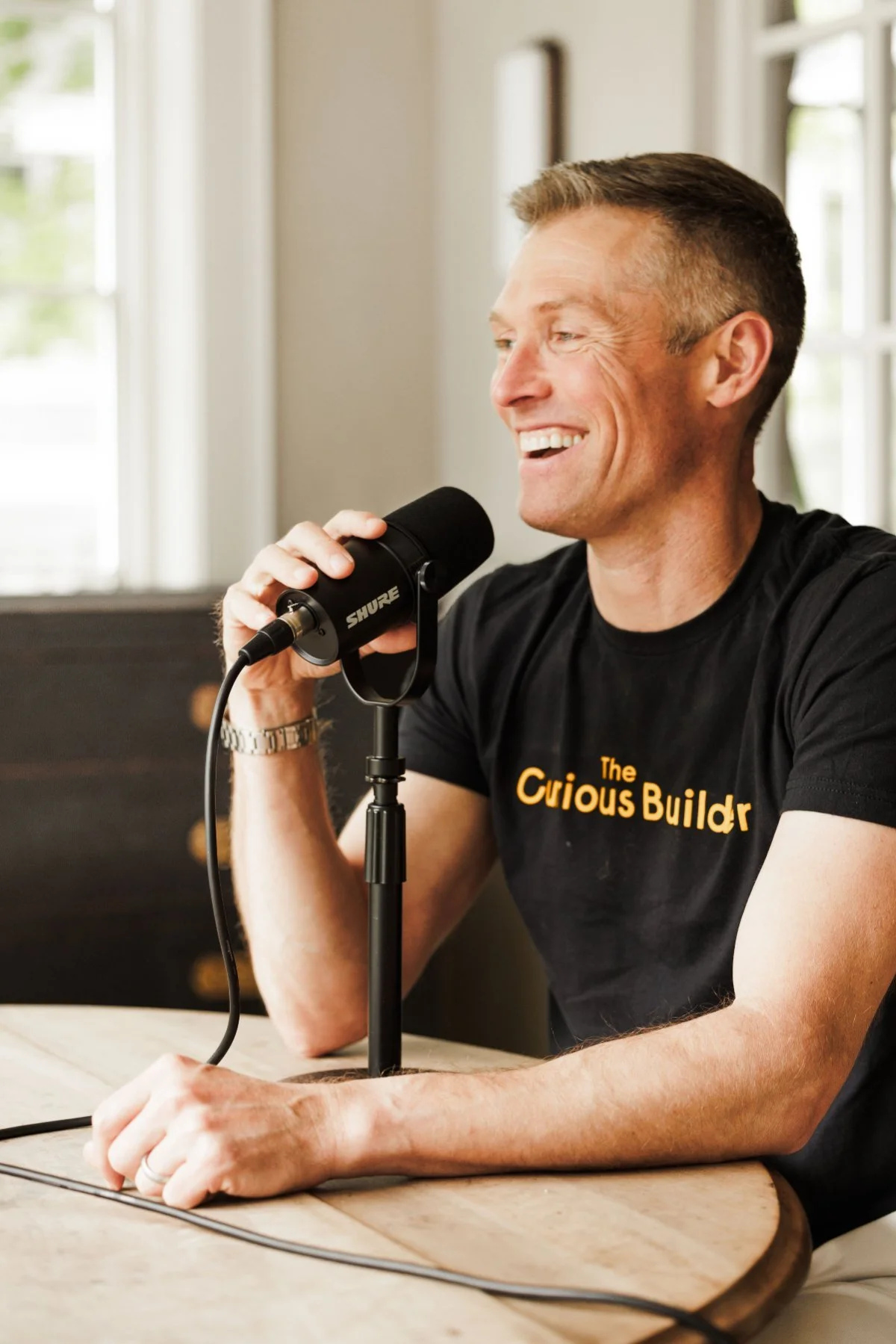
If I could leave every future guest with one piece of advice, it'd be this: Forget about trying to sound impressive. People aren't looking for perfect answers. They're looking for honest ones.
Come prepared to tell stories. Talk about what surprised you. Share the mistakes that changed your thinking. Don't be afraid to say, "I don't know," if that's the truth. At the end of the day, listeners will remember the guest who made them think, taught them something useful, and reminded them they aren't alone in the challenges of building a business. And to me, that's what makes a podcast conversation worth having.