Episode 163 - Stop Reacting and Start Designing Your Business — Renee Bush Explains How
#163 | Renee Bush | Tandem | Stop Reacting and Start Designing Your Business
What does a design strategist, a former Studio McGee ops director, and a single mom entrepreneur all have in common? They're all Renee Bush, and she joined Mark for one of the most layered conversations the podcast has ever had. Mark and Renee dig into the strategy behind branding, why consistency builds trust faster than talent alone, and what it actually looks like to stop being the bottleneck in your own business. Fair warning: this one will make you want to redesign your entire client experience before the episode is even over.
Listen to the full episode:


About Renee Bush
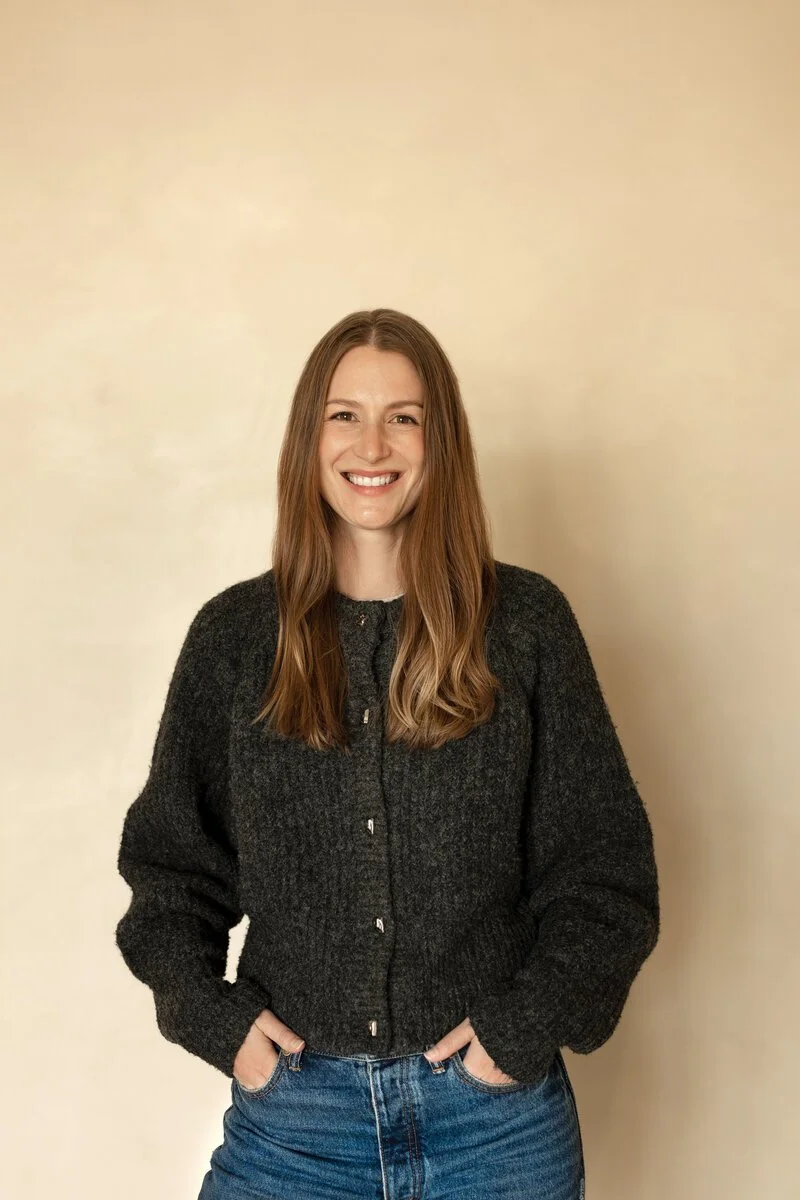
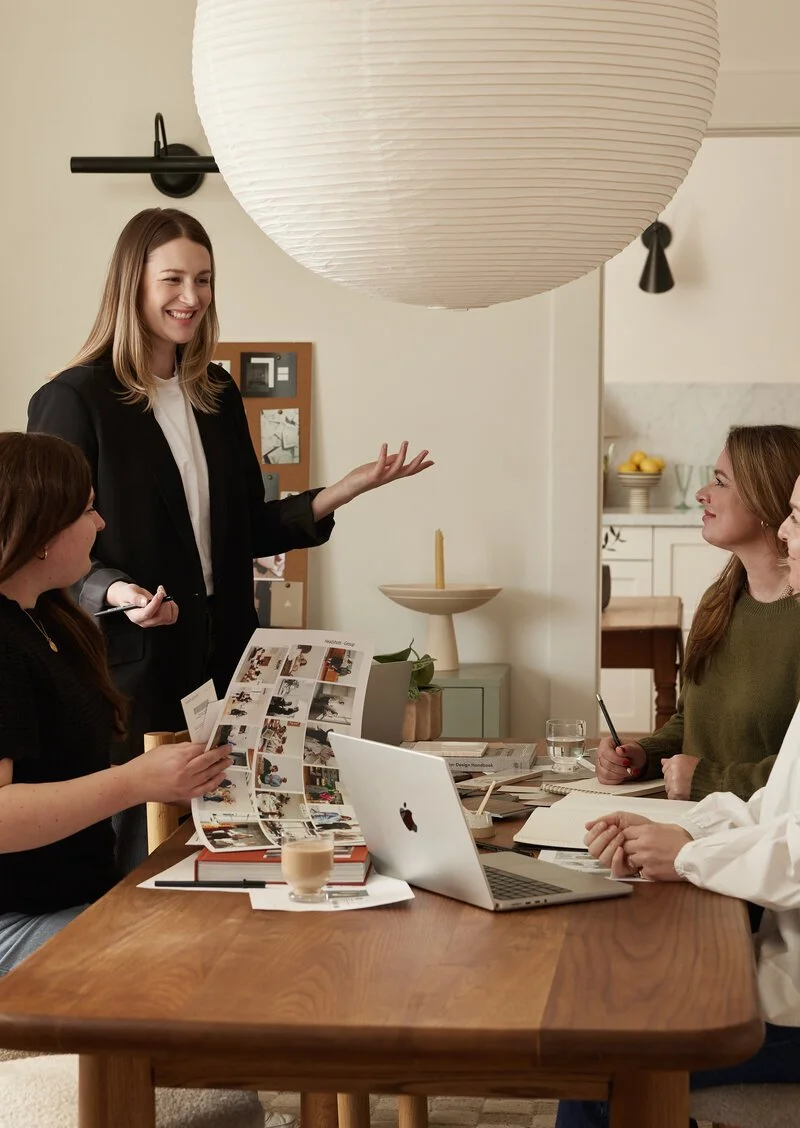
Like many of her interior design clients, Renee has always been drawn to design, from rearranging her childhood bedroom to pausing favorite movies to study the details of the background scenes. Her first step into the design world was as a project manager and producer for a well-respected multidisciplinary design studio in Salt Lake City. There, she led campaigns and events for national brands like Adobe and Nike, managing projects in New York, Las Vegas, Berlin, Sydney, and beyond. It was in this role that she mastered the art of managing the creative process and running a successful design business.
Driven by her passion for creating thriving business environments that balance creativity, productivity, and profitability, Renee transitioned from brand design and marketing to interior design. She joined Studio McGee as the Director of Design Operations, where she quickly realized she had found her niche. After several successful years at Studio McGee, Renee ventured out on her own, earned an MBA, and founded Tandem to consult with interior designers nationwide.
Having spoken at industry events, been featured on prominent podcasts, and collaborated with some of the industry’s most innovative talent, Renee has a deep understanding of the interior design world. She is a business-minded problem solver who knows how to uncover the core of any issue and deliver creative, actionable solutions.
When she’s not working, Renee enjoys spending time with her two daughters, hunting for unique treasures on Facebook Marketplace to update her mid-century rambler, sipping Earl Grey tea, or planning her next adventure to destinations like the Cotswolds or Portugal.
Resources:

-
Mark D. Williams 00:00
If you're looking to level up your business in 2026 and beyond, please consider a contractor coalition, amazing people, incredible builders from all around the country. We are coming up on May 1 through the fourth in Denver, Colorado, on Friday, which is the opening kickoff of that event, we are going to do a tour of a construction instructions warehouse and their whole facility where they test products from all over the world, in Colorado and Denver. We're also going to do a tour of alder view construction's beautiful homes while we're there. And then that evening, we will kick off the event for Denver. That is May 1 through the fourth then our second event of the year will be a one day Crash Course. Will be September 15. Ian Minneapolis, Minnesota. This is really meant to be a much abbreviated version, but obviously at a much lower cost. And then our last three, four day event of the year will be Ian Charlotte, North Carolina, on November 6. For all the details, please head to contractor coalition summit.com you
Renee Bush 01:03
i All of these things. I mean, that's why you have this podcast like these are not easy things. I think being an entrepreneur, the hardest parts are not what you expect. Again, just like being a parent or just like getting married, everyone tells you how hard it is. You cannot understand it until you're doing it, and at the same time, the benefits and the reward is so worth it today, in
Mark D. Williams 01:29
the curious builder podcast, we had Renee bush in from tandem out in Salt Lake City, and we had an amazing conversation. She's a founder and a principal strategist, and we haven't had many people that have a business operation like Renee, and it was really fascinating. She helps, specifically, designers. You've heard that there's riches in the niches, and I think she's like a magnet. She draws these designers to her to scale up and to level up. And so if you're interested in how a strategist thinks you're going to love this episode. Without further ado, here's Renee bush. Welcome to the curious spirit Podcast. I'm Mark Williams, your host. Today we're going out to Salt Lake City. Salt Lake City, Utah. We've got Renee Bush, founder and principal strategist of tandem. Welcome to the show, Renee, thank you.
Renee Bush 02:09
I'm so excited to be here. Just yeah, love talking about this kind of stuff. So excited to dig in.
Mark D. Williams 02:15
I love, you know, it's funny. I love, I've become like, a total fanboy of branding. And I feel like strategist is like the colorful version, wait, strategist is like the black and white version of what I think we term branding and storytelling. So like, you are like, how we actually do it? But I just love, I don't know, maybe I've always loved it because it's really an extension of marketing. But yes, I have really just taken off for both my businesses when I re zeroed in on brand. So a big part of what I want to talk about today is we haven't had really somebody like you on the podcast before. You're essentially a design strategist and consultant for designers only, which I think is really unique and cool. Yeah. So why don't we start there we are thing our mutual friend Melissa oland, who's helping me with our Misa, who's project I had, told her I was doing the smile to her. So we're coming down. I think this is one of the last interviews on the West Coast. Actually, as luck would have it, I've been in Utah for the last five episodes, but Stephanie Daley from you know Stephanie, so she's coming on like an hour after you, because I'm doubling up because I'm gone next week for spring break with the kids. So anyway, I'm loving my time in Utah.
Renee Bush 03:21
Yeah, Melissa is amazing. Super excited that she connected us. She's such a talented designer. But, yeah, I would say that, like, when it comes to strategy, I think a lot about that as, like, the pre work to the branding, and I think that, like, it's so related to how interior design works. You know, I think that, like all of the pre planning, the pre construction, the architectural drawings, all of that kind of stuff. That is kind of what the strategy is for your business, and the branding is like the final result, like all the like finished selections and everything. But we can't make those choices. And we don't know, if you're designing a house, you don't know what choices to make, unless you know who's going to live there, how it's going to be used, all that kind of stuff, and we have to figure that out first. So that's where strategy comes in. We start with that, and then we're able to pick all the other things. And it's funny, you mentioned that your business really took off when you started to invest in in branding. Because I think you followed me on Instagram, and I immediately noticed your logo, and I clicked on it and went and sent a message, like, oh, like, recognized you. And I feel like those are the things where it's like, you really stand out. Because it felt, oh, wow, this looks like a really polished person knows what they're doing. I want to go check out more.
Mark D. Williams 04:34
So really, thank you. It was out of curiosity, because we have three businesses. Was it Mark Williams, custom homes. Curious builder or Misa,
Renee Bush 04:41
who's it was the custom builder?
Mark D. Williams 04:44
Okay? You know, it's funny. I think building is sort of dominated stereotypically by men in terms of, like, the role. I mean, there's obviously lots of women that do it, and husband and wife teams, of course, but stereotypically and designers are completely dominated by women as a stereotype. And then architects are. Kind of a mixed bag. It's becoming I heard like, now it's like 6040 women in architecture school. So the only reason I bring it up is I feel like, in general, men are not as stylish as women. And so every time that I've done a design refresh or design brand, it was my wife who told me to do so. And before I was married, it was my mom who was an interior designer, yeah. And, you know, I guess, kudos to the women in my life. I guess I'm a better listener than they give me credit for. Because, you know, most I think of it a little bit like clothes, like, it's, you look down, you look in your closet, you're like, I've actually had my favorite sweater for 10 years. Or this is probably a very guy stereotype, but it's like, you know what? I could probably use a refresh. But sometimes you need someone to say, Hey, you're not in this is going back to brand. My wife basically told me, I think we did a brand refresh 2020, so it's six years. Wow. And basically she said that the homes that you're building no longer reflect, or, sorry, the brand that you represent are no longer representative of the homes that you build, because we had always done high quality but our clients had taken us to a new strata, but our brand sort of felt like it was left behind. And so like, I think a lot of us sort of forget how often we have to sort
Renee Bush 06:10
of refresh Absolutely. And I think that the our branding and all these different choices that we're making every day, they create a perception, whether we want to or not. When you go and someone, you hear there's someone's name, a designer or someone emails you out of the blue. Like, how many times do designers get told you need to network with builders and reach out to builders? And like, I'm sure you get emails, but it's like, you know, every now and then one of them is written personally and feels like they know someone you know. And you click on their website and it looks super legit, and you're like, Oh, I've never heard of them, but that this person seems cool. This looks like someone I'd want to work with, versus the like, you know, very kind of sterile spam email. And then you go and the website looks kind of crazy, and you're like, I'm not even going to really respond. And the talent could be the same. Like, we don't know, you know, it's just the perception that you create.
Mark D. Williams 06:56
Ian, 100% I think designers are light years ahead of builders, for sure, and maybe it's the struggles you run and, yeah, I mean, I you look at, we'll use our friend Melissa oland, right? Yeah, you know, you go to her website, like she's and she also, you know, kind of that, that saying of niches in the riches, like she benefits from being very traditional, like she has a very clear idea of who she is and what she likes and what her design esthetic is. But I also think of like Julia Miller from Ian, who I've worked with, worked with, and like, they won't take jobs, or at least they won't publish the jobs if they do take it that aren't in line with their brand. And it's so smart, because it's like a magnet, it just attracts more people to that brand. And you and I think builders, in some ways, it's hard for us to be so specific, because, and I can only speak for myself, like I have a very diverse personality, like I'm happy to do contemporary or modern or traditional, and so, like my website will will show a plethora of different styles, but I think the brand is somehow how it ties it together Absolutely.
Renee Bush 07:55
And the more you can create that consistency, because consistency is what builds trust. And so I think that if someone, if someone, if I'm working with someone, that doesn't have a very defined esthetic, for example, then I want to find something else that can be consistent. So then I'm going to look for like, is it your quality standards? Is it your process? Is it the way you approach every project? And then maybe to support that, I'm like, let's consistently shoot with the same photographer. Let's use the same stylus. Let's make sure that even if the homes are really different, we use everything else that we have control over to create that through line and that consistency, and then even telling the story a little bit of like, you know, if a client is looking at your portfolio, and if you have a signature esthetic, they're going to look at your portfolio and love everything. And that builds trust. They're going to be like, Oh, I love everything you do. I'm assuming I'm going to love what you do for me. If the design is kind of very different and all over the place, then they might be like, Well, I love this project and I hated that project. So how do I know that you're going to make something that I love? So then maybe that's where we put like on the website. Each one has a testimonial from the client, saying, This is exactly what I wanted. If every single person says, Hey, you made me exactly what I wanted, then we create that consistency that they're going to get
Mark D. Williams 09:08
exactly what they want, you know, on your website. And I huge kudos to you, because I just think it's funny how the simple things, I mean, it seems like the wisdom. You're like, wow, she's amazing, and you likely are. But a lot of times it's simple stuff, right? It's like, it's an old saying, right? Begin with the end in mind. And yet, sometimes we need clarity, especially when we're wrapped up. Sometimes, a lot of times, business owners, I imagine, designers like builders and architects, you know, a lot of our self identity, self worth, personalities, tied up into our business, and so we have a hard time separating the two. And sometimes they're not meant to be separated. But you get where I'm going with this, and I love what you said. You said, and I have to read it here. It just says that your company's core principle is designers deserve a business that is as intentional as the space they create. And that really, that really resonated with me because of, like, the examples I just use of Julia and Melissa, like, it's very clear that is. Intention, and their intention is what, as I can tell you, as a business partner, not as an end user who's hiring them, but as a builder that's hiring them, which is, I assume this comes up in your quadrant of like, who are they working for? Is, I'm attracted to people that are organized because they make my life easier. They make the client process better. You know, talent is important, but honestly, if I had to choose between communication or talent, I would pick communication all day long.
Renee Bush 10:27
So would many clients. Many clients would say I would rather go with a slightly less creative designer where I feel confident I'm going to get a more consistent outcome right, like I would rather invest in the sure bet. And so our job as a business owner is to understand how can we show up as a sure bet. And then to get even more sophisticated, how can we show up as a sure bet for exactly our ideal client, doing exactly what we already do best, right? So we need to understand those things. So let's
Speaker 1 10:58
go back to the beginning. How long have you had tandem?
Renee Bush 11:01
I've been doing this almost six years,
Mark D. Williams 11:04
so quite a while. Yeah, right before covid. That was fun. How so you worked with studio McGee for Director of ops beforehand. How long were you there for?
Renee Bush 11:12
I was there for a couple years. So I was there when, you know, Shea was really transitioning from really in the weeds to, like, the executive creative director role, where she really is now. I mean, this was, we were doing tons of projects really starting to focus on primarily full home. It was right before and during they had the show, and they were working on the book, and there was the target collaboration, like all that stuff was kind of in the works. And so I, when I came in, it was really about helping take some of the like, really pull Shay out of all of the weeds and allow her the time to kind of go after these other endeavors, which helped them to scale. So I did that for a few years, and then honestly, kind of got to a point where, you know, the team was really functioning really, really well. And I think it was in that role that I learned that I'm more of a builder than a maintenance man, right? Like, I feel like both are really important, but I like to solve the new problems. And so it was like, once we started getting to a really good rhythm and flow, I was kind of like, you know, I think I just want to go and, like, solve it
Mark D. Williams 12:15
for new people. You know, I just thought of my wife as a physician. You're the ER, Doc. You're like, you need that. You need, like, you want to solve drama. Yeah. Like, you're the ER, like, once they go, you get stabilized. You're like, yeah, they need care. But like, I need the energy, you know. Stat, I need branding. Stat, we're hemorrhaging dollars to the, you know, this marketing fund.
Renee Bush 12:35
New challenge, and I definitely, I typically, even when I work really in depth with people, I rarely work with them longer than six months, because I feel like six months is really the maximum amount of time. I want to, like, dig deep, and then we need to, like, let it simmer. We need to, like, let it implement and see what happens. And a lot of my clients I've worked with over years, but it oftentimes is just like, you know, quarterly or every six months, or once a year. And I really don't think with strategy. I think like you, you called this out that we want people's businesses to be as intentional as the spaces they create. Most of the time, people do not take any time to even think about it. They just react and go. And we don't need to take a ton of time. It's just some time and making a plan.
Mark D. Williams 13:21
I mean, that's so funny to say that, because I literally today, when I saw my mind just races, like a lot of people, and I just realized that, I think it came up in Dan Martel's book the buy back your time, which is kind of our book in q1 here is, you know, we're addicted. Entrepreneurs in general are addicted to the ER, they're addicted to the fast pace and like, what's next? We need to solve a problem, and that's our superpower. It's not that, I think it's it shouldn't be ignored, because it's amazing. But we also don't need to create. We don't. It's okay for rest, it's okay for downtime. And I think I know I'm super guilty. This is, which is why I'm bringing it up, is I, for a long time, have had a job, not a business. And it was explained to me, I've been building now for 22 years that, you know, are you working on the business, or is the business working on you, or are you working on the business and and I have found so much value. So today I went out before, about an hour before this podcast, and I went out the next six months, and I blocked out, you know, like half day Fridays to just like recharge. I kudos to Caleb McDonald up at he's a builder up in Toronto. He told me this couple years ago on the podcast, and I'll share it again, because it's so meaningful. Once a month, he says he's out of office. He takes a train into Toronto proper. He dresses a little bit differently, and he just works at his favorite coffee shop to strategize. I just thought that was so brilliant to get because, you know, we so we get used to going to the office, and sometimes we just need to just switch it up a
Renee Bush 14:49
little bit. You have to carve it out. And I think that's something people forget, you know, that you literally just do it and then everything adjusts around you. And I think that people always wait for, like. Like, the time to appear. They wait for the magic to kind of happen. Instead of it being like, you have to kind of make it you have to make you carve out the time, and then everyone else adjusts around you. If you sit there and just like, wait for it, for everything to slow down, for you to take the time, it never will correct me if I'm wrong.
Mark D. Williams 15:19
But I think, you know, I love athletics, and sometimes paying for a coach, it's an accountability, like, you know you're paying for it. So then you show up. Do you find that your clients that they absolutely, you know, when they realize that they have a problem, so they come to you and they hire you, they also realize, well, now I'm paying Renee now to, like, create this intentionality. And honestly, even if nothing else happened that alone, I think would be worth it.
Renee Bush 15:43
I absolutely think alone that's worth it. And I mean, I see the changes that clients make, and I've hired business coaches myself. I think any entrepreneur should, but I think that like, not only is it the carved out time and the accountability, I think also it's holding up the mirror, I think somebody outside of you can always see you better than you can see you, and I think that you have to pay for that perspective, because how can you actually understand reality? We always understand our point of view, but we can't, we can't see our phone faces. So we need that perspective, I think, to be self aware and to understand what we're really doing. And then I think it's also just like the insights, like sometimes when I'm coaching with someone, or even just doing a podcast, like, you can get one to two, like, golden nuggets out of each thing that you do that can radically change your life, your business, the amount of money you make, your complete lifestyle. And it's always to me, I find it's the smallest things that make the biggest impact. I am rarely going into someone's business and being like, let's overhaul everything and change you as a person, right? I'm going to go in and be like, Okay, this is how we're typically working, and this is where I'm seeing a misalignment, that you're saying this, but you're doing this. You know? What's easier to fix is it easier to change what we're doing or easier to change what we're saying? That's different for different people. But I just think that people sometimes want this, like, crazy change. They want to spend a bunch of money and get, like, this huge, massive thing. And I'm like, sometimes you got to invest the money, and it's the smallest change, and it actually still makes the biggest impact.
Mark D. Williams 17:13
Amen, I was going to ask you, you've done this now for six years, what are some, I guess, two part question. One is the designers that seek you out, is there some commonality? What attracts them to you specifically, and I don't know much about your field, is there is your field for design only? Like I work with a brand strategist here locally, but she works with all kinds of companies. Yeah, yours is very specific. Very specific. How I mean, is there a lot of very specific design strategist, brand consultant, coaches, like, I mean, you kind of like, check a lot. You're like, The Wizard of
Renee Bush 17:49
honestly, that is kind of what, where I do specialize. I think the industry is my, like, very specific niche. I think that I really work primarily with businesses that are looking to grow into that, like three to $5 million space. So even if you're not there yet, it's like, if that's kind of the target, that's really where I specialize. And I say that because there are so many different designers, and I think that, like, I want to grow, I want to scale. I don't want this to just be a hobby, I think is really important. So that is really where I specialize. But then when it comes to the business, I feel like I am a bit a jack of all trades. But I feel like designers in that niche are too. They are also trying to understand PR, trying to understand branding, trying to understand processes and how to be a leader. And, you know, they're not going to grow big enough where they can have a huge leadership team that manages every single thing they need to be the one that understands all of this. And as a consultant, I love that I'm able to offer a very holistic view of the business, rather than them going and working with all these different people telling them different things, I feel like what I can offer is looking at all the different facets of the business and then helping give recommendations holistically. The reason that my business really started the way it did is because I was doing a lot of operations work, but then in order to help people with their process, I would be like, well, what are your goals, what's your strategy? Who's your ideal client? I need to know these things to figure out your operations and your processes. And then it was like, Oh well, if that's your ideal client, your branding is not going to attract that person. And then, oh well, your goals are to elevate your business well, or you want to make more money, we need to raise the pricing. If we want to raise the pricing, we need to increase the brand perception and the value. You know, all those things are so tied together, and I think that people often put them in a silo when they're extremely connected.
Mark D. Williams 19:52
This episode is brought to you by Pella windows and doors. I've used Pella for 21 years as the exclusive window company on every one of my builds. When people ask me who I trust for windows and doors, it's Pella every time, their craftsmanship, their innovation, the top tier service, make them a no brainer for any custom home builder or designer who demand the best, whether you're designing something bold or building something with timeless elegance, Pella has you covered. They're also the only window company that has a lifetime warranty on all of their windows. I've gotten to know all their people at Pella corporate, as well as locally. Here at Pella Northland, I'm proud to call them our partners and our friends. Visit pella.com to learn more and connect with your local reps. Today for more information, you can also listen to episode one, where I interview the Pella Northland founders, as well as episode 109 where we talk all about their latest innovation with the study set window. I like the word lifestyle, and I started, I don't know how many years exactly, let's just say a decade ago. It rather than asking a client, you know, how many bedrooms do you want? How many square feet do you want? And all that they don't know. They don't know. And like what it might mean to us as a creator and as a you know, we build so many homes. So, like, we get that means something tangible. That's the, you know, that's the that's the what, it's not the why. And so what Jude Charles was, he's a documentary filmmaker, he's beautiful person. And so he has this term called road mapping. I call it lifestyle mapping, which is really just, like, tell me about the lifestyle that you envision for your life. Like, actually, you know, one of the things like it said, your dream destination is the Cotswolds or Portugal. Like, you know, from like, a personal level, like we when we try to get to know people, we ask them personal questions, because it helps sort of fill in who they are. It helps them, for us to connect like, you know, we might, I know that, for instance, you like Earl gray tea.
Renee Bush 21:36
I'm sure there's a snow which I had in the Cotswolds. And now, every time I have it, reminds me of
Mark D. Williams 21:40
that, and I love it, yeah, and so like, but the reason I bring it up so specifically is, I think, I think sometimes correct me if I'm wrong, but I think your job with your clients is to tease out of them things they already know, but they're just not aware of it. And, and, and maybe it's reframing, maybe it's because there are already so many talented people. It's just really, how do you sort of, again, I like those little I like your concept, like, it's just a little
Renee Bush 22:04
subtle, subtle shift, yeah. And I think also giving people permission. I think, you know, I think a lot of people know what they want in their gut, but they're scared to say it out loud. And more than that, they're scared to claim it. They're scared to feel and I think, you know, you were kind of describing that oftentimes builders can be men, and designers can be women. And I think that that's a big part of a lot of what I'm doing, too. I think there a lot of the not, I don't exclusively work with women, but a lot of the ones that I do work with, I feel like a lot of people are people pleasers. A lot of people are perfectionists. I think this industry, the interior design, really draws in people who can walk into its face and see how it can be better, and they're great at big picture and small picture, and they might have ADHD and, you know, it's, it's some of these traits that I think I know guilty, but I think these traits can sometimes discourage people, or they can be made into feeling like weaknesses when I'm like, no, no, these are your strengths. And as the leader of your team, we want to polish these things about you while we set boundaries and create structure around them to protect you. And then we want to be hiring other people that can support right? So none of those things are a bad thing. And I think sometimes people, they kind of think that they are, whereas I'm like, no, no, people pleasing. That's what makes all of your clients happy. But let's have boundaries around it. Let's create structure to protect you. You know, are things like that?
Mark D. Williams 23:29
Yeah. I mean, I'm big on that. We we talk about all the time at contractor coalition, I talk about our cures, builder collectives, you know, boundaries. In fact, I have a whole hour presentation about boundaries create freedom. Yes, and you know, if you don't, you know, for me, personally, I have three young kids, it's really important that every day we have dinner together. So every day I pick up my kids at five, we have dinner at 530 like I don't work at night. That's a boundary for me, you know, maybe someday that will change, but likely not. I'm a morning person. I honestly, any email I send after four to 30, I question the sanity of what I'm writing anyway.
Renee Bush 23:59
I am not a morning person or a night person. I'm like, I want neither of those. I want to work right in the middle of the day. But, yeah, I feel like that's when my business completely changed. I think getting to see inside so many different entrepreneurs businesses, which I think you kind of get the same you start to see patterns in them, and then you start to see them in yourself. And I think that, like, it's a lot easier to go into someone else's business and say, Oh, well, you just need to have boundaries. Oh, you just need you just need to do this. You just need to do that. And then you go home with yourself, and you're like, Man, I really need to be doing a lot of this stuff. Like, again, everyone can say, charge more. Know your worth. Do these things, but it's really, really difficult emotional work to see those things that actually make the changes. But when I started truly having boundaries around my time, when I started really understanding what I had to offer, and I started putting myself first and my the lifestyle I wanted, and then I fit my business to that, that's when everything opened up. I had to start charging more to make that work. I had to start delegating more to make it work. It forced me into a job now that, like, you couldn't pry me out of if you tried. You know, it's amazing.
Mark D. Williams 25:07
I mean, like you said, we were talking before about this, you know, just about the key parts of buy back your time. I mean, literally all the things you just said, you know, the first thing you know, Dan talks about in the event is, like, you know, having an assistant, or, like, basically buying back your time just mean. And I used to have a toxic relationship with scale for so long, I thought scaling was I wasn't afraid of delegating. I've never been that's never been my personal issue. It's the idea that, like, what is the point of just getting bigger to get bigger? And so, like, I I mistakenly took the word scale and replaced it with the word big yes. And because I'm a scrappy entrepreneur who, kind of, I mean who, you name one entrepreneur who doesn't view themselves as David. They don't want to be Goliath, they want to be David. They want to be nimble and flee to foot and so but like that doesn't mean that scale. It just allows you to have a life and to do the things that empower you and stay in your supercharged lane. And that's what I got out of the book. Was like, how, like, what is your Well, let me ask you this question, what are the what are let's call two things we're doing this live. What are the two things that you're what are your superpower? And let's talk about two things that you either need to delegate or have delegated because they drag you down for your
Renee Bush 26:21
your business. Okay, well, I think my superpower number one problem solving. I think I'm a really great problem solver, and so I think that's what I like to spend most of my time doing. And I think secondly would be probably understanding the like with problem solving. It's like getting to the core of it, like, I think that there is a difference between giving someone a solution that is, like the band aid for the bullet wound, versus like digging past that to the actual problem. So I think I'm really good at those things, and just like helping people feel seen and understood, I think that there I have to tell people a lot of uncomfortable things. And I think being able to do that in a nuanced way with like kindness and respect. And you know, I when I'm working with clients, I always like to help them understand with their brand what I call the emotional or the intangible deliverable, right? Like I always tell people, people don't go through a renovation because they like dust, right? They're doing it for an emotional reason. They don't just want to deal with the inconvenience. So how do we understand, like, what is the emotional deliverable that we're giving our clients? And every one of my clients, it's something different. Sometimes it's peace of mind, sometimes it's confidence in the decision. Sometimes it's it's fun. We're popping champagne and we're it's a fun experience for me. I want all my clients to leave working with me feeling excited, because I think that, you know I was gonna say this, but like, I think that while time is our greatest asset in this industry, our greatest asset truly is creativity. And creativity comes with spending time. But I think that like when people are inspired and energized, they have more creativity and they have more inspiration, and that is really the product. So when I can help get people more energized and excited, Ian then help them create more inspiration, which then is going to help them make more product that then we
Mark D. Williams 28:16
can sell. I mean, it's, it's funny, because I think, you know, if you look, you know, I don't know all the designer things, you know, there's high point and low point and midpoint and all these different points, round, top, low down. I mean, they go into Europe and like, but there's something about travel, and I should just speak for myself. But I think this is true. Most people like travel. It you see new cultures, you see new things. You get challenged. You're like, Ooh, I want to bring that back. And it makes the it makes your home. It makes your design, it makes you, it makes your business. It just more it's more diverse, it's more colorful, it's more interesting, and also just creativity, like you don't know what you don't know. And I love, I think people inspire us. Stories inspire us, places inspire us. But I actually it's like, but it's hard to if someone was to tell you, like, you need to go get inspired right now. Like, good luck. That's not like a It's not like a training like, I can schedule a five mile run. I can't schedule five minutes of inspiration. Like that doesn't really work well.
Renee Bush 29:16
Like, going back to your question before too, where it's like, what have I really delegated so that it allows me more time for problem solving? Because I think that kind of ties in with what you're just saying. But I think a lot of it is, like, the things that need to be done consistently. I'm not good at any of that stuff. I am great at again, like, I'm great at project managing, I'm great at solving problems. I'm great at, like, vision, I'm good at, like, lots of things. I'm confident in that, but like, making sure that, like, the payroll gets paid every time on the right No, I don't even know when that happens. I don't, I'm not going to be good at that. So I think, like, things that, like, really happen consistently. Kind of, like, if I have to go to the bank and, like, wait for the bank person to do all this stuff, I'm, like, my brain is melting and I can't handle it. But, like. Like, I feel like I started being like, Okay, I'm delegating a lot of this really consistent time. I'm spending most of my time on the problem solving, and then I'm really focused on creating those buffers so that I have the time and space to just kind of not know what I'm going to do, whether it's planning travel and being like, Hey, I'm blocking off these days. Or, you know, I'm really big into time blocking my calendar. I feel like that is something I'm like, I feel like has changed my life. But being able to say I am full up at 50 or 70% capacity, I am like, right now I really only take meetings on Tuesdays and Thursdays, and then sometimes certain meetings on Wednesdays. Because of that, I must always have Monday and Friday and most day Wednesdays free. But if someone is like, can you squeeze me in? I'm like, No, I got no time. My Tuesdays and Thursdays are full and like that has really allowed me to be able to have all that time and space to like again, whether it's planning trips or going to the coffee shop or doing all that extra stuff that allows me to, yeah, be a better problem solver, be better at all the stuff that I feel like I'm really good at. Time blocking
Mark D. Williams 31:08
is interesting. We could go down to, we're gonna do a whole podcast about time blocking, honestly, because I think, do you find this like, I'm always interested how other people time block, because you're like, Ooh, is there something that they do that I can adopt into mine? And I've done it before. I interviewed that honestly, this podcast has been super helpful for me as a person, as a business owner as well, because shout out to Jackson Swartz. He owns Hennepin made a custom light fixture company here in Minneapolis. I interviewed him, and he said that most people take time off around the holidays, but he also schedules one week off for his whole team over the Fourth of July. Oh, we do that, yeah. And I was like, as soon as he told me that, I immediately went into my account. Because if you know about it six months in advance, but you just plan around it, not a big deal. Totally easy. But, and you tell people that that don't they're like, Oh, my word. How do you guys take it's like, well, it's actually you guys can build a house. You can design anything. You just plan around it. And guess what? You tell your clients, you tell your people, it's not a big deal. It's pretty
Renee Bush 32:05
all about creating expectations. And I think that's so time blocking calendar or, I guess even process and operations. One of the things that I would say I'm, I'm quite passionate about is like finding the lowest common denominator. I like to make things easy. And I think a lot of times operations, people can really over complicate. And a lot of my clients, I'm like, There's five people on our team. Like, we don't need to have the most sophisticated, complicated thing. We just need just enough structure to keep us, like, kind of straight and to allow the creativity, but not so much that it starts to stifle it. You know, it's kind of like you're building a fire and you got to leave, you got to leave the breathing room, but, like, not too much, not too little. So with that, I'm like, I am not someone who's going to time block my calendar with, like, one hour for this, one hour for this, and put every single task instead. I always have a Monday morning meeting with my team. It's only allowed to be 30 minutes. If there's conversation that needs to happen deeper, then it's like, Great meet after and you guys do that, but we're going to go through all of our projects. Then I always do a creative review. I look over all the creative with my designer. She always knows exactly when she has access to me. We batch everything, go through it in 60 minutes. We're good. We do that on Mondays and Wednesdays. Then we do another team meeting every Thursday where we go through the status of every single project. Then my admin takes all of that and she writes a status update email for every single client on Fridays. So I don't have to do that, because we can just download and then we do, I typically do all client meetings Tuesdays and Thursdays, so those are back to back, but I'm able to show up ready to go. I jump from meeting to meeting to meeting, and I don't plan on getting any work done outside of prepping for meetings, doing meetings, etc. And then if I do a new client kickoff, I'll often do those on Wednesdays, so I have the whole day to focus on prepping for that. And like, that's my structure. And now I have Monday afternoons are almost always free. Fridays are almost always free, even if I put something there. You know, it's that like, but then when my kid is sick and I have to go pick them up from school, I just move everything from Thursday to Friday. And it's not that big of a deal. You know, I used to have it where I was so full up that, like, if one tiny thing went wrong, it would just cascade for weeks.
Mark D. Williams 34:17
Have you gotten past I still, I'm pretty good at it, but I still have a guilt complex, and it's probably my people pleasing side, where someone's like, Can I meet you for a cup of coffee? Can I pick your brain? Now, honestly, we have, you know, we have, like, a one to one consulting for some of that stuff on purpose. You know, if you met with every single person that wanted to talk to you like, we have to get paid and like, or I, you know, one of the ways I solve it is, I just say, you know, we do so many events, and it's kind of like, if people show up for you, you're much more willing to show up for them totally. And it's not, I don't, it's not meant to be a pay for play, but like you have to put, you have to do some sort of boundaries in your life. And so anyway, I guess my root question to you is, how do you how do you balance, like, being a good human? Ian and helping people, when people helped you, because I get that question a lot for myself and from others, you know, so like, well, people don't know what they don't know. And it's like, you know, it's not that you don't want to take the meeting, but you're like, man, what am I going to fit this in? And you're not. You're it's like, you're like, when people send you an email, they've just transferred their to do list to you. And I have a very toxic relationship with my email, and I struggle with it. No, I know I'm, I'm, I love communication, and I very much value it. Well, no, I very much value communication. Like, I find it very disrespectful if, if I email you and you don't email me back, whatever it is, and I get and I'm not super offended by it, but my point is, is, like, I will rule out a client, or I will rule out someone I work with because they don't respond in a timely manner. Now, timely means different things for different things, so
Renee Bush 35:51
that's just a value that you want to work with people that value that too, right? But then I
Mark D. Williams 35:54
feel like a hypocrite. Like, if every single person that wants to, like, do our painting or do our roofing and like, I have to respond to all of them. It's very taxing, but yet I feel like I would be a hypocrite to ignore them. Have you? Do you struggle
Renee Bush 36:07
with this? I think that's a great question. I think one phrase that I teach a lot of my clients and that I use a lot, I say yes, but and I think that again, as a people pleaser, I think it's really hard to just say no or to ignore people are to just like you don't. I don't like to be a dead end for people. I want to be a through line to something. I want to be helpful in some capacity. So I think that's where I always think, yes, but yes, but I couldn't do it till June. Yes, but I think the best place for us to meet would be at this event. Yes, I'd be more than happy to do that, but here's how we do it. And I think the second part of that is once I started again. I think for a very long time, I was, like many of us are addicted to productivity. I think it's very uncomfortable to not be needed. And I liked being needed. I wanted everyone to ask me questions. I wanted everyone to need me. That gave me a lot of validation. I think I really had to work through a lot of that, and being able to just let my clients go directly to my team or and to be grateful and not feel like that means I didn't do a good job. But I think the more I started delegating, automating, getting a lot of these things off my plate, which I do believe that happens very small, it's kind of like dropping grains of sand, like onto a thing where it's like, you don't realize how it builds up over time. It feels silly at first, like, I could just do it myself, but you you have to put the pennies in the bank account, and they have to, you have to do it. And then over time, you're like, wow, I have all this extra time. Once I started having extra time, I now can give back a lot more easily. Do I meet with every single person that emails me? No, but I will find some way to add value, and I also give myself grace that like, maybe I don't respond immediately, but maybe it's within three days. And then, what value can I add? And then, yes, but yes, I would love to meet with you. I'm going to go to this event. This would be a great place for us to meet up. Or, you know, yes, next time I'm in town, or, you know, just anything that I feel like I can offer. And then every now and then, you know, you have the time, you're like, Yeah, I actually have nothing going on on Friday. Let's grab coffee. That sounds Yeah.
Mark D. Williams 38:17
I mean, yeah. I mean, that's helpful to hear. I mean, part of it is just like, it's like therapy, trying to, you know, realizing that you're not alone with with that. And no, yeah, one of the questions that I was thinking about was, you know, this goes back to that earlier comment I had about brand, how I had sort of outgrown my own brand. My wife said, hey, you need to upgrade. Like, when designers come to you and they're attracted to you because they want to scale, yeah, how do you their business is either outgrown where they're at or they're a lot of times owners are the bottlenecks of their own company, right? Again, it's pretty easy to see on the outside. It's sometimes hard to see on the inside. How do you, how do you strategically go around that when they are their own bottleneck, are they Is it hard for them to let go? Or what are your you know, in the six years you've done this, like, when people are bottlenecks, what are some common, either stories or examples that you might have where you kind of get somebody out of the bottleneck position?
Renee Bush 39:09
I think I always start with, like, kind of assessing everything. I usually will have people fill out a pretty in depth questionnaire. The reason I like that is because I feel like it lets me see inside the business. But I think people often fill out the questionnaire a little. They kind of want me to see the best parts, right? And then I go online. I see their website. I see I like to look at Google reviews. I like to kind of see what would a prospective client see, right? And then usually I'm kind of comparing those two things. And I find that, like, you know, the questionnaire says one thing, and like, the website and the the external presence says another thing. Then when I meet with them, usually I'm going to get a third view, and when I can see all that, that's really how I get that, like, 3d picture. And so then from there, we can start to really assess, like, what actually needs to change. I think that when someone is a bottleneck, there are. People that honestly are control freaks and they are a bottleneck, and the solution is just to have a smaller team and to do more themselves and to find ways to be more profitable. Like that isn't that is a legitimate solution. Other times, it's let's really work through the mindset. Let's really practice. And I think it comes down to baby steps. I think that again, people feel like they need to make these huge changes or these huge jumps, and that's too scary. So I think a lot of what I want to do is break it down into something that feels like, like, I'll ask people on calls all the time. I'm like, is this something you would actually do? Will you actually do this? Like, I know you're saying, okay, cool, yeah, Renee, I'll do that. But like, are you actually going to do it? And I think I want to break it down to something that is small enough that they can feel confident that they could do it right. Maybe they're not going to just let their lead designers take over everything right now. But maybe the lead designers can handle the back and forth communication with the project managers, and maybe they can handle all site visits after the, like, the initial kickoff or something. We're like, what can we break off
Mark D. Williams 41:04
so many builders, designers, their brand is themselves, yes. And we, I think we're used to brands, right? I mean, let's go to like, you know, Michael Jordan and Nike Air like there. I mean, we're very conditioned in our marketing world. That's why you have brand ambassadors? And it's we just, we like a spokesperson, we like a person. There's something about humans that's human to human, right and like it is. And I'm not saying you have to, but it is really interesting that I'm gravitate towards humans, but it's also probably what I also showcase. So if you have a if you have a designer who is very front and center on the camera, social media, on their website, but they are also the bottleneck. What is some strategic advice that you would give them? Because it's almost like if it's if it's if the client only ever sees them, but they might have a big team in the background. How do they ever get out of being the front and center
Renee Bush 41:55
all the time? Okay? So what you put out into the world is what you get back right? And we have control over what we put out. We don't really have control over exactly what people think, but we do have control over what we share with them and what we show them. So something I'll think about a lot is like leadership. Good leadership is not you doing every single thing yourself right? Good leadership is helping make sure that the right people are in the right place. And so I do think about it like a sports team a lot. Like, if you have a baseball team, like, we don't need three pitchers, we need the most talented person in each of those positions that is doing the best at those jobs. And then when you have that, you're trusting those people to do what they need to do in those roles. So I do think like, again, good leadership is not I know how to do everything. You don't even have to know how to do the thing that they're doing. And I think sometimes people think as a boss, that they should know more than everyone, and instead, honestly, you should be looking for someone that knows more than you about that thing and is aligned with your vision, right? That's how that's how we know that they're going to want to stick with us and invest in us. If we can paint the picture, we can create the vision, and we create the standard of quality, that's what you're in charge of. So I think there's that part right, right people in the right roles, having a very clear vision that everyone's bought into, and as a leader, really understanding that your job is to help put the right people in the right place and to create the vision, share the vision and make sure that everyone's aligned to the vision and like your values how you work. Secondly, I think that what you show to people, people believe what you tell them. If you tell everyone, we're excellent at process, we're great at process, we have a killer process, they'll think, I bet they have a pretty good process. You do not have to be have the best process on the planet to market your process and attract clients who care about process. So if you want to put more focus off of you and onto the team, you know that's why sometimes we name a studio a studio name, versus the owner's name. Sometimes that's why we would on the website, make sure that there's pictures of the team. When you're starting the project, you're going to set the expectation and say, I'm so excited. Obviously, I'm talking to you today, when we're working together, you're going to be working with a lot of my team members, so you're going to expect to meet with this person, this person, this person there, and you're going to talk them up. They're incredible. This person knows so much more than me. I was so excited when I brought them onto my team, because I feel like they've really added to the quality of work that we deliver, or, Oh, the way that they know all the technicalities around such and such is mind blowing, and they trust you. And if you trust your person, then they'll trust your person. But I think that that can, again, it's like it can be a little bit of like an ego thing that we have to work through. But I think that, like, if you want clients to trust your team, then you showcase your team, and you showcase your trust in the team, and they will trust your team too.
Mark D. Williams 44:46
I mean, yeah, amen, yeah, yeah. I think you know, it is interesting too. One thing I've actually never done before is interview our clients. I used to, I shouldn't say that never we used to interview our clients at the end come. Post Mortem and say, like, hey, what worked, what didn't work. But it's hard to go back, even for them to, like, go back. Like, how do you remember the first time you met someone if you've met with them for a couple of years? Or, like, you know, I've been married for 13 years and dated for three, so 16 years. Like, how am I gonna go back to remember what life was like? You know, it's just it's hard to think of, like, what your frame of mind was, you know, when you start going back? Ian, yeah. And so it's like, it's hard to know. We can certainly take meaningful impact. I actually find more value in sitting down with our team on our project is done, yeah, and say internally, okay, what went well? What? What? Yeah, what did we learn? And what can we implement? And it's slowly, it's not, it's a, I think it's but it's a process that we try to do because you want to attract better clients, too. I think a big part of it too is, you know, what, we're marketing. I feel like, actually, architects do the best of this that I've seen is, you know, they do less is more. I mean, builders will post every single picture they've ever done of every single house, even rooms that should not be shot. I'm early my career rating, yeah, and designers are very good. But I think architects are even better. They'll do like, one or two photos and then, like, a story, and you're like, I want to see the rest. Show me. And I used to get so frustrated. But of course, now, as I'm older, and I worked with a lot of architects, it's obviously designed intentional. It's meant so that people, it's their currency. You have to reach out to them. They'd be happy to show it to you when you come into their office and meet with them. And so it makes, you
Renee Bush 46:20
know, totally more sense. I always tell people we want to, like, show it, tell it and prove it. I think some people will say, like, we are, my work speaks for itself. And I'm like, it really doesn't. It says part of it. But when you really want to build enough trust, we want to show it. So we show our portfolio, we show we can do, then we want to tell it, we reinforce it with how we talk about it, and then we prove it. And that's where, like, testimonials, PR, showing your deliverables, right? Like, what can I do to prove that I am doing what I say I'm doing? And then also, like, with what you're saying about the architects, it's quality over quantity anytime, because as humans, we can't help but fill in the gaps. It's kind of like if I tell you, Oh, she was, like, the most beautiful woman in the world. Like, you imagine the most beautiful woman. Everyone's gonna do that. But if I show a picture, then now everyone can critique it. So it's like, you need to make sure, if you're gonna show it, that it's actually what you say it is. That's That's clever.
Mark D. Williams 47:15
I mean, you could have a killer outside, or, you know, vice versa, you could have a killer inside, like we've done it before for privacy, where I had a client who didn't want the Exterior Home photograph because she didn't want people to she thought people would be able to figure out where she was from or whatever, but the ends, but honestly, I never told her this, but the outside was just not something I probably would have ever so it was easy for me to agree to her inside was killer, but it's just Kind of interesting. Less is more. Now I'm sure, I'm sure, when people go to that, they'll be like, what does the outside look like? And in their mind, I never thought about it that, like they'll think, like, it's
Renee Bush 47:49
amazing, and they're gonna imagine the most amazing thing. And like, you can't go off of nothing. We have to have something. So I'm always like, I say a lot of analogies, but I always kind of think about it like I'm playing like poker, right? Like you're, dealt this hand, and I need to play this hand the best I can. And so a lot of times I'm like, Oh, this card isn't working for me. I need to get rid of this. And I know what do I have control over. So I can get killer headshots of any designer, and I can do that fast. I can't finish a project fast, but can I get one good like killer photo and a great headshot and write a killer bio, and you just have, like, a homepage with one beautiful shot, a bio with, like a great headshot, and then like a contact page that is going to be more impactful than a massive website with a bunch of filler work that just makes people go, Okay, did they think this looks good? Because I don't think this looks good if they'll fill in the gaps. If
Mark D. Williams 48:49
you're looking to level up your business in 2026 and beyond, the contractor coalition Summit is the place for you. If you've been a listener to the show, you know that this has been the single biggest factor in how I've leveled up over the last couple of years. It's had a huge, profound impact on my business, my personal life. It's what helped me launch the curious builder. In fact, our in Denver may 1 through the fourth will be contractor coalition, our number one event. It will be for four days and Friday before we kick it off that evening. We're actually doing a construction instruction tour. If you know Mark la Liberte, he usually does a kickoff dinner each night with us at contractor coalitions for the last four years, in terms of contacting about building science, he's one of the foremost experts in the country. So his operation is actually based out of Colorado. So really cool. You can also send your cruise there. But in this case, there'll be the 30 builders, and we'll all go and check it out, see what it's all about. We'll also do a tour of alder view construction, and we will get a chance to see one of their beautiful homes in person before that evening kicking off the three, four day event in Denver. We'd love to see you there. Our second event of the year is. A little change. September 15 in Minneapolis, we are doing a one day event. So for the last four years, we've always done three day events, sometimes four day events, and we wanted to recognize that it's a significant investment in yourself, which is definitely worth every penny. I've talked many, many times about that, but for some people, it's just out of reach. So we wanted to do a one day Crash Course event. Obviously we can't cover all that we can cover in a four day event, but this will be a major, major upgrade to whatever you are doing if you haven't been to one. So that'll be September 15 in Minneapolis, and then our last one of the season will be another three, four day event in Charlotte, North Carolina. All the details can be found at contractor coalition summit.com Last story on this part, and we'll move on, is my dad built back in the 70s and 80s, and he and he built that not nearly the level of homes, still a home, right? And he would spend a couple extra $100 on the front door handle. And I remember this story, he said, it's the first thing anyone touches on your home. I want what they touch to be memorable. And I was always like, that is a genius. That is really and that's brilliant. And so, you know, we think, and I've heard, and I've heard real estate agents say that, you know, if they're going to list a property, you know, a lot of people know, appliance companies have done a very good job of marketing their brands. So the average consumer would know, like Wolf, sub zero, Mila, that type of thing, but they're not going to know light fixture brands. They're not going to know, you know. And even, like I've had, you know, I had Eric Tendler, one of the head marketing people for Cambria. He said one of the best things that they can do, because it's pretty inexpensive. Granted, he was also trying to sell Cambria, but sell Cambria, but like, the point was that he's like, you can just in a condo buildings, like you can just replace all the countertops. And people walk in, they might not look at the cabinetry, the tile, the plumbing fixtures, but they see fresh and clean, yeah. And so there is some optics to that. And I think the reason I brought up it now is like you're filling in the gaps. Well, like, if this door handle is this nice? How much nicer? Much be all the other things, or if the countertop is this nice, and so it's like you're inferring things that you can't see, yeah, which is powerful well, and I think
Renee Bush 52:09
that's what your brand does. I tell people a lot that like your website or your brand, because your website is kind of the culmination of your brand. A lot of times it's the car you drive up in, right? You can drive up in a beat up Camry and be a super successful person, but you're going to have to do a little bit more work to prove that if you drive up in a really nice car, people are going to assume you're successful. Neither of them actually tell us the truth, but all of them that tells us the perception that we're creating. And you don't have to work quite so hard to prove yourself when you drive up in that nice car. You look the part, you've got this, you're speaking the talk. You're doing the things like people are just gonna inherently
Mark D. Williams 52:46
so funny. You say that because this I did again. I think I was exercising brand before I knew what it was. Yeah, as a builder, and I tell my clients this all the time, like, these calluses are from, like, lifting weights and playing tennis. They're not from working on your house. If you see me working on your house call the PM, because I'm ruining something that's just not my skill set. My point bringing it up is I had to looks like a duck, walks like a duck. It's a duck. Like, if you're going to be a builder, you have a truck, or at least you had a truck, probably in your career. Now, what am I using a truck for? I don't haul around stuff. Like, I just to look the part right. And so, you know, now that I have three kids, it's more of like an SUV type of situation. But, like, I love driving. I would love to have a BMW, like, you know, the five series, or an am or a race car. I will never get one because it does not even remotely fit the image that I would want to portray as a high end builder, right? That's my perception. I'm not saying you can't have it, no, but it is too
Renee Bush 53:39
I think cars. I'm always asking people like, what kind of car do you think your ideal client drives? And I want to know, like, do they have a French Bulldog or a golden doodle? Are they, like, part of the yacht club or their kid, or their kids in private school, or, you know, like, these questions really do help us make decisions for our business. Because you driving up in a race car, could make people actually kind of get the ick like, oh, they'd be all for sure. It'd be a turn off super nice truck. It's not about the money. It's about the values and how you're choosing to spend that money. And there are certain things that they're going to respect inherently. And these are not things said out loud. They're all snap judgments. But again, this is what we have the power to control. And like, going back to, like your business and like efficiency. When you attract aligned clients that genuinely just think what you think is beautiful, is beautiful. You're not going to have as many revisions when you when someone just trusts the your standard of quality, they're going to be like, they're not going to save $500 for a lampshade. They're going to be like, Oh, this must be nice. Great. I love nice things.
Mark D. Williams 54:40
You know, I you know, I agree. I love what you said. I think that's very true. I think it's a value alignment, right? Communication. I mean, still, after the skills and you have to do all these things, but people and there's an enjoyment factor. I told someone the other day I was in a remodel meeting yesterday, I told them they should tear their house down. So I went from a remodel or two, we're gonna demo your house. But I said. Yes, all this got and I, but I, but this is what I said. I said, you don't want to, this is, I've always said this. You don't want to surround yourself with a bunch of yes men and women. You want people that will tell you the truth. It does me and again, going back to the doctor analogies, it does mean no good if you have stage four cancer, I tell you you have stage two. Like, well, how does that help? I need to tell you what it's and as the builder who's in charge of the budget, and you know, you know, I want you to like me during design. I want you to like me when I build it. I want you to like me 10 years when I'm still warranting this house and like when I see you at the grocery store, I want, I want to get your Christmas cards like that. Is my strategy. My strategy is I don't have to be friends with everyone, but I want, but I want to have a I want to have a relationship that. And guess what? I would love it if I could take my kids and drive by a home that I built and knock on the door and be like, Hey, Katie and Charlie, hey, could May and Simon come see the home that we built, and they and I would know without even having to ask them, although I probably would text them ahead of time that they would say, yes, yeah. That is an, you know, that's a story that really represents what I would hope to achieve. And I, I guess I only share that because I wasn't really thinking about thinking about where this question was going to go.
Renee Bush 56:04
But I think that's great, because I think the kind of clients that you want to work with when they hear that, whether it's on this podcast or you say it in a discovery call, or those things, because they're true. They are true to who you are. They feel that authenticity, and they're like, that's exactly the relationship I want with my builder. Somebody else is going to look at and be like, yeah, yeah, but this what's the cheapest that you can do. And it's like, you may go, sir, like, and that's okay, right? So that's where it's like, when we're so clear on who we are, what we want, what our values are, the more we can project that. And I think, like, a very small example of this, of like a misalignment, is like, I hear people talking to me a lot about, like, quality, like the way that you are, but quality and esthetics and like, all this kind of stuff. And then you'll go to their social media and they're like, linking Amazon things, oh, affiliates. And you're like, wait a second, you know how? And it's because they're looking at their Instagram engagement. And I'm like, your mass audience on Instagram is not your ideal client. You have to serve your ideal client everywhere, because otherwise there's that misalignment, and then you lose trust from your audience that's following you that you're sending Amazon stuff to is like, you're wearing Gucci shoes, and then your ideal client who's also wearing Gucci shoes is like, why would I buy this piece of crap from Amazon? You have to stay sharp and focused. That's otherwise, you lose the trust.
Mark D. Williams 57:29
It's authentic. It's, you know, we did a personality test four years ago with our team, and it was really interesting. News alert, I was the same person at home as I was at work, like, I'm just I'm the same, right? The we had a person on our team who at home, how she showed up was completely different than what she was being asked to show up for in her job, and she didn't make it a year in the and now we know why. Because you can't change who you are, like you can. I'd like what you said earlier, right? And you shouldn't have to. And part of that would have been on me. You know, we had her, in all fairness, we had her in the wrong role. You know, it's kind of like, is it the right person in the wrong seat? Or, well, you know, all the different ways you can spin that around. But like, that was really eye opening for me, because if you are going back to the superpower thing, like, if you are staying in the creative lane, where you're getting energy and excitement, you can do it all day long. The fuel source is infinite, but and we all have to do things that we, of course, drain our energy to some level Absolutely. But it shouldn't be the majority of our stuff, because if it is, we're not going to make it. We're going to burn
Renee Bush 58:34
out totally. I think one of the questions you had kind of like, sent me right before this, was something about, how do we know what to delegate? How do we help clients? Or my clients know, like, what to delegate. And I'll often have people do this matrix where you, like, take a piece of paper and break it into four quadrants, and in the first quadrant, like the top one, you're going to put things you like doing that give you energy. And then next are going to be things you don't like doing, but give you energy. And then the things you like doing but drain your energy. And the things you like doing are the things you don't like doing and drain your energy. And I think sometimes people, I will notice that people start to delegate the stuff they don't like, but they're not keeping enough stuff that gives them energy. And so you need to make sure it's not just delegating all the things you don't like doing. You actually want to delegate the stuff that drains your energy, and then keep the stuff that gives you energy, even if it's a mixture of things you like and don't like. There's a lot of stuff we kind of hate doing, but it's really good for us. Or when we get done with it, we feel very that's very, you know, we feel productive, we feel fulfilled. We want to maintain that over just like things we like. And I think sometimes people conflate. I think that's
Mark D. Williams 59:44
well said, I had a question for you here before we kind of take this plane in for the landing, is you're a strategist. What, in your words, what would be the difference between being a strategist and a coach?
Renee Bush 59:56
I think that the. The way I approach strategy is very much getting down to the core. It's extremely I think it's just a lot more problem solving versus hand holding. I think coaches oftentimes do longer engagements too, like you'll often work with a coach for a minimum of a year or longer. And I think that coaches are maybe a little bit more that intersection of like mindset, and just like, like you were saying before, carving out the time and the accountability, well, I think that's a big piece of it. I think that I put more focus with my clients on the actual problem solving and the insights. And I think while there is some accountability, I think that oftentimes coaches can kind of take a little bit more of a passive role, and I think that I like to take a little bit more of a GET INTO IT role. I want to stay as action item oriented as as possible. And then, I don't know, I think that it's a little bit they're kind of the same. But I think that the biggest difference is going to be mapping out, like, exactly how we're going to do this, and staying really focused on solving the problem, versus just like, I think sometimes coaches can focus a little bit more on, like, how everything feels. And I'm like, if we can actually solve this problem, you're going to feel a lot better. So, yeah,
Mark D. Williams 1:01:12
yeah, no, they are similar. It's always, I like to ask versions of that question to just hear how people because, I mean, it's really just how you perceive it, right? You could easily make an argument that they're saying. One last question is you talked about a little before, and I'm curious, in your perspective, I'm 45 I feel like I know myself the best I've ever known myself, and really the last four or five years. And I don't know if that's coming of age. Is that maturity? Is that time? Is that burnout? Is that new creation? I don't know. I guess my question is, is we usually associate like age and wisdom, having, you know, kind of understood that, have you ever met a younger client that had a super clear idea of what they wanted and where they were going? Or does it usually, does it usually have to go through the messy middle, and we don't really come into that until we're till we're more experienced
Renee Bush 1:02:05
or more seasoned. Oh, this is a really good question. I think that my answer, which is kind of vague, is like yes, because I think that if someone is a bit more self aware and kind of has that deeper wisdom at a younger age, it only grows deeper and more nuanced as they also get older. So I think that, like with age and experience, will always come wisdom if you are open to learning and growing. I do think I maybe the flip side of that is I do sometimes see people who are older, who haven't necessarily reflected, who haven't necessarily taken the time they kind of feel like everybody else is the problem, and they're not really looking for, like, how they might be the problem. So I think I'm more likely to see someone who is older but maybe still has that immaturity. And I mean not that I wouldn't see someone younger that has the maturity. I just think that, like, if you are open to feedback, if you are looking for ways that you can improve. And I think the older I get, the more I realize it's this duality I need to give myself grace for not being perfect while I'm striving to be my best. And that, I think is like to me, that's where happiness is found, is that like, I can look at my house and see how I want it to be better, but also like, enjoy it day to day with my kids, I can be excited about them growing up and excited about the next phase, while also like enjoying the phase I'm in. So I think that like really being able to handle that duality is really important. But I honestly think that being an entrepreneur is like the refiners fire. I think it's impossible to be an entrepreneur and not have to face like the things about yourself that are challenging or uncomfortable. I think that it is inherently a refining journey in the same way that parenthood is. And I tell people this a lot, I think becoming a parent really changed who I am, and I would, I would argue that being an entrepreneur has been just as impactful, just in different ways. Yeah, I don't know. I think that like, it's kind of essential in this process to like, you have to deal with critique, you have to deal with feedback, you have to learn and evolve. You have to, you know, challenge your ego. You have to like, even just like, the money mindset, stuff like, You got to work through, like, as you get more successful, and like, how do I tie my worth to money, and how do I feel comfortable with this? And it's not always just because I'm charging more, it doesn't mean I need to do more, and how do I grapple with that? And I don't know. I think that those are a lot of the pieces that, as a strategist, we deal with as well.
Mark D. Williams 1:04:39
I think that was, I'm gonna go back and listen to that one again. I think that's good. I I had heard something really funny the other day, and it was in a negative context, but they said the response what I'm about to share in a positive way. And I'm like, I've got to remember this one. It was when someone says something that you're not really jiving with you, like your feedback is a gift. Thank you. I was like, I was like, I'm not. Not nearly brave enough to say that to my wife. If we're getting into a marital dispute, I just, but it's living rent free up here a
Renee Bush 1:05:07
moment, there's gonna be a moment where you have the chance to say that, and it's gonna be the highlight of your life.
Speaker 1 1:05:11
I might just go for it. You know, I think
Renee Bush 1:05:13
there'll be a day, no, that's awesome. I do. I think that, like just all of these things, I mean, that's why you have this podcast like these are not easy things. I think being an entrepreneur, it's not the hardest parts are not what you expect. Again, just like being a parent or just like getting married, everyone tells you how hard it is. You cannot understand it until you're doing it. And at the same time, the benefits and the reward is so worth it. And I think the way that it helps us to become better human beings, I just think that is a such a blessing to be able to have these challenges and to be able to work through them as a person, and the way I collaborate and connect and be a leader and all that stuff I I'm grateful for the opportunity
Mark D. Williams 1:05:57
that's amazing. Well, we'll end the podcast with two things that I've meant to do with in the very beginning, which is, we let every guest before ask a question of the guest I'm interviewing, and you, when you're done, you get to leave a question for Stephanie, who will be on, as it turns out, an hour later. Okay, so this question I can't, can't remember, off the hand. Laura Brophy left this one. It's, what is the hardest thing that you do in your job?
Renee Bush 1:06:25
The hardest thing I do in my job, I would say charging people money. I mean, that's kind of what I was just saying. But I think that is, I would not describe myself as a very money motivated person, but at the same time, I want, I want to. I'm a single mom, and so, like, I want to be able to provide for my family. I want to be able to provide for my kids. I have, like, a lot of those things, and I think that, you know, the more that I have created systems and structure around my prices and backed it up with data that has really helped me, and then also, just like, doing the mindset work of really understanding the value that I'm bringing to other people and and that when there is demand, it makes sense that the price goes up and that this is what the price is. And honestly, the people that are happily pay it are always the ones that are my favorite clients. And you know,
Mark D. Williams 1:07:15
that is so funny. You said that. So I've often said that the clients that you do the best on financially, are your best clients the happiest that and it's with, it's like, I've never asked that question and that not been true. Yeah, I can't tell if it's like, is it subliminally? Is it, are we just have a little pep tour stack? Are we just a little happier? Like, what? What is it? Why is that?
Renee Bush 1:07:40
Honestly think it's a signal that you're aligned when they look at you and say, This is exactly what I've been looking for. Because you know how it is when you're shopping for something like even if it's a new sweater, because you need that new one, because your old ones in the closet. And you're like, I know I want it to be natural fibers, and I know I want this, but 500 is too much, and this one's not right. When you find it, you're like, done, sold.
Mark D. Williams 1:08:02
You know what? I'm gonna have to ask that question again. You I think you answered it for me, alignment. I've never been able to succinctly understand why it's true. I've asked this question, and not just in our industry, virtually almost every industry, but I think you're right. It's alignment. They feel like they got a good value. You did well. And sometimes, I mean, I've had it before. We're like, you know, especially early on my career, before I understood that profits not a dirty word. Like, I remember one time on this client's house, like, we made, like, four or 5% more than I thought, and I just thought, I thought I was robbing them. I felt, no, I felt terrible. And they were so happy. And I was like, I didn't have the heart to tell the little puppy that I had, you know, had fleeced them, and I'll leave it. But then now, in hindsight, I'm like, actually, no, outstanding job, no, right? But it was, it was up here, and it's like, not feeling guilty, and that was just something I needed to avoid. You know, what actually be interesting is, like, what I have the courage now, it's been 1015, years to, like, sit down with them for coffee and be like, and I'd loved
Renee Bush 1:09:00
it project ever.
Mark D. Williams 1:09:02
Thank you so much. Well, a percentage wise, it was, and it'd be interesting to ask. Actually, that's not true anymore. You know what's funny? Yeah, anyway, because we evolve, you know? Yeah, okay, we you and I could you and I could talk forever, because I got, I got 1000 more questions. No, this is, trust me, it's my fault. What is your question for the next
Renee Bush 1:09:20
guest, okay, what's something that you used to believe was essential to your success that you've now realized is no longer like you, no longer you know it's no longer essential.
Mark D. Williams 1:09:31
Wow, that's pretty good one. All right. Well, you heard it here. We'll have everything in the show notes. It was delightful to meet you. I'm so glad Melissa put us in contact. And if you're ever in Minnesota, or if you come to tour Misa, who's in June, you'll see Melissa and I both there. So that sounds great. I love that idea. All right, Minnesota is beautiful in June. Thanks for tuning in the curious builder podcast, and we will see you next week. Thank you. Thanks for tuning in the curious builder podcast. If you like this. Episode, do us a favor, share it with three other business owners. The best way that we can spread what we're doing is by word of mouth, and with your help, we can continue to help other curious builders expand their business. Please share it with your friends. Like and review online, and thanks again for tuning in.
This episode is sponsored by: