Episode 162 - The Power of Partnerships with Mike Weaver
#162 | Mike Weaver | Emser Tile | The Power of Partnerships
Mike Weaver of Emser Tile isn't your average vendor — he's the guy who walks into a room and immediately starts thinking about how he can connect everyone in it to someone they haven't met yet. Mark and Mike dig into the power of partnerships, why you don't need years to build a deep business relationship, and how a single conversation with the right supplier could collapse months of cold outreach into one warm introduction. If you've ever wondered what it looks like when two people genuinely bet on each other's success, this is that conversation.
Listen to the full episode:


About Mike Weaver
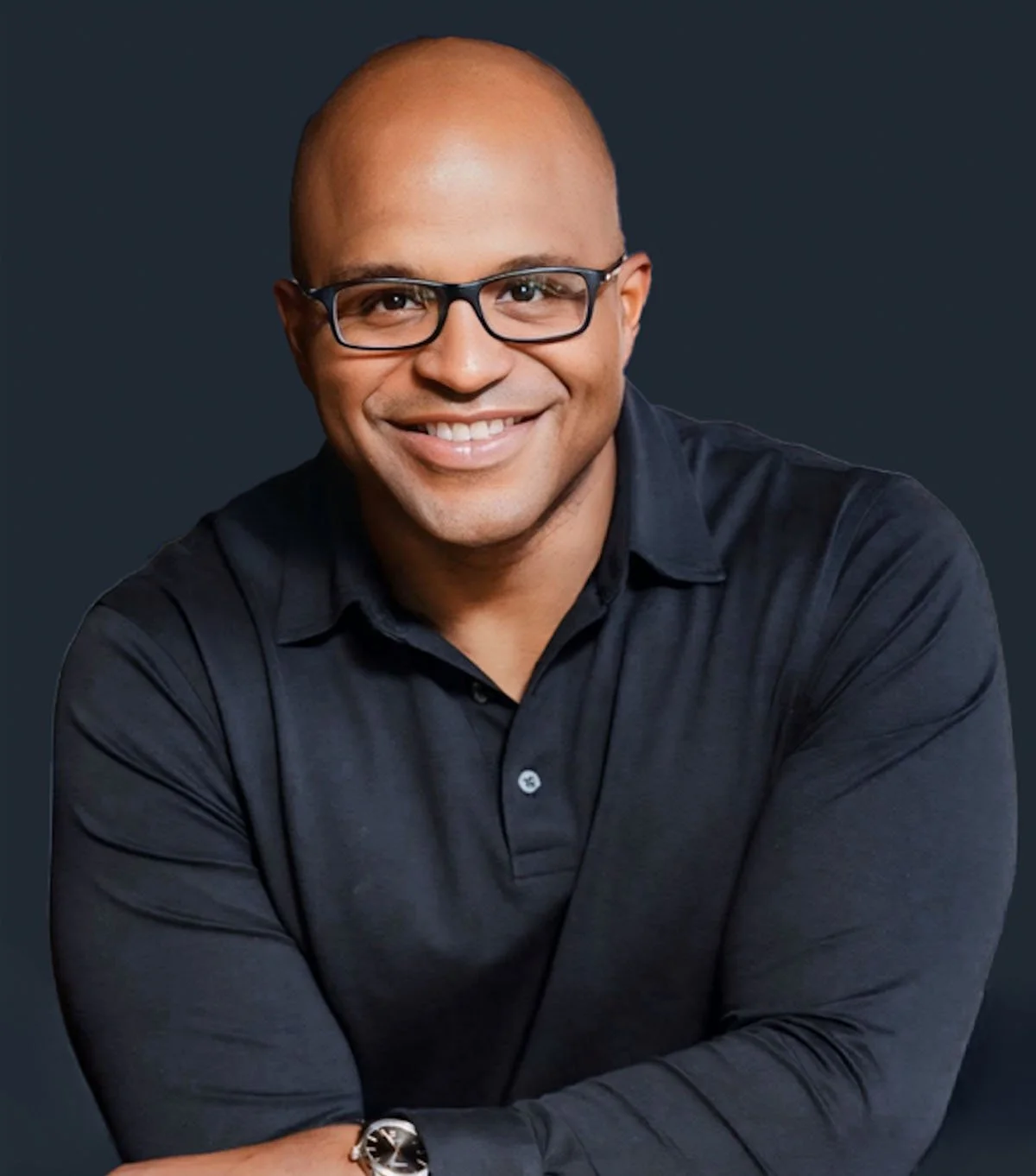
Mike Weaver is the Vice President of Dealer/Trade Sales at Emser Tile, one of the largest privately held tile and natural stone companies in the United States. With nearly two decades at the company, Mike oversees roughly a third of Emser’s national sales and leads a team focused on building relationships with builders, dealers, designers, and contractors across the country.
Resources:
-
Mike Weaver 00:04
I would challenge, and I love that you asked. I would challenge anyone who's heard the advice, or that hears it today to take a pause for a moment. Jot down your best couple of suppliers, or the people that you know, or people that you companies that you think you could leverage something like that with, and go do it next week and walk watch your life change today.
Mark D. Williams 00:22
Today on the Curious Builder Podcast, we had a longtime friend, Mike Weaver from EMS Ian, and as you would expect, we have an amazing conversation. Mike is essentially my Ying and Yang in terms of personality energy. First time we ever met, we immediately knew, hey, this is my person. We've got a great working relationship, phenomenal friendship. He has been a proud supporter of boot camp, of sauna camp, and without further ado, we're going to talk about the power of partnership. Here's Mike Weaver. Welcome to cures builder Podcast. I'm Mark Williams, your host. Today we have a long time listener, first time in studio. Guest, Mike Weaver, Vice President of EMS tile. What's up, buddy?
Speaker 1 01:11
Nice to see you. Man, it's crazy to be here in person. I know usually
Mark D. Williams 01:14
everything we do is virtual, or at IBS or contractor coalition, or me in a
Speaker 1 01:18
car with a computer propped up.
Mark D. Williams 01:20
It's different you are. Do you? I do know anyone that travels more than you know, maybe I don't even think airline pilots because they actually have to take breaks. Like, by like, the was the FAA regulations, they have to be grounded.
Mike Weaver 01:32
Yeah, I looked at a flight like, like, a month ago and I or a travel schedule A month ago and I was in a different time zone three times
Mark D. Williams 01:42
It's wild. Does your body, I mean, I know Texas is home for you, but do you find that your body acclimates really quickly, or is it because you move so often, you kind of and you always go home on the weekends for the family? Do you find that you can stay
Mike Weaver 01:54
pretty true? Yeah, I'm not really sure that I pay attention to the change in time zones more just the hours of sleep. Like, if I say I've got to get five hours of sleep and it's midnight, I'm gonna wake up at five no matter what, you know what I mean, no matter what time zone I'm in, at least I still get that five hours of sleep. How I feel the next day. Who really knows I travel so much it? I don't have any clue. One. It's kind of cool.
Mark D. Williams 02:15
I mean, we should probably, we're gonna, I think that for the audience the episode, we're gonna probably title the power of partnerships, because it's pretty much it's both of our bumper stickers. If we were cars, we'd have that bumper sticker and but where I'm going, what I want to go first? Because you're in town for Sonic camp. I am so you, it's interesting. You're a double sponsor. You mzer tile is a sponsor of Sonic camp, which is happening today. That would day. We're recording this in Minnesota.
Mike Weaver 02:38
I have to be honest, I'm not looking forward to it.
Mark D. Williams 02:40
It's gonna be great. Well, we'll talk all about it. And then you wellness 360 you have a health company that you're part of and so but, and then you were, we just two months ago, you were at curious builder boot camp down in Costa Rica, which was amazing. And so I think I came to you because we've been longtime partners for, well, actually, not two years, two years, it's which is wild. I James, people mistake us. I don't know even fire voices or twins. I mean, the video won't do it because we look the same. It's just our voices that are different. Even you got the same my shoes, you got my shirt. I mean, at this point, I think they just say and we have the same number of syllables.
Mike Weaver 03:16
Someone told me yesterday, like, what are you a brand ambassador for Mark Williams, yes, no.
Mark D. Williams 03:20
For curious bill, yeah, for both, but likewise. But I think so often and so many of the partners that I do have, it is length of time. It is linked. I'm not discounting, like, long term relationships. And, you know, I'll use Pell as an example, because everyone knows, you know, I wear yellow and black. I've been with them for 22 years, yeah, like, a long time. That being said, you and I have only known each other 365 times, too, and it's pretty wild how fast the relationship has grown in the mutual partnership. And you really, I think for a lot of I think a lot of the reason we're going to talk a lot about this is, I think until four years ago, when I went to my first contractor coalition Summit, which you are another partner of, that's right. And you know, with Morgan, Nick and Brad and Tyler, now myself is the reason partnerships are so powerful. Obviously, we know this, that we can do more together than we can alone. And yet, because there's so many entrepreneurs that sort of like develop their own systems and have their own process, or kind of, especially building in particular, seems like we're very sort of, everyone's in their own silo, doing their own thing. And I think that's why there's been such a huge hunger and a thirst for things like the collective, like the podcast, like contractor coalition, like Sonic camp and boot camp. We have a strong desire, especially coming out of covid, where everyone was isolated, not only personally, but also as businesses to then come together and just get more together. But what I love about it is the fact that a relationship doesn't need to be bound by time. That's wonderful, but it can go deep fast when both people commit right away.
Mike Weaver 04:53
My feedback, listen, to be honest, I think you know, and we talk about this all the time, there is a certain level. Level of professional intimacy that I think you can have in a short amount of time. I think you're right. I don't think you need years and years to build a tight relationship, although obviously the longer the better, right? But when you find ways to partner outside of just providing a product or providing a service, but you become friends and you understand each other's values and direction in life, et cetera, there are so many more things you can do together. And I think that's probably also why we align so well. I mean, we're both headed in a direction that's that's positive and good and that, you know, our focus
Mark D. Williams 05:30
is very similar. I think a lot of it comes down to commitment, in this sense that when both people commit to a relationship like quickly, because your value proposition early on, I didn't know anything about MZ, sure, and mine, my my allegiance and my friendship was really the energy you have, and you are phenomenal salesman, but peel away the amazing salesperson that you are in just the integrity and of the because I honestly based most of my decisions based on authenticity, being authentic, being real, and then follow through. And immediately, I was going to find out immediately whether you checked those three boxes and you have this beautiful line that the audience needs to hear, but, and I'll let you deliver it, because you're so good at it. But you basically told me that, like I you were clear on your ask, Morgan Molitor introduced us. Yeah, so kudos to Morgan. And you basically said, like, Hey, I'm Mike Weaver. I would love to work with you, but I don't want just some of the like, I want all the business, and in return, I will do everything I can to help grow your business. And you know, you've now said this on so many we've shared panels together at IBS, at CV USA, at ms booth. I mean, the list goes on because summit builder show in Dallas, yeah. I mean, they go on and on and on, and it never really gets old, because the message is always sort of live and new and fresh for the audience sake. Like, I'm not the first person that you've done that to. That's kind of your value proposition for everybody you meet. Walk the audience through. Why? How did you come? Why did you Why is that your drum, that you bang, and why is it so effective at gluing people together, so clearly and so just
Mike Weaver 07:09
quickly, goosebumps, almost. I don't know why I almost cried just now. I'm not a very emotional person. Okay, so let's see. First of all, it's not for everyone I meet, because I don't think everyone checks my boxes either, right? But for for the people that do, I find so much more value and having a tight knit group of people that we connect with versus all of the people and customers that we're exposed to, right? And I'll tell you that there's so many things that we can do for each other, and that's what I want, right? At period, I don't have much more to ask, right? I figure if you want to meet designers in a market that you don't know, but I know them well, Ian, Ian, can provide value to you, right? And that's that's more than just being a vendor or supplier partner. And then I think we talk about this all the time too. You know other builders in multiple markets, and I think you should be introducing me to them. And if we provide that kind of value to each other every time, every day, always then we will always grow together. Right? There's so much like I could, I could say it 1000 different ways, but there's so much that we could gain from each other that you almost you don't need 1000 customers. You don't need 1000 designers.
Mark D. Williams 08:14
You don't this came out at at IBS this last year. It also came out the year before you and I sat on the builder trend panel. That's right and, and I love the message that you deliver, that you basically you'll look around in the room, and this is so true, and I love that's why I love saying it is there's enough people in this room right now that if you leverage my relationships, and I leverage your relationships, we will all have the best year we've ever had. Pause for a
Mike Weaver 08:38
moment and think, and maybe this is more for the listeners, but think about what that really means. Think about all of the people that, in fact, you do know. And then think about all of the people that the designer next to you knows, not just other designers, but other builders and developers and architects. And think about, as a manufacturer partner with 80 locations across the country, all of the people that I come across that just making a connection could provide really incredible value, no matter where you're trying to go or how you want to grow. I've got a prime example. I'm not going to say it now because you may have a question, but go ahead. Okay, so I have a cool example. I got a text message the other day from a pretty renowned designer, someone that you work with that I absolutely love. I probably shouldn't say, but anyway, and she asked if I something like, Hey, Mike, listen, I always appreciate your ability to connect people. And I've got a project that a customer brought to me that went that went south with another general contractor. And I'd love it if you knew someone in this market, if you can make an introduction. And first of all, I was honored that someone at that level, honestly, I think the absolute world diverse, so someone at that level would ask me for help and support. And immediately I turned around and called one of my best builder partners and said, Hey, this is probably a project smaller than you would normally take on, but of course, it's with some one of our dear friends. I'd love it if you guys connected. And he said, Yes, he would never say yes to a project like that. I. I made the connection, and I think they've already met to talk about this project, and that that that is so powerful, right? And I hope now that that said, designer knows, and part of the reason I do it is that, honestly, I feel like you should reach out to me for everything, and I would do the same thing for you, and I would, I would do that, and I would ask you for everything, because I think that's what we owe to each other. You and I had
Mark D. Williams 10:21
lunch yesterday, and it was really interesting. I know just because I've heard you say it that EMS are the second largest stone manufacturer in the world, correct? Which is
Mike Weaver 10:29
second largest importer in the world,
Mark D. Williams 10:30
importer in the world. I like my version better. I'm not bound by you don't
Speaker 1 10:34
manufacture stone. Yeah. Good point. All right, harvester.
Mark D. Williams 10:37
But where I was surprised at how many other things you guys are allowed to sell. What was the category that you call How did you refer to it as special order? Special Order? I mean bar stools and, like, honestly, anything. But what it spoke to me is, you're a big company. How many of total employees? Roughly over 1000 1000 employees. That is a very entrepreneurial, nimble, very quick to market, because you're, what I thought was genius about it is, here you have this Goliath of stone, but yet you're willing to be nimble, like David for the negotiation, right? And so it's like, what this is amazing, hey, because at the end of the day, what you're really doing, my client has a need, a and hamser can solve it. So I have
Mike Weaver 11:18
something say about that. Like, I think I'm a terrible sales guy, and I good, rather and different. I just I believe it. On the flip side, I am a really good problem solver, and I think I'm honored to work for a company like EMS or that understands how to listen to a customer in totality and then come back and provide value. If I'm going to ask you for your undying partnership for life, you need more from me than just the tile and stone that we manufacture or import, and if I can provide value greater than that, there is a more likely chance that you will continue to do that over and over and
Mark D. Williams 11:53
over again. The bedrock of a relationship is to put someone else's needs above your own, and it's hard to do because our ego as a human, we're all selfish. To some level, it takes a cause or a purpose or something higher than ourselves. And I'm I mean this both on a personal level, business level, spiritual level. I mean, it applies to all of them, obviously. But what I wrote down earlier was, and I think I read it first, from Dale Carnegie. Years ago, my grandpa gave me the book. Dale Dale Carnegie wrote a book called How to win friends and
Mike Weaver 12:22
influence others. I have read that book. I'd probably be exaggerating at least 10 times I need
Mark D. Williams 12:27
to read I've only read it once, like a long time ago, favorite book, I need to reread it.
Mike Weaver 12:30
Favorite is an understatement, and I almost live
Mark D. Williams 12:32
my life by it. Then you're gonna love this, because it's what the power of this whole partnership is all about. The best way to help someone else, or, sorry, the best way for you to grow your business is to help somebody else grow theirs in the same is true, I think, on personal levels, and that's why I think, you know, sometimes people don't want to mix personal and business, and sometimes that can get everyone has a different philosophy on that. Honestly, I'm not even sure what my philosophy is, but I like to work with good people like I enjoy our friendship and I want, I want, need our friendship, for us to work together. But it's like, it makes it so much better. And as at the end of the day, the idea that we can have partnerships and friendships that we you deeply care about each other's business doesn't always make it perfect. I mean, there's plenty of times I've been mad at you. You've been upset with me, sure, but that's a that's a real relationship, that's not a phony relationship. And I think when people get real, that's when, frankly, real stuff happens. And I think it's, it's the same as true. Is like the other day, I was giving some advice to a friend, and they were having, they were struggling, and I just, I know them really well, so I think they were I said, I don't know if you're ready to hear this, but I think the best way out of your funk is to try to find out who else you can help in your life, and this on a personal matter and but I think that's true business wise, and it's good. I'm saying it right now, like, I need to hear this, yeah, because I've been kind of in a funk for the last couple of weeks. You know, work has been super stressful, and I'm so focused on putting out the fires. Like all of us entrepreneurs are, life, personal, business, all the things, but like, at the end of the day, the thing that really fuels us up is helping other people. I got goosebumps again.
Mike Weaver 14:03
I hope I don't get goosebumps all day today. So I will tell you that my I have just a general philosophy with people I meet. I believe there's for one. I believe that someone or something put us in the room together. That's first and foremost. And I think second to that, I always believe that there's something I can do for you every time, and that's the feeling of doing that something is so rewarding. And maybe that's a piece of what fills my cup, right? And almost every time, I think about like I was meeting with two builders yesterday at a hockey game, by the way, which was so freaking fun. I've only been to this my second hockey game.
Mark D. Williams 14:41
It's funny because you were yesterday, you were kind of burned out. I was did he get recharged?
Mike Weaver 14:45
I had so much fun. It was so exciting. And you know what I was thinking as we were talking, and one of the builders is just to actually, both of them are doing their first custom home. And I thought to myself, I met with a design firm yesterday that would probably love to work with you. Yeah, and I should probably make that introduction. And then I told them that I would make that introduction. And it just made me think, if we all did that one thing every time we met someone, how much larger could our business grow? Another fun fact is, I met with a landscape architect at 7am yesterday morning at the yesterday, yeah, at the hotel, right? My first meeting in the morning, and he's part of the
Mark D. Williams 15:20
curious filter collector he is. Yeah, I don't,
Mike Weaver 15:22
I tried to say names because, but anyway, so I'm meeting with, we had a great meeting, by the way, wonderful design. We're gonna, of course, supply product to him forever and a day, which is really cool. And I was meeting with the designers at 10 yesterday, or nine or something, and, and I said, By the way, I met this amazing landscape architect, and he's, you know, he's just gone out on his own, but his designs are amazing. And one of the two designers looked up and said, No way. You have to make an introduction. I've been looking for a landscape architect, and I like people that are more in the beginning of their career and less at the end of their career. And I thought, again, I thought, This is why we're here. Not only can I help him improve his business. I'm solving a problem for this design firm who I really just met in their office, although I've met them a couple of times in social settings. This is why we're this is why we're here. When
Mark D. Williams 16:17
it comes to quality, craftsmanship and performance, Pella sets the standard whether you're building custom homes or designing a timeless space. Pella offers innovative window and door solutions that blend beauty and efficiency with showrooms and experts around the country. Pella makes it easy to find the perfect fit for your next project and their team to support it. Build with confidence, build with Pella. Visit pella.com to explore products and connect with your local rep today. For more information, you can listen to episode one or listen to episode 109 where we bring on Pella owners and founders at Pella Northland, as well as their innovative team behind the study set innovation, I think there's, there's a skill to it, for sure. I was thinking about just like matchmaking and just in, not in the relationship standpoint, but from the standpoint that, like, not every tool is the right tool for every person right and like, there are certain there are certain designers that are good for certain builders and vice versa, certain architects. And like, there's just a right tool for the right moment, but at the end of day, like, but a big underrated part is the human aspect of the personality. And honestly, I think there's so much talent out there that I just prefer to work with people I really enjoy. And I don't think that's selfish. I think that's it makes it because if you can't stay sort of in love with your career, if you don't enjoy what you're doing, like you're gonna burn out. Yeah, no, and you don't help anybody by doing that. That being said, you know, if you only ever work with who you've ever only worked with, like, your world is also pretty small, so, like, it's kind of a counterbalance of being loyal to your people, but also being open minded and open hearted. And I think one of the things that I love to do, I love bringing people together. I put a great amount of energy and effort into it. And I I've never really thought about this out loud, which is not too surprising for most people, because I think out loud. But like, like, Sonic camp that's coming up. There's 61 people that are coming. That's up 25 people from last year, which is amazing. We won't make any money doing it. We'll probably break even, maybe live 1000 bucks. I say that out loud, from the standpoint that it to me, it's a community event that I'm very proud of and that I'm happy people are coming together, and I'm also I love celebrating wellness, and so it's like, you know what? I'm happy to do that, because I love the amount of connections and the people you flew in for this. We've got two guys flew in from Utah for this, you know, last year. You know, Brad Robinson, he's got a big Atlanta show, so he can't make it this weekend. But, like, there's people flying in from around the country. For sure, what you think is a simple thing, but it's a lot deeper than that. And I think the people that get it and show up, I know that when they leave, they'll be like, I'm really glad that I came. Sometimes I have to twist people's arms to get them to come, and that's part of how it goes. But I love, love, love, love, getting people together. It's almost like a in some ways. It's like a business family. This is like Thanksgiving for me, and I get to look and I get to look back at all the people that are having a great time at grandma and grandpa's house. I guess I'm the grandpa and grandma in this analogy. I just love having people together. There'll be a part where I sit back and I just watch everyone interact, and that's gonna fill my cup just knowing that they're all here to better their what I don't even know, all the reasons why they want, why they came, and it's actually it's okay that I don't know that. I'm just glad that they came, and I know they will leave feeling more empowered. They'll have met new people, and they said maybe yes to something that they maybe want to have before. And all like me, yeah, you're like, wait a minute. I gotta go. And most people aren't afraid of the sauna. It's cold plunge after that. But I'm telling you, by the third or fourth round of sauna. You will seek the water because you'd be like, I am hot. I need to cool down, so you just ease into it. You'll be fine. Oh, good, yeah. What actually? How did
Speaker 1 19:48
you see my desire? Yeah. So I
Mark D. Williams 19:51
was remiss, because I, before I get to the one question that the previous guest left for you, I had a question that I've been thinking about for a while. Of asking you, I've not asked you this. Before hundreds, if not 1000s, of builders and designers. If you were to take some observations on all the people that you've met over the last call it three, four years in your role, because you see a lot of them. What are some commonalities that you see from successful operations, and they could be big or small. What are some characteristics you're like, you know what? And I'm not gonna keep away from staying names here as a reference point, because I don't want the audience to be biased when that when I say name, so I'd like it to be sort of anonymous. You could but like, what is some of the marks of, like, successful entrepreneurs, what are the marks of successful operators that, when you meet them, are like, wow, not only am I doing business with people, but like, they got their stuff figured out. Like, these guys are talented. Like, sometimes, you know, like in this sometimes, like, I help elevate your brand. There are some, many times, where you help elevate mine. And both are good to do right as you go around the country and you see all these operations, what are some things that stand out?
Mike Weaver 21:07
I think probably what stands out the most. It's not just having a really I think, first of all, I think systems are probably what stands out the most people that have really dialed processes and procedures that execute everything from design all the way to delivery and, you know, key turnover, etc, to me that that is the sign of someone who really understands and knows how to scale, or will will scale based on how well they understand their processes. And they're building that in their business even more so those that can articulate their systems very well, if you think about if you compare two builders, two wonderful builders, even, and they're both interviewed by the same client, and the clients trying to make a decision on who, what builder is going to build their dream home or the forever home. Most people, especially those successful, let's be the end user or homeowner that's going to that's going to buy the house. They are drawn toward someone who understands the process well enough to articulate it, and so the better you can articulate your process, the better chance you have of winning that business. It's a fact every single time there's and unless you know I was talking about purchase contracts or PSAs, right, and those that can collect a PSA up front, versus maybe those that are struggling to collect. And I said, Listen, if you were to walk into a room with a homeowner that had the money and they were going to make a decision between you and someone else, and you had a PSA and they didn't, or didn't understand the value, etc, or they're using that as leverage to get the build. If you can articulate the client experience and how well you understand the building process from start to finish, you will win the business every time. Even better. The absolute best builders I've ever met have a book. I've dubbed the book our process book, and I've sent to multiple people that I've been in rooms with, including the collective that I was in LA recently with Stacy. But it's, it's a book that walks a client through everything from signing the PSA agreement all the way to key turnover. It walks them through how the builder finds an architect and pairs it with the designer, or if they use their in house design team, to what the selection process looks like to the time they're going to really enjoy the process, and maybe the things they're really going to hate about the process. And then in the end, key turnover, and it's the book is so well done and so well articulated that if I'm putting myself in the homeowner's shoes and I'm flipping through this book, it's really mind blowing, right? And then the next builder comes in to interview, and he doesn't have a book and he can't articulate that, or she, excuse me, can't articulate the process. The only way the customer doesn't pay that 510, 20, $50,000 PSA, if they've got the money, is they don't really have the money.
Mark D. Williams 23:43
I think that's really valuable. Where do you think storytelling and value proposition fits into that?
Mike Weaver 23:51
I still think, even with a well dialed hour process book, there is still a part of that, that story, storytelling and value proposition. I would tell you that if I were to compare that same scenario and the builder, that story told really well and could communicate their value proposition, still probably wouldn't do as well, although it may pull on the heartstrings more of the homeowner, whatever, it probably wouldn't do as well as that. I mean, they're going to spend millions of dollars. They want to go with someone who really understands the business, who knows they're going to deliver? Who knows it's not going to be over budget, etc, etc, etc. Those are the things that are, if you can well articulate, well, win every time. Now, if you can couple that with great storytelling and a couple of past experiences. I mean, it's game over game, game all. There's no way someone doesn't build and I, to be honest, I actually share it's from a builder in DFW that we work with exclusively. And I will tell you that I share that book with every single builder. And I Isaac, I hope you're I have your permission, because I have been doing it for a long time. You know who you are. I share that book with every single builder. I meet every single one, and I acknowledge that in my head, I'm thinking, remember we talked about. This earlier. How can I provide value? And it's not just me selling you products. So when we're meeting and I ask, okay, well, what's the client experience look like? And when? And I hear there's really no process and, or at least they don't articulate the process, well, I immediately think, Well, man, I can provide value right here, right now, to this builder that I'm talking to.
Mark D. Williams 25:19
You know what's so funny? You know what my first thought is right now, I don't know why I haven't done this before. Maybe I think a lot of us aren't willing for the answer. But if you were to ask all of your partners to, you know, you know, to swat is right strength, we, of course, opportunity and threats, and a lot of builder 20s do this in our peers, right? But how more meaningful would it be our partners, who we've been with for 14 years? I shouldn't say that we've done this a couple of times with our kind of, our inner circle of four or five companies. But as we continue to evolve and continue to grow and have new people, we develop new holes in the ship, or we repair old ones, and then the ones that were great need, you know, work, right? And so it'd be amazing opportunities, like, how would you workshop your internal team, as well as all the sub partner subcontractors we work with regularly, the benefit we have is we work with 90% of the time, we're working with the same people on every project. And so I want the relationship, not surprisingly, that is a long one, because I know if they have the best interest for me and our clients and their craft, I can build an incredible home, yeah, and if I don't have that, then the home result is in jeopardy. I want to ask them, What are my weaknesses? Because most of us are not aware of our own weaknesses. I might be aware of like, one, like, I know, generically, like systems, like, if I had, we have systems and but like, generically, like, I'm very strong, red yellow in the DISC assessment, which it wouldn't be a surprise, like, driver visionary, like, that's pretty much I don't even have blue green in my profile. Like, it doesn't even know what that. There is no CS for you. There's zero. But Joel on my team, like, all blue I talked to, yeah, he's black and white baby. But my point is is, like, it'd be really interesting to know where my systems are weak.
Mike Weaver 27:06
I have an I have an alternate challenge, okay? And it's something I acknowledge very well, and I think we all struggle to admit it. I think we know our weaknesses more than we're willing to admit. In many cases, we know the areas that were strong and not. We know what it means to execute on the five primary principles, whatever they are, and we know the ones that we don't execute on. Well, I think what sometimes a SWOT analysis helps reintroduce what you already know, but most people sit with those things, and probably struggle internally with them transparently. I know what my weaknesses are, and I do my very best. Obviously, I try to fill them, but I also do my very best to make sure that you see the long term, not just you, but anyone that I connect with the long term value of our partnership, and hope that somewhere in the middle of me trying to fill in those gaps and your understanding of our partnership, that they work anyway. But I don't. I could. I think a SWOT analysis is great, by the way, I'm not.
Mark D. Williams 28:07
Yeah, no, I know I got going deeper.
Mike Weaver 28:09
I like it, but, but personally, I already know what I didn't do yesterday, that I should have and I what I should have done last month, that I didn't do, not that I didn't want to, but you specifically,
Mark D. Williams 28:19
or like your team, just in general.
Mike Weaver 28:20
Okay, I think most people know that already. I do. I If you pause and think, if you're not a systems guy, you have systems, but you understand I'm saying you already know that that's missing, and a SWOT analysis may remind you that that's missing, it may even, may even push you to execute on that better.
Mark D. Williams 28:37
I've often said that the idea is not the magic. It's the doing it. That's the magic. So I think we know what our weaknesses, what are you gonna do about it? Yeah, for sure. And you and I love health, right? So like, Hey, you want to run a marathon or a half marathon, or lose 10 pounds or gain 10 pounds or get stronger? Honestly, there's, I'm not saying it's easy because but for instance, if you want to, it's really not magic. If you want to lose weight, you have to either increase your output or decrease your intake. That's pretty much it. But the majority of humanity can't do that, myself included, the majority of
Mike Weaver 29:10
humanity simply doesn't, not that they
Mark D. Williams 29:12
can't Good point. And I think let me rephrase this, because that's one of my favorite turns of phrase. I don't believe that there's Ian and I can't. I think there's I wills and I won'ts. Yeah, I agree. And I think it's waking up our mind and accepting the challenge. That's why when you do one thing I've really enjoyed about athletics and how it applies to business, is, you know, you didn't think you could do something till you did it, and then once you do it, you're like, Oh, I think that's why experience and age and going through the ringer sometimes is super helpful. I remember 2008 nine and 10 Things were super tough, right? And I remember I've told the story so many times. I won't go into the whole details. Every other episode has a story on it. But basically, I asked my dad for money. He said no, and kudos to him, because I really respect him for that. But when I got out of it, figured out, you know, how to plug the holes in my own chip. I. Basically said, my dad said you got your MBA in business and half the time and quadruple the cost. But, like, I am better because of that. Sure, you know, doing, doing the hard things, you and I relate so much to physicality, but also it applies to business. I think that's why they attract each other so strongly. Is because I, you and I both love to, you know, we started this two years ago, our 75 hard workout challenge with, you know, everyone out there. You know who you are. You know you're in the morning text train with like 20 other people, right? And you're encouraging each other. It doesn't matter if it's your first marathon or your first 5k or whatever you're doing, you know, shout out to Leah on my team, she decided she's signing up for a marathon. Good for her. And so she just cold turkey. I don't know which one she signed up for. I think Twin City. So she's, you know, you'll see today. She's nursing an injury, so she's looking forward to the cold
Speaker 1 30:43
tell her. I know a doctor of physical therapy.
Mark D. Williams 30:45
She's a beast in the cold water, by the way. And so anyway, we've kind of tangented here a little bit. But like, I guess the point is, is, like, we're all better and stronger than we think we are, sometimes we just have to dare to fail, and that failure is what then allows us to take the next step.
Mike Weaver 31:02
You know, what I thought I started with MS or 20 something years ago, I don't know, maybe 21 years ago. And I remember like it was yesterday. At one point in my career, I was the youngest Operations Manager, and really, I think, the youngest leader in the company. And I was, probably, I was in my 20s, and I remember thinking the job was so hard, and it was, you know, I was going through oh eight and oh nine, and we were short staffed, and, you know, everybody had to do more, and I thought it was impossible. And then my wife and I were sitting at the dinner table, and we looked across to each other, and I said, Honey, I don't, I don't know if I can, if I can do this. And she didn't really provide, to provide a word of encouragement, but, like we were talking through it right? And then I said, but I got to think about it like this. I guess if other people can figure out a way to do it, so can I. And then I just did it anyway. I wasn't smarter than anyone. I just put in the work. I knew people when I started that could get in at eight and leave at four, transparently, I got in at four and maybe left at 10. Sometimes. The fact is, I was going to make sure that I did the job so that I could get where I wanted to go, or at least start the journey to get where I where I wanted to be in life. And I think that relates, I relate that to so many things in my life, including like my fitness journey and the fact that I spend two plus hours in the gym in the morning, which I hate, every freaking minute of it. But I also understand that I can't get where I want to go without it. So you just, you just got to do it.
Mark D. Williams 32:24
Yeah, choose your heart. And you know, one of the things I wanted to touch base on I wrote down here before, I meant to bring it up earlier, when we're talking about the depth of relationships and leveraging our partnerships with other people, friendships, anybody really, I think of a tree in a root system. When things are really dry, trees, the roots go deeper because they're looking for water. And I think it that tree, when a windstorm comes up, is going to be more sturdy and it's gonna be able to withstand it's the drought that gave it the strength, not the abundance of water. And I think that's true of our business careers and personal life, like when you go through really hard things, you develop some, you know, some pretty deep roots. Sure. I think as a business, like when things are difficult, you have to shore up your systems. It's really painful to let people go. Two couple years ago, I had to let two key people go because financially, we couldn't afford it. That was super difficult. First time in my career that had happened. We are a way better company today than we were just a couple years ago, and we were a good company two years ago, and that but that growth came out of that. I don't believe it's called failure. I think it's just just it was difficult. It was hard. And I what the one of the reasons why our Thursday series, I believe, is so successful where we have people come on and just share, you know, you came on and shared like, basically, you're the hardest, the hardest decision ever. You have to go back and listen to an audience. But basically, Mike lied to somebody, and from that point on, regardless, like a doctor, regardless of what the outcome is like, I'm gonna tell you the truth, because, for sure, none of us can operate a long
Mike Weaver 33:59
time ago, that was 20 years ago.
Mark D. Williams 34:01
Yeah, that actual story? Yeah. I mean, that's a powerful story. Was, let's switch to the question. This was from a designer, Laura Brophy, out in California, to introduce you. I would love that. I will. I'm surprised that you haven't
Mike Weaver 34:15
introduced me, because I just interviewed her last week. I want the audience to know that I have a rule. I believe that you should introduce me to everyone you know, and I should do the same every time, always. Okay, keep going.
Mark D. Williams 34:25
I got a comment to that off air. Okay, let's bring on the roast channel. Okay. The questions this was from Laura. She said, What is one decision that you could make that would dramatically change how you spend your week? I think what she meant to say, if you removed something from it's very open ended, like it what may would make it more open ended? Like, what is one decision that would dramatically change how you spend your week?
Mike Weaver 34:54
Oh, man, that's a I don't have a super philosophical yeah response, so I'll just give you what comes. To mind. So part of one of maybe my areas of opportunity is that I do, personally do sometimes more than more than I probably should at this level, and I should probably give that thing or those things to someone else on my team to execute. If I did that, I would have more time to continue to build stronger and deeper relationships, get in front of new customers, or because that's your superpower, yeah? For sure. On the flip side, I know that my and I it's a balance, right? Because I know that my team also gets busy, and I don't want to let the customer that I've already committed to down. Yeah? So again, to answer the question, what I would probably do is I would take a hard look at what's filling my plate that I know shouldn't be, and give that to the people that I know can manage it.
Mark D. Williams 35:45
So I know they can. That's very insightful. A it's literally right out of our book right now that we're reading in q1 right, which is buy back your time. I mean, that's literally, it's called, it's called my book right here. It was basically called the buyback cycle, or whatever it's called. But basically, and Nick Schifrin talked about it at the first contractor coalition someone ever went to in Huntington Beach. No, Nashville. Oh, Nashville and so basically. But basically, we said, if you can hire someone to do your job, within 60% of what you can hire them. Dan Martel was 80% but, and I like what Nick's, I remember hearing that like 60% is 40% not what I would do. Is the way I heard it, sure and but he said, You can't stay at 60% you have to have a coaching or a training or something to elevate them. But all of us will be stuck on the merry go round, and most of us are. I've been stuck there for years. I'm now. I used to I had such a toxic relationship with scale. I thought that by getting bigger, I would lose my sense of purpose. What made me great, it wasn't control. That was not my I know a lot of people have an issue with that. That's not my particular burden to bear. I'm happy to give up the control, and now I'm so much more interested in scale, not because I want to get bigger, because I want my time back, and I want it I just want to do the things that I love, both personally and professionally. It like, you know, the curious builder. I mean, I've talked about this before on the podcast like this is we're on our three and a half years in only, which is wild, how far we've what we've done, where we've come, and a lot of it is like, I didn't even know this is something you could do, and I have such a passion for it, because I love hearing I learned so much from, you know, the people that sit in that chair, because you have a whole world in life and experiences to share with. You know, whoever chooses to listen in. But even if I didn't have a single audience member, this would be worth it for me, because of how much I gain from the relationships and also what I'm learning from people
Mike Weaver 37:31
like yourself. You know, what's interesting is I sit now, having been a part of so many smaller groups in the kind of luxury custom world, whether it's interior or exterior, et cetera, I spend so much more time, and I think there is so much value here. I spend so much more time seeking to understand what's important to the people in front of me than I ever used to professionally. Again, I've been doing this for 20 plus years, and I think what I continue to learn and the skill I continue to hone is like we have so much to offer each other every time. I've never come across someone, Ben and I, Ben Garvin and I were talking about this yesterday as we were talking through designers and architects that we both know, and we're like, there has never been a time where we couldn't add value to each other's lives, period. And we have so much to learn from each other. I think it's something that I and I know we've probably already said this on this podcast, but it's something that we just have to spend more time doing is thinking about the value that we can provide each other. If you're
Mark D. Williams 38:36
looking to level up your business in 2026 and beyond, please consider contractor coalition, amazing people, incredible builders from all around the country. We are coming up on May 1 through the fourth in Denver, Colorado, on Friday, which is the opening kickoff of that event. We are going to do a tour of a construction instructions warehouse and their whole facility where they test products from all over the world, in Colorado and Denver. We're also going to do a tour of alder view construction's beautiful homes while we're there. And then that evening, we will kick off the event for Denver. That is May 1 through the fourth. Then our second event of the year will be a one day Crash Course. Will be September 15, Ian Minneapolis, Minnesota. This is really meant to be a much abbreviated version, but obviously at a much lower cost. And then our last three, four day event of the year will be in Charlotte, North Carolina, on November 6. For all the details, please head to contractor coalition summit.com. It's funny, I could usually don't do this, but I guess I will, because it's
Mike Weaver 39:38
actually gonna ask you. I'm glad that you're gonna Yeah.
Mark D. Williams 39:41
I mean, I think I'll take a stab at this question. I endeavor to have more time to think creatively. It's my greatest I mean, I come up, I know I'm creative. I might be crazy too, but there's things are tangential. That's not a question, that's a statement of fact. But I. Love that space. I love being creative. I love thinking about ideas that we can execute. And, you know, the audio tour thing the other day, I'm super proud of that, and I don't know what led to it. I don't even know how I got there. Maybe part of it's the podcast, part of it, and for the audience, just real. I gave Mike a tour through Misa, who's through one of our main partners at Misa house, which will be ready here in June in cottagewood, Minnesota, and it's kind of our flagship the next decade of my career is really hinging on this home's execution and the philosophy and where we want to do with it and And anyway, I was just explaining to you that we're gonna these cute little QR codes around the house, because I can't talk to 7000 people I'm happy to but they're not gonna give me that much time. So how do I know you're pretty engaging? Yeah, but 7000 people, I can only talk to a couple of people at a time. And so the anyway, the point being is we're going to create those little moments of delight. Shout out to Melissa Olin for coining that phrase. We're gonna have 22 of them throughout the house, and like this little it's three minutes of sitting in the studio recording, and then it'll be architect, doesn't Carl, we'll have Melissa, and we'll just, in our own words, express, like, why do we do this? It's just a really intimate maybe no one will like it. I don't know, but I My point is, is going back to this root question, I need time and space to get creative. That's why I like the boot camps. Like, why go to the mountain skiing? Why'd I go hiking? Why I run? It's that that's where my brain is free. So the question
Mike Weaver 41:25
is, what would you remove to make more
Mark D. Williams 41:27
I need more time. I can't get more time. I need to free up time on my calendar from the meetings and let my team like I'm a good builder. I think my team collectively is better. I have a very keen eye of what I want, but the execution of it, the timing of it, and Joel is phenomenal with numbers. I just need him to I'm good at high level concepts and be like, yep, strategic stuff, but I don't want to take care of them, and that's why I have a team. I would love to basically be able to sit in my office or roam the job sites, or have that free space to be creative on what the next idea I already have the next idea. Honestly, I've known it for about a year, what my next idea is after me. So it was but I have to finish what I started the other the other problems with with myself is like, I'm constantly getting ahead of where my feet are, and that's how you fall down. And so something that, something that's hit me very heavily. Is to be present, is to be where your feet are. So I need to be more intentional. I need to actually get quieter. It's so hard for me to be quiet when I see quiet like distraction and like not need the stimulus. I mean, I created boot camp and Sonic camp for it to invite others in, to share, but I created it for me, for the things that I need, that I get energy from. The reason we have the no phone policy at Boot Camp is for me, is because there's so much peace that comes when you get rid of your phone for three, four days. We're so overstimulated, and I don't think our brains were meant for that. And I know that I need kind of that quiet time in between to be the best version of what I am, and that's why I speak so strongly at contractor coalition, that boundaries create freedom. That having those boundaries of when I work and when I don't work, it's not that I know everything. I share that so that people know you don't have to work all the nights and all the weekends. In fact, I believe you shouldn't, because by not doing that, by freeing up that quiet space, that is how you can you can be a deeper, better version of yourself on the hours that you are working. But if you don't have that free space, you're really limiting your potential. It's no different than the human body. Like, if you don't sleep, you can't operate at a high level. You know, we're just talking about this yesterday, and so I I just get so much encouragement. I don't always get it right. I mess up all the time. But like, I'm committed to the process of trying to, it's like a never ending battle of removing things from your life, but they always seem
Mike Weaver 43:46
to come back in. So I'm going to shift. I want to, first of all, gosh, you're insightful. For anyone who hasn't been on your podcast, you it's really kind of genius, bro. Good job thinking that. I was thinking about this the other day, and I I feel super fortunate because I get to sit amongst people that I think are so much more creative, and honestly, so much smarter, smarter than me. And I've built bigger businesses, etc, and it is rare for a manufacturer or supplier or even, quote, unquote vendor, which, if you call me that,
Mark D. Williams 44:21
I would be, yeah, that's a no, no. I can't believe
Mike Weaver 44:23
but I did it on purpose because I want to set the tone to sit among so many amazing builders from all over the country and even some from all over the world, and it's abnormal for me to sit in, or it's abnormal for the vendor to sit in so many rooms like that. And I was thinking about, I was thinking about why someone would invite me into that space, right? Because, again, I It's almost there's almost never another one. It's almost always just me and the builders, or just me and the designers, etc, or my team and the designers are builders. And I want to go back to providing value and the value of partnership and the power of partnerships. I know that we said that was going. To be the subject of today, which I absolutely love, the direction we've gone, and should we talk about how we first met? Yeah, okay, you should. You should tell that story, because I don't think anybody's
Mark D. Williams 45:11
heard it. I mean, it was at the International builder show. Yeah, maybe you have a different version of it, but basically, I remember Morgan said, Hey, you have got to meet Mike Weaver. So I met you, I walked up to you, and I don't know we, I don't even know if we shook hands you. We have very similar personal energies, for sure, yeah. And I mean, I think we both knew in that moment, because I have a lot of great relationships, there is something unique and special about our relationship, on a personal level that we both really, and do you just enjoy each Sure, and you have all these other reasons to spend again. It goes back to my earlier thing. Like, wouldn't you rather enjoy the people you work with? And so it's like, you still have to do the work, to be clear, yeah, of course. Like, if EMS didn't believe in their didn't deliver on what you said, we would have a major problem, for sure, but you do. And so therefore it's and so, like, as long as we, you know, I remember years ago, when I was, like, 10 years old, I asked my dad, who was a builder, what is it? I was writing a paper, what does it take to be successful? And I thought he was gonna give me some just amazing pearls of wisdom and Solomon preach, baby. And he was like, he was like, say please and thank you. Open the doors for old people and for women, and do what you say and say what you do. And I was like, That's it. He's like, it's that is that it. And it's not till you get older that you realize not how hard that is, but how special that is, and how it's it's really a commitment to doing the right thing and having the right presence of mine and sort of commitment to yourself and to others, yeah, and so i The world is a wonderful place. There's so much good if we focus on the people that return that, but also
Mike Weaver 46:51
that we can give it to. So I so here's a story that you and I both got to experience, and I won't say the designer's name, but do you remember when after curious Collective, we had lunch with a designer, and the designer, she met us at that really cool farm to table restaurant, and she was trying to break into a new market. Yes, yep, I do. And so I won't say who it is, but she asked for, I think what she was saying was, she's breaking into a new market, and she's having a hard time getting connected with builders. And that moment, as she started to share that, I started to think about, okay, I'm out of place. How do I provide some value, right? And as I couldn't help but think I got to give her something, because she's asking, right? And she technically wasn't asking me. She's asking you because you're the, you're the brilliant guy, right? And which I totally acknowledge. And and you gave her some great advice. And then I was thinking to myself, Okay, so I'm going to try to
Mark D. Williams 47:38
provide, what did I say?
Mike Weaver 47:40
You said, connect with a cat. I have a, I think you said I have a cabinet shop, or someone I know in a cabinet shop, and I'd maybe see if you can set up an office there. And I remember, okay, and I started to think about, like all of the people that we come in contact with, and I said, the value I thought at that moment to provide, because really, all I know is I'm a vendor, right? Or a supplier, partner, or whatever you want to call me. And I said, Well, what if you did this? And I'm thinking about how much we value exclusivity and partnership, etc, etc. I just have a recommendation. So what I would do is I would go to your local EMS or tile and look, I used Emser because I think it's cool example. But it could be any anywhere. It could be plumbing company, etc, tell them that you need a place to call home, right? If it's ms or tile, you go to the manager and say, Listen, I need a place to make all of my tile selections, and I really want to build a partnership. So I'd like to ask you for something if, in fact, I decide to make you my vendor partner. If I decide to make you the one I always bring my customers to, I have something to ask in return. What I would like to ask is I want you to personally introduce me into your top five custom home builders, and as a manufacturer, of course, because I want those top five, I want her exclusivity like I want her to make every design selection with us, because that's that's business forever and a day, right? I would surely make an introduction and I said, but the key is, it's not to ask for their name and phone number. You can find that on Google or on the Internet, etc, a trusted partner would send them an email or a text message, introducing the two of you talk about why they should meet, and you've got now a nine out of 10 chance that that builder is actually going to take a meeting with you, versus you trying to break cold into a market that you may not may take you years to break into but I'm thinking in that moment how to so the value I'm providing her, hopefully, is the education on how to collapse time. It shouldn't be months and months or a year before she sits in front of the builders that she really wants to meet. I bet someone at that plumbing company, someone at that cabinet shop, something in that tile store, already works with them, could already vouch with that, you know, their relationship with her, and the rest could really be history. And then the final thing, I think I said was everybody knows Mark Williams, and if you and Mark are trusted partners, and Mark knows that you're a good designer, I would probably ask Mark to send those builders a letter of recommendation. I. I would say, I would have Mark say something like he listened to Mark Williams. I know we've connected, you know, a couple of times. Man, I've worked with this designer so and so. She's kind of amazing. I think you guys should connect and let that be, that those two things could quite literally change this
Mark D. Williams 50:14
designer's life. 100% agree. I'm curious, because I've heard you say that many times, and it never gets old. It always reminds me when I hear you say it of like, which ones in my rolodex of my mind, you know how? You know, as the builder, how do I do that? And things like that, and you don't have to have a podcast, you don't have to have a collective, you don't have to do all these other things. I don't have any of that. Well, you support it. I mean, we'll talk about that maybe in the next question, before I get derailed here, my question to you is, how many designers and how many builders have actually followed up on that amazing advice and done it?
Mike Weaver 50:46
I don't know. I haven't asked, and I don't I don't even know that. I really want to know. I want to do my part to give it, because I feel like that's how I'm providing value, and then what they do with it is their own.
Mark D. Williams 50:59
Yeah, no, I where I was going with this is, I don't think anyone listening could argue that that is a genius business development move. The question is, how many are, how many do it? And that's where I went earlier. It's not the idea. Is not the magic. It's magic. I'm not taking anything away from the idea, but then doing it. It's a little bit like you said earlier. You might know your weakness, but what are you doing about it?
Mike Weaver 51:23
I would tell you that you need both. I would tell you that for anyone listening really and just as much as people like or don't like working out or like or don't like waking up early or do it anyway, etc, when it comes to it's an innate fact that you have to build. She has to build that success for her family. She has to, and if, whether she wanted to or not, or he wants to or not, the fact is that you just have to do it, period. And there are so many, I can guarantee, there's people that are going to hear this that think, Well, duh, you know that should do that? You know that the whole walk into your tile store or plumbing company or whatever. But I would challenge, and I love that you asked. I would challenge anyone who's heard the advice, or that hears it today to take a pause for a moment, jot down your best couple of suppliers, or the people that you know, or people that you companies that you think you could leverage something like that with, and go do it next week and walk or watch your life change.
Mark D. Williams 52:20
Agreed. I just had one right now. Of like, you just what you just triggered from, excuse me, one for me, because we don't, we're not design build, so we don't have all the samples, all those things in our house, or, sorry, in our office. But I could go to my top five, like people that are relationship, that work for a bunch of other talented people in town, and say, Who do you think? Like, where do you think there's an opportunity for us to level up? Or, where do you think? You know, it's a little bit going back to that earlier comment about swat like, where's our weaknesses? But I've always done better with offense than defense, in terms of, like, because I like marketing. So like, in some ways, this is a different version of marketing. Tell me, where can I I like the idea of improving, not, you know, getting rid of something else, but like, how can I get better? And honestly, if you're not, I mean, it's an old saying, right? I mean, if you're not innovative, if you're not swimming, if you're not changing, like, if you are the same company you were five years ago, like you're on your way out the door, Oh, for sure. And that goes for everyone. That's Nike, that's apple. I don't care what company you are, if you are not innovating, you will go on and look at, like, Blackberry black. Remember BlackBerry phone back? I know that little, that little Rollerball, right? I mean, I should actually watch that documentary. There's a documentary about it.
Speaker 1 53:29
Have you watched it? No, but I saw that. But it's like they
Mark D. Williams 53:31
were, they had, they're, like, 90 some percent market.
Mark D. Williams 53:38
All right, we're back. That was weird. Sorry about that. So Mike, as we wind down here, let's talk about, let's touch base on two things. One, I want to touch base about what the next couple couple of years looks like, or even, maybe even this year. Keep it, keep it closer. But then the second one is, and we'll start with this one is, you've been a huge partner. Of, very well. Of I almost slipped there. You've been a great partner for contractor coalition Summit, yeah. And when this episode airs, we're only a couple weeks away from Denver. I'll see you there again. And then we're in Nashville, and we're doing our one day off event in Minneapolis in September. We'll talk about that in a minute. When I had the idea of the curious collectives, it was Ian Pella that said, we're in. Why do you continue to support the contractor, coalition Summit and the curious builder and what we're doing with the collectors? Like, I know why I do it. I see the value in it, and I know you do too, obviously, because you're about to tell us, because you you've put your money where your mouth Your mouth is, why? What is the value? Because you, it still has to make sense financially. Like we and I've talked about this a lot, like, I always want to give people value. Like I want people, when they listen to this podcast, like to get two to three ideas out of it that they can apply to their business. I sure hope there's some cool ideas. Oh, there's amazing ideas, if not. Thing else that, hopefully it's relatable. I understand that this is just two human beings trying to better themselves and helping each other leverage what's best about each other to be a better version of ourselves tomorrow. But that's true in business. I think that's why I think people that don't own businesses have a unfair bias against business, because they have these connotations of what they think business is. But like, business is the lifeblood of a country, of course it is, and of really, of humanity. I mean, once we left the Garden of Eden and we had to start creating our own food and killing our own animals and shelter, and there's exchanges happening. And like, good business helps everybody. Now, there are bad actors. There are people that do bad things. Like, I'm not discounting that, but that being said, like at its base, like, business is good, we help each other, and you can do we both can help each other at the same time, we kind of went down a philosophy hole there. Sorry about that. People going back to the original question, why? To the why? Why are you such a good partner? And why do you continue to partner? It's not a one
Mike Weaver 55:54
and done thing. So there are, I have two major reasons. I'll start with the no brainer, right? So it is expensive to be a partner sponsor in all of this stuff, the contractors coalition, the curious collectives, all of the they're expensive that the commitment is heavy. And while I work for one of the largest organizations and tile and natural stone manufacturing and importing, we are still heavily driven by the return on investment, just like any independent business owner would be. And so I have a goal every time I attend an event, that as long as I collect an order that has the profit to pay for that said event, then it was a worthwhile event. And I can likely, if I'm a good sales guy or the team that comes with me, or good sales people, then we can likely derive an order at least one from each of those events. Now, mind you, we've done millions since we started participating with partners from the coalition and curious collectives. So that's why it makes financial sense. Okay, it's easy to explain why it's so important to attend, because, again, just one order from one builder could quite literally pay for the event, and then everything else is gravy on top, and, by the way, provides introductions that I would have probably never had elsewhere. Okay, so that's the that's the dollars and cents. Okay, so to anyone interested in sponsoring, as long as you're not a tile company, don't come knocking. But anyone else i That's the why for me. Okay, outside of that, any builder or supplier partner or designer that sees the value in community with things like the collectives or the contractors coalition. Those are people that I want to associate with as I'm building a business well, you know, we do hundreds of millions in this space, you know, and I have to work with these people every day, and I may be different than you. I don't want to work with you if we can't be friends, I don't have just not my interest. You know, I've been doing it a long time, so I think maybe other people on my team would, and I'd encourage you to make connections, but me personally. And so the first barrier of entry, I'm so fortunate, because I'm already sitting in a room of people that have decided to make themselves vulnerable and understand the value of partnership. That's what they're there for, and because that aligns with me, personally and professionally, where I'm trying to take the business, it is a it quite literally a perfect marriage. That's why I
Mark D. Williams 58:16
think that's very well said. I What's interesting about what you shared is
Mark D. Williams 58:25
you can have your cake and eat it too, because there's that adage that you can't, but like you just demonstrated that you are, you know, you're filling the financial responsibilities to your company and to your sales goals. But there's also the side of you get to enjoy working with the people that you work with, and you've been at, I think everyone except for the first one. Is that, right?
Speaker 1 58:45
Everything except the first two. The first two,
Mark D. Williams 58:47
which was Nashville and Huntington Beach, three, four years ago now, which is wild. My question then is, I think you're very apt person to ask this question to Sure, we have 300 alumni, roughly, of the contractor coalition Summit, after four years, there has not been one not one bad actor. Not one builder has had an attitude. Not one builder has griped or complained or said it wasn't worth it. Not one has made there's always one, if not five or 10, in big events that are just like bad actors you think of, like high school or college, like, you know, you have some kids goofing off in the corner and like, they sort of ruin it for the rest of them. Not one. Why is it? Somehow the group is self selecting. Somehow. What is the common thread? Well, that people that attend,
Mike Weaver 59:41
let's be clear, not only are they prepared to be vulnerable, they all want to scale and grow their business. All of the hosts have built successful businesses where the attendees have something to learn no matter how successful their businesses are, because many of them have bigger businesses than even some of the hosts. But. But they also pay for it and so so you think if you're going to invest X amount of dollars to an attend, attend an event like that, you are purpose. You are there on purpose to get education from people that you believe you need education from. So you weed out those that feel like they're already too good they weren't going to attend in the first place. There is such a captive audience, again, part of the reason I love it, there's such a captive audience that joined that group that sit in the room for days on end or hours on a Friday or what have you. They are, quite literally, there to be educated. And unless the hosts were dumb, dumbs, which they are not, they are getting the education. So what would they talk about? You know, someone may still complain about a food they didn't like or something, but, I mean, that's inconsequential, right? The education is incredible, and that's, I think they that's what they're there for.
Mark D. Williams 1:00:48
It's funny as a host now. I mean, I continue, I mean, as my business continues to evolve, the content we that we share each time is new. It's different every time. I would love Michael and Danielle gateli, you were there in Nashville for the first one. I think, go to Huntington Beach too. I don't think they've been back since. I would love for someone OG like that to come now and see how much has it evolved. I mean, look at Brad's business. When he was in Nashville at first, I think he had 19 employees. He went all the way up to 31 now he's down to, like, 27 you know, Nick obviously has his 45 white oak monster. And you know, the world has been watching that for the last two, three years. You know what Morgan does, I did. What I love about it personally is I'm in I'm in awe of my colleagues and our partners and all the people that attend, the friendships. I mean, there's a reason why the curious collective, when I tap ambassadors, there's only one hub that doesn't have alumni. Yeah, that's wild. That's only what all of them are alumni, and it's Austin is the only one. Because either next week, by the way, yeah, you're gonna be there Monday. They already have 18 people signed up.
Mike Weaver 1:01:51
I just heard there's four. I just got a text from my local manager. So there's five, five more people that just signed up like today.
Mark D. Williams 1:01:56
That is the most we've ever had, more than Brad, more than me. I mean, that's I cannot wait from southerly homes and Frank from Moon tower. You guys are crushers, so whatever you're doing down there, like you are bringing the thunder buddies. So I can't wait to hear, I mean, you're going down there in person. One of the things that I want to know is, is the curious collective scalable without me, and it is because that's an idea. It's not me,
Mike Weaver 1:02:21
it's the idea. As long as you drive, you do such, such a great job with vision, that as long as you continue to set the tone for what the objective is, it's, of course, scalable. You pick the right people and set the tone, and you let those people do the rest. But that's
Mark D. Williams 1:02:36
why I went with you know, you had a ride for the brand, to quote Louis the more back in the day, you've got to, you know, Morgan loves to say, Your vibe attracts your tribe. And so you have to have people that what I'm trying to get is that spirit of the no bad actors, that self selection. And so if I'm going to pick somebody that represents my name, my brand, my thought, our vision, because I'm just a hub of the collective. There's so many people that want that as soon as you are you interact and you do it like, I didn't know this was gonna happen to my life. My wife is responsible. I'd like to remind her that sometimes when she's mad at all the travel, I was like, this wasn't my idea. I didn't go to Nashville. My wife, I didn't even know who Nick, Brad or Morgan even was. And so my wife one day, you know, four years ago, fatefully, was like, hey, they're doing this thing called the contract coalition summit down in Nashville. You should go
Speaker 1 1:03:29
and no way. I don't know that I've ever heard
Mark D. Williams 1:03:31
that story. Yeah, well, I'll tell it now. So it was $10,000 it's a lot of money. I was willing to invest that money in myself for a better future, like 300 other people have as well, like it's I have made 100x on that investment course. And I called Morgan, because I am not somebody that learns from one person speaking for a four day conference. I mean, you could not bore me faster. And so I called Morgan. I found out this story, actually later, I called Morgan, and she returned my phone call because I think I even left it in the voicemail, told her what I was going to ask. Her what I was going to ask her. I'm like, I want to come, but I want to know it's worth my time. I'll spend the money if it's if I if you truly like, what are we learning here? And she called me back, and she said, you will get your $10,000 back in the first hour. And I was like, I'm in. Found out three years later, she didn't know what to say. She's like, Well, Mark was built of the year, like he's a, you know, she thought I was a big deal, which I'm not, and so she called Brad Levitt. That's what Brad told her, which I think it's kudos to go with confidence. That's so and so. But they were but more importantly, they were right. In the first hour, we talked early in the episode about PSAs on my word pre designed service agreement and and basically I always had our clients. I've been using it very successfully for a decade. But my issue was I was always crediting that client against the future job. And nicker was the first one in the first hour about contracts and sworns and PSAs. He goes, Well, of course, they sign it. You're doing work for free. And I thought I was. Getting paid. And they're like, Well, no, not if you credit it back, not if you credit it back, you're doing it for free. No wonder they thought it was a great deal. And my first thought was like, Well, that might work for you in Boston or Brad, and that doesn't work so Minnesota. And like you always think that. And I often say, No, it's small town thinking, and that's you know, but no, if we don't believe it, the person doing it, if I don't believe it, then why would my client I agree, and the hardest person to convince is yourself. First, that person in the mirror, it says, Well, why? Why are you doing this like you're changing so being open minded enough to change something you've done for years you know, you and I had a conversation the other day about somebody you know, where they're very set in their ways, and if you can't innovate, if you can't listen to your team. You are sending them to battle with one arm handcuffed behind their back. And not only do you lose, but your team does too, because if you stifle that creativity and that entrepreneurial spirit, like you're snuffing out a candle, it
Mike Weaver 1:05:52
needs air. You know, I was just thinking about that. I realized that we didn't talk about is that today is Friday, and in Charleston, South Carolina, you have a curious collective happening their first one, it's right now, right?
Mark D. Williams 1:06:04
Yeah, you were gonna go and hold on, because
Mike Weaver 1:06:07
I want you to tell that story about it. And I actually, I had to explain why, which is also, did you call that? I did. I called Adam. It was somewhat of a challenge to explain it, but I did it all the same. Anyway, I wanted Mark tell you how much being a part of the curious collective means to our company, not just me, personally and us as friends, but professionally, I couldn't go right because, for reasons that you'll probably tell everyone you're right here. But in my place, the president of the company attended, and so Jim, wow. Jim is in Charleston, in this room. Well, Adam,
Mark D. Williams 1:06:39
amazing, and the
Mike Weaver 1:06:40
rest of the builders that are there, and Michelle from my team, who, of course, you know and we love, it is, it's not just me. You have that sponsorship and partnership from our entire organization, and it you should know how much that means, how much
Mark D. Williams 1:06:53
it means to us. I didn't know that that's pretty. No, I That's pretty. I wanted
Mike Weaver 1:06:57
to tell you today, although I've known for days that he was going to go in my I've actually
Mark D. Williams 1:07:01
knew last week. That's super cool. So I've got to meet Jim a few times, obviously, on virtual calls. But, you know, at the IBS, I've got to see him at CB USA. And you know, Jim's recently was named president, I think, just a couple months ago. And that's, there's not too many companies, a company of 1000 people, to send your president to, you know, this event, that's how much value there is. That's that is, that does say something. And all I can say is, thank you for sure, and kudos to Adam and Ben for, you know, it's their first one. I mean, how much pressure on them? I mean, it's your first one. And as of Monday, when I called them, there was only six people signed up. I looked last night and there was, like, 12 or 13. Because, you know, having some critical mass is super important. And and we don't, you don't know what you don't know. And so sometimes, in another market. You know, we usually do the first couple at no cost, just so you can understand what you're getting. This isn't your normal meetup, and we won't do that whole thing now, but I'll share the story of what I called this has been a family a family motto, a family quote. We have a lot of them, but this one is one of the most, the ones. This one has probably paid me the one of the most largest dividends in my life, both professionally, relationship, spiritual, just in general, and it was given to me by a pastor who I was very close to as a young kid. And he I was torn with what decision or where to go and what to do. An opportunity came up. I was committed to one thing and wanted to do something else. And he said, very wisely. He said, honor your first commitment. And that became a family model of ours. And whenever there was something that our family agreed to, kudos to my mom and dad, we would even if something better came along. And recently, this was tested. I was at IBS three years ago, and Pella, like a month before said, Hey, you're gonna get an opportunity to, like, drive in, like, a NASCAR, an Indy car with a race car driver. I'm like, Whoa, in the like, it's Monday night at seven o'clock on the strip because Formula One was in town or something like that. I'm like, when I'm ever gonna get that chance? I had already committed to going to contractor coalition meetup on Monday night, and I thought about it, I really wanted to go, and I called Mark Cabrera back, who's going to be at Sonic camp. And I said, Mark, I'm sorry, but I have to honor my first commitment. They took it hard because they're like, this is a you know what you're passing up. I said, I do, but I said, I have to stay true to our family motto. And so I'm giving this long story, because you were sort of torn and you were and that was the advice I gave you. And said, Hey, you made a commitment to come here right now do this podcast the day of. We have our sauna camp and and so telling Ben, because he lined up this amazing venue at was it? Serena and Lily are really a cool showroom, and he obviously really wanted to nail it out the park. He wanted you there. And how did your conversation
Mike Weaver 1:09:45
go with him? First of all, when I called him, when I found out that you told him before I could, yeah, you were mad. When I was pissed, I was pissed off. But, but all the same, I it took me, like, probably three or four days to actually pick up the phone, because I. I didn't quite know. I mean, I love them so much, and it's another new relationship. And when I they're such wonderful humans that I, you know, it tugs on my heartstrings, you know. And so I was torn on how to communicate it. And I said, and I so I called them. I called Adam, and he didn't answer, and he sent me the voicemail, and he said, What are you? You're finally calling to tell me you're not coming. And that's all I said. And I'm like, you know, again, I'm while I'm not generally emotional for people that I love, I'm like, it would just break my heart to know that I've disappointed you, you know. So I sent him like, like a stalking girlfriend, like, eight text messages after that, explaining how sorry I am the blah blah, blah, blah, blah anyway. So he finally calls me back, and I said, I want you to know something so out of respect for both you and Mark, who I unfortunately and mistakenly made commitments to both of you, I asked Mark his because he was the first person that I committed to. I asked him. I gave him both. I gave him the scenarios, and asked which he would prefer me to do and when he and I told him this honor your first commitment story. And so I'm gonna have to go to Minneapolis. And he was totally, I mean, he gave me a really hard time, by the way, but underneath that really hard time, he was totally understanding. And it I actually now find him, our relationship even so much more valuable, because how he could have taken that in so many different ways. And I so, on the one hand, I didn't even want to call you. I felt like, Man, I just tell Mark, look, I can't go, you know. And I felt like it was the right thing all around and I so I appreciate the advice, because it was exactly what should have happened, right? And in place, he got the president instead of me, which I think is really, really amazing. And by the way, Jim's probably better at that stuff. Anyway, we get the
Mark D. Williams 1:11:41
best of both worlds amazing. I want to respect the audience's time and you and I have to go to Sonic camp. You. But before I leave, what is, well, obviously everything in the show notes, for anyone that wants to reach out to you and start their relationship with you, what is your question for the next guest, who I believe, by the way, you might know her, Stephanie from Utah, blinking on her last name right now, she's been part of build. I'll blink on our name here. She's out in Utah. What is her last name? I can look it up real quick. Anyway, it doesn't matter.
Mike Weaver 1:12:13
Usually, okay, so I'm gonna, while you're, while you're doing that, I'm gonna, I'm gonna tell you my question. My question is, what has been the hardest Stephanie Daley, I know Stephanie Daley, what is the hardest professional decision you've ever had to make? All right, you
Mark D. Williams 1:12:29
heard it here, folks, thanks for tuning into the curious builder podcast. We'll see you next week. See ya. Thanks for tuning in the curious builder podcast. If you like this episode, do us a favor. Share it with three other business owners. The best way that we can spread what we're doing is by word of mouth, and with your help, we can continue to help other curious builders expand their business. Please share it with your friends. Like and review online, and thanks again for tuning in.
This episode is sponsored by: