Episode 161 - 10 People, Zero Drama: How Laura Brophy Built the Team Every Entrepreneur Wants
#161 | Laura Brophy | Laura Brophy Interiors | 10 People, Zero Drama
Laura Brophy didn't exactly take the traditional path to running a 10-person interior design firm in Newport Beach — sports medicine, upholstery shops, Dolce & Gabbana, and Restoration Hardware were all pit stops along the way. Mark sits down with Laura to dig into how she built a drama-free team, learned to stop being the bottleneck in her own business, and why her husband Rob is the spreadsheet to her vision board. They also go deep on wellness-driven design — saunas, cold plunges, bathtub comebacks, and why your home might be the most underutilized wellness tool you own.
Listen to the full episode:


About Laura Brophy
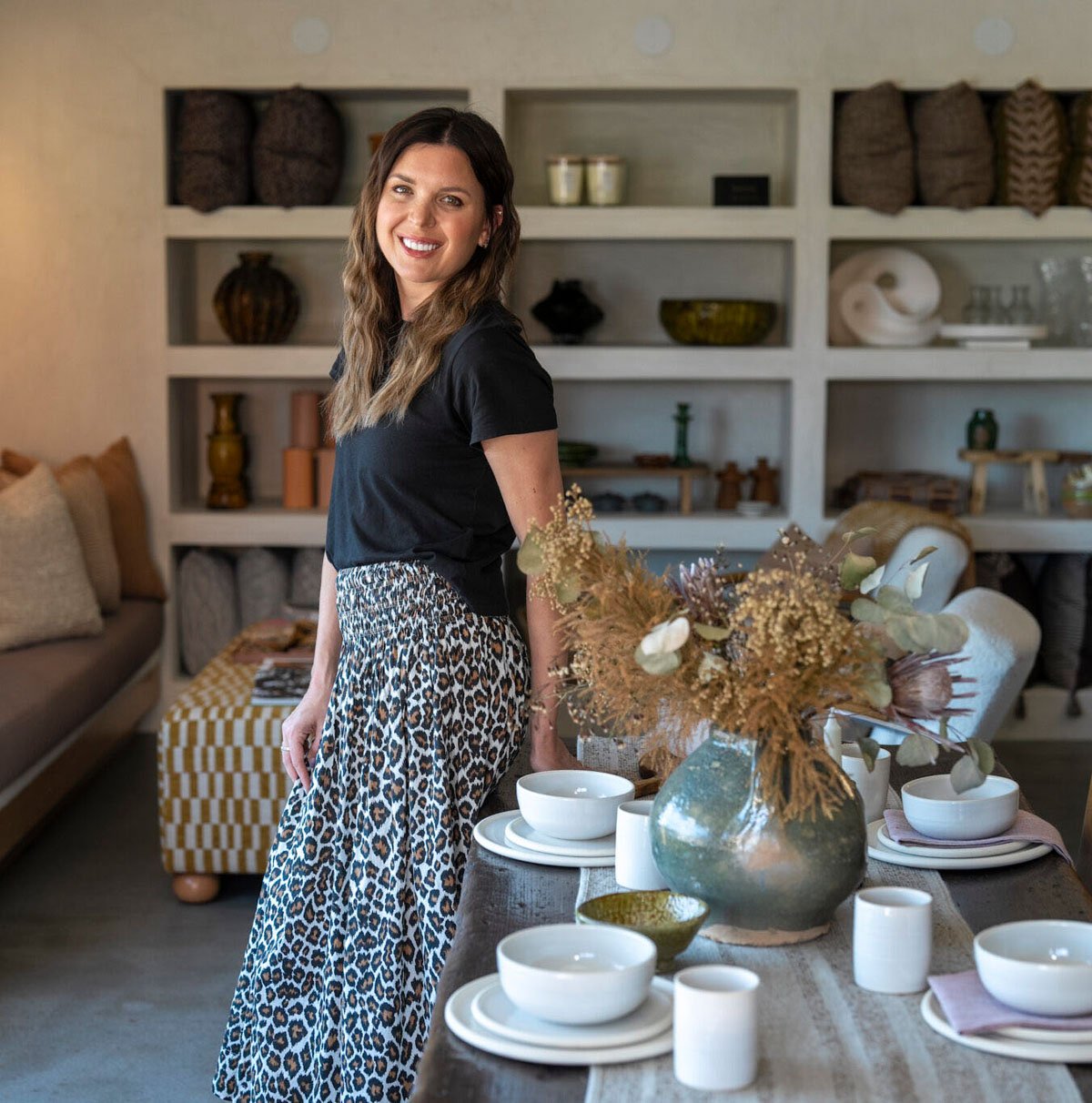
With over two decades of experience, Laura Brophy has established herself as a visionary in the world of luxury interior design, distinguished by her client-centered approach and meticulous attention to detail. From Newport Beach to international stages, her work embodies a commitment to creating bespoke spaces that capture the essence of each client, turning homes into deeply personal sanctuaries.
At Laura Brophy Interiors, she leads with the conviction that great design transcends mere aesthetics, crafting environments that are not only visually stunning but also deeply personal. Her ability to weave client stories into each space, ensuring every detail contributes to a cohesive and meaningful whole, sets her apart as a designer of not just spaces, but lifestyles.
For the discerning client seeking a home that reflects their unique story and lifestyle, Laura offers not just design expertise, but a partnership in creating spaces that inspire and enrich life.
Resources:
-
Laura Brophy 00:04
It's taken quite some time, and Ian honestly say, we have a really strong team. I am huge on not having drama and really creating an environment that people want to get up in the morning and come to and make sure that we can all be open and honest and treat each other like adults.
Mark D. Williams 00:30
David, here's through her podcast. We had Laura Brophy Ian, and she has an interior design business out of Newport Beach, and we talk just about very interesting way from fashion design to working for Restoration Hardware into her career, and really just some of the things that she's really let go of that her team can support and she can build her business in a way to reclaim her time. And I think towards the end, we really pivot on wellness. Laura's very interested in how that can recharge not only herself, but also her business. And we talked about some of the emerging trends and different things that clients are looking for. Without further ado, here's Laura Brophy. Welcome to cure splitter Podcast. I'm Mark Williams, your host. Today I'm going out to the West Coast in Newport, California, Newport Beach, I should say, with Laura Brophy from Brophy interiors, Hey, Laura, Hi. Good to be here, Mark. I know. Well, thanks for taking the call. And I can't remember. I should know who was our introduction again, because we were introduced to each other through email. If I recall, we
Laura Brophy 01:28
were through Stacy. Ian, oh, sure, yep, Stacy, he's wonderful. We recently connected, and he, yeah, he thought it would be great for
Mark D. Williams 01:38
us to connect. So he's, he's great. So I met, I met, I actually met Stacy. Did you listen to his episode? I did, yeah. So yeah, well, then the audience knows too. I met him out at contractor coalition four years ago now, and then he now leads our curious collectives in Seattle and La so here we go and in Newport Beach. Do you know Patterson custom homes? I do, yes. So I've been through a couple of his homes. I was out. We had the contractor coalition at Huntington Beach two years ago, and so I was out in your neck of the woods. And oddly enough, Morgan Molitor, who is one of my business partners, she went to school for fashion at maybe even the same school. You guys don't know each other, do you?
Laura Brophy 02:16
I do not. I just, yeah.
Mark D. Williams 02:19
I was just, it's just funny. I've actually met a handful of designers that went to school for fashion, which I guess somewhat makes sense. But anyway, I thought Morgan is funny because she's a builder who went to school for fashion. So that one's kind of a curve ball. Why don't we introduce you to the audience, tell us a little bit about who you are, and we'll kind of just dive into it and like we normally do, and hear your story. And then, of course, we're on the smile to her on the West Coast, so we're overlaying it through buy back your time principles, and talking about your business operations, and then we'll just kind of go from there.
Laura Brophy 02:46
Not Well, I'm Flora Brophy. I have a design firm here in Southern California. I've been in the industry for quite some time, and my journey into this was not something that I would consider normal or like, the way everyone gets into design, I actually started thinking that I was going to be in sports medicine, so that's what I was going to school for. And one day, I walked into an upholstery shop, and I just stood there and was so fascinated by all of the fabrics, and I started flipping through these, like beautiful fabric books and and then I went into the work room, and, you know, there are sewing machines and just all of these amazing pieces that were being transformed. And I was so inspired by how you could take something that was ugly, not beautiful, something that most of us would throw it away, and it could be turned into something beautiful and meaningful and something that had stories to it. And I so I was really fascinated by that, and I ended up working there as an intern, and that's how I got into design school. I then switched and went to the interior designers Institute in Newport Beach. And while I was there, I worked, I and I went to a lot of different companies. I did kitchen and bath design while I was going to school. I don't know if you remember Expo design centers. It was a high end Home Depot, and I worked there for a while, learned a ton, and then I ended up going to some different boutiques, learning more of the luxury side of design and and then I actually started a company with a friend, so we had a business together. And quickly learned that the business side wasn't our forte, and we're still friends today, but we do not have that business together anymore, and at that. Points, I was a little unsure what I was going to do. I ended up becoming a buyer for Dolce and Gabbana. Totally different, but I loved fashion. That's a whole nother side for another day. But I went into more of the fashion world, and then I was recruited to Restoration Hardware when they were starting their design program. And I kind of, I really became a designer, but also I was in a leadership role, and that was huge growth for me, because I was helping run the West Coast design program, so I was working with clients, as well as helping to hire, build teams and organize an operation where how we were presenting to clients and how we were bringing design into this luxury retailer. And it was a fascinating job. I traveled a lot. I you know, I worked a ton, and I did get to a point where I realized it just wasn't what I was craving anymore. I wanted deeper relationships with people, where I really could spend time with them. And really, instead of just designing a room, I could design someone's life and really focus a little bit more on what I love about design, and it's the people, and it's creating spaces, not just a room full of beautiful furniture. So I got out of that world, and quickly after that, I started Laura Brophy interiors. We've had the business for about seven years now, and we have a team of 10, and I'm just, I'm loving every minute of it.
Mark D. Williams 06:57
So is it safe to say that during those restoration, hardware expansion years is that, literally, where you learned the business, operational side of a design firm,
Laura Brophy 07:07
I learned more of the leadership side of it. I really learned how important it was to surround yourself by amazing people, and how if you don't it can quickly bring a team down. And I was around a lot of senior leaders, really, you know, high level business people that were teaching me along the way, the the business side, but a lot of the how you build a business, like how you grow a business. And I am by no means the business side of the business. I brought in my husband, Rob, he runs the business side, so that I can be more of the visionary of where our business is going, how we're growing the team, and more on that design.
Mark D. Williams 07:57
Did you when you started in 2018 was Rob right there from the very beginning, you like you knew you needed that business side of it taken care of.
Laura Brophy 08:03
He's my husband, so he's always along the way. He's always been a huge support, and I'm very thankful for that. He the very beginning, he had his own full time job and was extremely busy. Was helping me some at night. But I, you know, the beginning, it was me. I know I knew that I needed an accountant. I know that I needed to make sure that I was following regulations and everything. So I knew that from having a business prior, but he came on maybe a couple years later, when I decided to go from it's me, and, you know, a couple people helping me to going to an actual location outside of our house. And that's when it really became a lot more real, is when we took that leap.
Mark D. Williams 08:55
And the reason I asked that question is, I think your path is actually somewhat familiar, like, there's a lot of businesses that I've Well, Rick and Amy hendle, they're actually the reigning they actually, we just had the builder show, but like, they're from Minnesota, and they won the national custom home builder award of the of the country last year, and I've had them on the podcast a few times. And Rick was a builder, and then Amy eventually, as he got more and more successful, a lot of it was transitioning. She was very good at design. And so you see a lot of businesses where the spouse eventually comes in, maybe not at day one. And while they're obviously always there because they're your spouse, but it seems like a few, especially around growth periods, or they see like, hey, we can supplant, like, maybe in the beginning you couldn't supplant your husband's salary, but after a few years, you're like, actually, not only can we do that, but I also need your expertise and help, and so I'm always kind of enamored with couples that sort of expand their roles into their business, because I would imagine sometimes it's quite challenging, especially on the business side, if you're the dreamer and the visionary and your husband is like black and white on spreadsheets and that kind of thing. How do you guys? How does that argument or discussion go? Oh yeah.
Laura Brophy 10:00
It's like, it's honestly evolved so much from when it started, where he came in, and I think Rob, my husband, he was almost learning the business a little bit more, too with us. And then I think he was able to then get this big picture and go, Okay, here's what you want. And then it was planning out how we're going to get there and and we had ups and downs. I mean, it's not the easiest to get in sync. I think in the very beginning it's like your baby, you feel like it should go a certain way, and then you have someone else who's coming in, and, you know, he is black and white. I never, I've never worked for money where it's like, that's my main goal, is to make money. I really am in an industry that I'm so beyond passionate about and obsessed with. So I would go to someone's house and work for free, which is hence why the first business didn't work, because it was saying yes to things where I thought, Oh, this could be a huge opportunity. If we do this, there's going to be so much more, you know, that can happen. It's just a good opportunity. So he quickly was like, You can't do that. Your time is way too valuable. And he really helped me slow down, which I think is important, and make better decisions
Mark D. Williams 11:19
from I mean, that actually is one of my first questions, because it's right on your website. Your website. But basically, the most expensive resource in any business is your time. Expand a little bit on that. I mean, you're touching on it right now a little bit. And I think it's really important. I think all I've been in business for 22 years, and I look at time so differently than I did. Well, obviously, in the beginning, right? It's like, I often equate it to, like, the ball, you know, a dog chasing a ball at a dog park. Like, I'll chase any ball that moves. It's like, go, go, go, go, go. It doesn't make it a very good, you know, experience for anyone, really. And actually, right now, speaking of Dan Martel's book, I told you, I'm kind of slowly going through it because of all the work stuff. I actually just downloaded the there's a resource page online that you can do, and I'm doing the two week audit, where every 30 minutes, I chart what I do, and then at the end of two weeks, I'm supposed to go through and green, the things that give me energy, red, the things that suck energy, and then put dollar symbols on it. And basically the whole principle is, if you calculate your whatever you pay yourself divided by 2000 hours, that's your hourly rate. And I'm guessing, as a designer, you're more familiar with that than most builders are, because we usually charge by the job. And then, basically, if you can hire it out for a quarter, any job that you can hire out, you should hire it out, you know, based on that metric. So anyway. So anyway, back to why time is expensive. So what give me your perspective on how you how your viewpoint of time has changed, and how do you value your own time?
Laura Brophy 12:42
Yeah, I mean, there's two different ways I can answer it. One, of course, is from a client perspective, what I've learned just in business, and then the other for myself is really what I was going into is just valuing my time so much more and realizing that that I'm also helping people by not wasting time or not doing things or taking away from things that are truly needed, or going to help the company, going to help, you know, my teams, my family, so I've really time has completely shifted how I think of it and with clients, I think that's one of the reasons why they hire us. When I first started, I thought, well, people will hire me because I'm great at putting together colors and I'm great at putting together materials and putting together a space that I know feels amazing. And of course, that's why people hire me. But I think another huge part of it, what we do, we are making 1000s of decisions for people when they are building their homes, and we really like that, is important that we have a structure where we can help our clients get through a project in a logical way where they feel good. It's so exciting to be able to build a house, remodel your home, but if you're stressed out along the way, if your client is freaked out or they don't hire a great team, builders, architects, designers, lighting designers. Have a curated team. You know, you really are running the risk of the project and not being fun, having a year or longer of your life that is miserable and really taking away from what a joy it is, what a blessing it is to be able to do it.
Mark D. Williams 14:43
I have a comment on that regarding time. So right now, your process, how involved you allow the clients to get, and how involved do they want to or not want to be involved
Laura Brophy 14:55
we have, I would say the majority of our clients really do. To come to us to help make decisions. So whether you know it's us giving two or three of the best options out of the 1000s of options, you know that's typically how we how we do it. We do have a few clients who do like to be involved in everything. They want to see, every hardware piece that we're sourcing, they want to see every single element of the house. They want to be involved in and and that becomes as the client gets deeper and deeper into the project, can quickly become very overwhelming. And typically, people will then go, I just want you to make the decision for me.
Mark D. Williams 15:43
I mean, as a business owner, and correct me if I'm wrong, I've noticed that in my career, that the higher end homes that I build with the higher end talent, both architects and designers, they also basically have it. I mean, it's kind of like, you know how like attracts like, or Your vibe attracts your tribe, like people that are really busy and are paying you we do a professional service. And I think in the messy middle, especially in the beginning, when we're first starting entrepreneurship, we sort of want to be everything to everybody. And it doesn't I get that. We've all probably been there. But like the more I look aspirationally at other people that are either levels above me or people that I really appreciate their business model. They're very clear on their deliverables. And I heard two designers give this just amazing talk, and there's a pair of them, and they were speaking to an audience of about 40 designers, and they were asked, Do you allow the client to be involved in decision making? And they said no. And they say, you're paying us for our opinion. You're not paying us for your opinion. And I would thought I was like, oh, man, I would love to be a fly on the wall. And it so much depends on the delivery. Of course, you know of how you would deliver that message to your client, but I have to imagine that if you're clear in your messaging, like, there's a lot of people who would be relaxed, because I think the biggest hurdle for high end custom homes or remodels is they know instinctively, like this is going to be a lot of time, and they fall into two camps. One, they're either intimidated by how many decisions they have to make, which you and I'd be happy to solve that problem for them, or two, they they want to be involved in all the decision making because they're excited to be a designer or to be a builder. I've had both. How would you what's your, what's your, what's your observation of what I just shared?
Laura Brophy 17:22
Yeah, it's it's Ian, exactly the the two designers that you mentioned. It's that is a great way to to do a project and to work with clients. We don't completely take that approach. And not to say it's not a great approach that some people will be fine with, and it's great for the team, because I think the project can move a lot quicker. And there's that's, there's a huge benefit to that. I would say, a lot of the times with our clients, we try to upfront, say, look at Pinterest, look at inspiration. Let us know, like your hopes, your dreams. You know, we do all of this in a kickoff meeting. Some people bring a lot of inspo. Some people don't have much inspo. Just kind of depends on the person. And what we say is, after that, stop, stop looking at things, because it it just can become too overwhelming and can really hinder the project if you continue, you know, trying to find different options along the way. But our we have, we work on so many different projects. We work with so many different people that it's sometimes fun to have the clients involved. We have some clients that just have exceptional taste. They've had a few houses, they've worked with other interior designers, they've traveled the world. They have sourced some really cool things. And we're working on one right now that we're actually installing next week. And this client just it's been so much fun to work with them, and I'm not going to say it's not a bigger challenge, because there is a little bit more back and forth, but we've really set ourselves up as a team where we can have a really personal service. Ian
Mark D. Williams 19:23
it's time to talk about contractor coalition summit at the beginning of May. We are going to be in Denver, Colorado for our first contractor coalition meetup. We're going to do a standalone event in the middle of September in Minneapolis. It's a one day reduced fee. Tickets are available now if we wanted to create an event that was just a one day Crash Course. You can find all those details at contractor coalition summit.com we also, in November, have our three day tail end of the year, which is going to be in Charlotte so if you're interested in any of those events, please head to contractor coalition summit.com. DM me for any information or email me. Mark at MD will. Williams, homes.com, and thanks for tuning in. Do you charge hourly? I would imagine, yeah. I mean, I think that's the benefit of the model, right? I mean cost plus, you know, in the building world, is made for that as well. I think what I like about the hourly rate. Have you ever had any pushback where clients, you know, push back, and what would their common pushback be?
Laura Brophy 20:23
Yeah, so we have a lot of people that just want a number, you know, they're trying to budget what their project is going to cost. And they want to know what is a typical design, the design fee, and it's a very, you know, it's one of those things where, how much is it going to cost you not to hire us is, oh, that's a good one. You know, we're saying to people, because we really come in and we're able to put together a project thoughtfully to make it so that their time, our clients time, is so valuable, you know, so that they can have their lives, they can enjoy the process. And so we, we stand behind the hourly, and we by the end of the conversations, most people understand, because the honest truth is, if, if you're decisive and you can make decisions, it's you know, it's going to be a better price if you are indecisive and you want to see more options, and you want to be more part of the process, then it's more costly. Do you
Mark D. Williams 21:28
are most of your projects, remodel or new build?
Laura Brophy 21:33
I would say, you know, it might be 5050. Between new build and larger remodels are typically what we do.
Mark D. Williams 21:43
You feel that the client personality, if you were to do like, either a personality test or like an observation, could you say, like, Hey, this is the type of people that do remodeling, and this is the type that do new Have you made any observations about that?
Laura Brophy 21:59
I think there's a lot of people who get into this that have no idea what they're getting into. If I'm being honest, it's quite the endeavor, as you know, and a lot of our big remodels are almost new builds, like, so much so that some people at the end go, I should have just done a new build. Like, I mean,
Mark D. Williams 22:21
I mean, the biggest issue in California specifically is your permits for new homes in particular is incredible. I remember having Dakin coffler on a couple years ago. He's down in San Diego area. And, I mean, it's, it's multiple years, and you got ocean commission and all kinds of stuff. I mean, I get in the Midwest, we get bummed out if we have to wait 65 days for a permit. We think that's forever the idea that and so I can see why remodeling and also costs. I mean, you know, you're in a very expensive part of of the country as well.
Laura Brophy 22:49
We are. Yeah, we have a couple projects right now. One we're working on, I think it took about eight years to get through the coastal commissions, eight years, eight years, and then another one, it was pretty close to that, maybe
Mark D. Williams 23:01
six years. I just can't imagine the I'm actually more impressed that the client I know, the team who's hired, can do it, because it's kind of like an ongoing, trickling job that kind of stays on the burner, if you will, or simmering. But I cannot imagine the mindset of someone saying, I'm willing to spend eight years of my life. Kudos to them. What I mean, what sort of options, what, what is some walk us through that, like someone that's willing to spend eight years, like, what is their mindset that they're willing to do that? Because that's really impressive. I find it Impressive, impressive or crazy. I can't decide which one it is.
Laura Brophy 23:33
Maybe both. No, they're really brilliant people. I mean, these clients, one does not live in the United States, so it's not a main house. So it's one of those things where they can kind of take their time and it's, it's not affecting their life. So they were able to have the time, yeah, to wait, and the financial means to wait. And another project we're working on, it's something where they had gotten two lots right next to each other where they could build their dream home. And they don't live, they live in Northern California, so they have a home, and they they just have the time to do something really special and something that's going to be incredible. And yeah, kudos to people that can can wait and have the resources to do projects that are,
Mark D. Williams 24:25
you know, dreams, that's amazing. How do you, I mean, from a business side, how do you handle that, from a billable hours in your queue? I mean, you couldn't have, I mean, if you had a bunch of clients that were at that time, but I mean, you've got a business to run, Ian, I would imagine you're not, obviously always working on it. There's a lot of times where you would stop. How do you as a business owner? How do you handle that from a cash flow standpoint?
Laura Brophy 24:46
Well, it's pretty on those types of projects. So we didn't get involved with the with either of them until maybe a year before they were ready. Seven years. Waiting for the project we're brought in once it's time to bring in a designer, which we always hope is early on, once everything is through. And we know, I guess
Mark D. Williams 25:11
you're right. I'm viewing that through the lens of the builder and the architect, which were obviously a lot earlier on and in this particular situation. So that makes a little bit more sense. How have you, you know, a little bit, you know, I guess, sort of alluded to a bottleneck. But as you've grown, you have 10 people now, what are some bottlenecks that you've gone through as an entrepreneur? And how have you allocated when you're the bottleneck, and how have you solved that and either delegated it or sort of moved around it? Or, what are your What are, what are you, if you were to be honest, right now, what is it like your current bottleneck? And, yeah, yeah.
Laura Brophy 25:41
I mean, I'm always learning that said, I think as we've grown, it's gotten less of me being a bottleneck to the business. And so starting out, I quickly learned I was a bottleneck because I was doing everything. I mean, I was the floor plans, the, you know, sourcing everything, doing the purchasing for everything, client emails, like late at night, early morning phone calls, talking to builders and architects. And, I mean, it was and then I would have a team who's trying to support a couple girls who were helping. But I learned early on that that wasn't going to be sustainable for my life and for me. And as we started hiring more people, as Rob came on, we started really, you know, you've got to trust your team and bring people on that you can really trust and delegate to and find people who are smarter than you. I mean, a lot of you know, my team, the girls, are brilliant and so amazing and passionate and excited and fresh and and I really rely on them, and I'm so thankful to to be able to go into work and be inspired by other people. And you know, the it helps bringing all of us together makes our project so much better. And I just release where I'm not doing as much of the client communication. I'm part of the vision upfront, making sure that the project, you know, dictating, like, how the project is going to go from a style perspective and and then I'm there for client meetings and and sourcing, you know, making sure that we have a good ground and then my team is amazing at doing all of the communication, all the purchasing, follow up, receiving everything. And we have as much support as we do interior designers on our team. What do you mean by that exactly? So we have, so we have our, you know, a senior designer. We have lead designers, assistant designer.
Mark D. Williams 27:48
I see you got support within the team. I get it operations. You know, you seem like you really you've loved the team building. Do you think that you are, you guys at a good equilibrium, a good balance point? What does the future look like? Is this something that you this is just kind of a good model. Do you keep on adding or what does scale look like to you? Because I think scale means something different to every person.
Laura Brophy 28:11
It Yeah, and it changes. I think it evolves. I mean, when you don't have a great team, I don't think you want to scale.
Mark D. Williams 28:18
Yeah, it's kind of like if you have holes in your if you have holes in your ship, driving faster just makes you sink faster. Yeah, there you go.
Laura Brophy 28:25
No, it's taken quite some time, and I can honestly say we have a really strong team. I am huge on not having drama and really creating an environment that people want to get up in the morning and come to and make sure that we can all be open and honest and treat each other like adults, you know. And I always stress to my team, if anyone makes you feel bad, if anyone makes you just question just feeling good, I always say, like, make sure you go to that person. A lot of the times, it's perceived differently than how you took it, and you can just squash things right away. And so I really try to have a really open, really communicative, positive environment, because I think that affects design as well. You know, I want to make sure that the design is the best it can be, and that my team, you know, it starts with them.
Mark D. Williams 29:23
No, for sure, I was curious, from a emotional standpoint, all entrepreneurs and probably all people, you know, we some of our identity gets wrapped up in door work, our passion. How do you protect you know, your love for your craft and your love for your clients and also your family time? Or how have you managed to sort of make sure that both are being sort of fed, if you will, emotionally.
Laura Brophy 29:46
I mean, I'm not perfect at that, but I think you just have to have things that excite you outside of work too. For me, it's, I'm really big on wellness right now. And. And so I do weight training three times a week. I have a trainer to make sure that I commit to doing it. And I also go for walks, like I was saying to you earlier. I go on walks. I try to go every morning with my adorable dog and my husband, and it gets us out before the day starts. And then there's also a studio close by that is incredible, where I do contrast, so sauna and cold plunge. I do cryotherapy. I do red light.
Speaker 1 30:35
I thought, yeah, you got the whole gambit. All right. I like it.
Laura Brophy 30:39
I have the sleep eight mattress. I mean, the list goes on in my journey to making sure that I'm taking care of myself and my family and that, you know, the most important thing, I mean, work is so important and design is so important. But also, if you don't take care of yourself, it's not worth it.
Mark D. Williams 30:59
I agree with everything you've said we were doing a home here in Minneapolis called Misa, who's and the whole home is kind of based on a wellness principle that we're sort of developing and trying to understand more. And I think wellness continues to evolve. You know, if I was to, I'm 45 if I was to go back and and talk to a, you know, a 30 year old Mark Williams, like, what would I say? Like, what would be wellness then? And someone was commenting the other day, it's like, because I get up really early, they're like, What time do you time do you go to bed? I'm like, Well, I go to bed after I put the kids to sleep. I go to bed like, 830 and but it's like, I think it keeps evolving, because, like, I just feel so much better. And so it's like, I joke that at some point I'm gonna be going to bed at like, five o'clock in the afternoon, waking up at like, one o'clock AM or, yeah. And so I like, you know, it's like my kids are like, Dad can like, I took my daughter gymnastics last night, and on the way home, and she's all super excited. She's like, Dad, can we go up for ice cream? I'm like, Honey, Daddy's got to go to sleep like the clock is ticking. Like it's your bedtime, but it's daddy's bedtime too.
Laura Brophy 31:52
I'm with you. I am, like, wanting to be in bed at like, 830 and it's so early, but, but, like, I just shut down. I just can't think anymore. Off this, you can see, I'm upstairs in this room where I do yoga and meditation sometimes at night, and the Get Fit mirror is kind of a fun, a fun thing.
Mark D. Williams 32:13
Well, I think, I think it resonates with our I mean, first of all, even if it wasn't a business opportunity, I would still be for it, because if you don't feel good, I mean, you can't pour from an empty cup. And I think, you know, the things that make us creators, and it's the passion that drives us, and I think you touched on something just briefly, but I think it's important that if you don't have other interests, if you don't have things that you're inspired by, it's hard, especially in a creative environment like design or, you know, architecture, I think you can be a creative builder. And so it doesn't just, it's not nothing is really black and white. I think you can add a lot of your personality and color. And I think of like, from a sales standpoint, like, what attracts clients to our professional services? A lot of the times, it's just, it's, how authentic can we be, how clear can we communicate that message? And again, it's like a track. It's like, I mean, we're not going to be the perfect builder for every client out there, and that's okay. And it feels like you don't understand that message until you're a little bit older. I think at the beginning you're just trying to be, you're trying to be everybody's client, because you're trying to put food on the table. You're trying to figure it out and and kind of that messy, that messy beginning, sort of, I don't know if is there another way to get, can you get to age and experience without that whole messy beginning? I mean, is it
Laura Brophy 33:25
I asked the same thing. I'm like, I just might be dumb and like, I really had to struggle.
Mark D. Williams 33:30
I don't know. I don't know if you can. I think, I think it's those experiences that that that make you who you are. I think you kind of
Laura Brophy 33:36
have to go through the heart, but it can still, I mean, for myself, I still sometimes find myself being, you know, like that carrot that's dangling in front of you, where you're like, Oh, if I do this, maybe this is gonna I mean, I've had opportunities where it's like, okay, this is for sure, going to be an Architectural Digest Project. And what a dream, you know, and then it doesn't, it doesn't pencil out, you know, or you kind of start realizing, I had a feeling this probably wasn't going to be, wasn't going to work well, I mean, what? I don't know if you're, I don't know if you're
Mark D. Williams 34:15
like me. I think it's a human nature thing, and I think you're a human I think we're really good at selling ourself what we want to believe and I think and so. You know, I often joke that the easiest person to sell is the person in the mirror I see every morning. I mean, that guy will believe anything I tell him, and so. But it also makes you creative. How have you sort of navigated that? How have you tempered your expectations with reality? Because you still want to be positive and excited, but at the same time, you know, if you get too carried away, you know, you're not really bound by reality, and that doesn't help anybody, either.
Laura Brophy 34:46
No, it doesn't. I think a lot of it comes from asking the right questions. Slowing down is such a, you know, such an important aspect of business, and not just like rushing into something because you're excited, and I get. So excited over projects and people and that for me, it's very important to slow down for a minute and just have a good conversation. And oftentimes we have found because we don't take every project that comes to us, and probably to be honest with you, is about 5050 and that comes from asking a lot of questions up front, you're really interviewing the client as much as they're interviewing you, and by asking some of those right questions, you can really find out, is this going to be a good relationship? Because a project and working with someone, it's like a marriage. You are constantly thinking of them, their house, getting to know how they live. It's such a personal, intimate job, so it's really important that you also set up people for success. I mean, it won't make sense if someone you know you're gonna they don't have the budget for it, and you're going to put them in a horrible situation. I mean, that doesn't make you feel good.
Mark D. Williams 36:06
I think it's so funny to say that. I think early again, it goes back to maturity and really calling a spade a spade. I think early on, and I think I find I just did a bid presentation this morning to a client, and we're actually closer to the original budget than I've been in many years. And I was like, I was like, super giddy. I was like, Hey guys, I don't know if you realize how amazing this is, but you're only like, 150,000 off of the overall budget. Like, I've sat in budget meetings, where do you like a million or 2 million over budget? You want to say over I mean, obviously design SCOPE and Options and all that kind of stuff. But we I one thing. I think I need to do a better job of it. For sure our industry, I should just speak to building and I'd love to hear your point on design, but I think setting up expectations of what we think it will go and I think referencing our past, like I like what somebody once said, like you, like what we do. You like you are attracted to our brand for a reason. If you want that level of service and that level of execution, this is what it's going to cost. It's okay if you can't afford it. I often joke like, I can't afford my own work. I mean, we do. We do really, really, we have an amazing team. We do great work. I don't make enough money to to live in what I create. That's okay. And I often say that to disarm it, like it this isn't meant to be an exclusion thing. This is just a reality thing. And I think the more that I've been clear with that message and with that the way we deliver it honestly, the more relaxed the clients get. And you quickly figure out who your client is early on. And every time that I go against that, and every time I sort of stretch the budget to go you, it's always lower, nor whatever stretches their budget to go up, there's always you stretch the budget to go lower. Every time they're disappointed, you're stressed out, your team is stressed out. And yet, why I've been doing this for 22 years? Why is it always a temptation to sort of slide back? I don't know. Is it just me? Or do you find it the same way? Well, I
Laura Brophy 37:59
think what you're talking about is like people not making like, trying to save money as they're working on a project. And we run into that a lot. You know, where people are like, I love this light fixture, but can you find it for less? Find something comparable, that's less, and it's like, there are a million options, it's important to have a budget upfront, and it's easier for us then to work to that. But that being said, I've never had anyone excited when they like cheapened out on things early on, when they saved a buck, and then they're at the very end of the project, where it's so much work, so much of their life, and then they're finally getting to that finish line where things are going in and they're going, Oh, I'm so glad I saved money and I got the less expensive option. They're excited when they are. They're getting their that light. This is my example, because it's most relevant at the moment when they're so excited that they actually spent the money on an amazing piece that now, like it's been months, they're so excited for that to go in. I just had that text message this morning. Literally, we picked some epic lighting for a client. She thought we were out of our mind, which we're not, but she thought we were out of our mind the pricing. And now I get a text this morning, like, I am so excited to see the lighting going. It's going to be amazing. And it's like, yes, that's why we're doing this. Like, this should be exciting. And there, it should feel like Christmas. You know, when you get to see what you purchased a year ago. Now, going into your beautiful home,
Mark D. Williams 39:49
this episode is brought to you by Pella windows and doors. I've used Pella for 21 years as the exclusive window company on every one of my builds. When people ask me who I trust for windows and doors, it's Pella. Lea every time, their craftsmanship, their innovation, the top tier service, make them a no brainer for any custom home builder or designer who demand the best, whether you're designing something bold or building something with timeless elegance, Pella has you covered. They're also the only window company that has a lifetime warranty on all of their windows. I've gotten to know all their people at Pella corporate, as well as locally. Here at Pella Northland, I'm proud to call them our partners and our friends. Visit pella.com to learn more and connect with your local reps today. Also for more information, you can listen to episode one, where I interview their founders, as well as episode 109 where we talk about the innovation at Pella. I have never I said this to a client this morning. I have never had a client that has remorse after the home is built, saying, I wish I wouldn't have done this, in terms of, like, something they spent extra money on. I have had it many times where a client cut something and says, in hindsight, I should have just done it, always, every time, and that's where I think perspective. And I love storytelling. I'll often use, you know, even how we're talking right now with my clients, I'll tell them a story. I mean, I It's funny. My example is a light fixture too. It's not probably as expensive as yours, but, like, there's a custom company here called Hennepin made and they do hand blown light fixtures amazing. I've had Jackson shorts on the podcast before. He's an amazing human and artist. And long story short, I this client was definitely I was pushing them because I honestly wanted the light fixture because it was so beautiful. I'm not even the designer. I just became. I'm easily sold. As we already talked about, the mirror sells me all the time. And I'm like, we got to go watch them blow it up. And like, I'm like, you get to watch. This is a piece of art. This isn't a light fixture. This is a piece of art that actually, like has functional use on top of it. Like you can save the money on the on the Rembrandt, and you can go with just this amazing light fixture. So anyway, long story short, we got into their home, and now every time I hear her talk about it, she's like, Man, am I so glad you. I mean, I sold her pretty hard on getting it in there. But it was the experience. It was the story. It was going to the leading student to watch these artisans, like, blow through the little metal tube and expand the glass, and it's like, I think when you get a story attached to something, versus just like an object, there's so much more, you know, emotion and claws into it, and people, usually you know, are much more likely to spend their money on on a story. Hence, why experiences like when travel. I mean, how often have you had a client that goes to Europe or goes, you know, South America, or wherever it comes back and all of a sudden now they're like, hey, wow, could we, Laura, could we add this into the project? And you're like, I love how inspired you are. Let's, let's see what
Laura Brophy 42:29
we can do. Yeah, no, absolutely. I mean exactly what you just said is what we experienced. I mean, you've got to have a story to it. It's what's that emotional connection when you walk into the house? How do you feel? What does something remind you of? What was your experience? And all of that makes, I think, the House have so much more of a of soul to it, and so much more emotion than it just being a light fixture. Instead, it's something that you got to experience, and you got to be emotionally attached to and and it's so much nicer and that that's kind of, if we went back to registration hardware, that's what I was lacking was, you know, it's luxury retail. I'm not saying it's not nice. It's just it doesn't have that story, that authenticity. And in a world right now, we have AI and what's authentic, what's real, what's fake, you know, let's find pieces that ground us and and make us feel good in this environment and make us excited to come home and be in a space and share time with our family, our kids, you know, our dog.
Mark D. Williams 43:29
So that's a good that's a good segue into this kind of this going back into your comment earlier about wellness, and you have a personal interest in wellness. You know you had won best organic modern designer in California and last year, which is pretty amazing. And I feel I'm curious what sort of I don't like the word trends, what? Because I feel like that's the means they're coming in the going, like I've talked a lot about, we have a sauna camp coming up a week from tomorrow, from when we're recording this, and I do that through the curious builder and other wellness retreats. But my point in bringing it up is I don't think you can't open up your Instagram feed with I don't care who you are. You're getting served cold tubs and sauna, whether you do them or not on a regular basis. Now, I don't think that's a fad. I think that's a cultural shift, because I've talked to other people and met these people from Finland, and they were just talking about how globally, pretty much every culture in the history of the world has thermal culture history, like the Russian bath houses, you know, in Japan and all over the world. And the US is, we're just pretty young, right? So we're just kind of coming into it, which is why all these products want to adopt the US market. Because we're in a major age, major buying market anyway. But on top of it, they can sort of shape our new culture fascination, pinning aside, Sonic, red light therapy, cold plunge, contrast therapy, all those things. What are you seeing in the home out in California? Because a lot of times it used to be on the coast that it would work into, you know, I'm in the middle of the country. What are you seeing in terms of wellness orientated, either products, design. Requests from the clients that really center around wellness.
Laura Brophy 45:04
I think it's getting to be on the forefront of everyone's mind. I mean, it's everywhere around us, whether it's on your algorithm, you know you're getting all of the ads, or, you know you're surrounded by all these wellness places and for residential I mean, I'm even finding more gyms. People are definitely into weight training and making sure that they're adding that into their life. If they're too busy to go to a gym, they want to make sure they have it at their home. And then we are doing a lot of cold plunges and a lot of saunas.
Mark D. Williams 45:43
Yeah. I mean, we pretty much, I would say 90% of our homes have, for sure, a sauna to only Misa, who's the only one where we actually use Chilo. They're out of California. We're going to be featuring them in our in our model home here, and so we'll see, we'll see what people for sure, sauna. I mean, sauna is
Laura Brophy 45:58
sauna is great. Cold plunge is awesome, and an outdoor shower, or having a shower that's, you know, accessible. And I think that's another thing that's really important. I really wanted to understand that process as well is like, how can you make that ritual work in your life and make it really functional, and make it something that just brings calm and does bring wellness to your life and isn't stressful. So I think understanding how to use the equipment is important too.
Mark D. Williams 46:28
What? So I'm curious about the bathtub so for and I'll just give you from what I'm seeing here in Minnesota for the last decade. So for the last decade we have seen, I would say this is too easy to know. I'd say 30 or 30% of the time bathtub does not make it into the Owner's Suite. For sure, remodels is remodels in where I'm at is probably 90% of the time because they're trying to conserve space so it's gone, and they just do a nice shower. And we usually say, Hey, you have to have a bathroom somewhere in the house for, you know, bathing kids or babies or anything like that. And for resale value, this is my Yes. I'm curious to get I haven't asked a designer this question yet. Ian, yet. I think that Bathtubs are going to come back in again around wellness, because I think what's going to if we're trying to reclaim time we've got AI. I mean, there's so many things in our life that distracts us, and I know because I'm constantly distracted, like, we need help as a species to, like, calm down and detach from all these electrical stimulations. And our home is kind of the key function of it all. And nature getting outside, I think that tubs are going to come back, because the ultimate luxury is sitting in a bathtub for like, an hour, because you have to plan it, create time for it. You have to say no to a lot of things to have, you know, half hour an hour. But I also think regulating it used to be, back when I was a kid like you, filled up the tub. It was so hot, you'd be sweating, you'd want to get out. I mean, it's hard to keep the bathtub like at the temperature you actually want to be at. So I think the advancement of, like, the chillers and having like, in your owner suite, having it be both a hot tub or a jet tub cold like all in one. What do you think about that?
Laura Brophy 48:03
So I don't know about the all in one. Typically we'll have the bathtub and then we'll have a cold plunge. It's usually outside, unless there's a room that's dedicated for it. But I am all about a bathtub. I never understand when someone tells me we don't have to have a bathtub. I always try to have a conversation, just like what you're talking about up front. If there's space for a bathtub, it can be the most luxurious, relaxing, important thing, I think, for you to just spend that time, taking a little time for yourself. So but I do think there's been some really uncomfortable tubs, you know, and it's like, maybe it's a statement tub, and it's out of stone, and that just looks horribly uncomfortable. It looks cold. It's not, it's not something you really want to jump into. So I think making sure that you're testing out what tub fits your body the length, that you're not just, you know, you can't, like, lay down. You're, like, sliding in your tub and, and also, some tubs have some amazing, amazing purposes. Like, one of my favorites is MTI has the micro bubble tub. It's insane. You're welcome. You've got to check it out, because it's has these little micro bubbles. And it like, is really good if someone has dry skin, or enzyma, you get out and you have baby skin like it just feels so good. And so there's a wellness aspect to that. And another thing that I personally love is having the tub in the shower.
Mark D. Williams 49:36
So why can't we I've never personally like that. I just can't get behind it.
Laura Brophy 49:40
Why do you like it? I love just having like it just depends. Like, a wet room, a wet room, yeah, so, so I love it. Can actually be a bench as well. So I love, like, to put your slab around it. You have a nice bench, you have a good platform. It's not just a free standing tub. So you have. Kind of space to put your arms up. You can put, you know, whatever your shampoo or whatever you need on the deck, and you use it as a bench. So it's multifunctional, and it's so easy to go from the shower into the tub. So you can do both seamlessly, or vice versa, take a bath, and then you're like, in your wet room, you take a shower. I just, I've experienced it a few times. I just experienced it. I was in Japan, and they had that in a lot of the hotels we were at, and I found myself taking a bath every single time I took a shower, like it just was easy.
Mark D. Williams 50:32
So, which is funny, because you think of Japan, I haven't been my wife, and I want to take the family over the next spring, actually, and but you think of like, space being a premium in Japan, right? I mean, and so the fact that they have a tub and a shower, like, somehow they're making it work. And, you know, they very much prioritize space, way more than we probably do in the US, would be, my guess, yeah, yes.
Laura Brophy 50:53
But I think they also prioritize just that ritual too. You know, bathing is so big and Saunas are big.
Mark D. Williams 51:01
So I think it'd be a fun question to ask somebody, because I was just thinking about when I was asking, when I'm asking the question, but I already answered it. Like, when is the last time you took a bath? I mean, it might have been 1520, years. Like, I mean, I probably took it. I'm sure I took a bath with, like, when my babies were Baby, baby, and I had to hold them in the bathtub, or something like that. But like, I to take other than the only time I can think of is, I used to play a lot of hockey, and I would sometimes, after a long game or something, I would do like, or like, I trail run, so maybe to do, like, Epsom salts, or, like, for not medical, but for, like, a wellness aspect of, hey, I've got, I just ran a marathon, or a whatever marathon, and I need to, like, get this lactic acid out. But other than that, like, I can't I can't think of one, honestly.
Speaker 2 51:43
Oh, you ought to do it. I just took one last night.
Mark D. Williams 51:46
Hey, surprise, we don't have it. We don't have a bathtub in our in our house, except for the kids bathroom. We own a 1919 house down in Minneapolis, so we do have the tub for the kids, but I'm six foot two by feet sticking out of that bad boy. So yeah.
Speaker 2 52:01
Well, maybe eventually,
Mark D. Williams 52:02
yeah, in the house that I can't build because my stuff is too nice. What as we kind of land the plane here, one of the things that we've been doing with guests, and I had Nathan Marsala on from the bison group. He's in Salt Lake City. We asked we let each guest ask the next guest a question, so you will get to ask a question as well. But here is Nathan's question to you, and it's a pretty good one, what is one thing that you would delete from your personal life and your business? And I think that the concept of buying back your time, but like, what could you afford to remove from your life to get more peace or serenity or just to get time back that you could allocate to something that's a higher priority.
Laura Brophy 52:43
That is a really good question. What I could delete from my life and my business
Mark D. Williams 52:51
for one personal one business is kind of the way he left it. I mean,
Laura Brophy 52:55
could it be as simple as stress? Sure, for me it's, it's stress, I think is the worst thing that you can have in business. And Ian personal, and I think just anything you know, that does stress you out or brings you down, makes it so that you can't enjoy life, you know you've got to get rid of, but I'm trying to think of if there's anything for me that I mean, because my next
Mark D. Williams 53:25
question would be to drill, because I agree with you, it'd be one step deeper, which is, what is something that currently causes you stress that you could remove?
Laura Brophy 53:33
Can I tell you something that wasn't stressful that I did remove? Yeah, love it. I love this. Social media marketing. We have an amazing team that we have. We have internal and external, and
Mark D. Williams 53:46
I'm sorry, what do you mean by internal and
Laura Brophy 53:48
internally, we have an amazing, wonderful girl who runs our social media, and she does an amazing job, and she's able to see the day to day and take photos, and she's in the loop of what's going what's actually going on, and so it can be a little bit more authentic and real time. And originally, we had outsourced that and found it to be complicated and didn't feel as authentic. And we were, you know, spending so much money to have something that just wasn't wonderful. And I think by bringing that internally, we have noticed that our story and our brand is so much stronger, and that's been a huge like social media, it's stressful. I mean, it's like, you have to think about captions, what photos are you going to be posting, what stories? And then you have sub stack. And then we also have YouTube. So we have YouTube that we started last year. That's I'm loving because, again, it's video format, authenticity. People are seeing an actual video. And I have someone who helps with that. So I think just around like continuing to figure out that aspect has hugely been a de stressor, I
Mark D. Williams 55:12
would imagine, probably also on your personal life. It probably makes you haven't mentioned it. Do you have children? Or no, I don't
Speaker 2 55:18
have children, but I do have my
Mark D. Williams 55:20
bernadoodle, your bernadoodle and your husband Rob. Where I was going with this question was just also when we take stress home personally, it affects the people in the home. Your husband probably dogs are amazing because they de stress us. I don't know how many dogs we stress out, because they usually relax us, but where I'm going with this is I remember my wife for a long time. It was our voice, and it was a cost we couldn't afford. And so my wife did it. But then, you know, we have three kids, so she's doing it at night. And then, you know, there's tension between us. And because I'm filming it, she doesn't like something, and she's like, making me record something, and I do really good, ad hoc, not being told what to say. And so, like, you can imagine how this conversation went, Yeah. And so one of the best decisions we made was, you know, obviously we have a great team that supports us on, you know, we have a couple different platforms, and now I can just dip and dive and, you know, you know, try not to mess up their stuff, but go in there and just do stories or do whatever. And you're right anytime. I don't know why we thought for so long, doing it all ourself was such a great idea. I mean, we don't do there's nothing really in life that we do all by ourselves. It's like now you have a team, you have your business, you have your partners and and so this is just another evolution of us.
Laura Brophy 56:29
I outsource as much as I can. We have. I mean, you heard I have a personal trainer. I used to be a trainer. I know how to work out. I love working out, but that accountability, it's like one of the best decisions, the best money I spend, because I just get pushed harder, and I feel motivated and, you know, and I get in the gym because I'm paying for it 100% Yeah, cleaning my house, having a team, having social media. We have, sometimes we'll have someone who's cooking for us, just anything that we can do to take off something that I'm not good at, or my husband's not great at, we do it's been the biggest help.
Mark D. Williams 57:14
Yeah, I think that's amazing. What what is the rest of your I mean, we're just getting going on the year, but what is 26 look like what are
Laura Brophy 57:20
you most excited about? I'm really excited. I'm actually we are heading to salon, a which is a show in Milan mid April. So I am, you know, I love traveling, and we tried to go a couple times a year to Europe. It's something we started about five years five years ago. I had never been to Europe, and now that I have gone, it's just the itch to go back, and I just, I get so inspired, and it really is just a help for myself and my own well being too.
Mark D. Williams 57:57
Well, it just be you and Rob, are you bringing the team? Is this for design, or is
Laura Brophy 58:01
this just for pleasure? So it's for design. So the show there's, it's just like the city, basically, you have all these different vendors, there's parties, and there's all these events, and everyone's showing the newest and latest and sure materials and beautiful craftsmanship. And then we're going to extend it and head to Florence, but it's my husband and I. We're going to be going with another vendor, Bertazzoni, and then we are going to stay a little longer. Hugo is going to be with us. He's my partner on the YouTube, so he'll be documenting all of it so that we can create, again, some beautiful content. And so I'm really excited for that. And then another exciting thing in my life is that I'm getting ready so I hear you on the house, as you can see, like I'm in a 1973 home that we purchased a couple years ago, and it's taken a little bit, but we are going to be doing our home and doing a big rehab to it, and I'm really excited for that. And our project's gonna be called love you to the moon, and it's personal. And I couldn't be more excited for that journey.
Mark D. Williams 59:12
It's fun, because as you get the storytelling, and it's obviously yourself, it's funny, it'll be interesting. We should check back with you. Actually, we should. We should totally do that when after your after you know, midway through at the end, we should check back in, because I'm sure you'll document it to the moon and back and but it would be one thing I've noticed about this house that I'm building right now. We don't have a client for it. It's that first one we've done in 16 years, and it's like we created this whole story. Because the reason I created a story and a brand around this Misa who's project that I'm doing, is that I kind of felt for me, that if I build a house for everyone, I build a house for nobody, and so it's like a blank piece of paper is really hard to design for. Like you and I are very good at talking to our clients and understanding what they want, but when you're trying to predict somebody you don't you've never met, it's an it's an unknown person. So I needed a storyline anyway, where I'm going with this is I completely forgot, because I. Haven't done it in 16 years. How much time and energy and effort goes into it? When it's your own project, it feel, I gotta tell you, it feels so different than designing. I'm managing four or five other people's homes way easier this one house, because I am the bottleneck for the whole thing, and it is a lot more work that I remember. I don't know how, and I know I'm maybe doing it a different way than most are, which is probably why it's also so exciting and passionate for me. But I am putting in an insane amount of effort and energy in myself, like into this project, and so anyway, if I could afford I'd move into it, but as we are previously discussed, that's not an option. So I'm excited to see a couple years from now, when you're done, like to sit back, you know you should write a blog on it. Like, when you design your own house, how much time and energy and effort, it's almost like you need a team to help do your own house,
Laura Brophy 1:00:53
which I do? I have, my team is helping me with it. Because, as you said, it's like there's so many options, and I love so many different styles and things, and I want to make sure I don't make a mistake, and it's a lot of pressure, and it's who we're partnering with on it. And it's, it's quite the journey. So yes, it's, it's using a lot of smart people around me too, to make sure that we're going in the right direction. Because, to your point, I'll be curious. I can't wait to see your project.
Mark D. Williams 1:01:23
Always come see it. It'll be the month of June. It's on the artisan home tour. We're doing a big event for people that are in the curious builder world, the collectives, the mixers here locally. But heck, I'll probably extend an invite. Anyone who has been on the curious builder podcast is welcome to come. We're doing a big event on June 2. It's open the whole month of June, but we're doing like a huge half day. We have like 32 brand partners. Brand Partners, so we'll make a big, big deal out of it. So I'll make sure I send you an invite. What? Okay, your question? What question Would you like to leave
Laura Brophy 1:01:51
the next guest? Well, I wrote it down. Okay, so here's my question, what one decision you made that dramatically changed how you spend your time each week. Kind of similar to the question, I feel like I was asked, but
Mark D. Williams 1:02:12
that's it. I'm also writing it down, hence the quiet, the like the audiences be like we've never heard Mark be this quiet for this long. All right, one decision dramatically changed how you spend your week.
Laura Brophy 1:02:22
Yes, one, one decision made that dramatically changed how you spend your time each week.
Mark D. Williams 1:02:27
All right, you got it. Well, you have to tune in next week to hear that. Thanks for tuning into the curious builder podcast. We'll have everything in the show notes. I'll catch you next week. Thanks for tuning in to curious builder podcast. If you like this episode, do us a favor. Share it with three other business owners. The best way that we can spread what we're doing is by word of mouth, and with your help, we can continue to help other curious builders expand their business. Please share it with your friends. Like and review online, and thanks again for tuning in.
This episode is sponsored by: