Episode 166 - Casey Cloward's Blueprint: Lean Business, Big Homes, & No Apologies for Charging More
#166 | Casey Cloward | Raykon Construction | Lean Business, Big Homes, & No Apologies for Charging More
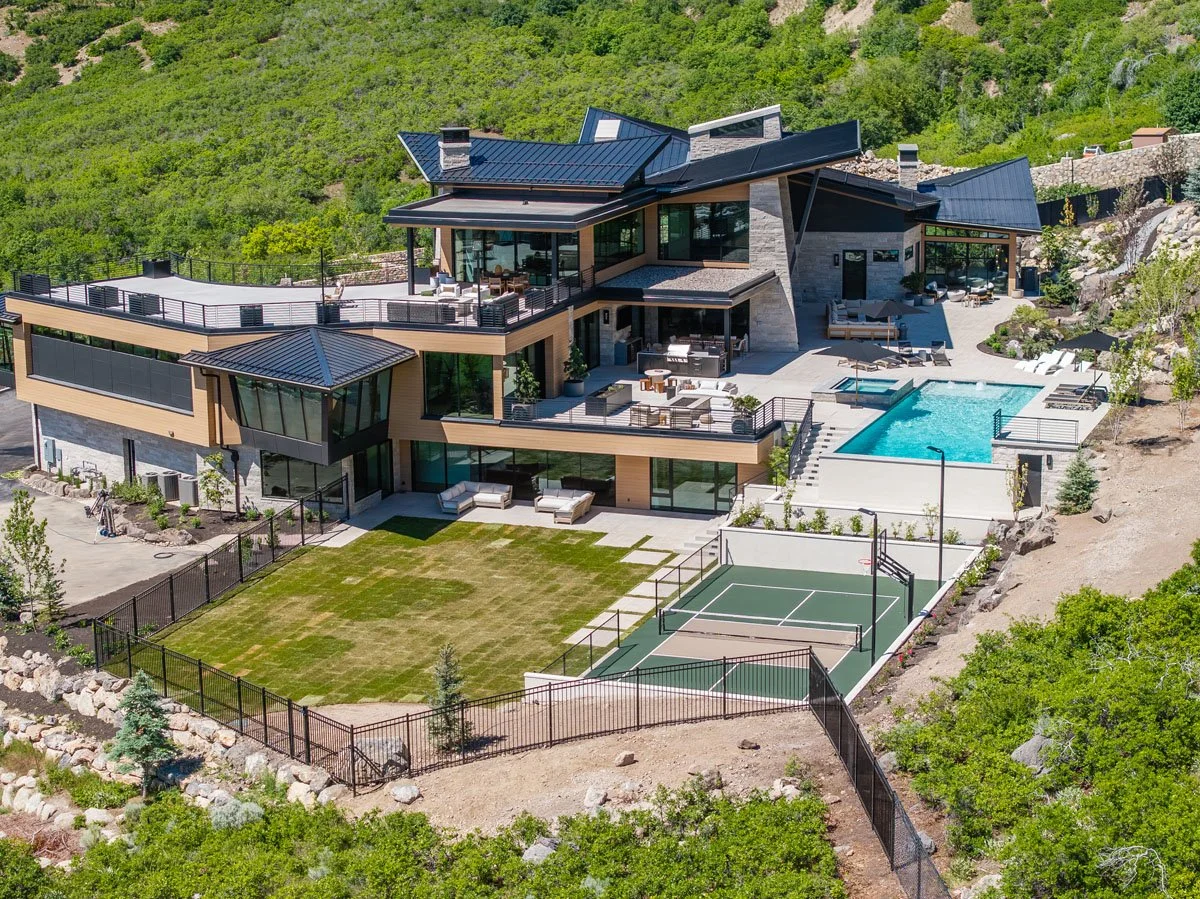
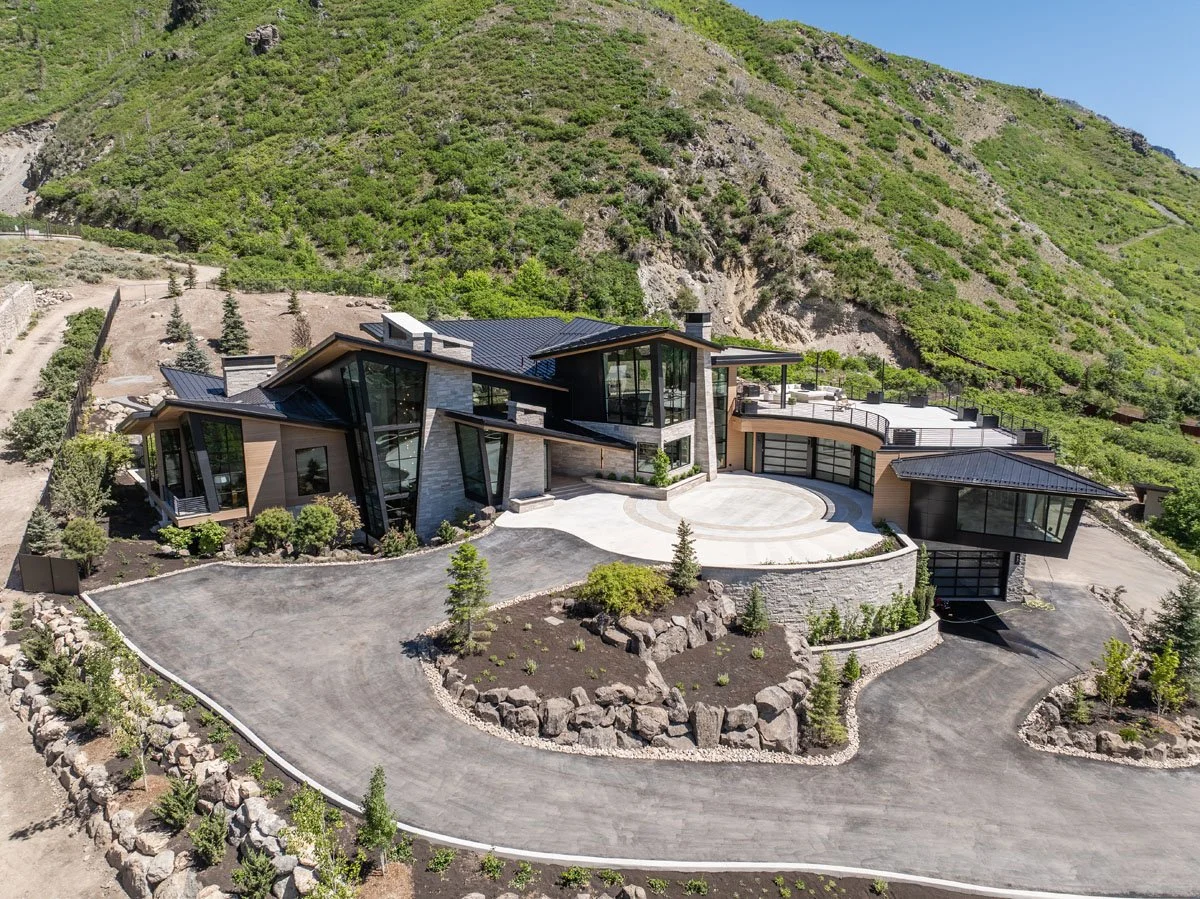
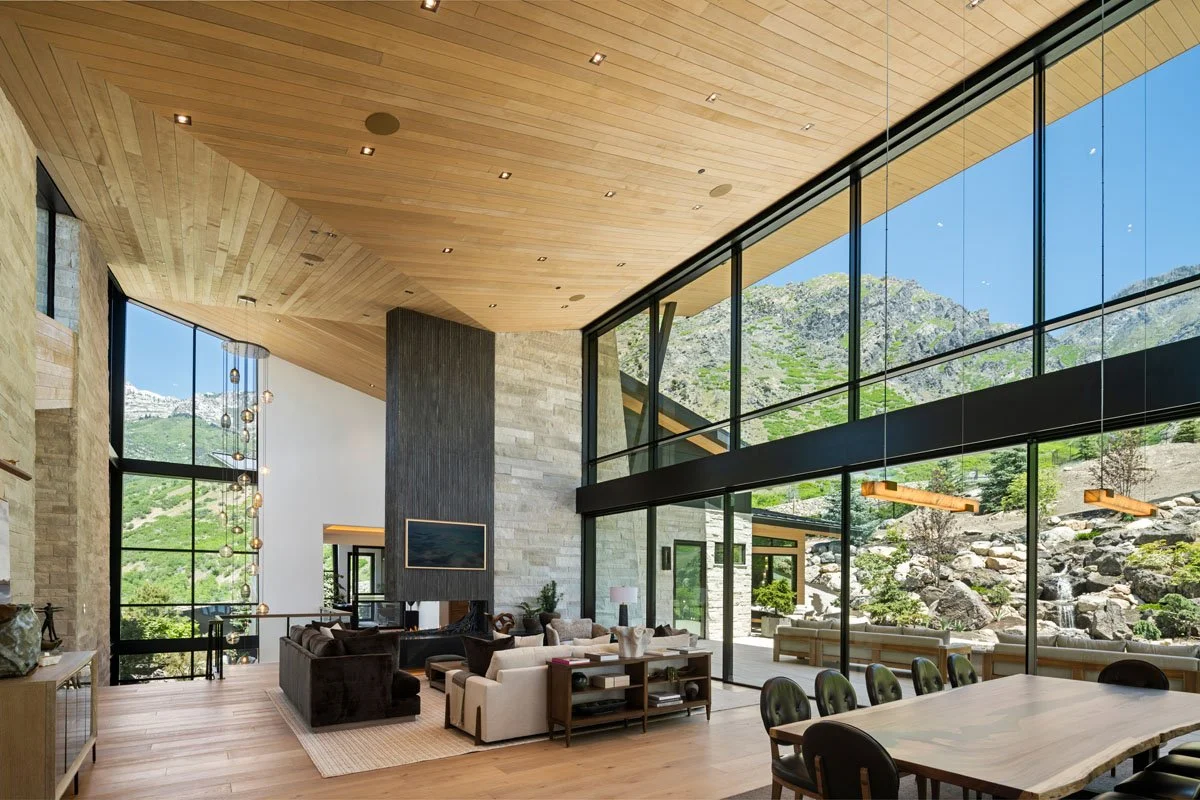
Casey Cloward doesn't build the most homes, doesn't chase the biggest numbers, and isn't trying to be the loudest guy in the room — and that exact philosophy has built Raykon Construction into one of Utah's most respected custom home firms. Mark and Casey dig into what it actually means to run a lean business on purpose, why Casey treats his five project managers like five in-house general contractors, and how building his own 11,200-square-foot home — after swearing it would only be 6,000 — turned into the best financial decision of his career. There's also a running joke about two builders racing to finish their spec homes before photo day, and it's as chaotic as it sounds.
Listen to the full episode:


About Casey Cloward
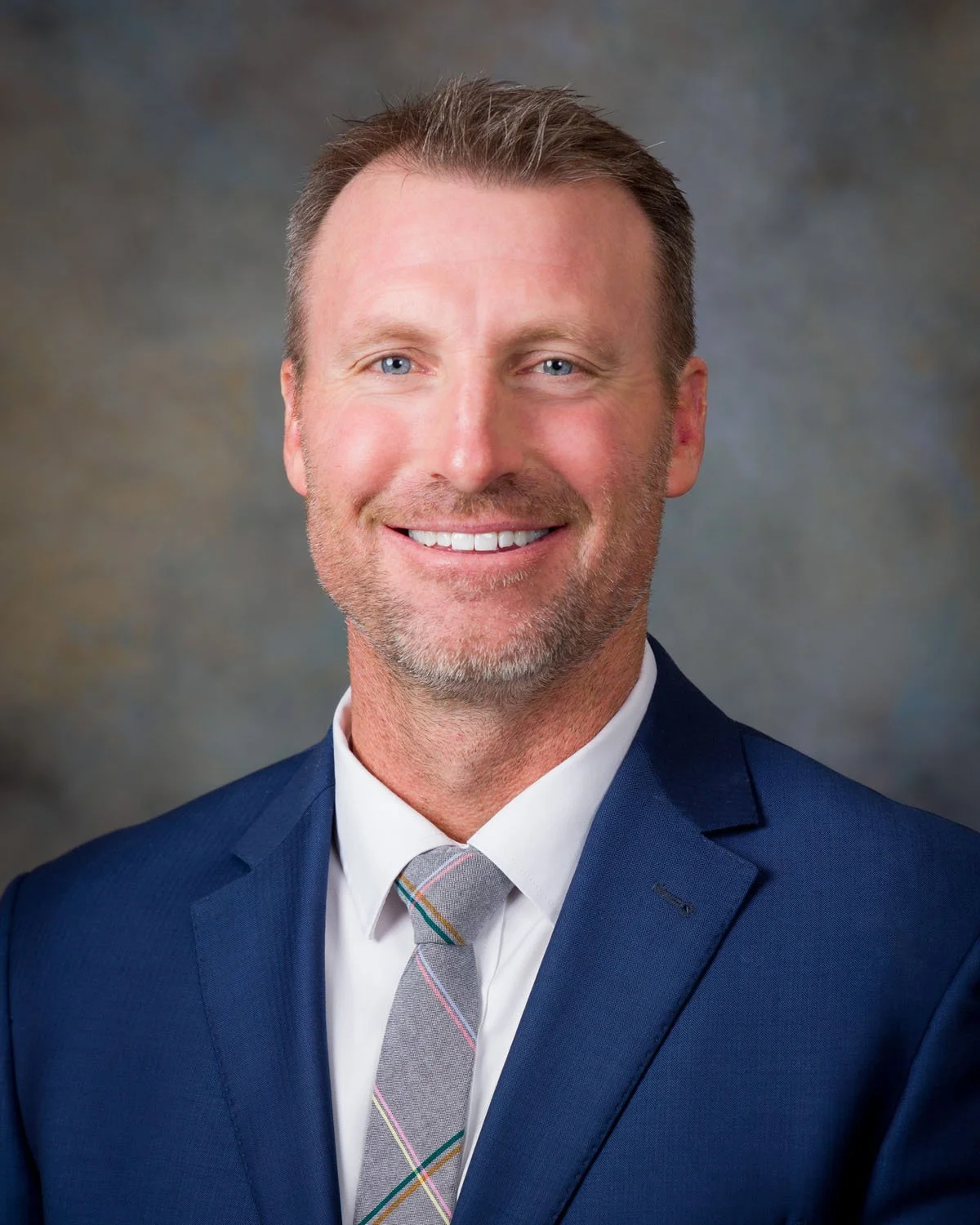
Casey is a third-generation General Contractor. From his youth, he has been around job sites learning and mastering the characteristics of implementing the equation hard work = great results. He received his BS in Construction Management from BYU in 2006 after also serving a mission for the Church of Jesus Christ of Latter-day Saints in Monterrey, Mexico. Upon graduation he worked for Mercedes Homes in Port St. Lucie, Florida and for M-13 Construction as a superintendent. In 2008, he founded Raykon Construction literally with his own two hands as he began as a woodworker and cabinet builder. An avid baseball fan, Casey played catcher for the BYU baseball team in 2000 and 2003-05 along with a number of other great teams. In his spare time he enjoys pickleball, golfing, fly fishing, and spending time with his wife Amberlee and four children: Talon, Trigg, Rosalyn and Remi.
Resources:
Visit the Raykon Construction Website
Visit the Raykon Construction Instagram
-
Casey Cloward 00:04
I everything that raycon has established. It just works, but that's I hire with that expectation. I deliver that expectation. And the people that I have within those roles, they embrace it and they love it, because it's not just a job. This is a project that they get a take from the very beginning and hand it off, and they're the ones that are having the stronger relationships with our clients.
Mark D. Williams 00:26
Welcome to
Mark D. Williams 00:33
curious Brewer Podcast. I'm Mark Williams. House. Today we're going back out to Utah. We've got Casey clowerd on from Ray con construction to get your last name
Casey Cloward 00:40
right. Sir. Yep. All
Mark D. Williams 00:41
right. See if you say it fast enough with confidence, it usually comes out, right? Well, you're friends with Brad Levitt. He actually recommended I reach out to you. I just saw him. I was out in Denver last week for a contractor coalition. And I've been kind of working on the west coast, but I've been stuck in Salt Lake. I interviewed Trapper Stephanie Tyler. It's like, there are so many builders in Utah. It's like, I don't know if I ever have to leave Utah. It's just you guys are great out there.
Casey Cloward 01:02
Yeah, it's, it's a market that has been discovered, I would say, and the talent that draws in from the from education or whatever, whatever draws people to this area. People tend to get introduced and stay so it's a good place to be.
Mark D. Williams 01:21
Well, it's mountains. I do a bit of trail running. I love skiing, and I've got a friend who lives just at the base of little Cottonwood Canyon. That's how I got into backcountry skiing. I bought my first pair of DPS skis, which I think is a Utah based company, so it's like, that was before I had kids, though, so now it's a little harder to get out there to go skiing. In fact, my daughter literally just said, this the first winner, and as long as I can remember, she's like, Dad, we didn't do a daddy daughter ski trip this winter. I was like, Well, next year we'll bring your brothers too.
Mark D. Williams 01:47
It
Casey Cloward 01:47
was a good year to to miss coming into Utah. Unfortunately, we had less than favorable winter conditions. And whether you saw it on social media or whatnot, there was, it was pretty dismal, unfortunately, because, look, you don't travel across the world or country to come into a place like Park City or or Salt Lake and and have those amazing mountains, and you see the stories. And I just, I feel bad for those who had that, but we'll hopefully rebound and and have a good one next year, so we'll see,
Mark D. Williams 02:21
yeah, yeah. Well, I mean, I saw pictures. Trapper Roderick was sending me pictures. It was just dirt,
Casey Cloward 02:26
like the ski the ski runs, they were going up the ski runs, and just mud and dirt.
Mark D. Williams 02:32
Yeah, it was pretty bad. I actually, it's funny. I'll let you do a little bit of your intro, how you got into construction, and just your play, generational foundation. But I thought, actually, my favorite part was you were catcher, and it says your original goal was to play for the New York Yankees. Your backup plan is construction. So how far did you make it on the on the Yankees, on the Yankees roster? Because you tortured Minnesota. We always, we hate Yankees in Minnesota. They just destroy us.
Casey Cloward 02:59
Funny, it's funny that I brought up the concept, or the concept of the Yankees, and the reality of it was it didn't really matter which team. My goal was to be a professional baseball player at some level. So I, I grew up here in Utah, and ended up staying here and playing playing baseball here at BYU, and I have a little bit of a history there. My my dad was actually the catcher for BYU back in the 70s, the early 70s, and the last time that BYU went to the College World Series was actually 1971 if you believe that. So that's that's a long time. It's funny, because when I committed to go to BYU, after all the recruiting process and everything, when I committed to the coach, and this was over the phone, you know, there's not anyway. It's a different process right now. But that's what I told the coaches, that I was going to be the catcher, that to bring the Cougars back to the College World Series. And it didn't happen, but it was kind of a good punchline. Hey,
Mark D. Williams 04:00
I you know what you learned early on that sales matter. I mean, it's like, when someone comes to you with confidence and be like, I'm gonna build you the best home you could ever imagine. Like, yeah. I mean, who, who wouldn't want that to be said? Even if it didn't, it was aspirational. So,
Casey Cloward 04:12
so anyway, they appreciate it. It was a fun little drawback. But so, yeah, I, I didn't make it past, past college. I played four years, and I had a great career, that networking and connection that I had with my teammates, it's still strong. And it's, you know, something that I got to experience, that not most ball players don't get to experience that level of competition. So it's awesome,
Mark D. Williams 04:37
I imagine, like anyone, I mean, I'm a third generation on my side, and it's oddly enough, I knew building. I said it again today to my plumber. I said building was the one thing I knew I didn't want to do, because my parents and my grandparents and my uncles and everyone I knew was a builder, I'm like, Well, I know for sure when I get older, that's the one thing I'm not gonna do. And anyway, that was my story. Were you inspired to do it, or were you inspired to be like, Well, I'm not gonna do I'm. To forge my own paths,
Casey Cloward 05:01
a great question. So I was the same. I told my my dad, that it wasn't going to be my thing and I wasn't going to go into construction. Of course, I went to BYU as a as an athlete, and with bigger goals and on the athletic side of things, but when I had to confirm the direction that I wanted to go, everything led me back to the construction side of things. And so when I got introduced to the Construction Management Program, I it just felt right. It felt comfortable. But when I told my dad that I wasn't that I was going to do that, but I wasn't going to come and work for him, that I was going to go, you know, work with a big commercial outfit or a bigger company, and get different experience that way. It was because I I was introduced to the construction at a different a different philosophy than what we are. What I'm currently running is different than what my grandpa had and what my grandpa had taught down to my dad and his siblings and and whatnot. And so they were running their businesses the way the older contractors did it, and hands on and pouring the concrete and framing the houses, and they'd hang the drywall, but then they'd hire out the taping and all that type of stuff that was that's relevant to the construction of stuff that they could do that was just their philosophy. So when I was introduced to that, it we I lived a great life. I lived a great, great childhood. I never, I had never left short of anything as far as that goes. I just didn't want that pathway I'm seeing how hard it was on the hours and everything committed you do. So, so, yeah, I went into school not planning to be in construction, but sure enough, left there on a comfortable level to go back into the field that I did enjoy and knew the best. So,
Mark D. Williams 06:51
you know, kind of along that line of observations of business management. I agree my I think one of the things that I view myself more as an entrepreneur than a builder now, maybe not when I first started, and maybe that's only the the age thing coming in where you start getting more interested in, like, how you run your business. And I guess my question is, is I very much admired. I didn't realize it at the time. I have one sister, but just what a wonderful lifestyle we had. I remember, you know, we would take off on Fridays, come home on Mondays. You know, we would do a lot of camping trips. We would do just get out of we had a cabin out Montana, and so I remember just the flexibility that it as a kid, you thought that was normal, at least, I thought that's what everyone experienced. But then other kids would be like, Yeah, you know, I guess you don't realize when your family is all entrepreneurs, that the rest of the world doesn't really think or act that way. And I would say the biggest draw for me to get into construction, because I was, my mom and dad were retired, and then I, I was in sales for one year, and I was, it was the flexibility of kind of directing your own ship. Did you recall back when you first started with would you have remember having similar thoughts?
Casey Cloward 07:57
I mean, the reality of it is, is my my thinking and understanding was because of the amount of work and that it took to run your own business, and all the stuff that was coming on that I was seeing from my from other mentors that I had and whatnot when I when leaving school, but when I finally came down to it and I got Released or let go, fired, however you want to talk with my last employer, and I decided to do it on my own. I really decided to, I really appreciated the flexibility factor that you're talking but then I also realized that it's all going to depend on how much I put into it. And with me being with athletic background and goal oriented and stuff like that. It does mesh well with being a business owner, but it also, it also opened my eyes in a lot of aspects of things that I fell short. There was a lot of things that I was just young, dumb and naive into starting a business and not really knowing what I didn't know. And so as those things that that just happened to pop up, it just really showed me the value of experience overall. And I was very short of that experience. Even though I felt like I had a I was confident in my ways and whatnot. But now I look back at my if I'm looking back at myself when I started to where I am now, and the operation that I do now, that we're just so different as far as a personality and structure and organization and everything like and so it's a, obviously a great thing, but it's, it's interesting how one way you can Think that you got it figured out, but then it gets kind of put back in your way. So
Mark D. Williams 09:46
it reminds me a little bit. You know, when you leave a structured organization, there's a bit of a safety net that's sort of gone. And so it's like to your point. I think if you're self motivated, you sort of enjoy that, but you also realize that without you, like, the engine doesn't run. And. It reminds me, there's a great book Born to Run, and the author says that there's a great line about the Serengeti in Africa, whether you're a lion or a gazelle, when the sun comes up, you better be running. It's like it's either eat or be eaten. But it's funny, because I think you know as you talk to people that don't, because sometimes, if it's people think that anyone can be a business owner, personally, I don't agree with that statement. I'd be curious. I'll open up the floor for you on that. Do you think that anyone can and should own business?
Casey Cloward 10:31
And the the reality of it is is I really feel like, and I've learned this over over time, I really feel like just because you're a business owner doesn't make you successful. I feel like you can enjoy the success of your career with working with the right fit, the right company, the right culture, the right situation. Because you got to understand and know what what success is for you, and define that and understanding that from you yourself. Because the business owners aren't always the richest. The business owners are sometimes the safety net you talked about and stuff like that. But the, you know, you look into these personality exams or tests or anything like that that you go through and and the ones that I mean, it really tells you if you're a leader and if you're or if you're somebody who can kind of figure out that way to run your own business, run your own crew, and have that that presence within a group. Because what I've learned as I was developing my business is hiring just to fill the spot, as far as maybe it's a lower waged position, but you needed eyes and ears at a different location. I tried that. I tried to just not for lack of better work terms, just hired, hire cheap or higher, just labor services, just to be there. But once I started to realize that that wasn't getting me where I needed to be, and I valued the employees or the the interest that they, that they gave into my to my business, hiring and paying a good wage and a livable wage is is definitely the way to bring you success. And you know, there's a book by Dan Martel, the buy back your time book, and if you've read it, but they it's so telling of how we can facilitate a situation, he talks a lot about 80% of the work is 100% done, or something like that is, and it's 100% awesome. And it's one of those things to where you you may not get the full effect of Casey Clower taking care of the task, but if I hire the right person and have that right person in place, they are then having ownership of the of their situation, their career, or whatever. And so they kind of feel and elevated themselves to that, not owner role, but they they care about their success as well. And but those guys aren't necessarily business owners who handle the books and the the hiring and firing, the HR problems or the client problems and challenges that we deal with as a business owner. So So to answer your question, no, not everybody should be a business owner for a number of factors. And those are a couple,
Mark D. Williams 13:11
yeah, and I think it's not meant to be discouraging, or at least I don't mean it to be that, because certainly we want, I mean, we need business owners. I mean, it's kind of the lifeblood of our country in particular, and you think of the, you know, the thing of the job creations, I sometimes, I'm not, I think ever thought of like your superpower sometimes is the lack of awareness. Because I think if you know, like, if you realize how much risk sometimes you take as a business owner, like you would be sort of afraid of doing it. But like, at the same that's the same as riding a bike or riding a motorcycle. Like, if all you thought about was crashing, you should not ride a motorcycle. It's a bad idea. And I think sometimes being not that you're naive to the risk, and I do think that there's a counterbalance to confidence, like the more confident you are, the higher degree of risk you can take without it really, truly being risk. And I guess I think mostly in terms of athletic performance, like Alex Honnold had a really interesting deal. He just climbed, you know, that Taipei tower, and he's climbed yosemite's wall, and, like, I would never choose to rock climb the way he does, but I appreciate what he said about fear, that he sort of says, like, you need a healthy dose of fear on a regular basis, otherwise you sort of lose grip of reality. And I and the reason I'm bringing up in the terms of business is, like any times I've sort of lost awareness of some of the extreme awareness of risk, like, if I've done a model home and I do it too nice and I can't sell it, like you get sobered pretty quick when you know your monthly interest is eating you alive, and you're like, you know what? I sort of forgot about that risk. And we've all done it. I know I've done it my career. It's one of the biggest reasons why I haven't done spec homes. I haven't done a spec home in 16 years because my first or my last spec home was in 2008 right when you started, which was an awesome time to start a business or have a spec home. And so right now I'm I'm about two weeks away from finishing my spec home, and we'll find out. We'll see, at least the world is super calm right now. There's nothing going on in the world that would be troublesome at
Casey Cloward 15:05
all. Lured back into it, huh?
Mark D. Williams 15:07
I mean, 16 years, that's
Mark D. Williams 15:09
a long time
Casey Cloward 15:09
you still used to got yourself back into it. Funny story or funny you say that because my last spec home was in 2013 actually finished in 2014 sorry. Had a tough experience with it, and the fact that the appraisers kind of told me how much it was worth. And anyway, we went back and forth on that, so I hadn't done one since then, and I am three weeks away from finishing my next My,
Mark D. Williams 15:35
oh,
Mark D. Williams 15:35
we're at the same pace. No way.
Casey Cloward 15:37
So,
Mark D. Williams 15:38
oh, this just took a turn.
Casey Cloward 15:39
I The reality and and if you're familiar, I don't know if you're familiar with it or not, but I'm we have a parade of homes here in the in Utah and whatnot. So it's opening up and showing in the in the Utah Valley, Parade of Homes here shortly. And so it's going to be broadcasted to the world, and we'll see. Hopefully it sells, and I'm in a comfortable situation with it, but the reality of it is, is, is, those are the decisions that we make as a business owner that, you know, it helped me meet goals on revenues and all this, all this type of stuff that we talk about as a group. There'll be some financial gain, hopefully, out of the thing. But the level of risk is real and and it's that's, I guess, the good and the bad when it comes to the ownership.
Mark D. Williams 16:31
This episode is brought to you by Pella windows and doors. I've used Pella for 21 years as the exclusive window company on every one of my builds. When people ask me who I trust for windows and doors, it's Pella every time. Their craftsmanship, their innovation, the top tier service, make them a no brainer for any custom home builder or designer who demand the best, whether you're designing something bold or building something with timeless elegance, Pella has you covered. They're also the only window company that has a lifetime warranty on all of their windows. I've gotten to know all their people at Pella corporate, as well as locally. Here at Pella Northland, I'm proud to call them our partners and our friends. Visit pella.com to learn more and connect with your local reps today. Also for more information, you can listen to episode one, where I interview their founders, as well as episode 109 where we talk about the innovation at Pella
Mark D. Williams 17:19
we're
Mark D. Williams 17:22
going to have to modify our interview to this a little bit, because it's too crazy that both of us have not done spec homes in this long and we're both the exact same distance away. In fact, our photo shoot, I'm not worried about the tour, because the tour for us is June 5. But my my marketing brain is I've got, like, an influencer event or realtor open. I've got all these events before the tour that because my goal is to sell it before it ever actually opens to the public. And I've got photo shoots lined up, and my poor Pm is like he's 14 days away from the first moving truck bringing in furniture. And I was there this morning. And I've got about three months worth of work to do, as we all know, but it is so stressful those last two, three months of a job,
Casey Cloward 18:02
my project managers, if they get back through and listen to this, I left them this morning. I actually have two project managers on it, because we have such a timeline commitment. But may 20 is our is our picture day, and we have to be done and wrapped up.
Mark D. Williams 18:16
Ours is the 21st
Casey Cloward 18:20
say June 5 as your open house, or whatever, the parade starts. June 4. So
Mark D. Williams 18:25
dude, we are okay. We're gonna have to, when I start taking photos, I'm gonna
Mark D. Williams 18:29
tag
Mark D. Williams 18:29
you and be like, Hey, Casey, where are you
Mark D. Williams 18:32
at ready? That's
Mark D. Williams 18:34
so funny. Yeah, we I'd actually like to what made you, I think this would be very relevant to the audience. What is, what made you change your mind? Why now, Word and what's
Mark D. Williams 18:44
my
Casey Cloward 18:45
story? Very risk averse in I'm very conservative by nature. Just as a business owner, I haven't, I haven't, I don't, I don't introduce a lot of debt into my finances. I I'm just, I'm I avoid it mostly. So back in 2019 I was under contract to build a home on this beautiful lot in Alpine, Utah, which is, which is where I build a lot of my homes. And we were going to build this home, and the homeowners actually took a step back and the, mind you, the plans were done, submitted into the into the city. We just had to go and pay for them to go and start building the home. So it was it was done like, ready to start. They came back and said, Hey, Casey, we're actually going to make a decision to sell the lot and put the money into a business venture that we're going to do. And it's been hard on us and whatever, but this is what we felt it was right to do. I ended up working an agreement to where I bought the house and bought the plans with the lot and everything. And so I didn't buy the house, but I bought the situation, yeah. And since then, I have tried to sell. I've tried to give the plans and show, show the things that can happen on this lot. It's a hillside lot, very challenging. And so it wasn't an easy just, oh, there. An acre lot in Alpine. Let's go buy it. There was there were some challenges. Anyhow, I had a verbally sold four different occasions throughout this five years, six years and and nobody closed on nobody brought a check to it. So last year, when we were trying to figure out what we were going to do for a parade of home for the next year, I didn't have one under contract with the customer and and so one of my, my dear friends and designer, she does architecture and and interior design, she had experiences with other builders that to do a spec. And so she really just kind of brought that into, you know, into the idea, and I weighed it back and forth, my business, my company. We put, you know, revenue goals together and all this type of stuff. We have some of the most amazing projects going on right now that have great clients, nice budgets, great things. So the safety net of our of my business and current workload is very is in a good place. I'll just put it that way. So me taking a little bit of a step and going into this, you know, this is a, I hope it's a seven, seven plus million dollar home that that we're going to be selling here in the Parade of Homes. Maybe it'll, maybe it ends up closing for five the reality of the way I should be thinking, but I think the value will support it. And so I've put a lot of my money and savings and interest, and I again, I'm against the loaning and all that type of stuff. And so I've worked out a situation where I obviously have the money in a loan to pay for it all, but that that interest rate after the after construction is going to add up if I have to carry it much, a lot longer. So
Mark D. Williams 21:47
it's funny, that's mine is a very similar situation. Wow. This is going to be crazy as we race to the finish line. Mine was so there's this amazing area in cottagewood, just five minutes from my office, kind of like a primo area, like where you're building alpine meadows, and kind of an A plus, plus location. Anyway. Long story short, I was doing a remodel down the street, and the neighbor said, Hey, our parents passed away. Would you buy our home? And I didn't have the resources that you had. So I went to a past client of mine, and I said, Hey, this is a phenomenal opportunity. I think the win for me is, I think I think I can get a build job. The win for you is, I think we're gonna buy it really, right, and I think we'll build it into the package. We'll pay you out. I'll get a build. You make money on your money, and let's go. And he's and they said, Yes, and so we sold it four days later. Spent nine months designing this beautiful home for this lady. She decided to move to Charleston, South Carolina. So I, after nine months, I kind of missed a really good window of selling. I get, we sort of get the lot back, and then we and we sold it. I decided not to list it. And I'm like, this area is so hot, so we just put up. We got, like that kids balloons. We put a bunch of balloons out at like the street corner, and I just sat out there with the architect because we already had plans where the survey. And four days later we got another buyer. And I'm like, This is crazy. This is amazing. This is I should buy land more often. This is a great fast forward. They took four months of our time, and then they left. So now I've been sitting on this thing for a year and a half, and my investors like this. This isn't a very good deal anymore. And I'm like, oh boy. What'd I get him into? And so the idea was, like, we should sell this to another builder. I'm like, oh, man, I just spent a year and a half working this thing. It's in like, the heart of my community. And I said, Well, what do you think about doubling down and building a spec home? And they agreed, and I won't go into it, because it'll take an hour and a half to tell the whole Misa who's story, but we created a whole brand. I have not the curious builder. At year 18, I was burned out of building. Just period, I went to the contractor coalition, met Brad Morgan, Tyler, Nick that made me want to still stay in business, but Misa, whose has made me fall in love with construction again. So we created a whole brand around wellness and this whole thing. And like I said, I won't go on to it right now, but long story short, so anyway, so that's why I decided to do it. Plus, basically I'm doing I have an equity partner, so it'll be kind of like a 5050, split, and it's allowed me to be the best version of myself, which is creative. But now we're doing things a little controversy. We're not going to list it. We're not telling anybody the price, which is super weird. And then in the point being, is I had someone come through my house nine months ago, really high end agent, who I know very well. I spent it. He gave me two hours of his time. I walked him through every design selection, every like, just painting the picture, these renderings, everything like, and I, of course, walked him to the house, which was that frame, and I said, What do you think it's going to be? And he was a million dollars off low. And he turned around, and I told him the price. He said, don't show this house to a single person. Don't tell anybody the price until the house is 100% done. The furniture is in, the cookies are in the oven, and the flowers are blown in the breeze, and so that we've just been storytelling on it. So anyway, I want to get the house done, because I'm just chomping at the bit to tell someone the price. Anyway, that's my. Story, and we'll see what happens when we put
Mark D. Williams 25:01
it
Casey Cloward 25:02
on the first one that that I've told that $7 million number two, so I'm in the same I did the exact same thing. And the reality, the reality of it is, is I can't look I build cost, plus is our contract, and I that's just how our setup is. That's where my market is, and whatever. So it's, there's so many costs that have been associated with this build that I'm approving, that I'm just too good of a guy to throw it in if the house was already sold. And so I'm understanding my costs. I'm going to, you know, understand where I'm at, and I still don't even know the 100% I mean, I'm really close. Now I'm not, obviously, we're finishing up and but, but I'm gonna have a number here in about three weeks that I'm gonna say this is starting, but there are stories. And, you know, I'm I shouldn't count on this, but there are stories to where the Parade of Homes is, is a three week period. So it's three weekends, and it's, you know, two and a half weeks, and I'm taking offers during that time, and I'm going to take the best offer after time, and if they, if they outbid each other, then maybe that gets into a bidding war. It's an awesome house. It's so I'm pretty excited about it's different than what we've ever done. And that's the beauty of business ownership, you know, it's something different. And then, you know, we build these custom homes, and we build, you know, from modern to traditional to colonial, whatever, whatever we're building, those are different and different challenges, and working with different sub contracting base and all that type of stuff. So it's all different, but taking a step out and looking at something, it's kind of fun.
Mark D. Williams 26:37
I love, I love your approach. It's funny because I bet, I bet you've told people this, and they're like, You're crazy. You're not listing it. And my thought process was, is we do a lot of social media and a lot of brand marketing. And my my idea was, is that, I mean, I think realtors are great. I think when they have buyers and they're and they're bringing in buyers, awesome, I'll always pay a realtor. But I was like, I want to tell a story. I'm interested in storytelling. I don't even want to sell. I just want to tell the story. There's a part of me I won't do this because I'm not this brave. There's a part of me that doesn't even ever want to tell anyone the price. Just simply say, What do you think it's worth? This isn't about Now, the problem is, is, like, if they're too far off, it's maybe too esoteric, and like, I don't know, but there's it would be really cool if I had the guts to do that, or if I could, people keep saying, Well, I mean, because if I could move into the house, I would, I'd love it, but I can't afford my work. And so the point being is, like, it'd be really cool just to say, best offer gets it and, you know, what do you think it is? And are you gonna, are you gonna put a number out there so that people have a metric? Are you gonna go, kind of no number?
Casey Cloward 27:40
I think I'm gonna have a starting number. I think I want to, I think that's appropriate. I think if I'm coming into that situation, I'm going to start it at a certain number, but, but I don't want to. I don't want to end there. I want it to be, I want it to be coveted enough to where, hey, this is, this is special. And get a couple people that are, I have this same designer, and again, this is a one off situation, so I'm not gonna, I'm not gonna plan for this, but the architect and designer that talked me into doing this, and I'm giving her, it's either a massive fail or a massive win. So she's either she's right or died right now. And but her other experience that she had her client, I think it's a her client put made a lot of extra money into a build job down in a different, different part of the of Utah, and fully got into that, that bidding war, and probably from the starting number To where they ended, it was $3 million more money from where they started to where they ended. So that I, I don't, I don't need to tell you the full numbers, but it was, it was an additional, yeah, the the starting number was high, and then the bidding war got it amount to be $3 million more. Obviously,
Mark D. Williams 28:56
that's everyone's dream. I, you know, maybe I'm doing 22 years. I've never had multiple I've never had that. So maybe I'm maybe I'm overdue. Maybe it's about time. That's pretty funny. Well, I'm going back to, you know, some of the business stuff. One of the things I appreciated about just kind of reading a little bit about what you do and how you construct your business is basically, you keep your company pretty lean, and I would imagine, because of that, it's allowed you, I mean, you just talked about, you've been able to bank away money, to reinvest in yourself, and sort of bet on yourself. And most entrepreneurs do bet on themselves, and in a variety of different ways. Have you ever been tempted to, you know, get bigger, or what was your guiding light to sort of stay? I just read an article this morning that, you know, those people that train they they actually know it was in, it was in it was in psychology of money. Last night I was reading it, and because that's the book we'll talk about here shortly. But basically one of the concepts was, is that when people exercise, they overestimate four times what they think their caloric burn is, and then they eat, they eat way more than they think they're actually eating, which obviously is an imbalance where I'm going with this. Like financial, finances did, how aware were you of, like, knowing your numbers and being super dialed in, you know, on your cash flow burn early on in career compared to where you're now. I imagine there's quite a bit of growth that's happened, but walk us through a little bit how you've been able to stay lean, because considering some of the big projects you're working on, those take multiple years, and there's usually a temptation to do backfill or forefill by adding more people and taking on more jobs.
Casey Cloward 30:26
Great question. And for me, you know, when you start your business, you do everything the you're doing, from the book work, the estimating to the job cleanup to everything job management and all that type of stuff. And so I was reluctant to hire, hire help. And I don't know why it took me so long to get beyond myself and accept that. But where it kind of came back to is I hired my, my first employee of when I was doing my my construction management, general contracting, was, I would call him a superstar. He was awesome. He cared. He went the extra mile. He proved to me that, that he was bettering our situation together. And he he, even though he wasn't on paper, a partner, he really treated our relationship and his opportunity as a partnership, and it really helped me understand that, hey, there are people again, kind of going back to our original conversation of, you know, business ownership and all that type of stuff, he was a classical A plus employee that made me think outside The box. When seeing that, I was able to start delegating just little, little pieces to where it started to go and take it off. But I was still heavily involved in into the stuff, me having my my mentality in in a way of still keeping my hands on the projects and understanding where things were going, and having the raycon way of doing things and having that stamp of approval, it was still very relevant, even in the younger and frankly, still even at this time. So I've really been it's funny, because my wife would always push me and and say, well, Casey, when, when you were doing it by yourself, you were building six homes at a single time, and you're all by yourself. Like, what do you why do you need all this? P, all these people, you know, all this help. And I'm like, the thought is, I'm trying to not do what I was doing, and so I'm trying to better all situation anyway, how to justify it for her, even so it was a little bit of just managing costs from the beginning and then just really believing and honing in on our systems and processes to where people can be successful within themselves. When I was when I was an employee, I looked and I embraced that opportunity to have ownership over the project in general, and so I have project managers as my field superintendents, but also they're they're just, that's their job. If you want to look at it as kind of a general contractor within, within that project specific, that is the point man. That is the person, the contract, the there's a lot of structure that could go around that single person, but I've always seen a lot of value in the communication, staying tight within that one person, and then have some administrative support, of course, to run them the numbers and the budgets and all that type of stuff alike. And so I've embraced that philosophy from the very beginning, and I still run that. So I'm I have five project managers, but what I'm looking at is I have five general contractors who work within Ray con construction who is managing each specific job with my standards of approval and stuff like that. And I think it's I mean for us on our setup and our culture and everything that raycon has established it just works. But that's I hire with that expectation. I deliver that expectation. And the people that I have within those roles, they embrace it and they love it, because it's not just a job. This is a project that they get to take from the very beginning and hand it off. And they're the ones that are having the stronger relationships with our clients that, yeah, I'm still on the involved in the in the front sales side of things, and I'm I'm there, and, you know, the weekly support we have, our meetings and all that, that communication still funnels through me, but that strong day to day relationship with our clients and our customers is much, much stronger with our project managers than It is with me. And so some of my satisfaction, as far as being a business owner for what I do, is seeing that these customers are not hiring Casey Cloward as their as their contractor. They're hiring my business to facilitate and to carry out their vision. And that's on. What's more rewarding than building these beautiful structures that we that we get to hand over, and so that's been an evolution for me, is the fact that I'm able to grow career paths and and success levels and give this to my to my supports team, if you will. And it's been awesome. It's been a ride. We we've we have a blast. It's such a fun industry to be involved with. And I love it. I love all aspects of it. You. You may mention that we're business owners within the construction industry, and I think Brad brings that up a lot in his in his discussions as well. We just happen to be in construction, but we're the business owners. I love the construction industry and as a whole, that's what I know. That's where I'm comfortable. But this opportunity that I have to give this career path to these smart people is a is very rewarding for me.
Mark D. Williams 35:57
You know, it's funny. I don't know why. It's never dawned on me, because I love analogies. It's never dawned on me that a maybe we'll get the context here first is like, I don't know if this relates to your early years, your early Ian. I was afraid to hire more people because I thought, from a financial standpoint, that it was just another person I was responsible for. So I was afraid of scale. And maybe, yeah, afraid, fear of scale, mainly because, also from just the way I grew up, which is one of the first questions we'll get to here on the psychology of money is, is from a foundational principle? Just wanting more all the time is sort of a counter to how I was raised and what I believe. And, you know, it's kind of like that example in the Bible. You know, you tear down your bar to build a bigger one, and you die that night. And kind of, like, and I know that's maybe a rational fear, but I say it because I'm like, I don't my personal goal is not to just build bigger and bigger and bitter like, I just want to have, I want to be very happy, and I want to success. To me is being home at five o'clock to be with my kids, to have dinner too. But like, also, like, it's hard to balance both, because I love building, I love my clients, and like, I haven't always navigated the balance correctly, but I try. And so I've always thought that if my company got bigger, it would demand more from me. But what I've found is that the bigger my company has gotten, the more time I have, because I now you know the Dan martels thing of buy back your time because you're empowering your people to help. It's a team approach. And I don't know why it took me so long to learn that it took, it was a lot. Took me a long time to figure that out. I get
Casey Cloward 37:33
asked that question quite a bit. Is what I would do different if I looking at my business growth and development, and that's what I would do different, is I would get outside of myself and find an opportunity. And again, it took me four years to find that first employee who I've who I referenced, as far as being, being opening my eyes to the value of a quality employee, I needed to do that from the beginning. I know that money would have been tight, and it would have been I, you know, it's intimidating to bring on the first guy, and that first guy probably isn't going to last for you. But one thing I've learned is, is that's okay. It's okay if they if they help you get to the next phase of development and evolution of your business, they've done their job within what you've looked for. If they move on, it's okay, because we're we're we're in it together to build and develop ourselves. If the loyalty isn't aligned with each other, it's better to make the separation and have them go along their way. I've had long term employees who stay with me for a lot of years, and they've chosen to go other ways. It's it sucks. It's not it's not what you're looking for, but to look back and see how they've elevated the business and the structure and everything that we've done. If you do it right, you'll get what you need out of them at the time that you need them, and then once they part, we're good. So,
Mark D. Williams 39:03
yeah, no, I appreciate that perspective. I also think, going back to my original thought, is like a family structure when you were describing, you know, being sort of like, you know, a sole business owner. To me, it was like being single and then being married and then have, I don't know if you have children, but like, you, like as a dad and now doing the family structure to your business. Like, the most successful leaders are the ones that care that their people sort of outshine them. They're there to support them. But that to me, my kids are 10, eight and six and like, as a dad, I hope my kids are better at me than every single thing. Like, I think it's sort of weird about those parents that want to be better than their kids, that's weird, and so I'm sorry if I offend someone with that statement. But like, I hope, as a parent, we all hope our kids are better than us at everything. And so my point this is obviously love and a paternal instinct. But like, I think you see that a lot in mature business people that offer a pathway for their people to grow, that's very family based. And in so. Many, especially in construction, you see families, you see faith, you see fellowship, you see such a strong core, sticky relationship between this whole ecosystem. And I think the sooner that I could realize that I want them to raise up, that's what, when you were saying, that's was like that, it just dawned on me, like you're the dad of your of your business, and like your kids are growing up before you, and as a such, your family structure is all elevating together.
Casey Cloward 40:27
And then when those kids grow up and they get married and move away, they may not stay within the family structure as much, but that's okay, and then, or they're adding to or they're developing and stuff. So it's a beautiful analogy. I love it.
Mark D. Williams 40:40
If
Mark D. Williams 40:46
you're looking to level up your business in 2026 and beyond, the contractor coalition Summit is the place for you. If you've been a listener to the show, you know that this has been the single biggest factor in how I've leveled up over the last couple of years. It's had a huge, profound impact on my business, my personal life. It's what helped me launch the curious builder. In fact, our second event of the year is a little change, September 15 in Minneapolis. We are doing a one day event. So for the last four years, we've always done three day events, sometimes four day events, and we wanted to recognize that it's a significant investment in yourself, which is definitely worth every penny. I've talked many, many times about that, but for some people, it's just out of reach. So we wanted to do a one day Crash Course event. Obviously we can't cover all that we can cover in a four day event, but this will be a major, major upgrade to whatever you are doing if you haven't been to one. So that'll be September 15 in Minneapolis, and then our last one of the season will be another three, four day event in Charlotte, North Carolina. All the details can be found at contractor coalition summit.com there's a local architect here. I better be careful here with this one. But that the point was, is they were the 800 pound gorilla. There's so many architects that trained under this person, and they all left and became just stud architects in their field. But the that person wasn't quite as graceful. And all these people growing up and starting their own things, and I one time told him, I said, You should be so proud you're responsible for like, it was like, you know, Bill Walsh back in the 80s, like all the coaches that won Super Bowls, like Bill Belichick and, you know, all of them, I can't remember them all right now, but they all basically worked under Bill Walsh in the West Coast offense. And I said that. I literally said that to him. I don't know if the base, the football analogy went over to architect said or not, but I was like, the point is, is like, you should be I'm so impressed that there's this whole field of architects that, Oh, they're so much of their career success to you. And he didn't really love the compliment I was trying to give them. But, you know,
Casey Cloward 42:55
yeah, I think about it, about my dad, and I think anytime that I that, I brought up the point of, hey, I'm gonna go do this business, this side business, or go install some baseboard for he's like, go ahead. I think his, his level of concern was just, you know, I hope it works out type thing. But he always was supportive. And it's fun. We have those, those conversations often too. So he's good.
Mark D. Williams 43:19
Well, we, I would re message that the stories with you are so good, it's hard to get to what I wanted to let's talk a little bit about our you know, it's funny is book q1 was buy back your time, so I was smiling when you laughed Dan Martel's book, because we just discussed that for the last five months. But psychology of money, we've had a several interviews so far with this book, but it actually is very relatable to what we were just talking about, family structures, how you view money. That I think that was the number one that first chapter in the book was how you and I, how Casey and Mark view money. The number one impact is how our parents viewed money. And it makes sense. I mean, it's behavioral. We're watching our parents as they own a business. I often say for myself, anyway, I learned more about my business. I didn't know it at the time. Obviously, I was, you know, I was at 10 years old, 10, 1215, you know, you don't know that you're getting like a master class in business by watching your parents run a business. You're just a little kid. You think this is normal, but in retrospect, now I'm like, wow, there are so many things I learned from my parents, their builder and a designer, that I apply now to my life all the time, and that very much affected how I view money. My question to you is, how did growing up affect your relationship with money that you could self reflect
Casey Cloward 44:30
on? I mean, my my parents were very in line with the frugality and the you know, money was hard earned. So we weren't wasteful. We weren't we were always aware of costs. We it wasn't a normal thing for us to just frivolously go out to dinner and do all these other things. And that translated really nicely in my earlier years, because it was it was relevant. Ian to how I started my business. I was, I was so lean, I was so so tight with my margins and everything. But I, when I started in 2008 you got to realize that there was nobody hired. Nobody was doing any work and but I was able to start my business. And you know, I had supportive family or neighbors, or whoever was giving me these little projects just to be able to feed my family. Ian the blessings that I, that I received from some of these people, they have no concept of understanding of what that did to my family and I was able to survive in a in a situation of, it wasn't a very fruitful time in business. And so I kind of joke that, you know, I never knew how to have money, so I didn't know how to spend money. So when I when the jobs were so small, and I did, and I wasn't making the money that I do now, I wasn't wasting. I wasn't wasteful, right? And so, you know, timing happens to work out, but I bring that back to my parents and my raising. I give a lot of credit to them, and I respect the heck out of them, and and they've done an amazing thing for all of us.
Mark D. Williams 46:16
No, I mean, yeah, I can't agree more. Really, one of the things about curious to see your thought on this is, what do you think the difference between wealth and riches are? I don't know if you got to that part of the book yet, but basically, what he was describing was, is that, you know, I think we've all seen people drive, let's say a fancy car. Let's just say it's a Ferrari. And I think the analogy in the book was this guy, you know, a valet was, you know, he said being a valet is awesome, because you drive all these fancy cars. But this guy was driving a Ferrari, and then the next week, he was driving like, a $10,000 like, you know, Toyota, hand me down. And the guy said, Oh, my, my Lamborghini or Ferrari got repoed. And so, you know, we associate the thing that someone has with the wealth we can't see, but just because you can't see it doesn't mean someone's wealthy. And I have a follow up question about what you might actually think wealth is. I suspect we might have some alignment here. But What's your thought on that statement about what we see versus what
Casey Cloward 47:15
and in that same segment of the book, he was gawking at the car, and not necessarily who was driving the car. He was, he was so, like, infatuated with with this item, but the person who earned that car, or in this case, didn't earn the car, but he just got repoed. But the reality of it is, is this perception of, I'm, well, I'm rich, or I'm wealthy, I'm carrying these, these, these items in my life, a big house, a nice car, and all these types of things. It's all very much relevant to who we want to, want to portray ourselves to be, and it doesn't really matter you're look I drive a nice truck. My wife drives a nice car. We live in a nice house and and things like that we have, I'll never apologize for the success that that I've received, and so I don't mind spending money not to be showy. There are some luxuries in life that that, you know, it's a nicer car. Does drive nicer than a than a, not as nice car, nicer items in the house. That's worth it to some regard. But it's one of those things to where once you, once you've experienced it, or once you maybe vacation and do a nice hotel, luxurious place, it's hard to go back to a, you know, a Motel Six or once you fly in a different airplane, and it's hard to not fly Delta one. You know, all these elements of luxury that you do get to experience is a good thing. So going back to the question of rich versus wealth, I feel like that's gonna, that's gonna drive what type of I'm just I am not. I'm not wired that way to just be, to show off, to be the best. And this probably come from my from my my background, with my parents and stuff. We just buy what we can afford and then, and then enjoy the the nicer things, because we can afford the nicer things. And that's helped me in my business.
Mark D. Williams 49:16
You know, it's funny that you say that I was going back to something my dad and it's had done, and it's a family thing that I believe in now, which is we have a very simple family motto. If you use it, it's worth it. And my dad gave this analogy. We've never had super nice cars, so that's why I use the analogy, because I can't relate to it, but, and I'm not really a car guy, but like, if you in Minnesota, it's negative 20. You know, the fancy cars don't you know, they don't drive much here anyway, but if you do drive them, you're driving them pretty much from May to September, and that's about it, which is fine, but, like, my dad's point was, is like, if you drive your Ferrari on that nice day in March, what got like, 50 degrees, and you're like, take it out and drive it in March. Or, like, you know, if you're using it like, 300 days a year. And this is, I just want to be very clear, this is my family and my. My point of view, if someone else views differently, like, that's that To each their own. But for me, it's like, I think that's valuable. It's worth it. Like, if you could afford it and you could spend it and and you use it, great, but it feels like kind of a lost thing. If you buy this car and you keep it in a garage, and you look at it and you never actually use it, and like, I'm not saying that. I know there's car collectors, and I don't know that much about it, but about it, but my point is that's just my I'm very much influenced by my dad. But here's the thing, if you didn't know my dad in here, he never did things for show, but he had a lot of nice stuff. He went to school to be an airline pilot, but all the vets came back from Vietnam. That's how he got into building. My dad used to teach flying. We had all growing up, we had private planes because my dad was training and flying people. On the outside, you'd be like, dude, the Williams families have a little like, six seater Cessna whatever. Like, man, they must be bougie. They're flying everywhere. Well, my dad just that was his. That's what his hobby was. He loved flying and and the other thing that's funny about that is, when you buy something and it's expensive, but you sell it five years later, it's not like you lose the full you basically just rented it for those four or five years, and so it actually, in some while you needed the downstroke to buy it. It didn't actually, I shouldn't use this analogy, because airplanes and boats are just operational nightmares for money sinks. I don't know how we did it, because, like, we always had planes and stuff, because my dad was always flying and teaching people. But anyway, put but anyway, my point was is, to me, if you use it, it's worth it, and and do it for yourself, like, if you if you enjoy it, like I happen to like watches, but like, Man, I look at some of the these fancy watches, like I only have two wrists, the most I should be able to have is two watches at one time. And so it's like, you know, and but you know to each our own, whatever, whatever you enjoy. And so that's why I asked the question. It's always interesting
Mark D. Williams 51:44
to see
Casey Cloward 51:44
how people read the psychology of money in the thinking of it and understanding and reading the book. And I love the concept, and I'm sure we'll get into it a little bit more, but the win is enough because you're you being able to define what enough is at that stage of your life and that that phase of career, or whatever you and I actually feel like this is very similar to my business plan and the goals that we set and whatnot. I think it's important to have the longer term goals and the shorter ones coming into it, because the definition of win is Enough, enough. Once you get to that level, it may change, but that's okay. But you can work yourself to death, and you can, you can spend yourself to death. Some of the wealthiest people, it goes into this, some of the wealthiest people are turning over their wealth to being overspending, and then they're they're being, I guess, poor or less, less well off because they they've overspent their their worth. And to have the discipline and the understanding to know that, hey, enough is enough, and I'm going to enjoy what I have. And then think of the other avenues of life in general, whether it be family or vacations, and on all this type of opportunity that we have, psychology or the thinking of how that money is is the driving force of everything that you do. I think that that's that's the reality of of understanding what money can do for you and what it should do for you. I like the analogy that's brought up often about the wealth or the money that you are creating is freeing up your time is the more there's the most valuable thing that money is doing is it's allowing you the opportunity to maybe have more options and more opportunity to do right things, but also, in turn, flips to maybe making you do incorrect things, because you do have the money. So I
Mark D. Williams 53:49
think that's where you need people around you to talk money. There's a group of two people. They know who they are if they listen to this podcast, but we get together once a month to talk about personal finances, retirement, like everything is on the table, just I mean, because you don't know what you don't know. And, like, some families are more open than others, but sometimes it's nice to get outside your family too. And I think, I think it's super healthy to have outside perspectives, because we get, you know, if we're just an echo cane echo cave of, like, yes, people like, you can make some pretty dangerous decisions. And, you know, usually the risk profile of, let's say, husbands and wives are usually different, you know, and so like, what? What's comfortable for you might not be comfortable for your wife. And yeah, so anyway, and I think certain people, again, can handle risk profiles differently too. I found a lot of value in just asking people. And I think I don't know if, maybe if you just ask very authentically and very openly, I think people in general are pretty open to talking about it, especially business owners, I think, correct me, if you, if you're if I think, if you're thinking, I'm wrong on this, I think business owners, we don't talk about money to brag or anything like that. It's like, if you're a runner, you talk to other runners about, like, their mile splits and like, Hey, if you're doing an ultra marathon, like, what do you eat? Like, what works? Well, in your like, you're just trying to do Q and A because you're trying to pay. Something out that you can apply to your life. And I think when business owners, we get together, we're talking about money and, like, you know, what's your margin? What's your return? Like, how did you handle this client? It's all because we're just curious. We want to know because there's no there's no book out there. There's nobody telling us this stuff. We just got to go figure it out.
Casey Cloward 55:15
One of the best things that I've that I did in my career path, and you may be familiar with it or not, but the nhB builder 20 organization offers that opportunity to get into the weeds of the business and not just be so high profile, but you're actually getting into the numbers and the relationships and the nasty situations and the contracts and all that type of stuff, and that opportunity that I have to not be on an island by myself in Utah and just try to figure it out, being shielding myself from the competitors, but yet, seeing what other builders are doing, that was one of the best things that I got from the very beginning, is being comfortable to charge more like I've always I was so guarded in a fact that I heard through another potential client that this builder is only charging 8% or this builder is only charging 10% and doing that. But the reality of it is, is raycon charges what raycon does because that is what the market allows, but that's also how we operate as a business, and that's how we can deliver our services. It's not what the I mean, you have to understand your competition, but it's, it's not what the competitors are doing. So me going back and talking to my group and understanding that, hey, these guys are charging this much. I'm like, how are you getting that much? And then, anyway, so it revamped my thought process of, hey, this is a business decision that I need to make. I'm making money within the contract of that I have with this person who wants to hire us. And so let it be let it be read. And if I didn't have that, that ability to ask those questions or hear those other numbers, then I'm still stuck back in
Mark D. Williams 56:58
100% I mean, I don't care who you are, anyone listening this podcast should raise their rates at least 1% myself included, because, and I say that because I, you know, that's what we do with contractor coalition. That's what I've learned in, you know, talking to Brad and Nick and even this podcast, listening to builders, architects, designers, owners around the country. You know, the amount of risk that we take on for the return that we get. And yes, the numbers are big, and a lot of us have good lifestyles, and no one's complaining about that, but the risk is very high. You know, in Minnesota, we have, we're on the hook for 10 years. I think it's one of the longest in the country. What? How long are you guys on
Mark D. Williams 57:37
seven might be?
Casey Cloward 57:39
It might be seven, I don't know. Assess the limitations are different everywhere. Yeah,
Mark D. Williams 57:43
and it's an, I mean, we, I love, we've been mostly optimistic here, but like, it's not for the faint of heart, like construction is emotional, and clients can be the best they can be, the worst we can be, the best we can be. It's just a really volatile cocktail of difficult emotions, finances, and it's just, it's a lot. It is it? There's a reason why people have thick skins and can really that's why I have so much respect for builders across I don't care if you're a deck remodeler or, you know, you're building skyscrapers like anyone in construction. My hat's off to you, because it is not for the faint of heart. It takes a lot of courage, a lot of luck and a lot of therapy, you know, to keep doing it every day, and it's a great lifestyle, and I wouldn't trade it for anything else. I love it, but it doesn't make it easy by any
Casey Cloward 58:32
it's so rewarding, and I love it, but it's so hard.
Mark D. Williams 58:38
I I heard something, so I got to give a shout out to so my designer on Misa, who's oho interiors, Melissa Olin, she's super talented. I was at a design Midwest design retreat a couple days ago, and this came up on the screen. I'm going to read this to you, because it's I sent this to my team, and I think you're going to like it, talking about pricing and how we relate to our clients. It says, clients don't want cheapest. They want clarity and transparency. Budgets are never about the actual dollar amount. It's about the expectation versus reality and the perceived value. Your job is to inform, educate and manage those expectations.
Casey Cloward 59:14
That is,
Mark D. Williams 59:17
I'll text that to you. I'll tell I was like, I've sent this to my team. I'm like, can we please put this on our web page? Because, like, that is mic
Casey Cloward 59:24
drop, but it's so it's so spot on. That expectation setting from the very beginning, you know, you hear the Get to know as quick as you possibly can. And if it's a no, it's a no, if it's yes, let's move on to the next step, but the next step is setting that expectation. Because I always say that as long as the expectation is set early on and on both sides, both the client side and the builder side, as long as those expectations are clear and set, all I have to do is deliver those expectations. It. A beautiful relationship and and it goes so smoothly, so why not from the front end, even if it's hard news, or if it's a challenge for them to accept, and that could be dealing with the contractual percentage, or the the how we're managing the project, or whatever, whatever the the opportunity is for you to set that expectation, set it early, establish it and then all you have to do is carry it out. It's it's a beautiful relationship. Your reputation stays strong, your relationship stays strong, and everybody's happy going forward, and it makes it makes your job so much easier. And believe in them.
Mark D. Williams 1:00:37
I want to respect your time and the audiences too. I've got two questions here to wrap up. One is I meant to remember I told you beforehand. This is gonna be the first question. Turns out it's the last question. We allow each guest to leave a question for the next guest and the previous guest for you. So this is your question. What is the worst financial decision you've made? And we'll flip that, what is also the best financial decision you've made, and the context is open, what? However you want to answer the
Casey Cloward 1:01:06
question, very good. Actually, these are challenging questions. But also I'm I'm happy to be vulnerable and happy to be informative of my mistakes and then also my successes as well.
Mark D. Williams 1:01:21
What is the, what is the biggest or what is the worst financial decision you've made? It could be, I got, I mean, it can go all over. Yeah, go ahead
Casey Cloward 1:01:29
in, in the book traction, if you, if you've read traction, it talks about the silver, the the shiny, anyway, something that takes you away from what you're doing within your your success point. I've done that. I take I've taken myself away from raycon on a smaller scale. I invested into a couple of franchises that I became owners of, and I feel like it's been a blessing in a way that I've now stepped back and said, was this very financial, was that a smart thing to do or but I've also learned and appreciated the reasons why I did do those, those that financial commitment was significant and the rate of return was is not good, and I'm working on it. I'm trying to make them, to make them in a better position and situation. Those who know me probably understand where I'm at. But on the flip side, I'm going to, I'm going to flip it around and say I've learned so much, and that that is a relevant lesson that I've learned in my, you know, career and entrepreneurship, that staying within what you what you can control and do, is how you going to create the wealth that your that your goals are setting, one of my best financial choices, and this one stretched me, because I go back to my My conservatism of expenditures, I decided to back in 2000 2017 is when we started. About 2016 my wife and I decided to build a home. We bought some property and we built a home. And mind you, I had been building homes for five or six years. At that point, my first three years of raycon was more of a carpenter and cabinet builder and whatnot. But five or six homes of building building homes of nice homes, was going and I decided to build my own house. When I got into the designing of my own house, I had built some nice homes with indoor sport court, with swimming pools and other other things like that. Never putting myself in that position to where I could afford something like that. When I start to get in the designing table with my wife, I say, We're max it. We're going 6000 square feet, and that's it. That's all we can do. This is these are the numbers, and this is why we got in the design board. And like, like most of my clients do, and we start to design these houses, this house that apparently, is going to be and my wife is very persistent on having a pool. And I, my grandparents had a pool growing up, and I enjoyed it, but I was like, I don't think I'm we can't afford a pool, and I really wanted an indoor sport court for my house. And she didn't really understand that. And so we compromised, and of course, we did both the pool and the sport court.
Mark D. Williams 1:04:25
I like that. We compromise and did both, and that's a great line. We build,
Casey Cloward 1:04:30
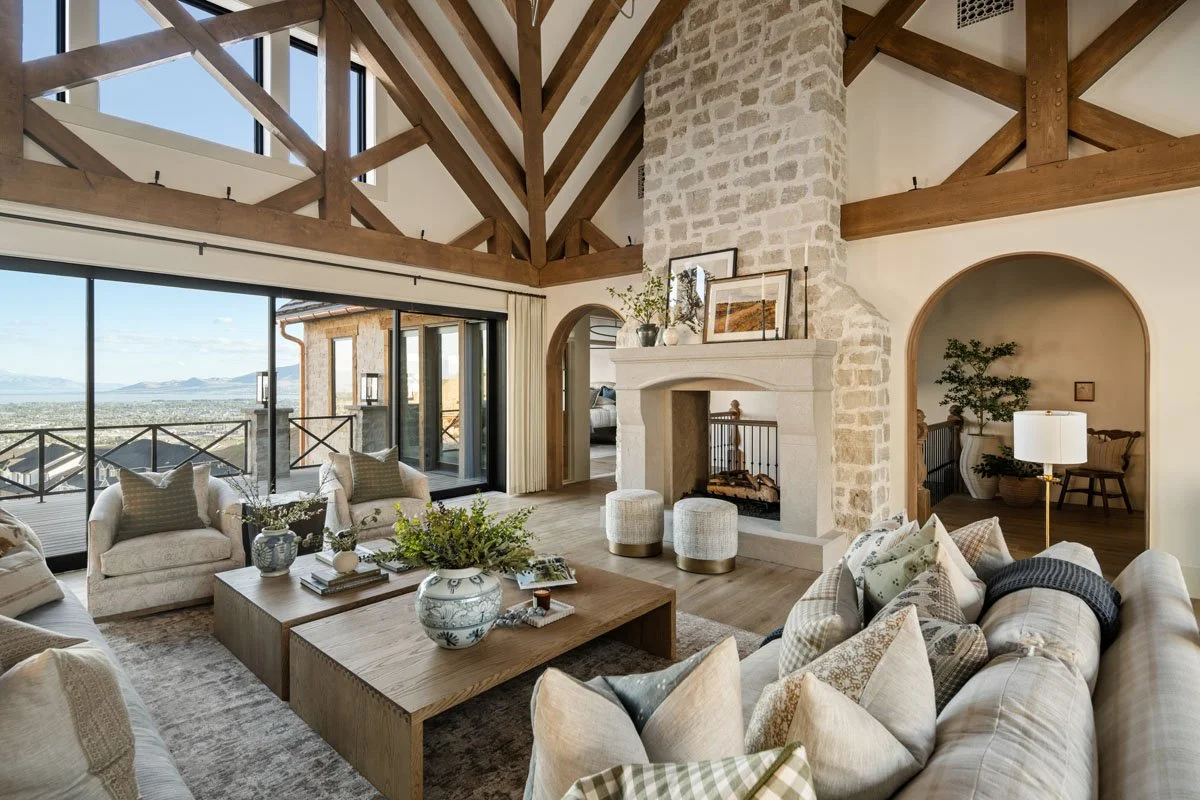
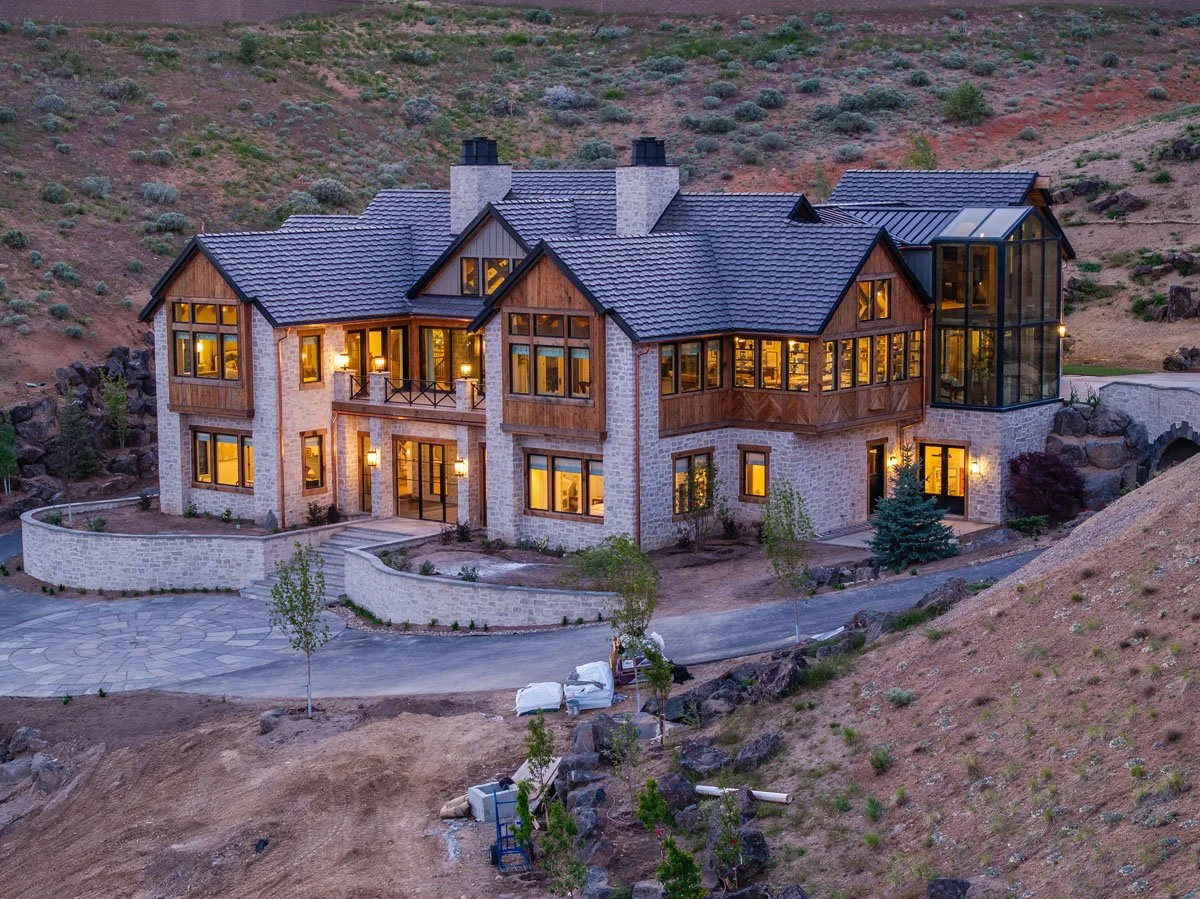
not our 6000 square foot house, it ended up being seven. And then I added on to a little office space on the side, and I had decided to dig underneath the garage because it made sense, and so I have more storage. I'm 11,200 square feet into this structure now, and it was a stretch, and it was it was stressful, it was something that I felt, that it was inappropriate, because I'm not a spender anyway, and we. Figured out the numbers, and we can make it work, and we can get the loans and all that type of stuff. At that time, back in 2017 I entered this home into the 2018 parade, and by far and away, that has been the best thing that I've done for myself, financially, me being able to share with like minded people who are considering us as a service, showing the home, or just the mere fact of them, them, knowing that I live in a nice house, and me being able to show and say what what I did do, and what I learned from it, and why it's worth it. It's very educational. It's very helpful to be if, and I tell this to all my builder 20 meeting, I actually have a goal with all of my my my project managers, I want everybody to build their own home, because that ability to be in the sit the seat of the homeowner and make those decisions, it's so informative, and oftentimes we get blinded by that, by that position, and it's a hard position to be in.
Mark D. Williams 1:05:57
Don't you going back to our spec home? Don't you find that sometimes that when you're doing a spec home, you're back in that seat and you're like, I forgot how many decisions there to make. When you build your own home and a spec home, you've sort of lost sight, at least if you don't do it regularly, like we do, you're like, Wow, that is way more decision making than I recall
Casey Cloward 1:06:14
exactly. I'll encourage that from for everybody. I just think that that's a wonderful thing to do, and the for us to leverage our relationships and resources and stuff like that, it's, it's a no brainer, but that, in itself, was a huge stretch for me. Financially, it's paid itself. I don't know tenfold. I don't know if tenfold, and that might be a big number, but yeah, but it's paid itself and more well. I mean, consider
Mark D. Williams 1:06:38
this stat. You didn't know this at this time. I mean, things generally go up, but since 2019 prices have doubled across the United States. So whatever your house was in 2017 it's a lot more than double
Mark D. Williams 1:06:49
today.
Casey Cloward 1:06:49
We're in a we're in a good position. So, yeah,
Mark D. Williams 1:06:52
that's great. All right, what is the question you would like to leave the next guest?
Casey Cloward 1:06:56
I would like to leave the next guest a question that it may be deeper than than how they want to respond and answer, but what is enough for you, if you, if you think about your your business and financially and maybe business structure, when is enough enough? That's my question.
Mark D. Williams 1:07:19
That is a great question. You're gonna have to tune in next week to find that one. I'll be doing a curious builder podcast. You know, it's funny. We're actually, you probably don't know this yet, because we just briefly teased it, but we're actually, you know, a little bit about contractor coalition Summit, or what we do there. So we have the curious collectives, actually, which came it's like a lighter version. It's, you meet four hours for four times a year, but we're in seven states, but we're coming to Utah in third quarter, so trapper and Stephanie Daley are going to lead a curious builder collective in Utah. And so just a way to kind of speed up what we've done now in the podcast for three and a half years, share stories like this, but I find that there's so much benefit in local communities. It won't be obviously you're familiar with the builder 20. It's not like people are signing NDAs and getting that and getting that deep, but it's sharing. You can still share on other entrepreneurial topics, and it's really in essence of everyone lining up their own coffee dates and everyone's busy. It's like a structure with like, one topic. So anyway, yeah,
Casey Cloward 1:08:15
look forward to the dates and and make it a priority. So I love that.
Mark D. Williams 1:08:21
I appreciate it. And if nothing else, I am definitely texting you. We're doing a texting picture thing of which job site is not ready for photos over the next three weeks, this is gonna be amazing. Thanks for coming in on the podcast, and for the listeners, thanks for tuning in. You can check out Ray Khan, everything will be in the show notes. And thanks again for tuning the curious builder podcast. Thanks for tuning in the curious builder podcast. If you like this episode, do us a favor. Share it with three other business owners. The best way that we can spread what we're doing is by word of mouth, and with your help, we can continue to help other curious builders expand their business. Please share it with your friends. Like and review online and thanks again for tuning in.
This episode is sponsored by: