Episode 173 - Billy Beson on Bowling Alleys, Billionaires, & Building for 100 Years
#173 | Billy Beson | Billy Beson Company | Bowling Alleys, Billionaires, & Building for 100 Years
Billy Beson walked into a million dollar hotel pitch with nothing but a museum poster, told the client he could make the place look like a million bucks for a million bucks, and got the job anyway. He and Mark spend an hour trading stories about Minnesota's quietest billionaires, 46,000 square foot homes with bowling alleys and car simulators, and why designing toward feelings instead of materials is the real secret to a legendary career. This one will make you laugh, make you think, and make you wish you had been a fly on the wall at every dinner party Billy's ever thrown.
Listen to the full episode:


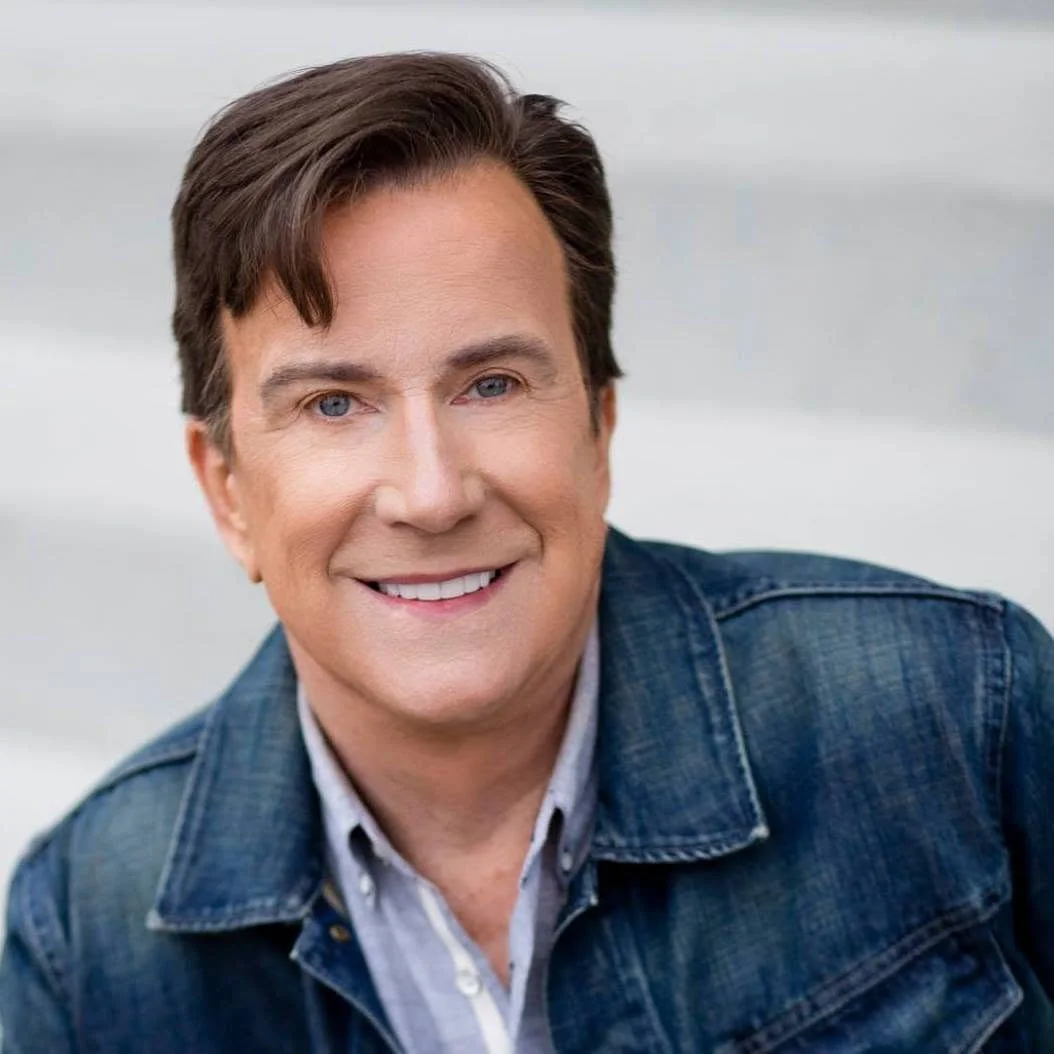
About Billy Beson
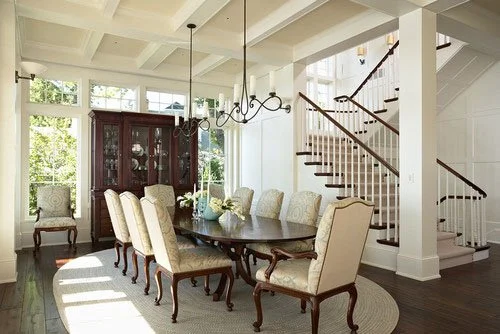
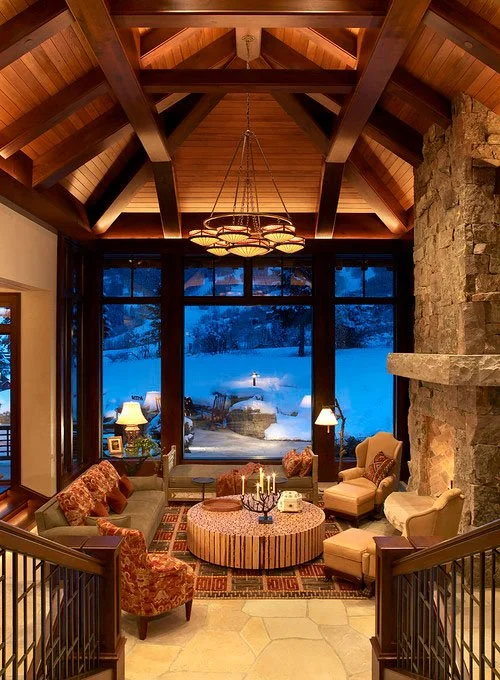
Billy Beson Company is a full service studio specializing in high-end residential and commercial interior design. From a private island in Hawaii to a ranch in Montana to upscale beach front property in Florida, they pride themselves in the diversity of our style that allows them to design personalized environments in every regional genre.
Their expertise includes custom interior architectural design and space planning; custom lighting, cabinetry, furniture, and rug design to create the perfect turn-key environment. Coupled with an infinite number of resources, the cornerstone of their business is project management, working with the home owner, architect, and builder to create a cohesive, creative design team with impeccable results.
Resources:
-
Billy Beson 00:05
Back, and he goes, "Okay, Beeson, we want to hire you, but we've heard you're the most expensive guy in town. He said, "Our budget is a million bucks for this place. Can you do the job? And I said, "Well, mr. Cap, I can make this place look like a million bucks for a million bucks.
Mark D. Williams 00:29
Today on the Cures Builder Podcast, we had a returning guest. We had Billy Beason, and his episode 120 is kind of the dive into his story, and Billy's really an icon in the Midwest, in Minnesota. You're gonna laugh a lot, and you're gonna hear some great stories of kind of the old times from the 80s and 90s, and buckle up, this one's gonna be a good one. It's gonna warm your heart and make you laugh. Without further ado, here's Billy Beason. Welcome to Curious Builder Podcast. I'm Mark Williams, your host. Today, we've got a returning guest, guest number 120 If you want to go back and see the origin story, you got mr. Billy Beason. What's up, Billy?
Billy Beson 01:01
And that's not my age,
Mark D. Williams 01:02
that's not your age. Yes, he's not 120 I mean, he looks great for 120 For those that haven't tuned in, go back to 120 you'll get the whole story. Billy's an icon in Minnesota, and really in the Midwest. For when did you start your career? Was it the
Billy Beson 01:16
1682 I started my own business,
Mark D. Williams 01:18
1982 and so really, and you've had a lot of super elite people, where it's almost like privacy, right? I would imagine is probably the currency, or not necessarily, you know,
Billy Beson 01:27
what that's the main thing I was thinking about driving out here, because I drove by a lot of houses that I did, I told you that, and just the fact that my uncle Bob, who is my mentor, my mom's brother Robert Lennox, was the society interior designer in town, and through him I met the Ford Bells, I met Kitty and John Pillsbury, I met Ginny and Jim Binger. I mean, you're talking McKnight,
Mark D. Williams 01:58
those are all names. It's funny that, I mean, so I grew up in Chaska, they had McKnight Road, yeah, and so there's all, and of course, the Pillsburys are famous. Most people outside Minnesota know the Pillsbury Doughboy, you know, the commercials forever, yeah. And you know, there's some iconic names, and oh, Sally
Billy Beson 02:10
Irvin gave $23 million to build the Ordway, she was an Ordway,
Mark D. Williams 02:14
yeah,
Billy Beson 02:15
you know, he had just absolutely the top level of the cream of the crab, and it was so fun to watch him interact, because he was - we were talking about this before, about just being honest and being yourself, and he was the same with, we'd go in the back door at the Ford Bell House, and they'd have three people standing there in white uniforms with white shoes on, and white nylons, and they weren't nurses, they were just there to, and my uncle Bob would get a bucket of carnations, and we'd drive down Ferndale Road, and he'd grab a handful of flowers and bring them in, not to mrs. Bell, but to the help in the kitchen, and he'd walk in, and they'd all go, "Uncle Bob, because they had heard me call him Uncle Bob a million times, and it's like, just so cool, because he'd have like dinner parties and stuff at his studio, and we'd take every 3000 feet, take every stick of furniture out of there, and he would bring in two concert grand pianos on a Sunday afternoon, and served brunch. Irwin Dick Town and Country Caterers were like the biggest cater in the world. They were there every everything he ever had, and it was so funny because he'd seat Eleanor Bell next to the parking lot of 10 inch lamps. I mean, it was that kind of thing. It was like a little bit of everything, and that's what made magic, you know. It was getting everybody's different personality in one room and bringing them all together.
Mark D. Williams 03:49
It's funny, I've often.. I don't know if anyone has a superpower, you still have to work hard at it, but lately I've sort of realized it's something that my mom does really well, and if I was to describe myself, you'd know both my mom and dad very well, I'm, I'm a very even split between my mom and dad's personalities, and their honestly, the greatest gift anyone could have is to be the best versions of both their mom and dad, and I want, and I feel like I am,
Billy Beson 04:12
I feel like I am too.
Mark D. Williams 04:13
Oh, yeah,
Billy Beson 04:14
yep, I really do. And your parents, well, your mom, you know, I just absolutely adore, and that day she walked in
Mark D. Williams 04:23
here,
Billy Beson 04:23
she just lights up the room,
Mark D. Williams 04:25
she does,
Billy Beson 04:26
and your dad has always been just curious about me, and he, your mom is obviously talks more than your dad does, but when your dad says something, it really means something, you know what I mean, he's very
Mark D. Williams 04:41
curious about, so as an attribute, we won't make this whole story about my, my parents, that's fine, they're at the.. I've had to add on the podcast before, a couple Christmases ago, that was really fun, I'll send it to you, and just dad talking shop, but I.. where I was going with this is kind of like your uncle Bob was my mom's a connector, she loves to connect. People, and that's honestly something that I really seek to do. I mean, it's what's led to the podcast, that's what led the collectives, all these things I do. I just love bringing amazing people together, and honestly, I often feel like I don't have a lot of talents. I mean, I know I'm talented in many ways, but I think my real talent is actually just trusting people. I surround myself with really amazing people, which is, it doesn't, that's not rocket science. It's just like,
Billy Beson 05:25
no,
Mark D. Williams 05:25
everyone around me is better at their job than me. Therefore, I do pretty well a lot of really talented people around me.
Billy Beson 05:32
I mean, I had, I bet I had hundreds of employees over there. I know we had 15 receptionists. We had a receptionist that every time the phone rings, she'd go, and I go, 'It's your job. She was like,
Mark D. Williams 05:46
'She was a hassle again,
Billy Beson 05:49
you know? Or another one. We had this. I went to Bemis Bag Corporation, moved out of their offices in the IDS building, and somehow I found out they were selling desks, so they were selling walnut desks for $800 and I walked in, and they had a half round walnut receptionist desk. I bought that for the same price, $800
Mark D. Williams 06:16
Wow,
Billy Beson 06:16
it costs.. it would.. Aaron found the paperwork. Aaron Carlson built it for 30,000 No, why? Yes, I bought it for 800 That was
Mark D. Williams 06:23
supposed to, so I had so it prompted today. And today, for the audience, is going to be less about business. I just wanted story time. This whole episode is just going to be stories. I asked Billy to bring some stories. He's got it. Looks like you have got 40 stories, just notations written down here, because of what prompted this. About, do you remember, about two, three weeks, so I called you running around the lakes, and I could not remember this story, and so I called you to verify, and it was honestly, I've told the story so many times, so maybe we'll, for those that didn't listen to episode 120 you know the story I'm talking about, about the million dollar design. Let's start with that, okay? And, but before we do, because you just mentioned it, so Drew, your nephew, and my very good friend, we were here two nights ago, so we're recording at Misa, whose, and rather than my normal studio, and Drew and I were just chatting, and he just mentioned how sometimes the clientele, like this home, hopefully is taking us to a new level of clientele, and part of it is the, and you, that's who you, your whole career was with kind of that higher upper echelon of people in terms of money, and like I've learned quickly that you just say yes to whatever the request is. It's not there's not, there's not really a judgment. I mean, I obviously need to give them my thoughtful feedback on architecture and building things that they're asking me to, but you know, sometimes people ask you to do some pretty crazy things, but that's just part of how it goes, and you, they're really just trusting you, and so many of us are governed by the rules of money, but when you have an insanely amount of money, your mind doesn't think the same, and anyway, Drew was just saying that you've had situations where you'll, who knows, the amount of money on patio furniture, pillows, and they'll come in, and it's all custom order, like, no, we don't actually like those, reorder all of them over again, and now you've got a whole deck. Do you have a bunch of leftover stuff? Like,
Billy Beson 08:07
I sold furniture to a client, Dennis and Lean wrought iron furniture with Pierre Frey fabric, outdoor fabric on it from France, and I sold it to them for 68,000 and I said they were moving, and they weren't going to use it, and I said, could I buy that from you? And the client said, yeah, how about a $4,000 credit? I built my whole backyard around this big stone table, and all this beautiful wrought iron furniture, and everybody goes, I've never seen outdoor furniture like this, and I go, it's like, not like I would spend the money on it, but my clients are, have always been so kind to me, and so nice, and you know, I think the thing that that I had, that maybe a lot of interior designers don't have, is I had fun, you know, I mean, I had fun doing my job, and I treated everybody exactly the same, you know, because my mom taught me that, and my uncle Bob reinforced that.
Mark D. Williams 09:08
That's, you know, I meant to say this. You mentioned that my dad was curious, and I think you're right. I think that's ultimately the curious builder. Yeah, that's where I got it from, and my mom is too. But my dad is very.. and the thing about my dad is he doesn't care if you're a billionaire or a $1 error. Oh,
Billy Beson 09:22
me too. He
Mark D. Williams 09:23
could care less. He just cares that you're real and authentic. He'll talk to anybody, and what your uncle Bob was showcasing you as a young kid. Yeah, and even how he paired those meals of, you know, the social lights next to the bus boy. Yeah, I mean, that's exactly fascinating conversation. Yeah,
Billy Beson 09:39
I mean it's it's all about obviously any business is all about the people, but you know, I, I grew up in a.. it's so funny because now that I'm actually 72 years old, I can.. I have.. I think I have total recall for things I want to remember, like I remember. Things that nobody, everybody goes. How do you possibly remember that? And I do. I remember every detail, and it's because I wanted to remember it. Don't ask me anything about chemistry, though.
Mark D. Williams 10:10
I didn't want to remember that. No, me neither. What? So, let's start the episode of stories. Let's just.. that's my favorite story. So, I want to hear you say it again. Okay. Well, this is
Billy Beson 10:19
a long story. Let me preface it by, we went on one. My parents were divorced when I was seven, and my mom and my two brothers and I went on one vacation, and that was to go to the Cap Towers downtown, which is across from the Hyatt. It's been a million different hotels, but a guy named Marty Cap owned the company, and one of my clients was his controller of his finance, you know, his whole financial end of his business, and they said, "We want you to interview for this job to redo the main level of the hotel, and I said, "Well, that's great, you know, this is way before CAD, it's before Photoshop, it's, I mean, there weren't laptops, even so, no computers, no nothing. So we did all these hand-drawn perspectives of like this grand ballroom, and I framed $35 Picasso prints and expensive frames, and had a Picasso gallery. I did the whole restaurant around a George Surratt painting that Sunday in the park with George, and I named it George's. We did a 40 foot mural, all done in pointillism, of the poster of the piece of art, and we had an intern spray mount all the drawings that I had done the night before.
Mark D. Williams 11:38
How long did it take to create all this?
Billy Beson 11:40
Oh, a drawing would usually take 20 hours, maybe. And I did them with a triple zero pen and watercolor, so I mean they were gorgeous. And we, I came in early the next morning to get ready for the meeting, and the intern had used the wrong kind of spray mount, and they were all rippled. I mean, they were totally ruined, you couldn't even really see him or read him or anything, and I was just like, I called up Leonard Horowitz, my client, and said, Leonard, we're not going to interview. He goes, What do you mean you're not going to interview? And I said, told him the story, and he said, Well, if nothing happens, we'll call you at, we'll be done by noon, we'll call you, and we'll let you know what happened, and I was like, yeah, like they're gonna call one minute after noon. The phone rings, I pick it up. Hello, oh Leonard, how are you? Can you come down right now? Bring what you got? I had nothing. I had a poster of the painting that I got from the Chicago Museum, and so I put my poster under my arm, I walk into this huge conference room. The biggest hotel firm in the US was there, from Dallas. Renderings all around the room, programs that are this thick, you know, of what what it entails, and why, and the specs, and the bid, and all. I go in there with a poster, and they talked to me for like five minutes, and Marty Cap says, "Well, Beeson, let me just a minute. He asked the guy who flew in from Hawaii, who was the man that owned the management company that managed the hotel, and they come back a few minutes later, and he goes, "Oh, first of all, Marty Cap is got shoe polish, brown hair, red tinted glasses, burgundy polyester jacket, a burgundy polyester tank kind of thing underneath it with a big surfer cross, and within three minutes of talking to him, he was doodling, and you talk about just saying yes to everybody. I went over, I said, "Oh, this is interesting. What is that you're drawing there, mr. Cap? And I said, "Can you just pay attention for about five more minutes? They left the room, they came back, and he goes, "Okay, Beeson, we want to hire you, but we've heard you're the most expensive guy in town, he said, our budget is a million bucks for this place. Can you do the job? And I said, well, mr. Cap, I can make this place look like a million bucks for a million bucks.
Mark D. Williams 14:18
This episode is brought to you by Pella Windows and doors. I've used Pella for 21 years as the exclusive window company on every one of my builds. When people ask me who I trust for windows and doors, it's Pella. Every time, their craftsmanship, their innovation, the top-tier service make them a no-brainer for any custom home builder or designer who demand the best. Whether you're designing something bold or building something with timeless elegance, Pella has you covered. They're also the only window company that has a lifetime warranty on all of their windows. I've gotten to know all their people at Pella corporate, as well as locally here at Pella Northland. I'm proud to call them our partners and our friends. Visit pella.com to learn more and connect with your local reps today. Also, for more information. You can listen to episode one, where I interview their founders, as well as episode 109 where we talk about the innovation at Pella. You know, social, or is it social IQ? I think it's EQ, yeah,
Billy Beson 15:12
call it emotional intelligence, yeah, emotional quotient.
Mark D. Williams 15:16
Yeah, it's a lot different than, you know, obviously IQ, and we need both in the world, not one better than the other, but certain people have different amounts of
Billy Beson 15:23
it. Yeah,
Mark D. Williams 15:24
and I do think in this business, I think EQ is more valuable than IQ.
Billy Beson 15:29
Oh, I do too, totally.
Mark D. Williams 15:30
Mainly because it's this business is so much relationship-based, and reading the body language and understanding when people are, you know, I try to push people sometimes a little bit, you know, within a degree or two of their comfort zone, and what I meant by yes, before, because I don't agree, I don't, I hate, yeah, I hate that saying, where people like clients are right, I 100% disagree with that statement, yeah, what I meant is, is that when a client says, hey, I'd love to add a second, like a second story, you know, that might be a half a million dollars, like my point is, like, yes, I'll get right back to you, like, I would never. My point is, as I've gravitated towards higher-end clients, yeah, I wouldn't let their request be like, I wouldn't like, oh, that's going to cost a lot of money, that would never be the first thing I would say. But in early on in my career, I probably would have said, because to them it's not about the money, about what they want, yeah, what they're.. so that's what I meant by that. Yes, because I, 100% want to be clear to the people listening that I think a lot of times clients need to be told no, and I tell my clients in my first interview, don't surround yourself with a bunch of yes people, because you really go down some wrong avenues in budget and design and all kinds of different things, you want people that would just be honest.
Billy Beson 16:37
Exactly.
Mark D. Williams 16:38
Well, that was.. I just love hearing you tell that story. I could.. oh my god,
Billy Beson 16:41
I'm in the conference room right now.
Mark D. Williams 16:43
Just look at the restaurant,
Billy Beson 16:44
the mural. A woman named Trisha Farrell did
Mark D. Williams 16:46
it,
Billy Beson 16:47
and it was all pointillism, just dot 30 feet by nine feet
Mark D. Williams 16:51
high. How long did it take to do the project?
Billy Beson 16:53
Six months, maybe. Okay,
Billy Beson 16:54
I think she took about.. she had two people help her
Mark D. Williams 16:57
in your career, because I assume this was not the first time this has happened or didn't happen in the future. How often would these big firms where they were like, Billy, how did you get the job from us? Or did you ever wonder what the other firms would say, because you know you're kind of like MacGyver with a Swiss Army knife, and you know this like an M run Abrams tank, and like the Swiss Army knife beat
Billy Beson 17:19
us. Yeah, well,
Mark D. Williams 17:21
or did you never really ever find have those kinds of conversations back then?
Billy Beson 17:24
You know, I think I think I was so naive when I first started my business, and that's really when I developed my clientele. I had no idea that I might fail, and considering the environment that I grew up in, I mean, I was taught the most important things: be kind, you know, be generous to people that have less than you, empower people. I learned an incredible amount of stuff about mentoring from my uncle Bob. Here's a story about Uncle Bob. As we were going to see Eleanor Bell, and my desk was right next to his, and then he had two other assistants in his same office, and he picked up the phone. He said, "Eleanor, hi, it's Bob Lennox calling. I'm wondering if my little nephew, Billy, and I can stop by and have our chicken salad sandwiches from Minnekata by your pool. And, oh, sure, Bob, I won't be home, but yeah, just help yourself. And you know the pool was built in 1910 It was the first pool ever built in Minnesota, and it was surrounded by Corinthian columns that were marble and marble floor, and these inlaid Italian-esque scenes of marble. And so I am sitting there at noon in a pair of my Uncle Bob's shorts, and I was six two, and we, I, when I graduated from high school, I weighed a buck 45 and I was six two, so I didn't have a butt till I was 30, so here I am in that size 34 pants with a, you know, cinched, I think I had a safety pin to hold them on and Ford Bell dives in the pool and he goes, Lennox, if you're here to sell my wife anything, get the hell out of here. And so Ford goes in the house and we're laying there in the sun. My uncle Bob loved to catch like a half an hour of sun in the noon hour, and I said, God, Uncle Bob, look at this place. This is just incredible. I said, wouldn't it be incredible to live like this? And he goes, What do you mean, Billy? We are, I mean, here I was sitting there living it, and I'm thinking about, wouldn't it be nice, and it's like it's better, you don't have to pay for anything, you know, you're a guest, but things like that were just mind-blowing for my uncle. He would, he was such an entertainer. He would have these musicales in his house on Sundays, and everybody that could sing or play an instrument would show up. A guy named Ralph Thornton, who used. To be a writer for the Star and Tribune, my uncle Bob, and he would play four handed piano, and as time went on, he decided, "I'm not paying for town and country caterers every weekend. It was $2,800 for everybody, and so he said, "I think I'll just make my old depression dish, and I was like, what the hell is healed? Well, it turned out to be eggplant casserole, and I'll just tell you that I was sitting between two of his best friends trying to eat the old depression dish, and one says to the other, oh my god, this tastes like.. and his friend says, I know, but what has he done to it? Like this tastes like, yeah, I know, but what has he done to it? It's like
Mark D. Williams 20:49
that's so funny, but how long did he go with the eggplant casserole? Either he's too
Billy Beson 20:53
way too long.
Mark D. Williams 20:55
I'm surprised people kept showing up.
Billy Beson 20:56
Oh yeah, well, it was for the entertainment.
Mark D. Williams 20:59
All right, I
Billy Beson 20:59
mean, there are people like Badge Hendrickson, who owned H and B Gallery on Hennepin Avenue and Antique Store, and Maryann Clifford, who's Georgie Clifford's dad, owned Creemettes, and everybody owned something, you know. In those days it was amazing, and I walked in. I said, 'Hi, Badge. Hi, mrs. Clifford. mrs. Clifford had a big cigarette like this. She goes, 'Now, why is she badge? And I'm mrs. Clifford. I was like, 'Well, and it's so funny because I her daughter Tootles was her name, Wasp was the maitre d at Lucious restaurant in Uptown, which was my favorite restaurant, everybody used to call it Lucia's, and I go, "No, it's Lucia Watson, because her dad, Tom Watson, and Annie Watson were my uncle Bob's best friends and best friends with my mom, and they called my uncle Bob the late Bob Lennox, before he died, because he was always late. Oh, that's good. I like that. Unbelievable. Just, but it, you know, it's got to start with my mom, and that vacation that we went downtown. We each had a Friday night shirt and a Saturday night shirt, Oxford cloth, surfer shirts, they were called. It's like a Henley kind of with piping, and we all wore matching, of course. So we went out Friday. How
Mark D. Williams 22:31
big was your family? I know Dave. Who else?
Billy Beson 22:32
Dave. And then my younger brother, John.
Mark D. Williams 22:35
Okay, I never met John.
Billy Beson 22:37
Well, John passed away. He died of an overdose.
Mark D. Williams 22:41
Okay,
Billy Beson 22:42
yeah.
Mark D. Williams 22:42
How old?
Billy Beson 22:44
About 45 I think.
Mark D. Williams 22:47
Okay,
Billy Beson 22:48
it's kind of a blank period of time. We never got along, and I did everything I could possibly do for him.
Mark D. Williams 22:55
Were you the.. what was your birth order?
Billy Beson 22:57
I was middle.
Mark D. Williams 22:58
You were middle.
Billy Beson 22:58
Oh, yeah,
Mark D. Williams 22:58
yeah.
Billy Beson 22:59
That my mother used to call me Little Willie,
Mark D. Williams 23:02
yeah, the nickname man, and she used to have these
Billy Beson 23:05
poems she would say to me, Little Willie in the best of sashes fell on the fire and was burnt to ashes. Soon the room grew chilly, but nobody wanted to stir up Willie, and I'd make her recite them to me, and I said, What's the other one on? She goes, Little Willie, in his childish air, licked the mercury from the mirror at the funeral. mrs. Jones said to mrs. Brown, "Twas a chilly day for Willie when the mercury went down.
Mark D. Williams 23:30
Wow, what was your mom's name?
Billy Beson 23:32
Nancy.
Mark D. Williams 23:32
Nancy, she sounds like an amazing lady.
Billy Beson 23:35
And after about sixth grade, she said, "For Christ's sake, if you call me Mother Wartime, I'm gonna blow my head off. Call me Nancy.
Mark D. Williams 23:42
That's what she told you. Yes,
Billy Beson 23:44
all of
Mark D. Williams 23:44
us. You'd never called her mom,
Billy Beson 23:46
never, not after seventh grade.
Mark D. Williams 23:48
She wanted to be called Nancy.
Billy Beson 23:49
She's that if I hear that one more time, and I'll blow my head off. Yeah,
Mark D. Williams 23:55
what was any idea why?
Billy Beson 23:58
There's no, no, there is no that under the unknown category,
Mark D. Williams 24:03
that's amazing.
Billy Beson 24:04
So, anyway, we go out Saturday night. My mother teaches us all how to do the Lindy on a bridge that goes over the pool. I don't know what the
Mark D. Williams 24:14
Lindy is. Is there a dance? It's a
Billy Beson 24:16
dance. Okay, yeah. And it's a dance you can dance. It's a swing touch dance, and the waitress we had Friday night just fell in love with us, and another woman fell in love with my mother and her husband, and she said, "You guys are going to move to Owatonna, I'll get you a job in the bank doll, and we both, we all went, "We're not flipping moving to poetana, so anyway, my little brother and I always fought, and he punched me, so I punched him back in the nose, and he got a bloody nose all over his Saturday night shirt, so my mother is in the bathroom in her underwear and bra with her hair. Added full out, you know, before she back combed it, as she called it, and my brother goes in, and she goes, "Oh, for sake, how will he come here? How did that happen? She goes, "Well, John, go get your shirt from last night, and he brings her this ball of Oxford cloth that there's no way you could ever make it look like a shirt again, you know. So she goes, 'Oh, what am I going to do? She goes, 'I've got an idea. She goes in her purse, gets out a safety pin, and takes a hand towel from the bathroom and wraps it around my brother's arm and around his neck and pins it behind his neck to hide the blob of blood. So we go out to dinner that same night, the next night, and we have the same waitress. He goes, 'Oh, honey, what happened to you? And my little brother looks, and he goes, 'That's a long story. How old people don't believe me. I was 12, he was 10.
Mark D. Williams 26:01
Yeah, I can totally believe it.
Billy Beson 26:03
Yeah. Oh, what she used to.. we lived across the street from where you had to be to take the bus, so we had to walk, you know? Everybody said I walked to school. We really did, but when it was like 20 below, like it was in the olden days, as they say, we had a Volkswagen that was our family car, that the day my mom bought it, I shut the door and a big ball of body putty fell out of it, out of the door, and the heat only worked in the summer.
Mark D. Williams 26:35
Okay, that's funny. So she
Billy Beson 26:38
would give us a ride to school and she sold furs and high fashion at a place called Schlamps on Lagoon in Girard or Lagoon in Lake Street, Hennepin. And where was I? Okay, so my mom had cold cream on her face, hair wrapped in toilet paper with some kind of bonnet thing over it, smoking a lark, 100 scraping the windshield, and shifting at the same time.
Mark D. Williams 27:05
Oh my,
Billy Beson 27:05
and we were like, for example, all my friends in high school got carved brand new cars for their 16th birthday, so that's my perspective, right, viewing this thing, and we got out of there, and I told we would say, like, three blocks before we got to the door, because it was this big horseshoe driveway with, there were 3300 students at Ian High School when I went there, even back then. Yeah, that's a lot. It was the biggest year, then it split into two high schools. Oh, I see, but my mom would buzz right through the horseshoe driveway, and if any bus pulled out, the horn was like very intimidating, and she, you know, just we get out of the car, and it's like, Jesus Christ, anybody see us get out of that car, and I think Bob, I won't care that I told him in that story, he goes, yeah, it was pretty much the same for me. My mom always, you know, had a fur coat on and the best clothes and lots of jewelry, and had her hair done and made up, and I was so embarrassed I made her stop before we got to school, if she gave us a ride to school, and I was like, let's see, fur coats, jewelry, Mercedes, Bob, that's not really exactly like the experience, but I, but I, but it is, but it is, it is, I think, as a child
Mark D. Williams 28:30
you just want to fit in. Yeah, you don't, you don't just don't want to be an outlier, you want to be, you just want to kind of blend, and you're still figuring yourself out. I remember this, funny that you say this, because it, I think this is why I think it's a kid thing. I mean, Mom and Dad did well, not extremely well, not like the pole ads, but not terrible either. And, of course, back if people that own their own business, they know it's really hard. It doesn't mean they can't be very rewarding, and it's not a great lifestyle, not that's not what this is. Yeah, people who don't own their own business often will say, oh, your family owns their own, it must be easy street, you just don't know, yeah. And that's fine, that you don't know what you don't know,
Billy Beson 29:04
yeah.
Mark D. Williams 29:05
And so, but I remember we had a, it wasn't like it was a great car, we had a Ford Explorer, but this is like in the late 80s, early 90s, and that was a nice car, sure. And I used to tell my mom, it's like, could you please drop me off a block before the school, and I would walk to school, because I didn't want to show up a new car
Billy Beson 29:21
isn't that wild,
Mark D. Williams 29:21
yeah. So I can totally relate, but to both sides of your story. And then my dad always, like, he had a lot of cars, he just always was buying new cars, but he had a BMW, yeah. But when he would pick up, because again, remember, he does not care about money at all. Yeah, he bought it because he liked the way it drove, he could care less. It was a beautiful, I got one in the driveway, yeah, and he would honk that, really. So he would pick me up, Mom would drop me off, Dad would pick us up sometimes, and he'd roll down the window, and he knew I was embarrassed, and to this day I still, he would honk, and he'd roll down his windows, like that's my boy, and of course you feel like you want to be just one inch tall, because you're like, come on, Dad, it, you know, you got a BMW, no, BMW, you know. You know, so that was my boy, that's my boy, and I, I knew he was proud of his son, and I didn't have an issue with that. It was just drawing attention when I just wanted to blend in. Oh, yeah, anyway,
Billy Beson 30:11
yeah, it leaves
Mark D. Williams 30:12
an impact as a kid, and it's probably something now I'll be able to relate to, probably a little bit better with my kids, and I don't fault that at all for it. You know, he was just, you know, it's his personality, but I think it just shows you, like, as kids are growing up, like, they just want to blend in, yeah,
Billy Beson 30:25
they just want to be like everybody. It's funny, my mom, this is an honest to God true story. You know, I grew up in the house that Drew lives in now, and it's eight blocks as the crow flies from where I live now, so you know, I had cowboy and Indian wallpaper in my bedroom until I was 16 and rode my bike up to Valley View Hardware and bought a gallon of baby blue paint and took the wallpaper off, and you know it was like, and people say to me, "I'll have you over as, but we have to paint the dining room, it's like, "or we'll have you over when this happens. It's like, do you think I care what color your dining room is? Do you know what I mean? But it's, but my, my mom, we had a hamster named Tallulah, and Tallulah had gotten out of her cage somehow, and our Chesapeake Bay retriever Sam had pawed the hamster in the hallway, and my mom, for some reason, got up in the middle of the night, and there was light coming in the living room window, and Tallulah was on her back wiggling her little hands in the air, and I had bought my own extension phone with my money from my paper route, from Dave's paper route, actually, that I, I do collecting, and did the Sunday thing with him, and for him, and where was I, the
Mark D. Williams 31:57
hamster,
Billy Beson 31:58
oh yeah, to Lula, and so my mom goes, well, I'm gonna call the police, and I go, what, you can't call the police, mother. So I went, and I picked up the phone in my bedroom, and the other phone was in the kitchen, and my mother said, Hello, this is Nancy Lennox, I'm 59th in Oakland, and I'm just wondering if you might have a patrol car in the neighborhood. Our Chesapeake Sam seems to have mauled Tallulah, our hamster, and I pick up the phone as the cop is going. Now, look, lady, get some toilet paper, put it on top of Tallulah, and toss
Mark D. Williams 32:39
her. That reminds me, so you met Uncle Stevie, my dad's brother. He had Down syndrome.
Billy Beson 32:46
I don't know,
Mark D. Williams 32:47
Uncle Stevie was just the shooting star in our family. Yeah, amazing. He lived till he was 54 He outlived three cardiologists.
Billy Beson 32:54
Oh my god, he had
Mark D. Williams 32:55
three holes in his heart, and they didn't think he would live past 11. He lived till he's 54 and so the joke was, you didn't want to be his cardiologist, that was a death sentence. Yeah, but anyway, the hamster story, so Stevie, he's probably in the story, I don't know, 1315, years old, something like that, and he's got big cowboy boots on. Long story short, they had a family hamster and it got out of the cage and they couldn't catch it, and all of a sudden Stevie gets up and he's just walking, oh, it'd been gone for like a week, they didn't know what it was, and also one day Stevie goes, "Bam, slams on with his cowboy boots and squishes the hamster in the house, and goes, "I got him, I got him. It killed anyway. Probably
Billy Beson 33:35
in heaven with Tallulah,
Mark D. Williams 33:36
I don't think so. I don't, yeah, and the cop probably they didn't get called on that one, so that's.. I didn't realize I had a hamster story in there. So, thanks for bringing that one. Yeah, well,
Billy Beson 33:43
it's that's why we talk about hamsters. We're talking about clients around here. I had a client that I had worked with forever, but he kind of pushed the limit, and I told him I was done with him, and I thought this is the biggest mistake I've ever made in my entire life. The next week the phone rang, and mrs. Cargill McMillan called me to do their new top floor of Harrington House in downtown Waysetta, and two days later, without each other knowing, Whitney McMillan, mrs. Whitney McMillan called me to do a new house with Meyer, Shear, and Rockcastle. I meant people call it MSR, but I knew Meyer, Scheer, and Rockcastle, and a lot of people. I bet there's people at the firm that don't know who the MSR is. I hate the way people use initials for everything, you know? It's like you got to unscramble the alphabet to know what the hell they're talking about, but she was so.. I won't tell you which one. One looked like Grace Kelly, second wife, absolutely beautiful. Woman just elegant in every way, and she was really the only person that ever intimidated me, really. And one of the things she did is like, she would say, well, I'm sure you know who Michelle Dahmer is, and I was like, no. And then she'd say, well, I was at a party, and I met Andy Warhol last week. And have you met him? It's like no. And every time I showed her something, I would say, for some reason, the word 'cute' came out of my mouth. I said, 'That'd be cute, and I've never used the word 'cute' in my entire life, maybe about a baby, but not about a house. And she said, you know, don't use that word, I hate that word, and do you know how many times I said "cute" in the next two or three meetings, it just popped out of my house, out of my mouth automatically. Well, that'd be cute, and I go, "No, and she'd bring it up every time. So we went to go look at a sofa that we were making, a custom sofa in the Warehouse District, which is now where everybody lives, North Loop, or in the North Loop, yup, on Third Avenue. It was the hottest day in the whole summer, and no air conditioning, obviously, in a warehouse. So you walk up three flights of crickety stairs, and I'm waiting, and they walk in, and she's in beautiful tan, gorgeous jewelry in this little white silk blouse and little white silk pants, and she said, I said, Donna, why don't you sit down, sit, why don't you sit down and try out the sofa, and I was behind the sofa, and I looked down at her, and her silk pants had come unbuttoned, and they were around her ankles. Did she
Mark D. Williams 36:48
know?
Billy Beson 36:48
No, she was sitting there in little lace panties, looking incredible. And I said, Donna, and she looked down, she goes, "Oh my god, my pants, and she stood up and pulled her pants, and there were like 10 people working on us. She said, 'Now, did everybody see that, or do you want me to do it again? And I thought, for the cute thing, I go, 'There is a god, we're even now, right? You know, it's like unbelievable. And she had,
Mark D. Williams 37:21
she had a sense of humor.
Billy Beson 37:22
Oh,
Mark D. Williams 37:23
what was it? What was it about her that intimidated you? Because she was so knowledgeable, she knew all these people in her experience, like Andy Warhol, and all these things were just like so big.
Billy Beson 37:32
To give you an example, she came into my, my shop one day, and I had, she had on a kind of a three-dimensional French chair in gold, and I said, God, that is such a cool piece of jewelry. I mean, you know, I'm in love with French furniture at that time, and I said, Where did you get that? She goes, Well, it's Karl Lagerfeld. I said, I didn't even know Karl Lagerfeld made jewelry. She said, Oh, he doesn't. This was a sample, and I met him at a party last week, and he gave it to me because I liked it, and I'm just like, okay,
Mark D. Williams 38:09
there are levels, there are levels, and then there are levels, wow,
Billy Beson 38:14
but she's just incredibly nice and warm, and have an incredible place in the vintage, and you walk in the front, and I didn't do it, but they have like 20 pieces of Chihuly spears that are underwater.
Mark D. Williams 38:33
I don't even know what that is.
Billy Beson 38:34
Well, do you know what Chihuly is? Dale Chihuly, the glass artist.
Mark D. Williams 38:38
No,
Billy Beson 38:38
he's the most famous glass blower in the world.
Mark D. Williams 38:41
Okay,
Billy Beson 38:41
but now he has like 80 people working for him, so Dale Julie probably doesn't touch anything, but they had 200 pieces underwater in their dining room of water that went like maybe two feet wide and went out a curved glass window that they had to make in China because nobody in the US could make it, and the water goes out to a Chihuly fountain, and it all lights up at night.
Mark D. Williams 39:09
Wow,
Billy Beson 39:10
and the dining room.. oh my god, I mean, the whole house.. I walked into the guest house, and there is a huge cutout chair of Minnie and Mickey Mouse, and I look at the back, they're signed by Walt Disney. Steven Spielberg did their home theater.
Mark D. Williams 39:27
Oh my word, it
Billy Beson 39:28
looked like a spaceship. I mean, it's just mind blowing. And then you walk around the corner, and she was the kind of person, like there would be a fake melted fudge call on the rug, she'd do that, and everybody go, "Oh my god, what are you gonna do?
Mark D. Williams 39:44
What in your career? And maybe it's hard, you don't have to pick one, but like, what stands out as some of the most outlandish projects you've either been a part of, or some of the most outlandish things you've designed. Well,
Billy Beson 39:56
I did a house on Lake Minnetonka that was 46,000 square. Feet,
Mark D. Williams 40:01
wow,
Billy Beson 40:02
yeah. At the
Mark D. Williams 40:03
time, that would have been the biggest in the state.
Billy Beson 40:06
Yep,
Mark D. Williams 40:08
wow. And other than just the sheer size of it, I have to imagine the complexity and the taste. What made that one..
Billy Beson 40:16
well, the best thing I think was the relationship with the client, because I was a spokesperson for his company, and he really did a lot to promote me, and the house I found the architect was another client in Palm Desert that used this architect, and they flew her in, but the house is, I mean, there's a bowling alley with four cameras, two lanes and four cameras, and a camera on the bowler. They have a mirror ball that goes off if you make a strike. The screen at the end of the lane, the bowling lane has the score and a picture of the pins and picture of you playing, and then there's a car simulator room where I did the whole floor in black and white marble checkerboard and red flannel on the walls.
Mark D. Williams 41:13
Oh, wow,
Billy Beson 41:14
and this big simulator, like you're driving a sports car, and then there was a wine cellar and a wine cellar dining room, and they took a picture that I had taken in Italy, probably 20 years before that, of a double barrel vault done in brick, and now they had that in this room was all stone and brick, and three dining tables that put push together that you could separate and see 30 or you could see 24 when they're all together and a golf simulator
Mark D. Williams 41:53
back then it wasn't that common, no. And so what do you think put you know for the audience and even for me, I'm very curious, was the most gravity, or the thing that was the most for you, the fulfillment, was it the fact that you had the freedom to create whatever your mind could go?
Billy Beson 42:11
That's that is, yeah. I mean, it was, I mean, I enjoyed making a really good living, but it was really about the opportunity they got, and basically design is creating something from nothing, and that design, the way I kind of describe it, is experiencing the joy from creating something from nothing, so that to be able to do whatever you want to do without a concern of budget is amazing, you know, and the opportunities, especially of doing custom things, which I love
Mark D. Williams 42:48
to do. We had to pause for someone who came to the front door, and Billy said, "You're so calm. I was like, "No one has ever accused me of being calm. So I think that was sort of funny.
Billy Beson 42:58
Yeah, and then he said, "It's because I ran nine miles this morning, and I was like, I don't even want to drive nine miles,
Mark D. Williams 43:04
gotta take the edge off. So, I had a question for you about this home that we're in. The way it's the reason why this, for me personally, has been so rewarding is it's uncovered something in me that it didn't know, storytelling. And we won't focus on me soon right now. I guess my question for you regarding these, this creativity, what was your process? Was it the client that allowed you to be free? Where did you go for inspiration in your mind?
Billy Beson 43:27
Do you know that I bet in however 45 years of business, I can't remember anybody telling me what they wanted it to look like, or even I would say, what color do you hate, you know, not what's your favorite, because then you're tied into doing the whole house in blue, you know what I mean, but that's a great,
Mark D. Williams 43:51
that's a great question,
Billy Beson 43:52
yeah, How do you want it to feel like
Mark D. Williams 43:55
that's
Billy Beson 43:55
my best talent was enrolling them in, what the house is going to feel like, and I would, I would say, okay, what's the personality of this room, and what's, you know, like a house should have different rooms, should have different temperatures, like you have a room that's cool and relaxing, then you have a room that's warm and nurturing, you know what I mean, so you're designing towards feelings, not towards materials or objects.
Mark D. Williams 44:28
I love that. That is, I like that a lot. If you're looking to level up your business in 2026 and beyond the Contractor Coalition Summit is the place for you. If you've been a listener to the show, you know that this has been the single biggest factor in how I've leveled up over the last couple of years. It's had a huge, profound impact on my business, my personal life. It's what helped me launch the Curious Builder. In fact, our second event of the. Year is a little change. september 15 in Minneapolis, we are doing a one day event. So, for the last four years, we've always done three day events, sometimes four day events, and we wanted to recognize that it's a significant investment in yourself, which is definitely worth every penny. I've talked many, many times about that, but for some people, it's just out of reach, so we wanted to do a one day crash course event. Obviously, we can't cover all that we can cover in a four day event, but this will be a major, major upgrade to whatever you are doing if you haven't been to one. So, that'll be September 15 in Minneapolis, and then our last one of the season will be another three, four day event in Charlotte, North Carolina. All the details can be found at Contractor Coalition summit.com Oddly enough, we're sitting in the room right now, so we're in the sun room at Miso's, although it was stylized differently than that. When I met with Molly Windmiller, who helped me create Mises, she's a brand specialist. Maya Angelou has this great quote that people forget what you say, but they never forget how you make them feel. Exactly, decades, people have come into our homes and said, Mark, I don't know what is it about your homes, but they, we like the way they feel. At the, in the beginning, I did, I used to not like that compliment, because I didn't know what it meant, and as I got more mature and was, it's the
Billy Beson 46:18
biggest comp, it is, it is
Mark D. Williams 46:20
especially because you know designers see the designers, architects see the architecture and the shape and the form, but we're all building it, and while we like our peers to love what we do, and they understand it in a way that maybe others can't. Yeah, but at the end of the day, I'm like trying to create a home where someone feels comfortable and wants to spend, and so I close my eyes, and I told Molly, when I was creating Misa, who's.. I said, she's like, 'What do you want? I said, 'I want to sit in a sunroom on a cold January day. It's dawn. I said, 'I've got the paper, I've got a wool blanket on my feet, I've got a cup of coffee, and I feel cozy. That's what I want to feel. And so that one wrong-on sentence, she said we're gonna build the entire brand of Misa, which is cozy and Swedish, yeah, around that statement, yep, and it's just funny that you brought that up, and we're literally sitting in the room that was in my mind, and you know
Billy Beson 47:11
what, I have almost every client, but one client in particular, I bet I've done 15 projects for him, and I mean big projects, out of two or three out of state, that I've done a couple of times, and the room they gravitate towards here, they're they're big, they're one is a 10 bedroom house, because they have a huge family, and it's on 75 acres in San Juan, it's for sale, by the way, right now, because they want to spend more time in town now that their grandchildren are grown, but I've been out there a number of times, and the feeling and the personality of the place, it's 400 feet above the water on 75 acres on San Juan Island, and it is just absolutely amazing, but in every house they gravitate. It's actually called on the architectural plans the cozy room, and the cozy room, you know, everybody always thinks, now, how many people can I see it in this room? It's like, you know, you don't want to have every room seat the same number of people. Otherwise, if you have a small, cozy space, you seat six or eight, that's all the people you want to be really cozy with.
Mark D. Williams 48:32
I found my career, which is shorter than yours, I'm at 22 years now, I have found that people regularly gather in the smallest, well-lit room in the house. Yep, and like this room is actually a little bit bigger than it was intended to be to me. Like, and I have a sun room in my 1919 house. I spend virtually 80% of the time, maybe 90% of the time, in my house is in that room, because that's where I read in the morning, that's where I read in the when I come home from work at night, whenever I'm always sitting in my little Eames chair, once I discovered what an Eames chair is, like, I don't know if I could ever sit in anything else. In fact, this home that I know, I was like, could we get a plaid version, so it more is more on cue with what we've gotten, like the
Billy Beson 49:14
Barcelona chair?
Mark D. Williams 49:15
No, it's just the classic Eames chair, the all leather black one with the walnut bottom. Oh, okay, yeah,
Billy Beson 49:20
it's that's..
Mark D. Williams 49:21
is that what it..
Billy Beson 49:22
that's Barcelona. Oh,
Mark D. Williams 49:23
that chair.
Billy Beson 49:23
My dad had one, and my dad was six four and wore bifocals. He went ass over tea kettle, as he put it, over the ottoman, probably five times before he passed away. I mean, he'd just be fall over. Yeah,
Mark D. Williams 49:39
that's funny. Well, the
Billy Beson 49:41
Ottomans, like 18 inches off the floor, yeah, you know, can't vocals,
Mark D. Williams 49:45
so funny. Anyway, just these little things that you know, even as we design a cabin, it's like, you don't like a big sun room or big screen porch. I actually like the small rooms, they just, oh, exactly, so much more approachable. It's real sized,
Billy Beson 49:58
and I've done a. Lot of big rooms, like I just finished a project, and there are three rugs in there that are 22 by about 30, and one has 8,500,000 hand tied knots in
Mark D. Williams 50:13
it. Oh my word, and
Billy Beson 50:18
it took a year to make the rug. 12 people, I can show you a picture of another one, where I have it's an aerial shot, and there's, it's the rug is being scrubbed, and because after they weave it, you know, there's all sorts of loose fires, so they take it outside and scrub it, and if you were expecting to the rug to ship on Tuesday, if it rains on Monday, you don't get the rug, and they sit folded up, and they put in the belly of a 747 transport plane. We FedEx them to get them here. Otherwise, they're literally on a slow boat from China.
Mark D. Williams 50:52
Right. Wow. I was going to ask you, what I think I know the answer, but I want to hear it in your words. Looking back at your career now to where you started, a what would you have told yourself? What advice would you have given yourself when you were, because you started what your young 20s?
Billy Beson 51:09
I started working for my uncle Bob when I was 1919. yeah.
Mark D. Williams 51:14
What would you tell yourself now?
Billy Beson 51:18
God, you know it's so hard to look back, but I, there's not much I would change. I would say work hard and trust your guts. Be nice, that's the foundation, is be nice. I mean, I've had people work before me, or work, or clients be nasty to my employees, like I walk by one of my entry-level employees, and she had just gotten an email from one of my clients, and they had a very, very expensive Tom Holland piece of handmade furniture in their apartment on Park Avenue and 72nd street, and they didn't have the air conditioning on all all summer, and they didn't go there in the summer, so this cabinet that was 10s of 1000s of dollars had curved doors, and they were all warped, so we go in and fix it, and didn't ask anything, and the guy from Tom Holland said that apartment was 110 degrees when I was in there, but I just fixed it because I didn't want to argue, and I had done his offices, I had done a huge house in Rolling Green for him, and a big giant ranch in Jackson Hole, right on the Snake River with Grand Teton Mountain framed in the windows.
Mark D. Williams 52:40
Wow,
Billy Beson 52:40
and every elk that went south in the winter had to go buy their property. 30,000 I watched it once, and he gave me his jet, and I brought seven friends there for a weekend, and he hired a cook for us that made all our meals. They had six snowmobiles, they had six horses, they had six of everything,
Mark D. Williams 53:00
it's a lot better than that eggplant casserole. Yeah,
Billy Beson 53:02
the old depression dish. But I remember getting up in the morning and looking out the window, and the kitchen was a half a flight up, and I looked out the window, I go, well, shit, that looks just like a moose, except it's way too big. It had a nine foot rack on it, and it was looking at me right in the window. No way. And I screamed for everybody, and the minute I screamed, he ran away. But I was just like, have you seen a real moose alive? It's just like it's.. it wouldn't fit in this room. I mean, they're just huge.
Mark D. Williams 53:39
I've seen him from a distance, not that close,
Billy Beson 53:41
but that client's wife said to one of my assistants, and the wife was not easy at all, but I went along with it, because I really loved the husband, and he, like flying home from Jackson Hole in their jet, we're drinking scotch across the aisle from each other, and he told me that he's going to give me the name of a friend of his, and what I really need to do is build my portfolio to three to 5 million, then I can start building wealth, and I was thinking to myself, if I had $5 million right now, I wouldn't be sitting on this airplane, I would be on some island sipping a coconut drink or something, but she said to my assistant, lower tier assistant said another sign of your incompetence, and this is right after the deal, and you know what I did, I called her up and I said, Who do you think you are? I sounded like my mother, but I was like, we don't treat people like that here, and I mean, she had, like, I've been there like five times for one thing, and they never went ahead with anything, so it wasn't like they were easy,
Mark D. Williams 54:54
right?
Billy Beson 54:55
And I just said, we're done, and this, how
Mark D. Williams 54:59
did they react? It,
Billy Beson 55:01
well, luckily they moved out of the country. Afterwards, he was hired to manage a city being built out of in Russia. Oh, my, including all the freeways and all the retail and hotels and housing.
Mark D. Williams 55:15
You've dealt with some amazing clients, like all of us. You have some that are not so amazing. I had a situation, actually, I guess too specific. Yeah, I kind of have this joke, but it's also kind of a rule that I don't pick fights with billionaires, because it's they've got a lot more money. Yeah, and even when you're right, you know your contract really is only as good as the person sitting across with their word.
Billy Beson 55:36
Yeah,
Mark D. Williams 55:37
and so you just want to work with good people. How have you navigated some of those difficult conversations? You certainly have had some, I would imagine, in your career, because you've dealt with, you know, a fair amount of billionaires, I would imagine, in your career.
Billy Beson 55:49
You know what it is? It's just blatantly being totally honest. I looked at someone that everyone in this state knows it's a billionaire, and I said, this is not your boardroom, this is my conference room, and he said, 'Well, I guess you're right. I understand that. That's good.
Mark D. Williams 56:06
That's a good response.
Billy Beson 56:07
And when it boils down to just because you're infinitely wealthy doesn't mean to me that you're any different than, like, you said, the parking lot guy.
Mark D. Williams 56:18
Yeah,
Billy Beson 56:19
I mean, it's business is 99% kindness and common sense, and there are so many people that are so intelligent, but they have absolutely no, you know, you can go ABC, and they go A, what was it? It's just, and I suppose it comes with having successes and being more confident and realizing that if you lose one client, that doesn't mean you're going to go out of business. And in my heyday, I had 28 employees.
Mark D. Williams 56:50
Oh, my, yeah, that's a lot.
Billy Beson 56:52
My overhead was 400,000 a month, including salaries. What we had to sell a million dollars a month to break even.
Mark D. Williams 57:01
Holy smokes,
Billy Beson 57:02
but in those days I was doing six or 7 million on my own. That is a lot of sofas. Can you imagine?
Mark D. Williams 57:12
No, I can't. Actually, that is a lot of sofas. Yeah,
Billy Beson 57:17
but I mean I would do things like my uncle Bob introduced me to Charles Gracie, a company in New York, and like a project that I just finished on the lake. The dining room is really important to this client, because they have a big family. So the rug was, or the rug I had sold them 1010 years before, and he said, I don't care how much it is, we like to change things. I won't keep it forever. Well, they moved it three times, and it's because I sold them the rug, and I think it was, say, 100 and a quarter for the rug, and the next month I got Arts and Antiques magazine, and they had the sister rug for sale that was smaller and in fair condition, and mine was much bigger and in perfect condition, and it was two, the smaller one was 270,000 for sale, and now it's in the Albert and Victoria Museum, because they bought
Mark D. Williams 58:25
it. It's cool.
Billy Beson 58:27
So, in that dining room, I did two of the most beautiful rock crystal Dennis and Lean chandeliers, custom size, and they are just kick ass, and the architect and I, I worked with the two senior partners at HGA, John and Joan. They're married, and they're, they pretty much run HGA, and they were so generous and so kind. I mean, I, we'd go to these meetings during COVID with 20 of us, and they'd go all around the table, and they'd say, "What do you think? Well, what's this? What's your input? And then they'd ask the client, and the client would say, "We don't do that, Billy does that, he'll tell you we don't need to go into that, you know. And they were just like, but we developed a tracery pattern that I used in the powder room that has a black granite floor, and the tracery pattern is in the floor in bronze, like you're detailing your wood floor in the entry here,
Mark D. Williams 59:32
yeah,
Billy Beson 59:33
and it's also in the ceiling in the dining room, and it's also the banister of the staircase, and the ceiling is all done in silver leaf with a white glaze over it that's rubbed off, and the walls are 22 panels of hand-painted Chinese cherry blossoms, like the cherry blossoms in DC.
Mark D. Williams 59:56
Yeah,
Billy Beson 59:57
and they do the detail on the cherry. Blossom flowers with a sable brush that has three hairs in it.
Mark D. Williams 1:00:05
What?
Billy Beson 1:00:06
Yeah, so it's these, and it's all you look at a corner and the tree goes on both sides of the corner, it's just so amazing.
Mark D. Williams 1:00:16
Wow,
Billy Beson 1:00:17
yeah. And it's
Mark D. Williams 1:00:18
so.. I've got a.. as we kind of wind down, because you and I could talk for days. How got
Billy Beson 1:00:23
two pages?
Mark D. Williams 1:00:25
Well, we're gonna do.. we might.. we'll break this up, maybe do another episode. We'll just.. I'll end this one, because these are so good. I have a question for you about wealth in Minnesota that I wasn't planning on asking, but I think you were the really a good person to ask this to. You know, interview builders around the country, and you know it's called Park City, Utah, or on the East Coast, or Florida, or some of these hot markets where people vacation. Yeah, and you can build a house for 2020-5, million, and by the time you're done, it's worth 30 and people sell it. I interviewed this beautiful builder out in Salt Lake City, and he has a client, he's built them two homes, and he's never lived in one, because when they finished it, they sold it for.. he goes, 'Do you want to just sell the home? Oh, yeah, so they sold it, and he goes, 'They had such a good time. He goes, 'We'll buy a nicer lot, reinvest it, and do it again. I'm like, 'That's wild, that would never happen here in Minnesota. In my experience, I haven't seen that. Maybe you have, so I'm kind of curious.
Billy Beson 1:01:22
I think it's just more covert.
Mark D. Williams 1:01:24
That was my question. I think people
Billy Beson 1:01:26
just don't talk about it as much.
Mark D. Williams 1:01:27
That was my question. So, I think there's money in Minnesota that's very quiet money. Would you agree with that?
Billy Beson 1:01:33
Yes.
Mark D. Williams 1:01:34
And so, why in negative goes back to the home we're sitting in right now, the designers and architects, and everyone in general, love the home, but obviously we're taking a, you know, a financial - it's not risk, because we'll do, we'll do something great with it, but, like, you know, it's just not every day that a builder decides to do something at this level. Yeah, on spec, it just doesn't happen, yeah. In our, why, why haven't we done that, or is it just we haven't done that in the last 20 years, and 3040 years ago, this was more common. What would you like? Why there is money here? I know we don't have vacation money, so meaning people aren't coming to Minnesota to vacation. Yeah, but there's plenty of wealth here. I think we're second in the country with Fortune 500 companies a lot.
Billy Beson 1:02:15
Oh, I know,
Mark D. Williams 1:02:16
but people have usually second homes in other locations.
Billy Beson 1:02:18
Yes,
Mark D. Williams 1:02:19
we're third. Yeah, so why, why doesn't it, why isn't there either a higher appreciation for the high-end homes here, or is it just because I don't know those, those individuals,
Billy Beson 1:02:31
Scandinavian,
Mark D. Williams 1:02:32
yeah,
Billy Beson 1:02:33
totally Scandinavian,
Mark D. Williams 1:02:34
yeah, just more reserved,
Billy Beson 1:02:36
yep, like when I, when I was a kid, my mother would say, don't tell him that he'll get a big head. Well, by the time I graduated from high school, my head was as big as a ping pong ball, you know. It was like, Mom,
Mark D. Williams 1:02:48
maybe a little confidence would have been great. Yeah, yeah, yeah. So it's cultural,
Billy Beson 1:02:53
yeah, exactly.
Mark D. Williams 1:02:54
Yeah,
Billy Beson 1:02:55
and I think it's changing, you know. You look at Lake Minnetonka, and there are houses that personally I think are almost obscene. They're too big. Can you like the house I did that was 46,000 feet? What do you do if you leave your phone in your bedroom and it takes you 10 minutes to walk to the bedroom? You're late, no matter how much money you have. You can't make your phone come to the garage. The
Mark D. Williams 1:03:22
late Bob,
Billy Beson 1:03:23
yeah, the late Bob.
Mark D. Williams 1:03:24
Okay, that's a great.. so it's a very well-known home. So there's the Lothen box home, right? It's not too far from here. I think they built it for like eight or 90 million, and he died a month before it's finished.
Billy Beson 1:03:35
I know, and it's
Mark D. Williams 1:03:36
now being listed for 50 million, and the home is exquisite. I haven't been in it personally, but I mean it's top. I mean, it's beautiful.
Billy Beson 1:03:45
It better be.
Mark D. Williams 1:03:46
Yeah, that sounds like my dad. Now I understand there's only a certain amount of people that could afford a $50 million home. What will happen to that home? I mean, it's what do you, in your opinion,
Billy Beson 1:03:56
I think if somebody doesn't, that kind of house somebody that moved here from Darian, Connecticut, or from Manhattan for to work for General Mills or some big company will buy it, either that or some athlete.
Mark D. Williams 1:04:16
Yeah, so it'll eventually sell,
Billy Beson 1:04:19
I think. So, but look at the Pillsbury mansion, they tore it down because nobody could buy it,
Mark D. Williams 1:04:25
right.
Billy Beson 1:04:26
And then they put up another house that nobody could afford. Yeah, it's to me, okay. I was riding my bike the other day, and I go by, do you ever go to Pizzeria Lola or Pizza Lola?
Mark D. Williams 1:04:39
Yeah, right
Billy Beson 1:04:40
next door. There's a new restaurant. They did a really nice build out on it, and I rode my bike up to the door, and I looked at the menu. A pork chop is $40.40 bucks. Shit, my first car was $40 Do you want a car or a pork? Job, you know, it's like,
Mark D. Williams 1:05:01
but depends how hungry you are.
Billy Beson 1:05:02
It's like the money thing is out of, out of control, no matter where you are. Here's all I can end if you want me to end with this story. I was with my clients at a country club, and they had just built on a golf course a $20 million house, and spent 3 million with me, and I, I said, What is that way up there? And the client said, Well, that's a house that's for sale, and I'd been trying to get my husband to go look at it, and we finally did, and wouldn't you know, he liked it, and the next day we called, and it was sold, and I go, "Well, how much was that house? And she said, "50 million, and I went, "Huh, 50 million, and I was like, "Well, I guess the wall covering in the guest room doesn't matter, that it's $200 a roll, but 50 million. I mean, that's just out of there. Is no end, that's the thing. I mean, there's especially, we have our first trillionaire,
Mark D. Williams 1:06:12
right?
Billy Beson 1:06:14
And that has always bothered me, the disparity, or this, the space between those who have more than they need and those that don't have enough, and I have justified that by always having at least one volunteer nonprofit job at the same time, because that's the only way I feel like I can actually give back, and you were so generous, or it wasn't for you. The last deal I did, we wouldn't have sold anything in the auction.
Mark D. Williams 1:06:48
You know, it's funny, as I think I have.. so that was a prevention for teen suicide, and Mom and I went. It was a little over a year ago, and it was the.. I actually still need to use up, so I bid on the food truck with, like, the beer. I still have the credit. I haven't used it up yet. We were going to do it here at Misa, who's but the parking, they wouldn't let us do the park it in the street to do all that. So, oh, really, we're going to do it, probably up in Orno. We'll do, like, a subcontractor appreciation day, and I'll just have all my, all my guys, and you know, it's like a barbecue and beer truck, and they're
Billy Beson 1:07:19
doing that. You're spreading love, you're spreading joy, joy, and you're helping those who need to be helped, you know. In during the beginning of the AIDS crisis, my uncle Bob died. He was one of the first people to die of AIDS in Minneapolis, and three months later my best friend died, and three months later another friend, and two years later every road rep, any fabric rep, any furniture rep that would come to town, they'd stay at the Normandy and show their fabric line and serve lunch, and they're all dead, they all died, and so at that time I said, I mean, I was no prude, but I had been saved and spared, and it was an obvious and blatant thing that was put in front of my eyes that said, "You got to take care of these people, and within three years I raised $6 million Wow, one for a place called Ford House, and Park House was the other, and it was all I had to present to the Abbott Hospital Board of Directors, 22 people, and we got the house for $1 from the Archdiocese, and it was the Clifford House, they got it for a wedding gift on Park Avenue, big huge mansion. They never ever used even the second or third floor of the place, and luckily it's closed now because there's no need for it.
Mark D. Williams 1:08:52
Isn't that amazing? Yeah, I think one thing that is, I think is really cool is when wealth or and money is used for good like that in a way that either private enterprise isn't going to do or can't do. Yeah, it is. It's
Billy Beson 1:09:12
especially now more than ever. It's up to everybody.
Mark D. Williams 1:09:15
Yeah,
Billy Beson 1:09:15
you know, because everything is getting cut.
Mark D. Williams 1:09:18
Yeah,
Billy Beson 1:09:18
all the funding for all a lot of essential services are being cut
Mark D. Williams 1:09:22
right,
Billy Beson 1:09:23
and so we got to step up, you know. I'll tell you, when I drive down 30 5w and I see downtown, or if I come in from the north and see downtown, I look at the Wells Fargo building, and I remind myself that I did the top two floors of that building, and they have barely changed anything, and I did it when the building was being built, all antique rugs and dan gya furniture and paneling, I mean, it was,
Mark D. Williams 1:09:53
you know, it's funny, I sent, you'll appreciate this, they sent an email to my lawyer to ask him if I could say this, and I've got a. Response back, but I think I can, and we'll do a December podcast about this. I think you can
Billy Beson 1:10:04
just say allegedly,
Mark D. Williams 1:10:05
allegedly, but no. Here's my thought, and this house changed my mind. I want to build, I want to say that I want to build homes for 100 years, 200 years. The intention, and whether I do or not, I'll be dead, it won't matter. That's not the point. The point is, is I, and it's not a sales gimmick, although it does sound good to say, like, I want to put the metric out there, like, why shouldn't we think about quality and think about the materiality and the design and what we're doing in a way that this home could survive. Now, stylistically, things might change, but if you stay classic, and if you, if you really dial in your building systems, yeah. I mean, water is the number one issue. I mean, I live in 100 year old house now. I lived
Billy Beson 1:10:50
in a house, is built, so if you know it
Mark D. Williams 1:10:52
can be done, yeah. We just, but we need to sort of like state it and put the goal out there. And so, anyway, this home has done so many different things for me mentally about things that I want to do in my career, and part of it is we had an interview with Plaid Architects, and before this one will air, and he had just talked about an architecture like never evers things that he wouldn't do, and one of them, he didn't say this, but it dawned on me the other night was having this conversation, it's like, you have two eyes and two eyebrows, it would be pretty weird if you had four eyebrows, like you don't need them, like what, and so the reason I say eyebrows is like, you know, my dad calls it the generation of roof houses and gable houses, yeah, there's gables on gables on gables, they serve no point, I
Billy Beson 1:11:32
know a house down the street has a gable that should be 20 feet high and it's 10 feet high, it's like, can't anybody look at a drawing and grow the proportion is
Mark D. Williams 1:11:42
opposite. It should be 10 feet high, and it's 20 feet high. Yeah,
Billy Beson 1:11:44
yeah. Well, this house, anybody can walk in this house, and any yo-yo can see that it's impeccably made, and the materials are clean, authentic, real, timeless, ageless. You talked about plaster walls. I've been doing plaster walls like this for
Mark D. Williams 1:12:04
years down for hundreds. Yeah, it makes you feel.. I want to respect your time in the audience. We'll do another episode. We'll take a break here, and we'll just record again. This is too good to get to. We still have four more sheets to go through with stories,
Billy Beson 1:12:16
and maybe they could check out my new website.
Mark D. Williams 1:12:20
Yeah, tell me about it.
Billy Beson 1:12:21
The Art of Max gallery.com A R T E M A X. My friend Derek Bertelsen and I been taking pictures for 10 years, and we read what we re-engineer the photographs, and the reason we're doing it is to make people smile, you know. I look around right now, and it's like, what can I do when we're spending a billion dollars a day on a war? What can I do to help? I can make sense if I make somebody smile for five minutes or somebody chuckles. When was the last time you giggled?
Mark D. Williams 1:13:00
Oh, pretty much every day I got kids. Me too. I mean, honestly, life would be pretty.. yeah. My joke with the podcast is I want to educate, entertain, and if anything else that happens after that, I'm happy with. But, like, if you are, you know, think about your.. but your favorite teachers in high school, or whatever school, or teachers in life, they're people that somehow connected with you. Oh God, you, you likely laughed,
Billy Beson 1:13:22
Miss Manning, in second grade.
Mark D. Williams 1:13:24
Yeah,
Billy Beson 1:13:24
she kissed me. We had to move in the middle of the school year, and I had my teacher
Mark D. Williams 1:13:28
kissed you.
Billy Beson 1:13:29
I had my desk resting on my head as I was cleaning out my desk, crying. Oh no, because it was the middle of the school year, and I had a bag in front of my face, so nobody could see me, and I looked behind her, and she had followed me to the bus and kissed me on the cheek. I thought I was gonna die
Mark D. Williams 1:13:46
just because you were so sad.
Billy Beson 1:13:47
No, I was
Mark D. Williams 1:13:49
no. Why did she kiss you?
Billy Beson 1:13:50
Because she.. I was adorable.
Mark D. Williams 1:13:52
Oh, I see. That's amazing. All right. Thanks for tuning into the Curious Builder Podcast.
Billy Beson 1:14:00
Thanks for having me. You're so nice to have me, and this is so much fun. Well, in this house, if you guys haven't seen this house, get out here.
Mark D. Williams 1:14:06
No problem. We'll put everything in the show notes, and we'll be back next week with more stories. Thanks for tuning in to Curious Builder Podcast. If you like this episode, do us a favor, share it with three other business owners. The best way that we can spread what we're doing is by word of mouth, and with your help, we can continue to help other curious builders expand their business. Please share it with your friends, like and review online, and thanks again for tuning in.
This episode is sponsored by: