Episode 185 - Ryan Rutzick on Owning the Mistake & Winning the Customer
#185 | Ryan Rutzick | ALL, Inc. | Owning the Mistake & Winning the Customer
Ryan Rutzick took a third-generation family business, helped turn it into an ESOP, and then dropped millions on a second showroom. Totally normal Tuesday, right? Mark and Ryan dig into succession, big business bets, leadership, and why sometimes the biggest risk isn’t making the wrong decision, it’s refusing to make one at all.
Listen to the full episode:


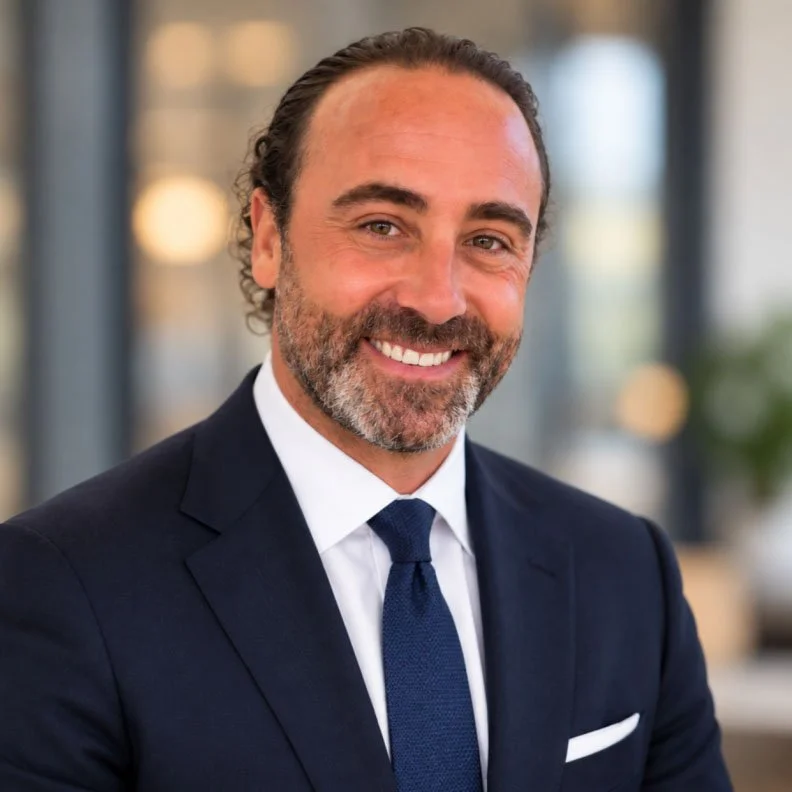
About Ryan Rutzick
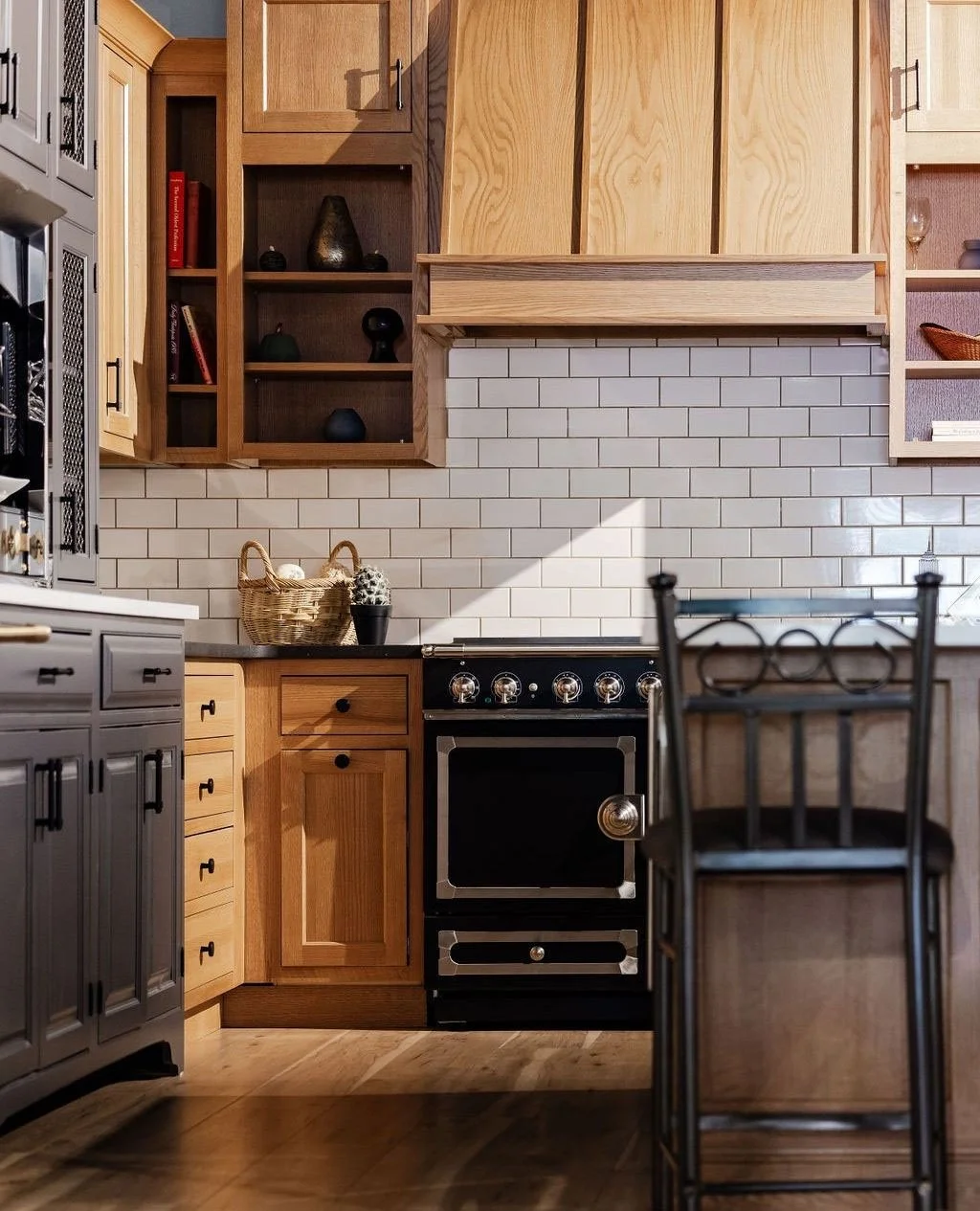
Ryan Rutzick is the President and General Manager of ALL, Inc., a third-generation family business founded in Saint Paul, Minnesota in 1947 by his grandfather Sherman Rutzick. What started as a coin-operated laundry leasing company has grown into one of the largest appliance and cabinet distributors in the United States, with two luxury showrooms — a 25,000 sq. ft. flagship in St. Paul and a 22,000 sq. ft. location that opened in Plymouth in April 2025 — serving homeowners, builders, and multi-family developers across Minnesota and Western Wisconsin.
Ryan joined the business in 2003 after graduating from the University of Wisconsin-Madison, and he currently sits on leadership councils for GE, Whirlpool, Electrolux, Samsung, and LG.
Resources:
-
Ryan Rutzick 00:04
We have a strong relationship with our with our respective manufacturers, and when we say you know help us in this situation, they're going to help us take care of a situation, whether it was their fault or not. But I've had many instances on the flip side where you know our customers, you know, have ordered completely the wrong 36 range, or that's a good one. And you know, what do you what do you do then?
Mark D. Williams 00:31
Today in the Curious Builder podcast, we had Ryan Ritzik in. He is the president and general manager of All Inc. Here locally, we talk a lot about third generation, how you take the baton from each generation. How you sell the company into ESOP, big capital investments, as well as our third quarter book, Relentless, and how it applies to business and entrepreneurship. Without further ado, here is Ryan Rutzik.
Ryan Rutzick 00:55
Yeah, so those are some of my earliest memories. Obviously, looked up a lot to my grandpa. My dad came in, like I mentioned a little bit later in over the years. But you know, my dad's goal was to identify an opportunity in selling kitchen appliances to those same apartment owners that we had relationships with. So he worked pretty heavily on that. Picked up some single family during the mid '90s, and by the time I got into the business, we were we grew the business with a couple manufacturer lines, GE, Frigidaire, the two primary ones. We really had no opportunity to sell into the higher end. So my my goal, I was tasked at growing the apartment replacement side of our business, which is today pretty sizable, and also helped us launch into multifamily new construction. So we got into providing appliances to those same apartment owners and developers, and today it made up makes up one of our largest segments. And as as we continued to grow and other opportunities presented themselves, you know, we kind of evolved in every really every decade or so. And my my main thrust today has really been on the luxury side, multifamily new construction has taken a pretty big dive overall. So some of the work that we've been put in put in place last couple years have I've seen it coming down the pike, and we had to make some tough decisions in order to make this happen. But so far, you know, we've we've opened a second location, which has helped support the West Metro in appliance sales, and has helped us branch into picking up quite a bit of additional single-family business as well as some retail.
Mark D. Williams 02:30
What do you mean? I mean, so for the audience that's not Minnesota, and basically opened up a second location about two years ago. Beautiful showroom, heavy capital investment to do so, but the west side of the cities has you know the lion's share of the high end market you know around Lake Minnetonka and things like that. The new money, yeah, the new money, exactly. Yeah, St. Paul's old money. My question was, you had mentioned you saw it coming down the pipeline. Are you talking about statewide sales, global sales, or what? What was your comment about like a couple years
Ryan Rutzick 02:57
ago? Well, during really COVID, you know, we saw a huge increase in permits in multifamily, so it had probably increased roughly 20 to 30% year over year for a couple years, and then overnight dramatically was reduced by today roughly 80 to 90% from that point. So we saw some of those those metrics coming down the line, and we knew we had to make some decisions quickly. We were lucky enough that this second showroom, we had already known about the building, and it was already kind of on the short list of opportunities. So when that presented itself, it was a almost overnight decision for for me to acquire the building, and then I had to do some convincing to to be able to get the the second location approved, but we see a lot of value in this location. What provides for our clientele in the West Metro and really across much of Minnesota?
Mark D. Williams 03:53
Yeah, I mean, I'll come back to that because I want to stay on the family stuff. I do want to talk about like what's it like to expand. The what's the right time to come or go, and some of those questions that we'll talk about in a minute. Let's go back to observing your grandpa and your dad. What are some what are some observations you had as a young kid that either made you say like this is exciting, this is what I want to be of, or like I have no interest in doing this when I grow up? And maybe you had both thoughts. I don't know. Do you recall some of those earlier childhood memories? Because I can only speak. Yeah, go ahead.
Ryan Rutzick 04:22
I do. I mean, my you know, my grand especially was just involved with so many different things. I think that was really attractive to me, especially in the early years. He was heavily involved in. He was in real estate development and banking. He did a lot, obviously, with the coin-operated items. He had restaurants, so it was always kind of an entrepreneurial master, so to speak. That it was always very attractive to me, much to a fault today. Like I'm a little, I get a little distracted. Kind of want to move on to the next project or next thing. So it's for me. I've had to really work on staying focused and making sure that I execute our initiatives as planned. And then move on, and you know. So for actually just pulled out of the safe by Grandpa, maybe a couple years before he passed away. I'm like, we write eight things that are important in you know being a professional. And I I looked at it briefly two nights ago, but a lot of it is stuff that I you know, and I it was kind of funny because I haven't looked at it in about eight years. But a lot of those stuff are just stuff that I kind of hold near and dear, and a lot of it has to do with empathy and doing the right thing, stuff that you know you're taught over the years, and whether it's religious school or proper values from your parents. But a lot of those just work well in the professional world. I think Zig Ziglar had a quote: You only be as successful if you make what you if you make others achieve the things that they want. In turn, you'll you'll get the same. So I think we I live a lot by that, making sure that we're we're being helpful. Whether it's whether it directly helps us or our company in that moment, it's not even a matter. It's about doing the right thing and helping your friends. And in the end, people turn that back around and you know pays dividends.
Mark D. Williams 06:04
Yeah, I mean, I remember reading Zig Ziglar. My grandpa gave it to me, and you know how to win friends and influence others. Which it's funny because people out. If you read the book, if you're not in business, or if you're in business, you've obviously read the book most likely. And two, it you look at it as a positive thing. If you told like my wife is a physician. She thinks that title means like I'm a con artist or like I'm corrupting the. I'm like you so don't understand business because like I think at its core, to your point of empathy and you know you mentioned earlier servicing the clients like that. You know I love your five your the the 10 to 100 rule. If you treat a client right, they tell 10 of their friends. You treat a client wrong, they tell 100 of their friends. And I, I think it goes back to just simple, basic things. And I think that's what a lot of non-business owners don't understand about business. That the most successful entrepreneurs are the ones that just treat people really good. And how could you argue with that in terms of like, how is there anything negative about that? It's not. I think you can do. I think the biggest mystery people have outside the business is they think that you can't do two things with once. I can treat you really well, and we can be friends, and I can also make money in this transaction, and that's not a negative thing. In fact, that's a positive thing. Like for instance, I can tell you because I've been buying millions of dollars of product for you for years. Like, I want you to make money for multiple reasons. One is so that when my client calls you, like, you can service them. That's primary goal number one. Primary goal number two is like to keep me on the cutting edge of like what's happening in those relationships. And like profit is not a dirty word, and I know as owners that everyone I interview, of course, we would all agree with this. So it's a bit of a you know it's a you know singing choir in the church. Everyone's going to say amen. But like I do think it's important to tell our clients like you want us to be profitable, and we should not be ashamed about making money. Like that is a healthy business.
Ryan Rutzick 08:00
That's what we're all here for, putting food on our table for our kids.
Mark D. Williams 08:04
Yeah, you know the the you know the other thing about Zig Ziglar that that comes to mind is or your the eight things from your grandpa is I had a very similar experience. I was you know I don't even know how old I was. Call it sixth seventh grade, and I asked my dad what made him successful. He was a I'm a third generation builder as well, though our line is broken. Each one was too independent to follow in the footsteps, so they all retired, and then they all started, and they all started a new one. But anyway, I asked Dad, thinking he was going to be some great epiphany or some awesome story, and he's like, "Hold the door open for women and old people. Do what you're going to say, and say what you're going to do. Be polite, be kind, and be honest. I'm like that's it. He's like, it's not that I'm so great; it's that the competition is so bad. And I was just like, how am I going to write a paper on this? And like, there's nothing here. And but as you get older, you realize like those core values. You know, back to what we were talking about earlier in the podcast about core values and instilling them in your people. Like it does matter, and it you you can't fake it either. Like I think sometimes a company, I would imagine, if it gets too far away from the founder and if you're not working on it, like I would imagine a bigger company can ultimately take on a life of its own. And I'm sure there's plenty of owners that wake up and are like, "This isn't the company or what I represent. And it would be some seriously hard work to turn that Titanic ship around because how big is All Inc. in terms of people?
Ryan Rutzick 09:24
We have about 80 people that work for us.
Mark D. Williams 09:27
I mean, that's a big that's a big company. How have you guys ever gotten to the point where you had things? You're like, this isn't us, and what was it? And how did you course correct?
Ryan Rutzick 09:36
You know, I think over the last five years we've definitely become a little bit more corporate. Some of our policies and stuff, so it's it's kind of working with our team to make sure we're still holding on to some of those core local like flexibility and making decisions and you know obviously it's important to have you know certain guidelines and rules we want everybody to adhere to, but in our world everything's kind of gray, so we. Have all of our you know leaders really kind of navigating through the the cloud, so to speak, and making sure that in the end you know it's a our customer has a positive experience.
Mark D. Williams 10:10
Yeah, no, I love that. How as you look, how involved is your dad involved at all anymore or not? No,
Ryan Rutzick 10:15
nope. He retired about five years ago.
Mark D. Williams 10:18
So what does have you and you have children, I believe. Is that right? What have you have you thought about what succession looks like? And do you is there a pressure for you being a third generation where you feel like even if you didn't want to, like whether you would sell the company or keep it for your kids? I like I just had a conversation with my lawyer this morning. I'm doing this thing called the Death Binder. I would imagine most people, a big company like you, you probably actually do have a succession plan. But most small companies would not. I bet it's less than 1% of people have a plan for if they just died suddenly by a car accident. And so, and his comment, and his comment this morning was my lawyer. He said the best way around that is a succession plan, so that if something happened, it would go to your like a ESOP to your people or whatever. Anyway, it's a poorly framed question, but I guess my question is: is at what point do you start thinking about the fourth generation? Do they want it? Are they interested? How long do you have to work in order to hold that for them? Like, where are you at as a dad, and then where are you at as a as a as the business? Yeah,
Ryan Rutzick 11:19
and we actually just to clarify, we actually did sell. We sold five years ago to an ESOP. So that that was so. My dad and I now we have a story behind that. We did have a succession plan. We had talked it through. I think our decision at that time was really I think external with regard to what was going on in COVID and kind of these unknowns, and it was a little bit scary at the time, so I, you know, my dad and I had an open conversation for about a year and a half, and we both decided that selling the company would be right. Obviously, I was the one who was going to stay on board. He was able to retire through that, and it really came down. He he did. It was really making. We needed to make sure it was the right group to be able to buy the company to make sure that we could maintain the really the same company that it was five years previous. So we were lucky enough. We had you know I talked to probably a dozen private equity groups and other corporate bodies, and you know I felt by far the most comfortable in talking with the group that we ended up selling to, which was BMD building materials distributors. So they're a 80-year-old company out of California. That today it's more of a private holding company of about 14 different businesses, but all are family-owned at one point. Most of them have been sold off in the last eight to 10 years. So it's been and it's pretty interesting how we've been able to that group has been able to maintain each of those individual business units their their own sense of culture and autonomy. So they've done a really good job, and I think a lot of it has to do with the ESOP background. We you know we emphasize a lot with our employees about employee ownership and try to be as transparent on a period by period basis, so we get a lot of great buy-in and excitement because of having that structure. And at the end of the day, you know, they typically an ESOP employee has about two and a half times the amount of retirement savings as a as a private business does. So we both, my dad and I, both, felt very confident and happy that we were able to partner with BMD at that time.
Mark D. Williams 13:24
I mean, I think that's phenomenal. It's funny. I knew that and I forgot it. And so hearing you talk about it again just reminded because I've had several of your people mention how much it meant to them. Somebody like Alana or Michelle, actually, you know, years ago when it first happened. And yeah, I think just you know ownership. It was funny because going back to my conversation this morning with my lawyer about the the death binder, his point was is like, well, what is the ownership for your people? You know, I'm dead. I'm in the grave. Like, there's nothing I can do. Like, what's their sense of duty? And you know, he's like, you have to have something in it for them to stay incentivized. And so we were talking about what that would look like. And obviously, if you do sell your company, let's talk a little bit about ESOPs. We haven't had a lot of owners on that are ESOP owned. What are and plus your decision making is super cool. We don't have to go into all the details, but like high level, I mean, I get it. The company is owned by the employees somehow, some way. I don't know how important it is to get into the vesting or all that stuff, but like more along the lines of what what is better about it, and what are there's there's cons and there's pros and cons to any deal. What are some pros and cons as you considered an outright sale versus an ESOP, as you recall? Because I think it's an interesting discussion. Because again, there's a lot of family businesses that I've interviewed that they struggle with. Like, do we sell it to our kids? Do we? And a lot of times, no one wants it. Let's be honest. Right now, obviously, a lot of VEs are taking like HVAC and plumbing and electrical companies. That's kind of the hot thing to do. But most building companies are just not set up. They're not. It's kind of like that old sad adage, unfortunately. And I know because I've looked in the mirror and. Dealt with it like you you remove Mark Williams from Mark Williams Custom Homes, and I have a I have a job. I don't have a business now. My company has gotten a lot better. It can probably last a year and a half without me, which is awesome. I'm very proud of that. My team could build a phenomenal house. They don't need me to build the house. They still need me to market it, to sell, to land the clients, and I would have to replace myself from a sales standpoint in order to do that, and you know, at some point, maybe I will or maybe I won't. But I bring it up because most people never get past that, and I don't know if I will or I won't. You guys have already made it past that. I'm just kind of curious your observations of the pros and cons of either going ESOP or just selling outright. Yeah, and I think and I think the motivations are different depending on whether it's the owner or you're thinking about your your staff. And we, you know, so the main the main thrust behind an ESOP. There's a couple different forms of ESOPs. There's some that are still privately held, like 51% of the company's ESOP, and the owner still maintains that other 49% They usually have voting rights. There's benefits that
Ryan Rutzick 16:00
way. We were 100% ESOP, meaning you know there's no private ownership involved anymore. And the main advantage is any income tax that would normally be required from that business must get reinvested. So there's no income tax; it must get reinvested back into the company. So there's just kind of this always continuous improvement, adding, building, and in the end, yeah, you're vested over a certain amount of time. In our case, it's six years, meaning you you are able to you know there's some matching funds that we we have access to and a variety of other shares. And over over time, you're allowed to accrue for that, and then after six years, you actually have benefit to those funds, and then after after retirement age is when you actually have access to those to that account specifically. So as as your business unit grows, as the parent business parent business grows, your shares grow, and ultimately leads to you know more in retirement down the road. So I think it's a very growth forward, Continuous improvement-focused mentality. You know, it's not about cutting corners one year to make a number work so your stock prices are high, and then you know start cutting expenses. So it's really a lot of it is about stability and really double downing on the benefits that that previous or that that existing business has been able to build themselves over the years. Now we're one of the larger businesses that were acquired in our portfolio, and you know there certainly can be more pressure on some of our businesses versus some of the smaller ones as far as like the total share and how that benefits the the parent company as a total, but overall, it's been a really good experience for me as a business owner. For you know, I was running the company for 10 years prior to selling. I had a really good sense of running a business, but I learned from my dad and my grandpa. And I'll be honest, like a lot of it was shooting from the hip, and you know, a lot of it's based in intuition, which is good. And I think I I've been able to hone those skills. I when people ask me like, what do I do? Is my job is looking around corners. Like I'm I'm trying to look where are we going to evolve to next? What's what are some of the impediments that are potentially coming our way? And I think I've learned a lot of those skill sets through my dad and my grandpa. Where I've learned where I've gotten much greater in my professional development is because of what BMD has been able to instill. We're very focused on getting involved with various groups. Like I'm involved with Vistage, which is a executive leadership organization. But literally on a monthly basis, I'm I'm learning about you know disc assessments and 4DX and you know all these other all these all these components to the professional world that before was more of just kind of in me, you know, and now it's a little bit more formal formal background, and I and you know I think both of those have really led to my own personal development and and personally as a as a leader of our company.
Mark D. Williams 19:00
I mean I think that's great. It kind of goes with this: is the evolution of of how we seek knowledge. This episode of the Curious Builder is brought to you by Olivin Vine Socials. If you're a builder, a designer, or an architect looking to grow your brand without dancing on TikTok or spending your whole life on social media? Listen up! Olivinvine Social specializes in Pinterest marketing, blogging, and email strategy for luxury home brands that help you turn your beautiful work into a strategic SEO-driven content that drives real traffic and connects you with your ideal clients without burning you out. Ready to grow smarter and not harder, visit oliveandvinesocials.com and tell them the Cures Builder set you. Just so you know, I've been working with Alyssa over at Olivinvine for three years. She helped us launch the podcast. She's helped us grow our brand at Mark Williams Custom Homes. I could not do what I've done without her help. When it comes to quality, craftsmanship, and performance, Pellis. Sets the standard. Whether you're building custom homes or designing a timeless space, Pella offers innovative window and door solutions that blend beauty and efficiency with showrooms and experts around the country. Pella makes it easy to find the perfect fit for your next project and their team to support it. Build with confidence. Build with Pella. Visit Pella.com to explore products and connect with your local rep today. For more information, you can listen to episode one or listen to episode 109, where we bring on Pella owners and founders at Pella Northland, as well as their innovative team behind the SteadyStat innovation. I think what used to be referred to as like a midlife crisis is really a lack of realizing that it's time for us to evolve as people and as business owners, and I think if you continue to like sort of level up your skill set and you stay interested, but like who you were 510, years ago is not the person you are today. My guess is you could mop the floor with the Ryan of 10 years ago with the knowledge that you have. I mean, think of how much you've gone through with pre-COVID, post-COVID, selling the company easy. I mean, think of the knowledge that in the leadership that you've had to learn, and like anyone, I'm sure you've made plenty of mistakes because that's just how life goes. But it's kind of like the old golf analogy, right? You're on the back, you're on the back nine of life, if you will, and and so I, and that's not a scary thing. It's kind of exciting, honestly, because you you there's some urgency and there's also some excitement on new things that you're sort of ready to put into the business. Does that I mean does that kind of track with you?
Ryan Rutzick 21:29
No, absolutely. And honestly, it just gets for me professionally, it's just more fun. Like you know, you're taking in all these. It's a new it's a new avenue of things to learn, and I think sometimes those professional resources can get a little obscure and out there, and you kind of have to take what you learned and apply it to everyday life. And once you do that, that's when things become exciting and fun. And not only that, you can also be a mentor and a coach to your team in an area that they've had zero exposure to. Overall, definitely been very thrilled, and I've just recently started keeping a professional journal where I'm for five minutes every morning, just writing down. Doesn't have to be anything professional, just but it gets my gets me thinking about my day. It's kind of like making your bed and starting the day right. Just little things like that's been very fun.
Mark D. Williams 22:18
I well, tell me more about that. I'm actually really intrigued. We we did a curious builder boot camp a year ago out in Zion National Park, and for those that aren't aware of what that was, it's basically like two day workouts, no phones, no alcohol. I think we had 15 builders, and we did journaling for an hour, mainly for this guy, meaning me, because being alone with my thoughts is not. I mean, I like to talk out loud. So, like, when someone forced me to write down, it was fine once I started doing it. But someone had mentioned absolute journaling. I'd never heard that term before. We basically just write whatever you see, think, or feel. So it's like rock hard, like sky, saw. I mean, just what it's basically just training your mind to like. So anyway, that's my only experience lately with journaling. How? What have you found in journaling, and how do you do
Ryan Rutzick 23:06
it? Yeah, that's how I got exposed. Pretty similar to in one of my Vistage groups. So we just had a five-minute exercise, and our leader was like, "Just write. Does that write whatever you think sign your on your mind? What I like about it, but like to to like I said before, it really, especially the first thing in the morning, it gets my like my mind thinking in the right direction. I have a tendency to just like I have like 1000 phone calls and thoughts, and and I can go in any different direction. But that is kind of the first thing that sets my day right, moving in that right direction. So now it is a little bit more intentional as far as like you know, I have a thought. Like, what is my goal today, and how am I going to how am I going to lead my team this afternoon and whatever event we may have, or what I have this challenge, what am I going to do in order to fix that? So you put it on paper, you can refer back to it, and it's been really you know for a frenetic, anxious, ridden person like myself, it really does help, kind of just keep me directed and focused on the task of the day.
Mark D. Williams 24:05
I've never met anyone that actively journals that doesn't like apostolize it. Meaning, like they talk about it all the time, and they try to, and all they're saying is like, "Hey, I was a skeptic too. Do it for a week and let me know what you think about it. Have you gotten other people to journal?
Ryan Rutzick 24:22
You know, I haven't talked a lot to other people about it. I'm sure I will at some point, though.
Mark D. Williams 24:27
Yeah, yeah. One of the things, just talking more on the personal side, you know, you're involved with a ton of volunteer stuff. Tell me about like why is it important for you to volunteer your time? I mean, you're busy, you're a dad. You have a lot of interests, but you are involved with quite a few. I could list them all off, but we'll save the audience 10 minutes of me listing off your 800 things you volunteer for. But I'd like to speak more to the spirit of why you do it and how it either helps you as a person or how it helps you as a leader.
Ryan Rutzick 24:58
Well, I'd say first and. Foremost, probably my first introduction to like formal volunteering and giving back was my high school. I went to St. Thomas Academy, and very they emphasize very much giving back to others. In fact, your senior year, the last month or so of your senior year, you're you have a volunteer project. So you either volunteer for a nonprofit or actually doing work out in the field. I had the the opportunity to work at the MS Center on University Avenue in St. Paul and had a really neat experience there. I got to interact with many people affected by MS. That was kind of my start of like really thinking about empathy and thinking about others that you know don't have what I have, whether it's a physical ailment or whether it be economic or whatever you know shortcoming there may be. And I've always been really interested in and trying to give back to my community. I grew up in St. Paul, so we're a very St. Paul proud community. I think you ask any person that grew up there, and they want to do whatever they can, and and they'll boast as much as they possibly can about how great St. Paul is. No, that's so
Mark D. Williams 26:04
funny. So I'm really good friends with Ben Ganja, who you likely don't. Yeah, and he's constantly telling me about how great. And I'm like, "You live in Edina, dude. You don't even live in St. Paul anymore. And he's like, "Oh, he's like old blood, old blood. I'm like, "Oh my word, you're right.
Ryan Rutzick 26:17
He was a Northsider, I think, if I remember correctly. But yeah, he's and I grew up in Highland Park, and you know I live in Minnetonka, but I still still have that passion for St. Paul. But in any event, through St. Paul, there's been you know that was really how I got hooked up with a lot of nonprofits. Whether it was the St. Paul Area Business Chamber of Commerce, I got into politics through St. Paul through people I knew who were lobbyists and other politicians, so St. Paul is kind of a neat mix of you know both business, politics, nonprofits that give you good access and and really I'll admit over the last five years I've been not as active in some of the nonprofits. I've definitely gave a lot of time in my 20s and 30s to giving back, and I have every intention to jump back into it again. But you know, as time goes, and you got to start making start making sacrifices, and you know, if it's a matter of my kids or or a group, I'm going to you know spend my spend time with my kids. Well, it's kind of a
Mark D. Williams 27:16
it's I mean I can totally relate a season of life. I mean, when I was in my late 20s, early 30s. I I was a I coached cross country running for a local high school, and you know you don't make any money. I mean they pay you, but you know it's hardly pays for gas. But I loved it, and I really I always said if I wasn't a business owner, I think a teacher would have been something I would have really enjoyed. Mainly, I just love the enthusiasm of of young people. It doesn't matter what age, honestly, just the enthusiasm of of, and I've always kind of said I'm not a, I'm not a great coach. I think I'm a really good cheerleader. I think my skill set has always been, you know, you know, you're at mile 20 of whatever race of life or metaphor or real race, and I just want to encourage you to get to the finish line and do the best that you possibly can. And I've learned so much from seeing kids sacrifice and their dedication, and it's so running is just such a metaphor for life and and business and all these wonderful things. But you're right. Then I had my I have three kids, 10, eight, and six. But when Si when Tate no when Simon was born, my second, I'm like I I can't I can't go to practice at 230 every day, like during the fall, like I have a job. Oh, and by the way, my wife is going to be at home with two babies while she's a doctor as well. Like, yeah, this isn't going to fly. So I felt I could see myself coming back to it when the kids are completely grown and and out. But we'll worry about that 15 years from now. I wanted to come back to before we kind of go into the book, so our book, the audience may or may not have remembered because we haven't done that many interviews around Relentless. We'll talk a little bit about that since you have read it. But I want to talk about that second location because I think it's really interesting. Whether you're a builder or architect or designer, doesn't matter. Or in this case, you know, you know, trade partner or manufacturer. Like, when is the right time to make a huge capital investment? In your case, multiple millions, I'm sure, to buy a building to branch out. Like, what's the ROI time horizon? And it's no different. It's relatable in the sense of like, do I bring on a another project coordinator before I get the job, or do I go sell a $5 million dollar build, and then backfill the talent. And I, I think small entrepreneurs could learn a lot from a bigger company in terms of forecasting and setting money aside. Anyway, these are just high level triggers that I'm thinking about. How did you know? I know you've been considering it for years, maybe decades. I don't know. So you'd already, as you mentioned, you'd already been kind of looking at it. COVID hit, which that's a whole separate podcast of like how in the world windows and appliances. Man, everyone knew that back then when you signed a contract, literally the first thing I would do is I would call Ross and be like, I need to order all appliances today because I know they're gonna take a year to get here, and I don't want to wait and re. Models, man, they were screwed because you just couldn't wait that long. But anyway, I'm just so that's just my memory of COVID. Going back to the original question, how did how did how do you know? How does a company know when it's time to make that kind of capital investment? And what have you found? You've had it for what two years?
Ryan Rutzick 30:19
Yeah, just about. Yeah,
Mark D. Williams 30:20
and how how can you is you know share as much as you feel like you can or can't? Like, how do you know when it's successful, or how do you know and like, oh wow, that was way more money than we thought, or crap, we're already remodeling it. I thought we just built it. Like, walk us through that process because I think that's a fascinating conversation.
Ryan Rutzick 30:39
Yeah, absolutely. Yeah, I would just start with we grew our business, and we were one of the largest builder distributors in the country with one location. And the fact that we did that, I would say we we bragged about that that feature for a very long time. My dad, one of my num my dad's number one things even tell one location, one location. We know that with one location. So I think there was a long time. And before that, I should mention that we had multiple locations before the Great Recession. You know, we had a location in St. Cloud and in Prior Lake and in St. Paul and in Sioux Falls.
Mark D. Williams 31:08
Oh, I didn't know that.
Ryan Rutzick 31:09
So yeah, so we went through quite a downscaling and restructuring of our business. We went from four, I'd say, moderately dressed-up locations, pretty mass mass premium, so it'd be like G G profile to closing all those satellite locations, and then taking your flagship in St. Paul from about a 8500 square foot kind of mass showroom to pretty similar to what St. Paul looks like today. Maybe it was expanded a little bit more, but we really we built the field of the dream, so to speak. I mean, we really and the goal when we did that was you know you build it and they will come. And that was right when Ross probably first started. We first hired Ross, and he had to try to convince people from Minnetonka to drive like you say across the river in a and nobody would want to do it. So you know we well we built rebuilt the St. Paul showroom, redesigned it. Our goal was to create something unlike any other showroom in the metro, and it took a really long time in order to build that traction and build the confidence and trust in our abilities. But once we did it, and after a certain amount of period, we had you know really good belief in our abilities to show appliances and cabinets to the builders in the marketplace. So for a long, long time, we've had multiple, multiple builders, dozens of builders, hundreds of builders, ask, plead, request that we open a second showroom in the West Metro.
Mark D. Williams 32:30
And I think the reason, speaking, because I was one of those people for years. I mean, I went one time, and I'm like, I saw enough, like amazing. But like a lot of high-end builders, it's my designers. I mean, it's one of the reasons why you guys have supported the Curious Builder Collective and the Curious Design Collective because we know well the builder shows up as the person who purchases it. The designer is often the one going with the clients, and so the question is: Is would my clients be willing to drive across? And so you know they you there is kind of the adage that they'll go where we tell them to go, but I mean, you also want to meet your clients, and so I think it was a genius move for you guys to come west, just where the where the it's funny because it's only 10 miles or whatever the crow flies is. It's not even very far, 50. Yeah, you're like 15.3. So going back to the original question, we knew what the need was. You know what the urge was. You found the opportunity. When does it actually pay off? Is it a multi-year payoff? Like, how do you justify? It's a multi-year payoff.
Ryan Rutzick 33:28
It's a multi-year payoff. So we, you know, a lot of it is budgeting, factoring in what you know, because we have to justify every every dollar we're spending, as like you do in your business. And yeah, I mean, it's a, it's definitely a malt. It'll be a probably a four or five year payoff type situation to get it up to where we needed to. I'd say in the first year and a half that we've experienced, activity has been phenomenal, especially in the trades. We've had a lot of doors open to us, open up to us over the last year and a half to builders that honestly wouldn't sit down with us before. So that in of itself has been phenomenal, and you know, one area, two very small piece of this location, we would like to do high end replacement. So if you have a Sub Zero refrigerator that goes out, or you know, in that realm, we want to be kind of the one stop shop and location destination location in the West Metro for that. So we're trying to position ourselves well for for that. It's gone pretty well, but yeah, I think a lot of it is dependent on our marketing efforts, and you know, it just takes time and money, and you know, a lot. We like to do a lot of grassroots events, like partnering with nonprofits. They can do like a gala or a fundraiser in the showroom, and it helps get people that normally wouldn't be exposed to the showroom to get a real sense of who we are, and I'm confident just in our in what we sell, the team that we have, and what we have at the showroom that it'll only continue to grow. But yeah, it's a huge risk, and it we you have. Believe in your decisions. It kind of gets back into a little bit in the relentless book, and not be afraid of certain scenarios, and do what what you what you feel is best. And it was it was the right time. It was the right place. You know, if this was just a little something showroom in Eden Prairie, I wouldn't be having this conversation. We probably wouldn't even consider it. So we we're going to do anything. We're going to go big and make a splash and and have confidence that that'll pan out in the end.
Mark D. Williams 35:27
You know, I I think that's a good transition into the book. And you know, there's the three types of people. I'm you blanking on what the first one was. You have a closer, a cleaner. What was the first one? What was the first
Ryan Rutzick 35:38
one? A oh boy, the seats. Can't remember it. Clear closer and coolers.
Mark D. Williams 35:44
Oh yeah, the cooler. So like, what I was thinking about because, like, you know, it's basically for those that haven't read the book, it's like you know, Michael Jordan is the cooler, meaning like you have to read the book, obviously, but it's it's the highest form of it. But but the reason I thought of it in you in those terms is like a closer analyzes all of the decisions and then proceeds to move forward. Where the cooler they just figure it on the fly. Like I honestly think that most entrepreneurs are coolers by nature because I think if you sit around with paralysis analysis, you never do anything. And you know, you mentioned it was a big risk. Honestly, I would tell you as your friend and as well your client and also as a peer in your industry, like it's a bigger risk to do nothing. I think if you continue not to do anything or evolve, going back to the book, look at Michael Jordan. I mean, he most people obviously know his story from the Last Dance if they don't didn't grow up in the 80s and 90s like we did. But he lost it what three times in a row to the Pistons. He just got bullied. He got absolutely destroyed. But he went back to the gym. He didn't cry about it. He shook their hands. He didn't, you know, do all the nonsense that some of the athletes do today. He went and put on 20 pounds of muscle and said, "I'm going to dunk on your face and I'm going to hit you while I do it. And so, anyway, the the point is, I this kind of goes back to something my dad used to say. It just coming to me now that he often told me that there was no difference between decision A and decision B. It's what you did after it that told that made it successful or not. And I think it's a little bit going back to that cooler concept that you know when you decide to move forward, or sorry, the cleaner when you're going to move forward, it's like what you do after that makes it successful. Like the West Side expansion for you, in my opinion, has already been uber successful. I don't know the financials of it like you do, but like long term, like 10 years from now, you're going to be like, "Why didn't we do that 10 years before? And so it's I don't know. I'm a huge fan of people in our industry that go ahead and just make it better. And so in that sense, kudos to you guys.
Ryan Rutzick 37:42
Thank you.
Mark D. Williams 37:44
What you know? Maybe I'll let you kind of recap. What are what are some things as you've read the book that kind of stood out that either inspired you or you sort of related to, or some things that you're like, oh, I guess I'm not as because everyone would love to them to everyone would love to think of themselves as Michael Jordan, but we're not all Michael Jordan, and there's certain things, there are aspects of our life that maybe we are, but probably not all of them. Was there anything in the book that you sort of looked at and you're like, I can identify with that, I I have that behavior, or I don't have that, and that's something I either want to work on or like, oh man, that's just kind of eye opening.
Ryan Rutzick 38:18
You know, I think the main, you know, I think if you think of a, you know, I think you think of it like directly as if Michael Jordan was to work for you, and I think like most people like well he's an incredible athlete who will do whatever it takes to win, and that doesn't always apply in a business. So like if I had a team of all cleaners, I don't know if that's something would be a good thing. You know, I'm gonna get people who are too autonomous, you know, probably isn't going to work together as a team. And so, what I kind of took, what I took from the book, is really just the philosophy of like of how this can be applied to a leadership team, whether it's like owning the outcome or don't wait to be asked or pressures reveal, preparation. There's a lot of little like lessons to be learned by a cleaner's ability to succeed, and it's and it is that relentlessness that that does allow them to succeed. But I think a lot of you know whether you are a cooler or a closer, there's area and there are different levels of I would say motivation maybe would be kind of the the guiding principle, but I think what we could do is is coach and mentor those that maybe aren't the the cleaner, but really you want to have them emphasize and learn more about some of the skill sets that make them a stronger whatever skill set they are. But I think for what I read a lot about was like autonomy and you know not settling for enough, being a step ahead of everybody else. If there's an issue, fix the issue.
Mark D. Williams 39:54
We're happy to announce our latest sponsor, Real Wood Floors. What made them to be an ideal partner is. The fact that they align so well with our high-end custom homes-they're located in 25 cities across the country. They're probably pretty close to you, and what really drew me to them is the fact that they're vertically integrated. So many times, when you're dealing with wood floor, you know, procuring it from different companies, having it go through middlemen, you're either short material, it's the wrong material, and so we are looking forward to leveling up that and buying direct. The other thing that I really love is their floor-made perfect match. I can't tell you how many times I've had a beautiful wood floor, but the vents don't match, or I love the wood floor, but it doesn't match my treads and risers. Knowing that they can perfectly match that is something I'm really excited about. Go check them out at realwoodfloors.com and sign up for an RW Pro account. Tell them you heard about them from the Curious Builder. I, you know, what reminded? I don't know if you've ever read the book Jocko Willicks Extreme Ownership. He was a Navy SEAL and he's you know podcaster and does all this corporate culture and stuff. But yeah, but what I love about him, Extreme Ownership, is like you. It's a little bit like the cooler or the cleaner. You take 100% responsibility, win, lose, or indifferent. I mean, if you're going back to the basketball analogy, like or owners of our company, if Alt Inc. succeeds or fails, now obviously you have a parent company at this point, but like largely its successes and failures still reside on your shoulders, and so and both fairly and unfairly, like your team could kill it and you get congratulated. Your team could kill it, and you could get nothing. I mean, it's like it's kind of like you get the-I don't know how to articulate it quite quite right because your team could do everything right, and the whims of society, or COVID, or a recession, or whatever-could happen. And guess who? Guess whose head gets lopped off? It's yours, the owner. And so that's just kind of how it goes. It's no different than a team, but what I liked about both Jocko and on this book is, regardless of the outcome, you're owning it, and it's like I think about a failure. Like we've had failures before in in housing, of course, because I don't know how you could go through any construction without some form of failure. But the point of it is, is like I look back when I was younger, and I was like, if I, you know, you him and you ha and you blame and like the client doesn't want to hear that. Now I now I would cringe at that Mark Williams today. Now it's like what they want to say is like I'm sorry, there's either a mistake has been made or something is wrong, but we will fix it. And I look at people I've worked. You know, there's been times where things have not gone right, and those are the clients. Or sorry, those are the companies that I am most loyal to. That said, we will take care of it. We will help you. We're on it. It didn't. It doesn't matter to me that they failed or that the product that they had failed. What matters to me is how they responded, and that is cleaner mentality. That is extreme ownership, and honestly, that is what I would. I want my reaction to be that. I can't say it always has been, but I. That would be what I would strive to do.
Ryan Rutzick 42:48
Yeah, absolutely. I mean, we live from the same mentality. I mean, it's. I mentioned before. It's like it's those moments where things don't go right, and you fix the problem. That's what the client or your customer ends up remembering, so that's why we get back into that 10 100 rule. And I mean, there's times where I've I have our staff come to us and say it may be a scenario like refrigerator slipped and fell and it's dented, and I don't know what to do. And you know, I'm like, well, the customer's not going to accept that. We need to do the right thing. And like, yeah, but it costs. This is a sub zero. This is a $15,000 fridge. I'm like, it's that sucks. But you still got to do the right, no matter what it costs, what it what the situation is. At the end of the day, you still got to do the right thing. And if you do the right thing, that's all that matters.
Mark D. Williams 43:34
You're right. Yeah. I mean, I guess I'll ask you the same question I was going to ask myself. I can think of three people right now that, in a time of need, when they made a mistake, they stood up, and because of how they did it, like I'm their partner until they decide not to. Are there any people either on your team or companies you've worked with or builders you've worked with that made an outright mistake but owned it and won your allegiance to them because of it?
Ryan Rutzick 43:59
Yeah, absolutely, and you know, I think that's what that's what part of being a partner is. You know, it's meeting halfway. There's there's gonna be times where, and I, whenever I'm in a sales meeting, sales pitch, whatever you want to call it, I will never ever tell you that we are 100% perfect. I'll tell you straight up, there will be there will be a moment this year something happens, there'll be an error. But what I am confident with is, we are going to fix that issue faster and better than any of our competition. What I was going, you know, go no, please.
Mark D. Williams 44:30
No, I was going to ask you for a more specific example. I'll share one to give you a moment to think about it. Well, it's a it's a compliment to them. Glassart Design is a local company, and the first job they ever did with us, and they would tell you this: like they dropped the ball hard, and it was bad. The architect was upset, the client was upset, my team was upset, and I sat down with the owners. I later had them on the podcast, and um, and they're and they've been one of our sponsors before, and I was so impressed. With how they acknowledge the the failures that they had, how they fixed it, that they're the only company I even work with anymore. It's crazy, and that was their first. That was the first. Now it's one thing to have a relationship with someone for five years and then they have the mistake. This was our first job, and and I've told them a number of times, and I think they're okay with me sharing this because I'm using as a compliment. Like how they reacted impacted me so powerfully that I said, from here on out, I'm I am specing you on all my projects, even though this was a complete disaster. What an opportunity it was! I was amazed, and I and I tell the story because just because you fail doesn't mean that the experience is a failure. What you do after it is what was so impressive, and how they honored it and how they worked through it really showed me the character of who they were, and it just really spoke to me personally of the humanity of who they are. It meant a lot to me, and and so that that's the story that I think of. And so I was asking you of like, have you had a story where someone has just completely dropped the ball, but because of how they owned up to it, you found that this is someone I want to stay working with.
Ryan Rutzick 46:11
Yeah, and I was thinking on the flip side, just in working with customers where they engineers, but you know, there's definitely a lot of that going. You know, in the manufacturer world, or it could be defects or stuff that gets damaged in shipment. We're really lucky in the sense that a lot of our reps, we have a strong relationship with our with our respective manufacturers, and when we say you know help us in this situation, they're going to help us take care of a situation, whether it was their fault or not. You know, there's some gray areas and all that, but but I've had many instances on the flip side where you know our customers, you know, have ordered completely the wrong 36 range, or that's a good one. And you know what do you what do you do then? Because you know it's expensive, and it's not like I can just always return it back to the manufacturer. And and at the end of the day, we're going to do what's right and be empathetic to the situation. And it's kind of a case by case situation, but we've had a lot. But there's a lot of customers that could just say, "Well, no, I didn't make this. You know, this wasn't on me. You guys made the wrong. I've had plenty of times where they've said, "You know what? I mistakenly told them the wrong model number. I did something wrong. And but I think that's the important part of being in a relationship and partnership and taking care of all those loose ends.
Mark D. Williams 47:22
I mean, I 100% agree. I've had a number of situations, even with smaller companies. I I can think of one in particular where they weren't a big company, and and they made a mistake, and they said, "Mark, we don't have the financial ability to make this whole, but over the next couple years, could we work something out? That's a totally reasonable ask, and I like that they they ask that because I do think one of the most underused words in the English language is "help me, because if you, Ryan, call me and say, "Mark, I'm in a difficult situation for whatever it could be personal, honestly, it could be business, could be whatever it is, and but like I think we have humans have a unique ability to, to at least when people say help me to disguise to understand if it's BS or not, and because most of us have a hard time asking for help, I don't honestly I don't know if anyone's ever asked me for help that has lied about it. Like it's always been real, and I think we have a pretty good sixth sense that like it's honest and like who doesn't want now. There are sometimes where you have the inability like you, simply can't help them if the ask is too big. I'm not saying that, but I think speaking to your relationship standpoint, I think honestly that's why I'm in this business. I love relationships. I love our clients. I, but I love our trade partners. I my dad was in this business for 40 years, and to this day, you know, he still often says I don't lose sight of the fact that, like, yes, we are building a home. Someone is living in that home, and that's our transaction. But think of how many people you employed for decades that that had jobs because of what you did over here. Like, don't lose sight of that special thing. And and this is a message maybe for all entrepreneurs and myself and you included. Like, you know, you employ 80 people directly, but you impact 1000s of people's lives with your decisions. And you know, especially because you are, you know, you care about, you know, the messaging that gets out. You want to do good. Anyone that that is in business, I think, wants that. And I think it's a powerful part of entrepreneurship that we don't spend enough time talking about is just how good it feels to do good work with good people. That relationship is, I think, the more successful owners I've talked to, it there's plenty of work quote out there. They just want to do work with people that they enjoy doing work with, and a lot of times, like your salespeople will tell me, I've talked to a lot in Michelle before, where they're like, nope, I had to get rid of that person because they weren't a good fit for what we do, and maybe that's not what they want me to tell you. But like, but they're like, no, I want, I want to give my time.
Ryan Rutzick 49:47
Yeah, yeah, sure, if you share, all right. But I understand. You you want to work with people that it's a two way street. You want to work with your friends. It should be fun. It shouldn't be acrimonious, but.
Mark D. Williams 50:00
Yeah, I mean, you still have to sell things. Like I get it, but I mean, kind of go back to your 10 100 rule. If you sell product to someone who's a bad customer, you're ultimately signing up for a longer term relationship that you don't want to be in. And so, you know, and there's also the 8020 rule, right? That I would, you know, your the business that you create is with 20% of the people that runs it. Now, I don't know how that works in manufacturing because, like, I imagine anyone that walks in that wants to buy it, like, you'll find a way to sell it to them, and as well you should. But I don't know how that works.
Ryan Rutzick 50:35
Yeah,
Mark D. Williams 50:35
yeah, yeah. We want to sell.
Ryan Rutzick 50:37
We we want to sell products that we can support. You know, there's certainly a lot of requests from brands that you know you're like I don't really have any relationship with that group. It's kind of a caveat emptor. Good luck, but at the end of the day, we're still going to be on the hook if things do go wrong, and it get it can be challenging and troubling if when you get into that situation.
Mark D. Williams 50:55
Are you speaking to like lines you would carry, like lines of yeah, like
Ryan Rutzick 50:59
if you talk about more obscure lines, or you know, lines that you wouldn't normally see at most appliance dealers that are sometimes requested. That's of various reasons.
Mark D. Williams 51:07
Interest, interesting. What is there anything that, when you as we kind of wind down the interview, is there anything that you sort of read in the book that you that basically caused you to say like, I want to act differently because of this.
Ryan Rutzick 51:23
Like I said, some of the stuff that I learned, I feel it's more of just the individuals, like the what makes a what makes a cooler you know succeed or a cleaner succeed rather. I even got them screwed up myself. Yeah, I know cleaner succeed. What are those outliers? Why do why what makes them so special, and how can we use those traits to help coach and mentor in our existing team?
Mark D. Williams 51:47
Yeah, no, I like that. I and I think too, I think you alluded to it earlier, but Michael Jordan is setting up, let's say, Steve Kerr for the winning shot, right? Or Scottie Pippen. Like there are times where you can use your. I think the hardest part any owner has to learn is how not to come in and save the Dave or have the savior complex. I think the hardest thing is to like let them have a shot at the winning shot or to have success because if you're going to build a big business like yours, like there has to be a lot of quote winners and a lot of closers and there's a whole there's a whole infrastructure of a team to make it work.
Ryan Rutzick 52:20
The next, yes, exactly. All
Mark D. Williams 52:23
right. So we let each guest ask a question for the next guest. So I'm going to ask you a question that the previous guest asked. You can answer it however you wish, and then you're you get to leave a question for the next guest. So this question is: What is the best decision that you've ever made in finance in business. Let's keep it to business. And what is the worst decision you've ever made in the story that coincides with
Ryan Rutzick 52:47
both? Best decision I ever made was initially leading or following my initial plan when I first got into the business and built up our multifamily new construction business spent a long, many countless hours and days and weeks trying to build up that that book and gain the relationships and respect within that within that industry. So spent a lot of time in the multifamily world. So definitely appreciative that I got into that because it's a huge piece of our legacy of our business, and worst decisions professionally that I have ever. I I did. It's kind of a personal business. Oh, that's fine. You know, we all get kind of sucked into like potential. I'm not going to talk about the specific vehicle of an investment that I got. Let's just say piqued my attention, and you know what I thought was going to be a quick, awesome investment as most people expect turned out to be I I haven't quite seen the end result, but probably quite the opposite. So my wife to this day, said you know, never again are you making a decision like that and an investment without my consent. And so that's lesson learned. Hopefully, it doesn't turn out to be completely horrible, but definitely do your due diligence and make sure you consult with your wife before spouse before you make any sizeable commitments to an investment.
Mark D. Williams 54:19
Good advice. Good advice. All right. What is your question that you want to leave for the next guest?
Ryan Rutzick 54:23
My question would be: If you over your career, if you could meet your say your 20 year old self, what would you tell that person about ways that, or what would you tell that person about ways to follow your business career?
Mark D. Williams 54:46
All right, advice to your younger 20-year-old self. I love it. It's a great question. Thank you for your time for coming on the podcast. We'll have everything in the show notes for those the front entry of this episode might got cut a little bit. We had some connection stuff. Ryan is the president and general manager. Of All Inc. here in St. Paul. They're ESOP Company, longtime partner of Mark Williams Custom Homes, and a proud sponsor of Misahoos as well as our Curious Builder Collective initiatives here in Minnesota. Thanks for coming on, buddy. And I'll have to get your address after we go offline because I got the sweet gift box I got to give you. I'd like to see it.
Ryan Rutzick 55:19
Looking forward. Thanks again for having me on.
Mark D. Williams 55:23
Thanks for tuning in to Curious Builder Podcast. If you like this episode, do us a favor: share it with three other business owners. The best way that we can spread what we're doing is by word of mouth, and with your help, we can continue to help other curious builders expand their business. Please share it with your friends, like and review online, and thanks again for tuning in.
This episode is sponsored by: