Episode 145 - From Wall Street to Rock Bottom: How a $2.3 Billion Indictment Changed Everything with Teddy Sihpol
#145 | Ted Sihpol | Renaissance Partners, LLC | From Wall Street to Rock Bottom

In this episode of The Curious Builder Podcast, Mark Williams sits down with Ted Sihpol for an incredible, rollercoaster story of resilience, mental health, and overcoming adversity. Teddy opens up about being indicted for a $2.3 billion lawsuit, facing possible prison time, losing everything—including his job and dream house—only to find a new path forward in construction. Through all the chaos, Teddy’s story is equal parts gripping and inspiring, reminding listeners that even in the worst of times, community, family, and inner strength can get you through anything.
Listen to the full episode:


About Ted Sihpol
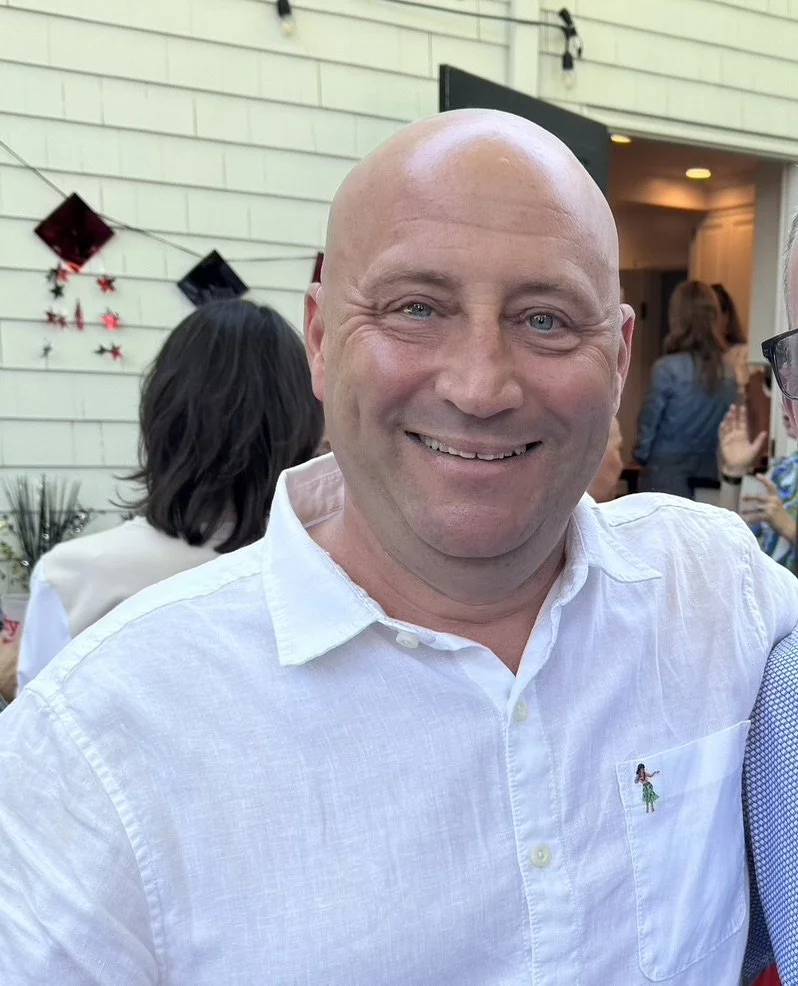
I grew up on an 1820’s dairy farm in Massachusetts and, like it or not, helped restore the house one room at a time, year after year. After being asked to take over a friend’s failing renovation project, I went on to get my Home Improvement License and never looked back, building a reputation one project at a time. We work very hard to minimize the intimidation often associated with residential construction projects and work to simplify and understand the complex and involved process – we believe folks deserve to know what’s happening in their house.
Resources:



-
Mark D. Williams 00:00
We're happy to announce that on March 20, sauna camp will be coming back to Minnesota for its second annual event. We're going to have three panelists talking about wellness. We've got a Mount Everest summiter. We've got two Iron Man athletes and the inventor of hostage tape. In addition, we're going to have, of course, two hours of sauna and cold plunge with some Himalayan chocolate. In between, we'll have themed saunas. We'll have story sauna, silent, sauna, community sauna for different topics. And then we'll end with an amazing wood fired meal from fumo. All the details are on the curious builder podcast.com
Teddy Sihpol 00:41
I remember going through the center console of my truck and scaring up $1.25 worth of quarters so that I could buy a slice of pizza on the way home. Like, and that's the cash flow that we had. Like, I had $1.25 to my name. So it was pretty amazing that that was where we were in
Mark D. Williams 01:07
the cares builder podcast, we have an amazing guest. Metamat contractor, coalition, two and a half hours is how long the story took the first time. This one's a little bit shorter, hour and a half, but I'm telling you, this is story you do not want to miss. You will be buckled up and you will be just riveted hearing this story. We've got Teddy seifel from Connecticut telling a story about being indicted for $2.3 billion lawsuit in his journey on his way to becoming a contractor on the East Coast. This is in time for the holidays. Everyone sometimes has to deal with difficult stuff, but I trust no one has dealt with $2.3 billion lawsuit before against the state of New York. So tune in. Listen up. Share. This is going to be a whopper of an episode. Without further ado, here is Teddy. Welcome to cures. Bidder Podcast. I'm Mark Williams. Your host today, I've got a very special guest from the East Coast. I've got Teddy seiple from Renaissance partners in Connecticut. What's up? Teddy. Hey. Who are you? Mark, good to see you. I was, I always call you Teddy. Do people call you Ted or Teddy? I just like Teddy, believe it
Teddy Sihpol 02:07
or not. So I'm the third of there's now four of us, so I'm number three in line. So it's, it's my my grandfather was Ted, my dad was Teddy, and I was Charlie growing up, but now currently TED
Mark D. Williams 02:18
or Teddy. Name change. That's amazing. Well, we got to meet at contractor coalition in Chicago just a couple of months ago, and I want to talk a little bit about that. I just to preface the audience. I had to get you on before the holidays. We're going to turn this around real quick. I am a very sales people and are easy to sell to your story. I think I and we were interrupted a few times. It took two and a half hours from the moment you started the story. We had bus tours, we had a dinner, we had a presentation. And I, I can't remember the last time I was so focused and enthralled. It was like watching avatar for the first time, or watching like Lord of the Rings, if you're into that sort of thing. I your story just has to be shared. And so I reached out to you, and you said, let me check with my wife, Rhonda to see if it's okay to share this story is unbelievable. Story, like, literally, it's hard to believe.
Teddy Sihpol 03:09
You know, it's funny. It tails into a lot of what we did at contractor coalition. But it is it. I think we'll probably sum it up and come back to zero at the end. But it's we all go through stuff. And the old axiom is, when you sit in front of somebody, from a sales perspective, you have no idea what's going through if they've just lost a loved one, if they've just lost the favorite family pet. But at the end of the day, it's just really about understanding and how we integrate. You know, we all know how to bang two by fours together, but how we integrate the fam, the family portion. I mean, I'm mostly a renovation guy. So taking into the family, the family component of that renovation is huge, and I think that's part of what we witnessed in Chicago.
Mark D. Williams 03:48
Well, I think the one thing that was so powerful, we haven't announced it publicly. In fact, I think this will be the first time we announced it publicly in part of the story you don't even know. So Friday night of the contractor coalition, we did an open mic and we talked, and we just kind of said to break the ice and let it be one of the things that's the most attractive for me as one of the kind of the members there and kind of the leadership is I love hearing people's real stories, real, just the authentic, real. That's what I loved about the podcast. That's my favorite part about people being real. Well anyway, we we opened it up with what are your biggest failures? And I shared, Nick shared, and in hindsight, they were pretty pathetic failure stories, because pretty soon it got real in terms of, like, one builder talked about almost taking his life and depression. And what I didn't know at the time is our friend Ron Jensen, who was a previous contractor coalition alumni from a few years ago, actually committed suicide that night, the night of Friday. So the night that we came up with that idea was we had no idea he was suffering or anything like that. But going forward, so we found out the news. I think Monday, after we returned from contractor coalition, we didn't really know exactly, we reached out to the family, and now, you know, we found out, and the what made it so special when. Ian, some of those stories were shared about the struggles, was just letting people know they weren't alone. And in the reason I wanted to get this episode out, for a variety of reasons, is that the holidays tend to be one of the highest points where people consider taking their own life or hurting themselves. And I just wanted to get this out there to tell people that they're not alone, and to have a story, your story. There's so many parts where you could jump off a bridge on your story, and the average person with that life might have got better, but you didn't. And you're going to talk about that in a bit. But going forward at all future contractor coalitions, that is going to we're going to call it the Ron Jensen open mic night and and we're going to explain what happened, why it happened and why it's important to share these stories. So I just say that with all, first of all, just anyone out there that is struggling, please reach out to community. Please tell your family, even if you have no one to reach out, to reach out to Teddy or I, like literally anybody will throw you a ring, you just have to let them know you're struggling. Because Ron was the most positive, outward vibing person, you would never suspect it, and at least from my point of view. And so I
Teddy Sihpol 06:06
didn't know him, Mark, and that's it's a shame to see her. I saw I did see the news on Monday and that he was a contractor alumnus. And it honestly breaks my heart to see stuff like that, because we all hit a wall at one point or another. And I think it was incredibly powerful for me. I I did not share my story on Friday because I don't think anybody had two and a half
Mark D. Williams 06:26
hours Friday. Normally take that long to share the story, no, and
Teddy Sihpol 06:29
hopefully it won't today, but we'll try to condense it. But part of it is, you asked so many pointed, really important questions that were great. And there were a couple bus rides and stuff like that in between, and people hopped in and opt out. And it was really interesting to see the people hop in at the end of the conversation. But I think from a personal perspective, too, within all of our communities, there's an unbelievable network of individuals that are willing to help, and we've seen that from a personal level. I live in a really special town in Connecticut, and you know, we've got a we've got a direct helpline. New York City even has that mental health line that you can reach out to. And I think that's a it's a massive resource, but there's always a way off and there's always a way out. As unpleasant and as as difficult as it is, there is, there is it's always, there's always a better alternative than the nastiness that or the unfortunateness that happens within a situation like that. So it broke my heart to see that news
Mark D. Williams 07:24
on Monday. Yeah, you know, let's, let's get into the story, because we're gonna run our time before we run out of story details. And I think, I think to set the stage for the audience is your path to becoming a remodeler shows up like halfway through this story, so and just so that people know we're doing what's called the smile tour this year in 2026 My plan is we have a very strong presence in the Midwest, because I'm in the Midwest, in Minnesota, and so when I say the smile tour, we're starting in q1 we're going down from Seattle down the West Coast, down to Texas, and then we'll go along the south. That's q2 up the eastern seaboard. Q3 and then q4 so I'm going to interview you probably a year from now about your business. This one is more in the spirit of, like, resilience matters, you know, kind of like, there's, I read that book last year do hard things. Like, I don't think, I don't think you meant to do this hard thing, but holy smokes, most people, they signed up for a 5k and they think a marathon is bad. You signed up for a 5k and did 1000 mile run. That's basically what the analogy of the story is so without further ado, why don't we? Why don't we dial this back, 25 years early, 2000s you're a stockbroker in New York. Let's start the story there.
Teddy Sihpol 08:29
Sure, early. 2000s I'm a stockbroker in New York. Is a single guy. I'm 34 years old, and, you know, could do no wrong, and I moved, eventually, moved to, I hadn't been super successful, and moved to Bank of America, what was then Bank of America, with a with a senior vice president at the time as the junior guy. And part of, really, part of why I was brought on was to find and source new business. So in sourcing new business, we found an individual family that had a very unique style of trading that they came to us and said, hey, we'd love to bring an account to you. Can you do this? And and we said, Yes, I we. We had to bring it up, up and down the management chain. But eventually the answer was yes, and it involved number of personal accounts. It involved a number of institutional accounts. And eventually we got this account up and running throughout the bank using multiple platforms and multiple areas. I was my partner, and I were the were the point people, and I was the point basically, for this account that handled everything across, across all aspects of the of the account. And in by 2003 we had, I forget the exact stats, but you know, we had grown to one of the top teams at Bank of America production wise. And this account was one of the top producing accounts at the bank. And it was really, it was a six. That story. I mean, it all started on a cold call. So we talked about being sales people, and, you
Mark D. Williams 10:04
know, they called you out of the blue. It wasn't something, someone you converted.
Teddy Sihpol 10:08
I had actually called them out of the blue, just cold. Oh, you called them. I called them, and then they called back. So this is a, you know, Forbes top family account. And you know, I got back to my desk and they said, Hey, by the way, they just called you back. I kind of chuckled, okay, great. And I remember distinctly walking up to to our very first meeting with my partner. And I was a senior guy at the time, and he looked at me and he said, Hey, you know, so what exactly were you going to discuss? I was like, I don't know. All I know is, we got the meeting. And I think you know, being in my renovation side and being the building side. I mean, you never know what you're going to walk into, whether it's a some sort of an apartment building, or if it's a full blown renovation. And it's why we have qualifying questions before we before, before you hop in the truck for 45 minutes,
Mark D. Williams 10:55
how just to set the stage for the audience and for myself. How old were you at this time?
Teddy Sihpol 10:59
So I was 34 years old. Okay, I'm 57 now. So this was, this was a while ago, so it's easier for me to talk about now, some of the details are a little more muddled.
Mark D. Williams 11:08
Well, everything is a little bit more rose colored in hindsight at the time, just how difficult it was. So was it, did you go to their family office? Or did they come to Bank of America?
Teddy Sihpol 11:17
They had a family office in midtown Manhattan. We were, we were a couple blocks away, so we literally walked up. We sat to them. We sat down with them. It was the head of the family at the time. Ian handled the financial side and his chief lieutenant. And they explained the strategy, where they would they would trade mutual funds, and exactly what it what, and the particulars behind it, and how it was. And this was a strategy at the time on Wall Street where a number, a number of people had done it kind of under the under the guise of it wasn't, it wasn't great, but this family had figured out how to do it with the permission of the funds. So everything was up and above board, which was one of the key factors. When Bank of America really looked at it, when we looked at it and said, Hey, is this something where, where we can a help the family, and is it something that we want to be involved in? And ultimately, the answer was yes. It was a pretty profitable trade for us. It was a pretty profitable trade for the bank. And by 2003 we had, you know, after I had been at the bank for probably a couple years, at that point, would they we were running, running a couple billion dollars under management, which is a really big, profitable trade for our for us, and it was a profitable trade for the bank, and it was a it was a great relationship for the family. We did some really cool stuff. Fast forward, at that time, I finally convinced my finally convinced my wife to retire, step away from the business. She had stepped away she was living at home with with our one year old son at the time, and fast forwarding a bunch of the details we were on our way home one day from
Mark D. Williams 12:47
Hang on one one second part, part of the story that's sort of important is you were, you had you got a frame buying the house, so you had looked at you were buying a house on the coast, like Cape Cod or something like that, as I recall.
Teddy Sihpol 12:58
Yeah, so we were in part of convincing my wife to leave the operation, to leave. The business was, we had purchased a house. And at the time, this was the booming real estate market in in Connecticut, so we had gone to final sealed, lost last bits. And this was, this was the dream house, right? Like this is we had, we had owned the house, we had sold it, we had moved, and we had searched high and low, and we finally found this thing, and lo and behold, we won this so we had gone to contract. Deposit was in, and it was one of those situations where we looked at this house, we said, okay, look, if I lose my job, for if I lose my biggest client, are we going to be okay? Yeah, we'll be okay for a year, year and a half would be fine. If I lose my biggest client, lose my job, will we be okay? Yeah, it'll be a little dicey, but you know what? We'll make it work. And we didn't, well, just fast forward to it. It was, the answer was, you know, if I lose my job, was indicted and needed to pay half a million dollars worth of retainer, are you still going to be okay? And the answer was no so that's really so we were, we were, we had signed contracts. We deposit was in our in on our dream house, and we were literally driving home. You know, all was great, beautiful springtime day here and here in Connecticut, and I got a call from in the car, from our biggest client, and I picked up the phone, I said, Hey, you know what's going on. And he just, he said to me in no uncertain terms, it's one of those phrases you'll never forget. He's like, we need to close the accounts. I was like, okay, and which, which account are we going to close? He said, all of them. Now at this point, we had probably 30 or 40 accounts at the bank that all needed to be unwound and unclosed. All unwound and closed. And Ian, you know
Mark D. Williams 14:38
this as I recall, this was like a Friday evening, right?
Teddy Sihpol 14:41
This was, this is a Thursday evening, heading into summer, super quiet, also all ready to go. My response is, you know, hey, anything in particular? Why? Why are we closing the accounts? Me, I remember that. I remember this phrase distinctly. He said, You know, my, my family, has found better uses for our. Risk capital. Now to set the stage here, this was 2002 2003 the stock market in itself, had gone through a pretty rough stretch. Well, the average returns, if I remember correctly, around 868, 10% depending on where you were. And these guys had managed to put up north of 20% on a pretty regularly basis with half the risk so to say, Okay, we're closing up shop, just didn't make a whole lot of sense. We had just inked a bigger deal with them, too. So, so this was a little odd. I hung up, you know, naturally, okay, we'll do we'll do whatever you need. Hung up the phone and went into work the next day. And I called the head of funds, and he said, Oh, does this have anything to do with the subpoena? Like, okay, the being the last guy to look to, you know, that guy standing at the bottom of the hill waiting for the rock to roll down here I was, it's like, naturally, what subpoena it was? The next words out of my mouth, and it's, oh, we've received a subpoena from the Attorney General from from the state of New York, which was always intriguing. We closed all the accounts.
Mark D. Williams 16:06
You closed all the accounts in a single day, like on Friday, or
Teddy Sihpol 16:09
we closed all the accounts in a, you know, I don't know how long it actually took, but yeah, we started the process. We liquidated everything. We had a, you know, the Great, the cool thing with mutual funds is there a next day settlement. So we had one day worth of settlements. We transferred out probably $800 million worth of money the next day accounts closed, done. And you know, my my partner and I, and the rest of the desk that we worked on kind of stat around looking at each other like, like, okay, so what do we you know, back to the grindstone. Let's go start from zero. We're gonna start. And we kind of thought that that was the end of it. Little did I know, at that point, we got a call from Bank of America's Council and said, hey, the the Attorney General wants to talk to you about this. And said, Okay. And now at this point too, I had just decided, I'm not sure if we talked about this in Chicago, but I had started running a couple of triathlons. So we had done I had just my the one race I hadn't completed was the St Croix calf Iron Man, and crashed my bike on the on the bike course, about halfway through the bike course. So at this point, I'm in the middle of reconstructing my upper jaw, which is a more graphic story than any of your listeners need to hear. You know, out of
Mark D. Williams 17:26
curiosity, just because I do tries, did you hit something? You skid out like, how did you crash?
Teddy Sihpol 17:31
So the the St Croix try is, it's a half. So they ride you out 13 miles, and after 13 miles, you hit what they call, affectionately, the beast, which is a 12 to 14% one mile crime climb, switchbacks back and forth, and the island is basically gets relatively flat until you hit that so it's literally flat, A flat straight ride at 25 miles an hour, which you're cranking, and you're feeling great, and then you hit the beast, and it's just a disaster. And I you know we're ready for it. But when no one tells you training, and you guys have the same problem, training is This climb is, you know, trying to train for this climb in the middle of March out here is just, you know, the roads are still frozen. You've got ice melt. You're not climbing. You would, I would try to climb these hills, and your your tires would just spin and slip. And so you're ready for it. But you know, you're training in 40 degree weather, and you show up in St Croix, it's 85 and humid, so it's a little bit of a challenge. But on the backside, and these roads are for for nothing, they're just all a lot of them are just semi packed gravel. So on the way back, just one of the switchbacks I'm doing, you know, whatever it is, you're downhill, you're exhausted, not paying attention, and I missed a hairpin. And remember waking I woke up in a ditch doing one of those, and back of my glove was covered. So it was and let's just St Croix is a beautiful island. It doesn't have the best health care on the
Mark D. Williams 18:54
face. Yeah, you missed this part, dude. You had a rough year.
Teddy Sihpol 18:57
So it was a rough year. So, so I've got the vet that, literally, the St Croix vet has sewn up, sewn up my lip, and I'm trying to put the teeth back together. And they're like, oh, by the way, you're indicted. You know, the New York Attorney General wants to talk to you
Mark D. Williams 19:16
when it comes to quality craftsmanship and performance. Pella sets the standard, whether you're building custom homes or designing a timeless space, Pella offers innovative window and door solutions that blend beauty and efficiency with showrooms and experts around the country. Pella makes it easy to find the perfect fit for your next project and their team to support it. Build with confidence. Build with Pella. Visit pella.com to explore products and connect with your local rep today for more information. You can listen to episode one or listen to episode 109 where we bring on Pella owners and founders at Pella Northland, as well as their innovative team behind the study set innovation
Teddy Sihpol 19:54
myself and and the attorney at the time representing me, we went downtown and. You know, we just we, you know, we need 45 minutes of your time. We got there and two and a half hours later, you know, they would, they would run into the conference room and slam the door and then run out of the conference room, and you're lying. You don't believe you. So fast forward on my wife, my beautiful wife, and very tolerant wife's birthday. We were walking through nature center, and we got a phone call from Bank of America, with my manager, the head of human resources for Bank of America, and the head of, I don't know, somebody else was on it, the Private Client Group entirely, and they suggested that I take some time off, rather bluntly. So at that point, you know, locked out of my computer. We were all everything that I had on my desk was put in a box. I don't know what, what happened to that, but it was all my notebooks, all, you know, all the evidence, everything that we had gone and I got a phone call the next day, which is fine, so fine. I had made an appointment to go talk to a an attorney in New York City about being let go. And hey, what can I recover? Because all my 401, K was gone, all the we had a couple private investments that that were not fully vested, so all that just evaporated. And I remember went in we I remember I swam with the guys that I swam with in the morning, came back out to Connecticut, and as I'm pulling into the garage, I got a call from Bank of America's attorney who had been helping me at the time. And I picked up the phone. I said, Hey, what's going on? What are we what are we doing? He said, Well, you know, I heard from the Attorney General's office. I said, Oh, you know, does he want to, you know, he's want to sit down and talk again. I mean, it was, it was three and a half hours worth of just yelling and screaming. He said, No, they want to arrest you tomorrow morning at eight o'clock, you are to turn yourself in eight o'clock one New York Plaza, and they're gonna arrest you. Like, oh, okay, so talk about and we're worried about cabinets being delivered on time. Like, oh no, we're gonna push you guys out by a week. And, you know, so it's all relative. So we went into the city, my wife and I went into the city and met with this guy who specializes in employment attorneys, or employment matters. And he looked at me in the Word, the Word, I don't know how it got out, or whatever it was, but apparently the word was out, because he looked at me, he said, Son, you've got a much bigger problem on your hands. And I remember him making a couple of phone calls. One was, you know, to the attorney that was going to represent Martha Stewart. I'm kind of glad we didn't get that guy. And another guy was representing Worldcom at the time, and then he ran out of lead, so we spent the rest of the day just trying to find somebody who could represent us, because I knew there's no way I'm going through this without an attorney involved. And B of A, at that point had called me and said, you know, this is above anything that we can handle, that we should be handling for you, so we're stepping away.
Mark D. Williams 22:49
So, so basically, your general counsel for the company you worked with, their last call to you is you're going to get arrested and, oh, by the way, we're not going to represent you, correct, you're on your awesome news.
Teddy Sihpol 23:00
Great man. So yeah, not to push you down the pit on a skateboard or anything, but here you go. So we spent the rest of the day, and I remember distinctly, you we talked to a couple people, and, you know, you're ready, you're you understand, attorneys are expensive, but it's a what you don't realize is that, yes, they're expensive, but it's also a business in and of itself, right? So I remember sitting with one gentleman. He's like, Well, you know, we need, we'd love to represent you, but we need a retainer. Like, okay, we can probably handle that. Now, we had just gone to final, last and best on the house. We're now in the house we own, this sucker. It's just the biggest thing with my wife and I. It's the dream house that we never could have even imagined. Either one of us never grew up with any of this. I said, Okay, what do you need for a retainer? And he said, 500 I said, 500 what? Said 500,000 and I said, Well, wait, how does that work? He said, Well, we keep that 500,000 and then we bill against it. And by the way, I'm a senior attorney, so you're going to want someone relatively seen senior, and I bill at $450 an hour, and just like my plumber and and, and, you know, you're just absolutely blown away. So like, by the way, there's, you know, there's probably two or three partners in the room at the same time with you, there's going to be, you know, then we need legal assistance, and, and, and, and, you know, you can count on $10,000 a day worth of representation. Like, that's a pretty big number that we were there. We eventually did find someone. I spent the night with the help of a good family, very close family friend, and we found someone to represent us, and we I showed up the next morning, and they put me in handcuffs.
Mark D. Williams 24:45
You gotta tell them this. Tell them, oh yeah, maybe get into that part where you're in the police car.
Teddy Sihpol 24:50
Yeah, yeah. We show up. And showed up on as scheduled, eight o'clock. They put me in cuffs. They fingerprint me, put me in handcuffs.
Mark D. Williams 24:59
Were they like? What they. Like, thank you for coming in and turn yourself in. Or where they're just kind of like, like, how did they greet you exactly when you come in to
Teddy Sihpol 25:05
get arrested? You know, honestly, I don't even remember. It was just one of I just remember being outside one New York Plaza, which I'm not even sure I could, I could picture it in my head today. It was just such this whirlwind, getting out of the car, coming in, they were waiting outside. They decided they were going to treat me respectfully, you know, put handcuffs. They allowed me to have handcuffs in the front like I was mighty big of them, and they fingerprinted me through the process. They were polite. There was, you know, no violence. They were polite. We walked, walked through the process. They put me in a holding cell for 20 minutes, brought me out, and then they put me in the back of the squad car, and they told me that it was time we were going to go for the court appearance. So the next thing you know, I'm sitting in the back of the squad car with these two retired New York City detectives that now work, as turns out, work for Elliott Spitzer, the old Attorney General. So they're sitting there and they're making, they're making, you know, small talk, and we're chatting, and they're talking about, you know, they've, they've got their pension, and now this is their second pension, which is all, which is all well and good. That was probably 930 in the morning, and straight through around lunchtime, I'm still in the back of the car, they offered me some pretzels, which was, which was nice. What if you had to go to the bathroom? Yeah, I don't. Thank God. I didn't have a lot of coffee that morning. So it was, it was one of those things. And I'm just, you're just, I'm petrified at this point, and I've been, you know, the attorneys have told me. So I'm now in, in no tie, just a dress shirt, a pair of pants and some loafers and and sitting in the back of this car with my hands handcuffed in front of me, and it's, you know, two o'clock. Goes by, one o'clock, you know, one o'clock, two o'clock, three o'clock, it's 330 and now the system, you know, I know the courts close at four, so everything shuts down at four, at at 345 now, so I've been in the squad car for was it five, six hours? It's just, it's insanity.
Mark D. Williams 26:56
How often did you ask him, like, Hey, am I gonna get out of here? Or like, how did he How did you handle that?
Teddy Sihpol 27:01
Probably every hour, like, guys, what's going on? No, we're just waiting for word from our boss before we bring you in. We're waiting for the court to clear, waiting for the judge, like, Can't we go in? No, we can't go in. We can't sit in the courtroom. No, we can't sit in the courtroom. We're staying in the back.
Mark D. Williams 27:13
And I assume they took your phone. Like, you can't call anyone or do anything. Just nice.
Teddy Sihpol 27:17
Yeah, so nothing, no, no communication, no nothing. I have no idea what's going on. So eventually, like three, 345 they open the doors, and they get out, and I remember there's a lot of commotion outside the door. Didn't I didn't think anything of it, until I started to walk up the stairs. And I remember distinctly at that point they actually had moved the handcuffs from in front to and back. So now I'm walking, this is the anomaly, you kind of question that. And as I'm walking up the stairs, I remember them holding the handcuffs from behind and literally holding me back. And I realized at that point we had been waiting for all of New York City's press press corps to show up and take pictures. So we had Associated Press and New York Times and the Wall Street Journal and everybody stacked into this little, tiny two door New York City courtroom to take pictures. And that's when I began to realize just what, you know, what a big deal this was, and just how, what a nightmare, they said. Started to be calm, and we're scratching the surface. So they let us into the courtroom, and the previous law firm, the only guys that we could find had they were there, and they I sat down next to this, next to one of the guys, and we had, now, we didn't grow up with a ton of money. We grew up in an 18 something farmhouse in Massachusetts, and I remember my folks had had their first, well, their second or third trip out of the country. My dad had cobbled together a bunch of funds, and they were in Italy. My folks were in Italy on vacation, and we had to call them in the middle of the night to tell them, a, that I had been arrested. And B, we had no money for representation, and we needed to secure bail against their house, because we had no we had so little equity in our house we and we couldn't access it. So that's a great phone call.
Mark D. Williams 29:12
What did your What did your parents say when they got this call?
Teddy Sihpol 29:15
You know, I don't, I don't even know, because I had to have my, my, oh, sure, I was, you know, I was detained at this point, so it was, it was an interesting discussion. So we make it through the press corps. I sit in the courtroom. Finally the name comes up, and just a sequence of events that is just insane. You realize just at this point, also how railroaded I had been. So I stood up. We had and the terms of the bail were a million dollars bail secured with $100,000 cash, supposedly. Okay, fine. So we show up. We stand up in front of the court. Judge says he calls my name. We stand up. Attorney stands up next to me and says, Your Honor, here we are. We plead not guilty to all charges. Okay? Ian. And the judge says, you know, I understand you've pre arranged bail. Is that accurate? Yes, you have the bail money. Said, Yes. And at that point, we had a bank check, held the bank check up, and she said the deal was for $100,000 cash. You didn't really want the green bills. And she said, Well, we want $100,000 cash, and that means cash money. And the firm that this is one of those moments, I'm like, no, no, no, not really. This is not happening. And the firm who we had hired to represent us, said, no, no, I talked to I talked to the bailiff or the clerk this morning, and we agreed. And the judge looks at my attorney at the time and said, Oh, really, who was that? I don't know.
Mark D. Williams 30:48
I said, Okay, was it, was it? Was it, was it, Was he lying? Or no, he had no idea. He just didn't know who.
Teddy Sihpol 30:52
Yeah, he had no idea. So that was just a, you know, a miss on that that particular guy's representation, which was too bad. And at that point, the back door of the courtroom opens and I'm I'm in the New York City tombs for the evening. The stories on the tombs, for those don't know it, that's the jail downstairs. So literally, open the back of the courtroom. You're in 150 long yard, 150 yard long hallway downstairs.
Mark D. Williams 31:18
So you give your you give your you give your one year old son, a hug, your wife a kiss, and you walk down into the belly of the
Teddy Sihpol 31:24
beast, literally into the belly of the beast. And it goes from these, you know, beautiful wooden paneled New York City courtrooms to this awful ceramic blocked 1950s corridors with bars. It's a quite a contrast. So we go through a couple different bars, make it downstairs and make it into the whole holding cell. And it's probably, I don't know if I had to guess, memory serves me, it's, it's 15 by 15, two benches. There's a toilet in the sink, and there's probably 1520, guys in there. Get it all positioned different spots. And there's a big, tall gentleman just kind of washing up in the sink, and he's talking to himself. And this guy's just jacked. I remember him having the, you know, the the t shirt on, and he's Jack, he's ripped, and he's washing his pits, and it's just like, What is going on, talking to himself the whole time. And I remember him saying, reaching outside, kind of the little wall that separates the sink from the rest from the seat this big wooden bench. And he starts talking to the guy next to me, saying, You know what he what are you in for? And I've been well coached to say, you know, we're keep it on, keep it release as little information as you possibly can. So they go around the room, and this guy's on minor drug possession, and this guy beat up his old lady. And you know, the next question is, well, what's your bail? And these guys are gods, it's five grand. One guy was third strike for dealing heroin, and he was like, it's like, my bail is $25,000 and they're like, Wow, that's that's a lot. They make it around the room. And now granted at this point, I'm the only guy in a pressed white shirt, a blue blazer and a pair of loafers.
Mark D. Williams 33:04
So what are you thinking? Are you just like, are you just like, shell shocked? Like, what's going through your mind right now?
Teddy Sihpol 33:10
Like, I literally, I'm like, literally, like, what? What is happening here? Okay, you know, the good news is, you know, I didn't at that point feel any danger. It was exceptionally uncomfortable. It was, it was just such a weird environment that none of us certainly it's not something you'd expect to happen, certainly at the end of the day. And I just, there's just a million thoughts swirling through your head at this point. They make it around the room, and they get to me, and they're like, Yo Wall Street, what do you got? Like, I just didn't for, you know, a bunch of white collar stuff. And they were like, Oh, well, what's your bail? Murdo, like, what, a million dollars. And at that point, whole room erupts in this high five? Yeah, you must have screwed up big. Yeah, thanks, boys. I appreciate
Mark D. Williams 34:07
so I know was there a point that you thought about lying? Like, well, what point? What's going through your mind? Like, do I lie? Do I make it low? Do I change? Because you think, like, your number is, like, so far in excess of anyone else, like, five grand, 20 grand, you're, like, $1 million like, where you thought, like, what was like, or did you just had, I'm just gonna be honest here. Who knows what's gonna happen?
Teddy Sihpol 34:27
Yeah, like, I had no idea. Like, I had no idea of the relevance. Like, it was, I, you know, certainly I had no idea that it was this weird Scarlet a or scarlet Bale, for that matter, B for Scarlet Bale, right? I had no idea. And I guess you know, it was just Yeah, immediately, it was this weird camaraderie, if you will, in the in, you know, guy next to me is the guy for dealing heroin. I forget he had a shamrock tattooed on his throat. He had Sheamus tattooed here, Patrick tattoo. Here a couple teardrops on his eye, and yeah, he told me that when, when I get out and make bail, you gotta, you gotta, or quick, if I spend the night, I request Xanax, because you just take three Xanax and go to sleep and not worry about it. So it was all this really weird dynamic, unsolicited advice. But made it through the night. Was just really an unbelievable experience. You know, middle of the night, one o'clock in the morning, that the sirens go off. You know, the alarms go off. All doors get slammed shut. Somebody had smuggled, you know, marijuana into the into the jail, so decided it was a really good idea to get stoned in the jail. That didn't go over
Mark D. Williams 35:36
very well with,
Teddy Sihpol 35:38
like, what is going on. So finally my name got called. It was my wife had finally secured, had actually secured bail. We I remember walking out, walking out, still in the same shirt jacket. It smelled a little bit different than when I went in and she met me outside, gave me a big hug, and it was the the attorney that didn't remember the clerk's name next to her, and she gave me this big hug and whispered in my ear. She's like, we've got a different lawyer. I've got it lined up, which was probably the best thing at that point. You're just, I'm just, I'm ready to explode. I have no idea how I think I, at this point, understand the magnitude of what's going on, or at least I think I did. I understand it's, it's a lot more serious
Mark D. Williams 36:23
than because they had, they had, they didn't bring forward charges yet. They just simply said, you're arrested. Okay, yep. So you really don't even know what's going on. You're in jail, but you still have no idea. Like, because everyone would say, well, like, what am Why am I here? Like, what did I do wrong? You still have no idea what that is.
Teddy Sihpol 36:39
Whatever they've charged us with late trading, is the answer, right? And this is, this is all public, and this is all this is late trading. And it was basically the trading strategy was that, due to one of the loophole in the law that you're allowed to trade mutual funds up until the time of the of the posting of their value at the end of the day, so the market closes at four o'clock and trading stops. It for some trading, most trading stops at that point. However, the because of the way that Wall Street's, or at least at the time, settled out. You know, the publication of that day's price for the mutual fund wasn't up until well past four o'clock on many occasions. So you know, in and the loophole in the law, the way that the attorneys had interpreted it, had allowed that gap to be traded in. So that's kind of that understanding, that's, that's and they called that late trading. And basically what they had charged me was charged me with was from any transaction that happened from the close of the stock exchange, and when we executed a trade, they had charged me with theft in between that, which is a novel approach hadn't been done before. And this was just something, this was in the back way up. It was Eliot Spitzer had just won. He had just, he just won a huge case against Wall Street. And in there he wanted their separation between the research side of the firm and the investment banking side of the firm, saying there was too much collusion between the two. In other words, that the consumer wasn't getting the real story because the the analyst covering the stock was basically being paid to paint a rosy picture for their clients, so that that's kind of that background. So I make it out. We dismiss the current attorney. My wife whispers, hey, we've got a new attorney. We're gonna go see it now, apparently, what's happened while I was in jail is that we had to reach out to dear friends of ours and get them to go. We had to surrender my passport, which which was at home. So we had to rely on friends of our still in Connecticut to go into our house, into the special lingerie drawer, you know, on the bottom, pull the pull the passports out of the drawer, and then drive them down to Manhattan, something still we joke about today.
Mark D. Williams 38:55
That's so funny. That's, I hope every Christmas you give them a pair of of lingerie, is just our April Fools. That'd be a great joke. That's a really good idea. That's right. So we were in their house this afternoon, actually, this morning.
Teddy Sihpol 39:07
So that's happened, and when my wife returns to this beautiful but now, but still empty house, because we have no furniture, even we just moved into this monstrosity, we're planning on buying couches and rugs and whatever else. And you know, it was a dead stop as soon as that retainer thing hit. So she's in their house, and apparently the phone is just ringing off the hook. It is, and the caller ID just one after another. Is New York Times, Associated Press, Washington Post. It's San Francisco Chronicle, one after the other, after after the other, and out of in the mix. Somehow, my wife has the phone next door. She sees, she sees the name of a dear friend of ours, and thinking it's, it's a, it's a good friend family that we that we're friendly with. And she sees the name, and she picks it up, thinking that it is a good buddy of mine. I. Yeah, it turns out it's his it's his sister in law. And she says, Look, I've been following this. My wife knew who Lori was, and Lori said, you know, hey, look, we've been following this. You guys are in deep you do to put it gently. You need to reach out to this guy. This is this guy will take care of you. I went to law school with this guy, and Rhonda did So Rhonda Ford to my wife, turned around, called, got John, called John that next day, and John's like, hey, absolutely, we're interested. Let's, let's meet the next day. And as part of this process to going stepping back as we're interviewing, as we're interviewing firms, I mean, we're talking about, these guys are half a million dollars worth of retainer. It's $10,000 an hour. These guys are talking millions of dollars worth of representation, of money that that we don't have, like, it's just, it's just not there. We're 34 years old. We just bought the house from our dream. Every single penny that we had was going into this and we're shut out. I just lost my job. She is not working, so there's no income. There's no nothing. So we hop in a cab and we head up, or we, I don't know. We took the subway. I don't even remember. I don't remember the pathway from one to the other, but we go up to see this new law firm, and part of the issue was that you know who. You know what happens if I can't pay what happens if I can't get representation here I just have to plea, which is the dirty little secret, unfortunately, for a lot of these prosecutors, they know that, look, you're the state of New York, you have endless resources behind you, and we're just going to drag this thing out forever, and you're eventually going to run out of money. So we're trying to figure this out. And we sat down in front of these guys and a number of the attorneys we had talked to before, we're like, Yeah, dude, you got to figure out how to you, how we're going to get paid, because we're not going to take you on without getting paid. So we sat down in front of the new law firm. We're in Midtown, we're in this beautiful conference room, and they have something other than gruel to eat for the first time in like, 24 hours, or pretzels, right? And so I sit down, and they approach the they approach the situation by saying, hey, you know, look, we think we can get Bank of America. We think they're because you're an office of the firm. We think you can get, we can get them to pay your your legal fees. And, you know, with that, that's literally all, that's all the encouragement we needed to hear. That's probably the best thing that's happened to us. And in in probably, you know, six months, which is really great at this point. So, so,
Mark D. Williams 42:33
hey, when you say that, so it'd be six months since
Teddy Sihpol 42:35
you had probably, no, that's probably, this is, it's three months since we closed up the accounts. Okay, so it's, it's three months since we closed up the account. This is now probably late September, early October, by the time we have this conversation,
Mark D. Williams 42:50
that's just helpful context. Yeah, yep.
Teddy Sihpol 42:54
Moving that through. And then we decide we I go to one other, one other law firm, somebody reached out to me. I go, I'm on the way home. I go up there, I sit down in their office, and they're like, look, hey, this is the the inside scoop. No, no. One of our partners went to school with Elliott and he, here's the plan, we're going to end run him and go directly to the Attorney General the United States and what and look to settle in, could deal with them. And it was like, well, but the Attorney General's not involved. There's no charges there on that level yet. So why would I go? Why would I reach out to federal charges if there's no federal charges? No, no, don't worry. We got this. You know, it's the stories that you and I come across every day. It's like, well, you know, your competition gave us a bid that's 50% lower. It's on a piece of notebook paper. But don't worry, we got this. Like, you know, we don't really know what we're doing, but we got this, and it's like, no, guys, that's just not the right strategy. So literally, that afternoon, I circled back, we signed a retainer with this law firm. And that's kind of, that was, that's the I don't know. It's a turning point in this. This
Mark D. Williams 44:11
episode is brought to you by adaptive. If you're still chasing checks and juggling spreadsheets, it's time to upgrade. Adaptive is revolutionizing how builders get paid with AI powered bill pay, automated draws, one click payments and built in Lean waivers, Faster Payments, fewer headaches and total visibility. Adaptive takes care of the back end chaos so you can focus on what you do best. Building. We've used adaptive for two and a half years, and trust them to keep our projects moving and payments flowing. Learn more at Adaptive dot build and simplify the Pay Process today. For more information, you can also listen to episode 10 and episode 15.
Teddy Sihpol 44:48
Now, you know, at this point too, right before I left the bank, we had done a we had a bunch of triathlons that we had done. My partner and I, we had done some really cool stuff. We did on Alcatraz and I did St Croix. Say I'm better, and just because it's the nature of the beast, we decided, I decided to sign up for the Lake Placid iron so like so in the midst of this, you know, we're looking for cash. The Lake Placid was, I forget at the time, was like $800 to sign up. So I call over to Lake Placid, you know, I'm not home, just trying to figure out the lawyers, or the lawyers are trying to figure out where they stand with Elliot Spitzer, and where the whole process is headed. I'm home, I make a call into Lake Placid. They're like, Look, I'm sorry. We have, like, Guys, look, just arrested. I got this. They're like, Look, I'm sorry. We got a straight no cancel policy. Like, okay, so at that point, you know, it's, it's at that point, I hop on the bike and I just start right? It's just, let's just go.
Mark D. Williams 45:47
Let's so I have a question, just, we know where we started the episode too, is like, so I'll maybe do a few check ins. So because I think, you know, fast forwarding you and I chatted about this, I asked you, we'll ask you again, how important to your mental and physical health, in retrospect, and at the time, do you realize it was training for the Iron Man during all these incredible external elements that were happening to your life?
Teddy Sihpol 46:09
Well, I think it was immensely important. Is the answer. It was, it was the answer that kept me upright. Frankly, you know, I looked at it, and I think when you and I talked in Chicago. It was, it the phrase that I use all the time. It was, I had two choices. It was, I could crawl down the bottom of a bottle very easily or focus on it. Otherwise, you know, I had a wife that was incredibly supportive, a great family network, that we had family and friends that we had leaned on, that support from the community. Was we got letters, we got emails, some pretty quirky letters from out of, I don't even know where we've had we've got them someplace, but just, you know, conspiracy theorists abound. It was, it was pretty amazing, but training for the Iron Man, it was. It was one of the things that really allowed me to focus and most importantly, I knew I had a one year old son at home at the time, and whether he remembers it or not, like I, you know, I know he remembers being at being at a couple different races, but for me, that was that. That was my motivation to stay on track. Really, it was it you take all your frustrations out, on, on the bottom of the pool, on the road, on on the pedals, and I had some really aggressive swims,
Mark D. Williams 47:28
some aggressive swims. It
Teddy Sihpol 47:30
was brutal. But to come out of the pool or come off the bike or come off the road and be just absolutely exhausted was immensely important. It allowed me, you know, and at the at the time, fortunately, it's, it's my wife, at this point, had has founded another job, so she's returned to work. And then I'm in charge of, I'm in charge, I'm in charge of our son. So, you know, I've got a one year old who doesn't like to sleep. But fortunately, it was one of those things I'd come home at, you know, I'd get up in in the water at five, and I'd come home at seven or and, and just then my day started taking care of him and dealing with whatever legal stuff we needed to happen. So it was, it was really it was. And I don't think I can overstate how important it was, it was, it was what kept us whole. And fast forward all the way through a spoiler alert, we went to trial all the way through the end of this. It was literally, it was immensely important. It was really one of those things.
Mark D. Williams 48:28
I mean, I wanted to bring a highlight to it. We won't go now, because I want to stay on the story. But just, you know, the balance. I mean, so people sometimes ask, like, you know, on social media, like, why do we post? Like, there's a huge group like, boot camp, Sonic camp, some of this wellness stuff that we've gotten into, and this is a big this is a big reason why none of us have experienced what you're experiencing. But in some ways, it doesn't matter. Like everyone's hard is hard, and like you don't kind of know what you're capable of. And part of the reason for sharing the story is like people are way more capable of handling things than they can then realize. Part of it's like it just is what it is. Like you're in the hard and there's, like you said, it's bottom of the it's bottom of the barrel, bottom of the bottle, or it got to get through it. It's not really and sometimes, I'm sure you look back and you look at this, and you're like, well, it's not like, you had a lot of options. It was like, forward or stop. And stops not really an option.
Teddy Sihpol 49:14
Stop, stop. And that's the important part. I think, you bring it back, the stop is not an option, because at that point it's a full stop, and now you're leaving the people with all this support system. I mean, granted, this has been, you know, the grand scheme of things, there's only been a couple it's been two or three months at this point, but like a full stop, you're just giving up on everybody else. There's, I've got so much. My folks were there, my, my brothers were there, my, my, my beautiful wife, more importantly, like, I can't, I can't leave that hanging.
Mark D. Williams 49:46
So are we back to the story? Are we at the part where the guy was, like, eating the bagel, and you were kind of like, what's going on? Like, that part? I just remember that being really funny. And then why don't we pick up there and kind of launch into, like, where?
Teddy Sihpol 49:57
Yeah, so we hired, we hired the law firm, and then I. An important part reading, reading into that is I remember the it was a great guy. Remember the law firm who's going to lead, you know, take the lead in the courtroom. John Gallagher was his name, and I remember him coming back from one of these meetings with the, with this, with Elliott's team, and just looks at me and says, I never experienced a bigger bunch of a holes in my whole entire life. I can't wait to rip this guy's eyeballs out like he goes, I'm gonna fight this is just, it's gonna make me so excited to ruin this guy's day. And I'm like, that's the guy I want. That is the guy I want. I want you. Unfortunately, he went home, like, two weeks later, he went home after a meeting, had a massive headache, and then three weeks later, was checked into Sloan Kettering, and basically was in hospice after four weeks, oh no, passed away of a brain tumor. Massive brain tumor just left. And, you know, it's just one of those. It breaks your heart for the for his family. I don't at that point, and that also, like, talk about putting stuff into relative importance. It's, you know, somebody said to me, going through this, like, Look, if you do end up going away for a little bit, I was like, what will what do you mean going like, you know, if you end up in jail, if you end up in prison, then it's not the end of the world. You can restart. Which, again, talking about relatives, everybody's heart is hard. The hard part about doing things, it's, I'm three quarters of way through the book. It's amazing, but it's like, everybody's hard is hard. But then you hear the story of this guy, John, who literally lost his life to something that's uncontrollable, this, this massive cancer that comes out of nowhere. It's that really puts it in perspective. So here we are. I've hired this law firm. I've now, and I don't remember at this point. I think I'm actually indicted at this point. So they the Attorney General's Office has actually produced after much starting and stopping, it's now like six months. We've gone through this thing where they've dragged this out. I remember it distinctly, like it's it just it takes forever for any of these guys to do anything. And they've, they've every time we show up in court, it's a it's a different set of charges. It's brutal. So we are now. John passes, and I'm into I'm indicted, and we kind of have, we have to find different representation, because
Mark D. Williams 52:07
it's a real When do they When do they level the boom on the number? When does that enter the story, like the amount?
Teddy Sihpol 52:12
This is right now. So this is literally, I'm sitting in the I'm sitting in a room, and we have a couple different choices of new council. We want people with, with at this point, we all realize, and to give you a magnitude of what we're talking about, mentally, I've gone from, geez, this is going to screw up the rest of my month. And we sat in this initial attorneys meeting, and I said, Hey, you know, somebody told me that this could take six months to clear up. And I remember one of the one of the attorneys who I am still friendly with, looked at me and he laughed. And he was like, six months. But he was, this can take six years. Whoa, whoa, whoa, hey. No, hang on. Hang on a second. And he was like, Yeah, this is and that's that was really, that was the nail on the coffin. What a big deal this was so now we need to find courtroom representation, and we go outside the court, we have two choices, and I ended up with this gentleman. I was like, Yeah, look, let's just pick Paul, and Paul's going to be good. So I'm sitting in the conference room waiting to meet my new representation, and this crazy guy walks in, and he's just got this big head of hair, and he's got the sweater vest down all the way to the top, and he's eating a bagel, and it's falling down the front of his shirt, and he just gives me the Columbo Look, man, Mr. Cycle, I can't believe what a pleasure it is to meet you. I look at the attorney, who's just a good body of mine. This guy, John, who is now acting as point. Who is this guy? He's like, this is your new lead Council dude. And, you know, he's got bagel coming down. And he said, Hey, I'm so honored to meet you. I can't believe this. I've never been anybody that's stolen $2.3 billion
Mark D. Williams 53:58
two wait, $2.3 billion 2.3
Teddy Sihpol 54:01
billion I'm like, what? He's like, no one's told you, and I've completely lost at this point. I don't know who this guy is, what he's talking about, or where the 2.3 billion and he's like, that's the number they've charged you with in your indictment. That's the total amount that those are the total amount of charges that you've been charged with. So 2.3 billion is, is the number I still, still makes my head itch. And so that Paul was Paul turns out to be just a godsend. And he was one of those guys. He's one in a million, and just the right person had the right room at the right time for to represent me. And you know one important fact too, just backing up in between, in between, all of this. In between, signing a retainer with with this new law firm and John Gallagher passing away, we had Bank of America was not releasing any information to us. They weren't telling us anything. It was. A total hard stop. And we knew, but the attorneys said that Delaware, they were registered as a Delaware corporation, and being an officer of the firm, Bank of America, was obligated to pay my legal fees at least until proven guilty. But they wouldn't release any of this. So we literally back to my folks. We borrowed $60,000 from my dad. We hired Delaware, we hired Delaware council. So now this is my this is my third council. So this is on top of my regular Council. Now I've got these guys in Delaware that are representing us. They brought it. They they filed a, they filed Ian, they filed a motion in court in Delaware to bring B of A to the table. And fortunately, as one of my attorneys was getting on the Acela to go down and represent us in court, we got a call from B of A's attorneys and just basically said, hey, look, you're right. You know we have to pay you. Let's not drag this through court, because we're going to lose. We know we're going to lose. We have to pay you. So at that point, the important part is, at that point, literally, the B of A just said, Whatever you need, from a financial perspective, you're good. And at that point we got, I think we the first law firm we had. I think we scraped together a $10,000 retainer, the loan for the $60,000 for Delaware court. We got it. So we got all that money back. So all of a sudden we have, we have a, we have a we have at least, you know, a
Mark D. Williams 56:22
glimmer of hope here. And I can't only imagine, I mean, it's a little bit like the guillotine is away from your neck, a little bit from the standpoint that, like you're facing these terrible things. But on top of it, you realize that if you can't pay for this, it the news gets tighter faster, and, oh, by the way, you don't have a job. Because you can't have a job, you're in court all the time. I mean, they're taking away your ability to actually make money. I mean, what a terrible, helpless feeling that would be.
Teddy Sihpol 56:47
You're stuffed. And I remember, and I remember having a pretty blunt conversation with counsel, and he was like, Look, if you can't pay for this, we're gonna come after you.
Mark D. Williams 56:59
You're like, a good line. Hey, you're gonna have to be a long line, because there's so many people that want a piece of me, 100% 100%
Teddy Sihpol 57:06
you know, they were like, Oh, by the way, you know, the the skyscraper you're, you know, baby, is headquartered in, they're gonna come after you because you're violating the lease, because you were convicted. And I was like, come on, stop it. But at that point, I'm like, Look, what else have I got to lose? Like, bring it. I don't at this point, the financial aspect of it, like, I
Mark D. Williams 57:23
don't was there. It was there at any point that you, like, laughed as a reaction. I'm thinking of, like, you know, I've always thought it was kind of sort of this funny. Like, if you're on a beach and like, 100 foot tsunami wave was coming at you, and you look up and you realize, like, no matter what you do, you can't outrun this wave. So like, you just kind of like, laugh at it. Because, like, what else you gonna do? Like, did that ever happen?
Teddy Sihpol 57:42
You know, it happened when we people were like, oh my god, I can't believe you got indicted. Well, the indictment actually so little known fact, when the indictment happens, then, then actually the clock starts ticking, so now they have to take action. So they literally and council, these guys were great. So they prepped me. They said, Look, worst case scenario is they charge you with two counts, because then they can drill down and focus on those two counts, and then we're really going to have to do our homework. We're really then it becomes much more difficult for the jury to stray, or whatever. It's a much more difficult situation. He said, what they'll probably do is charge you with 3040, counts, because that looks better in the paper. And they're going to say, you know that that's got a total time, a prison time attached to it of 3040, years. So they charge me with 50 counts.
Mark D. Williams 58:29
I'm getting 50, yeah.
Teddy Sihpol 58:31
And then we just had to laugh, you know? And I'm in court, and I remember, you know, we're in court, my wife and I are in court, and we come outside. And again, the relative importance of all of this, and it's the sound bite world that we live in. We come out of court and CNBC is there, and we're trying to get in the freaking car, and CNBC has got the camera, and they, you know, say something, say something. And the lawyers are pushing me in the back, like, get in the car. Don't you dare say anything. So that was, that's all kind of a background. But once that, and I remember, to your point, we just standing there, like, how insane this whole process is, I remember going through the center console of my truck and scaring up $1.25 worth of quarters so that I could buy a slice of pizza on the way home. Like, and that's the cash flow that we had. Like, I had $1.25 to my name at the time, and kind of taking care of this. So it was, it was pretty amazing. That was where we were in the whole process. It was just, it was mind boggling. So, you know, near and dear to my heart too is, like, you know, we've done not a ton of work, but where I can in creating the business we've done. You know, the food bank is near and dear to my heart, like it's no one should go hungry in this country. And there's anyway that's a different diatribe altogether. So we meet Shakman. We meet him. He's he's just this absolute character representation. It's worth noting. You know, we were going through this process. Yes, it was. This is now probably a year into the process. I had got another two years to go, which we'll try to condense. But not once did this guy spell my names right on his phone complete every time was spelled differently and wrong. He'd walk into the court. He's just, he's character, and they loved him. It was the it's, he's tough not to like he'd walk into the courtroom and set alarms off because he had his phone still in his pocket. The baillist would laugh. The security guards go ahead, Mr. Shechtman, you're good. Walk through the things he's He's quite a character. But we
Mark D. Williams 1:00:33
you know the other part what was out of curiosity, and we'll find out a little bit later when you get to the courtroom stuff. What was his superpower? If you were to describe him as is like, you know, he can't remember your name. He's kind of a, you know, Colombo, ask as you will. And he's kind of fumbled up. Like, what was his superpower? He obviously was an amazing at what he does. Like, what was it?
Teddy Sihpol 1:00:52
Absolutely amazing. And he could talk to and relate to anyone, really. And that was just you like this guy, no matter what your ethnic background was, religious background, you just he was just affable. That's all, all he was. And you knew he just had this he was amazingly smart. Knew how to relate to people, and yet you never had the sense that he was too smart for you to talk to.
Mark D. Williams 1:01:23
It was approachable. Very
Teddy Sihpol 1:01:25
super approachable. We you mentioned it, but when we went to trial, he would get up in front of the jury, the jury would be so excited to hear from this guy. And he just now moving on. You know he he knew the questions to ask, he knew the questions most importantly not to ask. And that was, that was a really, really important part. So we, we hired him. We the other real point of, I think the real turning point for us was obviously winning, winning the lawsuit against B of A to write this check. The other turning point I remember sitting in our kids playroom. Our oldest was sleeping upstairs, and my wife were on the phone with with this guy, sheckman, and then four or five other people from our law firm, and they said, Look, we're getting close. They want this is probably now, I forget it's probably December, late November, December time, right? So right about now. And he said, Look, if, if we're going to do this art, we've got a June date in court, and we need to know, because we need, we need four to six months to prepare for this thing. So I remember sitting in my kids playroom, we were on the phone. My wife is, you know, we're on the other, the other landline phone at the time and having a conversation with him. And he was like, Look, you guys need to make the decision. I was like, Look, financially, we're already, it doesn't matter, right? We're already, we've already discussed that. We're already in and he said, This is a really big deal. He said, If you have to go away, we talked about spending time, if I had to spend time in Rikers, there are good work programs and Rikers, yeah, and there's, like, you say, Rikers, and I'm out. Like, I hold on, you know? And we had, we tried to settle this with the attorneys General's office, and like, look, you know, we'll charge you with an E felony, and then you need to testify. And I was like, well, great, you need to take jail time off the table. Like, no, so they wouldn't take jail time. So that's so settling. This was out
Mark D. Williams 1:03:21
because they really wanted, I mean, to sum it up, they wanted the headlines there. This is kind of a political you know, whatever we read, we see, I mean, this is like a movie, right? This is a book. This is, I mean, it's what makes the story. And one of the reasons why I wanted to share it, other than the mental health angle and the resilience angle, is like, you're literally someone I know that has had like a movie story esque thing happened to them that it's, in fact, you know what's funny, a little time out here, I think I told you about, you won't care. Three of the people that heard your story like it wasn't that they didn't believe you, but they're a little skeptical. They so while we're sitting at dinner, while you and I, where I'm just like, in trance with Mike Weaver, while I'm just like, well, it was Nick Schifrin, Nick, because I don't know, and he's on the East Coast, right? He's, I'm way more believing. I'll believe anything. And he's like, he so he's, like, asking chat, GPT, like, run, like, basically, fact checking everything. Yeah, he did. And him and him and him and trapper, like, looking at and they're like, dude, because they had all heard the story the day before, and they're all watching me just like, Mark is in it right now. He is so deep into this story. Like, you could I had all these host responsibilities, like I was supposed to, like, talk it like, meet sponsors, and kept people, you know, not my handlers, but people kept coming. I'm like, if you interrupt me, I will literally throw you out in the snowstorm, like, you cannot, I cannot, not finish this story. I was so locked in anyway that's,
Teddy Sihpol 1:04:37
that's a funny sorry bar. I didn't know that. Tell Nick I'm gonna come up to white oak shake, talk about that that way. Well, that's great, but it's, it's just one of those things you can't fathom, you know, and at this point too, the whole, the whole process of what happens behind the scenes and jury consultants, and because we had this unbelievable we had the ability to finance. This thing through BMA. You know, we did mock trials. We did a trial with me in a suit. We did a trial with me in a shirt, in it all the while. You know, I'll get out of the pool, and I'm training for Lake Placid at this time, right? So it's literally like the race is in a couple of weeks here. And, you know, I haven't been a gun just starting into my taper. So Saturday morning. It's like, I've got, I've got eight hours worth of stuff, right? I'm like, I've got a full hour and change in the pool, and then I hop on, you know, I hop on the bike, and then I run, whatever it is the you know, he's like, Hey, by the way, you got a 13 mile run later this afternoon. So show up to some of these sessions. I'm spent and dehydrated and I'm locked in a room with this ex prosecutor teaching me how to be cross examined, which is, which was brutal, like, that's just another side story. We don't need to go into like, weeks of cross examination.
Mark D. Williams 1:05:52
And their and their job is to break you, right? I mean, their whole job is to, is to basically find any weakness they can and or fabricated live, basically just tried to, just to rough you up.
Teddy Sihpol 1:06:02
Yeah, it's 100% and it's literally, you find the broken rib, and you continue to poke and just poke and poke until you need you have tears running down.
Mark D. Williams 1:06:08
And is that, is that training for you mentally, or is that training for your team? Because most of the time it seems like the defendants don't ever actually get like on, like you have the testimony ever taken. So what is the point of that?
Teddy Sihpol 1:06:20
The point is, in case you needed to, and, you know, be as prepared as possible. And we did through the mock trials. We kind of went through that like, hey, you know what to do. Am I does? Do I present as credible? And do I to whom? And is it? Am I more credible in a suit? Am I more credible Ian jacket and an open shirt? And the feedback was pretty cool. I think I remember it was very useful for this. And this is, you know, that was, those are, I don't know what they were, but they were, it was, we went through three or four of them. I remember the most uncomfortable one they had, they insisted that I wear, like, makeup or foundation to because when I blush or when I get angry, I do one of these things, and they're like, No, you. And I just remember, just all I could think of. You know, you fast forward years later. It's like the Rudy Giuliani, like the drip down the side. I'm like, I can't touch my face. I can't touch my face. I can't touch it. They were like, how uncomfortable. I was, so uncomfortable in the whole thing with just the foundation and the makeup. I'm like, No, absolutely not out, out. I won't do it. They're like, No, but Broadway actors do it all the time. I'm like, Dude, I'm not No, no, stop it. So funny. Yeah, don't tell my framers I said that. So that's, you know, we fast forward. I remember in so we're now in the basement, we have this conversation. He's like, look, you know what? This is the real deal. And Spitzer, at the time is now he's still Attorney General, and his cloud is just building and building and building. He's getting more and more popular. He's press conference every single day, and he's out there. He's out there stumping, saying that when I get convicted, he's going to show up in trial personally, and he's going to ask for consecutive terms. So if all, all of these 50 charges come together, I'm gonna have to serve five, then five, then five, not five, all in conjunction with each other. But, you know,
Mark D. Williams 1:08:09
because he's just, he's grandstanding. He wants them off as a tough guy, you know, clean up New York elect me, that kind of thing.
Teddy Sihpol 1:08:14
This is, this is it, you know, and he's, at this point, he's caved, you know, Wall Street is, you know, the research has caved to him. He's, you know, he's put Arthur Anderson out of business. You know, he's threatened to put B of A out of business. If, you know, oh, because
Mark D. Williams 1:08:27
that was something that you didn't come up now to recall now, because didn't he early on, before B of A was going to represent you, didn't he call B of A and say, if you represent him, I'm coming after you, like he basically, well, he threatened them. No, no, yeah. And then,
Teddy Sihpol 1:08:42
no, he literally, that was part of this, the settlement process. And you know, when B of A called us and we were getting on the accelerating B A, the B of A disclosed, they're like, look, he told us he was going to put us out of business, just like he did with Arthur Henderson, if you pay your legal fees, because at the end of the day,
Mark D. Williams 1:08:56
he wanted to bring you out on a limb, knowing that if you could cut off your funds, he would eventually get to a point where you had to plead guilty, he would get what he wanted, and away you go.
Teddy Sihpol 1:09:04
So, yeah, it was incredible. Wow. Just brutal. And, you know, and there's the dirty little secret they always we were, you know, I look at it, there are a couple other people that were involved in this that didn't have that capability, that worked for firms that were overseas, that didn't have this clause. So now these guys are fighting this, this, they're fighting this fight all on their own. And at a certain point, you're just like, I can't, I literally don't have the funds to do this anymore. And that's, that's really, that's
Mark D. Williams 1:09:31
now, did you, did you ever have to sell your house? Or did you sell your house? Or what? At what point? How did that all? When did
Teddy Sihpol 1:09:37
that enter this? That was just brutal. You know, it was just we, you mean, anybody who's ever owned a property knows, you know you buy something in the in the GO, GO hours of mid June, in the spring in Connecticut, you know you're paying, you're paying up there for that. And you need to sell this thing in the middle of February, where there's no leaves on the trees. And you need to liquidate this thing. It was not pretty. We took a huge hit. On that. The good news is we were able to cobble together something. We bought, literally bought the lowest price house in town, which turned out to be a condominium. That was a great that was a great thing because we looked at it, my wife and I looked at it like, Look, do we move out of town and we stay here? But we stayed for the education, and we knew I at that point, I talked about starting this business. We were doing a couple of side jobs, what Ian here and there, just, you know, a deck or whatever, to just to have any cash flow that we possibly could. But we knew to stay in an area with a with an income and an education system like this was incredibly important to us. So we had liquidated the house. We took a huge hit, and my wife now returned to back to work, yeah, and we had various my mom would come down and babysit, babysit my son, when, when we could. And you know, then we had incredible cooperation, where and when we could. It was pretty fortunate.
Mark D. Williams 1:10:53
So, so, so you're back to you basically says, Hey, is this go or no? Go, we need six months to prep for it, and your response was,
Teddy Sihpol 1:11:02
let's go, No, yeah, let's go. I don't, you know, I'm not. I'm not keeping to their demands. And now I've got my back up, there's really no and I look at there's no downside here. Okay, great. So you're gonna make me go to prison with my settle, most likely, or you're gonna make or I'm gonna go to prison. They're like, well, but the prison time is prison time, and year in prison is a lot different than six years in prison. And I, you know, I don't know. It's just at that point we were like, Let's go. And I looked at Rhonda, looked at me, I looked at her, and I see, are you on board? And said, Yeah. And you know, we spent the next couple months prepping for trial. Yeah, you fast forward me something, or whatever it was, it's here. It is locked and loaded, and the next thing you know, we're in a minute conference room outside Courthouse Square in Manhattan with eight attorneys, and I'm in a suit ready to walk across the square. It's just, and in typical New York City Fashion, it was just, it was absolutely classic. We're walking across the square, and I'm in the middle and surrounded by probably 810, attorneys. Everybody's got a briefcase on, and guy comes up out of the subway and goes, Yo, who? Y'all, who? And I don't know who it was. Somebody was like, Nah, don't worry about it. Don't worry he goes, now, I know you somebody. He's like, and it was just this surreal moment as he come up out of, as he came up out of the subway. We're working across the square. It's this beautiful May Day, and there's, there's a whole bunch of little ladies doing Tai Chi in the square, just, and it's really, see you just don't forget it. It's emblazoned in your mind. But we went through, we went through an eight week trial, which was just an unbelievable experience. It was just one of those things where, you know, we were very fortunate to have the bank fund all of our operations. So we had a with this big, giant display screen that was driven by a computer, and it was all great PowerPoint slides and everything else, and the prosecution had an overhead projector, which was just unlike we didn't we would stand up and turns out my trading counterpart had been locked in a room by the prosecution. The family office had agreed to cooperate. They agreed to pay a fine, agreed to cooperate, and this poor guy had been locked in an office for six months, unraveling all of these trades and just so that they could get all of these charges produced, going down this thing. It was just, you know, it was just this absolutely surreal thing. And the only, you know, we would show up every day in court. We'd wait in line, and I'm in my suit, my tie, and Rhonda is dressed up and, you know, her jacket or their dress or something. And we're with, you know, New York City, the everybody, like the just the everybody is in line, from all those guys in the cell to traffic tickets to spousal abuse to everything else. And it was just, it was really an unbelievable experience. And the thing that we remember most is the, you know, the bailiffs at the front were just, they're nice. These guys are incredibly tolerant. They're like, Oh no, sir, you can go through, you can go through the lawyers, you know, the lawyer, the attorneys gate is there. I'm like, No, I'm sorry. We're defendant, like, but it was, we're waiting in line, you know, I've got my iced coffee, and I'm still trying to cool down from being, you know, on the on the four train downtown. And I remember one gentleman, he approached me, and he's got the flat brim straw hat around he's got the blue and red ribbon around the top of it, like the barbershop quartet hat, and it's probably the nicest suit I've ever seen anybody wear. And he looked at me, and he said, Mr. Stipel, this disciple, he's like, I just want to let you know there's a lot of people pulling for you, and it's going to be okay. And he turned around and walked away with no idea who this guy is to this day, no idea. But it was just one of those really weird, quirky things that kind of keeps you going. But being in courtroom, and we were in court for eight weeks. Yes, and we finally the came back with a verdict. I think,
Mark D. Williams 1:15:05
before you announce that, you got to go back to the My favorite part of the whole story, I don't I think we're gonna skip it. We gotta go back. Is that the board, the hand drawing, that's my favorite.
Teddy Sihpol 1:15:14
Okay, so the so we're in court, we go through the whole process and we call a number of attorneys and that and, or a number of witnesses. They the prosecution calls my, obviously, my trading counterpart. They call the head of the family office that were there, and, and, but all it actually turns out going, you know, they asked me, Would you ever do anything illegal? You're one of the most outstanding families in the city. Would you ever know? Absolutely not. The prosecution was just left dumbfounded by that answer. Like, here it is. This has actually worked in our favor. You know, we called my my old manager to the stand, who just went up there and was a cooperating witness in just the two great moments, one, one that you just referred to, and he gets up there and he just tells an untruth. We'll call it. He just lies through his freaking teeth. I'll call it what it is. You just, you know, look, Ted brought, you know, I went up to lunch with Ted. He explained this process to me, and it was so illegal, and I couldn't believe he was doing this. And blah, blah, blah, as he we refused to cross examine him. We let him go with like, no more questions. And as he's walking on, I remember Shechtman standing up and just presenting this binder that's this thick, and he said, these are all the trades that Mr. Brown is is talked about before and then, including, you know, the months before and the months after. None of those trades fit with what Mr. Brown just said on the stand. And he kind of stuttered, stuttered as he walked out of the courtroom. And the jury's just now transfixed on checkman, right? He's like, he goes, this is death here. They're all here, you're all here, your honor. And the jury is just pinned to this guy. So we make it, we prosecution rests, we stand up, we submit this binder and to the court, and then so we enter into closing arguments, and then closing down. We've got, we've got a whole team in the back all technology. We've got PowerPoints. We've got four or five clerks, and all they do, all these guys do, is just produce anything that we want, so big presentations or or they go through, you know, they can pull up every email that I've ever sent for the last millennium. They've got it at their fingertips, and checkman walks in for this presentation at the end. Now, prosecution gives theirs, and he stands up and he stands and he's got, literally this walks in with an easel, I don't know where he got it to this day, and he's got a piece of CVS, like poster board, and a black sharpie, like the big fat one that you outlined the island on right it's like going through the kitchen Ian, just like, here it is, and he stands up and he writes that. He goes, ladies and gentlemen, yeah, they're, they're, you're, you should be honored to be in the courtroom today, because there are three people in the history of mankind, and I'll take you through them. There's three people. There's Ferdinand Marcos, deposed dictator of Nicaragua. They Saddam Hussein dictator is because and my client, Mr. Saipol, he goes they've all been accused of stealing over $2 billion $2 billion and my clients one of those three people, and the jury starts to laugh and almost on cue. Prosecution slams, slams, both hands on the deal section, and the judge just takes his glasses, sit down. I was like, there it like, and that's checkman, like Shechtman would stand up and these the poor jurors went through just weeks of overhead presentation, just one trade after another, so that they could submit the evidence one trade after another. And at some point in the trial, checkman just stood up. He goes, Your Honor, we did it. We did every single trade. We Yeah, Mr. Sei will get paid for a living to do trades. That's what he did. And then prosecution like, no, we'd like to go through them all. And the jury just, I just, like, totally dejected. And checkman kind of looked over the jury's like, like, I tried. So it was and so presented the literally on the easel. He's like, look, you know what in I forget what the exact All I remember is that moment where, like, Mr. Cycle being accused of stealing $2.3 billion everybody objecting. They went in and, you know, they came back with 11 to one to acquit on 29 of 33 accounts. So there was one juror that went into the that went into the jury room, and basically this person said, if he wasn't guilty of something, they wouldn't have charged him. Oh, boy, that's wild. It was wild. So we, you know, ultimately we settled. I agreed to walk away from the industry and and here we are. But I guess, you know, to bring it full loop. It's, you know, I just remember, just at that point, just like, oh my goodness, I, you know, the moment came. I was, they announced the jury. We, you. Just like in, just like on Court TV, you know, you stand up, you're standing at the end there, and the jury begins to filter out. And the jurors, you know, thank you. I said, thank you to all of them, you know, at least try to make eye contact. Thank you. Thank you. I was doing fine. And I turned around, and I looked back, and my lead attorney, John had a tear rolling down his eye, Rhonda. Rhonda had started to cry. I'm like, Oh, I just bawling, standing at the table, just uncontrollably, just this massive release of emotions for I don't know what it was, for the last three years of my life, we were dead stop. The good news is we decided to get into this crazy business.
Mark D. Williams 1:20:40
Yeah, and then he started to become a in the of construction and remodeling. I mean, that was, I mean, we're gonna talk about that at the next episode, when we do one more, a deep dive on your practice. But I mean, a big part of it was, this was something you could do on the side, in between trials, like, yeah. I mean, it started right, didn't? You were helping a friend. And then you, I mean, you started doing it more and more and more. And then, I mean, you kind of, I mean, everyone has a path into construction. Yours is just really, really dramatic. I mean,
Teddy Sihpol 1:21:08
the yellow brick road with a lot of bumps on it, right? But it's, it's yes, and it was dear friends of ours at the time, actually, the folks that went into the lingerie draw the lingerie drawer, you know, she was like, Look, you know, this was, this was 2003 in Connecticut. So it was the Go, go build. You know, everybody was building it. Every GC was building a spec house, right? And, you know, if you were undergoing a renovation, you were second or third to their two spec houses that they were building. So they just said, Hey, look, we just, we've seen the finished work you've done in your own house. When you fix it up, why don't you come then, you know, do the finish work. And I remember the second or third week where the guy just didn't bother to show up for subcontractor appointment. She stayed. I remember driving in the driveway and she's crying, just just bawling, because there's no GC, the electricians there. He's angry, yelling because he doesn't have any plans, or nobody has the plans on site. And I said, Come on, this is not this can't be that difficult. I'm sorry to every lighting consultant that's out there, but let's go figure out where we need to put the lights, and we'll do this. Let's do this when you
Mark D. Williams 1:22:08
you know, it's interesting, and maybe it's just because I am in construction as you are, but when I hear this, you know, I love analogies. But you know, the way you build a construction home team for high end remodels or custom homes, or, honestly, any team is very similar to your challenge. Whatever the challenge is, the challenge might be budget. The challenge might be topography, might be near neighbors, might be a variance, might be your cash flow. I mean, regardless, you're assembling a team, and you went through three, four different councils before you found checkman, and, you know, and not that. And some of them, on the way, helped you, you know, think of America and whatnot. And like, I just think of, like, you know, people that we interview with. I was thinking, excuse me, if someone was to ask me, like, what are some stories that of hurdles that you've overcome? Like, our memory goes to like, maybe clients that got away, that we didn't get or bad, certain but through it all, we're doing hard things makes you a better person, makes you a better business owner, assuming you can get through them, obviously. And it also offers a ton of perspective. Like, I think it's easy to read, let's say, like, Aesop's Fables. Or you, you I just got the book the other day because someone recommended, I think it's Marcus Aurelius is like, thoughts or whatever. So like, basically, these philosophers are like, Zhang sue the art of war. And where I'm going with this is, I'm going into I'm going into the holidays, and I do a lot of reading during this time. Is just like, No one became really a wise man without going through some real deep crap. And like, yeah, you need a pretty big fan, yeah. And so like, you know, looking back now, I mean, what advice would you have, even for yourself or for others listening like when they're facing their hard moments. I mean, your story kind of speaks for itself. But what sort of perspective do you have now? Because that was 20 years ago, now years ago, it's a long time ago. How does that inform kind of your your resilience or your your mindset today?
Teddy Sihpol 1:23:58
I think number one, nothing is as hard as that was, but we're literally in this business. It's, you know, and we go back to that Friday night contact contractors coalition, right? We've all got that one client that just goes off reservation, and there's no rhyme or reason, completely irrational. And unfortunately, we're gonna, you know, we've all got that? Oh, I'm going to mediation, or I'm going to arbitration, or this guy owes me $200,000 or whatever it is, but you kind of step back, and that's how my conversation with Trapper started. It's just, we're listening to this. And I was like, you know, I like, my goodness, you know, let's say this thing. I'm in the middle of a mediation right now, and, and this is nothing compared to building a house where I wanted to take my own life like it's not there. And I think that just the biggest thing that I did throughout the process, you just literally take it. You take it in. You can't take it all in because it's it's trying to swallow a fire hose. But if you take one cup full or whatever you can handle it, it's. On and put one foot in front of the other, and find that release. And it does. I don't know that release isn't for everybody in the bottom of the pool. It's not on the bicycle. It, you know, hopefully it's not on a bottle. But, you know, you do a cooking class, you you know, I don't, I don't know what it is. Go and throw the ball with kids and step away for a second and realize, just take a look at the surroundings and realize that this is handleable. You know, we've, we've, we'd like to think about we we've all started a project. And I was reading something or listening to a podcast the other day, it's like, we've all got that one project, or projects at the start. We'd love to go back and revisit and redo something that we did. But you take that one step at a time. It's like, okay, so maybe I would have done this assembly a different way, but this is much the same way. It's how take it, take, just take what you can handle and put that in perspective. Because nothing is nothing, hopefully nothing is worth taking. That the ultimate step, it's not and there are always resources, hopefully that go find it. And I think the you did it was it in Chicago that the six minutes, Did this come up with it was it was it was something else. And we're talking about a mental health issue. And someone was saying a good friend of theirs was going through a process, and he they were in a meeting, and the friend called and said, Hey, I need you. And he was in the middle of a meeting. It didn't pick up, and it wasn't until later in the day, and and I made I made it, have all the facts, but effectively, he got back to this person, and the person said, You know what, I had a really tough time and ended up in a really dangerous spot. And the statistics, I think, are that most people need, need six or eight minutes, he said, So going forward, there's a code where between him and all of his closest friends, where it's as simple as a text so
Mark D. Williams 1:26:53
that you know who that is. That's Simon Sinek, is it? So, yeah, it was on Instagram. The last three, four months has been going everywhere, and I remember seeing that because he shared that story where his friend and stereotypically, men, aren't as good at asking for help, whether it's a stereotype, whether it's true or not, or whether we just keep saying it as it's hard to know. It doesn't matter. The point is is reach out. And I think it goes both ways. I think if you are someone that you know your friend group and like it crosses your mind, like, just call them. What's the worst that they're doing? Okay? Or you just check in. You talk to your friend, no big deal. And if they really aren't a difficult place, then you can, you can you know you can be there to help them out. Most people just want you to listen to them. They just want to know that they're not alone, that they need to share. And it's very cathartic. I mean, just to share
Teddy Sihpol 1:27:35
and look demolition helps too. You know, to do
Mark D. Williams 1:27:39
I like, I like, Yeah, I like your comment. What did you say? You let not demons in the pool? How did you phrase that would you're a lot of demons on the bottom of the pool. Yeah, that's what it was. A lot of demons bottom of pool. But that's totally
Teddy Sihpol 1:27:51
accurate, no. And I think just really don't bite off more than you can chew. You can do this. I know you can. Like, I know you can get through it. I know. And look, you're staring at you. I've got $1.25 in my pocket. I've done everything I can to get on Metro North, to take the Metro North train into the city to be beat up in a conference room for another eight hours, so that I can quite possibly be on the stand knowing that I gotta make that trip back and then, but the minute you step into the house, you've got a one and a half year old that comes up and, Hey, Dad, here, you know, here it is. And it's even if you have to power through the wiggles or Barney or whatever it is, take that time to appreciate what you have, because that's really what it's all about, is the family unit. And I couldn't have done it without my family unit and the friends that that are there, and I will tell you just like, Huh, you know, we got a letter in the mail, like, from one of the, one of the residents in town. Hey, hang in there. We know this is, you know, we know this isn't you. Yeah, it's amazing.
Mark D. Williams 1:28:55
I mean, an amazing story. And I'm I appreciate you so much. And for Rhonda, too, who I've never met, that said, you know, I asked you if you'd share your story, and you said, let me check with my wife and so Rhonda, I'm sure you'll listen to this. Thank you. I haven't met you, but you are a rock. I can't wait to meet you someday. If I'm on the East Coast or coming over for lunch, I'm gonna go say idea this would be too, too good to pass up. Well, have a wonderful Christmas. I won't see you for a little while anyway, and we'll bring you back on like I said before, we'll bring you back a year on the smile tour. And anyway, thank you so much for sharing your story and to the audience for listening. Thank you and holiday You're welcome, buddy. Thanks for tuning in the curious builder podcast. If you like this episode, do us a favor. Share it with three other business owners. The best way that we can spread what we're doing is by word of mouth, and with your help, we can continue to help other curious builders expand their business. Please share it with your friends. Like and review online, and thanks again for tuning in.
This episode is sponsored by: