Episode 147 - From Burnout to Boutique: The Grit Behind Curio Rugs with Amanda Birnie
#147 | Amanda Birnie | Curio Rugs | From Burnout to Boutique: The Grit Behind Curio Rugs
This week on The Curious Builder Podcast, Mark welcomes Amanda Birnie of Curio Rugs—a one-time wedding photographer turned full-time rug curator and entrepreneur. Amanda walks us through the early chaos of launching her business during the pandemic, why she believes rugs are personal works of art, and how sourcing trips, storytelling, and small-business hustle helped her carve out a niche in a saturated industry. It’s real, raw, and ridiculously fun (with bonus talk of doc martens, rug mediums, and a few true crime vibes).
Listen to the full episode:


About Amanda Birnie
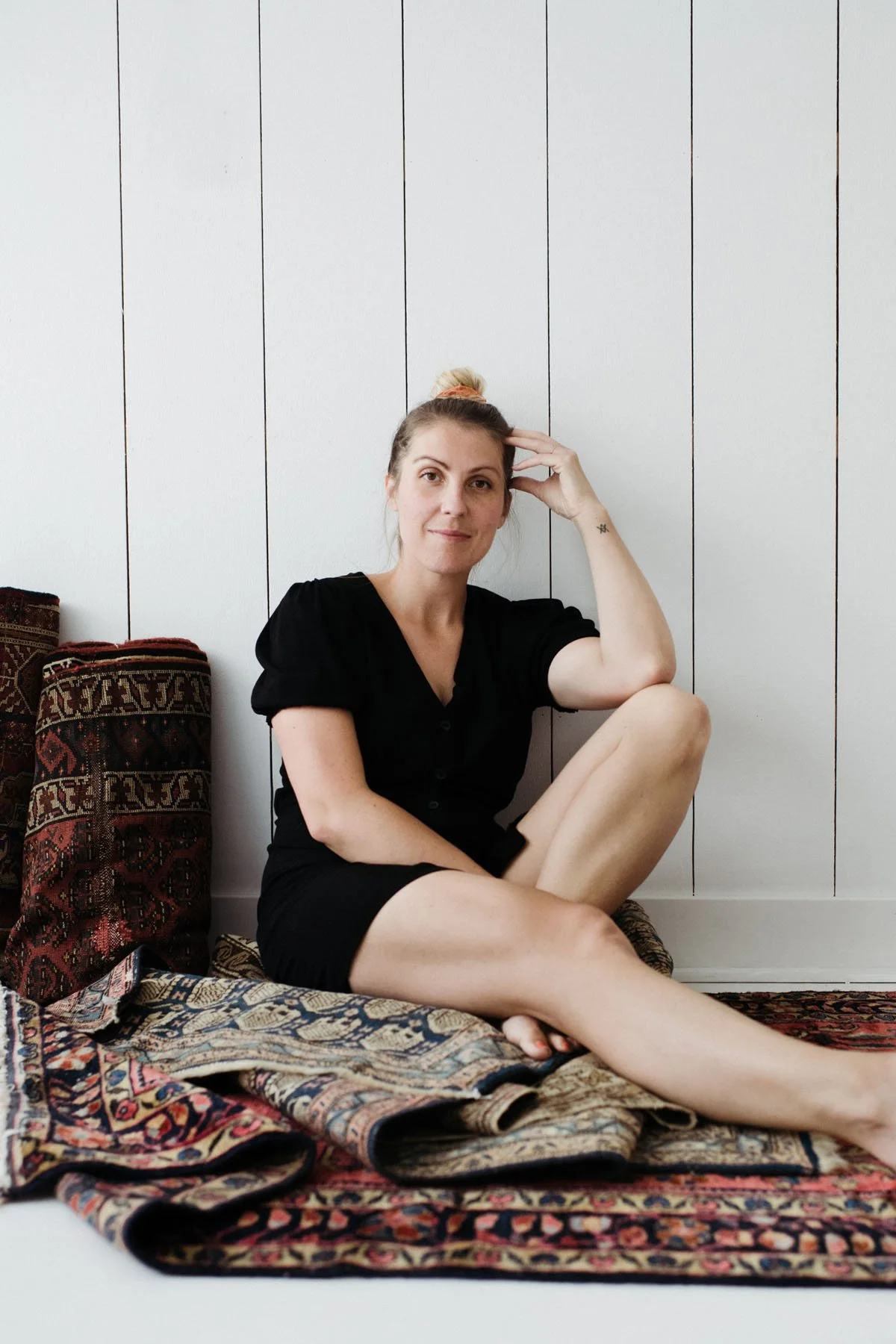
Amanda Birnie is the visionary founder and creative force behind Curio Rugs, a Minneapolis based vintage rug business that blends her background in interior and portrait photography with a deep passion for unique, handmade, vintage, antique, and modern rugs.
With over a decade of experience in photography, Amanda spent years capturing interiors, weddings, and brand moments, honing an eye for artful composition, texture, and meaningful details. Her journey took a turn in 2020, just after welcoming her second child, when, due to COVID, she found herself grounded from her usual work rhythm and yearning for a new creative outlet. She discovered that the same discerning eye she used in photography could serve her love of rugs, especially vintage pieces that carry story, history, timelessness, and endurance.
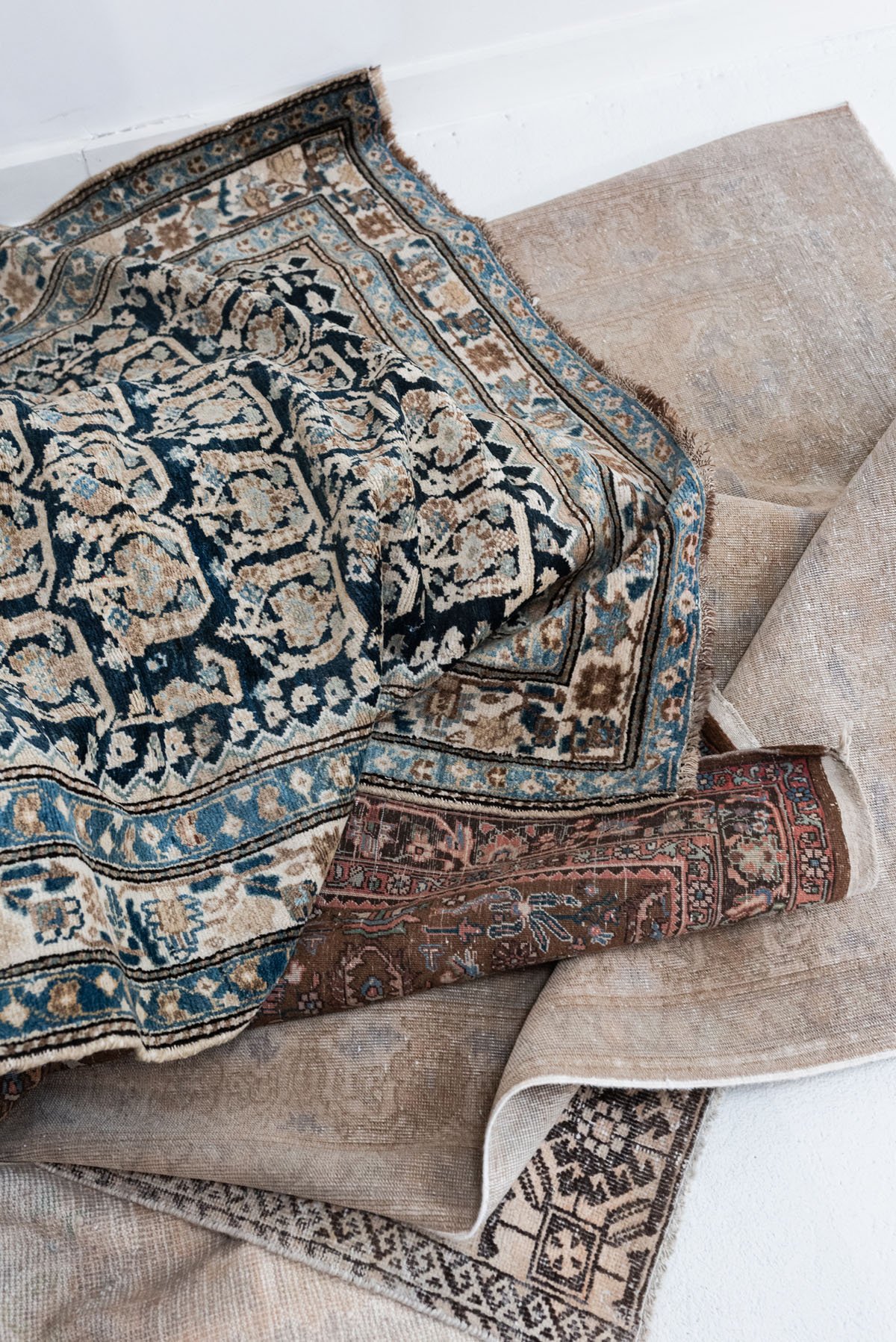
Amanda launched Curio Rugs from her home and photo studio in Minneapolis, sourcing one-of-a-kind rugs from Turkey and Pakistan and sharing them on Instagram and her newly launched website. Her background in photographing interiors gave her a distinct advantage: she understands not only how a rug looks, but how it feels in a space. She brings that insight to her customers, offering design guidance and consultations to help each piece find its perfect place.
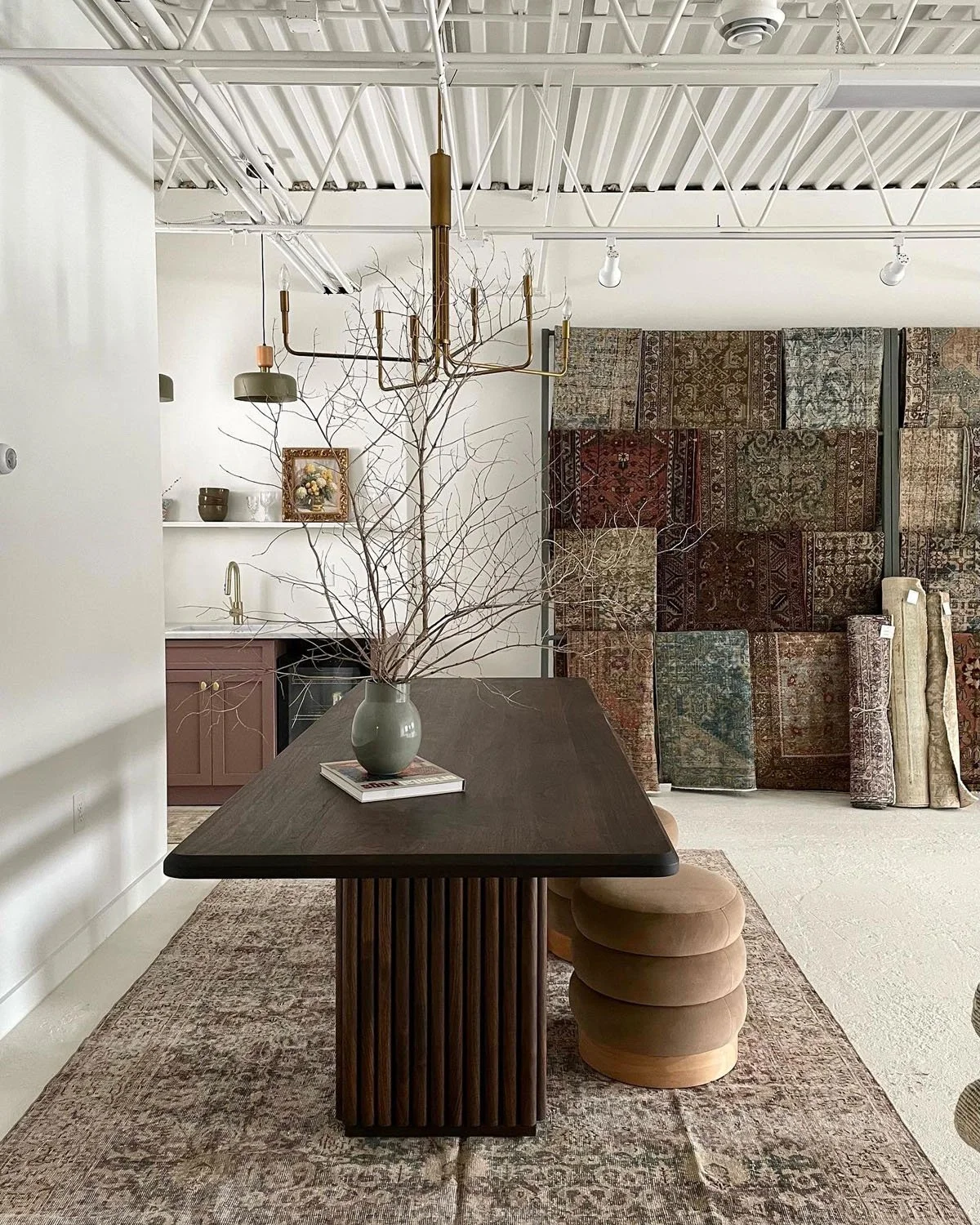
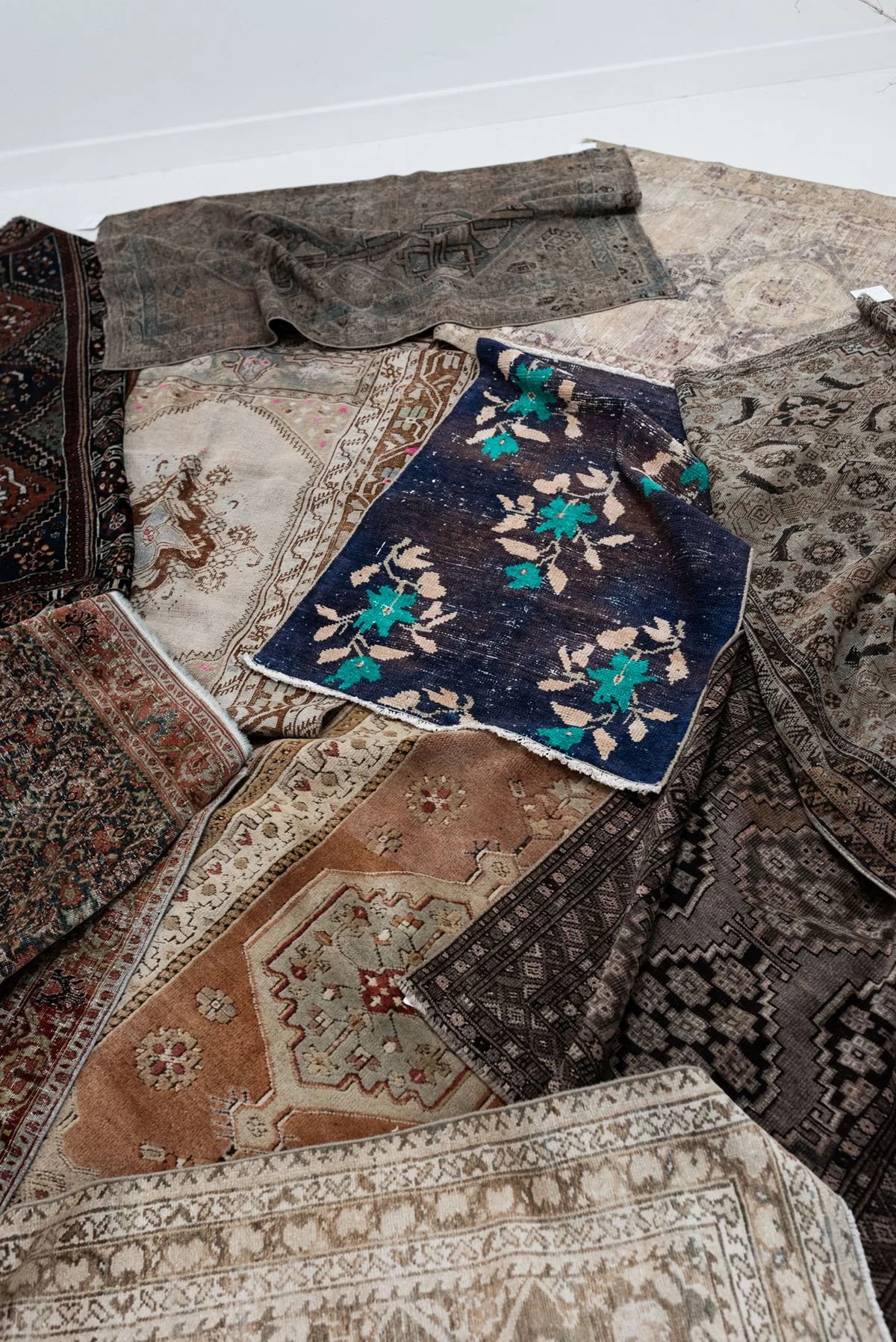
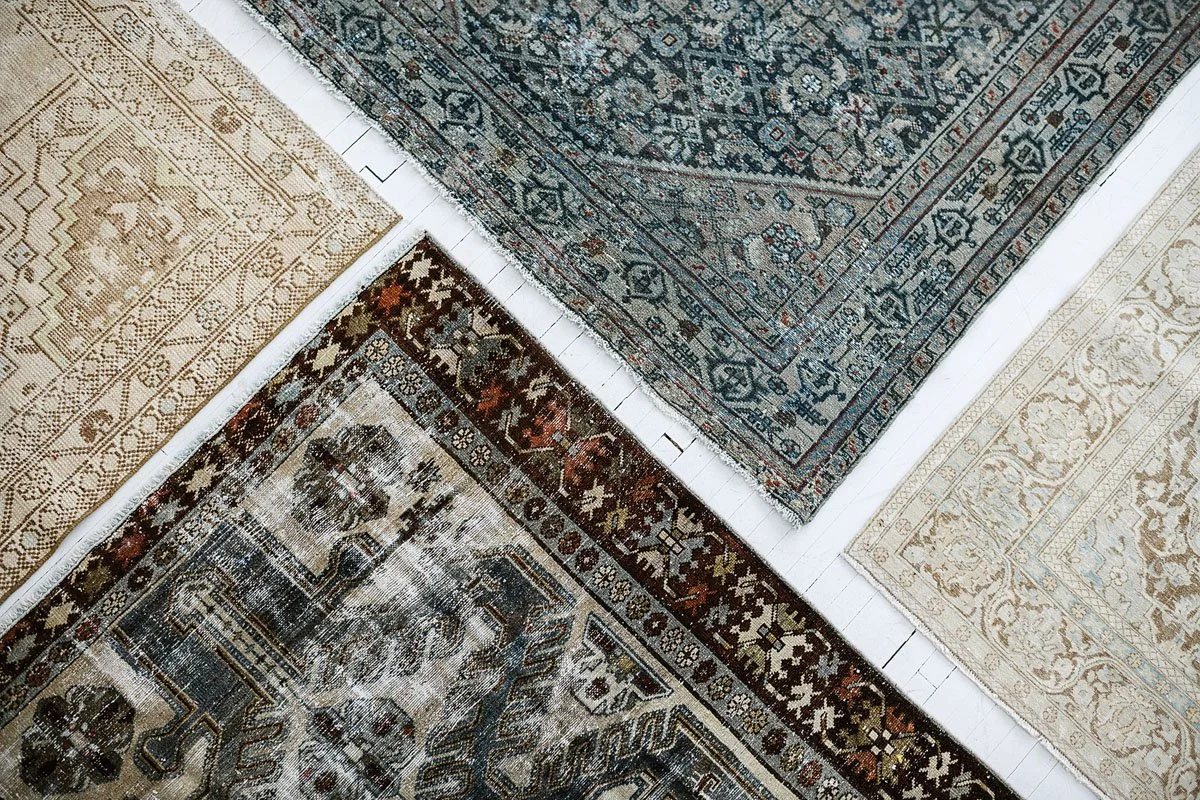
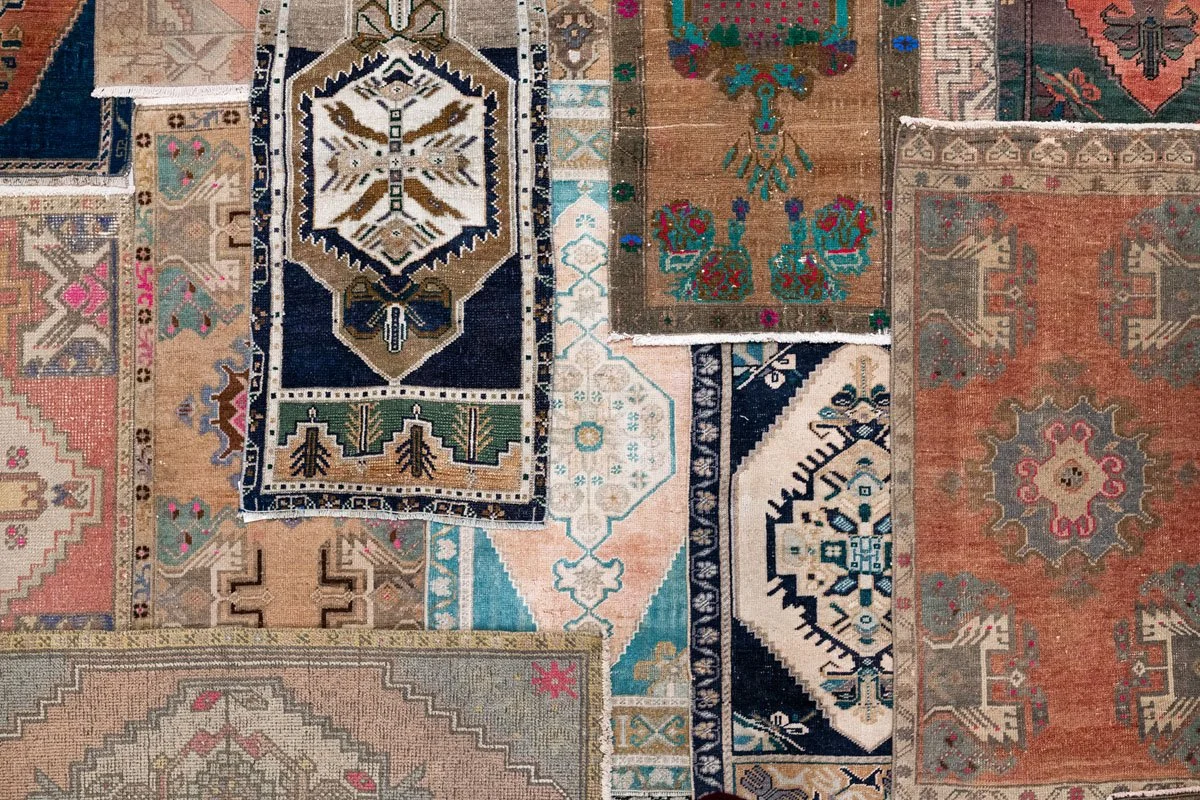
Today, Amanda has grown Curio Rugs into a 1,700-square-foot brick-and-mortar studio in Deephaven, featuring more than 800 vintage and antique pieces and over 100 samples of made-to-order, hand-knotted rugs in stock. She continues to lead Curio Rugs with the same values that sparked its creation: a love for interior design and a belief that a thoughtfully chosen rug can anchor a room and elevate a home.
Resources:
-
Amanda Birnie 00:05
Microhema Claudia. She was a collector. She was an artist, like, amazing. She had these things called these curio cabinets in her house, and they had all of her treasures. She would also like, make ceramics and paint them by hand and put them in these curio cabinets. So then, when she passed away, my mom's like, we've got, like, all these curio cabinets, and so just like, the name curio was always just like said and talked about,
Mark D. Williams 00:31
welcome to curious Brewer Podcast. I'm Mark Williams, your host today, I'm joined by guest, Amanda Bernie out of Excelsior, Minnesota. But your shop is in ways that, all right, yeah. Do you haven Yeah? Do you live in Excelsior? I do, yeah, so this is a big Did you walk here? I did. No, I'm not in Excelsior proper. I'm like a mile outside of town. All right, in studio. I was just mentioning that we're gonna do our smile tour next year. So our in guest studios for about a year will be pretty minimal, so you'll be one of our last in house guests. Okay, but anyway, enough about that. Give us. Give us the two minute, uh, pitch we've met a few times. Yeah. And I You just reminded me on the way up here that we actually met my wife. Like anyone can relate to this during the pandemic. You can tell the story, but like you showed up at my front door of my house, right, right. Yeah, yeah, your wife, um, contacted me back in the day when I started my business. I was just sending, well, we still do that, I guess, but visiting people in their homes and bringing them a bunch of rugs to try and there's a few that think she fell in love with, but you might have been the hard one, the hard
Amanda Birnie 01:28
bargain. But, you know, everyone we want, we always want to make sure that the rugs are working in people's homes. So, yeah, that's how we met the first time. That's also how you die in an alley. I mean, like, the big joke, like, Nate forgot, he has a story where, your wife sells something on on Facebook marketplace, and, like, best scenario is you make $50 worst case scenario, you die. So, like, I remember, like, you know, that must have been a string when my wife was, like, we remodeled her house during covid, yeah? Like, we had a baby, and so evidently, you showed up for rugs. Yeah, I did. And thankfully, I'm still alive. She's like, go the front door. There's a rug person coming. I'm like, Okay, what's a rug person? Like, I love it. Yeah. Well, so okay, the rundown. My name is Amanda. I My background is I've been an entrepreneur for about 15 years. I started my photography company in 2010
Amanda Birnie 02:19
ran that very successfully for 10 plus years. You know, did anything from weddings to portraits to commercial to and then I got into interior photography. So that's kind of the end of my photography career. Is when I was very heavy in interior photography. Fast forward to 2020, when the pandemic hit and we had a little bit of a life change. We moved. I just had my second baby. I was scared, just like all a lot of us were and, you know, I obviously all the events were kind of either canceled or postponed. And I was like, you know, do I just wear it when I segue to something different? I had a terrible work life balance with photography. So I was, you know, dabbling in a lot of the, like I said, the interior design world. So I just have always loved rugs. And I was like, Well, why don't I just start sourcing some rugs and start a website? And, you know, I have a knack for building websites, you know, not from scratch, obviously, but, you know, doing branding and whatnot. So that's how that started. Why rugs specifically? So every time I would go do a shoot, I like, just would fall in love with the rug. So like a lot of the interior designers that I shot for, were they very heavily decorate with antiques and what? What not sustainable items? And I've always just loved rugs. So I'm like, okay, so that I started researching them on my own. Well, how could I put them in my house? And I'm realizing that they're so expensive and that, like, I couldn't afford them back then. So I was like, there. I felt like there was a hole in the market for more affordable rugs and more affordable, good quality rugs, and I had just had a knack for finding them at a good price. So yeah, my husband gave me the blessing, which he never does for my ideas. And so I knew that was a sign. So I was like, Okay, this is my way to, like, have more of a work life balance. I think if I can just make some more money doing this as a side hustle. Yeah. So then I basically just slowly, just started chipping away at photographs. I was like, Okay, get rid of weddings. And it was, get rid of portraits. Then funny that weddings is always like the first thing photographers, why is it just that stressful? Yes, yeah, you can make a good living being a wedding photographer. But yes, it's, it just, it's like, every Saturday is, you know, it's your life. It's and then the editing, you know, I, you know, at the beginning of my photography career, I was taking 2000 photos per wedding, and then by the time I was at the end of the career, I was taking like, 6000 photos at a wedding. So it's like, to just go through and call through them. It was just so much work, yeah, and just like, I miss out on so many life things, like, my friends, weddings, family, things my kids were getting older. You know, I was missing out on a lot. So
Mark D. Williams 04:49
be like, I missed out on my own wedding, because I was basically just didn't even go to my own but I was just taking photos of my own wedding selfie. Like, sorry, guys, I gotta
Amanda Birnie 04:57
get Yeah. So this, it was just a good i.
Amanda Birnie 05:00
I was such an entrepreneur, I wanted to build something. I was trying to build a different photography career. I had another studio, like a baby photography studio in South Minneapolis that I was trying to scale and build. And when I was realizing is that that art is too close to me, that I was very picky with who was shooting for me, I just, you know, I would get very, like upset if, like, something would happen and like, that was out of my control, and I would be like, it was too close to my heart, basically. So I just was, like, I don't think that photography is something I can scale and double and, like, double myself, or double, like, triple myself as a photographer and then sell it someday. So that's kind of why I was like, ding, you know, light bulb moment with the rugs. It's like, that can be sellable someday. You know, I can build something. It doesn't have to just be me. It can be just a brand that I build. And then I could train someone to like someday exit or something. And you had mentioned, so I know you had mentioned, either referred me or my wife to Julia from yond interiors. Yeah, I Shaffer Julia. Yeah, quite a bit. Yeah,
Mark D. Williams 05:58
because Melissa oland, who you and I are partnered with her on Misa, who's you're like, Oh, I'm sure we are, because Melissa does stuff with me, yes. And I know you are, because we were talking about Korea. I said, Oh, Amanda's coming on. She's like, tell her. I said, Hi, yeah, but she was a photographer as well. Is that where you got Did you guys know each other in the photography? We knew of each other, but we hadn't, like, truly met until after but I just loved I was like, Look at us. We're like, we're out of the wedding industry and now we're in the interior industry, yeah, but I love that we have similar stories. And it's same thing, burnt out, like we were, we were burnt out and, like, creating memories for other people and not ourselves. So that's, I think that's her story, too. But, gosh, she's just amazing and so talented and so honored to work with ojo. You know, we work with them quite a bit. So do you still have any photography work that you do at all? I do, yes, I do fall shoots for families, like mini sessions, just once a year in the fall time, but I open it up to about 30 and then I get to see all my old clients, which is amazing, and how they've built their families. Some of them buy rugs from us too, which is great. And then I also shoot a little bit, like, corporate stuff sometimes for Lando lakes, okay, yeah, but they are kind of my people. I'm like, okay, yeah, anything for Lando lakes. I just love them as a company there's amazing. So I'll shoot, like, corporate head shots. And then sometimes, like, go to the farms and shoot stuff like that for them. So I always think so, about a number of friends that are really good photographers, and it's, you know, I always hear about, like, they've got an eye, they've got a knack. And usually, why? Yeah, exactly, rolling guys. I mean, usually that's what we use who don't have an eye, myself included, of like, you know, we could take the same shot, but like, your shot, it looks like Ansel Adams took him, or, like, got like, how it so anyway, rather than going down this photography wormhole, do you think that you bet, how have you benefits? I'm sure you have. How have you benefited from, sort of the photography eye and how you shoot into rug procurement? Sure, yeah, it's a great question. I yeah, I guess I've always had a self proclaimed eye, or, like, view of the future and trends and stuff like that, like trend forecasting. I have, my friends are always joke that, like, of course, man, a new Doc Martens are gonna be back in style before ever the whole world that you know, like that kind of stuff. Wait, Doc Martins are back in style. Oh, yeah,
08:08
you know, Ian the Birkenstock,
Mark D. Williams 08:11
docs aren't I was in the 90s. I graduated 99 like, Docs, like in like, 9697 98 like, senior in high school, like, Dude, you were a stud if you had washed jeans and Doc marten? Oh, totally No. Docs have been back, so they're back now. Oh yeah, right. Well, maybe they're even on the way out again.
Amanda Birnie 08:29
So I don't know any well. So anyway, back on. Remember what I was saying? Just a futurist, yeah, trends before they have yes and so and just like, having an eye for, like, what people like and what people buy, I'm so picky and with myself and like I so I feel like I'm picky with what I source. At the beginning, I was only sourcing what I liked, what I would put my own home. However, now we have over 1000 rugs in stock. I can't just expect that every rug would ever go into my home. So I now I kind of do a mixture of what I like and what will go in my home, and then what, like, the masses love so, like the people pleaser stuff. So, and that makes a good buyer, I think, you know, even for target, obviously, it's like, it's just what the mass is like, and that's what sells. So, like, really neutral rugs aren't really my thing, so, but those sell, like, hot cakes. I'm more of like the colorful, like small printed, you know, repetitive print, that's kind of what I would put in my own home, or just like, interesting colors that are kind of obscure together, but those are the ones that actually sell slower. But then when I get our amazing clients, like the designers that we work with that look for that one of a kind piece that like they're not going to see anywhere else, or that won't be printed on a little Loy rug or whatever, so people aren't going to go into their design. Think, is that a real vintage rug, or is that a printed laloi rug? So I think that sourcing that way has been like so beneficial for the company to grow. I think because I have a little bit of both. So it's funny, I don't, I definitely could not do that. I mean, I think I know. I think most of us know what we like, and I've always used it, you know, even if, like the curious.
Mark D. Williams 10:00
Builder. Like, things I talk about, I'm like, I don't know if anyone else is interested in this, but I'm having a great time. Yeah, turns out other people are interested in your story too, yeah, or, but, like, just anything, honestly, in life. But like, the idea that you could sort of take your own, your own interests, and also have an eye for, like, Well, I'm gonna the audience we're seeing it because you see sales like, you're still, you have to make business, yeah, and grow and scale. So like, you have if your clients are saying, Do this? Do you find, like, there's an art side of it where you're like, I feel fulfilled over here, yeah, but I sort of need to have this in the right hand in order to fuel my business. Yeah. Do you have an idea of what, let's say, the art rugs, of rugs that you love, and you generally care, not you care about all of them, I'm guessing. But like, is it like a 7030 split? Like, what would be the split in terms of ones that, like, they just sell so you keep stocking them, versus, like, the ones you love to hunt and see can find for maybe a higher level? Yeah, I would say 5050. Probably, yeah, yep. Just because I want to keep that uniqueness about my company. There's so many rug that dealers out there. Like, what sets us apart, I think, is, for one our price to our curation. Sorry, let's back up. Why is price set you apart? Because you think a small boutique like yourself, like, how could you? How could you? What do you mean by that? Like, just really good value, yeah, yep. Like our prices, like, we often hear like our prices are much lower. How is that possible? Because I don't gouge, I guess, like, I just made that promise from the meat, which is backing up to the story of, like, how I noticed there was a hole in the market of being able to afford really nice, beautiful rugs. And I was like, I'm gonna find a way. I'm gonna find a way. So basically, it says, like, I just sourced directly from Turkey or Pakistan. It kind of cuts out the middle person. My rugs come fully ready to sell, though we don't have to do any washing or any repair or anything once they get here. So in that sense, my suppliers are kind of the middleman, but they find like diamonds in the rough rugs, reinvent them, and then I get them. So I don't, I don't mark my rugs up 400% I'm, you know, I just do a fair, a fair markup. And that I hear from a lot of the designers are like, Oh my gosh, like you guys are have the best prices that we've seen in the industry. And I'm like, Yeah, and you guys can that way. That gives you guys wiggle room to put your markup. You know, obviously every designer and builder, you're putting your markup on it, and it's hard. When it's a one of a kind vintage item, it's kind of hard to say that's retail price, that's MSRP or map pricing. It's kind of like, what is this rug worth to you and your client? Because it's the only one that exists in this world. So that's where I think it sets us apart a lot, with designers knowing they can find these unique pieces that, like, will inspire their design, versus just be like, Oh, I just need, like, a boring, you know, like, neutral rug, which some, and I shouldn't say boring, they're all beautiful, but like, sometimes a really bright room just needs a neutral rug. And then sometimes, you know, there's, like, rooms with so much going on that still need that rug that's gonna, like, ground the space and, like, add even more interest to like the paintings. It's so funny. This is where I think designers, you know, I'm playing checkers, and they're playing chess, and you're thinking so far ahead, because I love a good story, love branding, love storytelling. I have a favorite rug so in my daughter's room, and we have a story rug from Ian, and it was, it predated the 1970 embargo. And we were at ABC rugs in New York, okay, we were on our baby moon, and we're like, Hey, we should get some rugs. I had no idea it was my first kind of foray into rugs. Holy smokes, Bitcoin is cheaper than some of the rugs. I'm like, Oh my good gracious, you can spend money. Is this? I was like, I joked with the guy selling. I'm like, is this a lands rug? Does like, this thing fly? Like, how does it have wheels on it? Like, how does this work? Anyway? Long story short, I was so drawn into the story and of this, it was like, it was just this beautiful. I still have it today. It's still one of my favorite purchases that I've ever made. Cool, yeah, and, you know, every night when I tuck my daughter in, it's like, how often do you notice something that regularly, I still notice that story rug that's awesome, but not, you know, like in a home for like me. So I can't wait to see what rugs you and Melissa end up putting in it here, the home will be ready in May and June. But I'm curious, because, like, when a home has a lot going on, how does the story of the rug, or, you know, patterns, or I use story, because, like, the one I'm attracted to right now on new arrivals is your peacock, 109, and I was like, Okay, I kind of want to go see it in person, buy it. Yeah, I just looked at it 10 minutes before you got here. Otherwise I should have texted you. And I was like, Oh, that's really cool, but it's funny. Do you find that can can a rug overwhelm the space? Or how do you help do most designers have a pretty good knack. That's what makes them talented and picking the right rugs. Or how do you work with a designer when they try to curate a space? Oh, yeah, good question. Um, yes. What we love to do? Sometimes we have designers who will just be like, we pick this rug, put it on hold. We're going to present it. Other times we have designers send us their drawings and their mood boards and all that jazz, and I, that's when I the magic happens with me. That's when I get to play quote, unquote, air quotes. That's when I get to play designer. Because, like, I do love interior design. Do love designing things. I just get really overwhelmed. But when I have a designer that has a clear vision, and I'm like.
Amanda Birnie 15:00
Like, Oh my gosh, okay, what are the dimensions they need? And then that's when I can narrow down to, like, what we have. And then I get to send them three or four options. Sometimes they'll take two options and try them out in the home or the space. Other times, it's like a clear winner, which one's which. But I think a lot the designers that start with the rug, or at least don't you can send me the design board of kind of where you're going, choose the rug, and then maybe you can alter the furniture. Because sometimes, you know, if they pre order the furniture or patterns or, you know, wallpaper, and they find a rug that they're obsessed with, yes, exactly, then it's conflict. So it's like, maybe, you know, tell me where you're going with this design, and then you can still alter things with the size of the couch and stuff like that. And we've had plenty of designers that have, like, reordered, they find the rug that works and it's in the budget, and they're like, Okay, well, I'm gonna have to redo the couch and maybe, like, different size chairs or just the way the furniture sits in the room. And that's okay, because now they're building funny. I've never thought about this before, until right now, you're probably like, Finally, someone who gets it. But, like, I was just doing a blog for the wood floors that we're doing at Misa house. And one of the things that I was commenting on this morning is, like, as a builder and the interior designer, for instance, the home that we're working on, it's probably 75% wood floor. And for me, the reason I, you know, I probably went 3x over my budget on the wood floor. But for me, specifically the wood floor in this home, it had to tell the story ground everyone. But it's not, it can't be an afterthought before we do anything else. The wood floor sort of dictates a lot of it. I hadn't thought until, and that was the must have of the design, yeah, yeah. And I didn't think about till, just till you said that grounding word that like that, the rug can ground the room as well. And we're gonna have a ton of rugs, because if you have all wood floors, you've got to have, obviously, some rugs. And I've always joked before, early on in my career, that wood floor is a 2x or because it's more expensive the carpet, but then you have to buy rugs to go over
Mark D. Williams 16:49
the 5x for sure, and especially with good stuff. But where I was going with this is how our designers, how often do people still come in with a fully baked design and be like, I need to find a rug, because it seems like what you just said a good designer is actually looking really early on as they sort of maturate on this design. But I have to imagine, it's still probably like one of the last things people pick. Yeah, it is often, and that's when there's a lot of you know, budding interior designers that come in to the studio. And I don't want to say like, we're training them, but I always want to, like, plug that little idea into their brain of like, comm does us earlier on, and then maybe you can still alter some things when
Mark D. Williams 17:32
it comes to quality, craftsmanship and performance. Pella sets the standard whether you're building custom homes or designing a timeless space. Pella offers innovative window and door solutions that blend beauty and efficiency with showrooms and experts around the country. Pella makes it easy to find the perfect fit for your next project and their team to support it. Build with confidence, build with Pella. Visit pella.com to explore products and connect with your local rep today. For more information, you can listen to episode one or listen to episode 109 where we bring on Pella. Owners and founders at Pella Northland, as well as their innovative team behind the steadystate innovation,
Mark D. Williams 18:09
we're happy to announce that on March 20, we are running sauna camp back for its second annual event that's going to be out in Lake independence. It's going to be a half day event. We're going to start with a one hour podcast with three endurance athletes, someone who's climbed Mount Everest and the creator of hostage tape. We're then going to have two hours of sauna and cold plunging in between. We're also going to have Himalayan chocolate from Legacy chocolates, a good friend of mine, and a chocolate tour from St Paul. And then we are going to end with fumo, which is, I like their tagline, in smoke, we trust. So if you're interested in community, if you're interested in learning some new experiences and really diving deep on your wellness, we hope you'll join us on March 20. All the details are on the curious builder podcast.com
Amanda Birnie 18:56
so that does happen a lot. Like, whereas, you know, I had a client just yesterday that had a rug on hold that she was obsessed with for like, weeks, and then she's like, it's just too short, you know? It's like, it just doesn't fit. Everything's ordered and ready. So now they have to start from the drawing board. And then now their client isn't only like, still looking for a rug, but they are also paying that designer to keep looking. So that ends up even costing more. So it's like, had, you know, we would have, maybe, if we would have found that rug for her a little or she would have found it a little bit sooner, then she could have just slow, you know, like, slightly altered some things like the furniture sizes or something. So, yes, it happens all, and it's like, heartbreaking when someone does find the perfect rug because then, then it doesn't fit, and then they get this idea in their mind that they want that they want that rug, and they won't stop searching until they find that rug in the size they need. And that's when I'm like, Oh, boy. Okay, let's take a deep breath and let's, let's start from scratch and, like, just like, find some other rugs designs that you love, and then hope, because, like, they get it stuck in their head. I might as fast forward into, like, the horror stories. I bet somewhere in the time, people are like.
Mark D. Williams 20:00
Can't find the rug. I'm gonna cut that rug. Yeah. How often does that happen?
Amanda Birnie 20:03
Well, so it does, actually. So we can always, we can, depending on the budget. It's like you can always alter the rug. We've had rugs cut in the middle and reconstructed back onto like the send it back to India or Pakistan. We actually sent it to a place in Boston to do that kind of work the middle, you know, trimming. But we do have a place in Minneapolis that we can use to shorten it on the sides, the length is hard to change, because you're working with borders. The width can be changed. Usually, if there's a good spot on the, you know, the rug to like a good marker, you know, like line or something, that's like an obvious spot to trim it. Runners are a huge thing, like, you know, sometimes kitchens are four feet. Why? You know, between, like, sink and range, they're four feet. Sometimes you only have, like, 32 inches to work with. So often we'll be like, Okay, if that's your dream rug, let's just take it to caljex or to Bob's binding, and have them resurge the sides and just take two inches off of each side. People say like, Oh, does that? You know, make the rug worth less, and that's not, no, they're that's not true. I don't, I don't think, anyway, I think the value in a rug is, like, the how beautiful it is, how I can't get
Mark D. Williams 21:08
the Mona Lisa to fit my eight by 10 Frame. Yeah, right, right. Can you just cut off?
Amanda Birnie 21:13
Oh my gosh, I know. And I do. Sometimes. I'm like, then I get a lot of requests for runners, and that's when I'm like, I kind of draw the line at runners. I'll do it if it's a really thick rug. But runners are so hard, I feel like it's kind of like the crutch of my business where I'm like, people Contact Us Weekly about runners, vintage runners. I'm like, there's so much they stretch over these stairs. They're stapled, and you're going up and down those stairs hundreds and hundreds of times a week, and like, that is gonna wear, and you're gonna be so sad that you spent $6,000 and then now you've also ruined a vintage runner that's so beautiful. So I'm kind of almost against it, but it does. It is so cool when it does work out. But I think people have to understand that, like, the longevity of it's way less if you use it.
Mark D. Williams 21:56
How often do people hang you know, they're beautiful works of art, especially the really unique ones, or that I find unique or stories, if you will. How often do people hang them on a wall, like an art piece?
Amanda Birnie 22:05
Um, I, you know, I've only seen a few of our clients do that, but we do have some rugs that I think are always a good candidate for hanging because they're just a little thinner, or they've got a little bit more wear to them. But, you know, tapestries are huge in design right now, so I'm like, you could absolutely right? You know, we have story rugs as well that are just like, kind of what you described to them, like, this would be so cool on a wall. And I feel like I've seen oho do that. I've seen a few designers do that. Maybe that's gonna be a thing. Maybe that's our trend forecast
Mark D. Williams 22:31
in the room that you're in right now. We have all these sound baffles. I mean, how about a rug over there? Could be a curio sponsored curious builder. That's a good Oh snap. Here we go.
22:44
You know, you
Mark D. Williams 22:46
had mentioned walking up the stairs that you just got back from round top. I'm not familiar with what that even means. It sounds like it's like a high point, which is design retreat. What's round top?
Amanda Birnie 22:55
Yes, okay, oh boy. Take a deep breath. Buckle up buttercup. Here we go. Oh boy, yes, yes. Round Top is it was actually my first time ever there. So I am kind of describing as a one timer. Where is it? It's in Texas. So it's round top Texas. It's between Houston Austin's about an hour and a half from Houston, and Austin in the kind of the middle. It is just as, like, world renowned, like antique show, like it's 11 miles long, all these different buildings, it's become rather 11 miles. 11 miles. There's a lot of breaks in between, but I would say there's probably about 50 places you can stop or so. Like along this 11 miles, lot of designers go there. A lot of just antique lovers. But it's some things are extremely high price, like, like, you couldn't even, you wouldn't even believe it. And then other things are, like, really good deals. So you kind of, you go there to hunt. We I knew about it just because I'm in the design industry, and I've always wanted to go. It was kind of like the long term pipe dream of a curio. But then it happened way sooner than I thought it would happen. So, yeah, we just finished our first season there in October. We were there for three weeks, not for three weeks. Yes, it was in the world. Do you do for three weeks? Well, so there was a the show itself was 11 or 12 days, I think, and then the setup and breakdown between was, Oh, you were selling, yeah, we were there selling.
Mark D. Williams 24:20
I misunderstood. I thought you were there, like you were there buying. Oh, no, we were there
Amanda Birnie 24:23
as a vendor, like, we shipped, yeah, 700 rugs.
Mark D. Williams 24:28
700 rugs. Yeah, you just throw them in a U haul and drive down.
Amanda Birnie 24:32
No, we put them on pallets, and that everything was a learning experience. Like, we literally, like, went in, we don't, we decided to do it blindly. And I mean, honestly, like, not It couldn't have gone any better. Like, there's no way it could have gone any better than it did
Mark D. Williams 24:46
for, okay, cute. Now I'm super curious. Yeah, 700 How many did you sell?
Amanda Birnie 24:50
Oh, like, 70 or so, which sounds crazy, but, like, that's 10% Yeah, yeah, so. And then knowing, I mean, all of my mentors in this. Business was like, we're like that, do these shows at High Point and whatever else, we're like, you are gonna be lucky if you break even. So I just we knew going into it that we might break in, but we profited, and we did awesome. So why would
Mark D. Williams 25:11
you more questions, yeah, why, if everyone's telling you you break even? First of all, Knuckles for not breaking Why do people do it if they don't, if they don't
Amanda Birnie 25:22
make money the first time? I think is the break even, and then you build from there. So, like, that's what they're saying. Like, you're lucky if you break even your first time, and then from there, like, the it's a good, it's a very good marketing ploy. But like, it's you go down there from to market, to designers and whatnot. So it's
Mark D. Williams 25:37
relationship building. Okay, that, okay, now I'm tracking, yep. Like, that was actually gonna lead to a question later, but that's relevant. That's relevant now, what percentage of your sales are designers, like Ian person, versus like online sales?
Amanda Birnie 25:50
Yes, so that has made a major flop in the last five years. So when I started, I think it was about 20% designers and 80% general public. Hence this whole mission to have,
Mark D. Williams 26:00
like, my house, yeah, right, exactly
Amanda Birnie 26:05
by the way that you're in the industry. And then now I think it's like 90% designers, 10%
Mark D. Williams 26:10
you know what? That tells me, though, you do amazing work. Because if you have that kind of a flip, that means designers have gravitated towards you've already mentioned what a great value are. But also, designers always want to bring something unique, and we all get bored and stale. And so as you continue to import, and now I really want to come see the showroom, yeah,
Amanda Birnie 26:28
yeah, you have to, oh, I'm coming. Yeah, it's cute and quaint. And we love hosting parties there, yeah, all right, do a podcast party there, yeah, yeah. So yeah. Designers are definitely, are, like, bread and butter. We love them dearly. We they're kind of, we kind of just, like, let them just like, let them just free range and do whatever they want. Like, you're like, you guys are at our beck and call. We will drive rugs to you. We will sell them, you know, we'll cut your rug pads. We will do it all for designers there. I mean, we, you know, I do love, I the general public too, like a lot of our so our clients are usually designers or design lovers. That's what we always say. We like our those are our masses. So like a lot, even the people that shop with us are kind of designer wannabes, like I was when I before I started this company. So it just all works at all. And we have some our biggest client ever is not a designer, but she's literally rugged, quote, unquote, her whole house with our rugs, like we looked the other day. We're like, oh my gosh, she's ordered like, 18 rugs from us or something, and she's and then we're like, she's not a designer, though, so it's they just love design tapestries.
Mark D. Williams 27:25
Wait till she starts to understand exactly put on the ceiling, on the walls, bedspreads. I mean, come on, lady, let's go. I like this lady already. So what else did you learn from round top? Yeah.
Amanda Birnie 27:34
So what did we learn? Just the experience in general was extremely humbling because of how hard we worked like we. I just couldn't believe we did it like we I mean, we had to find like a person to transport the rugs. We had to learn how to pack a pallet. And not only did we have to pack a pallet once, but we had to pack the pallet inside our studio. And then, since we don't have large enough doors, we had to repack it outside. We had to, like, fold them to fit the pallet, and then we had to redo it. On the day of pickup, we lifted like 10,000 pounds worth of rugs. Like, no, we do it a lot. So we weren't sore, but we were just tired. We were exhausted mentally, I think. But by the time we got down there, it was also like 95 degrees. So it was like 10 or 12 days, or whatever the show was, of 95 degrees, no. AC, yeah. So I think we I learned about my stamina, I think, and like, and just like, taking the leap is, like, you know, for all business owners, you just have to follow your heart. Like I was. I never was, like, scared that we would just, like, lose a bunch of money. I didn't see that as possible. So I think it's like, thankfully it didn't happen, because then it would have been even more crushing if it would have, you know, we would have lost a bunch of money. Have lost a bunch of money. But I just think it's like, when you feel something and you're passionate about something, you just, should just do it, just jump off feet first, whatever. That's all Ian, all in and and then thankfully, Emily my so I have, it's just me and Emily in the company. Emily does all the operations. She She's amazing. She is the one that, like, got all the logistics together to get it down there. I want to be able to do that alone. So having, like, the, you know her, and I, like, I'm the dreamer, and she's the make the dreamer, have the dreamer, make the dream happen. Type person, like I she's kind of like, an integral, if you like, going to the US world. She is so amazing at it. So I have to thank her for just like, being like you said it was your dream. Let's do it. And then I'm like, Well, should we wait another year? No, why not now? And then, you know, once I had to ask my husband to him like, so I'm thinking about doing this thing for three weeks. I've never left my kids for longer than three nights, three days, I think. And he had to be super dad for three weeks.
Mark D. Williams 29:37
So show was 12 days, so the rest of the time you were setting up, taking
Amanda Birnie 29:43
down, like, So setting up, and then the last date. So we didn't time it as I thought so, like, basically that we thought the show was actually ending on a Sunday, because our, our very dear vendor, like the people who, like, own the venue that we were at. It's called excess one. We love the. Then there's so but it said that it was ending on a Sunday, but actually ended on Saturday. Long story short, but Emily had to, had to fly back, and I had to wait a day for her, basically, and then we drove back. So I would so, like, take, that's two extra days. We drove back from Texas, basically. So that's why we could have chopped off, I could have left Sunday, Saturday night. A lot of the vendors, it was insane. Like it was, like, Tumbleweed like, it was, like, in so many people, and like, dust and sunshine, and then like, and like, so much stuff. And then literally, four o'clock hit on Saturday, and like, people were, like, pounding boards up, and like tumbleweeds were going by. I was like, Oh my gosh, where it and like, they're so good at it. They've been doing it for 15 years.
Mark D. Williams 30:40
So, like, amazing. They are so good. I understand I kind of want to go down there. You did you get a chance to go see and explore?
Amanda Birnie 30:47
Yeah, yeah. We did, yeah. Thankfully, we had some friends come down. We hired, like, a work or two to come and help us so we could, I could leave for a little bit and go see Marburger, which is, like the fancy shopping experience. But, yeah, it was, it was very cool, like, I just was, but, yeah, you you find out the little, I mean, if you want the ins and outs designers, this is for you come early, because you can shop all the things. Like, a lot of times, what people will do is, like the like, Marburger vendors will go and shop around round top before, and then they'll mark it up. Like, so like, hundreds
Mark D. Williams 31:20
of dollars, go shop it, buy it, then bring it into their showroom. So they know they're not everything.
Amanda Birnie 31:24
A lot of stuff is, is imported from Europe and whatnot, but just to find little things to add to their booths. Oh yeah, smart. And it's like, it's, it's a joke, like all the vendors to know it like, it's a win win, though, totally it's like a game that it's played. It's like the fields where we were at is where you can find your good deals. And then when you go into round top or at Marburger, that's when you're gonna, like, overpay for something like, like, I was on, I had my eye on, like, Saks
Mark D. Williams 31:47
Fifth Avenue or something in New York, right? Like, that's where all the tourists go. But the good deals are a couple streets, Yep,
Amanda Birnie 31:52
yeah, yeah, you're totally right, yeah. I mean, for instance, like, I was looking very hard for a like, Contra Do you know what a Concho belt is? It's like, those black belts that have, like the silver, like circles on them. I want to find, like, a true vintage one. And I saw one and in round top, proper, like in the town of round top, and I was like, oh, there's like, a, you know, like a display of these, and they were $4,000 and, like, but then you could go to the fields and probably find them for like, a couple 100, you know. So that's what I'm talking about. For the markups that they do. But people go there with so much money, and it's just, I bet
Mark D. Williams 32:27
a lot of people do trading too, right? Did you trade any rugs for anything? No, no,
Amanda Birnie 32:31
no, we didn't do that. No, but that I would assume some vendors probably do. Yeah, no, we did not do any trading. But yeah, the vendors were amazing. We didn't know. I mean, what to expect going into it. A lot of them have been there for 15 plus years, and we didn't know if we were gonna be the new kids, and they were gonna be like, Who's that? And then, but no, they were so sweet. And they like, guided us. They like, showed us all the ropes, told us all the secrets and all these things the Great Southern Oh, honey. Oh yeah. I was like, Yes, ma'am, there's a lot of ma'ams. And yeah, everyone was so great though, like me and Emily are like, let's go back, or we are going back in the spring. But we were like, want to be twice a year.
Mark D. Williams 33:07
How many Minnesota Did you see? Was Melissa down there and Julie, we didn't see any.
Amanda Birnie 33:11
Oh, Bridget shakiro, yeah,
Mark D. Williams 33:16
I work with her a lot, so
Amanda Birnie 33:18
yeah, thank you for correcting me. But Bridget was there, and we met some of her friends down there. We met up with her one of the nights she used to
Mark D. Williams 33:25
live down there. She did a lot of design down Yeah, yeah. I've often, can actually, I'm curious. I've mentioned this a lot on the podcast, and as I've sort of interviewed designers, builders, architects around the country, I've Sonic I've kind of come up to this conclusion that, you know, where does the client come first? In the Midwest, it's typically builder first, and then we assemble the team. For sure. In Minnesota, it's pretty dominant, but we have one of the oldest tours in the country. I think we're like, close to 80 years on tour. Now, oh, I didn't know that parade is really old, but the artisan, or the parade of the Parade of Homes, okay, yeah, and pray to homes encapsulates artisan. Now, artisans like maybe 1215, years old, okay? And then. But the coast are very architect driven, but the South is very designer driven, like when I had Bridget on the podcast a couple years ago, she just talked about down there a lot of times, you know, clients will go to the designer first, then they pull in the build partner teams. And so I often think that even now, I think from all the people I've interviewed, I think designers are capturing more market share of clients attention that but of the three groups, builder, architect, designer, and I think it's because you look on Instagram and Pinterest, which are huge social engines, but they're dominated by designers, because design is much more approachable, because whether you're doing a room or a study or a living room or the whole house, it doesn't matter. Designer is always there where a builder tends to showcase like whole house stuff, or an architect is showing a bigger project. And so I think design is more relatable and more attainable, and so the scale just depends on your budget and what you're doing. So yeah, that's my that's my perspective on
Amanda Birnie 34:52
interesting, that it's like different region, region only. You know, that's crazy, yeah, yeah. Well, yeah, that was very good. It was good to see her. Like, Oh, feels like home, because she's literally next door to us, where our studio is. Her studio is right next door to us, so we see her often, but, yeah, but we did meet, we had, we met a lot of awesome designers that literally, we got back and they ordered from us. So that's, that was the beauty of it is just meeting all these relationship totally 100% and like, and, you know, we sold the thing. We sold the most. We sold a lot of, like, mini mini rugs. So those are, like, our, like, you know, we sold them for 100 bucks down there because we were trying to sell them in volume. And people would, you know, hoards of, like, Girl groups and golf carts and their cute little hats and their boots would come. And literally, like, all of them would buy a mini
Mark D. Williams 35:37
so, like, what's the point of, what do you do with a mini rug? So you can use a plant, like, on, yeah,
Amanda Birnie 35:41
you could use them for that. Powder baths. A lot of, like, if any of the Ojo houses you they always use our minis and their powder baths, like, table runners, dog bowl like, like, a mat for dog bowls and dog dishes. Was that a lot of people were buying them for that down there? And I'm like, Well, there's a new marketing idea. Just go ahead and market them for dog bowls. Everyone buys everything for their dogs. I for their dogs. Yeah, so, but that that drew a lot of people in. And then obviously, like, people aren't just, like, wandering around looking for a nine by 12 rug so, but just showing them our brand and educating them with what we do and how we have even more online and to just shop with us. And we've gotten a great response since we've been back.
Mark D. Williams 36:18
So you answered the question before that. Now you're 95% designers. Of the 95% designers, how many of them will go on the website and source it there, versus, like, coming to the studio?
Amanda Birnie 36:29
Almost all of them, yeah, yeah, because time is money in design, right? So, like, I we always tell them, like, if you like, I said, if you guys want to send us what you're looking for, I'm happy to search. And if you we have a very easy way to sort, you know, search for the rugs on our website. You can narrow down to the exact inch that, you know, minimums and maximums, so that it'll only show you what you need. And then, yeah, and we're always happy to hold so we always take the rugs off the website too when they're on hold for presentations, just because we don't want their clients reverse image searching and doing all that jazz. So, yeah, yeah, they, it's we. There's another segue to like my photography, adding to my product, is that I literally am, like, obsessed. I won't let anyone else do I did have another photographer a while, but I realized that like me doing the photography lets me get to know each rug, which sounds crazy. No, it doesn't like where I'm like, okay, every rug is like my baby. So I get to know, I get to look at the colors. I get to tell Emily what the colors are, so she puts them on the website, just like by staring at this rug for like, three minutes and taking pictures of it and getting the accurate color and really good pictures of it for the website, and everyone's just like, Oh my gosh. Every time our return rate is like, non existent. We don't have, we barely have returns because your photography. So, yeah, so And like, I think people can envision it, you know, in their space.
Mark D. Williams 37:48
I was on your website poking around one thing that was really neat, and I didn't upload one of my photos of my rooms, but your see my room. Oh, yeah, that is clever. Explain that to the audience, yeah. I think that is super or is that just like an
Amanda Birnie 37:59
industry thing? Um, it's, I mean, some, you know, even like Lulu and Georgia might have, I don't even know, but some places have it. So it's an AI. What it is, it's, it's called roomvo. It's AI, like an AR program, I guess, where you take a picture of your space, and then you choose the rug, and it'll put it right in there, and it gets it down fairly accurately to this. I we still always tell our clients, please still measure, just to make sure that it got it right. But yeah, it's pretty scary. Like in the ones that look the best, like the neutral rugs can kind of look a little wonky, because it's just like the neutral rugs are just so bright, whereas the colorful rugs just look like it's almost literally in your space. So and I use that too. I'll do a lot of like, fun AI creation images just for Instagram, and I'll plug our own rugs into it, and then I'll put it like, this is a rug in a dreamed up space. This is this rug in a dreamed up space. And then you tag the rug, and then it sells, or whatever. So it's a really cool it's like, it works really well.
Mark D. Williams 38:55
Have you done any Aladdin AI once, where you put your rugs and have a lad and flying? That's a good idea.
Amanda Birnie 38:59
We have thought of that many times for like, what can we do with like, someone
Mark D. Williams 39:03
flying but only if it's 90s. Aladdin, not the new. I don't want the new Aladdin. I want old school, like the cartoon Aladdin. My kids all know I know all the lyrics by heart, so they're always like, Dad, sing
Speaker 1 39:15
this. That's like, your superpower, like, Disney song, exactly.
Mark D. Williams 39:20
I used to joke before I had kids, I was like, I'm the only builder driving down the road in a truck who could sing like all the Disney songs.
Amanda Birnie 39:26
Well, we could do a whole new world as a duet, because I know, I know it by heart too.
Mark D. Williams 39:35
This episode is brought to you by adaptive. If you're still chasing checks and juggling spreadsheets, it's time to upgrade. Adaptive is revolutionizing how builders get paid with AI powered bill pay, automated draws, one click payments and built in Lean waivers, Faster Payments, fewer headaches and total visibility, adaptive takes care of the back end chaos so you can focus on what you do best building. We've used adaptive for two and a half years and trust them to keep. Our projects moving and payments flowing. Learn more at Adaptive dot build and simplify the Pay Process today. For more information, you can also listen to episode 10 and episode 15. One of the questions I had, from a financial standpoint is, how do you build a catalog of the rugs are a couple $1,000 a piece. If you have 700 that's close to a million dollars of inventory. That's a lot of inventory. You know, as a builder, you know we're carrying, you know, you've got a line of credit, or you have a spec home, but your inventory is very much dictated on what you can sell. Are you able to how does that world work? You ask your partners in Pakistan and India to send you over stuff on consignment. Do you are do you have to pay for it? Like, walk us through the financial side of like, I don't like, how does that work?
Amanda Birnie 40:43
Yeah. I started, yeah. I started the company on $3,000 which is crazy. I sourced, yeah. I sourced $3,000 with the rugs, and then put them up and just kind of kept recycling it. And, yeah, it got scary, it. I was able to bootstrap, per se for a year or two, and then I did take out a line of credit, a small line of credit, like a $25,000 one that I kept borrowing and paying back and whatnot. So that's how I kind of built, but it was just a slow, slowly building. My, yes, my, as for my suppliers in Turkey and Pakistan, they'll do a running tab for us often, but they do expect us to, like, pay, you know, it's not, it's the best free money you can get. Basically, we're not paying any interest on it. But, you know, they'll know, if we order 50 rugs from them, that we can have those rugs and pay it off slowly, within like, four months. So that has been really helpful.
Mark D. Williams 41:34
It gives you, it's almost like reverse credit, just allows you a little runway to get it sold. And it's in their best interest too, because they want to get it out of where they're making,
Amanda Birnie 41:41
yeah, yeah. And we do that, we do a little bit of a consignment here and there for some vendors, but not, you know, it's like 10% of our inventory, probably. But the best thing has been building the relationships with the people you know, my suppliers in Turkey and Pakistan, to just be like, trust me. I trust them like we own the rugs once they come to our door, so I will forever owe them that money. Sometimes I'm like, Oh, I wish I could send this back, because it wasn't, like the right color, but we just, we ultimately will sell everything at some point. Like, the oldest rug I think we have is like two years old at this point, but usually they sell after like, a year, year and a half. But yeah, it's crazy. I sometimes I look back, I'm like, I don't know how I how I even did this, but like it definitely was oh so after the $25,000 line of credit, we did end up taking another we paid that back, went with a different bank, went with an everyone. Go with a credit union. Like I was with a big bank before they were does not You didn't even get anyone to help you. I moved to a different bank. I moved it's called now security bank. It used to be called flag stars and Wayzata and they're amazing, like, they will work with you personally. You have a personal banker to see all of your revenue. They keep on to keep you on track to, like, building your business. And then we just took out a small like, $75,000 one that we borrow and pay back all the time too. So that's it. That's um, and then, yeah, I can, and I'm like, Oh my gosh, I have a lot of rugs. I have a lot of rugs. But it's, yeah, I mean, the goal was always to have so much that people weren't feeling like they're falling short when they come to our website, to be like, I need this. You know, 16 foot runner. She has one to choose from. I want, like, 10 to choose from. So that's what's hard, is like, you have to have all sizes and all weird.
Mark D. Williams 43:21
I just thought of a good marketing way. I mean, now you're too big that it's not a problem, but early on, you could have pictures of all the stuff you've done before and just put sold. So, yeah, well, it but it was all sold, but it's just, it just stayed. You know, you could recycle it from a year ago, right? And people just be like, Oh, my word. This girl is on fire. Power to that.
Amanda Birnie 43:39
When I started on Insta, because I started this on Instagram, well, I had a website, but it was like, pre sailing on Instagram. It was like, Okay, guys, I have seven new rugs in and I am going to pre sale these, and like, four of them would sell, like, in two seconds. So then the power of just that sold sign on Instagram being like, sorry you missed out. I think just had people just like going for it, but now I'm like, I'm too busy to do that like it, which sounds crazy, but and people aren't sitting around on Instagram constantly.
Mark D. Williams 44:08
Instagram right now. It's awesome feed. I mean, you got Thank you great following too. You got 30,000 31,000 I mean, that's amazing, but you're right. The photography makes a huge, huge difference. What I love about your business is how specific it is. Yeah, when I first started, shout out to Ian. He's my producer at Studio Americana, the podcast editor, and he had mentioned one time that the more specific you are, the more likely your your vibe, attracts your tribe, which is what Morgan Holland always says. And so it's like, but like, if you sell water bottles, and that's the only thing, like, once you get known for it, like, like, Hydro Flask. People know what they're selling. You know?
Speaker 2 44:43
They know which is in the niches, yeah. Oh, riches, yeah. I like that. Okay, even
Amanda Birnie 44:48
though I like to say niche, but you're, it's totally right. Like, there, yeah. How many rug companies, all sudden are selling furniture now, or lighting, or doing all that stuff? And I've, I've been, let's. It in the back of my mind to do something like that. But I'm like, No, I'm sure do rugs and do them, well, that's going to be our entire thing is just like, not segue, yeah, and build it.
Mark D. Williams 45:09
And the name, there was a tie to your to your grandmother, I believe, tell us a little bit about how the name curio and how it tied in with your family. Yeah.
Amanda Birnie 45:19
So yes, when I started the rug business, I was like, okay, rugs are old, like, you know, they're heirlooms, shit. She was already passed away at that time, but yeah, I was just kind of looking for something that, like, meant, like, heirloom, or, like me, you know, unique, or something like that. And my grandma came because I was trying to think of, like, I name it after, you know, like, however, like, how everyone names it? Like, I can name it like, hyacinth and Claudia rugs or something like that. Because my grandma's name is, was hyacinth and Claudia. So, like, I was like, Okay, well, my grandma Claudia, she was a collector. She was an artist, like, amazing. She had these things called these curio cabinets in her house, and I never knew, and everyone's like, what's a curio cabinet? And it's like she had like, five of them or something, and they had all of her treasures she like, collected, like elephants and like, like the glass, like, glass menageries, stuff like that, like, just anything. She would also, like, make ceramics and paint them by hand and put them in these curio cabinets. So I was like, curio cabinet, Curie cabinet. So then when she passed away, my mom's like, we've got like, all these curio cabinets. So just, like, the name curio was always just, like, said and talked about, and so I was like, curio, that just seems to work. And then I, you know, so I named it that. But then I realized there's, I mean, it's kind of a popular word in this, like, new age, you know, everyone's small, small businesses that are, like, tied to, like, artistry and antiques and stuff like that. So, like, I definitely felt like it. But I mean by I got a trademark, so it's like, curio rugs is trademarked, just because I was just too worried that someone else would just come around and take it in some way or shape or form. But there is another company called curio brands in the Twin Cities that I didn't realize they were called curio brands. It's time and Capri blue, which I'd actually done some photo shoots for. And I'm like, what they have it? So their upper brand is called curio brands. So I was worried that that is going to be but I got a trademark. So it's like, and it's rugs in their candles. Yeah, it's a cool word.
Mark D. Williams 47:18
When you look into trademarks, we trademarked a few things. I mean the curious builder and has different entities. And it's funny, when you start, you don't normally think like that, or I don't, and then when you go down the road, like it's, it's amazing how many words are trademarked totally and like it becomes like this. You know, if you could go back, I mean, you started your business when you're already sort of mature and enough that you could figure it out. But like when I started my business, Mark Williams, custom homes, I'm 23 like nobody, and maybe that's why so many businesses started with their name, because they know they're not gonna really run into other people with that same deal. And that's one of the reasons why I put the D in my name. To this day, it's super annoying. It's like, Mark D
Amanda Birnie 47:51
stand for anyway, David, and it was like, Daniel or
Mark D. Williams 47:57
and so. But it was funny because, well, anyway, and it's funny
Amanda Birnie 48:00
because it's funny, because it's smart to that, because Mark Williams is a common name. You know,
Mark D. Williams 48:04
turns out there's probably a lot of Mark D's too, but yeah, anyway, I guess we're going with this the intentionality of naming. Because, you know, when we named curious builder, we actually looked at a bunch of stuff before we named it. And so, like, as you iterate businesses, or if you're listening this podcast and you're an entrepreneur, and you're thinking about starting a business, like, honestly, the starting with a brand and really being intentional about it. For me, for Misa, who is, that's why it was a lot easier to create it, because, you know, I'm 21 years into building, and I'd already had the curious builder. So for me, it's like, once I get understand why, from a serial entrepreneur standpoint, you become better at it the more you do it, shockingly, totally and so now you're kind of on the lookout for different tactics and things that you can do that you weren't aware of when you are when you first start your
Amanda Birnie 48:44
business, down to like, the like, the URL. You don't want any dash. Like, you know, the dashes are, like, too long of a URL, or whatever. Like, that's, it's, yeah, you're so right. Like, I don't even know how many URLs I've owned at this point in my life, a lot, and I made mistakes. Like, my first photography company was, like, like, Amanda Marie dash photography.com you know how long that is. And then I then I went down to AMS dash photo.com It was just so stupid. But how was your experience trademarking? I want to know that I'm
Mark D. Williams 49:13
in the middle of it right now. So I've got like, 20 trademarks out there, so I don't know where we're at. I mean, we literally just started maybe six months ago. So I think you wait for like, a year, yeah, and then we're also doing some copyright stuff. And then, I don't know, I just, I gave it all to the lawyer. I just said, here's all the stuff that you do it all. And then, yeah, I guess, yeah. What do I do? Yeah, that when they basically wait a year. And she said that once you trademark items, like, she's like, don't answer any emails unless it's for me, because you get bombarded emails and scams, sure, shooting. The next day I had, like, 37 what? I'm like, Oh, my word,
Amanda Birnie 49:47
yeah, yeah. It's intense. That happened to me too. That's so crazy. And it's like, or it's kind of like, when you like, Oh, if you want to renew this URL, pay this money in and, like, write a check, it's like, how? Oh, yeah, I know my. Trademark took, like, two years. Because it took that long, yeah, because I had to, like, there was another cure, curio, something that was textiles, or something like that. So they had, we had to wait for that to expire a year, and then, because that person was, like, out of business, we even tried to get in touch with them to be like, can you write in the letter say that you're not intending to use it? And they, we never got in touch with them. But, yeah, it's, it's a long process where you get a
Mark D. Williams 50:23
lot of squatters on, you know, obviously websites, everyone seems like they've dealt with that or collapse something. Yeah, on the courses I had for you, was kind of a personal story my so I've actually sold rugs before. Oh, really, just thinking about that, one day I forgot, I know. Well, no one day in Boston, Montana. So the backstory is my sister was, at one point, basically a world class rock climber. Traveled all over the world, but she had spent some time in Afghanistan and Kazakhstan, and while she was there, she met a bunch of women that made rugs, and so she imported, I think at the time, maybe $10,000 worth of our family is very impressive. I'm on a rock climbing trip, but I'm gonna buy $10,000 worth of rug. I don't think she knew that they didn't fly in Afghanistan, Afghanistan. So anyway, so she comes back and she's in Bozeman, Montana, which is a great place to sell rugs in Missoula, too. Anyway, luxury Sure. I was out there one day and she's like, Hey, will you help me at this summer sale? So I was out selling, and she couldn't, she wasn't getting thing sold, but that day it was too expensive. And I'm, I'd like to think I'm a pretty good salesperson. And so I'm like, I will sell. Well, she went to the bathroom, like, I will sell, yeah. And so she had a couple rugs. I sold a couple of. She came back. She was so mad. Evidently, I sold them for half of what they were worth. And I was like, I was like, Yeah, but I got the juices flowing. And she, to this day, is still like a joke, like, well, sure, my brother can sell for half the cost, of course. But anyway, I think you didn't start a rug company. I know. Actually, I'll show you on the way downstairs, I'll show you the rug. So we still, I have, it's one of those felted rugs bright water here in town Excelsior Bill let her put a few rugs in there. Oh my gosh.
Speaker 1 51:55
So she still has them. Yeah? I mean, yeah, right.
Mark D. Williams 51:59
She's just, like, a few rugs. And she just, she wanted to support the women that were there. She's very passionate about that. And that was gonna lead to my question, like, the groups, is it common that that these are, like, you're sourcing? Is it like, you know, women sourced rugs? Is it, you know, how does sustainability enter the picture? How do you decide, are you going just, I want the vintage rugs? Like, how do they come through? Like, how does that all play into this whole story, especially as you're importing stuff from overseas. Totally.
Amanda Birnie 52:23
Yeah, yeah. Well, so one of my core values of my business is sustainability. And, like, I don't think we're ever gonna put an end to fast furniture or fast fashion or anything like that, but like to help it maybe a little bit. And everyone's scared, like they would say, like, Wolf into drugs or hand knotted rugs are expensive, I'm like, but they will last you seven times the you know of the amount that you know, more synthetic rugs will last you. So that's kind of like the spiel I always have to give the client. Is that like you buy right one time, right? But yes, so Billy, it's extremely important to us. We we only have one rug in our entire studio that has any like viscose in it. Every viscose, viscose is kind of like a man made like it's made from plastic. I believe. I can't even, I don't even know it's a man, it's a man made material. But it's extremely finicky and, like, tough to get stains out of it. So basically, what a stain will set into viscose or, like, polyester or whatever. Whereas wool has a natural the lanolin and the wool will naturally, like, wick moisture.
Mark D. Williams 53:21
Because my sister even did a thing where she took a glass of red wine and poured it on the felt that right? And I'm like, what
Amanda Birnie 53:27
it just like pool. It's, it'll, it'll, eventually, it'll sink in, but you just run water through it, and it's incredible. Another thing is that people don't understand, like, there's no backing on our rugs, or any of our newly made, our modern made rugs, or vintage rugs. Obviously, there's no backing. So when dirt is going through, it goes through the rug. So you pick up the rug and you see all the dirt on the ground. It just falls right through the rug. You vacuum it, it can suck up very nicely. Whereas a synthetic rug that has a backing on it, it settles and it stays, and that's how it stains, because it just has that plastic backing on it's trapped down there. So that's that's one of the when I realized that about rugs that I'm like, Oh, you can, like, fold them and, like, send it. Like, everyone's like, how do you ship your rugs? I'm like, Well, you just fold them and because they don't have a bet, they don't come in these giant, like, 10 by 10 foot rolls. We fold them up.
Mark D. Williams 54:14
Why do modern manufacturers even use backer then?
Amanda Birnie 54:17
Because it's cheap. It's machine made and cheap. Yeah. But so back to the store. Or the question about, like, sustainability and our the ethics of the rug industry is so important to us as well, so we usually try to source only for our newly made rugs from there's a company called, or, like, a motive, I guess, called like, good weave. They go through the factories and make sure that or the home looms, and make sure that everything is like good to go. It's not like child labor and whatnot. So anything that we get made new is mostly made in India and the the few different like suppliers that we use for that usually use small villages as they're the where they get the rugs made. So a lot of them are like families that have looms in their backyards or in their homes. You. And they're literally, like, making these rugs in their homes. So they kind of like, send out the designs when they need it to these homes, and then they're made just
Mark D. Williams 55:06
for context, because home takes Ian grand. It's the homes we build are expensive and complicated, but let's just say Misa, who's is going to take call it almost a year. So call it 11 months. Really complicated. How long does a what's a, what's a good size rug
Amanda Birnie 55:22
like, like a typical site, like a nine
Mark D. Williams 55:24
by 12 is like? And how long would a hand woven nine by 12? I know it depends. Give us enough? Yeah, how much? How many labor? How many hours does it take to make a rug like that?
Amanda Birnie 55:33
I think. Okay, so the ones that we've that we have a specific supplier that we have our designs made from, and we can get hold up. What do you mean, your designs? So we've made, we've made, we've had our own we have our own designs of some a few. We have like, 10 of our own designs that we Yep, that we've had, like, the make via CAD, and then they they weave it, yeah, very cool. That can be done in three to four months for like a nine by 12, three to four months, yeah. So what I think is hot, so what they do? And because I, I'm asking a lot of questions, right? People aren't working like, 24 hours a day to make these rugs. And make these rugs. They for one they switch off laborers, and they have multiple laborers. So what happens is they start one person might be on one end of the rug and the others on the other end, and they, I wish you could see my hands everybody, but you know, they kind of come in together and they like, that's when they like, they meet in the middle. Basically, is what is what they do. I also know that sometimes they do it in chunks. So there's sometimes where there's multi there's multiple, there's four weavers on one rug. They each have like, a section. And the way everything is made these, it's all but via CAD. So it's all very computerized. Now it's still hand knotted, but everything is like, on a pattern. So whereas, like, Yep, and so I know I actually have heard too from my my suppliers are, like, Ian, or from Turkey, Turkey or whatnot, that rugs that were made with just one person are were worth more back in the day. So, and then now you can see, when you shave rugs down, that are, you know, 100 years old, you can see little slits of where they met in the middle. It's so cool. So, like, if you're like, so customers, like, well, what's this random like, line and like, that's where the weavers met. It's like, it's such a cool story to say, like, one wolf on this side and the other wove on this side, and they met in the middle. And that's why the rugs are, like, not always symmetrical, and like, sometimes the the wolves are a little bit of a different color, because they would just do their best to match back then. They didn't, like, have computer matching ability back then. So that's where the stories of the rugs get so cool. But imagine one guy or one woman working on a nine by 12, it will take them years to not entire rug, especially like the Persian ones that are like 300 knots per square inch. So, yeah, wow, yeah, it's really cool. But now, I mean, there's ways to, like, make everything faster, and you know, you can, it's just like, as a builder, maybe you want, you know, when you go into a house that was built in like the 1890s the craftsmanship is just different than it is now. It would cost so much to do that now.
Mark D. Williams 57:48
I mean, well, the home we're in right now, right? This is all Victorian house, 1893 Yeah, when we walk downstairs, I'll have you look at the newel post. I always, whenever I grab it, I'm like, That is a newel post. I can imagine, it's hand carved somehow, some way, totally, we look at time so differently than they did back then in the craft of most things that we do. Yeah, it just, we just don't do it that
Amanda Birnie 58:09
way, I know. And it's always like, I wish, you know, i That's why. And that brings us to the conversation about, like, adding, you know, vintage or antique into new builds. And that's like, so you know, at back to round top again, we saw so much cool like doors and archways and like things that you can buy, that you could, like, add into a new build to just kind of give it that, like,
Mark D. Williams 58:32
what's funny character. There's a few designers, I won't say them by name, so that they don't lose new work. But there's a few designers I know that love, love, love, remodels and old homes because of the vintage, the charm, the way we're drawn into it, and a few of them, and of course, they build up a big following, and people then like their work, and then they're asked to go do a new home. And I know that they've tried it, and they're like, it's not the same, yeah, because there's something about the old that a home that they're working on and matching that helps inspire the, you know, the core and the selection, yeah, not that you can't. And, you know, even, like you can do high end work that has that, this really beautiful quality. But there is something, it's hard to put your finger on it, but I think we can all sense something that has been around for a long time. Yes, like you can feel it feels different in the way you interact with it feels different. I think our senses are more attuned to it than we often realize. And it's not for everybody. Some people don't like that, right?
Amanda Birnie 59:29
100% Yeah. Lots of clients were like, you'd put an old rug in your house, you know, like that, like just thinking, like, where's it been and whatnot. You're like, I don't know. Maybe a castle, yeah, yeah, it could have been. Maybe this was the Queen's rug. You'll never know.
Mark D. Williams 59:42
Ian assassin killed the King of France. See the blood in the corner? Yeah? Like, that
Amanda Birnie 59:47
is exclusive. If I could have any sorts of like, mediumship, I'd be, like, I'd be a rug medium where it would, like, tell me the stories where it's been. Because, like, it's just incredible, like, where they could have all been.
Mark D. Williams 59:58
My marketing brain is going. I thought. 1000 miles a minute. How fun would that be for you to voice over like a rug talking? Oh, that'd be a good marketing thing, right? I'll do it with you. I'll go do it to your rugs. They'll be sounds a lot like Mark's voice.
Amanda Birnie 1:00:13
That'd be really fun. I'm listening to the telepathy tapes right now, the podcast. Have you heard of that podcast? Okay, I'm writing it down. What is that? Oh my gosh. It's like, it's without me sounding woo, woo. It's, I mean, it's, it's literally a podcast about telepathy, okay, it's amazing. And I was like,
Mark D. Williams 1:00:28
oh gosh, you have true crime vibes about you. Oh, yeah. I mean, like, you would love I do, like I do, but right now I'm in the telepathy. Okay, there could be a crossover there.
Amanda Birnie 1:00:37
Oh, there. I definitely listen to true crime. But it has to be like chill true crime.
Mark D. Williams 1:00:42
You had this quote that I loved, and it just says that, you know that vintage drugs are works of art filled with history, and I think we just talked a little bit about it like we're drawn to it. I think when, when a designer picks something that is vintage, we feel drawn to that. What do people what brings you a lot of joy when you are when people come into your showroom and see your rugs like as someone who's curated all of this, you're watching them interact with your rugs better than me. When I watch people walk into one of the homes like I know the whole story. They'll never, they'll never be able to know the true story of what it took to build this home. But I can still appreciate like them, their eyes sort of, like soaking in details, and I'm like, and I know the whole fact there's Yeah, totally Yeah. Walk us through, like, what that feels like for you in terms of either validation or appreciation, or what is the feeling, if you could articulate it?
Amanda Birnie 1:01:31
Well, the joke is that Emily and I say is that we just get goosebumps, which is like, so like, goosebumps is like, a word that we use on the daily. Like, we get goosebumps when the client finds the right rug, it's crazy, like, it's just, there's something about, like, if we go to their home and we bring four options, or three options, or whatever, and you lay it down, and you're just like, that's it goosebumps, you know, like, it's just, but just to see them finding this because it takes a lot of work to find the perfect rug. We have clients who are like, have been searching for years for this perfect, this perfect rug, because they love rugs just as much as I love rugs. So when that finally happens, I just was like, I'm like, a proud mama. I don't know. It's just so hard to explain, but, and then there's the rugs that got away. Joke. I'm like, we have rugs that have been my favorite, and I'm like, the one that got away. So like, but then I'll kind of keep my eye on where it ended up, and then, like, sometimes with a designer. And thankfully, I get to see a photo of it in space so that it just, it brings, I don't know how rugs bring me so much joy, but they just do. And then, especially when we have a client that finds the right rug, like, we never want people to be stuck with a rug they don't love. So like, we, you know, we was talking earlier about our return. We do take returns. We take like, exchanges, because we want to keep helping them if it doesn't work out. But when they find that one is just like that, the magic happens. So I don't know it's just, it's great.
Mark D. Williams 1:02:47
It'd be interesting to have you on a panel next to, like, a art curator, oh yeah, like Drew Beeson is really good friend of mine. I'm curious, like, if, as an artist, because, because what you're doing is a little bit artistry, and, I mean, there's a lot of factors into it, but also actually reminded me a little bit, if little bit if you were, like, a dog breeder, and you and you have this, like, litter of beautiful puppies, and then, like, this young family comes in with little kids, like, Oh, yeah.
Amanda Birnie 1:03:10
Or I almost leave the rugs on my own, totally like,
Mark D. Williams 1:03:13
Oh, here's Sparky. Sparky is going to this family, yeah? Like, oh, poor Sparky. They don't look very happy, yeah.
Amanda Birnie 1:03:20
Poor rug is balled up in someone's corner, not being used.
Mark D. Williams 1:03:23
Hey, Amanda said you could fold it. I folded it. Yeah, yes. Oh my gosh, yeah. As we close down, what is we I meant to start the podcast this way. I totally forgot. What would you say is one of the biggest failures you've had in your career, and what did you learn from it?
Amanda Birnie 1:03:37
You know, I'm asked this all the time, or not all the time, but in our like, I do entrepreneur groups, like, I don't want to, like, sound cocky, but I haven't had any serious failure, like, in business, like, knock on wood, I would say, like, I mean, my giving up photography, doesn't it's not a failure. It was a move on. But sometimes I look back and I'm like, Oh man, I could have built that, especially just the interior section of my I watch either photographers who have grown around me in the Twin Cities, and I have a little bit of FOMO because, like, they get to go inside all these beautiful homes, but I still get to do that. So I don't know if I consider that a failure, but I do sometimes look and say, like I was so passionate about that, and now I'm so passionate about rugs. How long will I stay passionate about this? I don't know or but I think, and right now, being older and like having a family, it's like, I just want to build a business at this point, and I'm happened to be very passionate about what my business is about, so that, I think is a triumph over the terrible work life balance I had as a photographer. So, yeah, I guess there's a I think that's super helpful. How are your kids now? I have an eight year old daughter and a five year old son.
Mark D. Williams 1:04:41
It's almost like so may and Tate are the same. Really, I have one in the middle. I have a seven year old too. But, yeah, I mean, I get it. It seems like, you know, as I've interviewed people, kids are a huge catalyst, especially for the moms, yes, but for the dads too. I mean, just for family, balancing all of it and trying to understand, like, what this looks like. Are the kids involved at all? Or, I mean, they're super young, but, like. Have you thought a little bit about, like, like, a sourcing trip? I mean, have you gone? I assume you've gone overseas.
Amanda Birnie 1:05:05
No, I have not. You've not gone to see maybe that's my biggest failure. I haven't gone. Oh, man, yeah, it's I've used, I use covid as an excuse for too long, and then I used my kids as an excuse. It's a big trip, and I am a traveler, and I've never been, like, afraid to travel, but I'm like, I feel like, if I go, I just have to bring them and then, but then my so far is like, you probably shouldn't bring it. So it's like, you know, it's like, and then now I'm doing, I'm doing, I almost said high point, I'm doing round top twice a year, so that I'm gone. So it's like, it's just being gone
Mark D. Williams 1:05:36
to bring the kids with. Think of how much you'll sell. Have the kids sell. Be like, yeah, right. Have the adult mom be like, you can do a nine by 12 rug with me, or you can pick mine one by one, or whatever. What's the mini rug sizes? Oh, yeah. Like, two by three. And then all the ladies in the golf carts be like, Oh, we're gonna pick little, you know, yeah, totally,
Amanda Birnie 1:05:52
and my daughter would be good. But yeah, I do have them come into the studio and I have them help me with some stuff sometimes. But yeah, they the joke. Like, not the joke, but like, the reality is that my son especially grew with the business. Like he was four months old when I started the business, and then I was shopping both it was during covid. We had no childcare for the that first year of the business, and I was literally putting them in the car with the rugs, driving them to South Minneapolis to get them photographed, bringing them back home and putting them in the garage or whatever, with the kids all in tow. So like, I have so many pictures of my kids as babies, like toward my daughter used to love to twirl on the rugs, and I feel like that would like sell the rock, Oh, for sure. But now they're in school. She can't twirl. But yes, but I do. I mean, I grew up as, you know, on a farm. I have, like a German farmer, I have, like that work ethic ingrained in me, and I want that to be passed on to my kids so much. I want them to see me work hard. I want them to see their dad work hard, and then I don't know me, and I have plans of selling the business someday, but maybe she'll, you know, my daughter would want to take it, or maybe she becomes an interior designer,
Speaker 2 1:06:53
something like that. I don't sell by your daughter. Hook me up a deal. Yeah, right, right.
1:06:57
Like I'll sell to you for 10%
Mark D. Williams 1:06:59
or you can do marks. I'll take it for half you walk out of the room. Thank you for coming and sharing a little bit about your story. I can't wait to see the rugs at Misa, who's Yes, oh my gosh, see what Melissa recap of that. Well, who knows, we'll probably have you back on.
1:07:14
Sounds good? Okay, thanks for tuning in.
Mark D. Williams 1:07:18
The curious builder podcast. If you liked this episode, do us a favor. Share it with three other business owners. The best way that we can spread what we're doing is by word of mouth, and with your help, we can continue to help other curious builders expand their business. Please share it with your friends. Like and review online, and thanks again for tuning in.
This episode is sponsored by: