Episode 155 - Bankruptcy to Breakthrough: Mike Riddle’s Comeback Story
#155 | Mike Riddle | Riddle Construction | Bankruptcy to Breakthrough
What happens when you lose it all… and decide to build again anyway? In this episode of The Curious Builder Podcast, Mike Riddle of Riddle Construction shares the behind-the-scenes truth of getting sued during the recession, walking through bankruptcy, and slowly clawing his way back with better systems and sharper boundaries. Along the way, Mark and Mike swap honest stories about hiring mistakes, consistency, and why “freedom” isn’t a revenue number—it’s a team and a process that can run without you.
Listen to the full episode:


About Mike Riddle
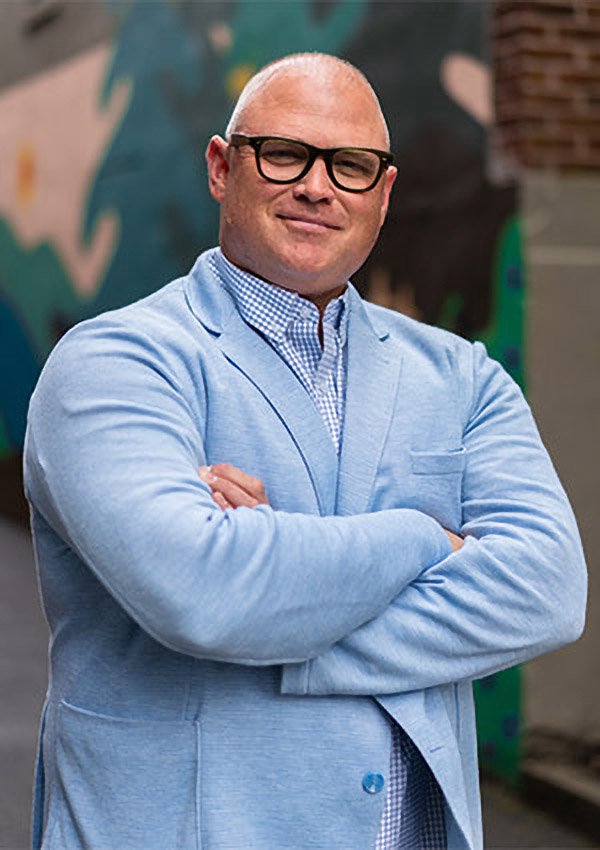
Mike Riddle was born in Whittier, California, but raised in Salem, Oregon. He enjoyed country living his entire childhood and played baseball and football in his school years. He attended Linfield College, in McMinnville Oregon, from 1993-1997, studying sports medicine and health education. He met his wife, Stefanie, at Linfield and they married in 1998.
After college, Mike taught elementary physical education in Newberg, Oregon for seven years. It was after their first child was on the way in 2002, that Mike began doing remodeling work in off hours, for additional income so that Stefanie could stay home with their daughter. He had worked for a custom home builder during his summers, while at Linfield, so he drew on those skills and his enjoyment of the process.
In 2005, with another baby arriving, Mike retired as a school teacher and transitioned to a full-time builder, adding specs and custom homes to his repertoire. And the rest is history…still building and enjoying his family. With four children and a healthy business, Mike always says he is “living the DREAM!”
Resources:
Visit the Riddle Construction Website



-
Mike Riddle 00:03
One of the traps of being a quote, unquote, custom home builder is that I think we have a tendency to say, Okay, well, we'll customize everything. If we're going to customize these decisions, we'll also customize the process, or how we do draws or whatever. But there are certain non negotiables. Those are some sacred cows that you can't you can't bend it, or it's just not going to be, it's not going to be a good fit for either of us.
Mark D. Williams 00:26
Today on the curious pillar podcast, we had Mike riddle in from Oregon, and Mike and I have known each other a little bit. We've met at IBS, and I'm going to see him here again in a couple weeks. But Mike's story is very, very captivating, mainly because he's endured so much from a school teacher to a business owner to filing bankruptcy to getting sued during the first recession, to then coming back in and building his company up again all the way up to 17 people. It's really an amazing story that you're going to get a lot of life lessons from. And I think the thing that you're going to get the most get the most out of is, you know, this particular season we're talking about, buy back your time. And so we talk a lot about that book and how Mike has really been able to create systems so that he has time with his family, and how he was able to do that. So without further ado, here's Mike riddle. Welcome to curious builder Podcast. I'm Mark Williams, your host. Today we're going to the west coast and Mick Millville. I got Mike riddle with riddle construction out of Oregon. What's up, buddy? Not much. How you doing? I'm really excited for this interview. You and I got to meet. Was it last international builder show, or was it two builder shows ago? It was last IBS in Vegas? Yeah. So I remember. So you're good friends with Mike Weaver, as are we. And he's like, Hey, I've got a plus one. I'm going to bring him to it was it best friends that we had the pink hat that really cool Asian fusion restaurant? Yeah, and got to talk to you a little bit. And anyway, I'm really excited for this interview, because you are one of the first guests for 2026 our smile tour going down the West Coast. For those that aren't familiar with it or haven't read the blog yet, basically, in quarter one, we're reading the book buy back your time by Dan Martell. And so as I interview each guest, Mike being one of the first, we're gonna talk, obviously, about your story. You've got a really captivating one. But then we're gonna kind of layer the filter of some of those questions and principles about buying back your time and what it looks like as a business owner and as a person. So that's kind of the intro to the guest. Why don't you give us a little give us a rundown. I mean, you started as an elementary teacher, started remodeling on the nights and weekends, and here you are. I mean, you've got a wild story. Give it. Give us your elevator story, because it's pretty captivating. It's gonna be a long elevator ride. Yeah.
Mike Riddle 02:38
Well, thanks, Mark. I'm just honored to be on this, and I'm excited to to get to have this time with you. And it's been been great getting to know you and seeing the, you know, your social mission and business mission over the over the last couple of years. So appreciate the opportunity. Yeah, my story is, is, I don't know if it's unique to everybody, but it is unique to some. I worked for custom home builder, remodeler out of high school, you know, during breaks and and such dirt. While I was going to school, I was going to school to become an athletic trainer, and realized pretty early on in that career that I didn't want to do the professional route where you work for the, you know, the Blazers or the Seahawks or whoever it was, too much travel. Wasn't able to have the family life that I wanted, so I kind of switched gears and continued down that path, but added all my teaching credentials to to my repertoire. So I ended up graduating, and I got a athletic training job at the high school where I where I currently live, but I could not find a teaching job, so I found a teaching job at a elementary school just about 30 minutes away, and then I was also a baseball coach during the spring, and then I coached the summer program as well. Love that. It was great. Spent a lot of time away, you know, from home, and didn't necessarily see all the, you know, the ROI in terms of the cash infusion into the business. My wife was also a school teacher, and her and I had just decided that we really wanted to have kids and she really wanted to stay home. That was a dream of hers. So she did that, but I needed to make up her income, so I decided, well, I worked for, you know, I have some skills in in construction. I did the physical work. I didn't do any of the mental stuff or preparation or paying bills or organizing or calling subs, but I knew how to tie rebar and pour concrete and frame houses. So anyways, I would teach all day, and then I would work at night, I know, weekends. And I did that for for several years.
Mark D. Williams 04:29
And this is early 2000s or what. Yeah, yeah, 2002
Mike Riddle 04:33
to about 2005 yep, I did that. So it was a lot of driving, a lot of slapping myself as I was driving home to stay awake and but, you know, I had a had a goal, and that was to provide for my family. And so I just did what it did, what it took. Things started going really well. I had built some, did a couple flips, and then I had built a couple of spec homes. And the market, you know, back in, like, oh, five was just hot, and you could, like, you could catch a fish by just sticking your finger in the water. That was just like, Great, yeah, just, just like it was in in building, even a dumb school teacher like me could, could, could do it. So I finally made the made the plunge, and then bought some, some lots, and subdivision just kept going. And then in about 2007 2008 as as you know, the market really, really took a turn and, boy, I couldn't even build a dog house for anybody. The work was just really, really scarce, but I still had some. And then I had one client just decided that they they did not like me or what I had done, and decided that they needed to to sue me. And I was in a position where I just didn't have the money to fight it, even know I should have so I received counsel that the best way to protect myself from that actual lawsuit was to shut the business down and file for bankruptcy. And that was just a devastating blow to my ego, to my heart, you know, to being the provider of the family and but did it, and I followed counsel. I did that. We lost our house, we lost our rentals, we lost they let us keep, you know, our clothes, and they let us keep my guns, and we had to buy back our vehicles with a little amount of cash that we had. And then what I did for about between three and four years is I worked for the group of us in Salem, we kind of banded together and worked for a company out of, oh, I can't remember, maybe Michigan or something. It was called safeguard properties. And they just dealt with all of the pre foreclosure and foreclosed properties for all the banks across the country. So they would send us work orders, and we would get rid of trash and clean rotten during that
Mark D. Williams 06:36
time, there would have been a lot of them, obviously, because a lot of people were having tough times. Out of curiosity, I've always wondered about that, and maybe we'll take a minute talk a little bit about bankruptcy. I always thought that you got to keep your house during bankruptcy. That's not true.
Mike Riddle 06:51
No, the you could potentially keep your keep your house during bankruptcy, but we didn't have the money to be able to make the payments, and the bank would not work with us and do, like a short sale, or, even though I had the opportunity to do that, they just, they weren't dealing with us. And they said, Nope, you have to, you know, you move, we're gonna foreclose, and you have to move out. So, so
Mark D. Williams 07:09
basically, you liquidate everything because you didn't have the cash injections. It wasn't that the bankruptcy itself said we were taking your personal house. You made that decision, correct? Yeah, okay. That makes it was a bank kind of made it for us. Well, right? Yeah, okay, that makes, that makes a little more sense. Just, you know, you hear, you get counsel from lawyers, you know, in terms of, like, you know, what you own personally, or your wife's name, or separate LLCs. And so that's why I wanted clarity on that. I looking back now, because that was, you know, almost 18 years ago for you, because I had a similar experience where, and you had a family at that time, I was single, going through that, and I remember, I've talked about it many times in the podcast, where I had a spec home, and I went to my dad and I need I said, I need to borrow $30,000 my mortgage was 5000 a month on the spec home, and someday I hope to have the same wisdom and maturity that he had. But basically, he said, No. He said, If you can't fix the holes in your ship, the ship's going down anyway. You've got to figure this out. Otherwise, we're just throwing good money after bad. And it was the first time in my life that someone sort of gave me permission to fail. And he basically said, like, what is the worst case scenario? Because you mentioned the ego death. Like, for me it was like, I thought, I thought bankruptcy was failure. And I thought, man, if you fail, like, if your identity is so wrapped up in your company that if you fail, that means you're a failure personally, right? And so for me, it was like, and then my dad just said, worst case scenario, you paid you love this. He goes, he goes, where you move home, your mom will make you Swedish pancakes. In the morning, you'll come up for coffee. We'll talk in the morning. I'm like, dang, failure looks pretty good. Yeah, not too bad, yeah. So, but anyway, it was really someone telling me that failure was okay, and that really that failure wasn't failure. It was just a setback. That's my story. It wasn't. It didn't go as, you know, is down your but what walk us through that psychology, if you can like, what did it feel like, and how did you come to terms with it? I'm very intrigued by that.
Mike Riddle 08:57
Yeah, the Well, at first, you know, I was so incredibly humbled, to the point where, like, my head was down and, you know, I didn't talk talk as much. I just felt like a whooped pup, and it, you know, affected my marriage, my relationships and everything, and my, you know, my poor wife didn't know how to help. I had three I had three kids at the time. By the time the bankruptcy was done, we had our fourth so the year that I got sued, we had our third child, and the year that I got discharged, we had our fourth, fourth child. Oh, buddy. So it, it definitely, you know, stretched and pulled me and made me the man that I am today, the man, the Father, the business owner, all of that. It, it really, what it did is it said, hey, you need to really take a deep dive and understand what happened, and what, what could you have done differently, and then, what are some of the things that just out of your control? There's nothing you can do about somebody being mad at you, or somebody taking, taking the next steps in that. But what, what can you do to be better? And if you get the opportunity to do it again, what would that look like? So that that was something I thought about every single day. It's like, Am I worthy of having a second chance at building another company? Because to be honest with you, I have a bachelor's degree, and I was one class away from my master's degree before I before I quit teaching. And so therefore, I just figured out what I don't need, the title I'm don't have the time. So I never took one business class, not accounting, not business, not marketing, nothing. I just knew how to work hard and, you know, pull myself up my bootstraps and do the best that I could. And I spent a lot of time talking with with people in the industry, not only business wise, but also faith. I've talked my faith grew so much deeper than it ever could have, and I just I don't, I don't feel as though I could have deepened my faith or deepened my business acumen or or lifted up my my soul and my confidence without going through that experience. Even though it was terrible, it was beautiful in another way.
Mark D. Williams 11:06
It's so funny. Yesterday, do you know who Jude Charles is from Atlanta, the documentary he did, Brad Levitt documentary. Anyway, he and I were having lunch yesterday, and we were talking about job, and just, you know, the first chapter in the last chapter, the middle is pretty rough. So exactly, but, and, but your your story sort of reminds me of that. Like, what if you went back in time, and, you know the mike Riddle of 2026, went back to the mike riddle and 2007 what would you tell yourself? What would you say? Like, what did you learn? What encouragement would you have given to yourself while you're going through that,
Mike Riddle 11:41
I think there's a couple of things I wouldn't say. Just one thing, the most obvious one was how to react with clients, how to treat clients, how to make sure you have documentation, how to do certain things in that respect. But a lot of it would be more of like it, like you've said it, it's okay to fail and it's okay to be vulnerable. It's okay to be wrong. It's okay to admit it, it's okay to ask for help. It is okay. But I didn't, I just didn't even think about that. I had talked with my parents. I had a similar situation with my parents. I didn't ask them for the money. Maybe psychologically, when I was telling them, I was hoping they would say, hey, we'll bail you out. But they didn't. And oddly enough, maybe three weeks ago, I was telling them, I don't think I'd ever told them this, and I said, Hey, thank you for not bailing me out, because I couldn't have gotten to where I am today without have gone through that experience. And that must have been so hard for you to watch your you know your your firstborn son just go down the toilet. But you you knew you had faith that with support and love and and time, that you would pull out of this and you'd be okay. What?
Mark D. Williams 12:51
Out of curiosity? Well, first of all, what did they say? Like again, I didn't ask them. No, no, no. What did they say when you told them that thank you for
Mike Riddle 12:59
well, they, of course, were very humble, and says, Mike, you're the one who did it all. We just did what we thought was right, and it was, was you who you know, have done all the hard work, which I guess is true, but at the same time, I mean, you didn't
Mark D. Williams 13:11
take credit for it. I mean, you're but, yeah, but I'm looking at it from a parent's point of view. Now, how old are your kids
Mike Riddle 13:17
now? They're anywhere from 14 to 22
Mark D. Williams 13:19
and have they had anything that have been very difficult from a parent's point of view, that you've kind of looked back on and like my place is just to be steadfast and watch them struggle, because that's got to be remarkably hard, to not intervene, knowing that the best thing to do is to do nothing. That's got to be really powerless.
Mike Riddle 13:38
It it is. It's been a little bit easier for me because I've had an example to where my parents did did it for me, we have a couple of situations right now with our two oldest and, you know, parenting adult children is just so much different than, you know, parenting the little kids. But yeah, there's a couple situations where, you know, they might be making decisions that I wouldn't necessarily agree with or struggling with this, and it's, it's hard, because what we do every day mark is we're fixers. We fix things. We're we're firemen. We just we we see a problem, we find a solution, and and that a lot of the times can be so counterproductive, especially, you know, dealing with it with semi adult children, where I could, I could map it out for them. I could give them a checklist. I could write them a story and say, Do this and you'll be successful. But I know that my job is, is to love and support them and to be their cheerleader and and to be be truthful, but not be, not be patronizing, and not be, not be their coach.
Mark D. Williams 14:38
I feel like, I feel like you're giving me also I'm taking this as marriage advice at the same time. So I'm like, when was the last time my I don't know if your wife is different than mine, but when was the last time my wife wanted me to solve it? Right? It's a classic dad slash. We're men, we're dads and we're entrepreneurs, like, we have the trifecta of failure in our DNA and the fact that we want to fix it and we want to do it now. Why are you. Telling me this if you don't want me to fix it, and the best thing to do is to empathize which I hopefully you're better empathizer than I am, because I don't feel like I'm very good at it.
Mike Riddle 15:08
Well, I have been a complete dumpster fire for maybe the 27 years we've been married, but I'm honestly getting better. There was my wife was telling me something like a couple weeks ago, and I just, I wanted to, I was like, and I said, Oh, do you what do you want me to fix this? She goes, No, I just want you to listen. I'm like, Oh, thank God, perfect. I didn't put my foot in my mouth.
Mark D. Williams 15:29
This is the best I it's funny. I can't do with my wife, but I can do it with my sister. Somehow, my sister sometimes will call me, and I'm the only one that she can, you know, if she's gonna complain about her husband, I'm the only one that really listens, I guess. And so I sometimes will tell her, Ashley, I'll be like, do you want me to listen? Or do you want me to give you advice? Nine times out of 10, she just wants me to listen. Yeah. And but I, I wish I could do that with other people, because, like, mainly my wife, because I always I do the opposite. I have a hard time just sitting there and being there, how you referenced it, that it was really hard on your marriage looking back, like, how did you get through it now, you know, again, 18 years later, looking back, and like, every marriage there's ups and downs, and hopefully, if there's not ins and outs, but like, it's a challenge. And so with all this financial stress that you were facing, how did that impact your relationship with your spouse?
Mike Riddle 16:23
Yeah, good question. I some of it, I kind of have wanted to, you know, forget, because it was so stressful. So the answer is basically grace and faith and digging in deeper. In addition to everything, my wife lost her mom, her dad, both of her grandparents. We lost our home. I mean, we there was a 10 year stretch where it's like job full on real world. I mean, we weren't getting the sores, and not all of her and our children didn't die, thank the Lord. But it was just full on, wow, what's coming up next? And and it she, we had to deal with all of this stuff. I was somewhat on an island, because she, we have four kids that she was dealing with, you know, she was taking care of the best that she could, you know, and me too, but not as much as her, of course. And then she had all of this personal loss. And so we were, you know, somewhat on parallel paths, but certainly not together. And so we've had to spend the next, you know, I would say, probably the last two or three years, just really connecting and working on our marriage, being very intentional. And I gotta tell you, after 27 years is probably better than year one. That's or better than dating.
Mark D. Williams 17:35
So that's I'd love to hear that you Ian when it comes to quality, craftsmanship and performance, Pella sets the standard whether you're building custom homes or designing a timeless space. Pella offers innovative window and door solutions that blend beauty and efficiency with showrooms and experts around the country. Pella makes it easy to find the perfect fit for your next project and their team to support it. Build with confidence. Build with Pella. Visit pella.com to explore products and connect with your local rep. Today. For more information, you can listen to episode one or listen to episode 109 where we bring on Pella owners and founders at Pella Northland, as well as their innovative team behind the steadystate innovation. This is why, honestly, why I'm interested in the podcast, and hopefully other people are too. It's just getting into the real things, because it's really hard. I had a conversation yesterday and somebody shared that, you know, they had a sibling that, I mean, I can't even imagine what I'm about to say. They had six. They lost six children in their lifetime, six. And like, I don't even know Ian. Ian can't even fathom one, much less six. And yeah. And then his comment was, is their relationship, meaning that the husband and wife was stronger than it had ever been. And, like, what usually would split people apart formed, like, just through the trials of fire, like, oh my word. And I just yeah, by the grace of God. I mean, I can't imagine going through something that difficult. But, you know, looking back now, you now give all those difficult years is really what has shaped you into, not only the business owner you are, but really the, probably the person who you've become, and, you know, obviously the dad and the husband that you hope to be as well.
Mike Riddle 19:16
Yeah, yeah, it's been, it's, it's always more clear when you're able to look back. You know, kind of that, that 2020, vision, and I have actually been intentional about thinking about things I my memory. As I get older, my memory is not as good about, you know, certain things, like my wife can remember the craziest details. She can't remember how to get to her hometown.
Mark D. Williams 19:39
That is a life thing. That's a for sure life thing. Does she also remember everything you've ever said
Mike Riddle 19:44
Pretty much, yeah, and like, dates from when she was five years old. I'm like, Oh my gosh. I can't remember what I had for breakfast yesterday, but I have been intentional about thinking about those times and thinking about what what made that so difficult, what got me. Through, and if it happens again, I think that's where I'm where I'm still struggling. Mark, if I'm being honest, is that because you've been bankrupt one time, you've lost every does that mean that Okay, now that card's been played and it can never happen again? The answer is no. And so it's it's been able to provide an opportunity for me to have a new level of trust in my faith and and and thinking differently about how I do things, being more conservative, being more, you know, paying more attention to the details. You know, back in, like I was mentioning before, back in, oh, five, you stick your finger in water catch a fish, it was like, I don't even know how I made money, and I made money, and it was just silly, and that's how good the market was, but that's what, how I learned. So I didn't know that there was another way. Did you know there's really lean times, there's really bad times.
Mark D. Williams 20:47
I remember my dad gave me some advice, and like I was coming out of it, like, probably 2011 1213, I think I was reflecting on those difficult years of, you know, 910, and 11, and he said, You got a master's degree in business and half the time and quadruple the cost. I always thought that was kind of perfect. That's perfect. That's that's a quotable, for sure. That is quotable. Um, so when you read, when you started your business again, talk to us about, like, you know, you work for four years for, you know, the company, and then you decided to start building again. Like, walk me through that. Like, when did you know it was the right time to be like, You know what? Just because this, this, because I, you know, failed once, doesn't mean I'm a failure. I'm going to get back into it. And then, what did you change? What was your mindset like, different? What did you how did you build your business differently than the first time? Because you essentially have built it
Mike Riddle 21:35
twice now. Yeah, I would say some of it the same and some of it differently to begin with. So when I made that transition in 2011 once I had the discharge, I was able to, you know, start up a new construction company. And my attorneys, like, I'll just, you know, create, put it. Mike riddle, construction, am I okay? That's what was it. What was it before it used to be called r squared. So it was R at the little, you know, to the second power. Because I started the business with my dad. He was just cash injection. So riddle, and riddle makes our shirt Okay, so it's our squared properties. And so anyways, changed it to Mike riddle construction. Just boring, thinking it's going to be me, maybe a helper to run some office stuff, you know, till I retire. And so I started, and I just, it was weird, but I got a call from somebody to build a custom home. And I'm just like, yes, thank you, Lord. And I so I built this custom home. And I was, I did everything. I had no I had no help. And it was interesting. I realized, gosh, I have to have somebody do the books. Because, you know, if you've ever done QuickBooks, you do it, then you push the Enter, and it makes it that sound. And I, I got to the point where I hated that sounds so much I like I have to get somebody to do books for me. So, yeah, so I had somebody help me with that, and, and I was just kind of, you know, preparing for this. I was looking at the when I was hiring people, and I didn't hire somebody for probably from 2000 I didn't hire somebody till maybe 2013 and it was an office person that she stole money from me and had
Mark D. Williams 23:01
to stole money from you. Yeah,
Mike Riddle 23:04
I was so busy I didn't pay attention,
Speaker 1 23:06
dude, you have been through the ringer. Dude, yeah, it's
Mike Riddle 23:10
all you know. You can laugh about it now, but boy, going through it, it was so heart wrenching. How did
Mark D. Williams 23:15
you How did you know it's funny? You say that because I've had, I don't I've never had anyone steal from me that I'm aware of, but I have had two people that is it incompetence? Is it not enough? I don't know what it was, but we lost a lot of money because the two people I had in those seats were not properly qualified and and so whether you lose it because you know it, or you lose it through incompetence, either way, it's money that should have been yours. How did you a, discover it and B, then what did you do?
Mike Riddle 23:43
Yeah, so, well, I did have a third party bookkeeper, and so that was kind of a checks and balances, if you will, but just for certain things, right? So I had a company credit card, and again, it was just me. And so I'm out in the field all day, and the only time I ever really talked to the office assistant was on the phone, and occasionally I would come in, but you know, I was always in the office some parts, but a lot of the times, you know, I was early in the morning. And month one, she had actually set up her kids, dental payments, her all of her utilities, all this stuff on the credit card. And she knew that this was the end of the month, but she knew that I didn't really check the credit card very often, and she just would pay it, and it was never very much. And then she started asking for pay advances, and she's a single mom with like, a 12 year old boy, and I'm just like, Oh, I'm just a bleeding heart. I said, Okay, no problem, but just, you know, you gotta pay it back next paycheck. And so that kind of got to the point where my bookkeeper said, Hey, Mike, do you know that this person's like, five grand behind? And I'm like, what? I had no idea, because I'm again, I'm just busy trying to make money. And then I started looking at all of the I pulled up all the credit card statements, and I'm going in, like. Something, something Dental. And I'm like, Ulta. I've never even heard of Ulta. I mean, I think this person went to Ulta, like, four times a week, Nordstrom. I'm like, I haven't been to Nordstrom. I mean, it's like, where are all these things coming from? It was like 16 grand or 18,000 bucks. And then the other stuff was like five. I was just, I felt violated. And so I went to my attorney, and I went to her and said, Hey, you got to pay me back in two weeks, or I'm calling the cops. And she came up with the money somehow. And of course, you know, had no job. Ah, that's crazy, but yeah. So now we have, we have checks and balances, and I make sure that, you know, I'm checking things on a weekly basis, and I'm putting question marks next to, what's this mean? And so I'm paying more, a lot more attention now to where money's going. How big is the company now, in terms of people, we have, well, 17, including myself.
Mark D. Williams 25:48
Yeah, wow, that's a lot. What would you say looking back from scaling, I think scaling has been one of the My biggest weaknesses, and I don't know why. I've always, I don't think fear is the right word. I mean, you can maybe relate to this as a faith based person I've always struggled with kind of a Dr Jekyll and Hyde personality, in the sense that, like, there's a part of me I love sales. Like I've often joked that I'm a marketer who just happens to build I love marketing. I love sales. I just happen to also just be in the construction business, which I also love construction. So yay. But my point is is, like, that side of me would just say more, more more and more, more more marketing more. But like, the spiritual side of me is, like a simpler life is better, like, less is more. Like, you know, I don't for myself. This is just my own judgment. For me is like, more is not necessarily better if I can't be with my family like I and so how have you anyway, that was my own limitation, and I still sort of fight it even today. But every time that I've hired somebody, I've gotten more of my time back. I bought back my time, as Dan would say, because I'm, like, guess what? I don't have to do it all in, like, today, you know, I didn't do any sort of construction stuff today's all been, well, I shouldn't say that. I mean, I'm business development. We're doing our Misa, who's project. So I actually took the designer, the architect, we went down to the Swedish Institute, mainly just, it's an art gallery, but basically, it's like the idea that a builder would go to an art gallery for my clients. But that allows me the freedom, the creativity, to do new things that I, you know, 10 years ago, I never would have done that into my own detriment, I guess. How have you sort of ward with, you know, the part of, like, not letting your human nature just dominate and just like business all the time, but yet, still scale. Did you kind of know what I'm talking about?
Mike Riddle 27:28
Yeah, absolutely. So I had again, like I mentioned before, I had no intention of scaling. It kind of got to the point where I could absolutely never take a day off period. I just there's no way I could do it. If I did, things would just backslide, because everything was in my brain. I didn't have things written down. I didn't have any systems. No, SOPs, no, no, nothing. It was and why would I? Because it's I'm the only person. I'd be creating all these things just for myself. So it was a waste of time for me, and I finally got to the point where it's like I can't even take two days off without having to be horrible before I worked the whole vacation, and when I got back, I was digging myself out of the hole. And so I finally told my wife, it's like, Listen, you can go, but I'm not going on vacation anymore. And I just knew that that's like, Something's gotta change. So I in 2015 I had, I had hired my current administrative assistant, or director of administrative operations, is her title. She used to be called Office wizard. Yeah, that was her title. She created that but, and then I had one other helper. And then I got another helper to do, like, you know, job site beautification engineer. So now I had somebody kind of running around, somebody helping clean, and then allowed me to kind of work on some sales. And then I actually got to take my first vacation to where I still was checking email and checks messages every day, but it wasn't very stressful, and that was kind of like the best cocktail you could ever, ever drink, right? It was just like, wow, this. What could this be like? And so I didn't, again, purposely want to pursue that more, but opportunities came to where, okay, now I have two houses at a time. Now I have three houses at a time. And what, what the the crash had taught me back in Oh, eight to 11 was that, man, when work comes your way, you gotta, kind of, you gotta say yes, and so I've kept that mentality for the most part. I've certainly I've put up bumpers to where they're certainly not good fits, and I've got a pretty good radar of the type of people and clients and jobs that I don't want, and I definitely have learned how to say no, but we still have the okay, if there's a great opportunity, it's a good fit. We'll figure out a way to make it happen. We'll be able to find a project manager or superintendent. So the buying back my time when I was reading this book, it was like, Gosh, I wish I would have had this like, 10 years ago, because I was I figured out quite a bit of this stuff, at least in the first few chapters. Just just. Getting it out and having no road map. It's like, well, it's pretty simple, right? If you want to have time, you have to do something. Either you have to ask God to increase the number of hours in a day, which is never going to happen, or you have to have somebody else help you. And I don't know about you, but I grew up where my dad was. It was a constant saying. It's like, you want something done, right? You do it yourself. And so it's like that was so hard for me to get rid of and be able to trust somebody with my baby. Me having a teaching background, it has been helpful, because I do like to teach. I don't maybe do as much of it as I need to, but that buying back my time was so critical to be able to kind of move up to the next level, layer in the in the ladder, I guess, if you will, of what does he call it the, I can't remember something ladder. He calls it the ladder.
Mark D. Williams 30:47
Well, I was thinking, you know, part of it was, you know, a lot of entrepreneurs confuse growth with freedom, you know, they think, oh, I need a higher revenue number. Oh, I need, you know, I need more jobs. But if you don't have a system to support it that can actually break your company. Have you had any experiences where, you know, as you you know, got three jobs, four jobs, or however many you got at a time, like looking back now at your scale of 17 people, did you go hire the people and then go get the work? Or were you getting the work and then hiring the people, basically the short version of
Mike Riddle 31:22
that, yeah, chicken and egg and egg conversation, right? So, to be honest, it was, get the work, and then I would get to the point where I just, Okay, I can't and then I would try to find somebody. And then, you know, there was, there's, you know, revolving door with some people, because I had no process. I just like, oh, you know, construction, and you want to help, and you seem like a pretty cool guy. Great. You're hired. There was definitely that mindset of like, just get the work and then you'll figure out how to make it happen. But not necessarily thinking about, well, am I going to do things as efficiently as possible to where I maximize my profit. And the answer is, I certainly did not do that. So there was definitely a lot of chips left on the table, if you will. And recently, I hired a business consultant to come into my business and just, you know, just get it, get into everything. And, you know, found we did a process called Blood Walling, where you just kind of throw it all on the wall, right? Say, what are your What are your What are your problems? Give me your let's, here's a box of tissues. What are all your what are all your problems that you want to you're crying about? And, you know, we put those things on there, and then we started talking, well, how much is that really costing? And we started looking at them, like, oh my gosh, we've been doing this for years, and that was a big number. And so that helped motivate, okay, we're going to be, we're going to be definitely process driven. And, you know, a lot of the stuff that's in Dan's book here, we're, we're, by no means if we arrived, but we are certainly implementing as many things as we can and trying to work on that, you know, replacement ladder, not just for me, but for for other people on my organizational chart, getting them from this level to that level based on what they want to do. If they don't want to be a superintendent, I'm not, I'm not forcing them to be.
Mark D. Williams 33:06
Did you want to do? Did you out of curiosity? Do you still hire your own people, or do you have your team hire them both?
Mike Riddle 33:13
So we have a process where we have kind of a task and duty list, and then we have a almost like an essay, several essay questions that we have them, the candidates look at most of the time. My Becky, my Administrative Director of Operations, will kind of screen things. You know, we get a lot of things that are vet students that are looking for interim job or, you know, something like that. But usually there's a screening. And then the next process is, I'll make a phone call, and if I think it's worth it, then I'll bring them into the process where I have a, it depends on the position, but I'll have a team of anywhere from three to six, and then we'll, we'll interview them, then we'll do all the questions. Then we have a scoring sheet, and then we compare the scoring sheet, you know, because if I'm at a, you know, a nine out of 10, and everybody else is at a three out of 10, we better figure out why
Mark D. Williams 34:02
we hire as a team. Yeah, the reason I ask is I was a lot like you you're it resonated with me. Like, if I mean, the problem with being, you know, an optimist and an extrovert is I haven't met someone yet, really, that I didn't like to talk to, Ian. So I'm also very hopeful. Like, oh, they can get great. And it's a little bit like someone you know, asked me about marriage the other day, and they were trying to change their partner before they got married. I said, Let me tell you this, you're not trust me. My wife can tell you, people don't really change. Now, hopefully you can find someone you can grow together with. I think that's good advice. But like people, in terms of their temperament and like their their base of who they are, that doesn't change, but we obviously evolve. I hope. Anyway, where I'm going with this is I decided I have to remove myself from hiring people. And so ever since I've made that decision, I mean, I don't think our team has ever been as good it is right now. And part of that was letting go of a few key people that I didn't think I could operate without them. And then it turns out that, after they were gone, like my team has never been better, and it was just a blind. Lot to my optimism and maybe, you know, positive thinking, which I think you would like to think as an asset. But in this case, it basically made me blind, because it was kind of, you know, rosy colored future dealing with the reality. And so I, I kind of joke that now, you know, if my team hires them, they better like them because they hired them. Yeah, and I kind
Mike Riddle 35:18
of do it probably, maybe back up a little bit. We still hire as a team, but there are certain positions that I have allowed my director of remodels. So we have two division divisions. We have remodels and customs. So the director of remodels, and this was some of what by my time back, I personally don't like remodels. I just don't. I like making things look nice, but most of the time it's kind of lipstick on a pig, and there's still parts of the project that aren't the way I would want it, and I'm really picky and OCD about certain things. So it was just my hope that I could stop doing remodels. But it was income, and so I wanted to make sure to stay diversified. And so, but I had a director of my director of remodels was like, Well, I love them, and I'm like, awesome. Boom, here you go. And so I have have empowered him to make a lot of decisions, hiring, firing, you know, we still talk about overall strategy and look at numbers and and those kinds of things. And I have metrics in place for him to look at revenue goals and performance goals. But overall, I have delegated some of that over there. But if it's something that I'm still really involved with, and I'm this is kind of where I'm at on the ladder, I I'm kind of like all over the ladder, in the replacement ladder that Dan talks about. And there's certain things that I want to hold on to because I just love them. And then there's certain things where I'm just not ready quite yet. I haven't found the right person, or I haven't, haven't spent the time to create the system to release certain things. But I, I'm kind of doing both. I am part of it and then not part of it. And it's, it's very freeing to not have to make every decision. Yeah.
Mark D. Williams 36:50
I mean, for sure, it's actually kind of funny where I, we typically don't do specs. I'm, like, I said I'm doing the first one I've done. Now, actually, I've only done two in the last 16 years. One was in 2008 which was the last one, and now the one I'm doing right now. And so it's been quite a time, and I have, I sort of was, well, obviously I was out of practice. It's been 16 years. I forgot how intensive a spec home is. You know, there's some builders that think it's the easiest thing ever because you don't have a client, but Right, the what has made me a really good custom home builders. I'm really good at extracting from them what they want, and that is really the filter and how we make decisions. And it's their home. So it's their decisions. We just help them make them, and we build a great home. Now without the client, I'm making all the decisions or the team, I'm empowering. And so it actually is way more involved, because now you now every now, I'm kind of back into it. Like, every decision that's made sort of has to run by me, because it's sort of my baby and like, I'm obviously love it and enjoy it, but I also realized, like, this wouldn't be sustainable, like what I'm doing at Misa house, and it's also a kind of a piece of art. It's less probably a house than it is that. And so it's, like, it is so consuming for me, and I love it because it's very freeing in the creative sense, but it takes an enormous amount of time. There's no way I could build more than one house like this at a time. It just because of how I'm doing, and I recognize that, but really, I didn't realize early on how I was stressing the team, because at one point I took a step back and tried to free myself from all the decisions. But then I made the designer the GC, and that wasn't fair to them, because the designer is not a GC. The designer is a designer. And so I had to get back and take the captain's chair and say, Okay, I guess I am driving this boat after all. And so I don't know. We're never too old to keep learning our own mistakes, and I have found that anytime we try to change our process for a client, it ends up poorly. But I tried to change my own process for a spec home, which is even more dumb, because there was no reason to do it, and I needed that experience to be like, Oh, wow, yeah, I don't change your don't change your process for anybody, including yourself. Yeah.
Mike Riddle 38:54
So it's really good point. And you know what? What are the traps? And I be honest, I fall into this too. But what are the traps of being a quote, unquote custom home builder is that I think we have a tendency to say, Okay, well, we'll customize everything. If we're going to customize these decisions, we'll also customize the process, or how we how we do draws, or how we do this, or which, you know, whatever. So and to be fair, I've stick to my guns most of the time, but there are times where I'm saying, Okay, well, I'm willing to bend on this, and I'm willing to bend on that, but there are certain non negotiables. Those are some sacred cows that you can't you can't bend it, or it's just not going to be, it's not going to be a good fit for either of us, and then it could end poorly for everyone
Mark D. Williams 39:42
we're happy to announce that on March 20, sauna camp will be coming back to Minnesota for its second annual event. We're going to have three panelists talking about wellness. We've got a Mount Everest summiter. We've got two Iron Man athletes and the inventor of hostage tape. In addition, we're going to have, of course. Is two hours of sauna and cold plunge with some Himalayan chocolate in between, we'll have themed saunas. We'll have story, sauna, silent sauna, community sauna for different topics. And then we'll end with an amazing wood fired meal from fumo. All the details are on the curious builder podcast.com you know, Dan, I kind of talked about two things I want to talk about, talk about. One is the survival mode, which I think we sort of talked about, like we've all been there, and sometimes we're there more often than we think. I think sometimes, from a marketing standpoint, people look at your Instagram, or they look at your marketing, and that's obviously you're projecting the clients that you want. And you know, you're not likely going to project like, Hey, we're desperate for a client, because that, you know, it's like, when you when you're when you're when you're sticking your finger into catching fish, like it's just, you're that's just, it's easy, right? But it's like, you don't really broadcast that, like, Hey, I've got nothing. Like you're trying to have that confidence and kind of like, when you're hot, you're hot, and when you're cold, man, you're stone cold. Yeah, I guess where I'm going with this is, like, this survival mode. Do you ever get really narrow? In your time, and you're like, hey, for the next 35 or 60 days, like, I am only focusing on one thing? Or even, like, a year, have you ever gotten to that point, or has it never been that clear where you have to focus on just one thing to survive?
Mike Riddle 41:12
Yeah, great question. And I've kind of, you know, as a reading through the book of the last month, there are things in here. It's like, Yeah, I'm doing that. And then there's things like, boy, I'm a long ways away from being able to do that. And then there's some things just like, Yeah, I'm I'm on that path, and I can actually see it's actually that path is somewhat illuminated, because I'm putting some of these things into place. So the answer is, yes, I'm still probably in the, I guess, quote, unquote survival mode, because I'm not spending 3060, 90, you know, 12 months of just doing one thing. But I can say that over the last probably six to 12 months, I have spent more time working on the business than I have in the business, and a lot of that has been because of a lot of the things that we've done to be able to buy back my time. I'm able to focus on on things that are going to make the business healthier in a variety of measures.
Mark D. Williams 42:09
You know what I forgot to do so just because of all the new things we're doing on the podcast this season, but I forgot. So I had Stacey Eckman from Seattle. Ian, have you met Stacy before?
Mike Riddle 42:19
Nope, I signed up for the class. I think it's next week, but
Mark D. Williams 42:22
yeah, so you'll get to meet him, but his question for you, you'll get to see him before this episode. It goes live, actually, and you'll see him at IBS, if you're there is, and we're allowing each guest at the end of your interview, you'll get to ask the next guest a question that you want, but your question that I forgot to start it with, is sort of pertinent to what we just talked about, which is, Stacy's question is, is, what is your exit strategy? And I think is the point in asking it, you sort of just touched on it. If you start working on your business versus in your business, you are now benefiting your team and also the the end goal of whatever you want your company to be. With that in mind, what? What is your exit strategy?
Mike Riddle 42:57
Yeah, it's a great question. And at some point, you know, in my when I'd rehit started, I'm like, Boy, am I ever going to get the opportunity to, you know, exit or retire or do whatever. And I think the in the last three or four years, as I've started to work towards that, and I would say, in the last 12 months, I've really started honing in I work with a business coach. I've worked with her for 10 years, and that's some of the things that we've been working on. Is, okay, what's your 15, your 10, your five, and then breaking it down from there. So I do have an exit strategy, and I'm working on building up my team and the processes and the way in which we do things to where, potentially, there is a person in the company right now that we've kind of identified as a person who could potentially take it over, but not, not completely putting all of our chips into that pot, if you will. So we have an org chart that I have over here on my whiteboard. But that org chart has kind of like year one or month six to 12, months 12 to 1818, 20, so on, so forth, and the org chart changes in all those, all those different categories. So for example, a current project manager in the remodel division is going to be has been training to be able to then take over as the director of remodels. And that director of remodels will now take over the director of custom construction and and then the the director of remodels, who moved up, will be training his replacement over the next 12 to 18 months. And then it just keeps now, obviously, that doesn't work for everybody, because we've had a couple of people. It's like, Mike, I just, I love making the job sites clean and organized and protected. I just don't really want to do anything else, or I don't want to be in the office on a computer. I just want to be get my hands dirty out in the field. I want to be a super so we're doing the best that we can to, you know, to honor that and to build the structure to where less and less. And there's one of the reasons why I changed my name, changed the business name, is because I want the focus to be on our team. And. Our process, and not on Mike. So went from Mike riddle construction, and I also didn't to just riddle construction, because I didn't want to create, I don't know, Nike builders, you know, some other non related name, name, and I'd changed my logo, change the colors, everything. I didn't want to go that drastic. And to be honest, a lot of people have not even noticed. They haven't noticed that I just
Mark D. Williams 45:21
dropped I mean, I still, do you ever get this like, I mean, I've been building for 22 years here, and you'd like to think you have a good reputation, and we do. There's many times where I meet people and they're like, Oh, I've never heard of you before. And like, and I don't take it as a bad thing. I'm more just surprised. I'm like, wow, really? After 22 years, I've never heard of me. Okay, yeah, and I never say this out loud, like, my dad joke would be like, well, that's fine. I've never heard of you either, but Touche, but I think you're right. I think obviously the owners of their own company are way more sensitive to what we're doing. It's like, when you post something on Instagram, do you think everyone in the world has watched it? Then you ask, like, your spouse or your family or your friends, like, Hey, did you see that cool video I posted this week? Like, No, I haven't checked in a couple months. You're like, how could you not know what we're doing? And it's like, it's mainly enthusiasm. Like, it's no different than a kid, like, the speed of your children, you know, like, I don't, I've never met your children, but like, obviously, if I, if I saw them once every couple of years, like your kids would grow so fast. Because I'm like, wow. But like, when you're in it every day, you see the micros. And I think that's something that's cool about perspective, is when people see us honestly at the builder show, is kind of like that, you know, we get to see each other, you know, regularly, let's say once a year at the builder show, and maybe a few other times. And so like people, you know, obviously you might see physical changes, if you're an Exercise or Dieting or whatever happens, or you went somewhere warm. But I think business is cool too, because from afar, we can, we're sort of fans of our industry. And so like, when we see someone doing really well in their business, or scaling or growing or doing whatever they're doing, or even struggling, it's like we sort of check in with our peers and say, oh, you know, hey, how can I help? Or hey, you're doing a great job. Keep going. And so, yeah, I don't know that. It's just a perspective on time.
Mike Riddle 47:00
Yeah, I think the to get back to your question on the exit strategy. I I have a strategy, but I don't have, like, an end date. Like, okay, so I'm 50, I'm almost 51 I don't, okay, by the time I'm 60, I'm going to be doing this. I have a general idea. It's like, around 10 years from now, I would be less and less involved in all the day to day stuff, and the approving this, and approving that would be more high level strategy coaching and encouraging people working on refining systems from kind of a more of a 50,000 foot view. But I don't. I love this industry. I love working with people. I love doing this kind of stuff with you. I love being a champion of the industry, a champion of kids learning to get into our industry. And so I'll just transition into something else, whether it be an owner's rep or something like that, where I could maybe do a little bit of travel, but yet still be, you know, kind of in it. I don't know that that's what we'll see where the Lord leads, but yeah, somewhat of a skeleton.
Mark D. Williams 48:02
No, no. I think that's super helpful. Let me ask you a different question in this one might challenge you a little bit if you had to. You were forced, you were abducted to Hawaii. You couldn't check your phone or emails. What would happen? Could your company survive without you for 60 days? Absolutely, and I would, yeah, I'm gonna keep going with this. Six months, yep, a year, yeah, two years, yeah. Well, there you go. Your company is already sellable, so you obviously have a someone in place to do business development. And sales is ultimately, what usually is the last thing that the owner, I assume you're good at sales, yeah, and that that is what I spend a lot of time on into where, you know, I'm I'm feeling the call, I'm doing the meetings. I'm taking them to job sites to show them the quality. I have other people that do that now, in certain aspects, would it? Would it be exactly the same two years from now, as if I was here? No, but the business would still survive. It still has the core. See there? I mean, still there. I if I had to guess, I bet you're in the one person, one to five percentile of all construction companies in the US, because most people can't answer. I should start asking that question more often. That's first time I've asked it. But, I mean, I was sort of asking it even for myself, because I would say, Now, granted, we've all the jobs that we have right now that go into the ground. I've been working with the clients and the architects for the last year. I lead all of our sales, all of our business development. We have a much smaller team, or team of five, so like, we'd be good for about a year, because that's all the jobs that I've designed and worked on and are in for permit. And my team could obviously build it without me, but then they're not really set up to go get more sales so it would stop. That's why it was kind of cool for you to say, like, I mean, well, it turns out your wife, you can go home and tell, Hey honey, we're going to Hawaii
Mike Riddle 49:48
for two years. Yeah, she'd love that. And, you know, I don't, maybe I don't oversell it too much. I mean, it, like I said, it would be different, because I still am really involved in a lot of the pre con, but they have several people who are also. Really good at selling. I just typically take that on, but they would certainly be able to jump in and but Mark, I've hired 13 people in the last four years. So my team of 16 used to be the team of three plus me. So it's, it's been kind of an exponential growth. So had we had this conversation four or five years ago, I'd have been like, my company couldn't last with me for more than two hours because I was the one doing it. And now we I have been able to go on a week or two or three vacation. Maybe two is probably the longest. And some, some of my employees didn't even know
Mark D. Williams 50:35
I was gone. See, I think that's amazing. That's huge kudos to you, Mike. I think that's super impressive.
Mike Riddle 50:39
Thank you. Thank you. It's been a huge blessing. And it's, it's honestly been, you know, as Dan would say, it's been worth every dollar that I've invested to buy back that time, because that's the one thing you can't earn. You can't you can buy back your time, but you can't create more time.
Mark D. Williams 50:54
Well, you touched on something that he talks about in the book, and also now, but like, what do you reinvest that time in? And so, I mean, I think any entrepreneur can probably relate to this, right? You have I do a lot of time blocking, and let's say that time block. Let's say someone have a standing meeting with a client, they cancel it. You're like, yes, you just gain two hours of like, this mythical unicorn time that you can apply to anything you want. But the question is, is, how efficient are we, then in that time to do whatever the task is. So my question to you is, what do you what have you found? How do you when you reclaim your time? So you've already taken the first step to buy back your time. You've yet set up systems. You've set up, you know, for me, it's boundaries create freedom. So, you know, I've created these things that allow me to be free. But then what do you do with that freedom? Do you waste it, or what do you invest it in? Because I think that was a kind of a was a kind of an underlying principle in Dan's book, is, like, if you get back the time, but you don't invest it, you've essentially squandered it. And, and I think there's a place to do nothing like, honestly, I think it's probably healthy for people just to like, you know, it's like, our kids right now, it's like, you know, you ever look at your kids and then you're like, oh, that's probably good
Mike Riddle 51:59
advice for me. Totally like I'm looking right in the mirror, right?
Mark D. Williams 52:01
Yeah. So anyway, yeah, okay.
Mike Riddle 52:04
So I think it's, it goes without saying that I absolutely waste time. I think everybody wastes time. And, you know, even looking in the book, you know, talking about how you're, you're putting in some of the, like, a 15 minute break between meetings. Well, who could be? Who could be, you know, effective for that 15 minutes of time. So we talked about bunching or stacking, or whatever, I would say that I have at first, I'll be honest, it was like, it's like a deep, deep sigh of relief. And so I wasted more time because I was so burned out. I was so tired. I was looking at those, those things on the TV where it says the Florida like retirement communities, where they're playing pickleball and having margaritas every day. I'm like, Sign me up. And I was like, 40 and and so I did spend a little bit of time here, maybe four or five years ago, when I started to buy some of that back, which is like, just take a breath and kind of just relax for a moment. But I'm not the kind of person that you know will just sit down and watch TV all day. I need to be doing something, whether it's in my brain or my body or whatever. So I would say that I have been able to invest a lot of time in my family, which is so important to me. So like all my kids are sports. My oldest daughter, she was in musical theater, and so we had, you know, flew around the country to do all these auditions just to get into a musical theater school. So I went on some she went on some. I had my, my second daughter ended up going to Italy, her junior in high school to be an exchange student, and she ran into some trouble, and I had to just leave clients in the middle of an electrical walkthrough and drive a million miles an hour to the airport to get on a plane to go, you know, to go rescue her, for lack of better terms. And I was gone for 11 days, and my business kept going. And it was, it was really cool. So I was able to spend that time investing and then going to all their sporting events and all their plays and, you know, whatever it is they're doing, and then being able to do dates and go on vacations, some with family and then some with just my wife, that's been huge. That's huge investment there. Also, I am very involved in giving back to my community, so whether it be church or I'm a on the board for Hope Pregnancy Clinic, where we provide ultrasounds and life affirming care for for women who experience an unplanned pregnancy and help them through that process and help them know how to be a parent. And I'm on, I'm the President of the Oregon Home Builders Association, and, you know, involved in any HB and things like that. So giving back to to to the industry, to my community, to my my faith circle is really, really important to me, and it's something that I want to continue to do. So I do, I guess, quote, unquote, waste time in some people's eyes, of not being completely focused on business. Every day I'm buying some of that back so I can invest it in different things that are more important to.
Mark D. Williams 55:00
Eight, I don't, yeah, I'd be hard pressed to find anyone that would call that wasteful, because at the end of the day, like, you know, I think, I think we're proud of what we do, we're excited about but when we lose sight of, like, the meaning of life, and I think we all need reminders, it's like, even when you know it, it's like, you know, I'm thankful for a spouse or, you know, one of your kids that says, Dad, we just spend some more time with me. Or, you know, Jude asked me yesterday, what was one of, one of, what's one of your most powerful memories of you and your dad? And I said, honestly, it was as playing catch down by our pond as a little kid. I'd say, Hey dad, and we go out and we just play catch, like I ended up not really playing baseball that much. I don't know why that is a key memory. But it's like, we did so many amazing things that are like, you know, sure, they there's really cool, but the thing that the first memory I had was just something as simple as throwing a baseball with my dad and so like that doesn't time, especially with kids, I don't know, there's something about kids that just really narrows your priorities to do super simple stuff. And everyone has had, you know, the Cat Stevens moment, you know, cats in the cradle, and you just that sobering moment where you choke up a little bit, and you're like, you know, I had one maybe six months ago, because I do try to set boundaries. And I think sometimes it's, you know, kind of a guilt complex. I think sometimes it's okay. I think part of it is us, you know, just saying, like, it's okay not to be great at everything, right? And so it's like, sometimes, you know, do I want to work at my daughter's gymnastics process? Of course not. I talk a lot of but that doesn't mean I'm perfect, you know, sometimes, you know, like, I had a deal where I was gone all day, and I had to get some stuff off. And you know what? It was time critical. So I told my daughter, I said, Hey, are you okay? I have to answer a few emails during your gymnastics because normally I don't. And she was like, yeah, no problem, dad. And like some I know for myself, I can be really hard on myself when I when that thought comes across my mind. But sometimes, sometimes it's okay. I just think, as long as it doesn't become a habit where that's the only thing your kids see you doing, then I think it becomes really toxic and dangerous, especially if we don't realize it.
Mike Riddle 56:59
Yeah, and I think, you know, to any of the listeners, everybody's at a different spot. So if you would, if you would have asked me these questions, or we would have done this podcast, which, you know, between 2008 and 2015 man, I was not a great father and not a great husband, because, to be honest, I worked, you know, an 80 Hour Work Week was like, Man, I can actually take a breath. I mean, there was weeks that were over 100 I worked, you know, 20 hours a day, six days a week, and it was awful. And sometimes you just kind of have to do what you have to do. But that's certainly not the long term goal. And it is important to know that you can be in those kinds of situations, but just know that they'll be, they'll be temporary, as long as you're, you know, working on, trying to, you know, make a change. But it is. It's such a huge blessing to be able to look back and go, Man, I really wasn't, you know, around or as much as I wanted to be in, but now I'm have the opportunity to go to that gymnastics practice, or take my son to some, you know, whatever, and actually be be a part of that, that, that that journey, like my daughter, just she tells us every time, so she's plays, uh, she played basketball in high school, and she's going to college for for track, but every time, she says, Thanks for coming, thanks for supporting us. And that, that I That's all I want. It's so simple, but I just want to, you know, it means a lot to me, Dad, that you took time to come and watch me and
Mark D. Williams 58:22
and how much more powerful will it be someday, if they're a parent and they can look back because, like, you don't know what you don't know. I remember, you know, my kids are a little younger. They're nine, seven and six, and you know, you you know, I remember now, like, there'll be comments while calling my parents out of the blue and be like, Wow, I now understand this, that or another thing that you just don't know the perspective. So it's pretty cool that your kids are already thinking for that time how much more of an impact will have on them a decade from now. You know, those kinds of things.
Mike Riddle 58:49
Yeah, you know, I, I also often think I've started thinking last last couple of weeks, it's like the parenting that I've done maybe in the last, you know, five or 10 years. I'm really, I'm really investing in my grandkids, because how I parent my kids is how they're probably going to parent their kids, at least in some way. Hopefully they'll do the opposite in certain things, but really kind of helping shape that, that next generation of of our grandkids.
Mark D. Williams 59:12
Yeah, that's an that's an internal perspective. Yeah, I agree with you how, as we kind of end in the interview here, I've got two, two questions for you. One is, what for this year? What is if you were to focus on one thing for the remainder of the year that would give you the best investment on your time in your business, or the best ROI what does the next year look like for the thing that will move the needle the most for riddle construction?
Mike Riddle 59:38
Yeah, I think the thing that will move the needle the most is really fine tuning and solidifying our systems and then creating consistency. So there has been, I would say, over the last four or five years, like I said, I've hired 13 people. I didn't have systems, I didn't have very many things. I've had to create all this. And there's been, okay, well, I'm going to use, you know, Excel for all my calendars. I'm going to earn my budget so, and then I'm going to use CO construct. Then I use smart sheets, and now I use builder trend. And that's and finally I said, Okay, builder trend, is it? We're not changing ever, ever again. So creating some consistency with what we do. There's been so much ups and downs, and some of my employees are just like, Oh boy, here we go. Here's another thing. So I would say consistency is probably the biggest now, obviously there's, there's going to need to be things that are changed and are modified as we go. That's just a part of that the animal. But creating as much consistency over over the next year is what I'm going to be really focusing on as a leader. Yeah.
Mark D. Williams 1:00:34
I mean, I think that's well said. All right. Is your turn to ask the next guest a question, what will be, what would, what would be the question you would like to hear answered about the next guest?
Mike Riddle 1:00:46
Yeah, I think the next guest, I would ask them, if you were to prioritize two things personally and two things professionally, that would help move the needle the most in the next you know, let's say 12 to 18 months. What would that be? What would those things be?
Mark D. Williams 1:01:04
All right, yep, if you're prioritized two things professionally and personally, all right. Way to double down on my question. Can four out of one? No, no. I want more. I want 22 things that you are going to focus on this year. So awesome. Thank you so much for coming on the podcast. Are you, I assume you're coming to the build a show or this year? Or no, yeah, yeah. I'll see you next week or week after, whatever it is. Yeah. Are you coming to the Monday night meetup? Yep, I signed up for that. That's we're gonna hard sell you to come to Denver.
Mike Riddle 1:01:40
Yeah, yeah, I want to come to Denver. I just the timing was really bad. My daughter graduating,
Mark D. Williams 1:01:48
yeah, yeah, college. So that's right, we got Charlotte. Actually, we're doing one day one in Minneapolis. But for somebody like you, the three day event is just, oh man, it's like, it's funny, you have so many systems in place, and there's other you know. I mean, when Stacey Eckman came the first time to Nashville, when I met him, you know, he was a way more sophisticated operator than I was at that time. It's just like, it never ceases to amaze me how much we can all learn from each other, especially when you're a room of 30 owners and you're just, I mean, it's, I mean, honestly, it's powerful. It's really great. Yeah, well, I
Mike Riddle 1:02:17
appreciate everything you do, Mark. You've been a huge champion of the industry, and one heck of a guy, and I'm looking forward to seeing you here in a couple of weeks at IBS.
Mark D. Williams 1:02:24
Sounds good buddy. Appreciate it. Thanks for your time. All right,
Mike Riddle 1:02:27
thank you. Take care. Thanks for
Mark D. Williams 1:02:29
tuning in to curious builder podcast. If you like this episode, do us a favor. Share it with three other business owners. The best way that we can spread what we're doing is by word of mouth, and with your help, we can continue to help other curious builders expand their business. Please share it with your friends. Like and review online and thanks again for tuning in.
This episode is sponsored by: