Episode 156 - What Happens When Great Design Goes Off-Grid: The Backcountry Hut Story
#156 | Wilson Edgar & Michael Leckie | The Backcountry Hut Company | What Happens When Great Design Goes Off-Grid
Wilson Edgar and Michael Leckie join Mark to share how their friendship, love of the outdoors, and big-picture thinking turned into a company that is changing the way remote architecture gets built. They cover prefabrication, strategic growth, business systems, and why buying back time is not just a book title, it is a survival strategy for entrepreneurs. It is equal parts smart, inspiring, and dangerously effective at making listeners want to book a mountain getaway.
Listen to the full episode:


About Wilson Edgar & Michael Leckie
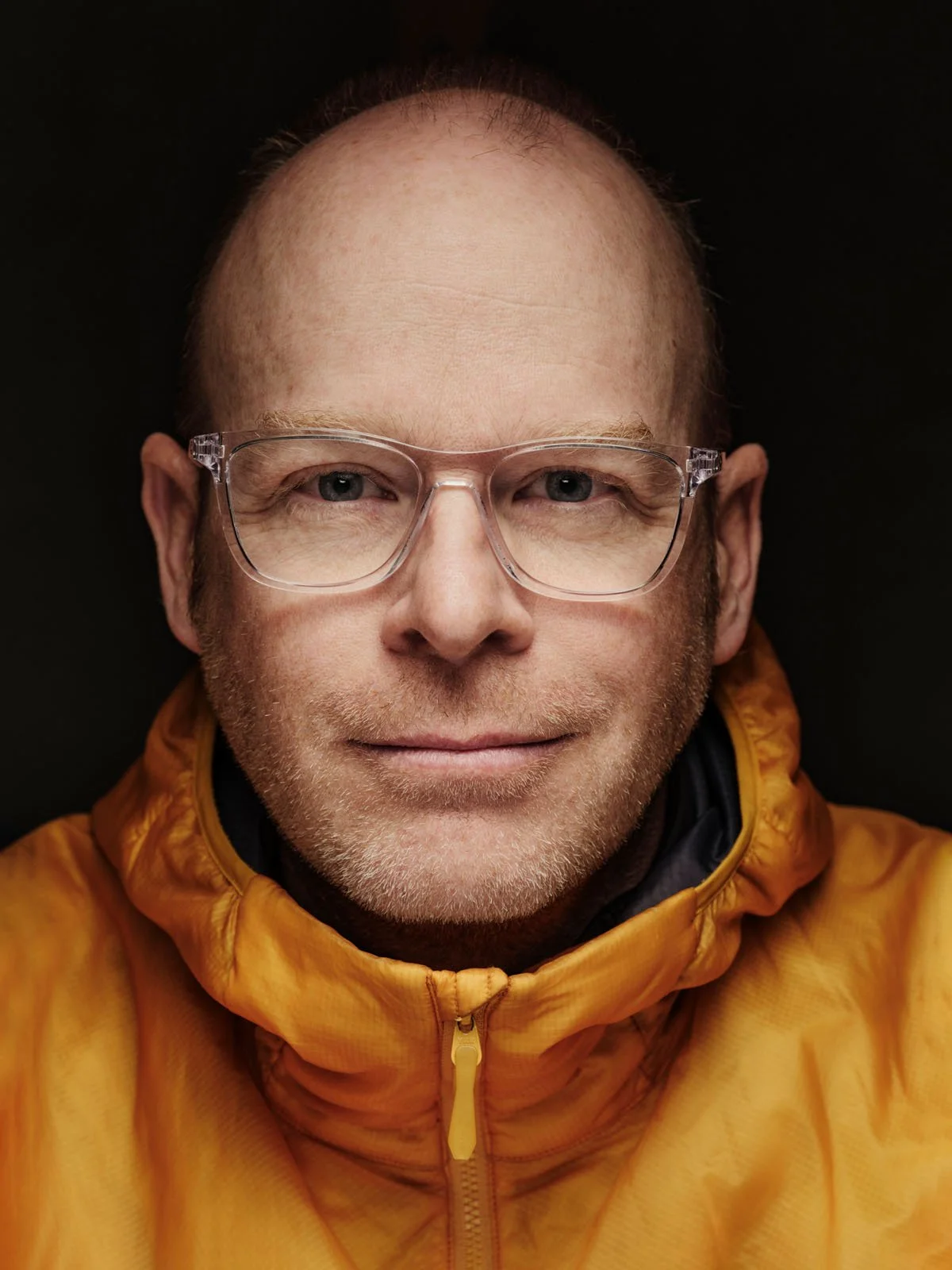
Driven to create winning solutions in all aspects of his life, Wilson Edgar’s career in business development includes a focus on working with teams and individuals to develop solutions and overcome challenges. Wilson is a life-long lover of the great outdoors and spends his free time skiing, hiking, mountaineering, running, and mountain biking - with whoever will join him, but almost always with his dog, Ace. He is an active contributor in the outdoor enthusiast community, sharing his enthusiasm with like-minded individuals and groups, and in his past role as the President of the BC Mountaineering Club.
Wilson developed the initial concept of The Backcountry Hut Company as a solution to the demand for exceptionally designed recreational shelters. A strong believer in working with the best people to solve any challenge, he chose to collaborate with Co-Founder Michael Leckie to develop the company’s vision and design offering.
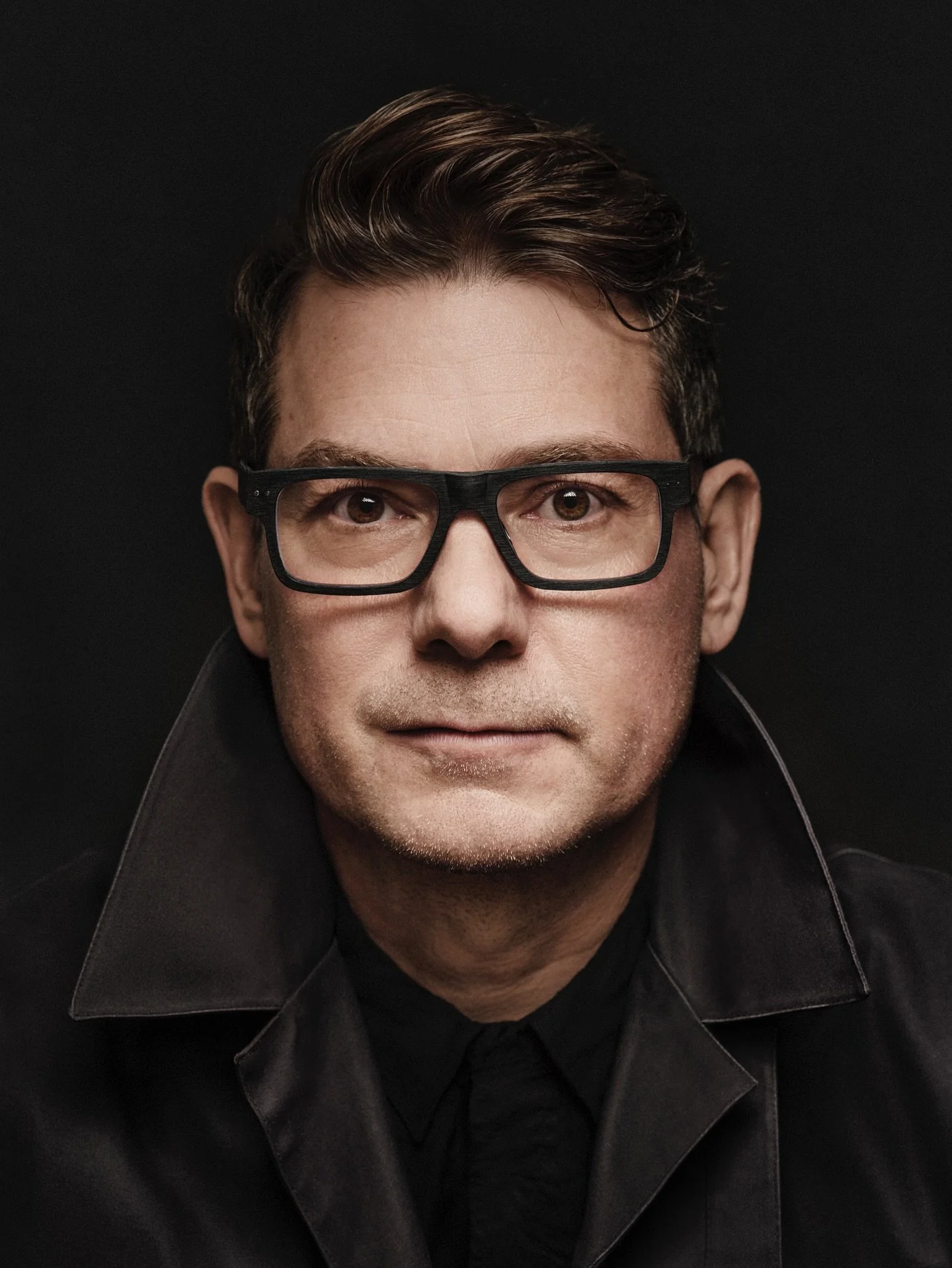
Michael Leckie is a registered Architect in the province of British Columbia, and Principal at Leckie Studio, an award-winning multi-disciplinary design practice based in Vancouver. His work with clients across North America includes modernist single- and multi-family residences, heritage and industrial rehabilitations and conversions, and large-scale institutional projects. An outdoor enthusiast, Michael enjoyed seven adventurous years managing sustainable forestry projects in remote sites across Canada before pursuing his passion for architecture. He is an avid snowboarder and all-weather surfer, and has spent decades exploring the West Coast, from Haida Gwaii in the North to the bottom of the Baja peninsula.
Michael’s deep appreciation for the outdoors, hands-on approach to design and creativity, and belief in living Dieter Rams’ ethos of “less but better” led him to collaborate with Wilson in co-founding The Backcountry Hut Company.
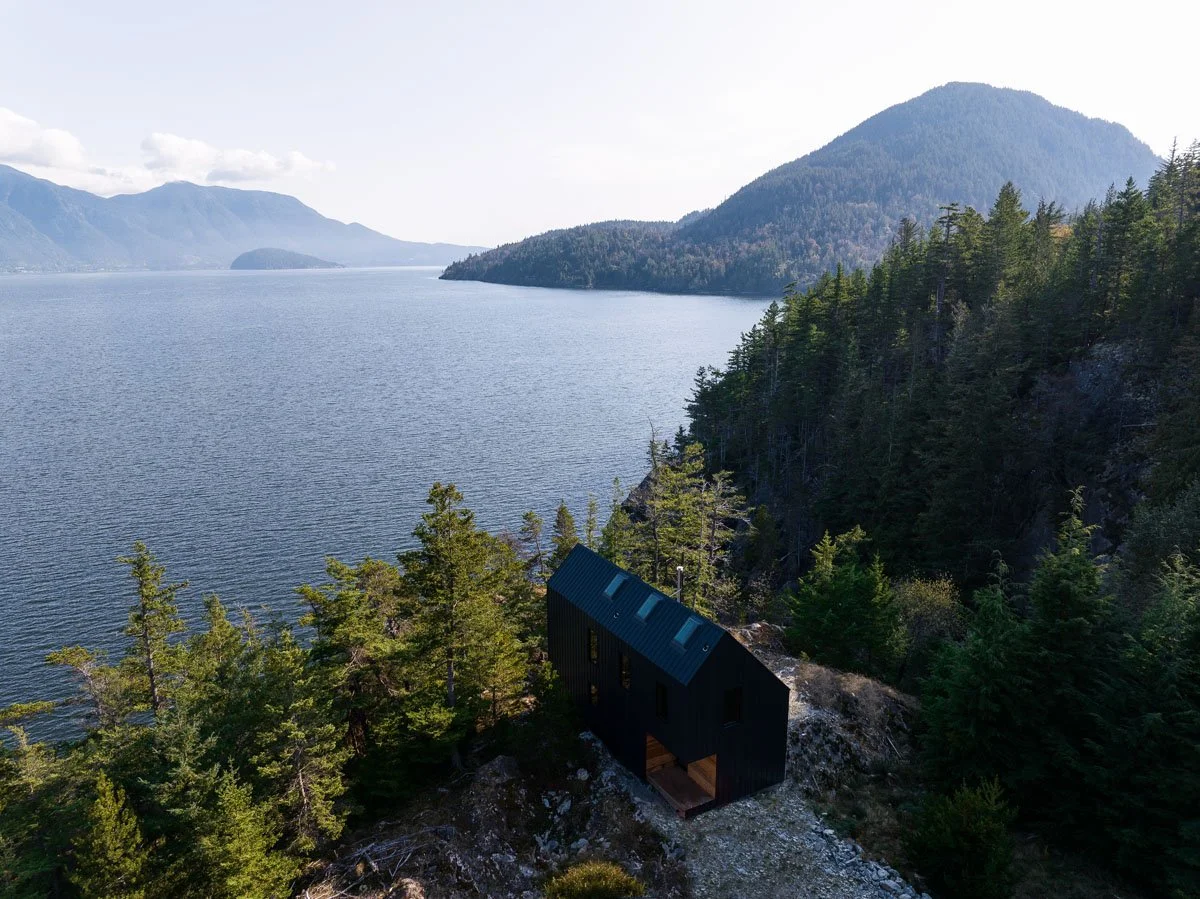
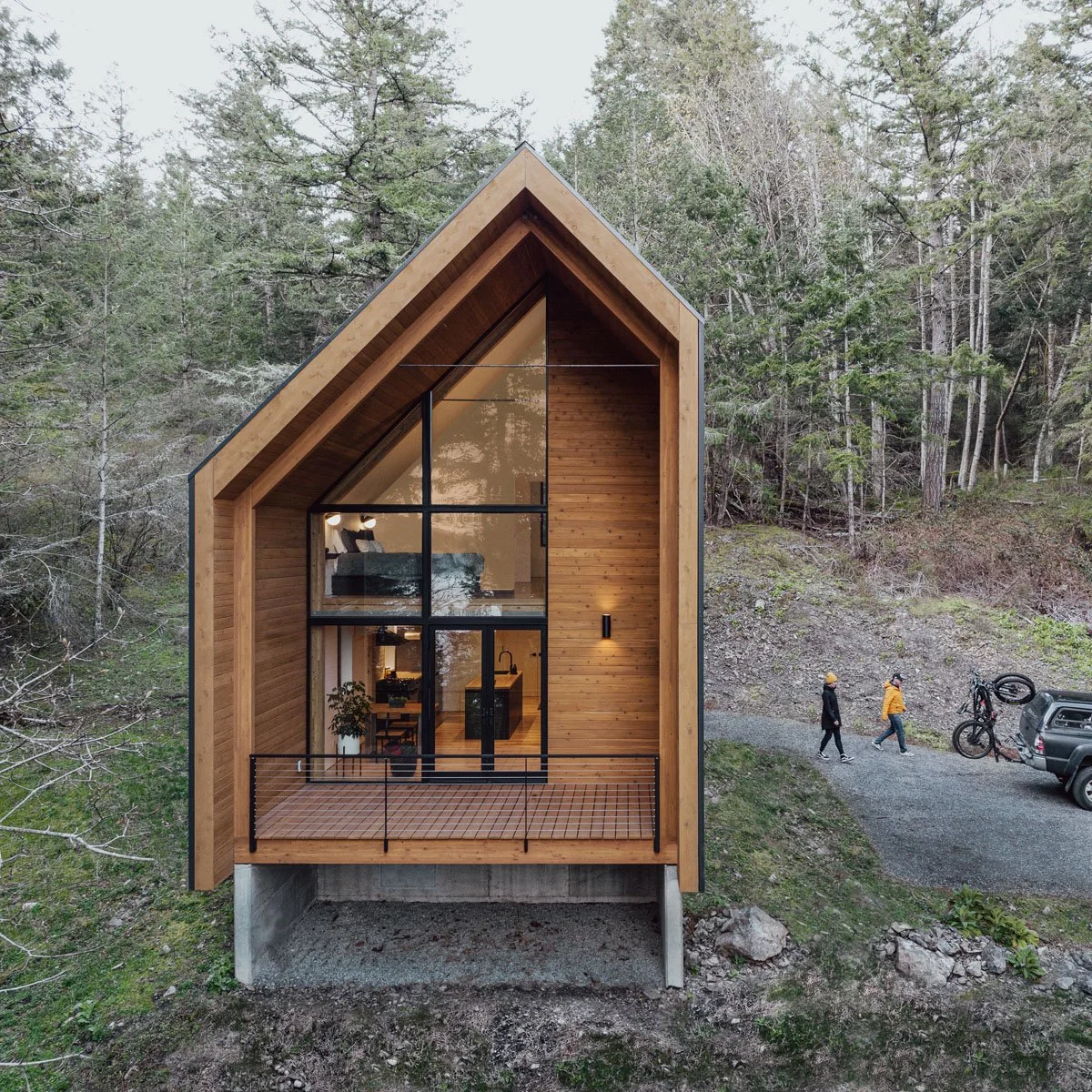
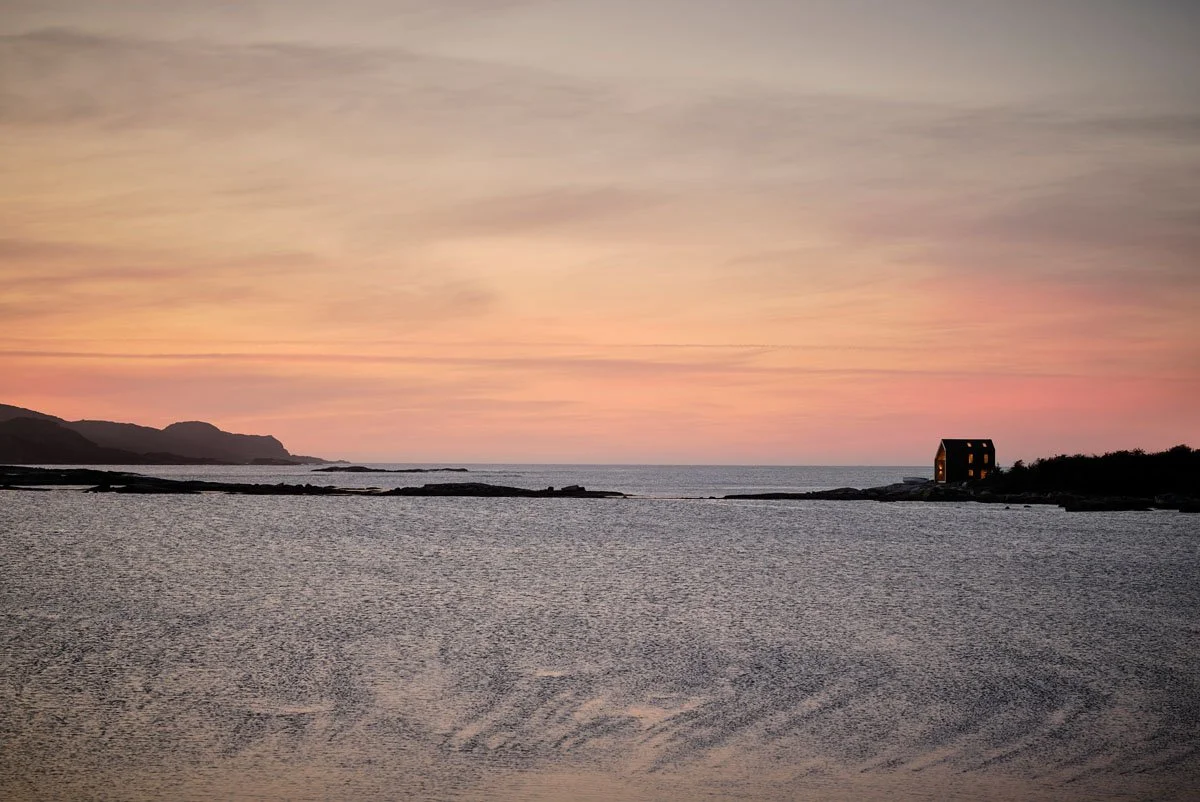
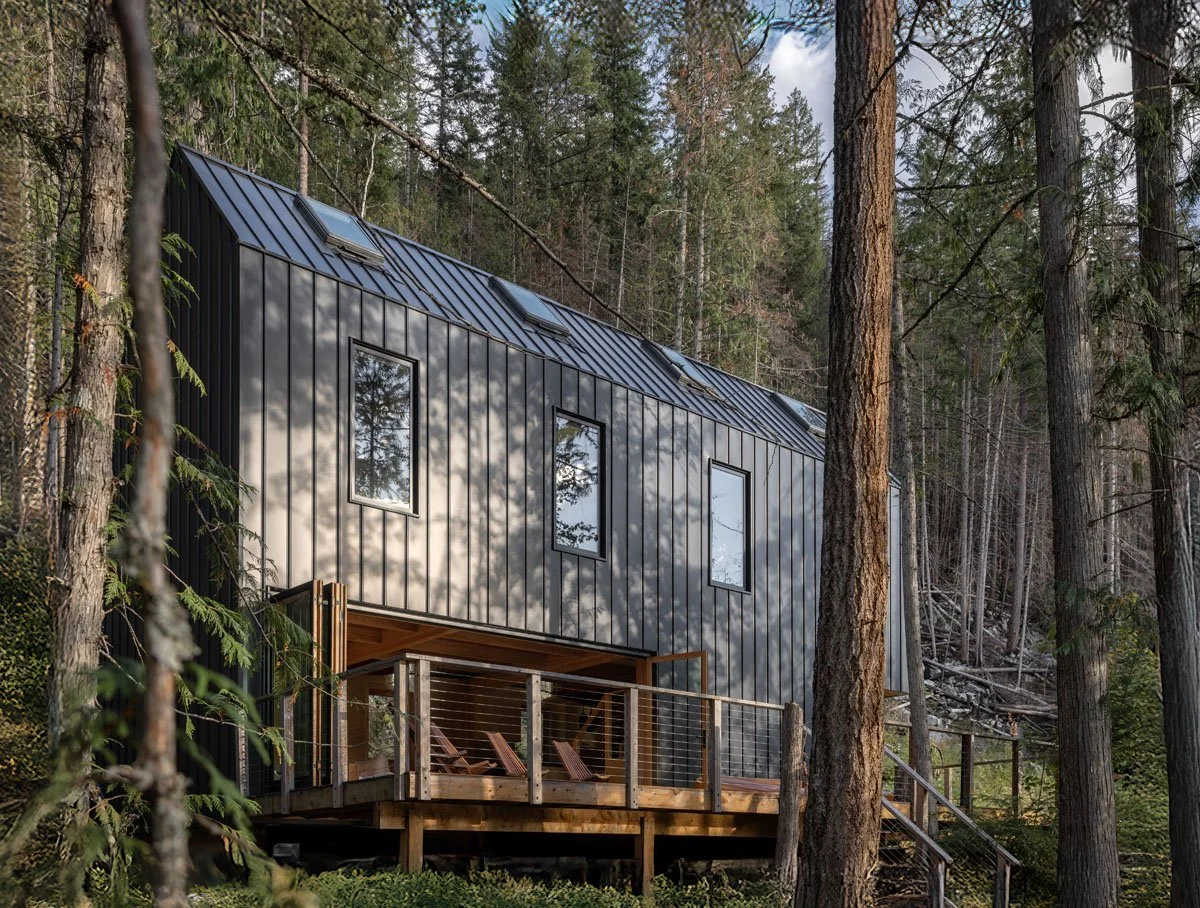
-
Mark D. Williams 00:00
If you've been following us for a while, you know all about curious builder boot camp and Sonic camp. Well, Sonic camp 2.0 it's on March 20. All the details can be found at curious builder.com tickets are selling fast. We hope to see you there.
Michael Leckie 00:18
While the crew is working on the foundation on site, the crew is in the manufacturing facility, assembling the wall panels take the same amount of work, which might be 12 or 18 months, and then you start to stack it, and then you have additional efficiencies all the way down the line. And you can start to see it's that layering of schedule and layering of time that contributes the compression of the schedule today,
Mark D. Williams 00:48
the curious builder podcast, we had the co founders of the backcountry hut company, and it was a great ride. Is really I love having co founders on because you hear two sides of the story of how they create the business, how they run it. We go pretty deep on why modular design and why high end architecture, like you, both of them can coexist, especially when we're trying to solve the problem of building in rural areas. But I'm really excited for the future, for sure in North America, of how we could potentially solve labor shortages and how this could be more common practice. Without further ado, here is Wilson Edgar and Michael Lecky. Welcome to Chris Bureau Podcast. I'm Mark Williams house. Today, we've got Wilson Edgar and Michael. Is it lucky? Lucky? Yes. All right, we've got two co founders out of Vancouver, BC of the backcountry hut company. Welcome, gentlemen. Thank you so much for having us. All right, we got a shout out to Anthony out of Missoula, Montana, for connecting us. So Anthony is a contractor coalition alumni. He's actually originally from Minnesota. He actually his parents live pretty close to where I'm recording right now, and we had a cabin in Montana for 25 years, and so we're doing this home right now in Minneapolis called Misa Hoos, which has gotten a lot of attention and and I was, we were just talking about it, and he's like, You have got to talk to Wilson. So anyway, that's how it was, like Wilson reached out to me and was like, hey, I want to tell you. It's like, no, no, no, we're not having any conversation. This is a live conversation on a podcast, so I always like my first ones to be just raw reaction. It's more genuine that way. So thanks for agreeing to this blind podcast. Info, date,
Wilson Edgar 02:26
no worries, Mark, it's great to be a part of it. And Anthony, once again, thanks for the introduction. Happy to be a part of the conversation.
Mark D. Williams 02:35
So right now, to frame it up for the audience, just because this is only the third episode in kind of our quote smile tour. We're coming down the west coast in q1 so in this case, we were, we had a few in Seattle and Portland, but we're going a little further north, up in Vancouver, and we'll go do the whole west coast in the first quarter. And then we'll kind of overlay a lot of the questions with the book, which is buy back your time by Dan Martell. But really it's for those that have been longtime listeners. It's kind of what you normally get with just a few just different filters on it. So why don't we, before we get into kind of the questions and the structure of it, why don't you guys give a quick intro, back story of yourselves, and we'll kind of dive into the origin. I would love when I have business partners on because of, like, how's it going? Why have co co founders? It's always, you know, it's like a marriage. It's all there's pros and cons, two dogs pulling the sled, but at the same time, you got two dogs pulling the sled with that, Wilson, why don't you go first? Give us a little background on yourself.
Wilson Edgar 03:30
Yeah, my thank you. My name is Wilson Edgar. I guess I started off in the business world, and from that, I've always as personal and as basically my pure love is the outdoors, right? And started very early on in my life, canoeing around Ontario and Quebec and the northwest territories in the Yukon and from that eventually moved out west because of this love of the outdoors, and it seemed to be the real area to get into the mountain life and everything. So from that, ended up in Banff, which is one of the most recognized areas of Canada for its outdoor living experience. And then from there, moved out to Vancouver, where I got to fulfill the business interests of my life. And then with that, did a bunch of business development kind of roles, and eventually wanted to transition I was it wasn't soulful, and it's more just just going at it, whereas I wanted to have something that was more inspirational, more soulful, as a legacy for myself from a business perspective, so I started looking around, and then Michael and I did. Got to talking about some ideas, and from that, we developed out the backcountry hut company. Michael, do you want to jump in? Yeah?
Mark D. Williams 05:09
Mike, yeah. I'll have a whole bunch of questions on that, but let's get Michael involved. Michael, why don't you give us your your quick elevator to the 100th floor before you guys started your co founding the backcountry hut?
Michael Leckie 05:20
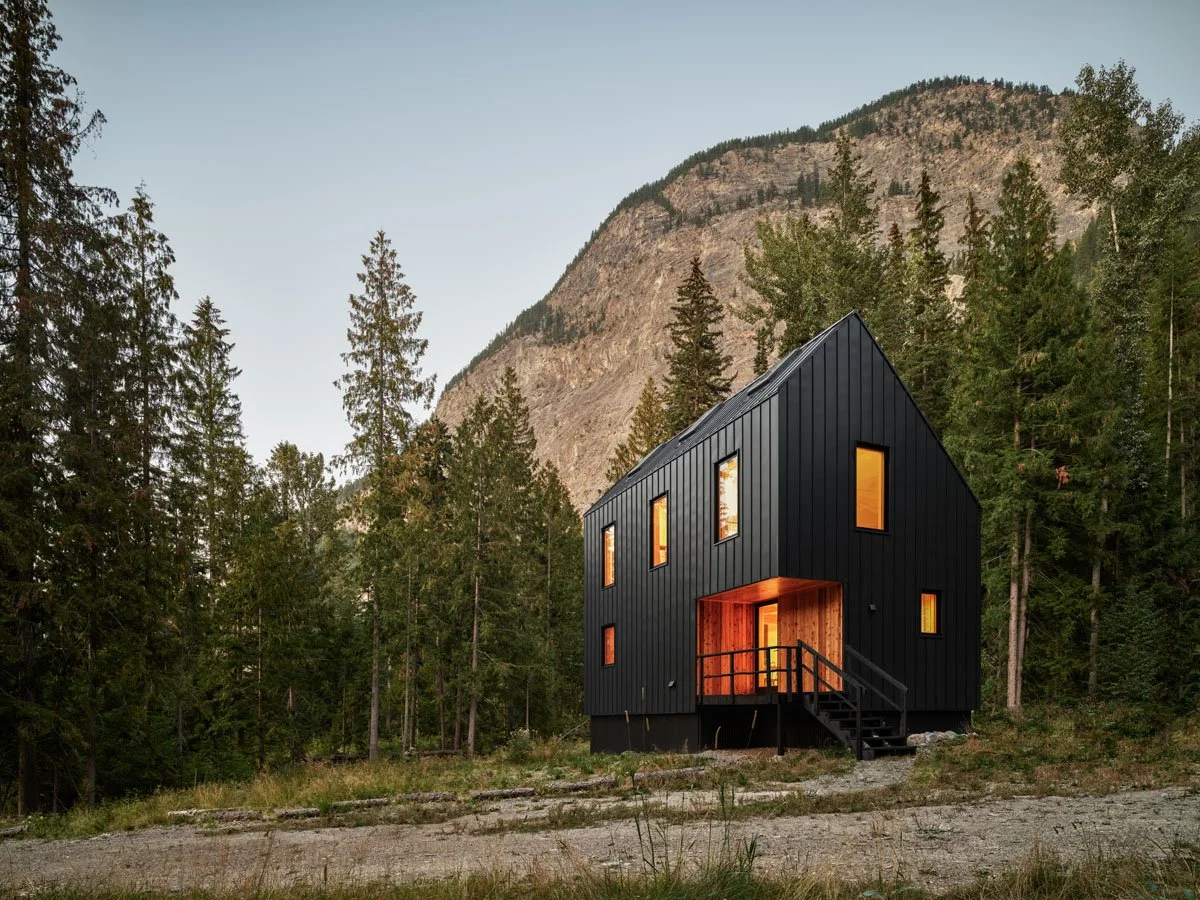
Sure thing, Mark. So I've got a medium sized architecture practice based in Vancouver. We're 20 people, and we do a wide range of work. We specialize in remote projects. And so the backcountry hut company, component based systems, as I call them, are really one arm of research in the practice. And you know, it's worth noting that Wilson and I have actually known each other since we were about four years old back in Ontario. And as you do through, you know, childhood paths cross paths diverged. Different pathways in life occurred, and we reconnected out west. You know, both of us in our kind of mid 20s, late 20s, with a shared passion for adventure and and the outdoors. And then at one point, approximately 10 years ago, Wilson came into my practice and said, you know, Michael, I've got this idea. I've been involved in working with these backcountry organizations. I'm the president of the BC mountaineering club, and I see this happen time and time again. I've been through it a few times. Now, there's an organization that wants to build a remote structure. It's a grassroots effort. They have the best intentions, and it goes horribly. You know, it's it's supposed to happen quickly. It takes five years, seven years, it's three times over the budget, and at the end of the day, we end up with something that not only is unsightly, but doesn't function very well. And so I'm reminded of the the expression that a camel is a horse designed by a committee. And I think that's very much what what Wilson was experiencing with these organizations. And so we put our heads together and decided to see what we could do to develop a systematic approach to architecture, utilizing prefab technology to help people and organizations in remote locations have successful outcomes with their builds.
Mark D. Williams 07:11
So that's super succinct and helpful. That camel horse thing that is, that is legit. I can't wait to use that. I've never heard that one before. That's a good one. That's so true. How so I is your firm still a practicing architecture firm as well? This is another company? Or is this is your whole architecture firm designed around backcountry hut now?
Michael Leckie 07:30
No, you know, it's funny. The the text that we're talking about buy back your life, is something that I've employed through various business ventures, and I employ it in my architecture practice, as much as Wilson and I employed at the at the backcountry hut company. I would say that the backcountry hut company sort of emerged out of the LEKI studio incubator, and Wilson and I had a very simple handshake business partnership agreement on day one. And it was really best described like this, I make the pizza. He delivers it. And so, you know, we spent the first five years, more or less designing these first couple prototypes, refining them, testing them, and then we built the first one in 2019 and then the last five years we've been delivering them and refining the process. And we'll get more into that in a second. But to answer your question more directly, I still have the architecture practice. It is my core passion project, and I'm, you know, involved at a founder level in the backcountry hut company, you know, developing the vision, developing the systems, the design work, and Wilson, for the last five years and more, has really been involved in the day to day operations.
Mark D. Williams 08:43
Also, I'm someone who loves analogy. You guys got two zingers off the bat right there. I love that. Wilson, the pizza delivery boy. It's gonna be his new shirt for April 1. Yeah, it's a good one. Actually. It's also very clear messaging. I mean, as you guys both know, one of my questions is, why, you know, anytime you start a new business, I mean, you guys are both, you know, had careers, looks sounds like several different businesses for for both of you, as you kind of wander, and you mentioned, you know, a soulful practice, I can relate to that very much, because I'm in the middle of sort of a reinvention over the last two, three years. And it's, you know, after 1820, years of doing the same thing, you kind of get burned out regardless of what you do. And I feel, like most people, some people, when we were younger, they call that a midlife crisis. And for me, it wasn't that, but it was just mainly like, how do you rediscover your passion? The thing that makes you get really excited about because I share an equal, you know, or I don't know about equal, but I love the outdoors. I Ian, heck, I started the curious builder boot camp just to fight the stereotype that builders are fat, hairy, lazy, flannel wearing, alcoholic fatties. And so, like the whole concept is, like, I, I get all of my ideas of paddling up in the Boundary Waters every every September I go up there with five or five or eight buddies. There's a no phone policy, and it's just to paddle the waters. And you just, it's that quiet part of nature. And then. I come back, it's like, I bring a journal, because it's like, I have so many business ideas. You get, like, one day of quiet for someone with ADHD and like a constant business. And it's just like, I mean, you could run the world on all the ideas that are created, but you need kind of that quiet space or exercise or skiing or whatever it is. And I, you know, I love to share that with other people. And it sounds like not only do you share with other people, you've literally created a business. Literally created a business that sort of caters to the people that are seeking those serene moments.
Wilson Edgar 10:28
I think that's a fairly clear representation of what BAC was. All is all about, right? Like it's about, we always said that it's the ability to unplug and to get into an environment that's calm and quiet and allow you to re energize because our day to day lives are so hectic that we don't get those opportunities, and when we do, we should really invest in them, right by Ensuring that you have that quality of experience that allows you to recover from the day to day onslaught that we all get, which is a good point towards the book that you have been mentioning.
Mark D. Williams 11:14
When you first started, you both had this idea, and it seems like probably I would imagine Wilson, that it was your experience in the back country, and seeing some of these projects not go well. Everyone's been to, like, well, not everyone, but people that go into the mountains, we've been to refugees. If you're in, like, South America, or if you're like, in Italy, it's like, you go to Europe and, like, their systems are so much better, so much more beautiful. The food's great. You're like, it's not really camping, it's like luxury mountaineering over there. And I don't What does I don't actually know much about the Canadian Rocky system. I mean, do you guys have a hot to hot developed system, and is it pretty basic? Is it more robust? Or what's it like?
Wilson Edgar 11:50
Well, I would say some of the Canadian ones are becoming more evolved, but in comparison to like the Europeans and their systems, with such a succinct record and experience and development process over the period of time that they started developing them to today. I mean, it's, it's an evolution, right? And the challenge is, is that North America, there's always been this disconnected way of evolving the backcountry huts from state to state to province to different associations and clubs. So it's never a clear development process for all of them in a in one group, all working together to make that happen. So from that, it's always bespoke, and that's always been the challenge, and that was one of the main things that I noticed with Michael when I we got together, is is that you get into these conversations kind of almost exactly like most of our private clients, is that they want something that is unique and special and high quality. But how do you get there from having an idea, and that's something that the reason why we've created the BAC process services and product lines that allow us to address those requirements.
Mark D. Williams 13:30
Correct me if I'm wrong, but I suspect that while that may have been an inspiration like I assume you're not setting up a hut to hut system that the Canadian government is funding, correct me if I'm wrong, but I would imagine most of this is people like ourselves. Like, right now I'm considering buying a cabin or building a cabin. And like, as I go through the process, as I was looking at your website this morning, I'm, you know, pretty far down the road on design. I'm like, I wonder, What if I just scrap the whole thing and just built, you know, just to try, you know, and you're not the only modular company out there. I've been approached by several of them over the years, but I'm curious about the client mindset, like I get, like, if you're in a rural if you're in a rural place, this makes so much sense if you are in a, you know, Montana, or just where they don't have a lot of even, like Northern Minnesota, I hear that all the time, where there's not enough labor to do it, and it makes does this product make so much sense? And Michael's chomping at the bet. Michael, do you care to weigh in on this? Because you know where I'm going with
Michael Leckie 14:27
this question. Yeah, you're exactly right. There have been many players, large and small, in the prefab housing environment, and many have failed. And there's case studies of historic large scale failures, and I won't mention any names. When we first started the company, we thought, Oh, this is fantastic. We are going to be selling cabins to provincial parks, national parks, back country organizations. And really, to date, we have sold 99% of our products to single individuals. And it's really interesting. Because I think so much of our journey as entrepreneurs in this story is, you know, starting with one direction, with one idea, with one motivation, with one preconception, and then constantly being nudged and bumped and pivoting and solving problems and realizing, ultimately, who our market actually, really is. And I've got, you know, with my architecture practice, years and years of experience with offsite manufacturing prefabrication. We've looked at all the different methodologies, and you used the word modular before. At the one end of the spectrum, you have modular construction. When we're talking about the full spectrum of prefabrication, where a unit or a piece of a building comes out of a factory fully finished. You know, all the interior finishes are installed, the exterior finishes, and you sort of knit them together, place them on site. And then at the other end of the spectrum, you really have pre cutting timber or pre cutting kits that are then assembled on site. And we started 10 years ago with the idea of a flat pack system, you know what if you could put together a cabin like you put together a piece of Ikea furniture, and that it could be done with a group of volunteers in a something that was analogous to a traditional barn raising ceremony. And the reason that we have been successful from a financial standpoint is because our clientele are building in remote locations, and the cost of construction in these hard to reach locations is typically anywhere from 25 to 40 or 50% higher, depending on how difficult the access is. And so that's been one of the keys to our journey, is understanding, you know, where we can very specifically disrupt the market and really focusing our efforts there.
Mark D. Williams 16:46
I mean, it makes total sense. It's funny, because I didn't mean for it to be this way, but it's like a layup. You know, buy back your time. What the people that you're you so 99% of these people are people who enjoy the outdoors or have difficult to reach properties, and they're like, I want to build something so I can my own I can go into the outdoors to have a quiet life, like buy back your time by like experiencing it, and then you're building a business to buy back your time as entrepreneur. It just sort of interesting that in the process of this, like both things can be true, that you're you're delivering a service and a home, in this case, that is also most likely serving a need of somebody trying to escape the daily grind. It's like, we create it's funny, like, no matter how advanced our civilization gets, it's like, right now, wellness is having its day, and I'm here for it, right? That's like, thermal culture was explained to me the other day, and in, like, North America, like other every other culture in the world has really deep, you know, multi century thermal cultures, right? Like the Japanese, in their in their in their thermal spas, and, you know, Europe and the Russian bath houses and all in the United then there's United States. We had that, you know, the sweat you know the sweat lodges, you know, way back in the day. But for modern North Americans, like we're all transplants here, like we don't have a rich history of thermal culture. So it's having this huge explosion. My point being is like we have always, as humans, seem to desire a place to like, escape to, and you've just, you found a way to like, make it much more accessible and also more affordable. For people to do it,
Michael Leckie 18:12
you make a really salient point. Because the whole reason that people are developing these recreational properties is to create that sanctuary, is because, presumably, they've been able to buy back some of their time, and now they want to enjoy it. And the irony is that builds in remote locations can take multiple years, and so it's an aspirational venture. You know, ours is an aspirational prod product, and then people spend three, five years pushing a boulder uphill, trying to realize the vision, the dream that they have for their sanctuary. So we're not only are we providing a shortcut and a sort of hack to help them reach their goal of getting from A to B much quicker, but it's inherently aligned with the thing that they are actually chasing with their vision. And I think that's where, you know, we've been able to have a remarkable impact and disrupt the industry.
Mark D. Williams 19:07
I'm curious for our pizza delivery boy, correct me if I'm wrong, I love that. I'm never gonna live so good. It's such a good one. Everyone loves pizza. You name one person who doesn't like pizza. Wait. Everyone loves you. Wilson, that's the Wilson, that's the part. So what? Actually, what's harder? I This is my guess. I suspect it's easier to design it than it is to produce it and deliver it and construct it. Is that accurate?
Michael Leckie 19:34
Well, it depends who you ask. Well, I'm asking both.
Mark D. Williams 19:38
I'm asking both of you because, well, think about like that. My next question is gonna be more about your operations, like operations. Like, how many people do you have? Like, how do you are these constructed in a factory? Like, how, the how? Like, I know the why, which is way more important, but like, the how is actual very intriguing, because you've managed you've mentioned it before that there are a lot of businesses that have come and gone and failed doing this, and yet somehow you guys have been able. Able to do it, and that would be my next question is, how are you doing it that's sustainable, but and profitable? Because we're all here, we have to make money. If we can't, then we can't keep fueling these things. But back to the original question, how are you doing this? And how are you able to once, you know, Michael's got the design, then he's thinking about, you know, constructing and flat packing. I get that the design is obviously important. I love design. But how are you actually creating this coming to market, getting it there so that the people have a good experience? Because Wilson, you hinted early on that you've seen some of this stuff happen off grid, and it ends up being just a nightmare. And it does not everyone, everyone loves IKEA for the price, but every husband on the planet knows that they also hate IKEA because their wife tells him to do it in the middle of the night, 11 o'clock. I know when I had babies, I was constantly I was so mad, and like every man, I wouldn't read the instructions. I'd get all the way to the end and be like, if I just read page two, I would be done. But now I have to disassemble the entire thing anyway.
Michael Leckie 20:52
Why do I have these five leftover parts sitting on the floor? Totally, I
Wilson Edgar 20:56
think the first thing I like to say to that is, is that ink is papers never refused ink.
Mark D. Williams 21:03
You guys have the best one liners, man. So
Wilson Edgar 21:06
from that, it's one that I think everybody should be aware anything that you're doing the first time and you're trying to take something on paper and put it into the real world is extremely hard, right? And so when you get the opportunity to build something, not once, twice, three times, four times, five times, 50 times, by the 50th time, you really got it succinct, right? So that you can have something go together within a month's time, right? Which makes the success and the certainty of the execution not much better, right? And so that's what I believe, is what prefab is supposed to be. Now, when you do custom prefab, you lose that once again. So the thing is that you try to standardize, but at the same time allow certain customizations that don't ruin the ability to successfully deploy rapidly.
Michael Leckie 22:15
And Wilson has really hit the nail right on the head with this point, and this is something that we together struggled with during the first years of the company. You know, how much user participation is the right amount of participation, how much customization? You know, can we allow and can we afford? And when we first developed the systems, you know, we had a myriad of options. Our catalog was incredibly thick. We had so many options, different modules, so many different configurations. And we realized that 10 years into it, that we really primarily only sell a half dozen configurations, even though there's incredible flexibility and all the options are good. It sort of relates to, you know, the commonalities of what people are looking for with these projects. And we had ideas that we would sell them in multiple colors and different cladding finishes. And, you know, it's a little bit like, you know, the Ford Model T, you can have it in any color, as long as it's black. And a rigorous process of distilling down what our offering is has been a core part of the process for us, and also we're just about to tap into the potential of the business, which is really, really exciting. You know, we've when you talk about design versus delivery. You know, design is an ongoing process. It happens all the way through. We're constantly refining and tweaking and adjusting, responding to changes in building code, for example, different building in different jurisdictions, because we ship all over North America. You know, we have to be in incredibly agile the key to our systems, which we haven't even yet tapped into, is they're what I call component based architecture. You know, they're not, they're not a customized process where a client signs on, pays a deposit, and we manufacture it. Even though that's how we've been doing it to date, we can pre manufacture components and warehouse them, and someone could order a hut and we could ship it out in two weeks. The challenge we have is that the friction points happen in the permitting process, in the land use approval, site work process, and so the more we can start to focus on unlocking the friction there, the more we'll be able to realize the true potential of the systems that we've designed.
Mark D. Williams 24:25
So that's a really interesting point, but how is that even possible to solve at
Mark D. Williams 24:35
the beginning of May, we are going to be in Denver, Colorado for our first contractor coalition meetup. We're gonna do a standalone event in the middle of September in Minneapolis. It's a one day reduced fee. Tickets are available now if you want that goal here is, it's a significant investment to spend a three four days away from your business and your family, plus just the expense of attending the conference. We wanted to create an event that was just a one day Crash Course. You can find all those. Details at contractor coalition summit.com. We also, in November, have our three day tail end of the year, which is going to be in Charlotte, South Carolina. So if you're interested in any of those four of events, please head to contractor coalition summit.com. DM me for any information or email me Mark at MD Williams homes.com and thanks for tuning in. Every builder that listens to this knows like, I mean, you go to the west coast or, like, down in Arizona. I have a buddy, Brad. I mean, it's like a year in permit review. Now they're obviously in a dense population. But how is it that you're able to even navigate because if you're serving anywhere in North America, I mean it by I have no idea what your building codes or land uses up in Canada, but same with the US. I mean, Montana is, like, you know, no problem. North Dakota, great. You go to, like, I bet New York or the East Coast. I got to imagine, they've got huge permit requests. So how do you preemptively do something about that without knowing the location of where it's going to even be?
Wilson Edgar 26:00
Yeah, so I guess first I'd like to say that we've built now. We started fabrication in 2019 since then, we've delivered our kits to 12 states and to four provinces. And so from that, it's one where we built up a pretty good understanding with that experience, of ways that we can address certain challenges in that process of permitting through learning about specific aspects of the client site, their planning department's requirements, and getting all that information succinct. So give me an example we start. The way that we started is a client can basically come to us and say, I'm interested in your system of to the two story structure. It's gorgeous. Love it. I want it in this configuration, and we can deliver them a set of standard drawings within two weeks. Right there. You've already had a massive impact on how quickly things can proceed right. They can immediately get into conversations with their planning department. We can engage and support that effort. And so from there, we're making a much we are just reducing the noise and getting down to what actually has to happen.
Mark D. Williams 27:47
What is the what is the most? I would correct me. If I'm wrong, I would imagine the majority of these locations are a remote, difficult to get to, and therefore also likely very rural and very probably large pieces of property. Is that true?
Wilson Edgar 28:00
That's correct. Most of them are like, so like, fronts and ocean fronts, okay? Mountain areas, ski areas, those sorts of properties.
Mark D. Williams 28:09
Okay, you just nailed why I might have an issue. Because I'm thinking in terms of Minnesota, like, I'm sure a lake that was okay. You have to have a setback, yep, 75 feet or whatever. But that's that has less to do with your house. That's just like, where you place it. Now, when you get into oceans, and I would imagine parks and things like that, there's got to be a whole nother like the ocean. Oh man, I feel so bad for the builders whenever I interview a Californian. And maybe I'm like, I don't think I could do it. I mean, I can get a permit about 4560 days. And I think that takes forever. Everyone in California is like, multiple years. I'm like, I couldn't do it. I don't know. I would just pull out my hair. Yeah, go ahead, you've
Michael Leckie 28:45
hit on a really great point. Building is very complex. Permitting is not easy, and it's not getting any easier. And what is important to understand in the process is that there are fundamental commonalities in land use, in building codes that are then implemented with interpretations and specificity by region. And so what we're able to do with our clients is we're able to guide them, to help them troubleshoot, to utilize the experience we have shipping products across North America, and coach them through the pain points that they will encounter, and so the more that we can assist them in that process, the more that we can support them through that process, the better. When we first started, we really felt like our target market. As we started to see that it was more individuals than it was organizations, we felt like our early target market was the DIY market. And what's interesting is that the DIY market is typically building for the first time and making a huge number of mistakes, and they don't necessarily appreciate the value of our product as a relatively high end, architecturally driven product. You know they will. At our systems, and we have an incredible value proposition. When you look at the cost per square foot, it's more like an architectural custom home, but they'll compare it to something with vinyl cladding, vinyl windows built to a very low standard, and say, Well, why is your product more expensive than this product? I could buy this product, you know, which is essentially a trailer or a camp trailer, and we have to go through that whole project process of educating them, are what we've realized where we can provide the best value is knowledgeable, experienced clients who have been through builds. And when we have conversations with these clients, it's amazing, because they come to us and instead of saying, Why is it so expensive, they ask the opposite question. They say, Why is it so affordable? I'm looking at the product. I'm looking at the outcome. I've built a custom home. I can't believe that I can get this product at this price. Ian, so sorry. Go ahead.
Mark D. Williams 30:50
Well, no, I mean, it's that was as a custom I would imagine that how many custom home builders are buying these for their clients, because you still need labor to put them together? How often? So right now, most of them are di wires, or people like homeowners that want it themselves. There might not be a builder in their area, or they're I can see why, then permitting help like, I'm very familiar with permits, because that's what I do for a job, right? What percentage of your clients are straight to the end user, versus somebody like, you know myself, who's a home builder?
Wilson Edgar 31:20
Wilson, actually, surprisingly, a number of developers have been our clients. We've had a couple general contractors as clients, but predominantly, a lot of our clients are people that have built or have done significant renovations to their primary residence, and from that experience, they know the permitting process, they know the challenges of property and developing a site, and then from that they're like, I've got this gorgeous, raw lot, and I know this is going to be challenging. There's so many variables. How do I reduce my risk? And they're like, I can use a kit that has been developed over the last, you know, 10 years, and has been built numerous times already. That just makes that more my path to success is so much better. And at the same time, when it's finished, I know what I'm getting. I've seen it. I've been able to stay in one and I love it. So from that, it's not a it's not a hard transition, right?
Mark D. Williams 32:36
Like I would imagine, a lot of people have gone to their friends who because how many total units have you sold?
Wilson Edgar 32:44
We've sold over 100 plus of our systems.
Mark D. Williams 32:47
And of those 100, how many would be direct referrals of somebody that was that stayed at somebody's or like, was Ian one actually, not as many as you would think.
Michael Leckie 32:57
Actually, I think we have a huge marketing outreach. And what's interesting now, though, is that we have a whole suite of backcountry huts available on Airbnb that are featured on our website as BHC getaways, and this is now one of our greatest marketing tools. You know, it was challenging in the first five years of the business, as we were building the prototypes, and people would look at it and say, Well, this is great, but I actually want to see one. And, you know, we'd say, well, there's one here, but you'd have to fly across the country, and, you know, drive with us for six hours to go and see it, or maybe take three or four flights, or take a boat ride in but now, because we have them distributed across North America, and people can go and book stays, it's a much easier value proposition
Mark D. Williams 33:42
for us. I think that's super cool. I mean, honestly, it kind of makes me want to go try it out now, because to go see it. And I think we've seen develop. I mean, you mentioned developers. I can see, like, as people are thinking, you know, we mentioned early on about wellness. I mean, if you're going to have a community and you want to develop one around, you know, whatever it might be. You know, like, up we have some land up in Minnesota, there's a bunch of Go ahead,
Wilson Edgar 34:05
Mark, my apologies. Developers were buying them for themselves, for their own cottages and chalets, yeah, and where I not, for hospitality, even though that is an interest of ours as well,
Mark D. Williams 34:18
because I could see, especially, like, you know, there's a lot of firms now that are raising capital to buy their own, like a VR, because VRBO model and the Airbnb model has proven to be quite successful. And there's a lot of tax laws, especially in the United States, I think that are very advantageous. You know, if you could, let's just say your cost on, there's a couple on your site that 350, or 400,000 approximate to build whatever. I mean, you could build 10 of them, right? So for $4 million you could build 10 of them, put them around. You know, you have to have some land, but like, you can now create your own community, however that looks. So I could see from a developer like they know what they're getting. It's also the way you could come to market would be so much faster than having a custom home builder build all of them. And plus, you know. Everyone's gonna want to stay in the same looking one. So great. You've got three different you can multiple it up. So I could see, like a developer, especially somebody that is interested in owning all of them and operating all of them, I could see it being very successful.
Michael Leckie 35:12
You've identified one of the key strategic advantages that we have, this idea of certainty, this idea of accountability. You know what you're getting. You know how much it costs, and you know when it's going to arrive on site, we have one challenge at times, and it's what we alluded to earlier. The first time you do something always takes longer than the third or fourth or fifth time. And so for us, it's a real treat when we get to work with the same assembly crew, and quite often, a builder will subcontract out the assembly portion. And it's, it's amazing to watch. The crew will come in, you know, depending on the size of the cabin, one of our larger cabins, they'll come in, they'll work 10 days, and then they'll roll off the site, and the entire thing will be assembled and and it's remarkable. And they love doing it. They know exactly how it goes together. We can time lapse it. It's really a beautiful, orchestrated dance of how the entire thing comes together. One, one thing that I will say that's really interesting, just to go back to this idea of the challenge of permitting and jurisdictions, you know, we live on a big island, you know, to quote Bill Bryson, all the way across like North America, Canada, the US, and there's so much specificity in all those jurisdictions. One thing that we're really, really excited about is we're just launching backcountry huts in the United Kingdom, and we've got a partner over there that is starting manufacturing in Scotland. And so we're going into the exact opposite condition, the ideal conditions for our product, where you have a much smaller land mass, a much tighter sort of set of jurisdictional requirements, and they have something that's called type approval. So once you have a permit approval for a specific cabin type, it's much easier to get that approval repeated and that permit approved across the entire of the entirety of the UK. So that's something that I would, you know, share with the listeners, mark that they can stay tuned, and we're about to launch that through our backcountry hut company website and our social media.
Mark D. Williams 37:12
I mean, that's Yeah, and I think, honestly, Europe is probably more open to creativity and engineering. My next question is, what has been the main hurdle? Why? You know, and this kind of leads to a broader question of, like, why don't we see more sip panel construction? And let me just, well, I'll let you answer the question, and then I have a secondary question. But what is your biggest objection right now? Like, what is why not 300 homes or 500 homes to this date? Like, what has been the, what is the number one objection that people have, or what is the hurdle that you are finding most common that prevents people from saying, oh, you know what? I'm gonna, I'm gonna move forward with this.
Michael Leckie 37:51
You know, I've got an answer. And then, Wilson, I'd love to hear your thought, you know, I end up talking to a lot of sales prospects and potential clients as well, and a lot of them come through my network. I think, you know, it shifted early on. It was that people wanted to see one. They wanted to walk through it. They wanted to understand it. And almost without exception, when people actually see the product, they're all in, they, you know, they're ready. They get it there. It exceeds expectations. I think the bigger challenge that we have is more convincing many builders of the benefit of using this system. Most builders are set in their way. They have their trades, you know, they're in house, labor that they execute with their own forces, their subs, and everyone has to scratch their head a little bit, and everyone's busy, and everyone has a way of doing things. And there's accountability, there's, you know, the assurance of going from A to B, and this disruption is not always easy for builders. I think it takes a certain kind of builder who is interested in optimizing, is interested in improving, and, you know, to a certain extent, is really interested in in buying back their time. You know, it's a mindset, and that's been one of the biggest challenges. We need to connect with a building community that has that same mindset, you
Mark D. Williams 39:06
know, just actually, just thinking from a builder standpoint. So if, let's say, like we typically do, cost plus and so, you know, we're adding a margin on whatever we're assembling. How would a builder build it for a client when they could just build it themselves?
Michael Leckie 39:22
I mean, I've got, I could talk for hours on this, but I'll be very quick, and then Wilson, I'll let I'll let you jump in. It's still the product, it's still all the framing, it's still all the insulation, it's the cladding, it's the window package. So the builders are still marking that up. We're not taking food off the builder's table. What we're doing is we're allowing everybody to complete the process more efficiently, more effectively. As Wilson said earlier, they get a set of drawings within two weeks. They can start that conversation. They could go to permit very, very quickly. You know, once the site work is done and the foundation is set, you know, the hut can be assembled in 10 days. You. And so, you know, we look at it like this, a builder is really trying to make a certain amount of margin for their work, and this allows them to have more throughput in a certain period of time. It allows them to have happier clients. Honestly, throughput managed well should actually increase their bottom that was,
Mark D. Williams 40:17
I was just gonna say it like if I can deliver you, you know, if I'm building a house for Wilson, Michael and I are gonna pitch you, Wilson on. You, Wilson on your own product is like, you know, Michael's gonna Michael's gonna design it. I'll build it for you. You did an amazing job delivering pizzas, and you've been rewarded. We're gonna build you this beautiful home. But you know, I'm not gonna charge you. I'll probably charge you double my my margin, because I'm gonna deliver something that's less expensive and 90% less time. And so I think, I think the key framing there, Michael is educating people that you know, just because you can do it faster. I think when people have being a paid by our model versus paid by delivery model, it sort of changes the game a little bit. I think, I think it's going to take some time for people to sort of readjust how they look at it anyway. It'd be interesting to talk to some builders that have done this and see what they've learned about it too.
Wilson Edgar 41:07
I think there's a couple parts to it too, right? There's also the this is a unique industry to be selling it, because most people will make this decision maybe once in a lifetime, right? It's a small percentage of the population. They get to have the opportunity to build their house, their cottage, their cabin, their hobby farm, and from that, if you've never done something, and then all of a sudden you're trying to make the decisions on this, the chance that you could get it wrong is pretty high. And there's a lot of people that there's a lot of builders, and there's a lot of prefab companies, and there's a lot of different players in this space, and so from that, you can be told a bunch of different things, and it's hard to read through that, or see through that, that noise, right? And to make a good decision, and it's very difficult, right? Like, there's a reason why Amazon and Walmart are as big as they are because they have the cheapest product, right?
Mark D. Williams 42:25
They've also done, they've also done an amazing job of making it insanely simple, right? Like, though, like the one click. I agree with your underlying principle, but I think the main reason why people buy, I should just speak for myself, I don't buy on stuff on Amazon because it's the cheapest. I buy Amazon because it's the fastest, quickest, most reliable. They have penetrated the market to such a degree that they've just made it's there's so few barriers to entry. You think about building a custom home. I mean, I'm proving your point like the and this is what I do for my career, right? And it's like, you know, we have to show all this value so many steps of the way. And it's like there are so few people that a have a second home, but then to go through the process of building a custom home, like there are so many hurdles, like the desire, the pain point or the pleasure point, has to be so great that they're willing to endure a lot of of their time capital. Think of how much time it takes somebody to commit to building a custom home, and you're giving you're literally giving people back their own time, but to still give them a product that they want. So I, I think the concept is sound. I'm just curious why people are so slow to adopt what seems like such a great idea. Why are why do you think people are skeptical? And if so, how do you overcome that skepticism?
Wilson Edgar 43:40
Well, I think that's the thing that we now have right like, if someone wants to go see it, they can go see it, and that makes us see a very clear difference in what it is, because what you don't want to do, even in custom homes, is you don't want to spend your time going through this, like in custom home world, you don't want to go through two years of permitting and a three year build and and then at the end of it, come up with something that is, you're not really in love with it. But whereas you can see a BAC system, you can go stay in a BAC system, love it, and then you can go through like a one year, one and a half year,
Speaker 1 44:25
you know, two year to finished. And
44:29
love it because it's exactly what you want.
Mark D. Williams 44:38
This episode is brought to you by Pella, windows and doors, I've used Pella for 21 years as the exclusive window company on every one of my builds. When people ask me who I trust for windows and doors, it's Pella every time. Their craftsmanship, their innovation, the top tier service, make them a no brainer for any custom home builder or designer who demand the best, whether you're designing something bold or building something with. Timeless elegance, Pella has you covered. They're also the only window company that has a lifetime warranty on all of their windows. I've gotten to know all their people at Pella corporate, as well as locally. Here at Pella Northland, I'm proud to call them our partners and our friends. Visit pella.com to learn more and connect with your local reps today. Also for more information, you can listen to episode one, where I interview their founders, as well as episode 109, where we talk about the innovation at Pella. If you were to, and I don't know if you've ever done this, I'd be kind of curious if, if you had, let's say I can't remember the name of the model I was looking at this morning. Kind of a cool a frame one, the one that was built out on the island where you showed like they have coming on a shipping container, and then they built it as a recall. It was like 400,000 or 450,000 if you built that as a custom model, right next to it, what would, what would the cost be compared to that? And what would the time be compared to that? I'm curious on those two questions.
Michael Leckie 45:59
You know, it really depends on the access, but I would say we're probably talking double in terms of the cost, and we're probably talking double in terms of the time, just this back of the napkin math. And, you know, for example, I think the project that you're talking about was built on an island, so everything needs to be barged over. Yeah, that was crazy. Yeah, yeah. So you know, when local trades, local in quotes, are working on that project, they, you know, show up at a marina. They're on the clock. They're waiting for a boat. The boat arrives. It ships them, takes them over to the island. They've got their tools there. They start working, you know, let's, let's forget a scenario where they, you know, are missing some hardware, or don't have a pack of fasteners, and they have to travel three hours to go to the nearest hardware store. But let's assume they're they have everything they need, and they're working, they're only probably getting five or six hours of actual work in, and then they're traveling off the island and going all the way home. And so you know, when we can work with remote specialty crews? You know the crews are camping on the island. They're staying on the island, they're working 10 days on four days off. Everything happens differently. And so you, you know, you get a much more optimized process, which then, of course, contracts the schedule like even if they were doing the same amount of work, but they were, you know, a specialized remote crew. They're getting the project done faster. But then you add into that the fact that the entire system goes together more or less like Lego, and all the other efficiencies that are happening, and you really start to see the benefit compounding.
Mark D. Williams 47:33
I mean, there's no question, I think that I would say, actually you're underestimating the on the time. I would imagine it's way more than double time cost. I think you'd have to, you would know better than I but I'm thinking about a, let's say just a rural piece of property that you can access by truck. And it would be just fascinating to see two of them being built, let's say within five, six acres, or hectares for you, apart from each other. One that's been the same. You could even do it the same design, but one is just traditional, like just, it's kind of like, it's like, when your clients tell you they don't want to pay for their project manager or their site manager, and then my joke to that is like, do you think when the lumber truck comes it just dumps off the trusses? Like, the trusses just self assemble. Like, it's like a, it's like a magnetic assembly kit where, like, it just, like self assembles, like, No, someone has to put it together, and someone has to tell the people how to put it together. Like, in some ways, though, you've eliminated a lot of that oversight and supervision, because, again, you've, one of my new favorite times is you've compressed time, not only through design and efficiency, but also in sort of the modular way that it can be constructed and deliver, or flat packed the way it is.
Michael Leckie 48:37
Yeah, absolutely. I mean, I would add to that by saying that there's a pre a misconception sometimes with prefab that people forget, that people the crew still has to assemble the wall panels. They have to manufacture the timber frames in a factory setting. That's work still has to happen, and as you said, it has to be assembled on site. But what we're actually doing is we're stacking those timelines so while the crew is working on the foundation on site, the crew is in the manufacturing facility, assembling the wall panels. And it's, it's, you know, you take the same amount of work, which might be 12 or 18 months, and then you start to stack it, and then you have additional efficiencies all the way down the line. And you can start to see it's that layering of schedule and layering of time that contributes to the kind of perceived shrinkage that you're talking about, or the compression of time, the compression of the schedule, really
Mark D. Williams 49:30
one of the questions that I had, and I'll just frame it this way, why has and it's not, do you guys do SIP panel construction? Or is that? Yes, it's a zip panel system. Yeah, okay. Why? So first of all, we have a, I mean, obviously, I'm in Minneapolis, so things are pretty hot with ice and all that kind of stuff, right? It's, you know, this non political show, but if people doesn't think it has a real world effect on your business, that you need to open your eyes. Anyway. My point in bringing it up this way is that Re. Regardless of that or not, we have a declining birth rate in the United States compared to what it was 20 or 30 years ago. And we also, for a long time, at least in the US, you know, we were told through the education system, go get a job. Go get a you know, go to higher education, which, again, there's nothing wrong with that. I got it. I can't remember anything I learned, but I got it. And the point is, is, like, you can have a great career, make quite a bit of money without the school debt in the trades. And I'm very biased. I'm a builder. All the people I work with, the plumbers, electricians, HVAC, like, we need more of them. And so I'm a big advocate of getting people into the trades and building. I frame up this question this way of like, we if we don't get we need AI, we need more efficiency. We need SIP panels. We need preconceived because we don't have enough people to build the homes that we already have. We're in Minnesota alone. We're 100,000 homes short of what our population needs. One of the reasons why we have such a nobody can afford at least the on ramp to get into home ownership and labor shortage is a huge part of it. Here's my question, if the national builders so like, let's call the poltis and the lennars, and we need them. Like we need all kinds of fish in the ocean. We need a healthy ecosystem. If they haven't been able to figure out a way to make it, if it isn't that much more, it should be more profitable. It should be cheaper. Why are more people not doing it? I can't figure out why. Sip hasn't been so widely adopted that the nationals are like, I can build because they build four or five of the models and they build hundreds of 1000s of the same thing. Like, why don't they do it? Any insight on why it's not more adopted?
Michael Leckie 51:33
Yeah, I have a lot of insight into this, because we do a lot of urban builds as well as remote builds. So with, with, with urban builds, you know, you have a labor force that is there that is ready, so we're not dealing with the same cost differential that we're dealing with when we're talking about remote builds. So there's a more competitive pricing environment Now, having said that, the cost of construction throughout North America has been escalating year upon year 50
Mark D. Williams 51:58
it's 50% more today than it was that from 2019 and the grant you had covid in there too, but 50% more.
Michael Leckie 52:05
Yeah, it's shocking. So what we're seeing is the idea of an entire industry that is used to doing things in certain ways, not just the way that things are built, the way that things are drawn, the way that things are engineered, the way that they're reviewed, from a permitting and regulation point of view, and it takes an enormous amount of effort and time to turn that giant ship and start to streamline in another direction. So we're now just starting to see, you know, with the mass timber revolution and the implementation of sips panels and a lot of what I'm calling component based architecture, flat packed architecture. We're really starting to see some value in a different way of putting things together. But it's an enormously challenging task to affect a complex and deep industry, and what it requires is it requires retraining the people on the ground who are using the tools to think differently. And so again, it's a mindset thing. It's, you know, the way that people have been trained, the way that things have always been done. And unfortunately, change is slow and incremental, but ultimately it's going to be the cost pressure that is going to be the catalyst to drive that change. The cost of construction is so high that the construction industry, the design and construction industry, is now at a point where smarter ways of doing things, optimizing the process, is now starting to pay real dividends. So I believe that we're on the, you know, the verge of a huge transformation in the building industry. And it's really, really exciting. You know, your question about AI is a fascinating one, and obviously a huge and kind of complex question, this notion of machine learning, you know, in this industry. And the one thing that is, you know, really puzzling is that in the early days of AI, what we're starting to see is this focus of machines and robots creating art and producing poetry, while humans are in Amazon, packing facilities, fulfilling orders and shipping boxes. And what I'm hoping is, and I'm hopeful, that we can actually regain the kind of power, regain our lives, regain our time again. To come back to the sort of theme of the conversation here, by using machine learning, by using AI to optimize processes and solve very specific problems, which will allow us to engage in the things that we are trying to do more effectively,
Wilson Edgar 54:42
I think another way to put it is that historically, people used to get custom clothing, and people now know that custom clothing is extremely expensive. Tailored suits are very, very expensive. You know, people used to get custom jewelry, less and less custom jewelry because it's. Extremely expensive, right? Used to get custom cards, or you get custom cars created, but, you know, most people buy standard cars that are directly from, you know, the catalog right, or on the online store. The reality is, custom housing is more expensive than prefabrication. The challenge that people have is is that they think prefabrication means that you're getting a lower quality product in Bac, you're getting award winning architectural, award winning design with a high quality build kit that is at a level above custom homes. I mean,
Mark D. Williams 55:44
I think that's extremely well said. I mean, especially when you frame it in that frame, because everyone can relate to that, just the customization. And I, I am obviously very biased because I, you know, I'm a luxury home builder, that is my interest. That's my craft. That's what I like to do. What's sort of interesting about, I don't know Michael, I didn't, because I didn't do enough research about you specifically, like and your other parent, architecture company, it'd be curious to know, like that dichotomy between your two like your other architecture, is it mostly catered to high end custom either is it commercial or residential? I imagine?
Michael Leckie 56:20
Yeah, you know, I would say we're a small, enormous practice, in the sense that we have a lot of ambition, and we do a wide range of projects, you know, small projects, from, you know, tiny a frames and boutique retail and hospitality all the way up to, you know, 140 unit multi family projects. We've developed this specialization in the remote locations. And we're finding that we can deliver projects for clients that are 600 800 1000 $2,000 a square foot. And when I first you know and more you know, many of our custom homes are in the five to $30 million range, I was originally concerned that backcountry hut company would be a competitor for the work that I'm doing in the high end custom single family residential market. And in fact, it's turned out to be quite the opposite. You know, the right client for a backcountry hut is a very specific client who, you know, doesn't want a very high end custom home, because it will take too long and it will cost a lot more. They see the value in a very high outcome. You know, with all the certainty and a compressed time frame, scale and budget,
Mark D. Williams 57:31
if nothing else, we're gonna have to have you back on and you guys are each have your 10 Best Dad jokes. I suspect both of your dads. Is that correct? No, I'm a dad. No, you're not well. I mean, Michael's got some zingers, man. I mean, the small, enormous, like, Dude, you guys are just killing me with your one liners. So funny, we have to have a one liner podcast. It's funny. Sometimes, actually, it's funny. I actually, I love quotes. I've always liked quotes, even as a kid, and so before, on Thursdays, we do, like, a series called losers are winners for like 20 minutes. I just had people on, and I only asked them, how has that what's their biggest loss? And it's a it's, I mean, mainly because we learn way more by failure than we do by success. But sometimes, when I can't get a guest on or early on, I would just like read my favorite quotes and apply them, but you've given me, like, five or six just, some Whoppers. One of the questions I want to go here as we wind down, where do you guys? Where do you look to I guess we've already covered, covered the growth. One of the questions, we always let a client who was on previously, or sorry interviewee, ask a question, and I forgot to do that the beginning. And so you guys will get an opportunity to leave a question for the next guest, the question that was asked, and I'll give you guys both a chance to answer this question, is, what is your exit strategy from backcountry, hot company? Like, where do you basically, where do you see it going and growing, and then, how do you see it? What is the end? What is it? Are you going to sell it off? Is it a handoff to other people in your company, or your family, or what does this look like?
Michael Leckie 59:05
I mean, I'll take a stab at that from my perspective, and then, you know, Wilson, I'll invite you to share your perspective as well. We are still in the growth phase of this company, and we're at a very interesting point. We've built out a team, you know, we have a half dozen key team members that are working with us across the various pillars, I would say, technical, project management, marketing and communications, sales, and we're now at a point where we are looking to bring in, you know, a sort of C suite of individuals to really help us grow and scale The company, we have products that have been specifically tailored towards hospitality, which is a really, really exciting market for us, selling multiples, as we touched on earlier, 456, 10 cabins to a single client. And there's incredible efficiencies on both sides doing that. And when we get to a point you know, where we're. Selling $10 million of product a year, or $20 million of product a year, then I think we're really in a position to step away, and that might be, you know, selling the brand to a larger multinational or international prefab company that is looking for a boutique, a boutique suite of products that they can take. One of our biggest pain points right now is that we don't do our own manufacturing, and that's been an incredibly strategic decision, but also a big part of the success of the company, because prefab manufacturing is very fragile. You know, you have a lot of overhead, you have a big facility, and you can hit bottlenecks where you run out of runway very, very quickly. And so that would be one of our future steps. Would we consider doing our own manufacturing? We have no intent to do that in the short term, but that would be the real value proposition at the point that we're looking to make an exit strategy, to take all the IP, to take all of the, you know, the entire machine, and have someone who has the entire back end, kind of take it, buy it from us, and then deploy it and scale it even larger.
Wilson Edgar 1:01:14
How about you Wilson, exit strategies are hard to come up with, like, a plan, right? Like, it's one where you, like Michael said that we started as an incubator at Lucky studio, right? And it's one where we basically developed out the systems, the base systems we've created, the the business systems, we've created, the personnel we've really got through the fundamentals of building the business, and now have this great trajectory to go forward. It's no longer, let me see, you know, there's a number of our competitors that are pumping out renderings and showing like great things, and they've never built, right? And then it's, it's one where we have clarity on what our product line is. We have clarity on how we go about our business, and from that we can continue to grow. But where it goes, Michael and I love the idea of seeing the business develop expand, and from there, we both know our skill sets and our roles. We know that we have to bring in some executives to expand and grow the business, and we've allowed it that, right, and the business will be successful above and beyond Michael and
Mark D. Williams 1:02:44
I, the reason I asked the question, or the reason that the person that so it was a Stacy Eckman from a layer Kirkland up in Seattle that actually asked, asked that question. And I think it was twofold. One is, you know, I was 20. Was I 24 when I started my custom home company. I had no idea what I was doing. I mean, honestly, I think it's good that'll I actually, I don't know if you can feel this, but like, I actually think sometimes it's good not to have a complete, clear picture of where you're going, because that innovation of, like, when you're feeling, you know, you got into this Wilson later, because you need a soulful the pivot, you needed something that you know filled your cup, that you're passionate about. But I do think thinking about where we want to go with something helps us get real clear, real fast. And I maybe it's because I'm 45 now, and so, like, as you're kind of, you know, skiing downhill a little bit, you start thinking about, like, oh, you know, like, one of the things that hit me over the head, the strongest from my own personal company, was when somebody said, If you left York, because I love to travel, if you left your company for two months? What would happen? What would happen if you left for six months or a year, and then you play this logic game out the question is, is, do you have a business, or do you have a job? Turns out, I have a job because without me, my company doesn't run. Now, as I think about how I quote, want to exit, and a lot of people aren't there yet, but I still think it's valuable to think about the question. And you guys are further on your careers, and have had a number of other ones too, but I just think it's good for the audience to consider, like, if you're going to start a new business, I I think it is important to think about what the exit is, because it actually makes your business better. And you've already by all your systems and all your layers and all of your thought process that went into your you know how to do this. I think you've, in some ways, in some ways, have already set it up for a very successful exit someday down the road. Absolutely.
Michael Leckie 1:04:29
I think a systems approach to anything is, you know, is really, really important. And you know, to share a kind of personal story with the architecture practice. I'm constantly torn because, on the one hand, it's a very personal practice. The brand is really a pure reflection of me at this point. And I've been spending the last year working through a strategy for succession and succession planning, and I've just named a new principle in the practice, which is really, really exciting. And I joke around with the team that I've spent the last. 10 years trying to make myself redundant, yeah. And while that's, you know, I say that in jest, it's actually should be the goal of every single business owner and entrepreneur, and that's the litmus test for how successful you are at running a business rather than doing a job.
Mark D. Williams 1:05:16
And it's also how you buy back your time, because, if, because, if you are the bottleneck of every decision, what time do you have? I ran to someone. I just came back from the International builder show last night, and I ran into someone at the airport, and they're launching a new business, and he looked tired, and he and he was just saying, like, he was just saying, you know, for the last year and a half, he's like, he's solo, perturring it, you know, just, and you could tell, I mean, he looks like he's been through the ringer and without systems, without making yourself redundant. I know that every entrepreneur, myself included, sometimes we're hesitant to make that next hire. But every time I've done it, I feel actually more relaxed, because now I can delegate it to, you know, the team make team person to do it. And I think everyone's on the sort of their own journey of how you let go of control, and ultimately, the more you let control, I do think the better your company becomes, because you can't be the best at everything.
Michael Leckie 1:06:11
No, that's exactly right. And you know this idea of strategic growth is is a really fundamental question. Wilson and I have bootstrapped the backcountry hut company from day one, we have no outside investors or additional funding. Despite our best efforts, we have not been eligible for any grant money, you know, governments or otherwise. And so we have built this business from the ground up by ourselves, you know, with our own means. And there's something about that as a process that forces you to be incredibly disciplined. You know, it's easy to take, you know, a huge amount of investment and try to scale quickly, and you start to see a breakdown in processes. You start to see a lot of fat in the system, because you're afforded that luxury when every single dollar that is running through the company is, you know, $1 that would be otherwise running through your wallet, and you're making decisions you know that are very closely tied to your own financial situation, you're forced to think in an incredibly disciplined manner,
Mark D. Williams 1:07:18
maybe two last questions this first one will go to Wilson, and then I'll let you guys each and guys each leave a question for the next guest. You know, in this pursuit, you guys both love, you know, nature, and you love being out there. And a lot of what you're creating services people like that. In the pursuit of creating this, have you ever, have you sort of lost your time to get into the outdoors? Have you been able, have you lost the opportunity to sort of because you're so focused on making this happen? Have you sort of lost not sight, but just run into the experience of like, wow, I this is taking so much of my time and effort that while my passion comes from this, I'm not able to sort of fill my own passion bucket anymore because I'm so focused on the running and creation of this company
Michael Leckie 1:08:00
before Wilson answers, I'm just gonna let everybody know that he came back. He just arrived back from two weeks of skiing in Japan. Okay, Wilson go.
Speaker 2 1:08:12
So I guess the best way to put it is, is that's the great reason
Wilson Edgar 1:08:17
to have a partner, right? It's, it's having someone that you can rely on, trust work with, not always having the same thought process. It generally makes it even better, hopefully smarter than you, makes your business better, right? And the ability to step away and know that you can step away and have it under trusted guidance is an amazing way to decompress and allow you to get back to what your recreational Best is. And for Michael, it's surfing. I mean, he's had the opportunity over the last number of years to surf some of the best breaks in the world. And for me it's to climb mountains and to go skiing. And we provide each other that opportunity.
Michael Leckie 1:09:18
I think you're exactly right, this idea of working in a business partnership is really fantastic when, when it's well balanced and there's a ton of trust, and you know, when you have complementary skill sets, the comment that I made early on the joke about making and delivering the pizza, you know, is really just a point to the fact that we're bringing different strengths to the company and the delivering the pizza includes all the sales, all the marketing, all the hard conversations, all the budgets, you know, discussions and and the permitting and everything like that. And so, you know, I really want to provide proper credit where credit is due on Wilson's side, but the fact that we. Stay in our own lanes, and we provide perspectives into the other person's realm, but do it in a respectful way. I think is part of the key for the business. And I would say to answer your question, from my side, I'm finding that, if anything, my personal life, my personal aspirations, are coalescing with my work life as I get older and older, and not by accident, by design. I love every day when I get to jump on a float plane, get onto a boat, travel to a remote island, walk a site with a client. For a client, stake out the location of a back country hut, meet the builders in the site. I love that spirit of adventure. And I'm incredibly grateful to do this work.
Mark D. Williams 1:10:44
I think it's amazing. Well, we could talk for a lot longer. We'll have to do it on a ski trip to Japan. My sister actually just got back a couple days ago. She was there as well. I haven't caught up with her yet, but I we were talking before we recorded just how the West has had no snow this year. So it's not that Wilson wanted to go. He had to go, you know, there just was no snow.
Michael Leckie 1:11:03
And he was kind enough not to send me any photos while he was gone. He's a kind.
Mark D. Williams 1:11:07
He's a kind. He's a kind man. What is okay, you guys get to leave one question, or, I guess there's two of you. What would be the question that you would ask then ask the next entrepreneur that we have on the podcast.
Michael Leckie 1:11:20
I mean, you know, I think one of the things that happens in life, in business is you're trying to do something, and the universe points you in another direction, the universe forcefully or gently. It's usually the forceful moments that you remember most. And so my question for the next guest would be, what is one moment that felt like a catastrophe at the time that actually turned out to be a wonderful turning point or pivot point in in your business journey.
Mark D. Williams 1:11:53
I think that's, you know, I for sure we'll ask that one that's very much, pretty much the question you framed it more eloquently as an architect, would I align more with Wilson on this? I'm a police I'm a delivery guy, I'm a GC. I feel like, you know, so like, you know, I could. I'm totally feeling Wilson's vibe here, but the losers are winners. The moment that you have difficulty or trauma or any hardship, you've learned way more from that. I mean, Wilson, we could do the whole podcast about mountaineering. But every every good mountaineer respects other mountaineers that have turned back that didn't make the summit because it took way more wisdom and grit to sacrifice your own self ego and turn back and go back down, versus risk, risk the whole thing. And knowing when to push forward and when to turn around is probably the most valuable mountain trait any person in the mountains. And if people haven't been to the mountains and don't know that yet, just spend some time in the mountains. Because probably I don't know that much about surfing, but I love the water. I've scuba dive a lot. If you don't respect the ocean, it'll be one of the last things you do. And the same is true of the mountains. So, you know, I think just that, that that balance of like, how far to push it. It's really analogous to life. Absolutely. Very much. Well, thanks, gents, appreciate your time. Thanks for the audience, and we'll have everything in your show notes. And I'm gonna, actually, I'm gonna go on, I think I'm gonna have a VRBO one of your spots, and find a time to take the family or my wife and go find a spot, because I'm very intrigued to go see one of these in person. Amazing.
Michael Leckie 1:13:22
We would love that. Thank you for your time, Mark. Really appreciate the conversation. Thanks guys. Thanks, Mark.
Mark D. Williams 1:13:29
We have a consulting page, one to one consulting. Perhaps you've heard a guest where you like one of the topics. Maybe you want an introduction to some of the guests that I've had on. Perhaps you want to talk about branding or marketing or anything that we've covered on the podcast, you can book a time at curious builder podcast.com thanks for tuning in the curious builder podcast. If you like this episode, do us a favor. Share it with three other business owners. The best way that we can spread what we're doing is by word of mouth, and with your help, we can continue to help other curious builders expand their business. Please share it with your friends. Like and review online and thanks again for tuning in.
This episode is sponsored by: