Episode 157 - From Builder to Leader: Tyler Farrell on Scaling Smart
#157 | Tyler Farrell | Killowen Construction | From Builder to Leader
Tyler Farrell of Killowen Construction gets real about what it actually takes to scale a high-end construction company without losing your mind, your margins, or your people. This episode of The Curious Builder dives into budget meetings, team building, hard client conversations, and the moment Tyler stopped apologizing for expensive work. It is equal parts business therapy, builder truth serum, and reminder that great companies are built by humans, not just job sites and spreadsheets.
Listen to the full episode:


About Tyler Farrell
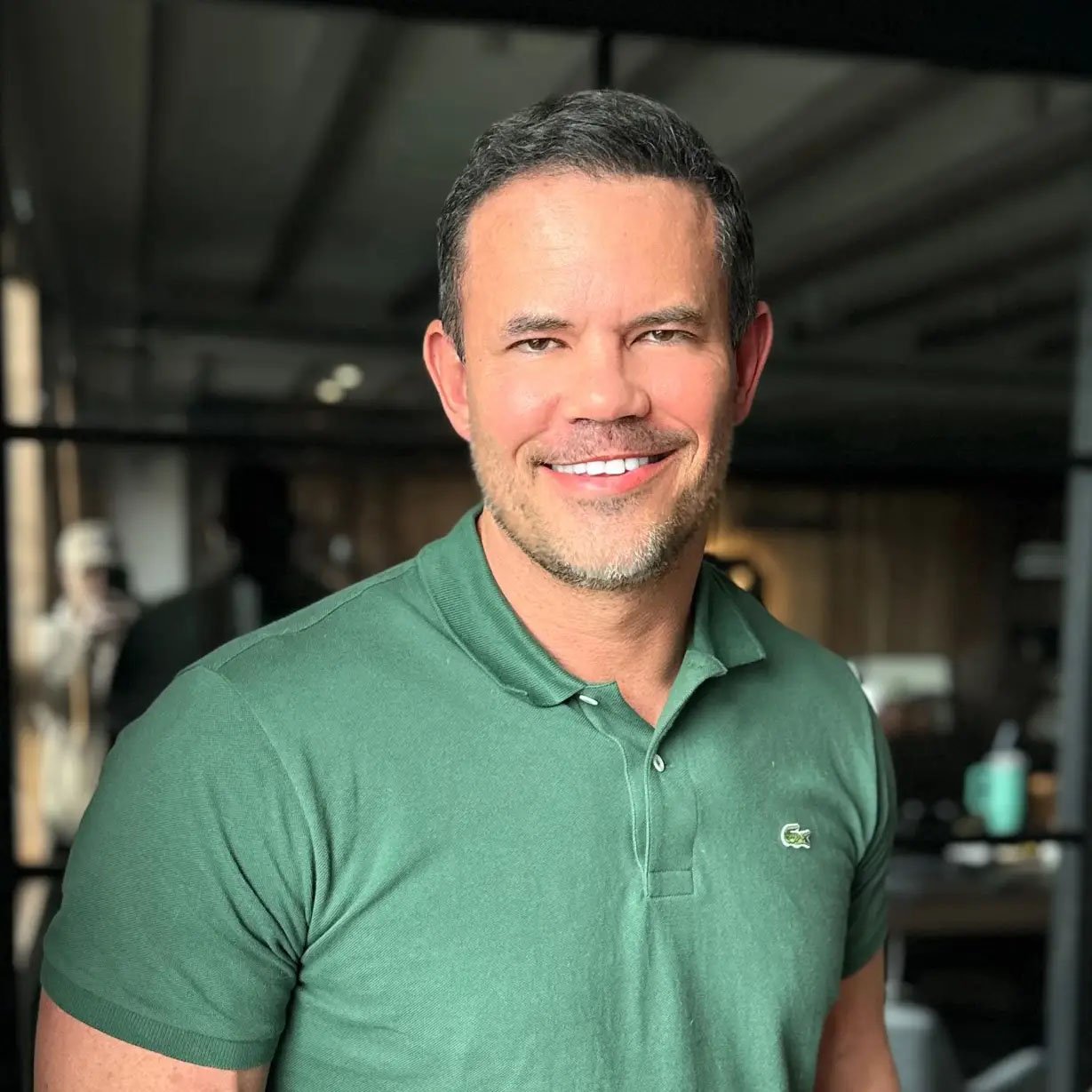
Tyler Farrell is the founder of Killowen Construction, a Park City–based luxury custom home builder generating $40–50 million annually. What began as a modest goal to build one or two homes a year evolved into a 25+ person company building $4–6 million custom homes and appearing on Netflix’s Dream Home Makeover. A BYU Construction Management graduate, Tyler’s journey includes commercial construction in California, returning to Utah to start Killowen from scratch, and scaling through systems, transparency, and strategic partnerships.
Resources:
Visit Killowen Construction’s Website
Visit Killowen Construction’s Instagram


-
Tyler Farrell 00:04
I would sit at a budget meeting be like, You know what? Maybe I can discount this or reduce my fee or whatever. And that was, that's a disservice to my entire company. And it's really comes down the point where you don't really necessarily need to apologize that something is expensive. Do you want under ah. Took me so long to learn that, and I'm so much more profitable today for a number of reasons, but the biggest one is being able to say no
Mark D. Williams 00:34
today on the curious, bitter podcast, we had tyle Farrell on from kiliman construction, and we had a great, really, a deep, heartfelt conversation. You're gonna love this one. We're going in for the real thing. Learn how to scale, learn how to treat your people and learn how to challenge yourself. Without further ado, here's Tyler.
Mark D. Williams 00:52
Welcome to curious builder Podcast. I'm Mark Williams, the host today. I'm joined with Tyler Farrell from killowan construction, out in Utah. What's up, buddy? How do you like that? How do you like that one? We almost went with YouTube. You're the owner of YouTube, you're the owner of YouTube. You got it, right, you guys. We got there. I didn't realize you were in Park City. I should have known that I Trapper Roderick and I have become pretty good friends. He's out in your neck of the woods. I end up talking to him quite a bit. Do you know trapper? Yes, I actually we met at the airport a week ago,
Tyler Farrell 01:21
but on our way back from Florida, he was there and Oh, sure, I guess we've used some similar subs and have never met until just now. But yeah, he seems like a cool guy. I didn't realize. You know, it's funny, because what we're doing in q1 is coming down the West Coast, and there's a number of people in Utah that I'm interviewing, and you and I've met just briefly. Actually, we met at the Minneapolis contractor coalition. I remember, I don't know if you remember this interaction. I've told this several times, because I have a very loud voice. In fact, I was gonna bring this up. Were you really this was my icebreaker?
Mark D. Williams 01:54
Well, you can bring it up. I know what you're gonna say. I want to hear your like, okay, let's
Tyler Farrell 02:01
pretend you didn't bring it up. I was maybe it up. I was gonna be like, Hey, Mark, do you remember when I shushed you? I do. It's so good. It's such a good I told one of my guys when I got back, because
Tyler Farrell 02:13
my team all knows who you are, one of my team members like, yeah, the really handsome guy. And give that guy a raise. I told him to be quiet, like he was one of my kids. And like, I think it was really rude of me, but like, it was so I'm like, I don't know if me and Mark have beef, but I shush them.
Mark D. Williams 02:31
That's so awesome. That is the best story ever. So it's so funny because I know that I have an extremely loud voice. I know because everyone tells me, including my wife, she wishes. And actually, yesterday, I was in the big atrium of this design center, and I'm having a virtual call after I was meeting with this architect, and this guy walks over to me, hands me a card while I'm on a virtual call on my laptop of this big atrium. And he just was like, Give me, give me the call. And he walks away, and I call him, like, an hour later, and just some random guy, and he goes, he's like, I was across the atrium and I heard your voice, and I'm like, That's the voice of the curious builder. Dang, that voice is bad. But anyway, going back to the shushing moment, I remember because I think it was Danielle yegi from someone I knew. I was sitting there talking to somebody, and we're in the back, we're in the back, and I was like, and you're on your computer taking notes. I remember because you did this big vat of blueberries, and in fact, you offered them to me as a peace offering when you left, because you left me like, Hey, do you want them? Like, yeah, I'll eat the blueberries anyway. I remember getting shushed out, you know, like, when you're in it with a buddy, and you were just so into it. I remember being because you're a physical presence. And I'm like, and I remember like, like a little kid getting it's so funny that you also recognize that it was in I thought it's so funny because I called Brad, like, months later, because I knew you knew him. I'm like, is Brad, is Tyler kind of a dick, or is he, like, kind of a funny guy? Like, I don't, I didn't get the best first impression, and I was like, That being said, like, he had to shush me because I was loud, and his defense, I was being allowed. So it's like, I can't really hold them as like, I got to get him on the podcast and chat with him. He's like, That's so funny, dude.
Tyler Farrell 03:59
Yeah, I remember thinking definitely could have handled that differently.
Mark D. Williams 04:04
So funny. Well, that's a great icebreaker. I love that we both remember that moment. I didn't realize how many builders are. I mean, you're in Utah, but like, put in perspective, trappers always saying, like, literally, how many builders are in that Utah Valley? It's wild. How many of you guys are builders?
Tyler Farrell 04:19
So and a lot of good builders, too, less successful builders. I don't know if you know, Brad and I went to school together. Yeah, we went to construction management BYU, and it's really good program. My story is a little bit different. I went, I went to construction management, and did, still didn't follow to do construction and I went, kind of went to law and all this stuff. But there are so many just, I don't know how well you know the geography of Utah, but I say Park City, that's obviously, like, world renowned. I live in Midway, which is like, just down the road, and Heber City, Heber Valley, like we're on the original rednecks, but it's really close, 1520 minutes from Park City. And then there's Utah County, and there's a lot more population. Ian and a lot of builders, but there's still a lot in my little community. I think in like a mile and a half radius, there's like seven builders, and that's like, those are my neighbors, and then not to mention everyone else. But we are, I don't know, I'm just, it's my backyard. It's what I'm used to. I mean, there's always been a lot of builders. We're we don't go to Utah County a lot. We will occasionally, but our work is primarily Park City area and a little bit north of that now, because there's some really, really cool developments that are really high end custom i We're so fortunate to work in this area because there's really more good work than there is good builders.
Mark D. Williams 05:44
That's a good, I mean, that's a good problem to have.
Tyler Farrell 05:46
It is, then I get, like, the FOMO of like, Am I in the right rooms? Because I think we're really good, and I want to be the one getting the good job. You know what I mean, so, but kind of normal, average homes, I have slowed down significantly, I think because of costs and all the things we can talk about inflation, our clients are typically second, third homes, cash.
Mark D. Williams 06:11
That's, I mean, it's interesting. I mean, you're familiar with the term k style economy, no, I mean, essentially, like a giant K, so basically that top tier. I mean, we're building for the 1% in that top 1% like, you know, and you're obviously vacation market on top of Uber wealthy and whatever not. And it's a wonderful it's where our skills have drawn us, and it's where you are too. But most of my clients, even before kind of this case, style economy occurred. I don't know if it's true for you out there, but most of my clients pay cash. Is that true in
Tyler Farrell 06:40
your market as well? Yeah, it is. I found and again, we're, I started this 1213, years ago, and we were doing anything absolutely we'd say yes to everything that bathroom, yes, meet a window. Well, heck yeah, I'll do whatever. But our clients, I think about maybe three or four years ago, we got more into that just cash and interest rates. Really did? I have a notification every morning showing me what interest rates were doing. I mean, that does affect the economy in general, but not necessarily clients as much, but we I mean, even as much as like three or four years ago, we were like 70% like bank loans, and it's definitely flipped to be like, 9010 maybe 8020, so, yeah, mostly, mostly cash clients.
Mark D. Williams 07:26
How? Speaking that that that flip, when in your career? So you've been in business for 13 years. When did you when did that flip happen? Like, we've all sort of been there. I mean, most of us have where you start small, you take everything, but, like, what was the catalyst? Or, if you were to look back now in your career, like, yeah, what was it that sort of led to that moment?
Tyler Farrell 07:47
It was around, a lot of things happened at once. I think we upped our game networking with designers and architects. I was like, one of your kind of stereotypical builders that hated designers when I first started, like, they make my life harder. They're just sending me a Pinterest picture. I'm have to do all the work anyway, until I worked with a good one. And really it coincides with first starting to work with Shane McGee, and that really helped. I'm not going to dismiss that at all. We were working with each other before the Netflix show. But what year was that? 2018 when I first started working with her, the show was filmed around covid, though, okay, and I was building your house around 2020, I think. But anyhow, that really helped Shay's freaking Rockstar, like there was a IBS a couple of weeks ago and or you were there, and there was a autograph signing line and like a velvet rope. And I kind of peeked around, and she's like, Oh, I tell them, they opened up the rope
Mark D. Williams 08:45
for, oh, that's so fun. Yes, did you feel like you were in a movie, like entourage, like, back in the day, like, going to this? So that
Tyler Farrell 08:52
definitely helped with, like, getting our name out. Absolutely, however, I had never, ever wanted to scale, reserve the right change my mind. Obviously, I we started getting more and more work, primarily, I mean, we worked our guts up. Like, I will say, I remember, Will Smith said something about, like, if who's not a role model of mine, by the way, just saying, I remember, he would say something like, like, I'm not the most talented, but like, if you and me are on a on treadmill side by side, I will die before I get off that treadmill, right? And that was like, my mentality as I first started, I will outwork everyone. I am not the smartest, absolutely not. I'm not like, the best builder in my company. I don't think like I have, I do have a lot of great skills, but ultimately, I think growing the company the way we have, and bringing in talent, more than just me, really, really elevated our builds Absolutely.
Mark D. Williams 09:50
So let me pause you for a second about that higher, and we'll get to your controller here, maybe in a minute, because I think it's key, at least on from what I've gathered. But. Right? How is it that, did you know you were looking for, like, I like what you said, there's people on your team that are better builders than you. Did you know it at the time? Or were you you were just attracted their talent? Or was that like a strategic idea, like, hey, if I want to grow, if I want to, if I want to do these homes, my talent as a team needs to take a major level up. I mean, you see it all the time in sports teams, right? Like, we got to make a trade for a high end, like, walk me through your thought process, and did you even realize it at the time?
Tyler Farrell 10:27
So no, no, I didn't. I didn't be like, oh, I need to get people in here that can do it better than me. I really was. It was just bandwidth and scope and just not being able to do it all myself, right? So I hired, my first hire, actually, is Levitt, one of our project managers. He was my tile setter at the time, and everyone just loved him. He was great. I was like, Hey, do you want to come do this with me? Anyhow, that was, you know, the start. We're, you know, around 25 plus right now employees. But he was the very, very first one, and I had never worked for anyone like me before, so just doing the best I could. I think if there's any there's value from my story. It's maybe not
Mark D. Williams 11:14
doing it the right way, but I think that's actually very relatable. Because one of the whole reasons why I have the curious builder, and why we do these collectives now across the country too, is like, most of us get into our to be owners because we're entrepreneurs and we're like, we're either unemployable by other people or we have a great passion. But it's most of us don't have a deep business background or have a deep under that's why I was the people that have, like, left corporate America or exited businesses and then start a construction company. They are light years or light years ahead in the form of running a business, doesn't make them a great builder or not. But honestly, my dad told me this years ago, and I've said it 1000 times, I'll say it 1000 more. You can be a good at business and bad builder, and you can make it. You could be a good builder and bad at business. You won't make it, and hopefully, obviously, the goal is to be good at both. But you know, I think there's this entrepreneurship story of learning from your mistakes is ultimately key to our we could go really deep here, but, like, survival, I mean, you, if you don't fail, how do you how do you learn? And so now, when people ask you to look back, you're like, Well, yeah, there's probably 10 things that could jump out at you, like, oh, man, did I that was a huge level up, huge level. Oh, I fell
Tyler Farrell 12:18
absolutely and it's, it's interesting when you talk to people about why, like, a builder, why did you get into construction? A lot of times, like, Oh, I like, I like creating things with my hands. Okay, if you're successful, you're probably not going to do that that often anymore. There's a lot of self performing builders. I'm not saying you can't be successful and do that, but that is one thing that attracted me to construction is, you know, I loved woodworking in high school, and then I just had some desk jobs, and I just like, leave at the end of the day. I'm like, What did I actually do? What can I show for that hard work? And I was really drawn to building. I did. I had my tool belt on for a little while, but ultimately, the people building our homes are so much better than I ever was. But the I think, was scaling, because I actually did a panel at IBS about this, and I think you have to understand or accept that if you scale, you will not have the same job, and you might love your job. I love running a job site. I was good at it. I'm not running a job site anymore. I'm helping my team run their job sites, and I'm I'm I am involved in every project. I don't just disappear. But ultimately, I'm not the guy on sites, but they're connected to me, and I'm good at that. I'm good at that mentorship to a degree I know, not the best trainer for our young guys, and that's why I'm so thankful to have some other people on my team who are really good at that. I'm not quite as patient as some of them, but we just have a really good mix of talent that has helped us scale now, again, my job is not what I thought it would be, and I don't love all of it, but with my goals and like, what it's given me, like, I'm glad I did it. I'm glad I did it, because there's always the question, you know, how big should you grow like? And as far as like, is it because of your ego? Is it because of money? Is it because you want to create a legacy? You want to create something bigger than yourself and provide work to people in your community. That's a real thing, and that actually gives me a lot of satisfaction. And, you know, I'm in my hometown, all that a little bit of it is ego. I love that people know about kilmann. Love it. I'm super, super proud of it. We've worked our butts off, and it's great. We have a good reputation, but we fight for it every day, and we like if people don't like me because they just don't like me, or ish them, or whatever, if they don't like us because they hear we're dishonest or we build a bad product like those are fighting words, not to like time I get it, but I think that scaling. Portion. I don't think we're done. I don't want to be the biggest and baddest as far as, like, gross. We all want to make our net better, right? We all want to bring home more. But we're at a point where we're doing we had a little bit of a lower year last year because of some starts not happening, stuff like that. We were in like the mid 30s, 30 million, but you know, this year will be probably a 40 to 50. And I kind of like that spot where we are. I'm not saying I would say no to opportunities if I have to hire one more or two more, but we do. I do feel like we're always kind of in hiring mode because of the opportunities we have. And some of these homes now, it's not about quantity as much. Some of them need two project managers, like they're that big and that complicated. So as far as, like, my five year plan, I've never been good at that question. I've never been good at it, but I'll be building. I've, yeah, I was, I was afraid to scale because of downsizing and all that, because I was around during the recession, but I finally said yes to it, because I had a conversation with my wife, I was like, You know what? I know I'm going to do a good job. I'm going to have a good company. We're going to have work. And if I have to let someone go, and they're in their art industry, someone else would have had them. Let them go before me, like, I can't that's
Mark D. Williams 16:22
actually, I'd like that line a lot. That's actually super helpful, because so many of us, you know Brad Levitt talks about all the time. I mean, at one time, he was 31 I think now down, he might be down to 26 but when I first met him, he was 19. I mean, our economy is elastic. Our building per market is obviously moves up and down. You just mentioned starts. I mean, you get a couple big projects that slide six months or a year, you're like, holy smokes, from an overhead standpoint, like it's scary, and these are people you've not only care about and train their families and all those things, but it's like, but we also don't, I think all of us, I can speak for myself, like I've held on to people that I should have let go, and I've interviewed people podcast that, and it's like, you think that you're doing the right thing, and at the end of the day, you actually did both of you a disservice, and I think that's really hard. I think we all sort of have to learn that, hopefully we don't have to learn it more than once or twice. I've learned it for sure, hard one time, really hard,
Tyler Farrell 17:09
because you see how hard they work. It's a tough job. I love it. I'm built for it. I really am. I love it so much, but it's not for everybody. But you know what's helped me with that? Where I'm not saying I'm firing people like this, but like, what's going to help me with that next decision? If I just need to drag them along with me? You look at the rest of your team and what a disservice it is to them to keep a poor performer that way, I can wrap my head around it really quickly and be like, Oh, I'm being unkind to the ones doing a good job by keeping this person, and that is the mindset I really have to have, and not good at it. I want to make it work. I have held on way too long to some, you know, didn't work. Maybe it wasn't good for them too. And you know, like it's, it's always worked out.
Mark D. Williams 18:02
This episode is brought to you by Pella windows and doors. I've used Pella for 21 years as the exclusive window company on every one of my builds. When people ask me who I trust for windows and doors, it's Pella every time. Their craftsmanship, their innovation, the top tier service, make them a no brainer for any custom home builder or designer who demand the best, whether you're designing something bold or building something with timeless elegance, Pella has you covered. They're also the only window company that has a lifetime warranty on all of their windows. I've gotten to know all their people at Pella corporate, as well as locally. Here at Pella Northland, I'm proud to call them our partners and our friends. Visit pella.com to learn more and connect with your local reps today. For more information, you can also listen to episode one, where I interview the Pella Northland founders, as well as episode 109 where we talk all about their latest innovation with the study set window. You actually said it very well, like, you know, my ability to I have a we have a family motto. It's really from my dad, like two, five miles one. If you're going to be stupid, you have to be you have to be tough. And then the second, and the second one is, you know, comfortable being uncomfortable in forms of exercise or running or suffering pain, like physical pain. But I think most entrepreneurs and owners of companies have a long ability. I'm always saying it's a great thing, like, just because you're really good at suffering. So you would like to think that's probably a pro in many respects. And I think our stubbornness can be a superpower, but sometimes it can blind you to like, sometimes you just gotta rock in your shoe and you gotta stop take the rock out and like, you'd be way better off than just running a bloody foot.
Tyler Farrell 19:32
That's so funny. You said that I've got my journal out. I wrote that this morning, like, something along the lines of, like, I need to come to terms with myself that I will never be at peace in my mind, I just never will. I will always have something. And you know, the peace actually isn't for me. It's it was never meant for me, because my I'm kind of a crazy person, the way my brain works. But like bringing peace to my family, I want them to have peace, and that oddly makes me more at peace. But like. Like you're right, the entrepreneur spirit, I'm unemployable. What you mentioned, we have a personal personality profile survey we fill out and and mine are, are extreme. They're extreme. And Lord bless my employees, sometimes because I understand why I'm kind of hard to communicate with sometimes, and why I've got my foot on on the gas, but then it's on the pedal some break sometimes.
Mark D. Williams 20:24
Did you guys do disc or inside? Or what person? The one we
Tyler Farrell 20:28
use is called culture index. I got it from Tom with Lost Creek in Colorado. He brought it to our builder group. And I'm an absolute skeptic. With that stuff, my profile says I'm skeptical. But anyhow, it got me right on, and some of our other people right on. And we're so lucky that, like when we do post for a job, we get a lot of applicants our last, our last posting, you know, at two, 300 applicants and 200 hours to talk to people, right? Um, so it is a way to filter. It is not perfect, but our first hire based on that, the person actually did not have a great interview. But the great thing about that, that survey, is that you need someone who's good at their job, not someone who's good at interviewing. And I took him. I took my like, top three to my kind of trainer with this system. He's like, he's like, for the love of God, do not hire those first two like they are not they will not do what you need them to do. They're really good at interviewing their sales and what's in the sales position and stuff like that. I was like, oh, yeah, guys see that. They'd be like, a fun hang. And then, you know, we ended up finding the first person we hired based on their profile. Slam Dunk. Slam Dunk. So good. So I'm sold on it.
Mark D. Williams 21:42
It's funny. I've hacked it the other way. I'm too much of an optimist, and I like people too much that I realized that I can't, I won't hire anyone again in my career ever. And so I have my controller, who's he's like, crankshaft in the comic strip. He's just like, super black and white, and he's awesome with numbers, right? He's like, person has an Excel spreadsheet, and I'm the opposite. I'm just like color wheel. And so I like sales people. Like, of course I like it because I'm in sales. And so, like, you tend to, you know, even for the position, you tend to project, or you're attracted to what sort of your talents are. And so I found that, for me, I let my team hire, plus, if it ever happens, my new go to Line, if we if something doesn't work out, and be like, Well, I didn't hire them. You guys did. I haven't had to use that line yet.
Tyler Farrell 22:24
I've been less involved, for sure. I let it get through a few rounds, and then we talked, and I trust my people enough. Be like, could you work with this person? You know? So it is hiring will never be an exact science. Like I said, this just using this culture index, it's not perfect. I think it's not great at judging, like, people's like, honesty and character, you know, but like, it can tell you how ambitious they are, what they're, where they are on the social scale, their level of detail, that's important. They have patience, stuff like that. Anyway, this is not a sales pitch for that, yeah, but I
Mark D. Williams 23:00
have a so I have a question. You've said so many things that I took notes that I want to kind of go back to. One of them was you had mentioned about training, and this has been a thought process that I've I'm curious to ask this. Are you think that you're a better coach or a better cheerleader? To your employees, you made a comment earlier about your trainer that you sometimes I just, I'm just curious how you reflect yourself?
Tyler Farrell 23:21
Gosh, that's a great question, because I have found an absolute love for coaching, actual coaching, my coaching, my sons. Yeah, I started coaching because, and I don't have time, I don't but, like, I've made time, and I'm so, so happy I did because what sports, football and basketball, okay? And I was, I did it mainly because I wanted to see which kids were little turds, and I didn't want my my kids to hang out with, which is a great reason to do it, because you can kind of see you just spend a couple hours with a few hours with them each week, and you're like, Huh? Kids kind of little punk, you know? And anyway, but that. But I found quickly I love coaching. I was better, I think coaching at football, but anyway, I'm working on the basketball stuff. But anyway, I really, really love that. And I do think, I do think I'm good at coaching, slash, I don't know cheerleading, I don't, I don't know, but like, as far as, like, where I when I was mentioning, I'm not a great trainer. I'm fortunate. Where I'm kind of my job is cool, where I can kind of be the visionary now and then I'm like, Hey guys, can you go figure that out? I would. I love talking to all my employees about, like, their future construction advice, general life advice, because I've made so many mistakes, you know, stuff like that. My door is always open. I hate performance reviews, and I think it's unfair for me to do them, because I'm not in the trenches with them every day. So, like, we've kind of modified that a little bit, like, I can't give you your performance review unless it's just what I've heard, and that's not very fair to you or me. So. So talking about training, we have a lot of younger people that want to work for us, and I'm not going to get into this weird like this generation doesn't know how to work stuff like that. I don't think I relate really well to a young person, as far as coming straight out of college, and they really don't know anything about building. They really don't. I didn't, and the homes we built, there's like, no time to practice, like, you got to come in and be dialed. And there's certain things that urgency and and their their work ethic, yes, it can be improved, but I think that's something that comes with your personality a little bit. But as far as, like, trainings, I've had our team. We do trainings twice a month where we go and meet at a job site. We talk about insulation, stuff like that. We call it our master craft, and we kind of have a curriculum for that, and that's great, because I don't have the patience for that. So my team is doing it.
Mark D. Williams 25:54
That's that's amazing to hear. I mean, I think I've seen some of your social media where I've seen your whole team. I mean, I think I've seen it. We do this too, but I know Brad made it popular too with his like, you know, and most big companies now at this point do it. But we're everyone. We do a punch list. It's like, all 25 year people. I'm sure it would go punch your house out, you know, the poor project manager is like, great. And you're like, hey, it's like, you're, you turn into like a, you know, like a, you know, like a stallion smoother. You're like, Don't worry, the race is coming. You're doing a great job. They were just trying to help you and like but I love the idea that as a team, I the reason I asked the question is for me to gain from it. I didn't realize I actually was a coach for 10 years for a cross country team, and I loved it, but I think I was better at cheerleading. Me I'm in my biggest weapon, if you will, is enthusiasm and energy, and so I feel like I can infuse that into my people and like, you know, give them a jolt of spiritual Red Bull for back, lack of a better description, but like, for me to sit down and, like, coach them on how to get better, my temperament is not really geared for that, and it's just something I've realized about myself. So it's been one of my new favorite questions to ask people and see how they sort of react to it, mainly just because I feel like I know, I know where some of my shortcomings are. And so then I have to maybe find a different way to train. Because the origin of the question was, somebody said, if you're going to scale, you have to hire, and if you're going to hire, what is your plan? And I think early on in my career, I didn't have a plan. I'm like a squirrel looking for a nut in every tree I find. And so it was really just to the standpoint I would hire someone, and I really tried to hire a players, which worked out well, because they knew what they were doing. But the promise is that's not, that's not really a that's not a system, that's just and so it's like, I that has always been my weakness is systems, and I know that you can't scale without systems. I know Brad Robinson was on that panel with you, and he's a good friend of mine, and he's very good at building systems. And so I'm always, I love to hear yourself included. Like, how is it that you've built this system? Did you employ EOS? Do you did you have people and implementers come in or, like, what was kind of your blueprint? Like, I don't know how to build a house. Like, we would never build a house without a blueprint. Why do we think we can build a business without a blueprint? And yet, the majority of owner owners do that? Yeah.
Tyler Farrell 27:58
I mean, it was, it's a lot of trial and error, and I'm not going to say we have it down yet. We don't like we're still working on that org chart and who needs to report to who and all that stuff, just like what I said with reviews. So we're constantly trying to improve our systems. But I found, as I hired, I hired a lot of great people who are incredibly loyal to the company and saw where it was going. For better or worse, they act all acted kind of like many entrepreneurs, as in, what they would wear, whatever hat I needed them to wear, right? So that got us by for a while, until we got to, like, seven, eight employees, and you started, you need some structure, like, Okay, we all can't be Tyler's number two. So then I started a site assigning, like, Okay, this person's in charge of estimating. This person's in charge of quality control this and so, like, it started that way, in a very loose like, I don't know what I'm doing, but I need someone to do this for me. Now it's to the point where, you know, these structures existed, I just never implement them like we have project coordinators, site superintendents, project managers and an estimating team and a finance team, and I'm the head of all of those, but I have people report to me, so we're still working on that, but it's I still like that we're flexible, because my favorite type of employee is someone who can be a mental, sorry, mini general contractor. But those are kind of like unicorns, where you have to be really good on site. It'd be good with numbers. It'd be good with the client. You have to be good with, you know, the admin side. I love that you can kind of let them, let them loose, and they can go build a house for you. And I'm not. I tried to, like, get all my employees to be able to do that, but it's just not in their skill set. And you know what that is? Okay? Because I have some guys where their career path is, they're going to be in the field, they're going to be Supers, they're not going to touch admin, and that is fine. They're building some awesome stuff. So that's where a project coordinator comes into. Ian and the the budget accounting. We have systems where we're walking with the finance team and the PMs monitoring those budgets, monthly budget meetings, tracking those costs. I mean, it's, it doesn't matter if it's a $500,000 house or a $20 million house, that money is really important to that person, and maybe even more so on the 500,000 Yeah, it's tight. So we they all take such great stewardship of that money and and letting the clients know every month where every penny is going, where they project the budget ending every month, even though it's going to finish in a year and a half, we do our very best for to project cost, because a lot of builders are not good at that, because then it's difficult too. There's unknowns you have. Unknowns. You haven't done the purchase orders yet. You haven't ordered the tile, all that stuff. And through our experience, our collective experience, we rely on each other to see where these budgets are going, even though we don't have all the selections done. So that was one of the first things that me releasing. I used to do all the budget reviews with all the clients that exhausted me, mentally, especially emotionally, because I, I, you know, we didn't grow up super wealthy or anything. I have this I'm not cheap, but I'm so thankful for every penny I've earned right and when I'm building for someone, I just know how expensive this is, and I was putting us in a bad situation, because I want to be the yes guy. I want to give good news. And that is hard for a builder. You're just it's, it's, there's a lot of surprises, there's a lot of things that you can't control. There's good news too. I'm not saying it's all bad, but ultimately, I would say the budget meeting be like, hey, you know what? You know maybe, maybe I can help, maybe I can get you, maybe I can discount this or reduce my fee or whatever. And that was that's a disservice to my entire company, all of our people and I got controller on board, our project manager started handling those budget reviews because it's less emotional to them, and they're and it's really comes down the point where you don't really necessarily need to apologize that something is expensive. It's like, do you want it or not?
Mark D. Williams 32:08
That's a I like how you articulated. That took me so long to learn that, and I'm so much more profitable today for a number of reasons. But the biggest one is being able to say no, because you're right, whether you know, whether it's, I think they call it the savior complex, swooping in to save the day. As, you know, as an owner, you want to, like, flip in and, like, work on one of your builders and be like, Oh, I can solve this. Like, you just cut out the legs of this guy in front of her, this woman in front of your most, you know, people would not intentionally do that, but hopefully not. But you think about it in terms of, you know, how are you conducting yourself to the client? And I look back at some of the more difficult clients I've had, I think I've had two that come really out to that stand out, and it always started. I think they sort of weaponized my own humanity against me. Is how I've talked about it, is that I generally try to be a good person and I want and within the such the homes are such an intimate, beautiful, wonderful thing when it goes right, and it's their family and it's their home, and like we care deeply about the craft and the people and and so when they start, he's like, your problem. We all sort of say, well, it's your problem. It's my problem. And, like, I had this one time. You know, we've all hit bad soil before. You know, I don't know if you have, we don't really have the rocks that you probably have, but we hit bad soil, organic soil. You got to keep digging, whatever. And, you know, it was, like, the first thing, and I'm like, You know what? I'll help you out. What I just signaled to the client is, is that every time you have a problem, I will solve it for you. And, oh, it is bit it that lesson was so painful for me. So you helped him, like, with the cost? Yeah, I helped him with the cost. I said, tell you what it was, because it's right out the gate is first permit. So, and we do cost. Plus, I think that was actually my last fixed bid. That was my last, it was my last, and probably for that reason. But even so, sometimes cost plus they sometimes think it's your your issue too. But anyway, a lot of it is how we deliver the message and in stories. But anyway, it was the first thing day one. And so, you know, looking back, these are all red flags, but at the time, you're like, it's an it's like, Hey, these are I'm gonna set this off, right? And then the next thing happened, and the next thing happened, and I basically just trained them that, that this is how, how we do it, that, and when you have an issue, it's my help. And every it seems like everyone can relate to that one way or another. And I've learned it was painful lesson, very painful, but I've learned it, yeah, absolutely.
Tyler Farrell 34:21
The it's man, if schedule and budget was involved, it would be the perfect job. But unfortunately, those are two very important things, right? But, yeah, that's, that's a spot where, with the scaling, taking that off my plate, I'm still involved in the budgets and the numbers, and I'm there to help. But they're, they're taking ownership of it and and that's actually helped me quite a bit, then I can focus on some other things.
Mark D. Williams 34:46
So let's speak about that. You mentioned goals. Both you helping your people. One of the questions I had, I meant I wanted to start with, like, what are your goals? You mentioned that you don't need to do the five year thing because you don't know what it is. But like, what would be like this year? What. Like, what would be a goal that you have for this year? What is one thing that if you're going to spend the majority of your time on, would have the biggest force multiplier on your company? Let's start with that question.
Tyler Farrell 35:10
First, I have a specific kind of strategy into a market where we're working on right now that probably won't go into like, details on it, but it is business development, yeah, and it's exciting. It's getting us what, what we want to be doing. And so I'm just really, just excellent, high end, just amazing projects. And we're it's happening, right? But I just need to be very involved, very hands on, yep. But my goals, I am total goal guy, right? I have, like, as opposed to New Year's resolutions, I have, like, new month resolutions, like, I'm just always writing down all these things I want to accomplish. And I, one comes to mind is I want to be on site more. There's, there's times over the past year I didn't even feel like a builder. It doesn't mean I wasn't helping our company. And, you know, working on, working on the business, but I just want to be in the field more. And that's a goal I've had, and I have been able to do it, do it. So far this year, I've been able to be out on site more. But, you know, you only have so much time. So what did I would I give up?
Mark D. Williams 36:16
So go into that a little deeper, because I, oddly enough, that was my goal last year and a little bit into this year. And I'm curious, was it for you to maintain kind of a pulse and like you sort of felt a calling to it, or, or was it also it's probably, I'm guessing, all of these things, but, or for your people to also see you on site, because
Tyler Farrell 36:36
I like it, I really like it, and I think I'm good at it. I'm good at meeting them and and going like, all right, how's the how's this trim detail work? How's this tight? How's this base time of the case? Like, let's go over some of that stuff. I really enjoy that. I love just checking out the details, talking to them, talking through an item. Be like, Hey, that might work for another builder, but that doesn't work for us. And definitely not there. They shouldn't be afraid when I walk on site. It's there to serve, to help. And I really enjoy that. And I think the team appreciates it like, I've I've got feedback. It came from some feedback. Be like, yeah, we wish we had more, more of you.
Mark D. Williams 37:14
I've had that before. I mean, I'm very close to my cabinet shop rich, and he often will say because he knows, and it's sometimes, for men, sometimes it's harder for them to say what's but when they say it, like, it's like the Trident from it's like, it's a spear. And he's just like, I remember a couple years ago, he's like, it really would be nice to see you on the site more. And he didn't say anything more than that. Wasn't like, he need, he wanted to see me. I think it was just, I think he understood what I was trying to do. And as we get pulled into all these different avenues, and honestly, my time is even more valuable. This is weird. I don't know how to account for this. I have less time than I've ever had, but I'm somehow on site more than I've ever been. I don't know how to I don't know how that's working exactly. It's
Mark D. Williams 38:01
time to talk about contractor coalition summit at the beginning of May. We are going to be in Denver, Colorado for our first contractor coalition meetup. We're going to do a standalone event in the middle of September in Minneapolis. It's a one day crash court, and reduced fee. Tickets are available now if you want that goal here is it's a significant investment to spend a three four days away from your business and your family, plus just the expense of attending the conference. We wanted to create an event that was just a one day Crash Course. You can find all those details at contractor coalition summit.com we also, in November, have our three day tail end of the year, which is going to be in Charlotte, South Carolina. So if you're interested in any of those four of events, please head to contractor, coalition summit.com. DM me for any information, or email me Mark at MD Williams homes.com, and thanks for tuning in. I think you said something in the beginning that I liked, which is, you like it. I think it's okay to follow like your passions or like what you like, because like, I think your person, the personality test really reveals, like, we had something for our company where there was a DISC assessment, which is red, yellow, blue and green. And like, they represent, I won't go on to it right now, but like, the point is, as a team, you want to be equally distributed in all four quadrants. The typical owners are mentality or drivers and visionaries. That's red, yellow. But we had a person that at home, she was a totally different person than she was at work, which meant work was tiring her out emotionally, and she, you know what? She didn't even make me here she was and like for me, I'm the exact same person at home as I am at work. So work is very fulfilling. I've never disliked my job. It's been hard, but I've never been bored, like I truly just love people being in the and so it's not hard, but so I think it's important to follow what you love and what you enjoy and what gives you energy. Because if you don't how you how is it sustainable?
Tyler Farrell 39:54
Yeah, absolutely. I mean, I'm I really have to modify to do stuff like. This. I don't like public speaking. I don't like being front of the camera. But getting back to kind of, we're talking about cheerleading and motivating, I can turn it on, yeah, and I don't mean that in a fake way, I can gather the energy to get enthusiasm, because I really do like my job, but I'm just not a naturally, like, I don't know I used to be. I don't know what happened. Like, I'm just so serious and concerned all the time now, but I was kind of goofy kid, and my mom says all the time, and she thinks this is a compliment. She's like, Oh yeah. We didn't think you were going to be a hard worker. We're very surprised at your success.
Tyler Farrell 40:40
I do see me, it's like, I haven't definitely two phases in my life, and I don't know when I became this, really just producing machine, because I do like it a lot done. I think a lot of it is when I met my wife, really, and that was in my 30s, and something just changed. And I think I felt like I finally, I just all I ever want to do is get married and have kids, and I just could never really find that right person. And it consumed me. It really did my career, my ambition. It was like, I gotta find that girl. And it's so weird that I did, like, when I was 30, and then I'm like, Oh my gosh, I get I'm behind, like, I gotta get serious. And I do think that is what happened then, even more so when I started having children. And just like, I got these five babies, you know that, hey, I gotta take care of these people. And it's, it's interesting how I've changed. I am a believer in change, right? Because I'm definitely different, a lot different than I was. But how I got into that, I mean, how I got to that, that rant there is talking about, like, how we do modify, and how I can turn on sales and Ian, but it's exhausting, so you want to put people in the right spots, and so me being out on site more, doing what I'm great at, and helping, that's when that I can naturally be a little more optimistic and have a little more fun.
Mark D. Williams 42:10
I think something that comes this is my impression, and again, because we've only had the one shish incidence, but one thing that I would say that I really appreciate about you. You're I find that you're a very authentic person. I think the way that you show up on social media like that, you have a reputation. And I've mentioned this to other brands because I was approached by a brand I haven't actually told you this, so, spoiler alert, and they were like, we would love to work with Tyler. I'm like, great. I said, I this is all I can tell you. I think he's a very serious operator, and I think, I don't think he's gonna go, he's not gonna probably, I don't know this. You correct me if I'm wrong. But my impression was, I don't think this is someone who chases money. I don't think this is someone who's gonna go for a dangled carrot. I think this is someone who's gonna align with a partnership they either already have or they believe in, or that they authentically aligns with their personal values, which is great, because I think XYZ product may or may not do that. That's not the point. The point is is like, I think authentic people are drawn to authentic people, and from the interactions that I've had with you and watched you from afar, and now, even having this interview, I know that you don't love to be on stage. You do it because you you obviously, in the industry we're in, there is some front facing that has to be done, and you can dial it up. And some people may or may not have an easier time of doing it, but you are very authentic. And I doubt I'm the first person to tell you that.
Tyler Farrell 43:27
Oh yeah. I mean, I I really, really try to be, especially when, when I know how difficult this industry is. Again, I'm not trying to talk people out of being out of construction. We need talented people. Please come however, I don't love and this is not exclusive to our history. It's a social media thing. It's all this when everything looks perfect. I spoke a couple times, yes, and I just, I mentioned, I think, in in every, every panel, like, hey, learn from our mistakes. Because I'm not going to give you that. It's all been great, and this is your like fix all answer
Mark D. Williams 44:04
that is the perfect lead into this question. So I let every guest before leave a question for the guests after. So you'll get one at the end. This question is perfectly they want to know. So this is this question is from the backcountry hut company. They're up out of Vancouver. Their question to you is, what is on the Mount Rushmore of your failures, which I thought was so funny, some Canadians referencing Mount Rushmore? Well, I don't know what Mount Rushmore is in the Canada, but thank you for your knowledge. What would stand out if you were to say, like, this is one of my biggest failures, and what did you learn from it?
Tyler Farrell 44:39
I was absolutely a job where we lost a bunch of money. It's why we've implemented so many budget policies. I've mentioned it a few times. It was a job that I wasn't brave enough to always have hard conversations with this gentleman. He scared me. He was mean to me, like I'm a big. I Yeah, you were getting bullied physically, I'm afraid. But like, mean, it scared me, and I hated having those conversations with him. But like we would, it's a gorgeous, beautiful home, so proud of it. But like we would, we would get, you know, additions added throughout. You know, the design was, like, complete, and we started going over budget, and we did. We got every single addition approved. But what I didn't do a good job was of was pinning him down every month, just making him sit down and go through it all with me so he could understand the total. I didn't do a good job of that. And so we got to the Ian, and we're several $100,000 over budget, and he was really upset. And I was like, well, it's, remember, it's this and this and this and this. And I ended up eating a lot of it, and I don't know it just, it was a really, really hard, hard situation. And we have never missed a budget meeting since, you know, so, I mean, that was, it was a huge failure. Like, I couldn't bonus, like I wanted to that year. I couldn't, like, it really, really hurt us, and I learned a lot from it. That's what stands out. I'm sure I get a lot more,
Mark D. Williams 46:01
but no, that's, I mean, that's super helpful. One of the things that I as we kind of wind down here, one of the things that I had mentioned, or just thinking about it, and I think I left you a voice memo this morning about it, that really stood out when I was kind of prepping for this was you mentioned about scaling. You know, when you first started, it was onesie twosie won a couple homes. I mean, the builder you are today, and what you do, I'm guessing there's no way you would have envisioned that that was what you were going to do in 2013 like, none of us do you kind of go where your clients take you. How do you wrestle with, should I scale? Not if you can scale? Like, you know you're talented, you know you and you touched on a little bit, but dive in a little bit deeper. Like, how do you know if you should, and how do you balance with like, life? I mean, I have three kids. You have five, and it's important that you show up as a coach, you show up as a father, as a as a husband, as a friend, to your I don't know the rest of your family, extended family, but like, how have you found balance? And how have you found this equilibrium of your company, but yet, who you're supposed to be as a human. And this is, obviously, I'm I'm reflecting on my personality and trying to have you help me with it. But like, how would you answer that question for you?
Tyler Farrell 47:12
And how you define balance? Is, I don't know. It's probably different for everybody. I don't have and don't think I ever will have balance. But again, what's that? What's that baseline of balance? Do I spend the same amount of time with my kids as I do at work? No, I don't. However, when they get me, heck yeah, they get that, like, hardcore, like, I give them all my time, like I said, give it up anytime I would be sitting in front of the TV, I'm coaching or something like that. So I want to be careful with balance, because I don't always think you can equate it with hours. But like as far as like that, I don't carry any guilt with how much time I give my family. And also, everything I do is for them. It really is like building this company is getting back to your question about scale. You really need to be honest with yourself about why is it money? It's not a bad reason. It's not like I might be able to retire sooner because I scaled. Is it your ego? Is it your pride? Do you want to see your your sign up there and everyone to know you do a great job? I don't think that's absolutely terrible, either, is it? Again, I mentioned, you want to build something. Build a legacy. You want to build it for maybe, oh, I hope my company's around long enough for my kids to come and ruin it. I don't. I just like hope. It's like, I do want to have something that that withstands the ups and downs of this market, right? I would love it to be around in 20 years. But like, as far as, like, you have to really decide if, if you're going to scale, if you will, like, who you become and what you have to do, and are you willing to give up control, give up some power? Because a lot of us entrepreneurs are successful because we freaking do everything, and we grind and we just get it done right. And you hear it all the time. You got to delegate. Got to delegate. It is lot harder than you think to do with some of our personalities. Like to hand over your finances to handle. I don't encourage handing anything over completely. You got to have, it's your company. You got to have your your touch points on everything in the company. But you have to really decide, like, what you want to be if you want to be, your framing some of your houses, doing the finished carpentry. I just don't see how you could do what I do if you had your bags on half the time. I mean it again at the scale we do. Maybe you could with one or two houses, stuff like that, so that, yeah, that's kind of
Mark D. Williams 49:48
a long way. Well, let me ask you this then, because I you, I agree with everything you said. You offered up really, I like how each one was a different thing, and that could be your thing, because you're challenging the audience to think about their why. Let me what is yours. What is the thing that motivates you? Peel back the goals, peel back the thing. But like, what is the thing that either fulfills you the most, or what what is? And I know it's, it's kind of a cool yeah?
Tyler Farrell 50:12
Like, I know, yeah. I really do think I'm trying to build something incredibly valuable for my my family, whether killing is the most valuable asset I have, right first and foremost, it is for my family. And I'm just, I'm not. I could say I don't care about money because I don't care for fancy things. No fancy people that do, but, like, I do care about security and just if something really bad happened, I could take care of more than just my family or whatever. Like a bit of a hoarder that way, right? Yeah. So like building my why is to build something that is incredibly valuable for my posterity and the people who have helped me build it, I want it to be valuable enough to share with them and then take care of their families. That's one and then a lower tier. I do i I've got this prove them wrong mentality. I've never felt like I've been enough and something. It's so weird in my family, like I have a wonderful family, beautiful sisters, like we have such whack self esteem issues, and I have had some success, right? And I've got, I have got the best life, my family, my kids, my company, holy cow, but I've never felt like enough, but like I'm getting better with that. But it is a driving factor to prove people wrong.
Mark D. Williams 51:39
Yeah, somewhere we picked up that you have a private chip list. Yeah, where did you find? I have no idea. I was, like,
Tyler Farrell 51:47
very impressed with your research. I was like, what AI monster. Do you have
Mark D. Williams 51:52
a Her name is Alyssa, and she is my she does. She writes all my blogs, and I used to do all my own note taking. And I found I love being in the moment and sometimes, and just like reading the body language and just having a good conversation, because I feel like, well, I want to enjoy I don't. My litmus test is, if I enjoy it, I'm pretty sure the people listening, and if they don't, then they're not listening to us. But anyway, I'm sometimes amazed at what Alyssa finds. I'm like, This is good. So like this one. Even air quotes. Like the chip list. So tell us about the chip list, because I think it dovetails right into what you just said.
Tyler Farrell 52:20
So I have a I have used Google Tasks for like my to do list that syncs with your Gmail. And everything I have that happen, my chip list pops up every morning. I don't read every morning. I don't read it every morning, but it pops up it's about 30 deep. And people do get removed from time to time, this is not healthy. I'm not saying it is, but you found it so yeah, people I wish Harmon Yeah or wish bad things happen to them at all. They're not even people I dislike necessarily. But is I remember how they made me feel, yeah, and I want to prove them wrong. They're they're on that list. And I will never
Mark D. Williams 53:02
tell people who is on that. How do you know when to cross it off? Like, when you feel like you found when I don't feel
Tyler Farrell 53:07
that way anymore? Like, really, I'll kind of look at, and again, it's not healthy, and I don't look at every morning, but when I need some motivation, sometimes I'll look at, I
Mark D. Williams 53:17
mean, honestly, you know, my first reaction is, is, Michael, have you seen the last dance with Michael Jordan, the documentary? I remember,
Tyler Farrell 53:24
remember, what's that? Didn't say. I took that personally. Yeah, totally
Mark D. Williams 53:29
No, that's not the part. I remember. The part was, remember, he was, he went, he would, now you have a list of actual people, but there was, they interviewed a player where he like, hung up, like 53 points on the guy or something. He allegedly say, and he's like, I didn't say anything that Michael Jordan was so competitive, and what he what he needed for a fuel source, is where I'm trying to get to this is, this is your fuel source. Is that? You know, Michael Jordan made up a made believe thing, just because he knew he needed that to get the best out of himself. And like, I like that. You know, whether this chip list is good for someone else or not, it's sort of irrelevant. It's good for you. And as long as you can balance, sort of a fire is a wonderful thing. But if your house starts on fire, that's a pretty bad thing. And so it's like, I think everything is a tool, and I like it. Everyone, I think, has different things that motivate them. And I think, thank you for sharing that.
Tyler Farrell 54:18
Like, motivation is, I don't know you'll see on Instagram, there's discipline, there's motivation, like motivation fans, and the My favorite quote about that is like, well, taking a bath doesn't last, but you do it every day anyway. There's things that I do every day to motivate me when I don't feel like it, and occasionally, that's it looking at like, you know what? Remember that person that denied me and all that stuff. So, I
Mark D. Williams 54:41
mean, and sometimes some healthy competition, I think, you know, and sometimes I think you can have there's obviously, I mean, you play basketball, I play and so it's like, you know, there's sometimes guys on the court and, like, you didn't know, you were like, you know, you're playing at a seven, but also you got an elbow to the ribs, and you're like, Oh, okay. And like, and sometimes that just happens. It's like. You weren't looking for it, but it happened, and it's like, okay, this is what we're doing.
Tyler Farrell 55:04
It is it's interesting. We're all we're all have our own things. I really do believe most people would get along if they knew the other person 100% if they understood where they were coming from, right? Like, I wouldn't be mad at you for me being on your list because they searched you. Right? There's probably stuff on the list that, like, they don't even know they did it, right and but again, how they made me feel, and I remember,
Mark D. Williams 55:29
I think that's good. My I've mentioned a lot, so I could not mention it now, because you've teed it up so many times. Is like, you probably know the full quote, Maya angelou's quote about how you feel. Yeah, yeah. My wife says it so many times that I think at this point Maya Angelou is going to ask my wife for money, because my money, because my wife and I think it's really true. I I've actually tried to create a home. I mean, what we're doing right now, we have the spec home that we're doing right now called miserous, and the whole home is based on wellness. And I'm just I didn't realize I was doing it at the time. Have you met Jude Charles from Yeah, so he did, yeah, he came up here a couple weeks ago, and he's such a gifted interviewer. My goodness, he makes me seem like a toddler, and his voice is so beautiful. I was like, Dude, your voice is like, warm butter on warm bread. Like I could your voice is amazing, man and so but he had this beautiful way of extracting out of me, like, my own story. And anyway, I think most builders do this without knowing, like, Don't you love it when someone comes through your house, especially if they're not in the trays, or not a designer, they're just a Rando. And they said, Tyler, I can't tell you why I like your home, but there's something about it that makes me feel different and and for years, I didn't know what to do with that compliment. And now it's like, one of my favorite because you don't need to know all the things. And like, I think there's obviously a deeper appreciation from your peer. Like, if Brad or I or Joe or whoever comes into your home, like, we have the depth of knowledge because we've been in the trenches, we get it like, and so maybe a compliment might mean a deeper volume. But it doesn't take away from Bob Anderson, who walks through your home because he was on a ski trip and walks in on ski boots and kicks the ski boots off, and it's like this house touch. I love when people do that because of how it made your home, the care and love you put into that home somehow was able to make its way out and grab a hold of their soul and do something to it. That's special. I don't think that should be undermined.
Tyler Farrell 57:19
Yeah, we had, I agree that's one of the best compliments I've ever had. Is when our builder group came through, and it's, it was a house like I was super proud of I am super proud of it. And one of the people came down the stairs and they just had, they're like, This home has a soul, and I'm like, and it's brand new. That's cool.
Mark D. Williams 57:38
That's super cool. Well, I want to respect your time in the audiences as well. It is your turn to ask a question for the next guest. Actually, it was going to be Nathan Marsala, actually, who is in Utah as well. But I don't know if you Nathan from the bison group. He was out here. He's been a contractor coalition all night. I don't think you guys have maybe met, unless you met in Utah. But anyway, I know, I don't know. I had to reschedule him. So I don't know if he's going to be the next one or not. So it doesn't matter who. It doesn't matter who, whoever the next guest says
Tyler Farrell 58:04
is gonna get your question. There's a lot of pressure. I want to say, like, Do you love your job? Because the answer can be No, yeah, means, means to the end type thing. I don't always love my job, but I love what it provides me, right? Yeah, but, man, that, that question about what's the worst thing you've ever done?
Mark D. Williams 58:27
I mean, I got, actually, you got to go. I'll send you the episode. Do you know Stacey Eckman from Washington with a letter Kirkland? I'll send you his episode, because he's got such a straight delivery. He told me his worst one, like, it is like he started the short here's the short version. He saw his excavating bills, and he's like, all they're doing is digging a hole. Like the margins must be like 80 or 90% margin. So he went and bought an excavator, started excavating company, and lost his everything tried. So he hit power lines. So his first job was a five unit, like apartment building, whatever. He hit power lines. He got sued. He goes in, the client fired me. I'm like, shocker, and anyway, but the way he delivers it is amazing. I'm like, Wow, your Mount Rushmore of suckville was, like, way better than mine. Like, that's that is, that is Oscar worthy, right there. But anyway, that's pretty good.
Tyler Farrell 59:19
I don't know. Let's keep it along the lines of, like, ask them if they have a chip list, and if there's anyone on there that's motivated them to do better, to prove them wrong, and they're probably going to be a lot more well adjusted than I am. Like, that's crazy. Why would you ask that?
Mark D. Williams 59:36
But I mean, honestly, the opposite would also be interesting. I think there's the, there's the, I mean, there's the ying to the Yank, the chip list. The other one is, what do you aspire to be? Who do you? What do you? What drives you?
Tyler Farrell 59:46
Yeah, doing a twofer. Because, like, getting back to just being authentic and real, I really appreciate that, because I just don't ever want to be thought as like a phony, although, like I feel social media feel like an. Posture, because it all looks amazing, all that stuff, right? But I think builders like you and me, Brad Nick, just saw all these great builders that have some social media presence, for better or worse, people listen to us, and I get a lot of young young people, young men and young women. DMing, me being like, How can I become you? Like, how can I do this? And that is one reason I am pretty careful with my partnership deals, sponsorship. Nothing against anyone who is, go get that bag. Go get paid all that stuff. But like, it's, I want to be very careful and transparent about what our industry is like, the good and the bad. But, man, it can be so great for the right people. It really can. I do want our at least our page or anything we put out in the media, to show some of our mistakes, you know, not so much that, like we look incompetent or anything, but to also show like, hey, there's a path through if you've screwed this up, if this detail wasn't the best, but look how we're facing it, all that stuff.
Mark D. Williams 1:01:04
I think, I think showing the humanity. I mean, Nick schiver had one the other day at White Oak, and I went out there in November. It's a couple months before it was done, but he talked about this grill. I think us talking about it, not always being perfect, is super helpful to the community. It also obviously proves your point, like we're authentic, like we're humans. We make mistakes. I mean, my, I used to use this line all the time, like, you know, you know, Ford f1 50, no knock on the sponsorship. But like, they roll out, even think about this analogy. I use this all the time in construction, you know, they roll out 100 150,000, trucks a year on an assembly line in a controlled environment, and they still have callbacks like any that's expected. We're building a one of a kind house outside in the elements, in the rain, over two years, with 1000s of people on it. It's amazing. We get as much right as we do. And I think this idea, like I one of my number one red flags with the clients if they ever use the word perfection. In fact, in the last five years. If I ever hear someone say, perfect, Ian, I stop and I I just, I use the exact analysis.
Tyler Farrell 1:02:05
That's so funny. You say that because there's a well respected builder here that I definitely will not say the name, but we interviewed with someone and that, that builder had built their previous house. And I said, Hey, white, why aren't you calling them back? What's going on? Well, they were expensive, and when I asked them why they're so expensive, they told me it's because they were going to have a perfect house. And I said, Well, that was stupid. And they're like, Yeah, because if you tell them it's it's going to be perfect, they're not when their doorknob gets loose, which it will. I paid for a perfect house, but you're absolutely right. Perfection doesn't exist, but you can respond perfectly, right. You can respond to your anything that you might have screwed up, any warranty stuff, you can show up perfectly, right?
Mark D. Williams 1:02:47
And I, I think your earlier thing about the how you feel, I think even if you I would even challenge you saying that you can't most of the times. I mean, I know, with my wife, I make, I don't always respond perfectly. In fact, lot of times I don't. And so I, even though we I think it means more the intention your earlier comment about, like, if we truly under, like, any marital dispute I've ever had with my wife, it's like, at the end of the day, if we just can turn the dial of emotion down a little bit and talk to each other like we have a shared, common goal. We have a shared like we care and love about each other. And I use that because that's just, I'm a very emotional person that way. And so it's like, I use that all the time with my clients. I'm like, what? Let's dial this down a little bit. Like, do you think that I don't care about you? And they can't, they cannot answer that question with any other answer than yes, because it's genuine. I do care about them. And then as long as you can get to that baseline of like, mutual care, honestly, what can't you solve? It doesn't mean it's going to be great, but you can get there.
Tyler Farrell 1:03:40
Oh, that's awesome. I love that you hear that. It's validating. I had a conversation like that today with one of my employees, a designer we work with. We love one of her people and one of our people aren't getting along. And I'm like, let's dial it back. We all want the same things. We want the house to be awesome. Want the client to be happy. We want our bosses to think we did a good job, right? Let's back off and come to that common goal. Our personalities aren't matching really well, but we don't have to make it personal. Let's just try and accomplish that goal. But like, I never thought there'd be so much psychology in my job,
Mark D. Williams 1:04:16
I interviewed an interior designer and and I said, You're the reason I loved interior designers, or late as I came into the my career, and were like, okay, yeah, I can see now why, and I'd help. My mom was an interior designer, and so that having that as a role model was super helpful. But anyway, the point was is, I said, What did you go to school for? She says, I went to school for psychology. I'm like, wow, have you gotten your money's worth out of that degree? Because most anyone who's gone to school like, I mean, they can only speak for myself, I went to school for business and community. And communication. I don't know anything that I learned during that time. I think it was just being a dumb boy, like, I just need time to, like, age a little bit and so anyway, the psychology aspect, honestly, if you this, would be a great line of thinking. If you could ask a builder, like, what are some prerequisites? If you could design the person? Perfect builder, like, what professions are like, attributes of their of their skill set would they need your I guarantee everyone would say like psychology or marriage therapy or counseling or that, that whatever that emotion, or whatever we attribute to that that group of people, we learn it one way or another,
Tyler Farrell 1:05:17
absolutely, and I think I've mentioned my children, I've never I'm not going to force them to be in construction in general. I want them to do what they want to do, however they will work in construction at some point in their life, because I want them to learn the empathy it teaches you. You are going to see everyone's point of view. You're going to understand why that homeowners who's paying million dollars. You're going to understand why they're accept upset. You're going to understand why that Painter is mad at the carpenter for leaving a pile of lumber in front in his way so he didn't get home for another extra 90 minutes see his kids. It doesn't mean that everyone is justified, but I can go, I swear. I can go into any meeting and understand why they might feel that way. And I think construction is excellent for teaching you that
Mark D. Williams 1:06:00
that is well said. That is very well said. My Vince Longo, out of Atlanta, he came on and he he said that one of his goals, because his wife is a real estate agent, he's a builder. And he says, daughter, I think, is a junior or senior, and he's trying. He said, I would like my daughter to take a year gap before she goes to college, if that's the path that she chooses, and in that year, my wife and I will help her set up an LLC. We will buy a house together. We'll design it, remodel it, she will run the remodel and all of it to work with all these people. It's a very similar situation. And then at the end of it, she'll sell it. The difference. Will invest all the money, but she'll make whatever profit she makes and manages, she'll keep and she can apply it to a business of her choosing, or to her school. It's her money, but at the end of the day, even if, no matter what she will at some point in her life, own a home, she'll have to call for service. And I was like, Dude, I have a nine year old daughter. I'm like, Dude, can I come and let me know how it goes with your daughter? Because I totally got to try this now, because I what you just said and what he said, I'm like, this is That's gold.
Mark D. Williams 1:07:03
Well, thank you for your time, buddy. I appreciate your time and the audience's time, and we'll have everything in your show notes. If you don't know who Tyler is, you will shortly. Thanks for tuning in the curious builder podcast, Mondays and Thursdays, and we'll see you soon. Thanks for
Mark D. Williams 1:07:17
tuning in the curious builder podcast. If you like this episode, do us a favor, share it with three other business owners. The best way that we can spread what we're doing is by word of mouth, and with your help, we can continue to help other curious builders expand their business. Please share it with your friends. Like and review online, and thanks again for tuning in.
This episode is sponsored by: