Episode 171 - Taylor Hall O'Brien Makes AI Nervous and Homes Look Incredible
#171 | Taylor Hall O’Brien | Architectural Photographer | Making AI Nervous and Homes Look Incredible
Forget renderings, Taylor Hall O'Brien is making the case for real light, real rooms, and real collaboration in an industry that AI is circling like a hawk. He and Mark talk through the art of consistent storytelling across a photo gallery, how Taylor built relationships with top editors one Instagram follow at a time, and why being easy to work with matters more than being the most talented person in the room. It's part photography lesson, part business strategy session, and part really lovely conversation over Diet Coke at sunrise.
Listen to the full episode:


About Taylor Hall O’Brien
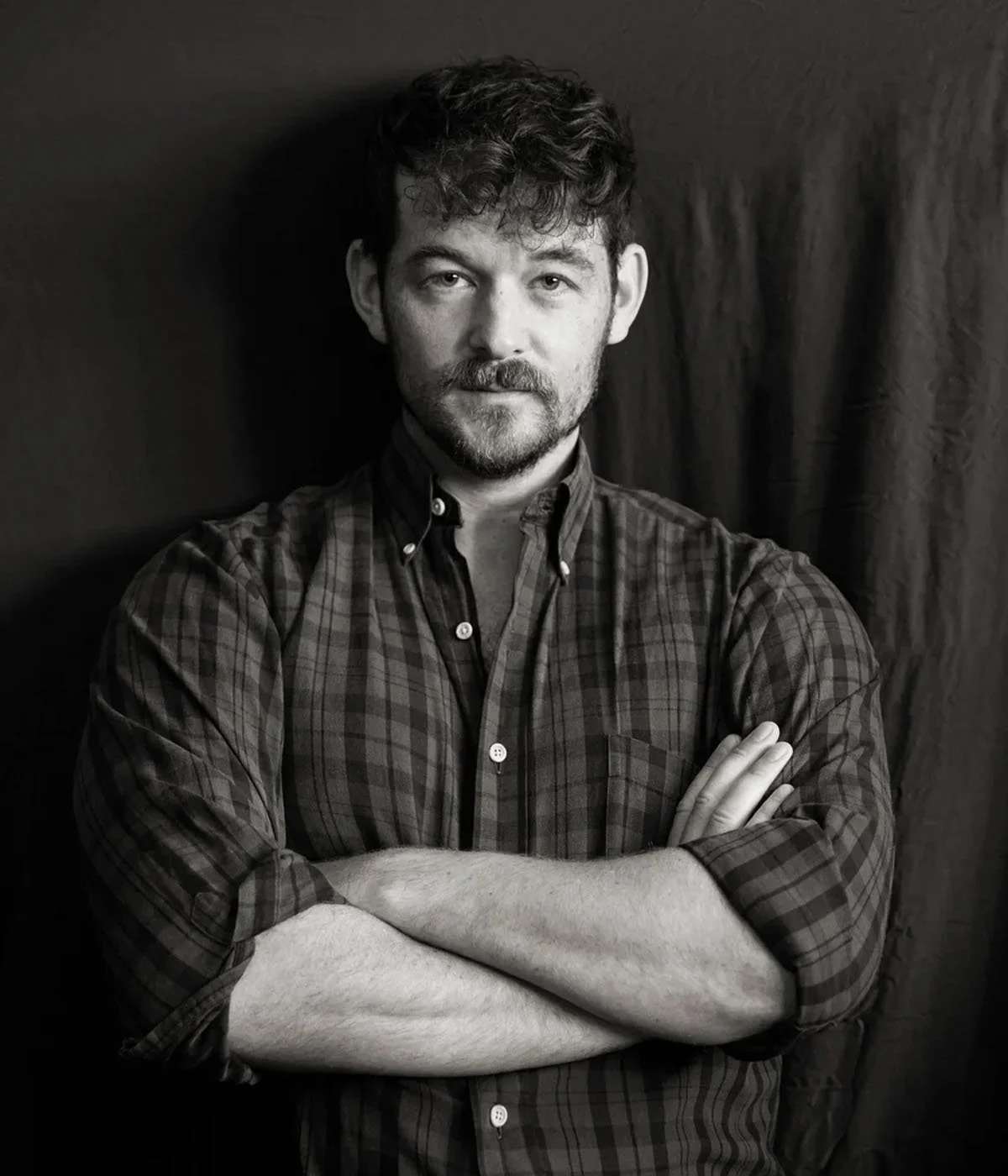
One of the last of his generation to learn photography in his secondary school’s dark room, Taylor Hall O’Brien developed a lifelong love for photography. His professional career began in fashion, where he worked both as a fashion photographer and modeling agent, before shifting his focus to interiors. His experience in fashion directly influences his sensibilities regarding dynamic composition, attention to detail, and openness to an unconventional approach.
The projects nearest and dearest to Taylor are those with a strong sense of place, a layered history, and rooms bursting with life. Taylor has never met a stranger and finds delight in the process of image-making from start to finish. On set, he strives to make every project streamlined, inclusive, and fun for everyone involved.
In addition to his work as a photographer, Taylor writes many of the stories that accompany his photos and in 2021, returned to his alma mater to lecture in the university’s school of art and design. Taylor and his family reside in the US but often travel internationally for work and leisure. He and his family spend the summer at their cabin on a lake in northern Wisconsin. All of Taylor's favorite memories include close friends, delicious food and drink, a dog underfoot, and time spent outdoors.
Resources:
-
Taylor Hall O'Brien 00:04
In terms of storytelling, like being able to understand the home, its layout, its proportion, its scale, all of that is also going to assist in, like, a very consistent narrative throughout. That's, like, a very crucial part is keeping things consistent.
Mark D. Williams 00:30
Today, in the Careers Builder Podcast, we had Taylor Hall of Bryan, and we're in the middle of a photo shoot at Misa Whose, our spec home in Cottagewood, and it was early morning, and Taylor was gracious enough to pop inside. We had a remote podcast set up, and we're going to talk all about really his journey, just briefly in the beginning, about how do you get into architectural photography. Everyone's journey is so unique into their craft, and a big part of it, though, was focusing on storytelling. What is it like through the eye of a photographer? And then also, how do you chase, you know, the big brands, the big articles,
Mark D. Williams 01:04
national or even international magazines? How do you pitch them? How does that relationship happen? So, if these are things of interest, and if they're not, you need to tune in this podcast, because that's a good one. Without further ado, here's Taylor Hall O'Brien.
Mark D. Williams 01:20
Welcome to Curious Builder Podcast. I'm Mark Williams, your host today. I am recording at Misa Whose with our good friend Taylor Hall O'Brien here locally. What's up, buddy? You know, not much. We just Taylor's great.
Mark D. Williams 01:34
We, we did a early morning photo shoot here at Misa Whose,
Mark D. Williams 01:39
and what I could think I got here at like 507
Mark D. Williams 01:43
and we wanted that morning light, and I've never had a photographer on. And last, a couple weeks ago, when we were shooting the inside, we decided I said, like, I'd love to hear. I'm just obsessed with storytelling, and I realize I didn't realize it at the time, but creating Misa Hussain has been one of the hardest, but also most rewarding things I've ever done in my career, and I think it was because I started with a story, and I've actually, I'm gonna bring on a novelist at some point, only from the standpoint that I think we know books are written, you write an outline like a movie, as a builder, while I know that we write like, or we have a blueprint, we work with architects and designers, I've never thought about that's what unlocked it for me was creating a story of Misa before I ever hired Melissa Oland or had Carlo Adelbert. The story was what everything was about, and so you know, like a lot of podcasts, a lot of listeners know this. We'll talk about business of photography. I want to, we'll probably start with how you got into photography, and kind of just the kind of the short five minute, yeah, like it's always people's path to their craft is always really interesting, and I want to hear that, but then the majority of the time on the podcast I want to hear,
Mark D. Williams 02:51
I always have had such an appreciation for photographers, videographers, I can appreciate how you do it, it's like you'd like to think, oh, you, it's the talent is so hard to quantify and see, but when you see it, it's undeniable. And so I really want to hear from your point of view, like, like viewing through a lens, like, what, what do you see? How are you crafting a story in your mind? So, anyway, that's what we're gonna talk about today. Perfect. So, let's, um, let's start with, you know, we talked briefly while we were out in the sauna, shooting you, shooting this beautiful about your career path, but let's walk us a little bit through, how did you get into high-end architectural photography? It was not really the plan, honestly. So,
Taylor Hall O'Brien 03:34
after college, I took an internship, I was working in fashion,
Taylor Hall O'Brien 03:39
so I was a modeling agent and did a lot of like fashion photography. I actually studied graphic design in college, so I did a lot of like agency-related design work first in my internship. Then I moved more from the art department into just being kind of like an agent, so like booking models on jobs.
Taylor Hall O'Brien 03:59
Then, in 2019 we decided we were gonna move home to the Midwest, so we left New York, and leaving New York and working in fashion and coming home to Minnesota, I didn't really have - there was no plan B. I kind of got here and was like, well, now what? You know, I wasn't gonna go back to my old job, I wasn't gonna go back to - I was over fashion at that point, so I was just kind of patient, and was like, I'm just gonna let, like, what comes my way come my way. We knew we were gonna start a family, so it was a kind of good timing to like just take a pause and say, like, see what I wanted to do. And we were buying our house,
Taylor Hall O'Brien 04:32
and our realtor is a friend of ours, and she was like, "Hey, like, my listing photographer has been too slow. Would you have any interest in just like taking on all of my business doing real estate photography, and I was like, absolutely not, that sounds awful,
Taylor Hall O'Brien 04:46
but I liked this person, so I was like, I'm gonna, I'm gonna just do it, like I'm gonna take a risk, so we did it, and
Taylor Hall O'Brien 04:54
I kind of was like, well, that's it's, it was kind of boring, but I was like, it's easy, and I like, I like.
Taylor Hall O'Brien 05:00
Is the people I worked with, and after, like, a year of that, I was like, okay, I need to, like, get into some nicer houses, like I'm not shooting, like, the two bed, one bath, like, 100 year old crusty house, you're like, I want to, like, you know, do more high-end type work. So I started reaching out to friends and family who had interesting homes, or just, like, even just like unique homes, they weren't always, like, luxury, they weren't always high end or fancy, but just started taking as many photos of interesting interiors as I could, and just building a portfolio. And then, after about, like, a year of doing that, I reached out to, like, MSP Home and Design Magazine, and did a story of a friend's house for them,
Taylor Hall O'Brien 05:37
and a couple, like, other smaller editorial projects, and then interior designers kind of started taking notice, and then it kind of, the rest was history. So one reached out, and then I, you know, started shooting. Melissa was actually one of the earlier ones who reached out, and so we, we did. I did a handful of local projects here in Minnesota over the course of the first year, and then kind of started branching out and doing more once I kind of got my feet under me, just from a technical standpoint of understanding how to shoot, how to light, how to edit, then I really wanted to like push into
06:11
even more interesting spaces with more interesting history, so started reaching out to different.. I was telling you a little bit about how I needed a break from parenting, so my son didn't sleep for more than like two hours the first 14 months of his life, and I was the kind of primary, because you know, like I said, I wasn't working a ton when we first moved back, and after 14 months of that I was like, I got to get out of here, so I reached out to this summer camp in southern Wisconsin, called Camp Wanda Wigga, and asked if I could come stay in exchange for some photos, and I had had, you know, a little book of work at that time, and so she was like, "Yeah, come on down and stay. Took pictures the whole time I was there, and then the last day ended up like just kind of hail marrying them off to the world of interiors and being like, "Hey, I took these photos, like, if you're interested in them, and they ended up running the story, and that is kind of what put me on the map from, like, more of, like, an international kind of editorial kind of perspective, and then the more that that kind of kept going, it brings in more interior design work, so it's worked for interior designers, I should say. So that's kind of how I got into it, and and now I'm just, yeah, like hanging on for the ride. It's been a crazy few years of travel.
Mark D. Williams 07:17
Well, and you and I worked, Julian Miller from Yount Interiors, we had a remodel in Minneapolis, down by Lake Harriet, and that was the first time that you and I had worked together. I'd seen your work before, and it was really impressive. And I'm always really impressed with natural lighting, and we were joking about my mom's 75 and like, whenever she sees an ad, she's like, "Oh, honey, can't you just put all the lights on?
Mark D. Williams 07:38
So dark, and yet, as I've, as I look around at the other photographers, your peers around the country in the world, and, and you see what is it about natural light and not using artificial lighting that
Taylor Hall O'Brien 07:53
is the, it makes things look better, but why is it? Why is why do those photos look so much richer in detail? So the way that I've kind of thought about light, because it is kind of like a right now, it's like
Taylor Hall O'Brien 08:07
there is a more of a trend now, like we're turning on a couple lights, or we're turning on, we're putting on a candle, or we're like, we're, you know, like I'm seeing more of that kind of coming back into the conversation, and and I think to me, for my work, I always find natural light to be kind of like the great neutralizer, and so
08:25
personally, when I look at
08:28
all of the photographers that I hope to be one day,
08:32
the legends kind of that have been around since the beginning of kind of shooting esthetic interior imagery, when I look at a Dairy Moore photo from 1975
08:43
and it looks like it could have been taken yesterday,
08:46
or you're looking at, like, Fritz Vonder Schulenburg's work, or Simon Upton, or you know, there's there's these old guard kind of photographers that have been doing this for really since it started, and what is that kind of neutralizer that I, or what is the thing that I'm drawn to in all of their work? In most of the time, it's all natural light. Sometimes the shadows are muddled, sometimes they're a little like gritty, grainy. A lot of that is because they were shot on film. But I think for me, when I look back at images
09:18
on the other side of the coin, from
09:21
70s, 80s, 90s, and the ones that like dated themselves so fast were the ones where the lights were on.
09:29
I think there's like different..
09:34
I think there's a.. there's a time and place for having lights on, but for me, I think the default is like, let's keep them off, and let's let the natural light, or even if you're using strobes, let's let that natural light be.
09:47
Let's let the light look as natural as possible. Like, I don't like it to look like it was lit. I mean, it's kind of fun watching, you know, we did a two or three day photo shoot with you here at Mason, who's with Melissa's whole team, and we had, you know, a stylist, and you know, I look.
10:00
At for the builders out there that are listening, I mean, I remember it's cringe now, but like when I was, do that, I was 24 years old, you know, I didn't know nothing about marketing or anything that I've sort of organically learned, and I used
10:13
to, seems like this is crazy, I mean, we would just take photos of empty homes, because it's like I'm a builder, I build, why I didn't even think about furnishing or styling, I wasn't working with interior designers at that time, and so you just.. it's funny now, looking back, and I think it's just a growth curve. You don't know what you don't know. Yeah, and as you sort of evolve, and you like.. now I would never do a photo shoot without someone who's an architectural photographer that is like planned on it. And then, second, is obviously I would never take a photo shoot until the house is done, and it's hard, because as a builder, if you're trying to sell the home, of course, you need, you want the images, and you want to get them out there, because you feel like you need it, but there's nothing worse than putting an image out there that doesn't reflect the work that you want, you kind of have one chance to make that first impression, totally, and I think, as I've grown into my career and realized what is powerful in storytelling, that's a big part of it, and then when you go beyond that, it's well, what story do you want to tell? It's not, it's no longer just capturing the home in the best light, but what is the story, and what I'd love to hear from your point of view. Oh, maybe we'll finish this a little bit too, is like also the power of a stylist, you know, you got two mumbling oafs this morning for the exterior shoe, we didn't help that much, but like, you know, watching the stylist work so hard. We had Leah from Creek Wood Hill, shout out to her on the photo shoot with you, and like, I mean, literally, they could have a headband and a hydration pack. They're like endurance warriors. I mean, they're saying constantly moving, and so I just have such an appreciation for the art. I don't see it, I can't see it. Yeah, but then when I see you, you know, it's amazing. You send it's like the home is beautiful as it is, you make it look even better, and I'll see the image, I'm like, is that the room I was standing? No, yeah, no, I hear you. So, so let's, let's go to the storytelling side of it. What, what is it that you see, or when you roll up to a home? I mean, we'll use Misa, for example, and this has a pretty powerful story behind it, but even, and I think that's why. Correct me if I'm wrong, but a lot of architectural photographers like yourself, you're probably drawn to existing homes and older homes because they probably have more character and life to them. Am I right? Richness, the history. Let's talk a little bit about that before we go into storytelling.
12:14
I get, and correct me if I'm wrong, but I think it's like the patina, the age, the old world charm, like it says something we gravitate towards it. What is it about us, and what is it about you? Yeah, and photographers in general, why do we like that? Why do we draw? Why are we drawn to that? Yeah, well, and I think, like, specifically the palette here at Misa, in like the
12:34
care and consideration, the warmth. I mean, I think all of those things, like
12:40
a lot of interiors right now, when you're going through Instagram, or you're opening magazines, like a lot of, you know, there's for a long time it was very like cold, like very clean, very simple, slightly minimal. Well, not minimalist, there was a lot of minimalism, I think, like early aughts into like the mid teens, like we kind of did that, like stark white kind of plain, you know, Kardashian effect, and we did it for a long time, and I think
13:09
aside from the obvious, like the history of like an older space or the humanity behind like the objects in the home, the collecting of things, time kind of like represented through the collection of things, or like literally represented through aging, or the, you know, the objects themselves are antiques. I think what I'm drawn to in an older space is all of that kind of combined,
13:36
and that it's not perfect, like I think letting there be moments where, like, you can see, like, the human touch on something keeps it more interesting, I think. It also is like a warmer,
13:51
a warmer scene to kind of take in. So, I, that's why I was excited to shoot Misa, because, like, you have injected so much patina and age and life, and, like, materiality is like very visible, even in the way that you treated the walls, even in the way that you know the floors, the beam work, like it is new, but it doesn't feel like it is new in its materiality. So, I think, for me, yeah, I'm just drawn, I think, to like the warmth of an older space, or a space that has considered
14:21
finish or materiality, but then also, like, I'm just a total maximalist, so, like, for me, like, these projects that I'm shooting, you know, in wherever, Tuscany or a northern Wisconsin cabin, like, I just love going into old, crusty places, and I like cobwebs, and I like dust, and I like just piles of things like that's just what I'm drawn to, so it kind of works well. Yeah,
14:46
so you walk into a home, let's.. it could be any home. What
14:50
is the.. so it could be a builder, could be a magazine, it could be a resort, could be your own natural interest. Are you thinking? Walk me through your mental process.
15:00
What are you looking for in the shot? How are you trying to craft the story? Yeah, what is that like to be inside the mind of,
15:08
like, oh, Mark, you're still therapy, you don't want to be in there, I promise. No, I think to me it's like, what is the end goal? So, like, if I'm going to shoot for a builder, if they're trying to sell the house, that's a very different goal from me, then it's, let's talk about that. Okay, I mean, we really need a full, a well-rounded representation of the home. So, what I like to do when I'm shooting a space that I know, and honestly, funnily enough, like coming from a background in real estate photography is extremely helpful. The thing that you want to do, like, oh, I don't want to do this, like, people are always like, "Oh, I really like your shots, like your transitional shots, that showed like the connection between two spaces, and every realtor that I've ever photographed for has said, like, I really need to see, like, how these rooms communicate. This was pre-Matter Port. This, I mean, we Matterport really, like, for me and my real estate work blew up in the pandemic because people couldn't physically walk through as easily. So I remember I got a call from the realtor at, like, it was Wednesday. She's like, "We need to be fully like Matterport. We need to use Matterport by Friday on all of our listings. So I was like, "Uh, okay. Trying to find, like, a Ryko Theta V, like
16:15
Matterport camera in the middle of the pandemic, like it was nearly impossible. I found the last one in the world, basically, and it was on Wednesday, and I was like, by Friday we were fully like up and running on Matterport, but um, anyways, so I think all of, like, weirdly, I think kind of working my way through those listings those first couple years really helped me kind of think, okay, so we start, we start back, like, we kind of, we take in the full scene, so that starts on the exterior, so I'm like, I'm gonna get end to end, but I like to frame, you know, with something interesting, so like out front here, it's like I went behind the trees in the neighbor's house to be able to give it like a sense of space, like we know that we are in a place with mature trees, we want to make sure that, like, because it is a new build, sometimes they can feel a little like we plop them down, especially when you have, like, new landscaping, you know? Like, I was like, we need something that's gonna give us, like,
17:07
age and a setting, like, we kind of need to ground this thing with, like, framing through these trees. So, to me, that was, like, that would be, like, my first shot in the gallery, I think, because a lot of what I shoot ends up being published in magazines. You really need to have a storyline or a narrative for, like, how you kind of display this home, so it's like usually the first image, whether it's a big double page spread that's kind of like the hero of the home, like the coolest shot of the whole project, or it's, you know, maybe it's a double page opener, and the left side might be a sense of place, so like an exterior shot, it's a front door, it might be, you know, through the trees, whatever, and then in my mind, when I know that I'm going to have to be handing these over to an editor or to a real estate agent or someone trying to sell, like I'm thinking, like, okay, so we come into the front door of this place, and we didn't shoot them in this order when we were shooting Lisa, I mean, that goes back to natural light chasing the light, chasing the light, exactly, so we're not always shooting it in the right order for how we're going to be displaying it, or how it's going to live on our website, or how it's going to live in the real estate listing, or how it's going to live in the magazine, but just making sure you cover your bases, so you're like, okay, I came from outside, now I need a shot of like the front door, and whether the front door is closed, maybe we need an option with it closed, because it's architecturally more interesting, but we might need a shot of it open because it's better for the narrative for the editor, so the
18:26
other thing, like in addition to kind of all of the process, and like saying we need it all, well, we need it all, but we need it all for like four different people too, we need it for the builder, the architect, we need it for the interior designer, we need it for the editor, we need it for the realtor, you know, it's like if we can have enough days, we really need a lot of content, because we have five to 10 to 20 partners that all need different things. So, when I am shooting through a space, even before we're talking about theme or narrative or storyline, from like the literal sense, like we are also like I'm thinking about this just in terms of like logistics of necessity, like what do we really need here for all the people involved, and it's, it's a lot, it's a lot to keep going, like going through in your head, like did we get that, did we get it vertical, did we get it wide, do we know how the entry is connected to the living room, or do we only know how the entry is connected to the kitchen, like those sorts of, like, subtleties that you might miss, and I'm not saying that, like, you're gonna use every single image I give you, but you're not gonna ever be upset about the things that you don't have, you know, like, or that you have, you're gonna be upset about the things that you don't have. So I'm always trying to make sure that I give you as much as possible, and sometimes it's possible to do it all, and sometimes it's not, like, we might run out of time, but there's time. There's
19:43
all kinds of, yeah, we were supposed to do exteriors like last week or two weeks ago, and it was gray and rainy all week. It ended up being gorgeous that morning. I was like, "Dang, I mean, this morning was perfect.
19:53
It's pretty hard to be cool.
20:01
When it comes to quality, craftsmanship, and performance, Pella sets the standard. Whether you're building custom homes or designing a timeless space, Pella offers innovative window and door solutions that blend beauty and efficiency with showrooms and experts around the country. Pella makes it easy to find the perfect fit for your next project and their team to support it. Build with confidence. Build with Pella. Visit pella.com to explore products and connect with your local rep today. For more information, you can listen to episode one or listen to episode 109 where we bring on Pella owners and founders at Pella Northland, as well as their innovative team behind the Steady Set Innovation.
20:39
This is on the Arson Tour, the time this airs, we'll have just finished the last day of the Arson Tour. This will air a week from today, and one of my main goals from a marketing standpoint was to get.. we had, you were laughing this morning, but we had three photoshoots, two video shoots.. I mean, we had.. this home is so documented, because to your point, not only did I need.. because I need it, I have 35 brand partners in this, and so I have, you know, not you, you're talking about your needs from the story, I also have all these other people to keep sort of happy and satisfied with each one of their goals, and each person has kind of a different goal in mind, some like print, some like, you know, social media, some, it's just hard to know, totally, and yeah, to your point, no one is going to complain about it's kind of like over communicating, no client I've ever built for says, you know, Mark, you're over communicating, and we talk a lot about this in building, like we want to make sure that we're telling the client, I don't want a client to ever ask me, like Mark, what stage of the house are we at, right, that means it's a failure on my team, right, right, and so I think a little bit how it relates to photography is like, you know, you'd hate for someone to be like, after you've done this great photo, especially because if you fly out of town, like, it's you're in Minnesota, so it's a little easier for you and I to be like, "Oh, hey, you could come back and do it again, but, like, you know, we just shot the sauna this morning, and that Eastlight coming in was just magical, and you know, I would say, I don't know if you feel this way, but you know, I'd rather be lucky than good, yeah, like, we did not plan, no, for five, you know, 6am light to be coming in on the salt wall, and you were just like, okay, this is a moment, it's like you do get, you do get lucky, and I always with exteriors, and honestly, interiors, like someone
22:16
I was talking to an interior designer, and they were like, why the light in a lot of your editorial work is like just so magical, like why is it sometimes different in the editorial work versus the work like more kind like common interior photo, like, and I was like, well, most people aren't willing to get up at four, 530 in the morning and be up for sunrise, and most people don't want to stay until 8o'clock at night and be there for sunset in the summer, but I was like, what I, when I'm shooting a project for a magazine, and it's just me and maybe one other person, and I'm not counting on, you know, I can, I'll get up with the sun, and I'll go to bed with the sun, and putting yourself in positions where people, where you can see light in ways where people don't normally see, like the rest of the world is normally sleeping, when I'm up shooting those editorial projects, or like today we got here early, because it is summer, and it got, it got bright, you know. Sunrise was 536 this morning,
23:07
but I'm like, if you're willing to put yourself in front of things at the time when most people aren't, that's when you get the best light, you know. A little tangent here, just being in this house so much over the last month, for the photo shoots, for me being here trying to sell it during the tour, it's rare that a builder, I mean, when you have a spec home, I guess, as obvious, you're in a lot, and a lot of builders, honestly, the bigger companies, they don't actually sell their own stuff. As a small boutique builder, I'm very involved, you know, but I, what I really appreciate
23:35
is being here in the morning. I saw it this morning in a way that I never have. Yeah, and I usually, because I'm, you know, early to rise, early to bed, so I've not actually been here in the evening, and I was just talking to my sister-in-law, came through, and my in-laws came through yesterday on the tour, and they were just overwhelmed with how, you know, they've heard me talk about it for two years, and to see it from their point of view was like, oh, went fast, well, it didn't go that fast if you're in it, yeah, but yeah, it's a little bit like having a kid, it's like, oh, your baby, like, oh,
24:02
time,
24:04
or like, when you're, when your son didn't sleep for a year and a half, and you're like, you look great, you're like, well, I'm Rip Van Winkle, I'd really need some sleep, but where I was going with this is, we talked about when and if the home sells, but doing like a dinner party here for just family, and we have a few events in July where we have a, you know, and I was just like, because I want to experience as someone who created this with the team, I want to experience it, and it's full. I kind of want to spend the night. It sounds weird, yeah, and a little, but I like, I would like to spend an evening here, wake up in the morning, and I also think it would make me a better builder, and a better, it'd be better for my clients if I did. And so I'm sort of almost using this home as, like, an expert, you know, experiential sensory.. I don't know, all the things to sort of just inform.. I don't even know what I'm experiencing, but I know that it'll do me well. And I think, as a builder, understanding of even maintaining the house, you know, I mean, the simple stuff I know in my own personal house, like, you know, because I've been there for a while, you know, it's the mowing the yard, it's changing the filters, it's whatever you're doing.
25:00
And you know we've had many clients, you know, where they move in, like, oh, the oven doesn't work well, that's because we actually didn't flip the breaker for it, because we wanted it off, so it didn't have a fire, no, like the little stuff, like, I mean, we're talking, you know, it's the 1,000th bottom thing, but it's the little stuff, and I think the more experience you have in the home that you're offering to your clients, it just makes you better at your crap. Totally, totally, you should absolutely sleep here. Yeah, the bedrooms look so cozy. Well, we were laughing because Melissa, before, because she moved back here with Matt and Ro here a couple weeks ago, summer, yeah, for the summer, and she was here at like 9o'clock at night, and she's like, I'm just gonna.. I was like, you shouldn't sleep there, like I would have no issue with it. I just really don't care. Actually, no, I don't think so. But she was saying, you know, she, her point, actually was really funny story. So we have lighting control on the home, yeah, and Admit One is our lighting partner. And long story short, she was here staging one night, late, all her team had gone, she's putting everything away, and it was, you know, I don't know, 830 9o'clock at night, she was about to head home, and all she was in the basement, all the lights go off, and she thought the power went out. Well, my team, the admin, one team, one of their guys had just checked in to make sure the house was doing okay remotely, and he saw all the lights were on and hit all off, just as a courtesy, but she was in the house, which is kind of, yeah, we laughed about that down there too, she probably tripped, she probably did, Melissa, oh boy, what? Well, so let's let's go back to the storytelling, so you're crafting this, I'm guessing, just as your experience, it's organic. How often do you actually map out a story ahead of time when you go to a photo shoot, or is it more artistry, like in the moment?
26:32
Well, I think, whenever possible, like a walkthrough, like I'm going to one this afternoon for a project I'm shooting two weeks from now, but getting in there to know the space, the space, getting to see how the light falls, getting to see the connectivity of the rooms. Those are all things like the more it's like anything, the more information you have going in, the better you're going to perform. And so we, anytime I get the chance, I will go do a walkthrough, I think,
26:59
for us, like in terms of storytelling through that process, or how, how does like a pre like walk through assist in storytelling? I think it's just preparedness, like I like being able to understand the home, its layout, its proportion, its scale. What lights am I going to need, because so much of like giving a home a like continuous through line or something that assists in the overall narrative or the look and feel is the consistency in lighting and like being able to
27:33
control the light in a way where you're getting similar results, which then when you put them all together in a gallery it's like if all of the light is kind of coming from a similar type of direction, or it's coming through in a similar temperature, or like all of that is also going to assist in like a very consistent narrative throughout, and I think that's the thing that a lot of people don't realize, or what I didn't realize as a new interiors photographer
28:02
is having cohesive imagery,
28:05
whether it's a wide shot of a full hero image of a room, or it's a vertical detail of the way that the stone and the wood meet, or its joinery, or its tile, or like whatever it is, if there's like a consistent way that it's lit, processed, and shot, it's going to give like an overall cohesion to like, like to the set, and I think a lot of times people don't think about that, or if you're a newer photographer, or if you're someone who's not always,
28:39
if you're not doing your homework, and you're not looking at what came before, or what's going on around you. You might not realize that that's like a very crucial part, is kind of, yeah, keeping things consistent, and that doesn't mean boring, like I can, you know, you, if the light is directional in a similar way,
28:57
it's not going to make the set boring, because it might be coming from two different directions, or if you're shooting down, or you know that there's a million things I never thought about that, but you're totally right, especially because you are in your mind or thinking like if I'm reading this in a magazine, it would be really weird if everything was moody and dappled light in this image, you turn the page and it was like full exposure, it just be like, what, what is happening? Yeah, and it can work, I mean, it depends, you know, definitely depends, there you know, there may be,
29:21
you know, I think
29:24
the way that I shoot, too, is like
29:26
I bracket everything, so like every shot is like six different shots just squished together, so like I have the darkest black and the whitest white, I have every range from like, how long has that been? Is that an old not knowing much about photography, the first time I ever saw that was actually more of a commercial real estate thing, and they, you know, they set up their camera for a still shot, wasn't as nuanced as what you do, but it was like it's the same thing. How long is that? It's been pretty been around for a long time. Okay, it was, it's like HDR is like high dynamic range, or like stacking multiple exposures. I mean, this goes back to film, you can, oh, you could do this on.
30:00
Film, you can do, yeah, techniques to stack different negatives and different exposures and bring things back through dodging and burning. Anyways, it's
30:07
possible, but
30:09
in the digital space, it's been, you know, I think as soon as people realize they could do it with a digital camera, like they were like, yeah, because it's just more flexibility. Sorry, hell on this podcast, yeah,
30:20
no. So I think it's been one of those things where, like, it's been around and people use it, and there's different ways, but the thing that I like about the way that I photograph is, like, if we shoot that way, and you know, I send you the gallery, and that's too moody, like, we can always push them, because we have all that data, like, all the pixel data is there for all of the light from, like, bright to dark, so I'm always pushing people because I love like a bit of a moodier image. I'm always trying to push people more in that direction because I just get a little bit bored of seeing like the same types of like light bright. Yeah, but it's funny, I, you know, you get that feedback over time, like, oh, you know, your photos are really dark, and like, yeah, I know, like I literally make them dark on purpose, you know. Your photos are a look, they look a little different than other people's. That's the point, you know? Like, like, that's kind of why it's like a signature. I mean, I guess two things. One is, like, you know, the one of the compliments that we had an architect through, and they said, you know, Misa is cozy and Swedish, for those that aren't aware of what Misu says, and we won't go into it on this episode, but they said we appreciate the storyline and the theme runs consistent all the way through the house, and I said, "Thank you, and, but it's a little bit like the photography, like if it was cottage in the front and modern in the back and contemporary in the kitchen, like this house would be really confusing, and I think it's an analogy, is that an accurate analogy for photography, like, if we're shot so many different ways, it'd just be like, well, this is just confusing, or if, like, you, you know, it's also goes to processing, like, if the windows are extremely blown out in one shot, and then they're, you know, fully visible in another, or, like, why is this photo orange, and this one is blue, and this one is green, you know, like getting that white balance, and I'm like, not a stickler on the rules, like I'm the first person to break the rules, because, like, I feel I was, I had an assistant on set one day, and he's like, "Do you just not care about white balance? and I said, "I do care about white balance, and, like, I'd like to get the, give me the paint schedule for the home, like, I want to make sure I'm accurate, but I also am not afraid to break the rules, if, like, warming a space is going to help it, or if it's a very modern space, and we want to cool it down to, like, make it even more, like, kind of dynamic or contrasted. Like, I'm the first one to break the rules if it serves the home and, like, the story that we're trying to tell, or if I know that, like, we're going for, like, a cozy, enveloped, warm hug of a feel, like we might literally warm the images up a little bit to like give them that richness, so yeah, I think it's just a matter of being able to break the rules, but if you're going to break them consistently, so that when the final outcome is like delivered, that it looks and feels cohesive. Where do you think? Correct me if I'm wrong, but I would imagine, especially your trained eye, is there a signature on photographers, like, you know, let's say you just kind of said, you know, your ears are going to be moody or a little bit darker, you know, some of those iconic photographers that I don't, I'm not aware who they were, you were mentioning in the 70s, did they kind of have like a signature, like I know Ansel Adams, just because I love landscape, and like, can you, could you see 20 photographers stuff, even if you don't know who they were, and as an artist, would you be able to sort of pick up like who might be who that for sure one, and then two,
33:29
could you see like they have a.. it's almost.. I think like you can read people's like hand signature, and the reason I'm asking this right now is we're in a room right now, it's all plaster, yeah, and this is all hand done, and his name is Tyler and Scott Porter. They work as a team, and I asked him at one time. I said, Could I get just trying to go faster? Could I get 10 plaster guys in here? And he said no. He said we'd like to work as a team for multiple reasons, but the main one is if we want consistency of our signature through it. And I was like, I never heard that before, because I don't - we don't do that much plaster. I love it. I want to do more, but I thought that was really interesting to me that you know the way that they use the trowels, and so it seems applicable to the photography. Is that, is that true? Yeah, I think I think there are definite like signatures to
34:11
people's work or signature styles, like I know kind of like the, you know, the top five or 10 working in the US right now, and how
34:21
they process, like, I know a window that I know how one photographer will process their windows, and I know how one will process their temperature. I can pretty much consistently tell
34:32
if it's one versus one photographer or another, and there are a few who, like, very clearly have, like, a signature that, like, you know, if they're blue all the time, like, they lean very cool and cold and blue. I know which photographer is one of two. If they're really warm, it's one of three. If they're somewhere kind of in the middle, and it's classic, and will go forever, hopefully that's me. No, but I'm just kidding. But, like, but I think definitely, like, you want to.
35:00
To you want to stand out, but I, to me, I'm like I, while wanting to stand out, also want to be able to open
35:08
a magazine or my website in 20 years from now, and you could put a photo taken in 2021
35:16
next to a photo taken in 2041
35:18
and like when I do my retrospective, like my book, someday that's going to have like 3040 years of my work, if I can just stay alive, hopefully. That I want to be able to pull from any project and put them all together in a book and have it all just sing and be harmonious. That I think that is very forward thinking. I mean, it's kind of helps that you are,
35:43
that you really dove into it. 2021 I mean, you're, you were mature, you were well, you're sort of mature into that, because, like, for instance, I would not be able to do that. I was 24 I am 45 now. I mean, I think of how much I've changed in 22 years as a person, and I think it's fine. I just, what you said is just like, oh, I like that consistency, and you look at, like,
36:03
it actually probably works. Probably having undiagnosed ADHD, to say it little, is like actually think my book would be very on brand for me, but it, because it's so different, and I've never.. I think it just is what you are, who you are. My wife has often commented on that, you know, for a long time, I need other people in my life to say, hey, this was my wife, and it was really helpful. I've rebranded our company two or three times, meaning like typography and all that kind of stuff. And, and we looked at renaming our company every one builder of the year in 22 because I was realizing, like, how am I ever going to sell my house when it's Mark D. Williams Custom Homes? I mean, first of all, it needs a semi trailer. I wish I was like short and concise, but, like, oh my, yeah, that's perfect. If it's very small, anyway. Long story short, just because you change your name doesn't make your business any more sellable or not, right? Separate podcast. But I like what she told me. She said, 'You, the homes that you are building are no longer representative of the brand that you're portraying. And I was like, 'Oh, that's really insightful. And so your brand has to sort of evolve and age with you, and as you mature, and as your tastes change as a builder, even the projects that we do, like I'm proud of any home I've ever built. At the end, they don't ever want to lose sight of the fact that I'm putting a roof over a family's head, and there's a couple I built for their house was 399,000
37:16
Tim and Mary Goltz in 2000 and like nine, the little yellow house in Chaska. I bet they're just as happy as someone who buys a seven $10 million house. It's not the point, but I have fallen in love with a craft too, and I have certainly gotten to be much better than I was in the beginning. It'd be sad if I've got worse. Yeah, it'd be really bad
37:36
exactly. And I guess where I'm clumsily going with this is just that it started with I love the idea that you could have a book and it was consistent,
37:43
but I think I'd be curious to know if, like, the thought or care, like, could that come out. Maybe it doesn't come on an image, but, like, would people.. I'm sorry, I'm having a little soapbox moment here. Well, I'm just thinking, like, would if someone interacted with me today, have I.. do I still treat people the same way I did? Yeah, I hope you do. I hope the answer is yes. Yeah, I think you.. I don't know if that comes up, knowing you, but I haven't known you super long, but you are the exact same person I met. How many years ago was that? Five, yeah, four, four or five years ago. And I mean that in the best way. Yeah, and I think so much of that.. well, this is.. it's really funny that you brought that up, because the person that I was going to kind of credit for
38:21
that forward thinking kind of when I did my first internship in 2012
38:27
in Minneapolis, I interned with a modeling agency, and my
38:32
supervisor, her name is Kelly, and she
38:36
told me when I first came in, she's like, "I gave you the job because I liked you. She's like, your work was terrible.
38:43
She, I still actually have that portfolio that I shared for that internship, and I threw it in my trunk, where it lived for like, until I sold my car, and then I threw it in my garage, and where it lived until we just moved this year. And I still have it, and I still look through it, because it's so funny, because it is god awful. And, but she told me I hired you because I liked you,
39:02
and then when we started working together, I learned the most about what I like, my sensibilities, and like kind of consideration of esthetics, and how to put together, you know, the only reason I know how to put together an editorial is because of her, like she taught me how to, like, you know, how to lay out stories, and how images, whether it was fashion images of people or architecture, like principles of composition, and how we can, which types of images should face this, the fold of the page versus which ones you know we might want to have the person facing like forward onto the next when you turn the page, and like rooms in a lot of ways kind of match the same rules, like when you have different shapes, whether it's triangular or, you know, like if we have two shapes that are kind of like triangular, pointing you into the middle of the fold, kind of keeping you in, but then if you know you're gonna head to like a really dynamic two-page spread when you go next, like, give them a triangle pointing like to the right, so like they turn the page, and then it's another kind of, so all of those kind of ways that these like image.
40:00
We kind of go together, that was kind of all taught to me by my supervisor Kelly, who then now we've gone on to be really great friends, and I've officiated her wedding, and
40:11
to your point of like, am I the same person now after you know we fast forward 13 years from that internship, like am I the same person that I was then, and I think about that when I now have assistants, and I have interns on set, and I have people that I'm managing, and that I'm looking over, and I'm like, how would I want to be? I want to be treated the way that Kelly treated me when I was an intern, and it really, like, you take that with you, even you know, going into the next level of your career, and being, you know, published by every magazine in the world, like never getting too big for you know where you started and where you came from, and making sure that you're like paying it forward to the people you know, whether it's your client or it's your assistant or your intern or whomever it may be, like making sure that you're keeping the true north, you know, that's amazing,
41:01
I you're looking to level up your business in 2026
41:09
and beyond, the Contractor Coalition Summit is the place for you. If you've been a listener to the show, you know that this has been the single biggest factor in how I've leveled up over the last couple of years, it's had a huge, profound impact on my business, my personal life. It's what helped me launch the Curious Builder. In fact, our second event of the year is a little change, september 15 in Minneapolis. We are doing a one-day event, so for the last four years, we've always done three-day events, sometimes four-day events, and we wanted to recognize that it's a significant investment in yourself, which is definitely worth every penny. I've talked many, many times about that, but for some people it's just out of reach. So, we wanted to do a one day crash course event. Obviously, we can't cover all that we can cover in a four day event, but this will be a major, major upgrade to whatever you are doing, if you haven't been to one, so that'll be september 15 in Minneapolis, and then our last one of the season will be another three, four day event in Charlotte, North Carolina. All the details can be found at Contractor Coalition summit.com
42:17
I would love to hear, because I feel like I've only.. it's only really this project that has opened my eyes. I never understood how you got publicized nationally, because I've never sought it before. As a local builder, I had no reason to, like, well, I can't build a home in Aspen, but partnering with Melissa and her brand is so big, and, like, understanding, like, it's cool, like, I want to sell the home, but, like, of course, we want people to tell the story, and you know, as we've. it's really more Melissa's. Talk a little bit about how do you, how have you, and do you do it? You have a PR company. How do you pitch? I know how to pitch brands, and that's what we can talk about. I should probably do a separate podcast on that, because I think a lot of the success I've had with Misa Whose, in terms of like we have 35 brand partners, but I learned that through the Curious Builder, in getting sponsorships, I had to say, 'Hey, I'm doing a podcast at the benefit this way. Or, as a builder, you know, Pella Windows, for instance, is a 22 year brand partner of mine. That's only window company I've used my entire career, so it was easy to use them because we'd already had a relationship, right? But there's an art to brand ambassadorship and all this stuff, and a lot of it, you just stumble in organically, so that clumsy question really is, How do you pitch? What is the process, because most builders don't know how to do this. I know I don't, and I'm really curious, like, How does one go about pitching Architectural Digest, or Vanda, or whatever cool into, you know, the interior company you mentioned out of the UK? Like, how does that happen? What advice would you have, and how does one go about doing
43:44
it? I mean, there are a million ways to get from here to there, and I think
43:49
it really, to me, is if you're going to, if you're thinking about pitching a story, oh gosh, this could be an entire, like, an entire episode just on its own, so there's a couple different ways, it depends on the relationship, so to me, if I was trying to pitch a story to a certain publication, I would go, whether you, it's you, or it's the photographer, the PR company, the interior designer, the builder, whoever is going to be responsible for kind of getting it in front of that magazine, I would go with whoever has the best relationship, so just because I shot something doesn't mean that an interior designer's PR firm doesn't have a personal relationship with a brand like a magazine. So, like, if the goal is a certain publication, I would say you want to probably take it to that publication by way of the person who has the best relationship with said publication. That said,
44:39
there are a million ways to kind of get it in front of the right person, so say for instance you don't have a relationship, you don't have an agent, you don't have a PR person,
44:51
you want to just know who's making decisions at publications, like which editors are really like making the decision on what goes into the magazine.
45:00
And a lot of times, like, you can't really, it's not that easy to find the email address of the editor in chief of the Architectural Digest, you know, or like the, you know, whatever deputy editor, or the sittings editor, or like, there's a million people in the masthead, you would be surprised, like, how many
45:17
email addresses and contacts are readily available on the internet if you dig hard enough, and that really, when I was starting out, trying to pitch to magazines, I was just trying to find, like, who can I reach out to at these magazines, and a lot of times, like, what I would do when I was first starting out is, like, on Instagram, I literally would just follow the editors, like, I'd figure out who they were, I would follow them, sometimes, if I was lucky, they'd follow me back, or, like, you know, and then you kind of build a relationship, and you know you like some of their photos, and then they like some of your photos, and then you might comment or something. You know, you don't want to be these editors are inundated with pitches all day long. I mean, they probably - I would guess any editor at any top publication, unless they have like a streamlined system for vetting
46:00
pitch submissions, like they're probably receiving 1000s of pitches a day,
46:05
and so that's why relationship is so important, and that's why you just don't want to annoy these people, like they have only so much time in their day, and it's a lot of work for them to cull through 1000s and 1000s of submissions a year, and so yeah, so when I was first starting, though, I was, that was my only way, like I didn't know how else to get in front of these people, so I would interact with them on social, if I could find their email address, I'd send an intro email, link them to my website, show them what I've been doing, tell them about stories that I had coming out, and that's really how I did it, and then once I got the contact, sent the first pitch, then you start to build a relationship, and then I had one publication where I shot a story, and it, like, they was taking forever to find a writer, so I was like, "I'll write the story, like, here's.. I didn't say that until I wrote the sample. So I wrote a sample, and I said, "Hey, if you guys are having a hard time finding a writer, I wrote this sample. If it'll work, great, you're welcome. Like, I'd be happy to write it myself.
46:58
And they were like, "We didn't know you could write, this is perfect, like now, and now that helped, because now that editor knows, like, if I need to go to England and shoot a project, I can also write it, so, like, I'm kind of, like, a, you know, it's like a double-edged sword, I get to be able to do, kill two birds with one stone, or whatever, you know, there's a million sayings, and I would, I would imagine, too, the fact that you're writing, again, going back to storytelling, exactly, if you're writing it, you literally, I mean, you look at, like, a movie, right, you have a screenplay, a director, right, you have all these different things, and you're two of the main things, and I know I need, I know what images I'm gonna need to support the words, or vice versa, and so I know what information I'm gonna need to collect from the homeowner to be able to tell the story in, you know, through the words, but I also know that I'm gonna need the image to support the story, and so it also has me taking photos of things that I might not otherwise like, but I know it's the best thing for the story, you know, whatever. Not to get into examples, but that is like a little bit of like that process, you know. And getting that relationship established with a publication, and then when your email pops into their inbox the next time, they're like, "Oh, he makes really beautiful images and he writes nice stories, like they're gonna open my email before they're going to open some cold call email from someone else, and so it's like, any anything, it's about I think relationship first. Now, since I've become more established and have had stories published by almost everyone, it's a lot easier to get your stories picked up, because, like, proof of concept is there, like, oh, he's been published by everyone, like, it's good, you know. Now, if I do email the editor in chief of a magazine, or I shoot a DM off to someone who's like the most important person in the publication, they almost always respond to me now, because they can see that I'm working, and I do a lot of projects, and, and I have a good reputation in it. People like working with me, and it's a streamlined system, and I can write the story as well. It's just so. it's definitely helped. Also, I have an agent, so like my agent is based in London, and she has been working in this industry for 40 years and represents all of the best photographers in the world, like that, in my opinion,
48:54
like, but all those legends I was talking about earlier, like she has been representing them for 30 years, 40 years, and she is also my agent, so if there's ever a publication where I don't have a relationship and I don't have a contact, a lot of times, well, not a lot of times, she always does, because she's already worked with everyone for decades, so that's a great little, a great little tool to have in my back pocket, and she's she's a huge resource if it's someone that I've not worked with but want to. How does the agency? I don't know enough about that. Is it? Would it be related to, like, a real estate agent? Like, on a no, it's more like a, like a talent agent. Also, like, it would be more like she's pitching me for projects, she's also helping me pitch my projects for publication, and she's kind of the liaison between me and the client, or me and a publication. And does that, like, because from the modeling world, let's say you only get paid, the agent only gets paid if they book. Yep, is it similar with PR? Is that true of all PR agents separate? PR, normally from my understanding, usually PR is more of like a retainer kind of structure. You just pay a monthly retainer, and then they kind of pitch you. I mean, obviously they need to be doing their job, where you're.
50:00
Not going to keep working with them, you know. Sure, forking out 10 grand a month, you're probably hope that they're getting your stuff picked up, generally. And I think that's another reason why, like, when I started shooting interiors, and I was like, I need to get stories published. I mean, that comes from fashion, like I was an agent, like I literally was pitching models for jobs for editorial, I was pitching models for jobs for huge commercial, like you know, like clients like Tom Ford, Calvin Klein, Ralph Lauren, like big New York brands. It's like when you're used to kind of that dialog and that form of communication with top people and top brands, similar to top editors at top magazines, like you know how to navigate that, like you don't want to bombard these people, you don't want to annoy them. It needs to be concise, it needs to be clear, it needs to be quick, and they know in five seconds if they like something or they don't. And so, yeah, that's it's been kind of nice coming from fashion and working at that level. And I think also
50:55
to go back to earlier when we were talking about, like, when I have a retrospective or a book someday, and I want to be, I want it to be cohesive. It just, I think, I came into interiors with so much knowledge about esthetics, and like the level of perfection that you have to have working in fashion, like shooting like photographs of people for brands where clothes need to look perfect, skin needs, you know, this is heavy Photoshop days of editing. It's gotten a lot better now with skin retouching, body retouching, but like when I was in the thick of it, like there was not a pour out of place nose that you know, I the buttons had, you know, like all of that stuff that applies so directly to shooting interiors, like that attention to detail that you only learn working for a top agency in New York has been really, really helpful. I just think it's so interesting hearing you talk, and I can totally see how those experiences obviously have made you the person that you are today, in terms of your talent and the connections, and just learning. I think that's what sort of your craft continues to evolve as you look forward, you know, as we kind of wind down the interview here. What do you think the future of architectural photography looks like both as an industry, but also for you, because there's also a lot of threat factors
52:07
I would imagine with digital, you still have the eye. Well, maybe where does..
52:13
well, maybe we'll just stop there before I go with the next question. Where is the future? What does the next 10 years look like, or is that too big? What does the next five years look like for you? What are you excited about, and what are some changes you're seeing in the industry.
52:23
Well, I mean, we could, we can talk about the elephant in the room, which is AI, and I think people are - it's a very real thing that people are
52:31
concerned about. To me,
52:35
I know what I want to do with my imagery, I know the types of clients that I want to work with and prioritize,
52:44
and I know that
52:47
most of the clients that I'm working with, the publications I'm working with, they are going to be the ones, and the ones that I want to continue working with are going to be the ones that will always
52:57
prioritize
53:01
the collaborative process of building imagery of sharing an image of a home with their client that's real, like that people know. I was thinking about this from a builder, architect, interior designer perspective. Like, can you really imagine going to a client
53:19
just kind of negating the entire photo shoot process in general, like, could you take renderings and only renderings of your work to a client and sell
53:29
the projects, sell the lifestyle, sell,
53:34
and some people would say, yeah, you can, like, I could, I could totally take just renderings, but I'm wondering if, like,
53:41
if only AI-generated imagery,
53:45
will people miss knowing that, like, no, that's actually a real sofa, that's a real, a real stone, that's a photograph of, like, reality, it's not artificial intelligence, it's not,
53:56
it's not fake, it's real, and I think that, like, for me, I'm not super scared. I'm also older, so like I think in the next five to 10 I'll be okay. But it is a real concern for the future of our industry in every step of the way, from design for interior designers for builders. I mean, there's, and there are so many tools that are like AI tools that I do use, you know, there it has made my job easier, but I think my goal for me personally is I want to continue out my career and leave my legacy working with real people in real spaces, collaborating, doing it the hard way, like doing it the old fashioned way, like doing it in a way that feels honest, not that there's dishonesty and artificial intelligence, but like, you don't have any. I want, like, authentic, like I want tactile. I want, I want to like get up at six in the morning and drink a Diet Coke and laugh with 10 people all day long, and like, you know, sit down for lunch outside. Like, I don't want to miss all of the beautiful part of, like, the collaborative.
55:00
And like the humanity and human like the just that the experience of my work is my favorite part, I mean, I think that's well said, I think I'm certainly not the first person to say this, but I think
55:11
every industry is going to have to figure out, but technology is always changing, I mean, you know, five years ago, or would we be sitting here having a podcast like this, probably not. It will evolve. We always, yeah, yeah. So, continues to, but I think storytelling and things that are real. I think this home has done phenomenally well from the public's perception, mainly because it has a lot of old world charm in it. I think we go to a pace. I mean, this is for me. I tried to create someone. This is an older man. He was, how old was he? 8081,
55:41
and he was, you know, there's this one I appreciate about older people, because I'm a chatterbox, as you know, but he, he sat there and listened, and listened, and you could just tell that guy was the smartest guy in the room, you could just tell by the twinkle in his eyes, and he's, we were laughing about that old adage, that you know, better to be thought a fool than to open your mouth and remove all doubt, I do it all the time,
56:02
but he had an interesting point of view. He said that you've created something that is meaningful to you in this home because you're trying to slow life down, because it keeps speeding up on you. And he said one of the benefits that I have as an older man is I can sit, think of like an old man just sitting on a bench watching the world go by, and sort of just enjoy the moments, and I think you know, you know, think of in the thick of being a parent, and the life, and balancing everything. I created this house specifically to help slow me down, and all the things that I've sort of come into this home is a way to sort of combat the speed of life, and kind of going back to a simpler time, but I think we've seen a huge growth in, like, we do these wellness camps for the Cares Builder, like Sonic Camp or Boot Camp, or these different things, and I think people are gonna, are gonna seek out things that are real, and I think that's why we've seen a huge explosion of, like, in-person gatherings. Part of it could have been COVID, which I think has a large part to do it, but a part of it is the world just keeps getting faster and faster, and I met a couple people that were in corporate, and one of them is a designer
57:04
who wants to leave her corporate job. She works for Facebook Meta, and she's like, I just want a part of my life back that I feel I can control. And I think we can also relate to that. And my dad gave me a really good advice about children. I asked him this as like a 12 or 14 year old, and I said, Dad, what is your,
57:20
what was your favorite age about my sister and I, and he
57:25
said, I just love what he said. He said, I like where we're going, and I like where we've been, but I'm content with where we are. I was like, oh, dang, that's really good, because I have a hard time being present. I don't have a hard time with the past. I spend almost no time in the past. I tend to like, I love dreaming, so I love.. I'm not a futurist like Tony Stark, but I love to think about dream state, and I need that. I couldn't have created this without some creativity, of course, but
57:50
someone said recently, like, be where your shoes are, and it just kind of hit me differently this time, and I was like, oh man, just today is like a Monday, I'm sure I have 100 emails to respond to, but like, I really thank you, because like, what a cool way. Maybe I'll switch my recordings to like Monday mornings, because there's something about having a conversation that, like, honestly, I feel.. I don't know if you feel this way. I feel really calm right now, too. I think that's a really smart idea, and I do think you're totally right in that people are going to start to just not reject fully, but people are going there, everyone's yearning for something slower and more meaningful, and more true, and honest, and kind of like you're saying, to your point of slowing you down. That's why I think I love the process of shooting film, you know, like getting to go back to shooting film. It really like slowed me down. It makes me think about not only composition, but like think about just what I'm doing, and what it means to like decide on the framing, and decide on the lighting, and how to, you know, setting the focus, and it, yeah, there's just something so nice about simplifying things back. So I love that, as like what I wanted to say is, I hope where we're heading is kind of looking back to where we've been, but that sounds like I'm not open to growing or adapting, which I totally am. I think you like, you're to your point, like five years ago, if you're like, you're gonna have two microphones and a camera, and you're gonna have headphones, and then you're gonna also like know how to produce it all, and like, what you know, we're never gonna get left behind, because like, we are the type of people that do look ahead, but I think with looking ahead and having the perspective of, you know, how far we've already come, I mean, I think back to like my first Nokia cell phone, like when I was in, like, just, I like the roll up, I missed the rollerball, I missed my BlackBerry so bad, like, I could, I could rip on that keyboard, but I think when you have
59:30
the understanding of what was before and the foresight of where we're going, you definitely, in a career perspective, do understand that you do need to keep up, we can't be left behind, but we won't be, because we've - we're already ahead, we're looking at when you said it before, and I was gonna comment on at the time, it shouldn't have surprised me, but your comment really that stuck with me about how to pitch these national brands and all that stuff, it's relationship based, and we talk about all the time, and about three, four.
1:00:00
Years ago, Brad Levitt, who's a friend of mine down in Arizona, big builder personality, he encouraged everyone to get on LinkedIn, and that's a very common thing. For I always thought it was, you know, you're a business, you know, not entrepreneurs, but like I think it's an untapped resource, and so we post everything on our social media platform on LinkedIn as well, like our demographics, particularly for Mark Williams Custom Home, or about 70% women, 30% men, but like on LinkedIn, it's like reversed, and so just trying to hit, you don't know who your buyer is, that it doesn't matter, you just tried to broadcast it largely. Where was I going with this? Oh, interactions with people, like making meaningful, and people always ask, Melissa Ojo, and I were on
1:00:39
a panel, and the nature of the podcast was, how do you get to work with, in this case, I guess, builders like me and designers like Melissa, and it sounds so simple, but it really is, and it's just, you have to have a meaningful, authentic relationship with people, and kind of, but there's no fast shortcut to it, it's slow, it takes years, and no one wants to hear that, but that's honestly just what it is, and so it's like nothing is it's not a turn off, because I'm in sales, I love sales, and people call me, I'll call them back. Yeah, I'm gonna tell them, you know, I have someone I've been working for 15 years, I'm not looking to make a change. Thank you for your call, and maybe I'll direct you to somebody that can, that I can refer you to. I love connecting people, but on social media standpoint, or going with this, is like I've tried to build my LinkedIn network, because that's what Brad said, post every day for a year, and let me know if you get anything, and once it becomes a habit, you just kind of do it, but you get inundated with, oh, I'd love to sell you insurance, I'd love to sell you, you know, whatever, like I was just like, oh my word, people, yeah, but like the people that consistently show up, they comment, they like, and then a year you see him at a networking gathering. It's like now I know that person, like they're not - they've demonstrated long term, or a lot of times when I have a show home, say I have a roofing company that will call on me,
1:01:52
and I'll just say, you know what, you know right now we're in a really busy time, but if you want to stop by the home and just introduce yourself in person, yeah, if I sent that email to 100 people, how many people do you think would actually show up in that door? One, like one. Yeah, but guess what, I'll remember that one. Yeah, I mean, I'll remember something. Yeah, and at least, and then next time it's like it's a face with a name, and it's that it's consistently showing up for people, and I think that's true. I'm always sort of humbled when people show up in your corner, like when you, when you have a moment that's difficult or something really happens, and then people that show up in your corner, yeah. I mean, there's something about that bond of friendship and relationship that's, it's deeply, it's way beyond it. Like, I'm not interested in transactions, you know, I want relationships. So, yeah, no, I think that's, and from a photography standpoint, I did just hear someone say, like, in our industry,
1:02:42
being really exceptional at your craft, is that's just the first tiniest part of a successful business, like it's all about the client experience and the client relationship, and everyone's good, everyone's most, there's a lot of really, really great photographers, and that are doing what I'm doing, and I think,
1:03:03
and we all have slightly different styles, but we're all really good at what we do, and so I think it's also about exactly relationships, and what kind of
1:03:11
this person specifically said, it's like, what experience do your clients want on set, you like, how do you, are you the fun one, are you the slow and steady, are you the dependable, or which one are you? And what in different photographers and different personalities work for different people, and that's been really nice. Like, as I'm building, like, my core tribe, it's like I know who I am to them, and I know who they are to me. And as we kind of keep getting closer and closer, it's been.. it's really fun. It's like, I don't need every client, I just need the right clients. No, I think you're Harper's son, right? I think a little bit.. didn't realize it till just you said that. Is that if I'm interviewed, like, let's say I was building your home, I find I need to, especially because I'm usually the first person in the door, and so it's like, okay, I'm building a team, so I'm gonna have you interview with one or two designers, I'm gonna have you interview with one or two architects, because I'm really trying to take the personality. There's so much talent in this town,
1:04:05
I could pick 10 and 10, and all of them would be amazing. I'm more concerned, like, what's the journey gonna be like? What's gonna..
1:04:12
how do you guys interact? And I do think it's important that you don't surround yourself with yes people. Yeah, you know, because I think if everyone tells you yes all the time, I mean, that's where bad decisions get made totally. Should I jump off this roof? Yes. No, no, no.
1:04:25
Yeah, no, yeah. It's, it's so true. And, and I, that has been a very freeing thing from a business perspective, is like letting some of the ones that aren't the right fit drop off, and like that's okay, like we're not for each other, and I am happier for it, and so are you, probably. And, and it's been really enjoyable. If I get one incredible new client a year, right now, that's perfect, that's beautiful. If it's the right fit, and like, that's that's really an exciting and privileged place to be in my career, is getting to say that, but I mean it. Like, I think the relationship is the most important thing. Thanks for.
1:05:00
All your time. Oh my gosh, I could do this all day. I know, right? So, yeah, but I gotta drive to Bloomington to pick up some film negatives, you know. Hey, now the coffee shop's open, so we're good to go. Thank you for having me. Yeah, excellent, very fun. Yeah, thanks for tuning in to the Curious Builder Podcast. Mondays and Thursdays, new episodes, new people from around the country. If you think you'd be a good guest for the show, or you want to recommend someone, just reach out to our website, curiousbuilder.com
1:05:22
and we'll catch you next week.
1:05:26
Thanks for tuning in to Curious Builder Podcast. If you liked this episode, do us a favor, share it with three other business owners. The best way that we can spread what we're doing is by word of mouth, and with your help, we can continue to help other Curious Builders expand their business. Please share it with your friends, like and review online, and thanks again for tuning in.
This episode is sponsored by: