Episode 179 - John Brenard on Why a Board Game About Sheep & Wood Explains Lumber
#179 | John Brenard | Southview Timberland Investments | Why a Board Game About Sheep & Wood Explains Lumber
Mark spends half this episode geeking out over where lumber actually comes from, and honestly, so will you. John Brenard breaks down why the southeast grows the best trees in the world, why his fund treats a forest like a factory and a warehouse in one, and why a 1919 two by six might just be tougher than anything framing a house today. Mark even brings up Settlers of Catan to explain it, so buckle up.
Listen to the full episode:


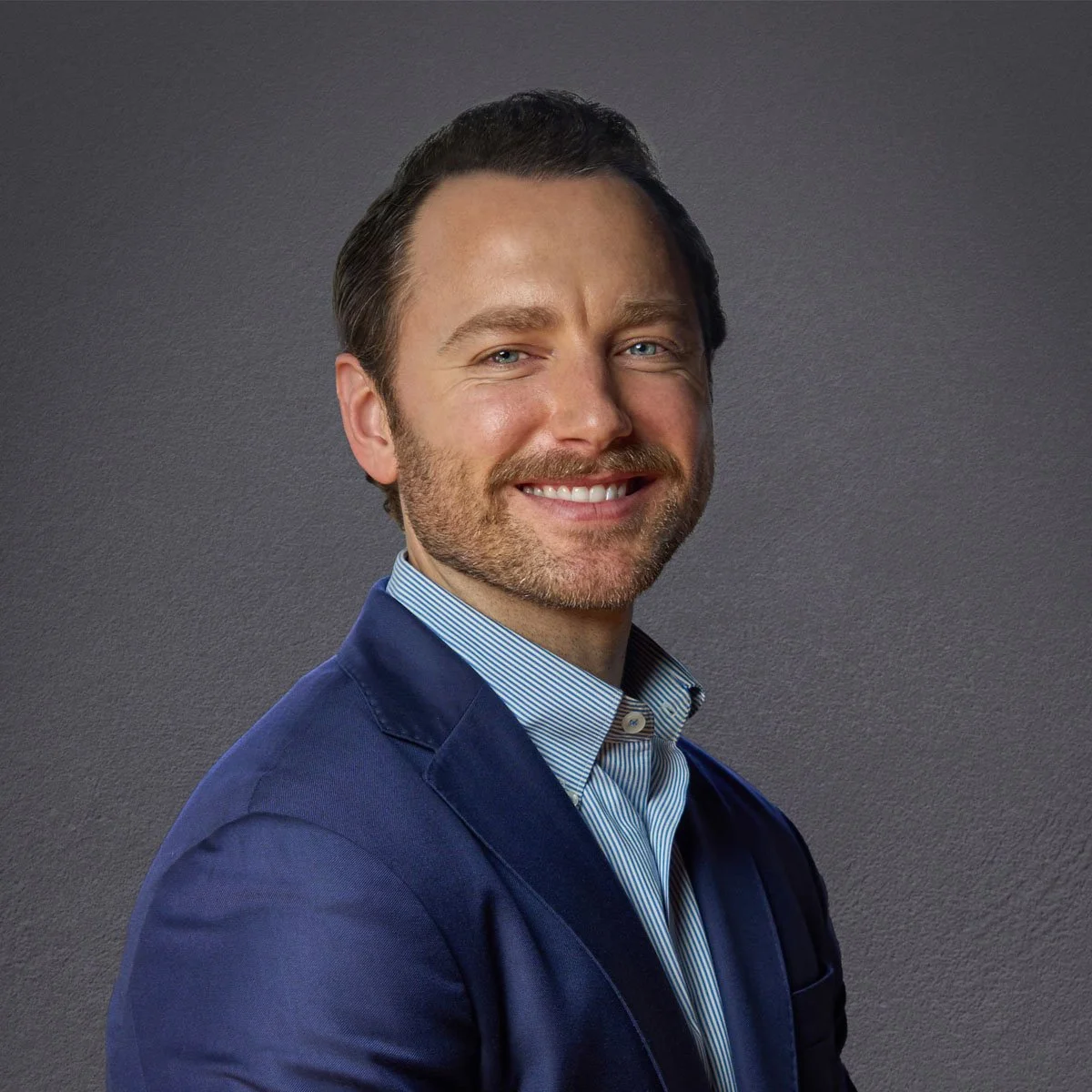
About John Brenard
John Brenard is the Co-Founder and Managing Director of Southview Timberland Investments, an alternative investment firm focused on acquiring and managing timberland and rural land in the Southeast U.S. With more than 15 years of experience in finance, wealth management, and capital markets, including leadership roles at J.P. Morgan and Wells Fargo Advisors. John combines investment, finance, and operational experience with an owner-operator approach to real asset investing.
Prior to founding Southview, John spent more than a decade investing in timberland alongside his business partner, Terry Myers, developing a disciplined strategy centered on sourcing middle-market opportunities that larger institutions are not structured to pursue. That experience led to the launch of the Southview Timberland Fund, which gives accredited investors, investment advisors, and family offices the opportunity to invest in an asset class that has historically been out of reach for most investors. The Fund generates returns through timber harvesting, strategic land sales, and diversified land-based income while targeting long-term capital appreciation and portfolio diversification.
John is passionate about educating investors on alternative investments and the role timberland can play within a diversified portfolio. Outside of work, he enjoys traveling, the outdoors, and spending time with his wife and family.
Resources:
-
John Brenard 00:04
So historically, Timberland has returned the same as the S&P 500, with half the volatility, and a lot of you know a lot of folks don't know that, but the institutions have known that big college endowments, large pension funds-they've been investing in Timberland for a very long time.
Mark D. Williams 00:31
Today, the Crusaders podcast-we had John Bernard in from Atlanta, Georgia. He's with Southview Timberland Investments, and we had a great interview. Really, a different interview style. Mainly, we all buy lumber from somewhere, and hearing how it's grown, how it's a great investment, and how you can actually invest in property to basically de-risk your portfolio. If you want to know more, you're going to love this episode. Without further ado, here's John Bernard. Welcome to the Curious Builder Podcast. I'm Mark Williams, your host. Welcome back to another Monday episode. We've got John Bernard, and John, you're in Atlanta, Georgia. Is that right?
John Brenard 01:06
Atlanta, Georgia.
Mark D. Williams 01:07
All right. We've got one of our collectives down there, Brad Robinson and Vincent Longo. So if you guys bump into each other, you have to say hi. You're with Southview Timberland Investments, and you one of your teammates reached out to me, and because typically I'm having builders on, but your what you do is very fascinating. Anyone who builds homes, which is most of our audience, either architects, designers, or builders, and we use lumber all the time. And so, you talked, you and I were chatting just briefly. We'll kind of let you do a quick intro, but this episode is going to be a lot about like how do trees, how are they investment, how do they come to market? Is what I'm really interested in. They all show up at our lumber yards, Home Depots, all that. They show up in homes. I'd love to talk about from an economy standpoint why the U.S. is maybe a unique position to sell lumber. You hear all the stuff in the news about Canada lumber and outwest lumber, and so I'd love to dive into that. And then we're going to talk a little bit towards the middle end about raising a fund. I think whether you're building a spec home, a development, or in your case, you guys are doing a liquidity fund right now that we can talk a little bit about. So just prepping the audience for kind of where this conversation is going to go. Let's start at the beginning. You did not start in South South U Timberland Investments. You've got kind of a cool career, you know, managing funds for very wealthy family offices. Let's let's start there. Let's go back to maybe more of your beginning and and where you started and how you came into this.
John Brenard 02:26
Yeah, happy to and and happy to dive into all those things you you know you just went over and looking forward to that. Yeah, so very quick background on me so we can really you know jump into those those topics. You know, my early career was in wealth management. You know, working for the big wealth management firms that you know folks would recognize had a successful career doing that. You know, started really right during the financial crisis, so kind of a tough time to start a business. But in all that chaos was actually a lot of opportunity, and so I built a good business over you know about a decade, about 100 million in assets under management, plus you know great business, but you know got to a point where you know I was still very young for the industry, and I just wanted to do something more entrepreneurial, and so left that business in 2017 to do a startup with some partners and some co-founders, built a company, sold it, and then where the timberland comes into all of this-not to jump too far ahead-is you know my family bought some timberland in 2008. They live in Savannah, Georgia, and so that was my introduction to this industry was in 2008 when my family bought some land and and I took an interest to it. But we can we can dive more into that, but that's the high level.
Mark D. Williams 03:43
No, I think that's super great. I guess I'll ask you two quick questions. What did you learn from your time managing 100 million under assets that you apply to your business today, and why when you you know when you sold that company, what did you learn in getting a company ready to sell? So I guess two questions about your former career and how it helps you today.
John Brenard 04:04
Yeah, you know there. I mean there are financial advisor groups that are managing billions of dollars. You know I had a successful business. You know with 100 million AUM as a solo advisor. I mean that's that's a pretty good book of business for an individual advisor. And you know the big thing is, and maybe it's you know very common answer is trust is so important in this business. You're managing people's money. If you don't know the answer to some you know something, you know you got to go get the right answer for these folks. So you know I carry that through into you know what I'm doing today with Southview and raising our fund and building our business, but yeah, I know. And then transitioning into the startup, you know, really moving into a completely different way of working, leaving a Fortune 500 company to a startup that we were building from the ground up is you had to be a lot more resourceful on that entrepreneur. Entrepreneurship side, and you know, even though there was the uncertainty, you had to be more resourceful. I was more drawn to that. I think my personality likes to be creative, and so getting out of that box of that corporate world just suited me better. And that's what I continue to do today. So, I guess to put a finer point on that is, you know, there's two ways of working, right? You can work for the big companies, or you can do things out on your own. Neither one of those are bad. It's just what suits your personality.
Mark D. Williams 05:28
What was it? I think a lot of people often. I mean, if you are an entrepreneur, you think, man, how could you be anything but? And if you haven't become one yet, either I think you're probably left with two questions. One is, what do I have to do to become one because I'm interested in it, or it? Or you're basically like, what's preventing you from starting out? I've interviewed so many people. I'm always really I admire people that become entrepreneurs later in life. You know, I've had a number of people on that had families, young kids, and like they just packed up the truck and are just like, I was like it's like going west and it's like 1876. You're like, dang, that takes some serious guts. Where I don't, I mean, I can only speak for myself. I mean, I was 21, 23. I mean, I knew nothing. My my failure was moving home back. You know, was moving back home, which isn't really that terrible of a a failure, really. But I guess my point is, is like what has been your observations? Like what drives you? You've seen, I assume, a fair number of people that have stayed in the corporate world. And to your point, if it fits your personality, it works out great. You can have a successful career in life in all manners. But what are some things that you've sort of noticed about people that have made this successful transition to entrepreneurship, or kind of like what are the benefits in your mind of like why you could never go back?
John Brenard 06:43
Yeah, so the stakes were high for me when I left my wealth management business. When it comes to the financial side of it, at the time, I you know I didn't have a family, right? So I you know I didn't have that risk, but I was walking away from a very nice business that I'd built, you know, a very nice income that I've you know created for myself, and it didn't happen overnight, right? This it was kind of a slow buildup over you know maybe two years where I started to think, you know, I like what I'm doing, but I don't want to do this for the next 30 or 40 years of my career, and so I guess what I would just tell your listeners is, if there's a way for you to maybe put one foot into the entrepreneurial world first before you jump into it, because that's what worked for me. I can only speak from my experiences. That startup that I joined, I had invested in that company, and then I left wealth management to run sales. I was an early employee at that company, but I wasn't the founder, and so I didn't take on the full risk of being a founder. But I got to experience that entrepreneurial life, right? I mean, I was early employee. We built that thing from the ground up, and that's what you know allowed me to to you know have the interest to continue doing that after. So if there's a way, if you're interested in becoming an entrepreneur, doing your own thing, maybe you find a way to to enter that world without taking on the full risk to start. I know so many people are burn the boats, right? Leave it all behind you. There's no plan B, and that's that's all good. And I I believe in that method too. But this is what worked for me. Is you know I was able to to transition into an entrepreneurial world without taking on the full risk. Learned that I did like it, and you know continued down that path. And now I'm a founder of my own business.
Mark D. Williams 08:40
No, I think that's helpful perspective. Let's go forward because I have a lot of questions around timberland. I mean, other than an obvious statement, when you say it, it's like it's land that has timber on it. But is there? I don't know much about the designation. Like, is there large swaths of property that are designated timber land? Walk us a little bit through like what that means, or is it just simply buying large amounts of property that have timber on it? You said you invested in in timberland back in in 20 or 2008, I think was your your family had some as well. But like, let's talk a little bit about the industry, mainly because we all buy lumber. Most of us don't know where it comes from, or we see you know Sierra Pacific, or we see out west. But like, I would love to know a little bit about like the economics of the timber and lumber industry, and then really specifically, you'd mentioned how it's a phenomenal return, and and I think a big part of what drew you to it was the fact that it's a it's a great performer in terms of investment strategy, and I would love to hear a little bit what you mean by that.
John Brenard 09:40
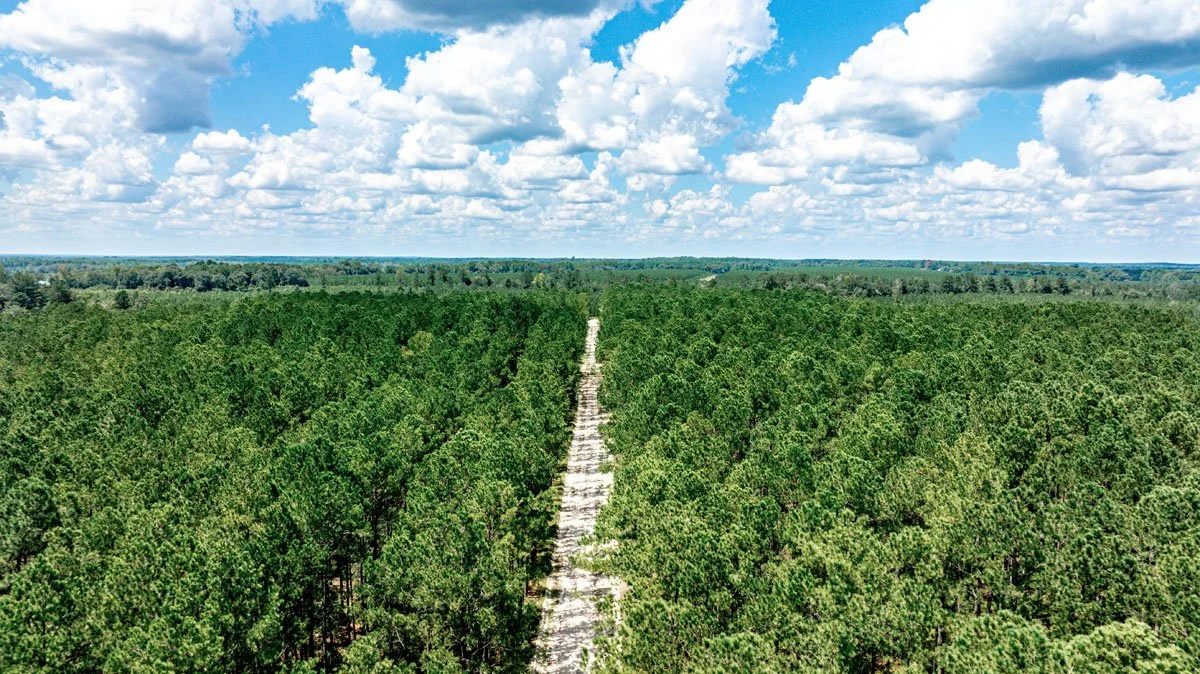
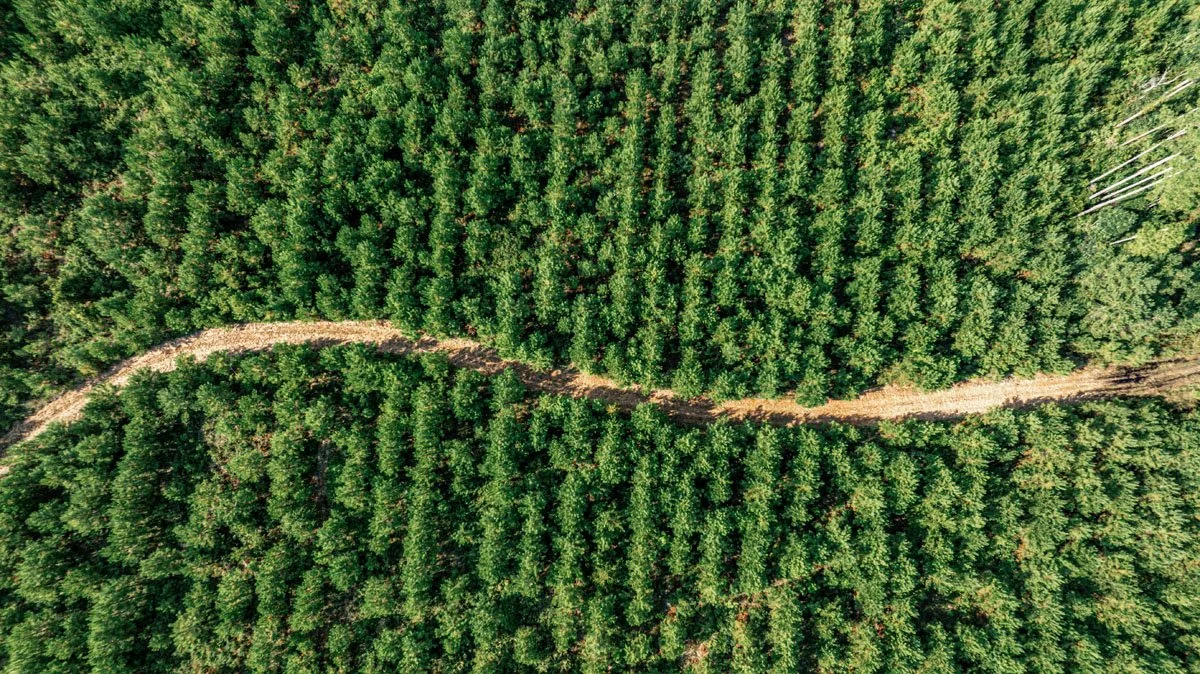
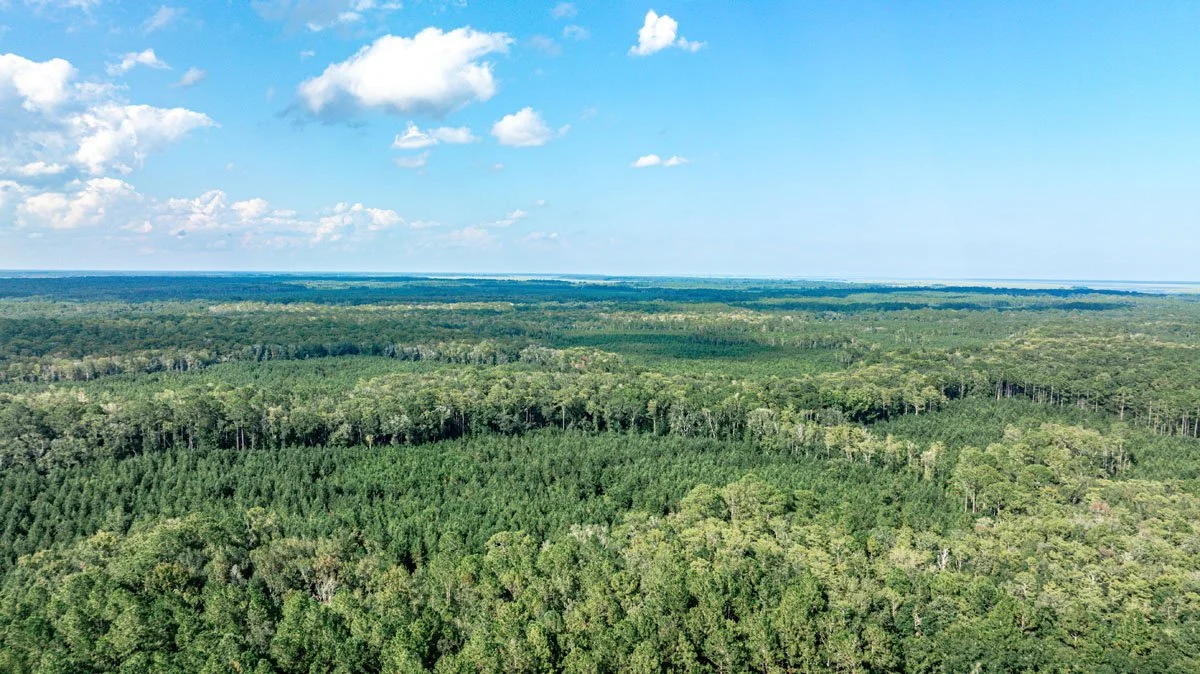
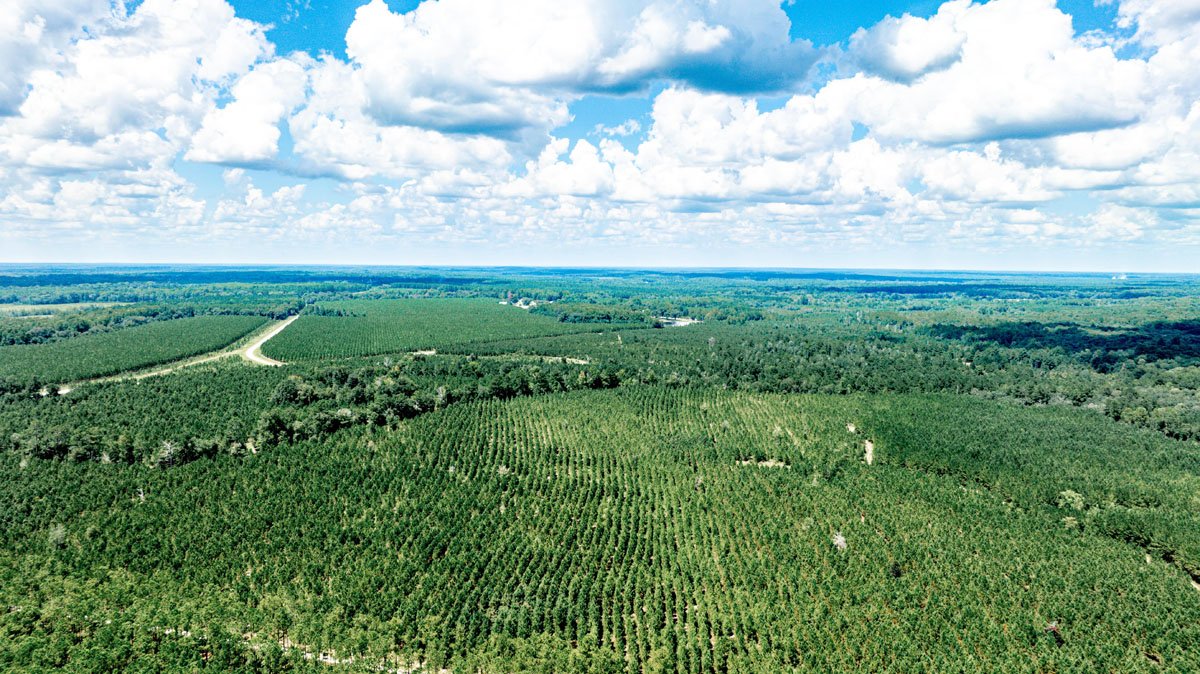
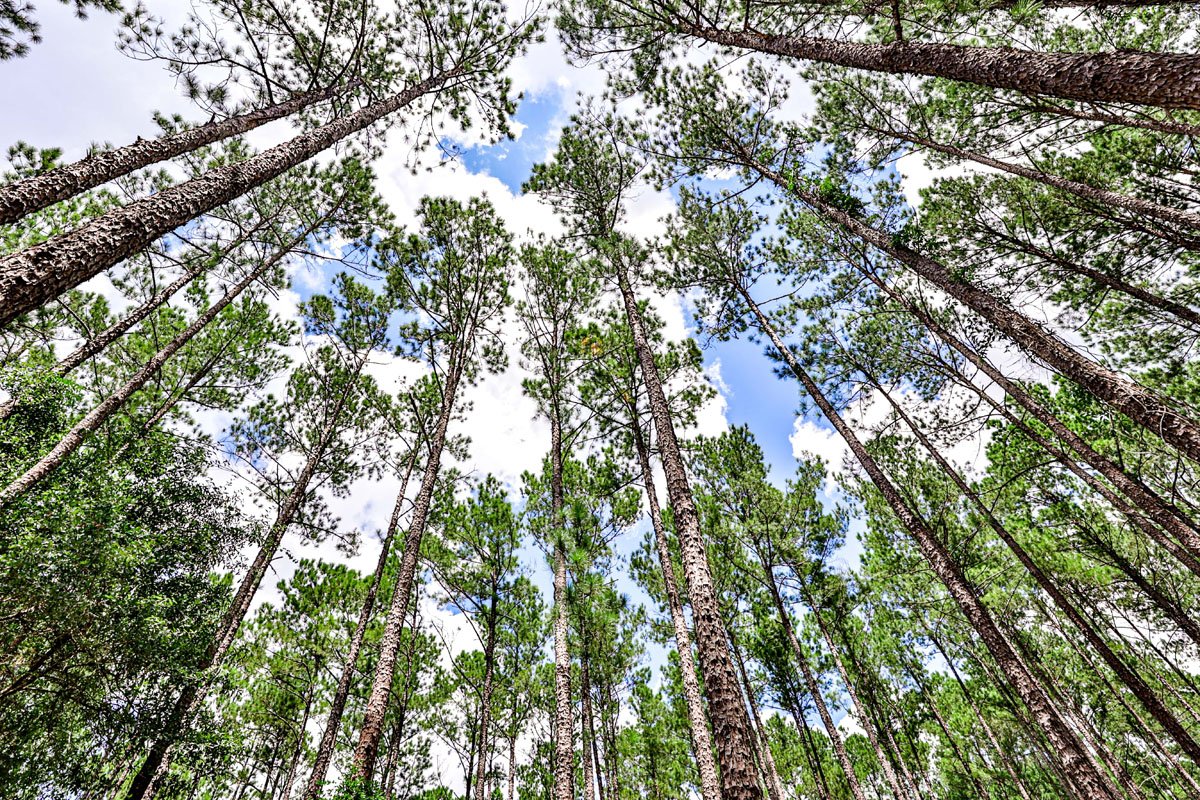
Yeah, so just to take that that first part, like what is what designates a you know an area like what what would you call timberland? A lot of listeners may not know is the southeast and specifically Georgia is one of the most productive timberland regions in the world. You know. The Pacific Northwest, Oregon, Washington have a lot of timberland as well. There's parts of the Northeast and Midwest, but the Southeast, where we invest, is really one of the strongest regions. And yes, I mean these are very rural parts of our country, but outside of these these cities like Atlanta or Savannah, Jacksonville, Charleston. It doesn't take very long for it to get pretty rural, where these where you can find these timberland properties. And what they are is they're professionally managed, professionally planted large acreage where we're growing primarily southern yellow pine. And there's three species. There's slash, loblolly, and longleaf. Those are the three dominant species that we grow. And you'll see. I mean, they are professionally planted timber plantations, and they're managed by you know forestry. You know, people with forestry backgrounds. People go to school for for many years to learn how to manage these properties and so that's what really designates them is is they're typically professionally planted professionally managed it's not some you know some random forest these are very serious operations that are meant to be as productive as possible to grow you know to grow this timber
Mark D. Williams 11:21
so I have a lot of questions. Okay, so the first one is, what is the what would the average size of these farms be? Are we talking 50 acres, 100 acres, 1000s acres, millions of acres? Like, what? Give me some size parameters here of what these timberland sections would look be.
John Brenard 11:36
Yeah. So with our business, Southview, we buy tracts of timberland of, you know, we call them mid-size assets, small to mid-size assets, couple 100 acres up to maybe 2500 acres. So still, I mean, these are very large tracts of land, but compared to what the big institutions are buying, they're buying 10,000 acres at a time. You know, they're raising hundreds of millions of dollars of capital to deploy into this asset, and so they don't get out of bed for an asset unless unless it's 10,000 acres or more, and so some of the biggest timberland owners, timberland managers in this country, are some of the biggest landowners in the country. I mean, they manage hundreds of 1000, hundreds of 1000s, and you know, in some cases, millions of acres across the country, so very large tracts of land. Yes,
Mark D. Williams 12:25
and is this designated? Who designates it? Like, if you just bought all this, like Ted Turner, and I heard at one point had you know more land than maybe any natural private citizen, and he's passed now. But actually, he's from Atlanta, right? Yes, isn't Ted Turner? So, like, he is. Oh, yeah. Maybe is maybe is a good example, but I guess my point is, is like, can you just buy land and then designate it timberland, assuming it has trees on it, or maybe not? I mean, like, or does it have to be registered? Because where I'm going to go with this question is private versus obviously public land. So, like, you know, I mentioned before we came on, my sister used to work for the Bureau of Land Management, and she would do timber sales out west. So, like, of the forestry. One of my next questions will be like, how much of it is private industry versus private industry harvesting trees on public lands that are owned by the Department of Interior? Just trying to understand like the global scope of how big this industry is.
John Brenard 13:16
Yeah, so I could really speak to the southeast best where we invest. You know, 90% of the land in the southeast is privately owned, so owned by individuals like you and me. And so that's why we like to invest here, is because there's really that that freedom to operate versus you know the West Coast, where you're right. I mean, there's more government land, more federally owned land. It's just kind of a different a different game. Whereas in the southeast, it's mostly privately owned. You know, upwards of 90% And so, yeah, there's not necessarily like some no stamp or designation that that calls it Timberland. But what you typically look for is there has to be markets. There has to be somewhere for you to sell that timber once you harvest. You know you're selling it to these various sawmills that create different types of products, and they usually have to be pretty close to your property. You know, 50 to 100 acres. Otherwise, you can't move it there efficiently because of where fuel costs are. So I'm
Mark D. Williams 14:20
sorry. Did you mean to say 50 to 100 miles?
John Brenard 14:22
Excuse me, 50 to 100 miles. Yes. Okay.
Mark D. Williams 14:25
Yes. I didn't know if you had been in the tree game so long that you designated distance with acreage.
John Brenard 14:30
Yeah. I meant to say miles. Yes. Thank you. Thank you. No worries. Yeah. But that-that's how you can tell that you're in you know a strong market. Is is you know there's you know a good you know there's a good mill infrastructure right when we buy properties in Georgia, Georgia's number one forestry state. There's typically you know six to eight different sawmills that produce different types of products depending on what size timber we're harvesting, and that's and that's a good place to invest because that. Means you can be harvesting different products at different times, right? You have diversification versus if you're buying a property that only is relying on only one mill, there's some risk there because that mill can close down and then you lose that market.
Mark D. Williams 15:13
I mean, it sounds obvious. It's like if you ever played, have you ever played Settlers of Catan?
John Brenard 15:18
Yeah, I'm aware of it. I haven't played. So, but I mean, it's like
Mark D. Williams 15:20
you know, you need the roads, then you need the ore, and like your city builds differently. I mean, most small builders. I should just speak for myself. Like, I'm not thinking about distribution because I'm thinking about my local market. I'm building small, high-end custom homes. But like, we actually are way more global than we all think. And we just did this really cool home here in Minneapolis called Misahuas, which is Scandinavian for cozy home, and we have 22 countries represented with 35 brand partners. So, but we made a deliberate choice to try to go international just to make it different. But like, it's really interesting when you start engaging with companies in Sweden or Germany or France, or you really start thinking about shipping totally different. And I did it from a marketing standpoint and an interest standpoint. But from you, you're also looking at from a profitability standpoint. Like the closer I would imagine your timberland is to a mill, you know, you're cutting down. I mean, it's just logical, right? It's I think you like in Minnesota, we have a lot of the top window companies in the country up here, and the way I understand it is, you know, back in the early 1900s, we had a lot of wood, we had a lot of water, and it was very easy to make you know a lot of windows up here, and so like then these manufacturers start building up their glass companies, and so I get like infrastructure, which is actually I think kind of interesting. It's just building the machine that builds the machine. My question is probably should have been asked earlier: Is the southeast such a great region just because of your climate? Because it grows fast, you have a longer season. Like what makes the southeast such a great timber location.
John Brenard 16:43
Yeah, that's a big one. I mean, our climate is one of the best for for growing. You know, this species. It's it's a you know very moderate climate, warm you know warm climate. We get lot lot of moisture. You know, and the genetics of these of these you know trees we're growing are are getting better and better. And so there's also a bit, you know, pretty big emphasis in the school system around here and the universities for forestry. You know, there's just a lot of you know very talented individuals that you know that know how to manage you know these forests very well. A lot of government support for the industry as well, especially here in Georgia, but also Alabama and you know, in South Carolina, but really, you know, here in Georgia. So there's just a lot of support, you know, for this industry. A lot of people employed by it.
Mark D. Williams 17:28
And is it because, like, I we've been working with Pella? They're one of the sponsors of this podcast as well. I've been working with them for 22 years, and I know because I've done a number of ad reads for them. You know, it's always Southern Yellow Pine. Why is it because Southern yellow pine is just so readily available. Is it because it's a great wood? It's stable. Like, what made Southern yellow pine such an attract? Because you do three versions of it. What is it about Southern Yellow Pine that is so attractive to the lumber industry?
John Brenard 17:54
Yeah. So, I mean, I don't have the exact history of of why you know why southern yellow pine, but that is the dominant species that that we grow here, and it's what has been the emphasis of what we've been planning for you know for decades, and what all the big timberland managers have put a lot of research behind to to develop to have the best stands, have you know the the you know most productive plantations that that they can. So it's just where the energy has gone, what the industry has focused on. So that's you know that's what we use here. And depending on what is going on on any particular site, is what species they plant, whether it's the slash, longleaf, or loblolly.
Mark D. Williams 18:40
And what is the give me a context of like the size of these trees and the growing cycle? You know, you have this. You know, let's say a 2000 acre piece. I don't know if they're growing all at the same time. Are there different sections? Like, how do you you'd think like you know the Lorax, right? It's like you know you cut the tree down if you don't have. If I assume that's where it comes into forestry and having sustainable practices, but educate us a little bit about like how does one go about you know it's not like corn. You know I'm in Minnesota, we're corn country, right? I mean it's well you said this thing is a chest high by Fourth of July. It was kind of like you know you had a good season. It's like there's corn everywhere here, but you know it's a seasonal thing. It's much shorter. Like your cycles are way longer. How do you market that? How do you make sure financially you're stable? Like, how does one manage that from a financial side as the business?
John Brenard 19:28
Yeah, I mean, you're right. I mean, you know, saw the large dimensional saw timber that we get two by fours and two by sixes from two by 10s, all that. That's 20 years, right? So you know, it's it's 20 years to get that product. The good news is, though, is that we've been doing. You know, we've been growing you know timber in this region for a very long time, and so you can go out and buy a tract of land that has five-year-old timber on it, some 10-year-old timber on it, and maybe some 20-year-olds. So you have diverse age classes to start with. You're. Starting at at zero, so that's what we do in our fund. Is we're buying properties that have diverse age classes, and you talk about you know how it's managed is you know those different ages are different product types, right? So the smaller dimensional timber is for pulp and paper, and the larger dimensional timber is for the building products, what you know you would use to frame homes with, or you know for the repair and remodel market. You know, it's it's we're not starting from zero in many cases, but yeah, it's you know it's you know 15 plus years before you start stepping up into a product that that you know has some type of income from.
Mark D. Williams 20:39
And I would imagine it probably. I mean that's pretty capital intensive, right? I mean if you have to buy something and wait 15 years for it, like dang,
John Brenard 20:47
there's some upfront costs, but the ongoing expense is fairly low. So there's some you know there's some you know site prep costs that go into it when you're just starting out, but the long term management there is some that you have to put into it, but I mean, it's nothing like owning a rental. A rental, yeah. I mean, not even close. Like a multifamily, you know, we're so I can see all that. I can see the
Mark D. Williams 21:13
appeal to it. This episode is brought to you by Pella Windows and Doors. I've used Pella for 21 years as the exclusive window company on every one of my builds. When people ask me who I trust for windows and doors, it's Pella every time. Their craftsmanship, their innovation, the top-tier service make them a no-brainer for any custom home builder or designer who demand the best. Whether you're designing something bold or building something with timeless elegance, Pella has you covered. They're also the only window company that has a lifetime warranty on all of their windows. I've gotten to know all their people at Pella Corporate as well as locally here at Pella Northland. I'm proud to call them our partners and our friends. Visit Pella.com to learn more and connect with your local reps today. Also, for more information, you can listen to episode one where I interview their founders, as well as episode 109, where we talk about the innovation at Pella. Reminds me a little bit of a mutual fund. You're diversifying risk. I mean, if you're getting a five year, a 10 year, a 15, a 20 year, I mean, you kind of are building sort of your portfolio is different forests that sort of represent different harvest deals. Is that accurate?
John Brenard 22:26
Yes, that that is accurate. You know, we're we're also diversifying across counties as well, and so we buy those small to mid-sized tracts. We can buy in many different counties across Georgia, and what that does is that allows us to tap into the different timber markets because some of these markets are hyper local. Some of these sawmills make specific products. We have certain relationships with them, and so we can also diversify by location. So yeah, it's that that's the beauty of a fund structure versus putting all of your capital into you know just one tract of land because there's a lot of risk with that right you have you know natural disasters you may have a mill or two shut down right you may have some type of you know just some type of problem with that particular you know individual track versus that fund approach like you mentioned more of a diversified mutual fund approach, like what we do with our fund.
Mark D. Williams 23:24
So let's talk a little bit about how you know. I think correct me if I'm wrong, but I feel like there is a consensus that we don't do we like, especially up in Minnesota, we're on the Canadian border, right? Like I always feel like at least up here, and I don't know this to be a fact. I'm just going off of this is 22 years of stereotypes. Like our Canada, our lumber comes from Canada. Our lumber comes from out west. You always hear about like lumber prices surging. Like, I gotta believe we're probably better at producing wood than we are. The the layman probably is aware of. Where does the U.S. compare to other countries in the world in terms of like forestry and lumber procurement, I have to imagine we also probably build more than anybody else. Because correct me if I'm wrong, but I think we build homes at scale at speed faster than anyone else in the country or in the world. Sorry, is that accurate?
John Brenard 24:11
Yeah, I mean, on average, we build about one and a quarter to 1.5 million homes in this country every year on average. So, and that's typically built with, you know, you know, stick built with what we grow in the South and what's grown in the Pacific Northwest. But there is still, you know, lumber that comes over the Canadian border. I think last time I was looking at it, it's about 20% 20 plus percent that comes over the Canadian border, and so, so yeah, we are still importing them, the current administration is doing things to kind of make it more favorable to work here in the U.S. with U.S. producers. So you know those those tariffs are benefiting our industry. But you, I mean, you said it. We're we're at the top of the list in terms of having some of the best. Practices the best producers, you know, of of timber anywhere in the world. So I would I would put us, you know, especially here in Georgia, I would put that up against anywhere else in the world.
Mark D. Williams 25:12
Interesting. I Nick Schiffer is a friend of mine. He's up in Boston, and he went over to I think Germany or France, and they were single sourcing all of the wood that went into his house from a single forest, and I was. But they had every single tree which was registered down to the board, which I thought was amazing. Like, do we do that level of, like, what is our process for documenting, you know, where lumber comes from and like how it's harvested and things like that.
John Brenard 25:44
Yeah, that that that sounds very European. That that high regulation and you know all of that. Yeah, I mean we there are certifications you can have on have on you know your timberland properties. Yeah, I mean that that can be documented here in the U.S. but not. I mean that that's another level. I want to go back to what you just mentioned, what we spoke about a moment ago with Canadian producers, and there's actually 50% of the sawmills here in the southeast are now owned by Canadian companies. So they yes, so they have actually left Canada to come to the southeast to open their operations here because of how productive our forests are. You know the the Canadians have a lot of crown lands, so it's owned by the government, and so there's more restrictions, right? There's just more scrutiny, more regulations here in the U.S. and you know specifically the Southeast, we just have the freedom to operate, and so you have a lot of businesses coming here because if they're going to invest $100 million in a sawmill, they want to know that they're not going to you know be regulated out, and they just don't have that risk here.
Mark D. Williams 26:56
I mean that actually brings up I mean everywhere in the country. I don't know what your papers are saying down there, but the Boundary Waters where I love to go. You know, it's a large tract of land between Canada and the U.S. filled with lakes, and I love it there. But you know, we've had a lot of fires up there, and obviously the press is getting all over the last couple years. We've had a lot of fires and smoke, and I think we're going to see more and more of it with global warming, obviously, and just I should just say climate change is dramatic. Lots of fires out west. In fact, I I had a race last year that got canceled at mile 66 of the race because the wildfires in the three sisters went from 800 acres to 18,000 acres. And so, like, how does forestry work? Because with fires and like, you know, if you have a natural disaster like a windstorm or a hurricane, can you go in and salvage? I think. Correct me if I'm wrong. I think you have to do it pretty quickly because if the downed trees stay down for too long, they rot. Or walk the audience a little bit through because I think there's this common perception that we have lots of trees, and that's true. But like, if you don't help pop pop some of these stereotypes of like you leave timber alone if you harvest it, you actually have less fires. I mean, there's a lot of things about how we take down trees that would actually help a lot of these situations, if I had to guess.
John Brenard 28:05
Yeah, you know, a pushback that we get in our business is, you know, oh, you're harvesting these these this timber that's bad for the environment, right? Well, what we're doing with where we have designated in the country that this is where we're going to be growing timber is we're actually protecting all of these other parts of the country where we're not harvesting timber, right? We've designated these zones. You know, this is where because we can't. This economy wouldn't survive if we didn't have this product, and so we have to do this somewhere. And so, if you think about it, because we've designated you know these areas in our country, you know to to this industry, it's protecting the other areas. So so there's that point. But you're right. When there are these natural disasters that come through, you know we just had Hurricane Helene and Hurricane Milton that came through in the last two years. You know that you know that put down a fair amount of timber in our region. You know our industry really you know jumped on that, and you know we got a lot of that timber up off you know off the ground to avoid having the bug infestations. A lot of people pulled together to you know to support each other. So that's important. Is you know you have to jump on these things you know when these disasters happen. We have very good forestry practices, good forestry management. Right, we're keeping the understory you know maintained. You know that's a big part of it because that understory is what can get dry and create these forest fires. So having good forest management and allowing the folks who know how to do this to to do their job is is what's going to prevent you know a lot of these natural disasters from happening. And you know you mentioned on you know when is the right time to harvest. You know sometimes you know these trees get to a point you know they're they're they've reached that maximum age that maximum. Productivity, so they need to be harvested so new trees can be planted because those new trees actually start to sequester more carbon. They're kind of like teenagers, right? They eat a lot of they you know they they eat a lot of food, right? They sequester more carbon when they're growing, and you can harvest those old trees, which is going to store that carbon. That's what you're looking at when you're looking at wood-is stored carbon, and so it's a very good thing for the environment is to be harvesting the old trees and planting new ones. That it's actually good for the environment.
Mark D. Williams 30:30
I've-I've heard that. I was going to actually bring that up. You went right into it, so kudos to you. It's not the first time you've had this conversation, obviously. What? Yeah, I mean, I mean, some of it just makes common sense. Like people get so worked up about this, that, or another thing, but some of it is just. I think if you just explain to it, you know how it works. It just. I mean, it just makes sense. Let's talk a little bit about. Well, I guess one last question. So I live in a 1919 house. I mean, I build new homes. I remodel. And you always hear this thing about from craftsmen, and we're not going to talk about the breathability of old homes because that's more of a systems approach, but like the old wood that you have in 100-year-old homes, like you know that old wood world growth. I mean, it's denser rings. There's no correct me if I'm wrong, but there doesn't seem to be any question that like a two by six from 1900 is way stronger than a two by six from 2026. Is that accurate or not?
John Brenard 31:18
That that is accurate. Yeah, that that is accurate. the The material that we are growing, you know, southern yellow pine. I mean, is still a very strong material, and and it's far exceeds whatever regulations are required for building codes. And you know, it's it's safe and strong. But you're right; it's not old growth, right? We have different needs. We have a you know a larger population to serve these you know these days and so we need these genetics to be growing faster to support you know this population to support the economy.
Mark D. Williams 31:50
Perfect. So I mean I have no issue with that. I mean I support that because I'm a builder and I need it. My question was more of like what what advantage advantages does an old growth forest have? Because let's say it takes 2030 years and it reaches its called adulthood, and anything after that is sort of I'm guessing law of diminishing returns. Like if a tree is 100 years old, does it make it? Is it the trees? Let's say already at 90% and you're just looking for those last couple percent. And I'm guessing I'm mixing analogies here a little bit, but I'm guessing different species of wood probably have different properties. The older they get, would be my guess. Is that true?
John Brenard 32:24
Yeah, I mean, like with Southern Yellow Pine, 2530, years. You know, you you should be looking to harvest that because yeah, it's it's diminishing returns at that point, and also and I, you know, you're really running a risk too. We saw with these hurricanes that came through with Hurricane Helene and Milton, the guys who were really trying to push it, a lot of their timber got taken down because it was you know older growth, right? It was just heavier, and some of the guys who were more active with their plantations, more active management, they fared a lot better than the guys who were really trying to push it with this older growth timber.
Mark D. Williams 32:58
Where I'm going with this is like, I mean, maybe I don't even know. I just, I just, I always hear my old craftsmen. Well, oh man, they don't build them like they used to. Oh, this timber, man, I sure haven't seen one of these in a while. I mean, it's just like, but maybe that's when you get old. You say that about everything that was found. That's true. I don't know. And so, yeah, I mean, I'm open to any sort of like observations you would have on that. But it's, you know, I've often pointed out because we, you know, like we do a lot of oak up here, in particular wood floors and cabinetry and things like that. And like, is the ring density like how close they are together? Is that an indicator of how old it is? So, like, if my rings are closer together, or like even on plane sawn, if my if my grains are tighter, is that usually an indicate indicator that it's older or not necessarily?
John Brenard 33:40
That's my understanding. Yes, I mean, is you know, is is counting the rings is you know, that's how you get the age, and I mean, you can also see the the the rate of the growth too. Some of this newer species of of southern yellow pine, the rings are further apart because they're just they're growing faster, and I'm not going to you know hold myself out as you know an expert in the genetics of the trees and and and and so forth. But that is my understanding of of how that works. Yes.
Mark D. Williams 34:09
Well, let's. I'm sure people are like, when are you going to stop talking about wood, Mark? I want to hear about finances. Well, you tuned into the right time at 34:48. Here we go. Let's talk about why when you were at J.P. Morgan or why when you were investing, like why is investing in Timberland a good return? Like why does nobody know about it? Like I certainly have never had my financial planners be like, oh, by the way, you know, we're going to do the S and p5 100 and we're going to do some Timberland. Sure, talk to us a little bit about why is it a good investment? Whatever sort of financial data you can get around it, and then we'll talk maybe after this a little bit about like starting a fund because you've got one going on right now, and I think it's going to be very relevant to the audience.
John Brenard 34:49
Yeah. So historically, Timberland has returned the same as the S and p5 100 with half the volatility, and a. Of you know, a lot of folks don't know that, but the institutions have known that. You know, the big the big endowments, the big college endowments, large pension funds. They've been investing in Timberland for a very long time, and that's you know usually what those groups have had exposure to timberland for decades. So it's really been for reserved for those types of groups as part of a very large bill, you know, multi-billion-dollar portfolio. Is they're going to have percent timberland, you know, as part of that allocation, as you know, to to help with volatility, to be an inflation hedge. But there's really this whole other world, which we play in with these smaller size assets, which still gets you those those same types of returns or better, but you're getting you know direct exposure like through through our fund, and so you know the the returns are are many can be come from different places with the approach that we use. It's not just the timber, so we're buying tracts of land outside of these growing southeast metros. You know, a couple 100 acres up to maybe 2000 acres, and what's happening is population is moving here, capital is moving here, businesses are moving here, and so there's more demand for that land. And so we'll buy 1000 acres, and we may sell 300 acres to a home builder or a recreational buyer, and keep the other 700 acres for the long-term timber returns, but get that enhanced return from selling that land at a premium. So I would
Mark D. Williams 36:34
imagine you could also cover your down stroke. You know, if you had to spend, yeah, I just keep the numbers simple. If you had to, if you had to buy it for 100 million, and you could sell 30% of it for 30 million, I mean, you you've just decreased your downstroke because you might have to wait 10 or 15 years to get your full return, right?
John Brenard 36:50
Yeah, yeah. I mean, that's we always look when we're buying a tract of land. We want to have some type of quicker exit. That's the strategy that's worked for us. Is we don't have you know a lot of these bigger institutional funds. They have a 10 year time horizon. You know our fund is a five year fund, so we're always looking for a very quick exit within the first year by by typically selling land. You know selling some you know parceling out and selling some portion of that land, maybe retaining some portion of it for the long-term timber returns. Maybe have a recreational lease on it. There might be some farmland on it that we can lease out for income as well. And so it's not just waiting 20 years for one timber harvest. We try to be a lot more opportunistic, and that's what we did personally with our own money. You know, I we invested that way in friends and family deals. That's what my business partner built his wealth with that strategy, and that's the approach that we're offering in our fund today.
Mark D. Williams 37:48
So you have a fund that's you're actively looking for funds now.
John Brenard 37:52
Yeah. So right now we're we're raising a fund for this strategy that I'm talking about. We have some family offices that are investing with us. Some high net worth accredited investors and some registered investment advisory groups. They really see us as a way to truly diversify their portfolio because we're uncorrelated from the stock market, very far removed from from Wall Street. You know, with this approach, and so yeah, we're looking for more partners. And and you know, if this is appealing to anybody, we you know we're happy to talk more about
Mark D. Williams 38:23
it. I mean, high level, just because I find it really interesting. The reason I think it's relevant is I've had a lot of people recently, the last couple years, myself included, on a much smaller level. I mean, partnerships. I mean, really, a fund is just a partnership. That's right. You know, and I think most builders out there that have done any sort of spec or buying land, you know, have talked to a bank about, hey, I'm going to go into a development. There's 20 lots. There's five builders. Everyone gets four. That kind of thing. You take them down. I mean, most builders in the country are familiar with that kind. Or you're doing a spec home. You know, you're doing a single partnership. That's just another version of a fund. It's just you're doing it with the bank. I think some of now because the network, and I think social media has a big part to play with this. Podcasting obviously does. I mean, I think everyone's network is so much bigger than it was 510, years ago. I mean, obviously, I'm biased because I interview 104 guests across the country. But I mean, like, I mean, I've got, I mean, I got so many relationships around the country that if I wanted to start a fund for whatever reason, I mean, I would just talk to guests that I've had on the show. I could probably-I don't know what I'm going to use the fund for. But the point is, I think people have more of an appetite now to sort of-not dabbles the wrong word because that makes it sound too casual. But like, you're going to-you rather-you mentioned trust. One of the first things you said that you learned at J.P. Morgan was trust. I think these funds come down to trust because I don't think they just take anyone. I-I do a few partnership deals for sponsorship, and and we've gone on a few Series A, few Series B in terms of investment in exchange of services, and so. But like at the end of the day, like I'm only going to do that with someone that I believe in and that I trust in, and I think most funds come. I mean, you need money, you need liquidity, but correct me if I'm wrong. You also kind of want to. People that are going to support what you're doing too, right?
John Brenard 40:02
Yeah, absolutely. I mean, this is you know this fund is a five year fund, so we're going to be working with these people for you know a good amount of time. And you know the way we see it is we're we're bringing a lot of value with our knowledge, right? The deal flow that we're able to find, you know, how long we've been operating in this region. You know, 30 plus years, and so you know there needs to be you know that mutual. It's not just about the capital. It's not just about the money. It needs to be about the relationship, and it needs to have you know some type of value add besides just capital.
Mark D. Williams 40:37
What I mean, a lot of times funds have like minimums, like 50, 100. You guys have a minimum in your fund.
John Brenard 40:43
Yeah, it's $100,000 minimum.
Mark D. Williams 40:45
Okay. What? Out of curiosity, I guess I've never thought to ask this before. When people tell me what their minimums, what is the point of having minimums? Is it just like, man? If you had 100 people doing 10 grand, it just becomes a lot of paperwork. I mean, is that really what it comes down to?
John Brenard 40:59
Yeah, I mean, you know, if it was 10 grand and we had all these investors, we have a fund administrator who is able to handle that. I mean, they're capable of of doing that work. But yeah, I mean, it's it's being able to have relationships with these with each of the investors. Most of our investors are here in the southeast, so they they get what we do, and and for the first time, they're saying, "Wow, I have the ability to invest in these types of properties that I've been been driving through my whole life. You guys have a way for me to access this investment. So yeah, I mean, it's just it's a you know it's the buy-in, right? I mean, it's it's just it sets a level of of commitment, and and everybody has to be accredited, so you have to have a certain level of liquidity to come into the fund. And why
Mark D. Williams 41:46
would that be?
John Brenard 41:48
Yeah, so our type of offering is called a Regulation d5 100 6c offering, and what that means is we can only work with accredited investors, basically people who are more understanding that this is that there's risk with this. This is a private fund. You know that either they have certain net worth or they have certain income, and that puts them into that accredited investment. Basically,
Mark D. Williams 42:12
correct me if I'm wrong, but in plain English, if if this fund went under, they would still be fined. Is that essentially what a credit is? That you can withstand a an issue because if you also have to do a capital raise, you want your partners to also be able to be like, hey, let's put let's invest more money into this. Is that some version of that?
John Brenard 42:30
Yeah, I mean that that's a very fair way to put it. Yes, the
Mark D. Williams 42:33
reason the reason I ask, correct me if I'm wrong, but you and I were chatting beforehand. We were talking about the different books for this year, but q2 was psychology of money, and Warren Buffett, not no surprise, has one of the greatest quotes. I keep saying it because I just love it so much. He said, "People are idiots. He says they invest money they can't afford to lose in things they don't believe in. That's stupid. He goes, "They should invest money in things they do believe in with money they can afford to lose. And I just-it's funny how just a simple saying-it's so profound. Like I don't know how anyone could disagree with that statement that was just shared, and yet it's not like it's rocket science. It's honestly two plus two, and yet how many of us, you know, have either-I don't like the word bet-have invested on things that we don't know much about, or at the end of the day, goes back back to your earlier comment. Do I trust that these people that are investing the money, and do I believe in what they're doing? And I think if you can do those things and you have the money, it's probably a good idea.
John Brenard 43:32
Yeah, it's it's it's so true. And and you know the reason I'm drawn to this asset class personally is you know in the way that we you know we invest is we don't use any debt, so all the the capital goes into the land, and so you know this is not you know some digital currency. You know this is not ones and zeros on a screen. I mean this is this is a tangible asset, and so that's that's why I'm drawn to it. And you know we welcome all of our LPs, all of our partners. You know they can come see us. Like if they want to come and visit the properties that you know that that we've invested in, we're happy to take them out and show them, you know, show them these assets. We've done that many times, you know, with our partners, and that's just that's just hard to do with with other types of of asset classes. And you know, I think ours are our you know our assets. I would argue are some of the more beautiful assets as well. I mean these are still beautiful rural parts of of our country, big big you know open blue skies and and you know beautiful timber property. So anybody who invests, you know they're welcome to come see us. We love them.
Mark D. Williams 44:41
If you're looking to level up your business in 2026 and beyond, the Contractor Coalition Summit is the place for you. If you've been a listener to the show, you know that this has been the single biggest factor in how I've leveled up over the last couple of years. It's had a huge, profound impact on my business, my personal life. It's what helped me launch the Curious Builder. In fact, and then our last one of the season will be another three-four day event in Charlotte, North Carolina. All the details can be found at Contractor Coalition summit.com. It wasn't until you just said it that I realized, like it's kind of like it's actually just you have an investment that has an investment on it. The land is still the most valuable part because without the land, you can't grow the trees. But you've got trees on the land, so it's like kind of like a two for one.
John Brenard 45:28
Yeah, yes. The the there's an expression, you know, timberland is you know it's a factory and it's a warehouse. It has the land, right? But it has this this factory which is which is growing the timber constantly as we're sitting here talking, but it's also storing it, right? It's storing it, you know, right there on the land. I was just very drawn to it when I found this many years ago. Just the level of control that you have with this type of investment-you don't have tenants and toilets. I know that's somewhat of a you know cliche thing to say in real estate investing, but it is true. I mean, there's there's just there's not a lot of things that can make it go sideways unless you just drastically overpay, and that's that's why I'm very drawn to it.
Mark D. Williams 46:10
How many like I know home builders? I think I heard a stat the other day that there's 800,000 contractors in America. Now that would just be every anyone who puts on tool belt all the way up to builders. So I don't know how many, let's say, custom home builders. I should probably get those numbers. It'd be interesting to talk about. Or I'm trying to frame up this conversation. Is like everyone knows a remodeler or a handyman or a builder. You are now my first official person I know who does timberland management. So my point is, how many are there? I it takes a lot of money, I assume, to buy, which you know it's it would drastically reduce the people that can do it, but like how common of a thing like your competition, you know you have the big big guys that are you said they're not getting out of bed unless they're doing 10,000 acre deals, and you live in that middle ground where you're trying to find value. When you when there's a forest that comes up for sale, how many people are looking at
John Brenard 46:58
it? Yeah, so with the with the big packages. It's just a small group of institutions typically that can afford to buy that.
Mark D. Williams 47:05
Give me an example. What's an who would an institution be?
John Brenard 47:08
I mean, there's there's a handful of them. I mean, Manu Life is a big one. Nuveen is a big one. TIAA. Okay,
Mark D. Williams 47:18
so no no names that are registering a bell. I'm just curious, like if it was like household name that got into it that I didn't know. That okay, so these are
John Brenard 47:25
all yeah insurance companies, billion dollar. These are billion dollar groups that you know that have timberland groups. Now with what we're buying and selling, I mean there can be local competition, of course. I mean the adjacent landowner maybe wants to expand his, you know, his land, so he's going to have an interest in that. But what so often happens, you know, with the size tracts that we're buying is because we've been in this region a long time, we have a very big network. Is you have the situation, for example, where it's a third or fourth generation who's owned this land. You know, there's there's an estate, right? There's three or four children who have inherited this land. Adult children, they all live across the country, and they just want to. They want to be out of the land. They all want to get get their cash, and that that's where a group like ours steps in and makes it very easy for them. You know, we have the cash already raised in our fund, and we can say, hey, we we can close quickly.
Mark D. Williams 48:20
I just had an idea how I was trying to make this this land deal be like a three way win. So you own the land, so you got the warehouse, you got the factory. You know, right now I love wellness. It's you know it's a $1.9 trillion industry that's doubling in the next nine years. It's monstrous. In there's a cool place down I think in in Tennessee called Blackberry Farms or something like that. It's super cool. Could you find? I mean, you've got some beautiful country down there in Atlanta with the with the land. I mean, could you? Let's say you have a 2000, you know, 5000, whatever acreage for the. Could you designate a port part of it? Have like VRBOs or like a not recreational. You already talked a little bit about what that might be, but like, could you have like sort of almost like a hospitality off the grid, like separate business that's surrounded by all these beautiful woods, but it's also like a work. Now I don't know what the time horizon would that be on because it's like if you have this beautiful lodge that looks across a lake and has all these trees, and then all the trees go bye bye. You know that lodge you know might see a decline in reservations. I'm just curious of like that's an actual thing that you guys talk about as terms of a business model because it seems like with the amount of land you're procuring, it seems like that might actually be because not all of the land is going to be 100% perfect for tree growth, and so like that part portion could obviously be used for housing in this case or lodging for like a hotel or some sort of hospitality off the good wellness thing is, of course, what I'm attracted to.
John Brenard 49:44
Yeah, I mean, you're seeing that a little bit closer into Atlanta. You're seeing you know developments like that pop up, kind of like farm to table living. I mean, exactly.
John Brenard 49:54
Yeah, so you're you're seeing that you know a little bit closer into Atlanta. You know, we're a little bit further out. Typically more rural, an hour, two hour, hours outside of Atlanta, and there's huge demand for you know we mentioned it, but that recreational land, somebody who's looking for 100 acres or 300 acres with a single family home on it, and they're willing to pay a premium because they want a way to get out of Atlanta, a way to get out of Savannah, you know, for the weekend or for three or four days during hunting season. You know, you know throughout hunting season, and that's a huge market that continues to grow. Is these urban escapes, and you know we're really benefiting from that because we buy 1000 acres and we can parcel off a couple 100 acres to that buyer. But but you're right. I mean, there's many different ways that you can use the land, and you're seeing some groups getting very creative. You know, especially in that in that wellness space, you're seeing it.
Mark D. Williams 50:48
What what excites you? I mean, what are you kind of excited about here for the rest of this year and into next? I mean, as maybe switching it now to like either business operations or personal, or you know, I think as every entrepreneur kind of has to have a either an internal drum. I mean, we've talked a lot about the business, but why do you love it? Why do you like to do it? What are you excited about? What's kind of up and coming? I mean, right now, I imagine most of your your business is recruiting around this fund. But let's put that on the. We just talked about that long enough. What are other things that you're just interested in?
John Brenard 51:20
Yeah, I mean, just talk. You know, in terms of what I'm excited about is, you know, just just how far we've come with this business. I mean, you know, if you know, if I could my myself from you know two years ago could see where we are today with this business and kind of reminding yourself, I think that's important for entrepreneurs to do because some days when you're in the grind and like you're in the doldrums of you know raising capital and you know finding the deals and doing the things for the business, you got to remind yourself that like your guy, you know yourself from a year or two ago would kill to be where you are today. That you know reminding myself of that gets get gets me excited, and we're buying some really good assets. My guys are fired up. They, you know, very close to them. You know, I'm in Atlanta, but they live in South Georgia, so I see them all the time. You know, they're finding some great deals, so they're excited finding the assets. I, you know, I I raise a lot of the capital, and they find the deals. So we're working really well together, and I just really feel like I found something that I'm passionate about and and looking forward to doing for the rest of my career. So, yeah, that this is my focus. I I I have other hobbies outside of this, but this is my main main. I love it right now. No, we I would be
Mark D. Williams 52:34
I'd be remiss if I didn't ask you this next question because it's probably my favorite question. Is you know on Thursdays we have a series called Losers or Winners, where we have business owners just say like the biggest loss that they've had because we learn so much from our scars. I'm curious, like, is there a business deal that comes to mind? Something you've bought or a piece of land that turned out to be just like a toxic waste pit, or the government said nope, you can't do anything with this. Or like, what do you have any like? Like, what is one of the more painful lessons you've had in your career? And it could even be back at J.P. Morgan or wherever you were.
John Brenard 53:03
Yeah, I mean, anybody who's listening to this call who who raises capital for projects, I mean, I lose all the time. I mean, I it's you know you're having good conversations with investors, you think it's going somewhere, right, and that you know, and then they disappear, or you think they're about to move forward, and something changes. So there's there's just so much loss all the time, so much rejection in in this business. But what keeps us going is is those wins. You know, we get them from time to time, and if we all want to eat, somebody's got to sell. You know, so you know that's you know that's kind of you know that's a mantra from from somebody else. But you know I I like the fight like I like I like being in it, and I don't want to do you know back office operations. I want to be having conversations with smart people, right? I want to be negotiating. I want to be selling because once I start doing all the you know the paperwork and things like that, it just reminds me how much I love what love love what I do, which is getting in front of people and selling selling what we do. So it's hard to pinpoint one thing, but no, no, that's
Mark D. Williams 54:13
fair. I love I love that the one thing was like every day. It's like it's funny because right now we're dealing with a lot of just I feel like right now. Well, here's my next question. Rather than going into to my failures, what is what's your general sense of the market right now? You're selling to lumber mills. Lumber mills are not idiots. They're looking at futures and housing markets and permits being pulled and interest rates. What are what are you guys seeing in the numbers? Because like a small custom home builder, and even the majority of the people that listen, like you know, we're you know six months a year, maybe two years out. Most of the people listening are not thinking three, five. We're we're react, we're point and shoot. We're looking at the right right here and now. But you're you know you're buying forests that they're going to mature for 20 years. I sort of like that diversification, honestly, because you're like it's a good year. It's a bad year. I like you had this great thing. Like I just wait one more year, and the tree's worth more money. So it's like I kind of like your business model. Honestly, I can see why it's attractive to to firms for a hedge against inflation. But what are you seeing in the numbers right now?
John Brenard 55:14
Yeah, that's true. I mean, our our timberland grows five tons per acre per year. Right. So if we're not having a good timber market, we sit still, and that product is going to become more valuable year after year. So that's, and we pay we pay very close attention, you know, to what the timber markets are doing. Saw timber is still is still good. I mean, you can still get you can get good prices for saw timber right now on a case by case basis. A lot of this business in terms of getting good prices for your timber is hyper local, depending on what that mill, that local mill needs, and so having those relationships with the loggers, with those sawmills is important. Now, pulp and paper markets; those have softened quite a bit. We've had a couple, you know, large pulp and paper mills closed down. But what's interesting is the state, especially Georgia, is putting a lot of money behind new outlets for smaller diameter timber for things like biochar, bioenergy, sustainable aviation fuel. There's all these new industries that are popping up to use this product, which is very exciting. Something that would apply to you too is, and they've been using in Europe for a long time is mass timber, and I don't know if you've been looking at mass timber, but it's a process, you know, basically of like cross laminating, you know, the the timber to create very very strong material that rivals, you know, steel and concrete to build mid rise buildings. Like they just built a mid rise size building here in in Pont City Market in Atlanta, all built with southern yellow pine sourced here in Georgia with mass timber. So there's a lot of exciting exciting things that are happening. So you know I'm bullish long term on on what we do, especially with the land markets too, because the land that we're buying underneath you know all this timber it continues to become more and more valuable here in the south. Yeah,
Mark D. Williams 57:05
100% I think I haven't done a lot of stuff with mass timber, but I am starting to do quite a bit. Probably every other project has some form of thermally modified wood, and so I don't know you. That would be something I would imagine you sell to a mill, and then they sell to a processing plant or something like that. You you guys don't get any direct thermally modified wood contracts, do you?
John Brenard 57:26
You'd have to educate me more on on well thermally modified
Mark D. Williams 57:29
is it was from my understanding it was done over in the Nordic countries. We have there's a local company here, Arbor Wood, up in Minnesota. I think they have a factory down somewhere in the south, like I don't know where Kentucky, Louisiana, Indiana, somewhere in the mid down there. But anyway, south of me, anyway. I know I just named three states, so I'm aware of my geography. But my and I know it's not Atlanta. But my point being is that they they run the wood through a heat process that actually changes the molecular structure of the wood, makes it stronger. Shishugi bond has been a very popular treatment on wood for more of the esthetics, it's a charred flame on it. But I love the the old aspects of it. I look back at like feudal Japan, and I guess the samurai warriors, if you will, would have the shishugi bomb burned on the siding. But it's rot resistant; it's already been burned, so it can't burn again. So if enemy combatants were shooting flaming arrows at your buildings back 500 years ago, like the building wouldn't burn as quickly because it already been burned. It's termite resistant. There's all kinds of treatments that can be done to the wood when it's thermally modified. The only reason I thought of it was you just mentioned biofuels and all these different things that are coming out of wood, and a lot of them are old practices. Just coming up with new ways to apply them to our industry. And I, again, I'm I'm in this industry. I love it. I'll be here for as long as I've got energy and health, and my kids are young. What else am I going to do? So it's like you know, I I do love seeing the innovation around you know housing and building, and obviously interviewing people like you and hearing about your business.
John Brenard 58:54
Yeah, I mean, I mean, look up mass timber. I mean, that that is, I mean, really a growing industry, and I there's there's a lot of money being put you know put behind it but yeah long term bullish on on what we're doing I mean it's always you know there's always different dynamics with any market but but yeah long term bullish on what we're doing
Mark D. Williams 59:14
well I love it we're on the hour so I want to respect your time and the audiences as well we'll have everything in the show notes and thanks for coming on the podcast. I appreciate you and your team reaching out, and it was a pleasure to meet you,
John Brenard 59:26
Mark. Thank you very much. And and just easy way to find us if you're interested in learning more is is Southview timber.com. We have a contact us page if you want to reach out to us there. So thanks so much, Mark. I enjoyed it.
Mark D. Williams 59:38
Yeah, you're welcome. Thanks for tuning in to Curious Builder Podcast. If you like this episode, do us a favor: share it with three other business owners. The best way that we can spread what we're doing is by word of mouth, and with your help, we can continue to help other curious builders expand their business. Please share it with your friends, like and review online, and thanks again for tuning in.
This episode is sponsored by: