Episode 182 - Billy Beson on Building a Design Empire on Trust, Not Trends
#182 | Billy Beson | Billy Beson Company | Building a Design Empire on Trust, Not Trends
Billy Beson returns with a résumé that includes decorating an actual presidential palace, mentoring half of the design world, and somehow still finding time to launch a brand new art gallery in his "retirement." He and Mark dig into what makes interior design an emotional art, why hoarding trade secrets is a losing strategy, and why kindness might be the most underrated business skill there is. It wraps with a story about paper clips being declared "dangerously low," which is somehow one of the funniest lines in Curious Builder history.
Listen to the full episode:


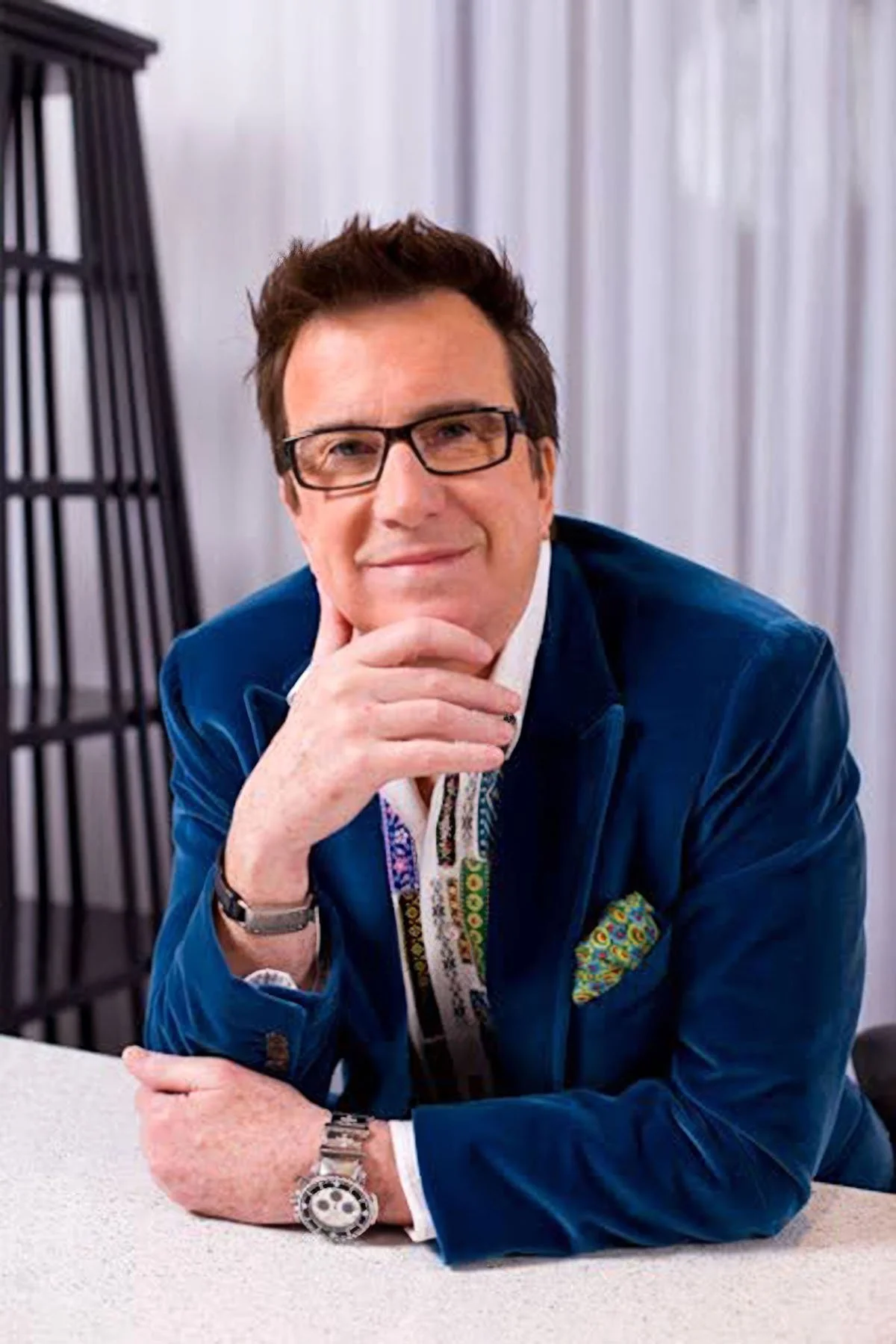
About Billy Beson
Billy Beson Company is a full service studio specializing in high-end residential and commercial interior design. From a private island in Hawaii to a ranch in Montana to upscale beach front property in Florida, they pride themselves in the diversity of our style that allows them to design personalized environments in every regional genre.
Their expertise includes custom interior architectural design and space planning; custom lighting, cabinetry, furniture, and rug design to create the perfect turn-key environment. Coupled with an infinite number of resources, the cornerstone of their business is project management, working with the home owner, architect, and builder to create a cohesive, creative design team with impeccable results.
Resources:
-
Billy Beson 00:04
Interior design is an emotional art, and you're training yourself to be sensitive, like sensitive to color, sensitive to people's feedback, sensitive in a way that you really want them to be comfortable and cozy, and be able to relax and unwind and entertain all of those things.
Mark D. Williams 00:31
Today, in the Cures Builder podcast, we had Billy Beeson back in studio. Third time's the charm. We hit everything. This one is a little all over the place. We start with Billy's new business, the Artimax Gallery. We talked about mentorship. We talked really about authentic, like what you put in the home, what you put from yourself into your relationships. I think you're really going to enjoy this episode. Without further ado, here's Billy Beeson. Welcome to the Curious Builder Podcast. I'm Mark Williams, your host today. I've got a three-time returning guest. I've got mr. Billy Beeson in episode. The first episode was kind of his full story. Episode 120. If you're interested in that, and about two months ago we had Billy on at Misahoos. Episode 173, kind of stories with the legend. Today we're going to talk about mentorship. We're going to talk about Billy's new quote, retired, not retired Artemax Gallery, as well as more stories. Without further ado, here is Billy Beeson. And speaking of which, nice shirt, Billy. Way to way to way to come in with the Misahu shirt. I'm
Billy Beson 01:29
a kiss ass. Oh no, no. I
Mark D. Williams 01:33
mean, you can't. I
Billy Beson 01:34
love this T-shirt. Yeah, it's
Mark D. Williams 01:35
it's super soft. Did
Billy Beson 01:36
you lay it out?
Mark D. Williams 01:37
I did.
Billy Beson 01:37
Yeah, yeah, perfect. Yeah. Also, the
Mark D. Williams 01:40
cotton itself is actually brushed. We use it for all our curious builder shirts. All of our shirts. There's a company out in the East Coast called Harnish. They're one of our sponsors, actually, and their stuff is amazing.
Billy Beson 01:50
Sweet, yeah, it's crumpy.
Mark D. Williams 01:52
Okay, well, what two weeks ago we went to a polo match together. That's the last time we saw each other. Yeah, and you were talking a little bit about the anxiety. I do so many public events. It's kind of like field of dreams. You build it, and people will come. You had anxiety for me because you wanted it to be just like sold out. People were coming in.
Billy Beson 02:09
Well, yeah. And the thing is, is that people just wig out for that. I mean, you saw the the costumes. I mean, there were probably 300 people that were in just outrageous costumes. The hat, yeah, the the hat, the hats deal, and fake flowers sewn to their dresses, and yeah, it was awesome. I got a couple of pictures that I will send you. You could post one because it it looks like you know the painting Sunday in the Park with George George Seurat, the Pointless Deal. It looks like that, except maybe on mushrooms or something.
Mark D. Williams 02:45
I mean, what's cool about it? So I've known about the polo event for a while. I've just never been make it a priority because it's actually my dad's birthday. And oh, it was your own. Yeah, it was that day. Yeah, it was. Well, I think it was like a day or two. Oh, okay. So his is on august 4, and I think that was like the second. But now the last two years, what we do it is a client event, so we buy out the whole tent. We're on the shaded side, which is nice because really pretty.
Billy Beson 03:06
Oh, it was hotter than
Mark D. Williams 03:07
it. Yeah, well, last year, but you wear linen and all that stuff. But it's it's kind of fun. I mean, it's kind of an aristocrat event, but it's really blue collar in the sense of like it it welcomes everyone, and I love kind of the divit walking where you walk out there. But oh yeah, the hats. I mean, they have this hat competition, right? So we use it for like our architects, our designers, our friends. My mom and dad came. My kids came. It's also nice because like a lot of our clients have children. I mean, you saw them. Oh yeah. We had three clients that all brought their kids, and they're you know running around playing, looking at the horses, riding the fire engine, walking across. So it's a great event. Yeah,
Billy Beson 03:37
it really is. But like you said, you know, you didn't get a great turnout, and I remember having-I never did anything small, really. I think I had three parties at International Market Square, or in and one when I was downtown that were at least 500 people.
Mark D. Williams 03:54
Oh my,
Billy Beson 03:55
750 were the two at IMS, and people would look at me going, "I went on this trip to India, and I bought a container full of stuff. And we had the courtyard at International Market Square for a three-day setup. And so I had 20 employees or 25 employees at the time. And everybody, we had fortune tellers, we had Prince's band. What
Mark D. Williams 04:19
year was this?
Billy Beson 04:20
Oh God, I don't even know. It's probably 2000, maybe.
Mark D. Williams 04:25
Okay. Did you pay for it all, or did you get sponsored? Oh no, people
Billy Beson 04:28
look at me going, "Now is this a fundraiser? I go, "No, it was 100 bucks a head.
Mark D. Williams 04:32
Yeah, yeah, okay.
Billy Beson 04:33
Times 750. Yeah,
Mark D. Williams 04:35
yeah. So you're able to self cover it.
Billy Beson 04:36
But those kind of parties, you know, by the time it's by the time you say hello to everybody, it's time to say goodbye to the people that are leaving. So you never really say anything to me except hello, goodbye.
Mark D. Williams 04:47
No, that is funny. I mean, hosting now. I've done a lot of hosting now with the Curious Builder and just in general, even the Prada homes over the years. And it reminds me of the advice that I got on my wedding day. Actually, that was really meaningful to me, and we did. It. I don't remember a lot of details from my wedding in terms of conversations and interactions, but someone gave us some advice. They said at least at at one point of your wedding, go stand in the corner, hold your wife's hand, and just be quiet for five minutes and just observe. I don't remember a lot from my day. I remember that. Yeah, and I I think my favorite quote, and it's actually what's inspired a lot of Misahuas, which is people forget what you say, but they never forget how you make them feel.
Billy Beson 05:26
Oh, totally.
Mark D. Williams 05:27
And you know, the conversations are obviously not saying that conversation can't move the needle and be really helpful at different points. It might just be the thing you need to hear that day or that week.
Billy Beson 05:36
Yeah.
Mark D. Williams 05:37
But over the process of time, weeks and years and decades, I often anyway forget what people say. There's very very special sayings or quotes. Maybe it's from your dad or just a moment in time. Let's call it less than 10 that I could pull up right now, but I could give you a list of 100 of people who made me feel welcome, or or the opposite people that really made you feel unwelcome. Unfortunately,
Billy Beson 06:01
most people probably remember the bad times. You know, it's like who was it? Read the author that said people forget what they want to remember and remember what they want to forget. So it's like, oh yeah, that was the year my dad died, or that was the year I was in the hospital, or that's the year of COVID. Or
Mark D. Williams 06:19
I love that quote. I don't know if I agree with it.
Billy Beson 06:22
Really?
Mark D. Williams 06:22
Yeah, but this.
Billy Beson 06:23
Well, you know what? You're you.
Mark D. Williams 06:25
I know
Billy Beson 06:25
you're the guy that runs up a mountain with a boulder before you come here. It's like you're not.
Mark D. Williams 06:30
But no, I'm not normal. I agree with that. But I, I think I don't know. This would be a whole talk about going off the rails from the beginning. I guess what else do we expect? You put Billy and I. Yeah,
Billy Beson 06:38
bonjour.
Mark D. Williams 06:39
Yeah, but I, I think honestly, you know who I give a lot of credit to? My mom and dad. Oh, for that, because I think if you're looking forward with optimism, and I think it's, I mean, there's all these quotes that come to mind, right? God gave you two eyes in the front of your head. There's none in the back. Yeah, I think we're meant to look forward, not look back.
Billy Beson 06:57
I mean, I agree totally. I got a friend of mine who has Parkinson's? He's had it for like 11 years, and he was the first guy I met in second grade when my parents were divorced, and we had to switch schools. And so I see him as often as I can, but he was raised on Norman Vincent Peale, the power of positive thinking, and he is-he's never complained. I mean, he's-I said, you know, to him like three years ago, what's the worst part? He said, "I always feel crappy, but he's on, and he's-he's doing everything he can possibly do.
Mark D. Williams 07:35
I heard something recently about horsepower that was really interesting, and it was like if one horse is, let's just say they can pull 100%
Billy Beson 07:44
If
Mark D. Williams 07:45
you couple it with another horse, you think that the output would be 200% It's greater. It's like 250. Oh yeah. And so when you go together, you can go farther. And I think this idea of positivity. I think that's why culture is so important right now. Culture is having its day in terms of corporate America. What people talk about, you know, they talk about core values and all these things that you know a long time ago people would be like, shut up and just work harder. Yeah, exactly. But like, I do think it matters. I think when you are around positive people, your outlook is more positive. There, it's a great quote that says, "Show me your five friends, and I'll show you your future.
Billy Beson 08:17
Oh, it's so true.
Mark D. Williams 08:18
I mean, that's true of colleagues, your your close friends. I mean, really anybody.
Billy Beson 08:22
I think since COVID, the phrase "protect your peace" has been real popular.
Mark D. Williams 08:27
I like that,
Billy Beson 08:28
and it's you know that, and I also did a program called the Forum, and in that, I learned that you only complain to someone that has the ability to solve the problem, instead of going bang bang bang, but he did, and I had that on our quote unquote bulletin board in our office. That don't pee and moan over everything to everybody because it's just like a big T U R D in the punch bowl,
Speaker 1 09:00
right?
Billy Beson 09:00
You know what I mean.
Mark D. Williams 09:01
Totally, I think it's yeah. Someone I heard something recently as well, where it was how did how did the phrase go? Don't accept criticism from someone you also want accept advice from.
Billy Beson 09:12
Oh yeah, totally. It's hard, you know. Being popular in your industry is fun. It's a lot of work, but still, there's a lot of pressure to be able to ward off any negative stuff that you get. Because I don't know why, but people, if you're like number one in your field, everybody wants to be where you are. That does what you do, whether they admit it or not. And with that comes a little bit of animosity sometimes, I think, and I just have always had to go out of my way with everybody in the industry being nice, being still being authentic, in order to be accepted and not thought with you know like people have met me and they go, you're not so bad, like well. You expect, yeah. It's like you know, but I think it's all based in you know, like a team as as my team, my design team, is all about only doing what only you can do, and that is the way I think to be. If you can put yourself in a situation like that to be fully self-expressed, and that is really what you need to do. So, in other words, I put put the design work together, expressing who I am as a designer, and then I present it to the people, and then I'm pretty much done, other than somebody calling with some problem that I wouldn't solve anyway, you know. But I mean, that I was so lucky to be in that situation.
Mark D. Williams 10:48
When I hear that, I think. Let me ask you this: Did you love what you did?
Billy Beson 10:52
Oh God, yes.
Mark D. Williams 10:54
That's the that's the answer.
Billy Beson 10:55
And you know what? People hired me because I was enthusiastic, to say the least. I mean, I'd show them. I'm like, look at this! Oh my God, is this cool? And that is, what's the word I'm looking for? It's electrifying. I mean, it when you they see how excited you are, you know, it's like Misa Huts. We looked around Misa House, and we looked. I mean, I looked at all that detail. I would, oh my God, look at the way that-that's like a hairpin, you know. Is the staircase wood
Mark D. Williams 11:28
is
Billy Beson 11:29
bent. I mean that.
Mark D. Williams 11:30
I think it's a little bit like you go to a high-end restaurant, and everyone has had servers that are very enthusiastic, and they're almost like they're like they're making you salivate, but they're salvating. They're like, "Oh, I can't wait for you for to dry the telecom fee or whatever. It's like it's like you get sort of it's there's some entertainment, there's some
Billy Beson 11:47
yeah
Mark D. Williams 11:47
there's some art form happening. It's a little bit of theater mixed in with presentation, but you can tell when it's genuine versus what do you like? Here's the I mean it's like okay whoa whoa whoa let's back this up a little bit,
Billy Beson 11:58
and you get what you give. You know, if you're going to have this and that, and not look at everybody, anybody, that that kind of stuff drives me crazy. I'm always interested in whoever is serving anything.
Mark D. Williams 12:10
Let's talk a little bit about mentorship. You know, you've talked a lot about your uncle Bob in the past two episodes, and you can reference him again if people want to know more about Bob Lennox, icon. Yeah, even you know that was probably back in the 60s, 70s.
Billy Beson 12:25
Yep, L E N O X,
Mark D. Williams 12:26
and he
Billy Beson 12:27
was the first one of the first people to die of AIDS in Minneapolis.
Mark D. Williams 12:32
Yeah,
Billy Beson 12:33
and then two months later, my best friend died.
Mark D. Williams 12:36
I was, I always remarked at just the how he treated people.
Billy Beson 12:40
Oh,
Mark D. Williams 12:40
I mean, you've told the story several times about how he would greet the servants' quarters or the fresh flowers, and we don't need to reiterate a third time here. We'll let people go back, but a powerful, powerful story on how to greet everyone and treat everyone equally.
Billy Beson 12:53
Yeah,
Mark D. Williams 12:54
especially when I'm guessing he was not.
Billy Beson 12:55
Yeah, and because a lot of times you get more, you can't predict what positive feeling or connection you're going to get by how much money somebody makes. You know, you can have a connection with everybody. You know, like I don't even talk to my lawn guy. He's there today. He's on the spectrum, and he spent a half an hour once telling me he didn't have time to talk to me. Then I'm out there with 100 degrees, and all I did is take a glass of ice water and put it down. And he tore off his headphones and he said, "Do you realize that if I, but he told me to text him, so I do now.
Mark D. Williams 13:35
Yeah, that's funny. Let's talk a little bit about mentorship. What does mentorship mean to you? Who have you mentored? What does that? What do you think that looks like, and why is it so important? Not just in our industry, but all industries.
Billy Beson 13:49
You know, I think if you're mentoring someone or being mentored, it's a a generous thing if somebody takes the time to teach you what you want to know, you know, and give it to you with no in order to attach. Give it to the person. So, I think the more you can enroll somebody in the heartbeat of the company and what the company is doing and what the company's brand is, images, all of that stuff, and have them be a part of putting the whole thing together. Then they have ownership in it. And like for instance, now my friend Derek Bertelsen and I have you know I was going to retire. I retired for like six months, and it was like he said he's been he travels. He's he was just in Thailand for a number of months and came back, and he said, "Well, I guess I'm going to have to dust off the old resume. And I go, "No way, Jose! It's like we're going to because he's an artist. I mean, he's an incredible artist, and I'm like a B artist." But I can draw, you know, like with my clients, I could always say, "Well, this is what it's going to look like. I remember Jim Dayton could draw upside down in 3d, and I was like, "Holy schmoe! But Derek and I have put together this art gallery from photographs that we've taken over the last 10 years, and it's so exciting for me because conceptually I am witnessing the use of technology that is probably I don't well I told you in in one case you take three pictures of somebody and you can make a video out of it, and that is basically a brand new program that came out two weeks ago, and I heard about it on the news, and I mentioned it to Derek. And there's you saw the video, and same with a virtual assistant, which I know is going to get some discussion about. But we were here's the whole thing about Artemax is we want to bring fine art to the masses. So, what triggered me to do it was that I saw a Mark Rothko painting on the Today Show that sold for $85 million, and he basically does two squares of color, with kind of softened edges, 85 million, and I thought, well, people are now buying that because they-it's beautiful, or it makes them laugh, or it makes them cry, or it just gives them a giggle, whatever it is. It's investment art. So this is a obviously a whole different level where the idea of the company is to be able to bring it as inexpensively as possible, and through through AI, like none of I'll be honest with you, all of our artwork starts with a original photograph that either he or I or both of us have taken, and then it's remastered through Photoshop, and we do use AI, but we only use it to bump up megapixels or technical things like that will produce a better print, because everything that we do is printed on canvas, and framed and shipped and delivered is included in the price, but what I've learned is, in a sense, I am mentoring Derek, and at the same time, he is mentoring me. I'm mentoring him in the common sense of business that I've gained from having a business for over 40 years, and he is on day-to-day technology and an incredible artist, and so it's so. What I really want to stress is that if you're a mentor, the person that is ment you know you're mentoring is giving back as well, and that information is just as valuable as the information I give him, at least in this case. And if you don't have anything to give back, all I really ask for is that you're with an intern or a mentee that you are 100% enrolled and want to know everything you possibly can know. Those are the kind of people I love and have worked with.
Billy Beson 18:25
And what gets pushed aside-not really-but other than my clients who know that my assistants are much more valuable than I am, and feel free to tell me that every now and then. But you know, like I told you, we had I had Debbie Ward Baker, and Kate Moffenbeer. She was the new girl was Kate. She was there 26 years. Debbie was there 28 years. We still called Kate the new girl. It's like, and she's like.
Mark D. Williams 19:04
This episode of the Curious Builder is brought to you by Olivenvine Socials. If you're a builder, a designer, or an architect looking to grow your brand without dancing on TikTok or spending your whole life on social media, listen up. Alvin Vine Socials specializes in Pinterest marketing, blogging, and email strategy for luxury home brands that help you turn your beautiful work into a strategic SEO-driven content that drives real traffic and connects you with your ideal clients without burning you out. Ready to grow smarter and not harder? Visit OlivinVineSocials.com and tell them the Cures Builder set to you. Just so you know, I've been working with Alyssa over at Olivinvine for three years. She helped us launch the podcast. She's helped us grow our brand at Mark Williams Custom Homes. I could not do what I've done without her help. This episode is brought to you by Pella Windows and Doors. I've used Pella for 21 years as the exclusive window company on every one of my builds. When people ask me who I trust for Windows and Doors, it's Pella every time. They're craftsmen. Their innovation, the top-tier service, make them a no-brainer for any custom home builder or designer who demand the best. Whether you're designing something bold or building something with timeless elegance, Pella has you covered. They're also the only window company that has a lifetime warranty on all of their windows. I've gotten to know all their people at Pella Corporate as well as locally here at Pella Northland, I'm proud to call them our partners and our friends. Visit Pella.com to learn more and connect with your local reps today. Also, for more information, you can listen to Episode One, where I interview their founders, as well as Episode 109, where we talk about the innovation at Pella.
Billy Beson 20:38
I didn't really realize how much I got back being a mentor until I met Derek, and the guy is just a sponge for new creative information.
Mark D. Williams 20:51
I mean, what's you know I don't know it that well, but obviously having talked to you, I'd say the last three times I've talked to you, what really lights you up is talking about this. I mean, it's also the new toy. It's you're reinventing yourself to kind of a new career path, using your skills, your talents, your relationships, and I can totally relate to it. I think people evolve multiple times in their life. I and I don't think there's a limit to how many times you can evolve. I would. I hope
Billy Beson 21:16
not. No, I don't think
Mark D. Williams 21:17
so. Well, and here's why. I think as long as you're curious, oh, that's and you're willing to fail. Those are two super powerful things. There's really no limit to what you can do because if you fail, it just means you you you found a way that didn't work.
Billy Beson 21:30
Do something else. I
Mark D. Williams 21:31
think it comes to me now, Thomas Edison about the light bulb when he asked how he created it. He goes, "I found 1000 ways that it didn't work.
Billy Beson 21:39
Oh yeah, exactly.
Mark D. Williams 21:40
That was the success, is what we appreciate. But it took them 1000 trials to get of what did not work, and
Billy Beson 21:46
that's what you hear about is what worked. Yeah, nothing's easy.
Mark D. Williams 21:49
What? So take this a little bit differently. What is it like? I mean, you're still super new. What does it feel like to start something kind of new?
Billy Beson 21:58
Well, I mean, what's
Mark D. Williams 21:59
exciting about it? I
Billy Beson 22:00
think if you understand what's exciting about it is that it's all driven by being a pleaser. I grew up with an alcoholic mother and no dad present, so you you know it was our job to take care of my mom and become pleasers. And I brought that into my life where everybody I met with I had to please, and that's. I realized that it was a burden in some cases, but it was what I really thrive on naturally is making people happy. You know, when I was at IMS, my aim was because you know it's boring to be in a showroom, either that or it's tedious, one of the two, and so when I went in, I wouldn't just go in and look for something. I would bring my plans with me and a a scheme if I was working on it, and enroll them, you know, into what I was doing, so they have something to hold on to.
Mark D. Williams 22:55
You're talking as you would go into the Stones
Billy Beson 22:57
house or the Holly Hunt, or yeah, yeah, just
Mark D. Williams 23:00
engaging them as a partner. Yeah,
Billy Beson 23:01
yeah, and that's how that became the bond that that our friendship was built on. Everybody that works in showrooms, and I went out of my way to be nice to everybody because I want to be nice to everybody, and I want everybody to be included.
Mark D. Williams 23:16
I heard a quote yesterday: "It doesn't cost much to be kind.
Billy Beson 23:20
Well, yeah, and it doesn't take if everybody's born kind. I think you know it's the experiences that you put on top of each other year after year after year after year that make you pessimist pessimistic, maybe. But I think you know I've talked to people. Oh, this is getting too deep. That have really said to me they think there's more bad people in the world than good people, and I was like, if I believe that, I'd blow my head off. You know, it's like, how can you, how do you get through day to day thinking that?
Mark D. Williams 23:56
I think just my first reaction to that would be: a, I don't agree with that second statement, but two, I think I think kindness is like a muscle or like love. I think honestly, anything, anything that you do with purpose, it forms a memory. It forms a skill. I think people that are kind are known to be kind. Yeah, I think I don't think it. Some people sure might have innate talents in it, just because we know her. I mean, my mom is one of the kindest people I know.
Billy Beson 24:23
It's not something she uses; it's something she flourishes in.
Mark D. Williams 24:27
I think it's something that she is. I also think you know we don't need to expose my mom's whole backstory there, but my mom has dealt with significant loss in her life, terrible loss, terrible situations. And there's a another great quote today. Is just going to be the quote episode, I guess, because they're all just. I love quotes. This one is the same water that turns a potato soft turns an egg hard, and so another person could go the same thing that my mom went through, yeah, and be very hard about life, yeah, and and and would have all totally devastated, and all the reason too, yeah. But like, I do think we have a choice in a lot of this stuff. Anyway, going back to that earlier thing about a muscle, I do think the more that you use it, I think creativity-the more you use it, the more creative you are. Yeah, I think the kinder you are, but I think that's true of meanness and unkindness and cruelty, patience, all those things. I just think what you use, what you water, grows. I mean, it's like the friend garden. Think about your friends. Who do you invest your time in, and you'd mentioned what was the quote you mentioned about COVID about protecting your peace?
Billy Beson 25:24
Yeah,
Mark D. Williams 25:24
I think the people that you choose to kind of keep in and like feed you. I think right now it's, and I'm here for it. Where a lot of people are like audit where your energy goes, and if people are not giving you, we know you can't pour from an empty cup. And I think there's a lot of things people have to do for work in their own life, whether it's finding peace, finding spirituality, exercise, health, sleep-all these are some of those things have to be done alone. You can't, you can't sleep with. We're not going to go there. And but the the point is, you but a lot of this you do with who you work with, where you know who you spend your time. I mean, let's face it,
Billy Beson 26:00
you're at work more than you're with anybody, probably.
Mark D. Williams 26:03
Yeah,
Billy Beson 26:04
and that's why I always will tell people: if I do something you don't like, tell me, because I don't want there to be a barrier between us in communication because of something I did that they didn't like. You know, that doesn't mean I learned this a long time ago that if you're a strong person, you and I are both strong people. Some people think that there's a limited amount of strength, and if you're powerful, they can't be.
Mark D. Williams 26:30
I disagree.
Billy Beson 26:32
Yeah, I disagree 100% I think there's there's enough room and enough energy and space for everybody to be the way they want to
Mark D. Williams 26:41
be, but I would I would come to that with a with a different analogy and tell me if this lands for you. I think love, you know, like there's that common question that kids ask, or you know, heck, it's scriptural. You know, who do you love the most? And the answer is my love for one of my children does not take away from love of the other. Oh, I know. Adds, yeah. It's more. It's a net positive. Going back to that horse analogy. Yeah, exactly. The more love you have, the more love you have. Yeah. And I think as a company, sure, you have to navigate personalities and things like that. But like, if everyone your team was a nine out of 10 strength wise, your team would be exponentially stronger all the way through, it's kind of like there's no people that would say, you know, even like hiring an A player. Someone was mentioning this recently on a business podcast that even as an owner, if I hired someone who was an A player, but I knew they were going to only be here for two or three years, you still hire that person. Don't hire a C because oh yeah, because what you've done is you've really cut off the legs of everyone else on your team
Billy Beson 27:43
for who knows how long, and yeah, they
Mark D. Williams 27:45
might stay forever, and then that's you know what does that do? And now they can grow. I mean, people can obviously evolve and get better, but I think the point was is that what the A will do to your culture, what it'll do for your team, and what it'll do for your business raises that rising tide floats all boats. Yeah, it will it'll level up your entire company, yeah. And so, really, I mean, you think now,
Billy Beson 28:04
but if you got a hole in the boat, it doesn't work.
Mark D. Williams 28:07
And I, I know I've made this mistake. Maybe this is a good question. How do you advise as a mentor? How do you advise people to recognize when it's time to let somebody go? Because we usually identify it early on in our gut, but we don't listen to our gut because we want to give them the better amount, and we hold we hold too long. I know I have.
Billy Beson 28:22
I was just going to say, you as soon as you realize it, if you're smart, you know you realize that it's breaking the chain of the business, and but it's hard to do. I mean, I I quit firing people about the last 25 years of my business, which was-it's hard to do.
Mark D. Williams 28:44
You had some an H someone on an HR do it, or how did you? Debbie
Billy Beson 28:48
was pretty much my
Mark D. Williams 28:49
yeah
Billy Beson 28:50
my either that or my accountant would come in and do it, or an attorney.
Mark D. Williams 28:54
Yeah,
Billy Beson 28:54
you know you can't. It's sad, but if you have a big enough company, if you fire somebody, you have to have somebody that's going to go with them and clean out their desk,
Mark D. Williams 29:03
yeah,
Billy Beson 29:04
and take their key and walk them to the parking lot. Yeah, that's the only way to do it.
Mark D. Williams 29:09
Yeah,
Billy Beson 29:09
you can't say you're done in two weeks. Who knows what could happen in two weeks?
Mark D. Williams 29:12
I've done that several times. Yeah, didn't work very well. No,
Billy Beson 29:15
no. I mean, it's. I don't know. I think people know. I mean, it's like people have road A and road B they can take, and they realize if A you take A, you're not going anywhere. B is where you want to go, and they still choose A, like not firing somebody because it's going to be so uncomfortable to do so, and it will wreck the morale of the office if somebody gets fired, rather than realizing that this person is the one team member that is not playing as well as the other team members, and that is poisoning the company, so look, you know, and let them go and give them. I have always given severance pay and let her around. Recommendation and let somebody else work with them.
Mark D. Williams 30:04
It's funny. I think this is why you need mentors. You need people to help you with your blind spots. I remember in this. I think people can be multiple things. My dad has been a mentor, and more so than just a dad, but as a very talented business. You know, I love your dad. He's amazing. Yeah, he
Billy Beson 30:17
really is. He's so calm.
Mark D. Williams 30:19
He is. He's. He has a great quote: "Steady at the helm. You know, he always told me, as someone who is prone to getting really high, I don't really get super low. But his comment was, "Just stay steady. Yeah, you know, it's like on a sailboat. You know, just steady at the helm.
Billy Beson 30:31
Yep.
Mark D. Williams 30:32
And I think that's it's hard to do sometimes. That's ultimately what that is: is patience.
Billy Beson 30:36
After I talk to your dad and your mom, I'm just like, and you know, usually I'm like a gnat, yeah,
Mark D. Williams 30:44
ready to go. Well, where I was going with this is when I maybe three, four years ago, things were slow. I need to let some people go, and so I was going to let someone go. And I was telling my dad about it, and he said, "If you're going to cut deep, like don't, don't like think about an amputee. Like don't, you know if your whole arm has ian grain, don't cut off the wrist or the elbow. Like go all the way to the shoulder because if it affects the body, everything's got to go. Yeah, and it ended up being really good advice. I ended up letting two people go when I was trying to just hold on, and I've interviewed enough people on the podcast over the last couple of years where you know one of their biggest regrets going through like 2008, 910, or going through COVID, if they were adversely effective, our industry was a superpower boost. You know, right? Because everyone was at home. Yeah. What are we gonna do? I guess it's DIY time. That was
Billy Beson 31:30
my best years.
Mark D. Williams 31:31
Yeah, and so which is crazy. But where I was going with this is cutting the weight, getting ahead of it, and a number of people I've interviewed. You know, they had 100 employees. They cut 50. They're like, we should have cut 75, or they just they in trying to be kind, you actually hurt the rest of the company. And so, and some of them folded like the whole company. They're like today. Let's say in this example of 100 people, 30 people would have still had jobs for this multi-decade, but because he only cut 25 instead of 50. They went belly up. They went belly up, and no one had a job. And those are decisions that are they're not easy to make. I think any if any employee or was ever to listen to this podcast or be too harsh with their boss or if they I think there's a lot of misconceptions that go on with like how owners handle responsibility. I'm not saying how they handle it is always right. Obviously, that's not true. But there's a lot of things that go into decisions, and nobody's perfect. No one has a crystal ball. We just have the magic eight ball from the 80s. Yeah, reply hazy. Try it. Yeah, I bought my kid. They were not nearly as impressed with it as I was. Oh god. Yeah, they have it in the toy basket. But we, you know, what? I really need to bring that into the office. Yeah, like you know, approve this change order. Yeah, well, there you go. The magic eight ball has spoken.
Billy Beson 32:45
Signs point to no.
Mark D. Williams 32:47
Yeah, yeah, they are pretty good ones. Let's back to mentorship. What, as you've observed, other designers or other builders or other people, are there any mentorships that stand out that, as you looked at, you're like, wow, I'm really impressed at
Billy Beson 33:02
the
Mark D. Williams 33:02
way they conducted themselves.
Billy Beson 33:08
I don't know. I kind of always kept my nose on my own firm, and I think if you, I would like to someday sit down and see how many businesses came from my business because Brandy Hagen, Annie, who was my partner's cousin, worked for me for a long time, but I bet there's 30.
Mark D. Williams 33:32
Oh my!
Billy Beson 33:33
Yeah.
Mark D. Williams 33:33
So let me ask you a different question: When do you realize? When do you realize that you go from the mentoree? So like you know, your uncle Bob, where you're learning from others. I'm not suggesting we'd never stop learning from others, but because you look at your peers and they're kind of your mentors, not really, but like they're providing what the marketplace is telling you. Yeah. When did you realize you were a mentor, and did it modify any of your behavior and how you either acted or how you thought about involving other people, because you know when you're in your 20s and 30s, you're unlikely to consider yourself a mentor. But at some point, you flip and you realize, wait, I have a lot to share, or a lot of people could benefit from what I'm telling them, or people are seek literally seeking you out and saying, "Would you sit down with me and help me?
Billy Beson 34:18
Oh, I do that all the time.
Mark D. Williams 34:19
But when did that? Never said no
Billy Beson 34:21
to that.
Mark D. Williams 34:22
But yeah, I know. When did that happen?
Billy Beson 34:25
Say it again. When did when? So
Mark D. Williams 34:27
like, when did you start being a mentor? Like when did and when were you were conscious of it? Because like I think it happens for a long time before you real. But I think you be. I think you're a mentor for a for a longer period of time than you realize. But as you go through life, you all of a sudden realize, wait a minute, I am helping other people the way maybe other people and and there's more formal relationships, you know, like a, I mean, literally mentorship or like business coaching or apprenticeship is how it used to be for 1000s of years. There was apprenticeships. We don't really seem to do that. People don't like that word anymore. Someone uses a. Apprenticeships anymore? Well, maybe it
Billy Beson 35:01
had something to do with you know the apprentice.
Mark D. Williams 35:06
Oh, I see. I didn't think about it from that term, but I mean, it's a valuable thing, especially in the trades. Like, if you want to learn how to be a trimmer, you work with a master trimmer, totally, and then you you learn that craft. It's an extremely valuable way to pass on skill and knowledge. We don't seem to have a great formal way to do that anymore. Anyway,
Billy Beson 35:23
you know, a lot of designers are involved in the different design schools, which I think is great. You know, and on on the board of of say Dunwoody or another design school, or and I think that's great. But I think mentorship comes out of being curious, you know, and I was always the person that asked why or who or what or and you know I'm just the kind of person that always wanted to share what I knew. Maybe it was in the beginning it was so everybody would know how smart I am, but I think at the end I looked at it more seriously and realized that it's about adding to someone's knowledge, you know, and empowering that person to go on and do better things and just stay in their job working for me, and I was willing to accept that people will grow and mature, and some of that is due to my influence and the influence of my company, but the rest is what they've made. You start the day you start in the industry, you start to think about how can I be a designer? Because it's fun if you're doing it right, and I think everybody that worked for me knew that I wanted them to be interested. You know, we did a lot of company stuff-not necessarily just partying, but seminars and and going on buying trips and things like that. When you're with somebody for three days, you have a bond that you don't if you only see them from nine to five Monday through Friday. I remember we had a we went to Chicago, the Merchandise Mart, and I had two assistants. Oh, I brought three assistants: Pat on one, Nancy Nelson, Nancy Lucille Nelson, who was coming to visit me from San Francisco, who walked into my office once and said, "We're dangerously low on paper clips, and I was like, "Dangerously? And I was like, "No, but anyway, we went to Chicago, and I got them a two-bedroom suite at the Ritz-Carlton, and I had a little single room down the hall, and every time they ordered room service, the guy would come to the door and go, "mrs. Beeson, and they, whoever it was, would say, "Yes, how are you? Yes,
Billy Beson 37:51
lovely, lovely. I mean, it was like I had three wives there for a weekend.
Mark D. Williams 37:56
I love that you were dangerously low on paper. Yeah, she said,
Billy Beson 37:59
"Oh, we're dangerously low on paper clips. I was stop everything.
Mark D. Williams 38:03
Stop the printing press. The last episode was so well received. I was looking at the numbers, just stories, and it was kind of interesting to me because a lot of the names most people just don't know. But I think what makes stories so captivating is you don't actually need to know who they are. No, the stories are relatable. They're funny, and then imagine what a gift it would be for somebody like a Mary Wozniak or a Linda Engler or people that have been around a long time. Linda
Billy Beson 38:28
Engler started. She was an intern for me.
Mark D. Williams 38:30
That's crazy.
Billy Beson 38:31
Downtown, 40 years ago,
Mark D. Williams 38:33
and I'm working with her right now. Her nickname was
Billy Beson 38:35
Squirt.
Mark D. Williams 38:36
Squirt. Yeah. Oh, great. I'm gonna I'm gonna send her a text. And now
Billy Beson 38:39
she see she she's a perfect example of somebody. The day I met her, I knew she was willing to do just about anything to make the company better, and she was in it for the fun and the long haul, and not just. I told you we've. I had probably 30 receptions. They used to answer the phone. This one we had Bev. She would always wear clip-on earrings, and she had an asymmetrical haircut. So she would take off her earring, flick her hair, and say, "Good afternoon, William. He's in a dear design. And it would be me calling. I go, "Bev, is that you? In other words, you're answering the phone that way. What do you think this is? Good afternoon. That's amazing. That's not our brand, honey. Right. We're come on in. You know, chit chat. Yeah. But yeah, I mean, every. I mean, I go to IMS and have lunch, and half the people there used to work for me. You know, it's it's a family, it's a community, and I think one thing that I learned from Robert Lennox is, and it's like you're talking about loving your kids, is that there were five interior designers there, and they all had very different styles. And I got to witness all their design, and so I took the best parts of these five people and incorporated that as part of what I do and what I like. And it was an incredible situation, you know. Rather than learning from one person to get you know on different ages and Day All Rue was German, and she used to say I'd say Day I had a meeting today. They well how'd it go? I said not well. They didn't like that, and she looked at me and said, Oh, I bet that went over like a wet balloon. And I was like, Oh, it's lead balloon day. She goes, "Yeah, whatever. But she called me a pip squirt. Can I go? It's pip squeak. Thank you.
Mark D. Williams 40:50
If you get the insult, get it right. That's hilarious. We're happy to announce our latest sponsor, Real Wood Floors. What made them to be an ideal partner is the fact that they align so well with our high-end custom homes. They're located in 25 cities across the country. They're probably pretty close to you. And what really drew me to them is the fact that they're vertically integrated. So many times when you're dealing with wood floor, you know, procuring it from different companies, having it go through middlemen, you're either short material; it's the wrong material, and so we are looking forward to leveling up that and buying direct. The other thing that I really love is their floor-made perfect match. I can't tell you how many times I've had a beautiful wood floor, but the vents don't match, or I love the wood floor, but it doesn't match my treads and risers. Knowing that they can perfectly match that is something I'm really excited about. Go check them out at realwoodfloors.com and sign up for an RW Pro account. Tell them you heard about them from the Curious Builder. Two questions before I go into story time because I enjoy the stories. Is what do you think? What's the right way to ask this question? Well, I guess you have a most people, not even designers, but most people have a style, or the you know what makes them sort of their. It's very rare that. Well, first of all, I don't think everyone's good at everything. I think that's a fair statement. I think some designers, some builders stay like in a very tight niche. Let's take like a Charles Stinson. Like he has a very clear architectural style. I think it benefits him greatly. If you want that style, you go to him. Recently, I did because I like the way it sounds. I don't have a style. Good work is my style.
Billy Beson 42:30
That's
Mark D. Williams 42:30
kind of what I've been saying lately because it's true. Like I, well, I certainly have a personal style. My goal is to build my clients' home and what they like. That being said, is they tend to gravitate towards us because of work we've likely done, yeah. As an interior designer, how far do you think you can push clients outside of their comfort zone? And you know, you might you know what you like. They may or may not like it. Now you're the professional, so you know inside your head. You're thinking, well, they're paying me. Not I like what one designer said. She's like, you're not paying me for your opinion. Yeah, I love that. Yeah, but you can only push a client so far, and so I'm curious framing the question up for you and the audience. I have this new analogy of a tree. You know how that old adage: "A apple doesn't fall far from its tree. I think you can blow the apple. I don't know 5050 feet outside where it would normally drop by gravity. I don't think you can get someone to. I don't think that Apple. You could get it to someone's really traditional. You're not going to get it to contemporary or modern. That's too far of a push. Yeah. With that poorly framed question, how did you navigate what people liked versus what you knew to be good design? But honestly, what you liked. Yeah. How do you navigate those waters? Does that make sense?
Billy Beson 43:43
Totally. I think you know. I'll just take two examples, like Tom Goncommann, who's no longer with us, but he had a really good, good business. I looked at him as being my competition, but he only did very, very contemporary. You know, like Eames chairs and da da da, but very tailored, underdone, understated, and I always looked at it that if you do the same thing every day, it's going to be really boring. So people would say to me, Billy, what is your look? And I said, our look is that we don't have a look, and because if you look through my work over the years, I had period antiques and traditional fabrics and traditional rugs and paneling and all that stuff, and then down to bare bones, kind of contemporary, where there's five, six pieces of furniture in the room, but they're all very important. And in doing that, oh, I did it because I didn't want to just do. I mean, I was raised in traditional. I got a lot of knowledge about antiques and furniture and porcelain and. Rugs and glass and all that stuff, but the contemporary part is like a totally different experience for me. And good,
Mark D. Williams 45:08
yeah. I mean, it's how often did you see people? Is there any time where you would present something and it was too far outside their wheelhouse? How did they react?
Billy Beson 45:17
I only had one client that I did well. I what I did that maybe not everybody does is I would show the whole house at once, rather than saying, "How do you like this wallpaper for the powder room? You know, it's like you start big and you essentially put the whole house together, every finish, every floor, every carpet, every everything, to the point where if you take one thing out, it doesn't work. And it's I just did that naturally, the same way. Was that
Mark D. Williams 45:54
was that radical back then? Because what to frame it for the audience, what I've noticed in 22 years is all the really high end designers that I work with now, and they also are the ones that command the highest numbers. That's how they all work. And I was a little surprised when that when the first designer that did that for me was Julia Miller here locally, very talented. Yeah. And I was like, I was, I made my on the outside. I was very calm, but on the inside, I'm like, whoa! I wonder if this client's going to be okay because I had only ever seen where designers do kind of room by room or small little vignettes, and she was like, "No, that's not how we design. We we're gonna go dark. We'll see in two months, and we come back. It's like everything. Of course, the client is always saying, 'Well, what if I don't like something? But then you're asking them to trust the process. You can
Billy Beson 46:32
you can decide that after you see it. You tell them,
Mark D. Williams 46:34
right? Yeah, like don't go away.
Billy Beson 46:36
They're going, 'I know there's something here I don't like.
Mark D. Williams 46:39
So anyway, Mike, I guess going back to the original question, how common was that when you started doing that?
Billy Beson 46:43
I had one failure.
Speaker 2 46:45
Yeah,
Billy Beson 46:46
I mean, I had people cry. I mean, they're so moved by what I came up for them and how closely. Like, I had one client. She came in and she had like a pale cocoa-colored sweater on, beautiful cashmere sweater that was her den, and I don't know where I got that color for her, but I picked it. And one of the I think the more information a client gives you, unless it's like number of rooms, function, that kind of stuff, the less opportunity the designer has to be really creative, so I say, is there a color you don't like? Plum, okay, no plum, but they only know what they know, and the client, you know, I said this before that you know what you don't know. You know you don't know how to fly the space shuttle. You know what you know. You know how to drive from here to home, but there's a whole realm of you don't know what you don't know, and when you tell a client that if they're limited to what they can see in town here, they are using 10% of the market that's available. So there's 90% other choices out there, but you're limiting your scope of product to a regional showroom, and so I ended up just really selling with enthusiasm and knowing that I had done business with this company before and what the quality was, and going with those companies, and we did a ton of stuff. You know, custom.
Mark D. Williams 48:27
One thing about beneficial it was that you engaged each showroom to ask them because, as knowledgeable as you are, so let's say a client's at 10% you're at let's say 40% That's still 50% of what you don't know. You don't know, but when you then ask for partners to bring forward, "Hey, what are some trending things in Europe? Now you're starting to bring more things in. It reminded me of a line I heard recently from a lawyer, and as they get older in their practice, inevitably their hourly fee goes up, and most people, of course, don't like that. And as a client, they would say, "Hey, why are you charging me 700 or $1,000 an hour? That's a lot to pay for your time, and you're like, you're not paying me for the hour. You're paying me for the 30 years of information and knowledge that took me to get this. That's what you're paying for. And I, hearing you just describe what you just described, I think designers are actually vastly underpaid, as well as architects. Honestly, everyone is sort of underpaid, but
Billy Beson 49:22
some of us do okay.
Mark D. Williams 49:23
No, that's not really the point. The point is the value. Like, how think of all. I don't really
Billy Beson 49:28
think they're underpaid.
Mark D. Williams 49:29
You don't think they're underpaid?
Billy Beson 49:30
No, I think people are are limited in their income by the possibility they can't see.
Mark D. Williams 49:38
Explain that to me.
Billy Beson 49:39
Well, like I would show things that everybody else would be afraid to, you know, like a $10,000 coffee table, but I could justify it to the client that it's a custom because yourself is 10 feet, not seven feet like most people's are. And where was I going when I?
Mark D. Williams 49:58
Well, just about design. You think are paid fairly?
Billy Beson 50:04
I guess I do. I think. Well, I'll give you an example. Probably, oh God, almost 50 years ago, a designer, Janet Connolly, told me that hourly and cost plus was the wave of the future, and I said, no, it isn't, because I could prove to my clients that if if you if the profit was within the product that you're selling, I didn't have to charge for my time. So I mean, like it's you charge 250 an hour plus an assistant, but I just sold a $30,000 rug in 10 minutes, and so you got to find for every company it's different. Because I've had young designers say, "Well, I give a presentation, and my client went on the internet and bought it. I said, "Well, then in your contract you have to say that you're the sole purchasing agent, and I always say to everybody up front, do you have anybody you know that's in the industry that you want to use to get a discount on something, or do you plan on buying anything on the internet? And I think that our projects are so huge that there's no way anybody could do it themselves. You know, I mean, it's like
Mark D. Williams 51:21
I think you also maybe you didn't always, but you also benefited from a higher end clientele that understood that understood two things, and it's and I want to double down on this because I don't think that the higher end clientele is always the gravy that everyone wants. There's a lot of expectations and other things that go with that, but that's the second part of the question. Where I'm going with this is that I think educating your client, regardless of where you are in your career, it also includes educating yourself, whether you're a builder, an architect, art designer. Oh, totally. It's all part of this. But I, I think going back to that lawyer example, sure, if you if you lay down every one of your resources and and then the client can just copy it, you really that person isn't a good client, honestly, because they're devaluing your work. Like that's what I tell people. They wouldn't have known what that X Y Z product was anyway. Now, sure, now that they know, now what's sort of interesting and weird is so many people rebrand this stuff. Like we had something at Misahoose. I didn't think a big deal of it because I'm the purchasing agent and it's a Steck home. We bought the product from a company in IMS, which is great. They're one of our brand partners, and very thankful for that partnership. A different person came on social media and said what the root company was, and our company said, "Oh, we rebrand it. We didn't want anyone knowing what that is. And I was just like, "Well, first of all, I don't know what I didn't know. I didn't know that. I didn't even know there was another name for this company, but they had rebranded, renamed it, so that they were sort of the only way to get through it. And this other person knew what it was, and so because this company, my company, was buying it from another company and then rebranding it, marketing it up, and that's fine. That's how the world works. Yeah, but I also think it's a bit of a scarcity mindset versus abundance. Like it doesn't matter because my clientele is not going to buy that product on some third-party website or whatever. Plus, who's going to install it, measure it, make sure it's the right thing? All of those things. You're still coming back to this higher-end service because I think what we've all forgotten. I know I have number of times forgotten this to my own detriment. Is that I'm in the service industry. Oh, totally. And so my favorite book, which is coming up here in fourth quarter, is "Unreasonable Hospitality" by Will Gadera, and it's all about the restaurant world getting your fifth Michelin star or third Michelin star or whatever it is. And I'm so excited to talk about it again because I think designers are are cued in on hospitality. They always have been to a higher degree than builders have been. I think honestly, it's probably designers at the highest, architects and builders are probably last in terms of a stereotype. There's huge spectrums. There's fantastic, and one thing that sets us apart is trying to make a better. It's not only having a better widget; it's having a better process and a better journey for the client through that. Because let's be honest, building a home for a couple years is-it's a lot.
Billy Beson 54:03
Oh God, yeah.
Mark D. Williams 54:04
And so you know, I've been remarking recently that unless you have five or six main things, like the easiest thing for anyone to do is to do nothing. So, like to buy a new house, either are you're getting married, you're getting divorced, you're having kids, you're downsizing, so you're quote losing kids, or you're relocating. Outside of those five major life events, why do you need to buy a home? I can't think of any, and so you need to have pretty strong desire to get off the couch to do this undertaking. I don't know what your thoughts on that are.
Billy Beson 54:34
Well, I mean, I understand that. I think that you know, designers. It's an interior design is an emotional art. I
Mark D. Williams 54:45
like that.
Billy Beson 54:46
If you, it it involves sensitivity training. I mean, literally down to sitting in a study carrel and looking at red and looking at another piece of paper and it turns green. Because it's the visual opposite. I mean, it's all those laws of color. Everything that's involved in that is just in. You're training yourself to be sensitive, like sensitive to color, sensitive to people's feedback, sensitive in a way that you really want them to be comfortable and cozy and be able to relax and unwind and entertain and all of those things. And to do that, you need to be passionate and you have to have a sensitivity. And that same sensitivity can sometimes contribute to, well, I would do this, but I'm really not worth that, you know. Like I would have a firm kind. I'm the only one that talks about budget the first time in the first meeting. It's like first I and I just say, look, most people don't want to bring up the B word, budget, but you know what? I can't do my job. It's like we want to buy a car. It's like, well, do you want a Passat or do you want a Ferrari? You know, just give me some clue, because nobody-the only way you can tell how much a job is if you've ever done a job like that, and then you can guess. But it-you really don't know until you put all the elements together. But I think a big transition was me when I realized that I was worth it, that I could, you know, in the in the previous days, I hate to say the olden days, the
Mark D. Williams 56:29
olden yeah, in the
Billy Beson 56:31
old days, the the used to ask for 40% up front. Well, if you do that, somebody's going to pay another 10% if you're a stocking dealer. Otherwise, another 20% if you're not. So I had a $300,000 credit line that I was sometimes not into at all, other times into all the way. And
Mark D. Williams 56:53
explain that to me. So you asked for 40% down, but you were spending more than that.
Billy Beson 56:57
Yeah, yeah. We'll say something is $1,000, and our markup is the same as a 40% off discount. If we are selling fabric, the the trade discount is 50% So you get fabrics. You should be able to double the cost of fabrics, but we didn't because everything else we sold was super expensive, and people appreciated that we weren't trying to get rich on one thing; that we were more interested in the quality of things and the the timelessness of what we were doing. Which brings me to something I wanted to talk to you about
Mark D. Williams 57:41
that was just to dial, and that that was a specific marketing or core value. Like what made if the if everyone else was doubling it, you did it on purpose, not because you wanted. Well, first of
Billy Beson 57:52
all, I don't think it's the client's business unless you're working on hourly and a contract. Sure, and I never did like I did the palace for the president of Angola, and we charged a design fee. And I did it with Brandy Hagen and like four assistants, and we did it. I think working straight through for like seven days, and it was a million square feet. But we just did the high end spaces, like the president, the vice president, the head of the Congress, the head of the Senate, a couple of restaurants, couple of ballrooms, and I remember walking in, and Heidi-I don't know if you know Heidi Libra, she's a fixture of Lake Minnetonka, and she is the blonde with big brown eyes. And her first day at work, I walk in, and I might have said this already, but I walked in, and she goes like this, and covers the phone. She goes, "Do we do palaces? And I go, "What? She goes, "This is my friend Bill. What's his last name? I don't. He's the head of Perkins and Will, the largest in design or architectural firm in the world, and they had created all these renderings of ballrooms and president's office, all watercolor drawings. But they didn't know where to get one thing, so all I had to do is source it. And there was no budget, so I'd show them a crystal chandelier that was 24 inches in diameter and say, "I need 10 of these that are 10 feet in diameter and 60 inches deep, or show them a custom rug and say, "I need this, but the rug's got to be 30 by 80.
Mark D. Williams 59:31
Oh, 30 by 80. Yeah,
Billy Beson 59:33
or they do it in three pieces.
Mark D. Williams 59:35
I love the idea that like, do we do palaces? Yeah, do we do palaces? What did you say?
Billy Beson 59:41
I said, "Well, hell yeah, we do palaces. So then it's like, "Well, he wants to know when we can meet. I go right now. So we drove from International Market Square to the Nicollet Mall and went to Perkins and Will and got the job. It's like, "Well, let's do that next Thursday. Let's go." Interview for that palace job? No, no, no! You got to strike while the iron's hot.
Mark D. Williams 1:00:04
That's amazing. I love that. I
Billy Beson 1:00:06
couldn't talk about it for 10 years.
Mark D. Williams 1:00:08
Really? Yeah, yeah. What? When was that? Early 2000s, mid 2000s. What time frame was this? Keep
Billy Beson 1:00:16
asking that. I don't know. I'm the olden days. I don't remember the olden days. Yeah, the olden days. Yeah,
Mark D. Williams 1:00:22
that's funny. Well, as we wind down, we have time. You had mentioned you wanted. There was one other thing that was on your mind. You just kind of referred to it.
Billy Beson 1:00:29
This is just. I'm really interested in linguistics, and I've noticed that there is a transition from "Oh my God, that is beautiful, or look at the incredible quality of this. To some people saying that is money, to now people everywhere on television, on the internet, whatever, and they go, "That looks really expensive, and it's like they're missing the whole boat. It's about quality. It's about detail. It's about what it's made out of and how it's made. The
Mark D. Williams 1:01:08
story,
Billy Beson 1:01:09
yeah, the story about the whole thing. And it's to say something looks expensive. I mean, doesn't expensive kind of mean you can't afford it? I don't get it. You know, but have you heard that? It's very expensive. My mother used to say, "Oh, he's very inexpensive looking. You know, instead of cheap, right? Oh, she's wrong. No,
Mark D. Williams 1:01:29
I, I do think that's a whole nother episode that we don't have time for. I, I
Billy Beson 1:01:33
story of our lives. Story
Mark D. Williams 1:01:34
of our lives. That'll be the next one. We're just going to keep doing this every 30 days. It
Billy Beson 1:01:37
stands through the hour class. So are the days of our lives?
Mark D. Williams 1:01:42
Oh boy, I do like that one. You have a good voice invitation. We could do just a voice take. I could
Billy Beson 1:01:46
do WDGY radio caller number nine at 827 9999 or 2256717. I remember the numbers.
Mark D. Williams 1:01:55
That was that's crazy. Sixth grade. Yeah, I think what was the the one in my high school was the oh trucks trucks trucks get the Grossman Chevrolet that one you had like all these annoying jingles ordered now yeah sorry
Billy Beson 1:02:10
don't forget order before midnight
Mark D. Williams 1:02:12
tonight you know what we would have to bring those back no where I was going to end this is just that I do think there's going to be a callback and I think it's already happening not nostalgia necessarily. I think, in the general scheme, yes, AI cheaper replication, and I'm not discounting what it can do for us. I think it's you know it is what it is. It's not you can't undo it anyway. Yeah. But I do think that people will gravitate towards authentic, real things. You're going to have to you're going to have to seek out places of quiet, and you're going to have to seek out things that are real. You're going to have. It's going to take. It's going to be a treasure hunt to find things that have a story, and the value is going to skyrocket on them because there's less less people doing that craft. Yeah, because people want to hit the easy button.
Billy Beson 1:02:55
And you know what? I always did because my office was in International Market Square. I would all. I mean, I kept current on what was in the showrooms. I would always make sure that I used four or five things in the house that they could sit on or touch or feel, because that gives you. If you have five successes with five things that you show, that builds
Mark D. Williams 1:03:17
trust,
Billy Beson 1:03:17
trust within your client and yourself. Yeah,
Mark D. Williams 1:03:20
I want to respect your time as well as the audiences. Thanks for coming in again, buddy. We didn't even touch your list. Now we're gonna have to come back. We're gonna do a holiday special.
Billy Beson 1:03:28
You guys check out theartamaxgallery.com. It is it's the main reason we did it. I never got around to that. Well, we
Mark D. Williams 1:03:37
talked about in the beginning.
Billy Beson 1:03:38
Yeah, is to bring a little bit of fun into people's lives, or you know, silliness, or you know, wonder, or anything. Because when you look at a piece of art, everybody has a different thought about what it gives them. So it's we need it now more than ever, and that was really the driving force be from you know making the company.
Mark D. Williams 1:04:01
Right, right. Well, I love the color. We posted something the other day in stories. We'll post it again when we link it to this episode. Thanks for tuning in the Curious Builder podcast. Mondays one hour episodes. Thursdays are 20 minute. Thanks for tuning in. And if you enjoyed this episode, please share it with two or three friends or four. We're both good. That's so funny. Thanks for coming in. Thanks for tuning in to Curious Builder Podcast. If you like this episode, do us a favor: share it with three other business owners. The best way that we can spread what we're doing is by word of mouth, and with your help, we can continue to help other curious builders expand their business. Please share it with your friends, like and review online, and thanks again for tuning in.
This episode is sponsored by: